Fountain Pens
The Fountain Pens Worth Owning Twice: Five Models That Earned a Repeat
Five fountain pens that proved so good they were bought again, from the budget-friendly TWSBI Eco to the Graf von Faber-Castell Classic.
Introduction
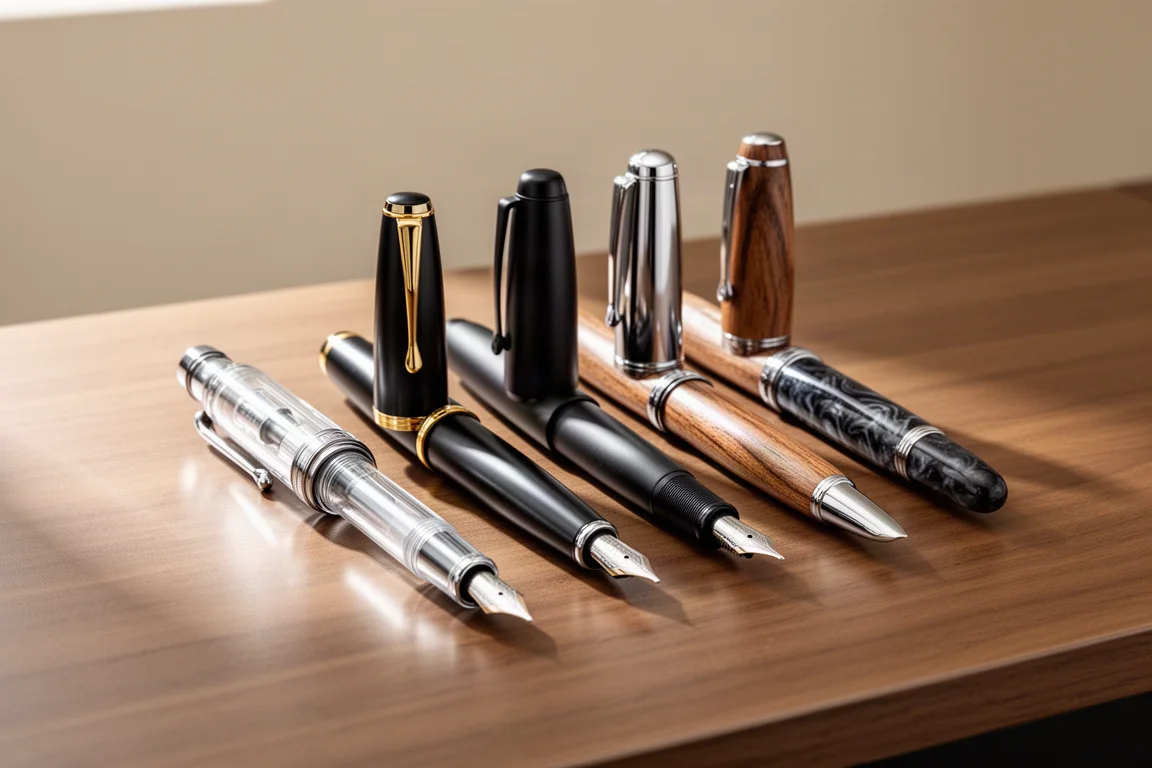
Most collectors try to avoid buying the same pen twice. There are so many brands, nib styles, filling systems, and materials out there that adding a duplicate can feel like a wasted slot in the collection. But a few pens are so well matched to a writing style that a second copy stops being a duplicate and starts being a practical decision: one for fun inks, one for everyday writing, one in a nib size that finally clicked.
This roundup covers five models that earned exactly that treatment: the TWSBI Eco, Platinum 3776 Century, Lamy 2000, Graf von Faber-Castell Classic, and Leonardo Momento Zero Grande. Each one justified a second purchase for a different reason, and each has a clear personality worth understanding before you buy.
TWSBI Eco: The Starter Pen That Stays Relevant
The TWSBI Eco is one of the most common first fountain pen recommendations, and for good reason. It is affordable, it is a piston filler so you can enjoy bottle ink from day one, the nibs are generally reliable, and the build is solid. It is also user-friendly: the pen can be fully disassembled, and the company has a good reputation for supplying replacement parts if anything goes wrong.
The first copy typically becomes a workhorse. In this case it was a 1.1 stub nib, an early introduction to both stub nibs and piston fillers at once, and it stayed in regular use for fun inks that sheen and shimmer. The big ink capacity, easy cleaning, and clear barrel make it a low-stress pen for testing inks like Diamine Majestic Blue, and a syringe fill gets it to a full load.
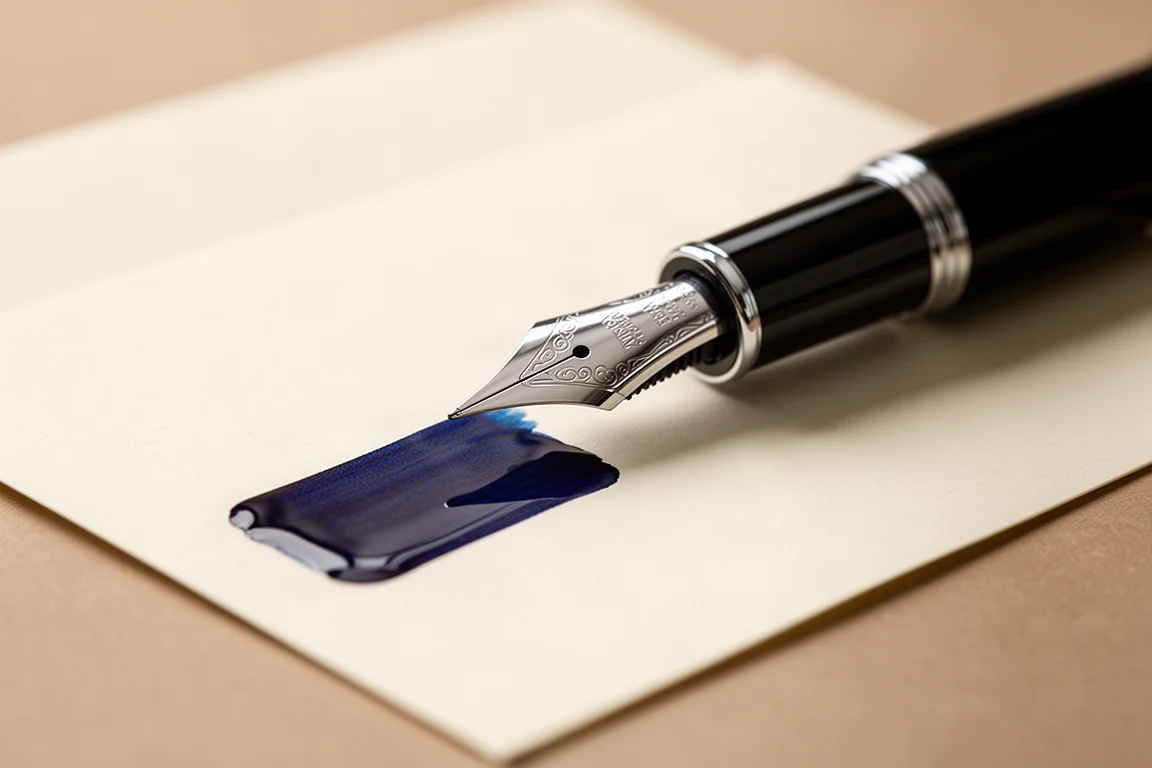
The second copy arrived only when trim options started appearing. For a long time the Eco came with silver trim and different cap colors, then bronze, onyx, rose gold, and iridescent-style finishes showed up. A bronze-trimmed extra fine made sense as a classier everyday writer, and an indigo-and-bronze version followed as a gift. One note for buyers: some Ecos write wetter at the start of a session and dry out slightly as you continue, though a page of quick writing is where this pen does its best work.
Platinum 3776 Century: Precision Gold Nib
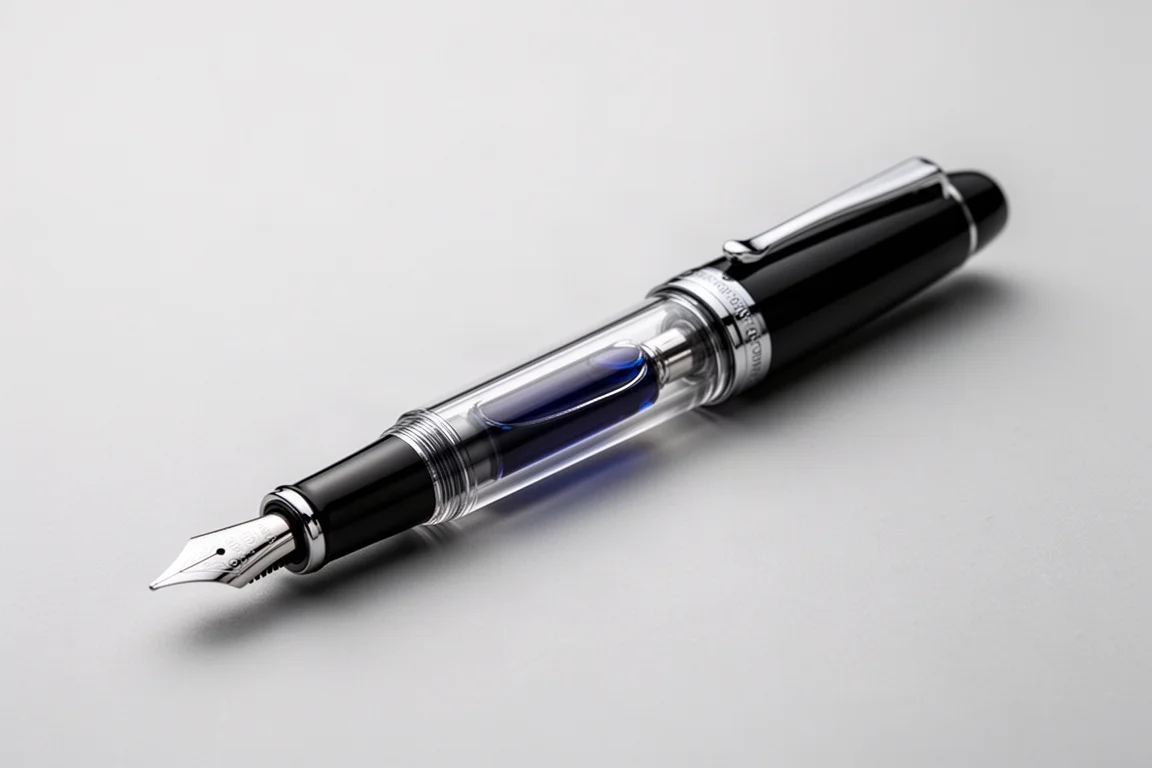
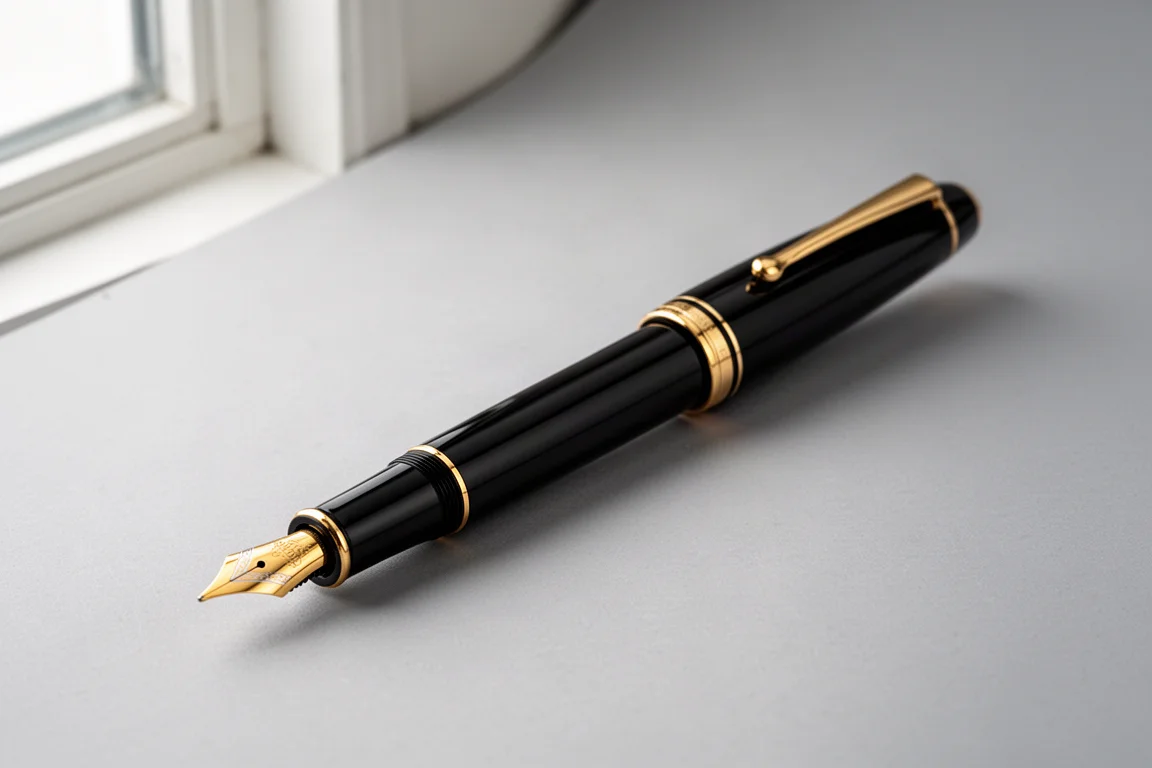
The Platinum 3776 Century is a classic gold-nib step-up pen. Historically it undercut rivals from Sailor and Pilot on price, making it an easy pen to buy more than once. That has changed: this model now retails for nearly $400, which prices out a casual repeat purchase. If you find one second hand at a good price, especially in a nib size you already know you love, it remains worth considering.
What makes the 3776 worth repeating is the writing experience. The 14k gold fine nib here is firm, precise, and consistent, with a line that fits detailed everyday writing perfectly. Platinum nibs run on the drier side, which pairs nicely with wet Japanese inks such as Iroshizuku Tsukushi. For writers who prefer a firmer, more controlled nib rather than a soft bouncy one, this pen fits so well that the writing experience sells itself.
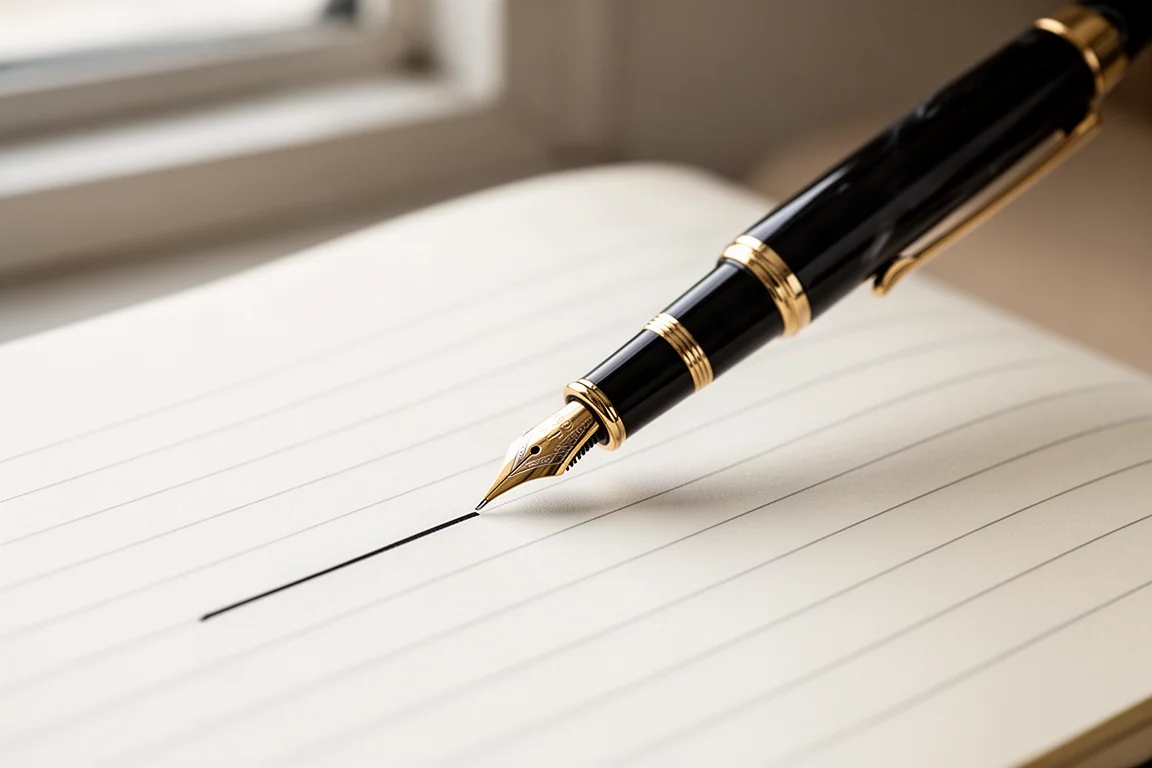
The 3776 family also rewards exploration. Clear demonstrators, celluloid versions, urushi maki-e editions, and a wide range of nib sizes mean the same core pen can deliver many different experiences. That variety is exactly how a single repeat purchase turns into a small rotation without ever feeling redundant.
Lamy 2000: The Desert Island Pen
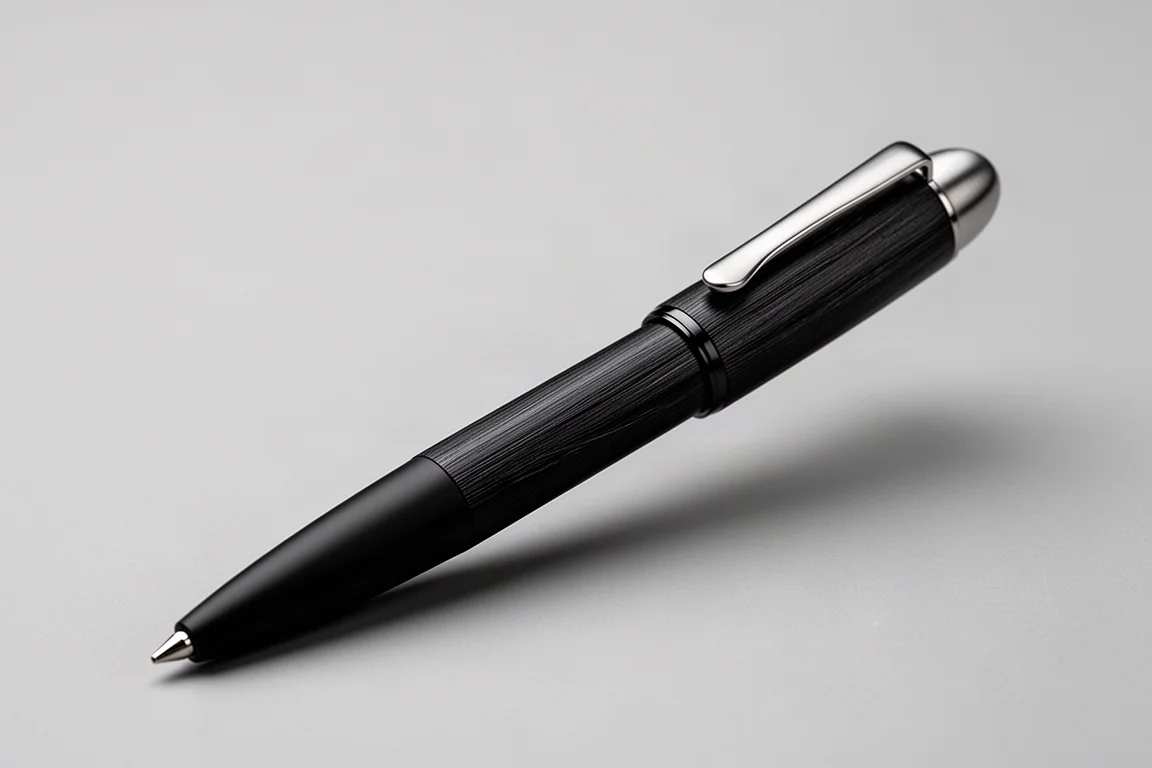
The Lamy 2000 is a milestone pen for many collectors, and often the first so-called grail. It is frequently called a desert island pen because it genuinely can do everything: piston filler, understated matte Makrolon body, excellent build quality, and a 14k gold nib that is widely respected. The brushed black design has barely changed in decades, and the ink window is a genuinely useful touch for checking fill levels on the go.
Here is the practical catch worth knowing before buying: the medium nib writes very broad and very wet, closer to a broad than a true medium. For writers who prefer extra fine nibs, that first medium can end up reserved for juicy ink demonstrations rather than daily writing. Shimmer inks and lighter colors that need a big wet line are perfect for it, as shown by a fill of Colorverse Golden Leaves.
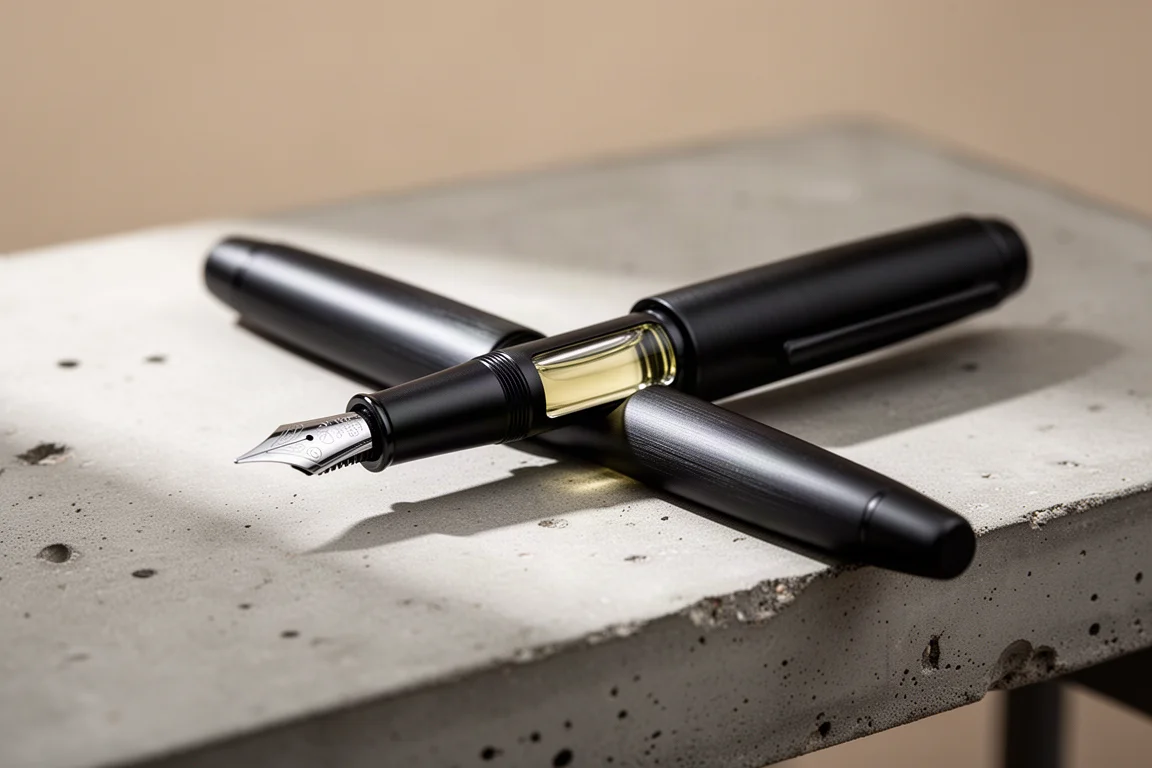
That gap is exactly why a second copy in extra fine makes so much sense. Once extra fine emerged as the everyday nib size of choice, an identical second Lamy 2000 in Makrolon was an easy call. Owning both also frees you up: the wet medium becomes a fun-ink pen rather than a pen you protect, and both stay in regular rotation.
Graf von Faber-Castell Classic: Luxury That Backs Itself Up
The Graf von Faber-Castell Classic is the kind of pen most people assume they will never own, and it is easy to see why. These pens typically run six or seven hundred dollars new depending on trim, though the smaller guilloche versions with the same nib and styling cost a bit less. The good news for patient buyers: the second hand market occasionally produces genuinely excellent deals, and both copies covered here were found that way.
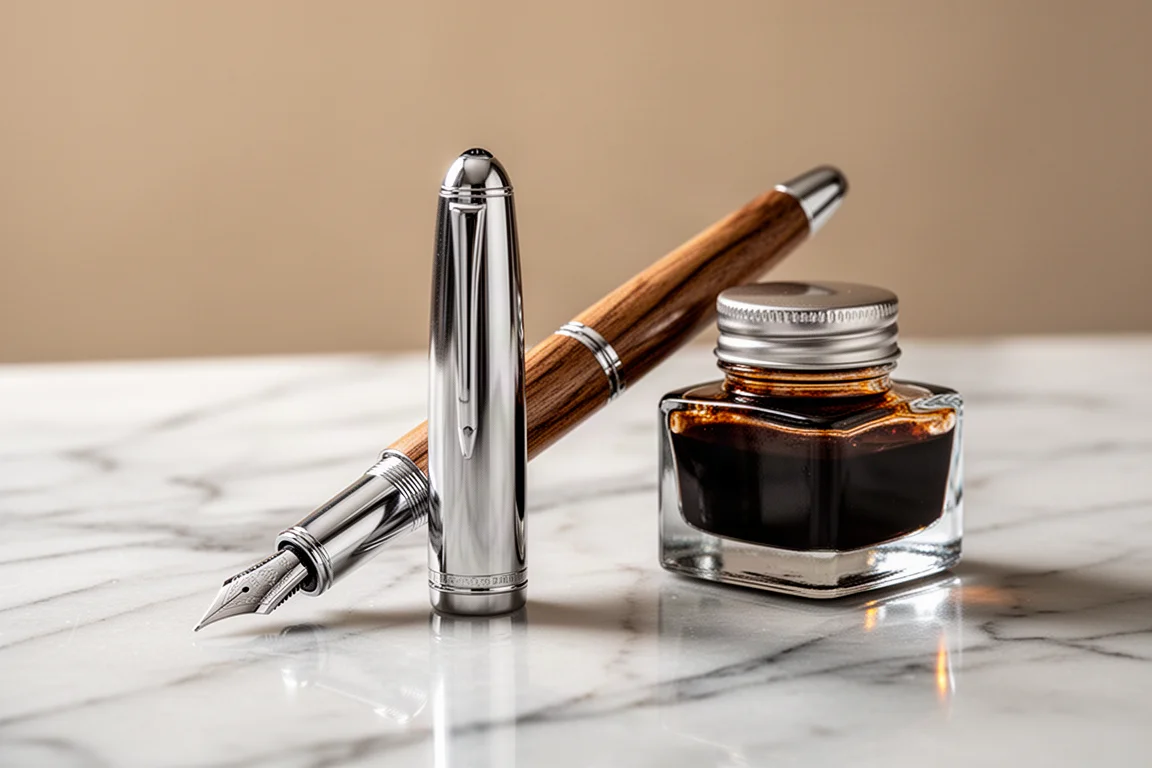
The quality justifies the reputation. The size, the weight, the natural wood barrel, and the 18k gold hand-finished nibs all back up the luxury branding. This is a cartridge converter pen, which many enthusiasts prefer for easy ink swaps, and it writes true to European sizing: smooth, wet, and consistent. Even the fine nib here lays down a line comparable to a wider stub, though part of that comes from the naturally dry sepia ink in it, a genuine blackish-brown true to the historical cuttlefish ink color.
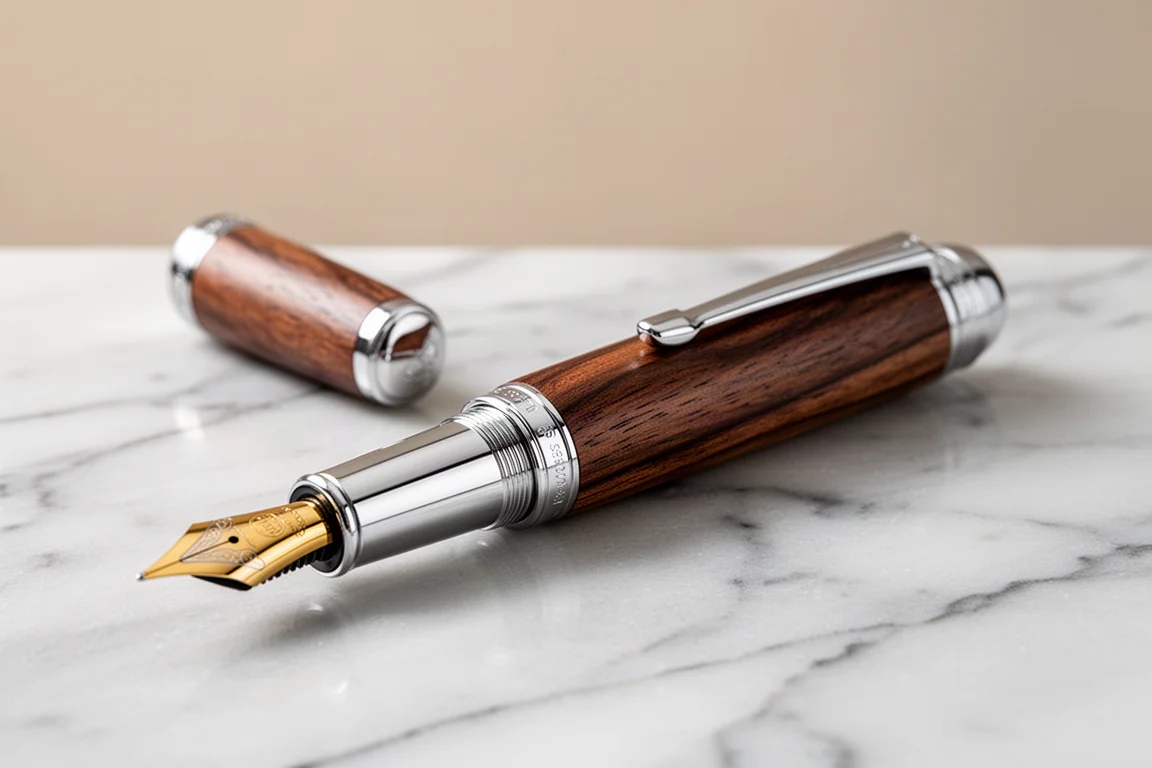
For collectors who like thinner pens and warm natural materials, the Classic is close to ideal. An ebony version with an extra fine nib covers fine detailed writing, while the Makassar wood with a fine nib adds a second distinct look. Nobody who has held one disputes that the writing and build quality are the real thing, and neither copy is going anywhere.
Leonardo Momento Zero Grande: The Material-Driven Repeat
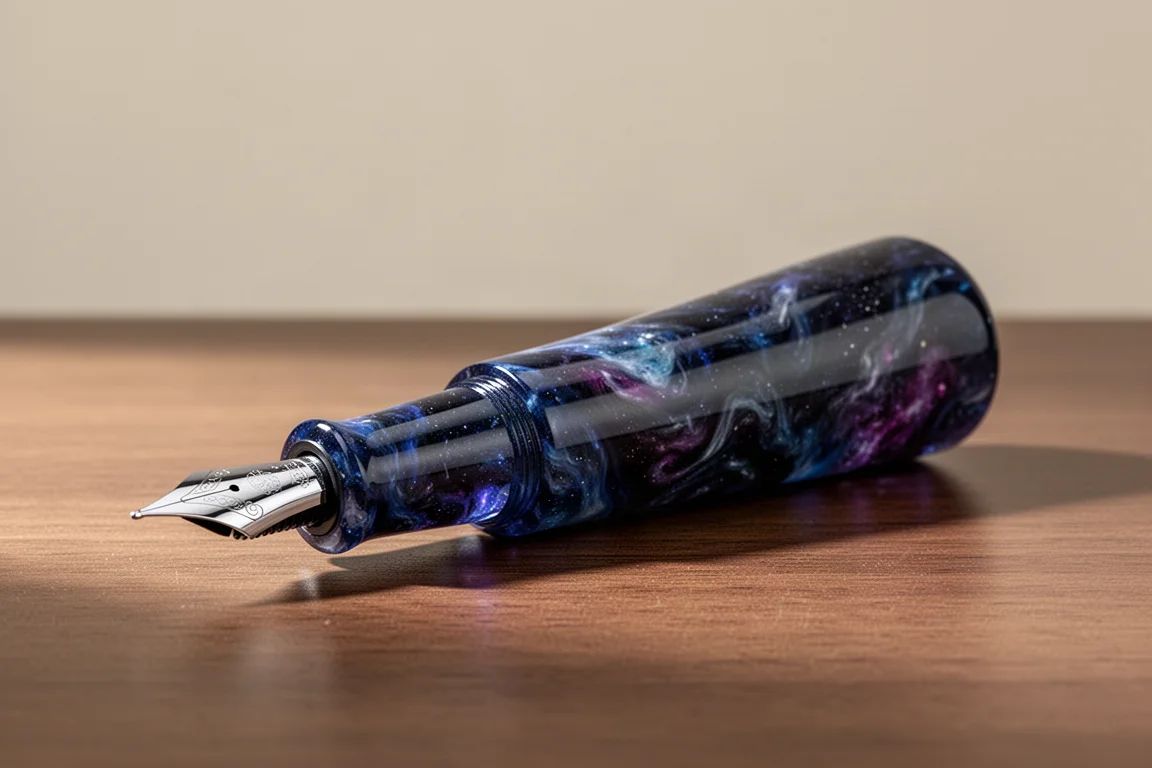
The Leonardo Momento Zero Grande rounds out the list, and it is the most material-driven repeat of the bunch. The first copy was bought deliberately, replacing a pen in a striking night-sky style resin that had been sold on. The model itself earns the loyalty: it is a cartridge converter pen with thick, chunky, durable resin, a triangular-to-circular grip section, and a shape that shows off special edition materials beautifully. It is many collectors’ favorite Leonardo model, partly because this shape appears mainly in special materials.
The second copy came from an extremely limited edition resin released around Black Friday or Fountain Pen Day. Because the first pen already proved the model fits, buying the second one in a beautiful new material was a low-risk decision rather than a gamble. Both carry the same Leonardo steel extra fine nib, which lays down a surprisingly wet, juicy line for its size.
Comfort is the real story here. The section shape stays comfortable over long writing sessions, the balance in hand is excellent, and the durable resin construction makes it easy to carry without worry. For anyone who loves resin artistry and wants one dependable writer they can buy again in a new material, this model is a strong pick.
Buying Advice: When a Second Copy Makes Sense
Buying the same pen twice only works when each copy has a distinct job. The patterns above are worth copying:
- Buy the same model in a different nib size when the first nib turned out too broad or too fine for your daily writing.
- Buy a special trim, color, or material when you already know the core pen is a great writer.
- Use the second hand market for expensive models like the Graf von Faber-Castell Classic and Platinum 3776 Century, where retail prices have climbed sharply.
- Give each duplicate a role: fun inks, everyday writing, sheen and shimmer testing.
If you prefer variety over duplicates, the starter-friendly picks here still deliver a lot: the TWSBI Eco with a bottle of ink is a complete setup on its own, and the Leonardo Momento Zero Grande covers comfortable long-session writing at a more accessible tier than the German luxury option.
Conclusion
A repeat purchase is the highest compliment a pen can earn. The TWSBI Eco proves a budget piston filler can justify a second copy, the Platinum 3776 Century and Lamy 2000 show how nib size and wetness should drive your choice, the Graf von Faber-Castell Classic demonstrates that true quality survives steep pricing, and the Leonardo Momento Zero Grande shows how a favorite model becomes a canvas for beautiful materials. Whichever direction you collect in, each of these five pens is good enough that buying one twice is a reasonable, even sensible, decision.
Further reading
Related Reviews
Fountain Pens
Best Budget Fountain Pens Tested: 9 Pens, One Clear Winner
A hands-on comparison of nine affordable fountain pens for everyday writing, calligraphy, and sketching, with a clear standout for flexible nib fans.
Fountain Pens
Aurora Optima Review: An Italian Piston Filler That Punches Above Its Price
A 14k gold nib, ebonite feed, and a beautifully deep oraloid body make the Aurora Optima one of the most rewarding piston fillers around.
Fountain Pens
Cross Bailey Light Review: The Entry-Level Fountain Pen Worth Keeping at the Office
A plastic-bodied Cross with a metal clip, snap cap, and famously smooth extra fine steel nib. Around $15, available almost everywhere, and easy to recommend.