Fountain Pens
Fountain Pen Revolution Ashoka Review: An Ebonite Flex Pen That Keeps Up
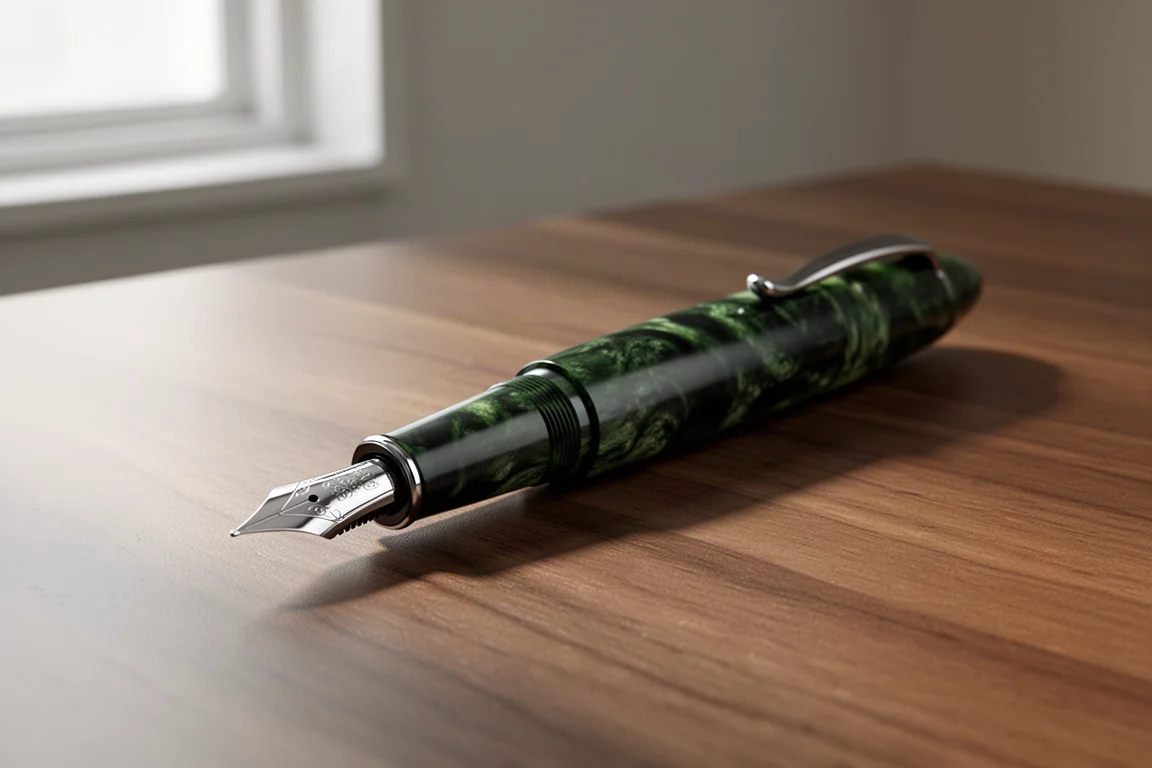
A green mottled ebonite fountain pen with flex nib options, an ebonite feed, and a generous ink capacity. Here is what works well and what to check first.
Introduction
Flex nibs are one of those features fountain pen enthusiasts go berserk over, and genuinely good ones are hard to find. Most brands do not offer a flex option at all, which makes the Fountain Pen Revolution Ashoka an interesting proposition: a well-made ebonite pen that can be configured with a flex nib, a range of standard points, or even an eyedropper fill. Here is how it holds up in daily use.
First Impressions and Design
The Ashoka arrives in a simple, unassuming cardboard box that can be recycled if you do not want to keep it. No real waste, and that is a refreshingly honest way to package a pen at this level.
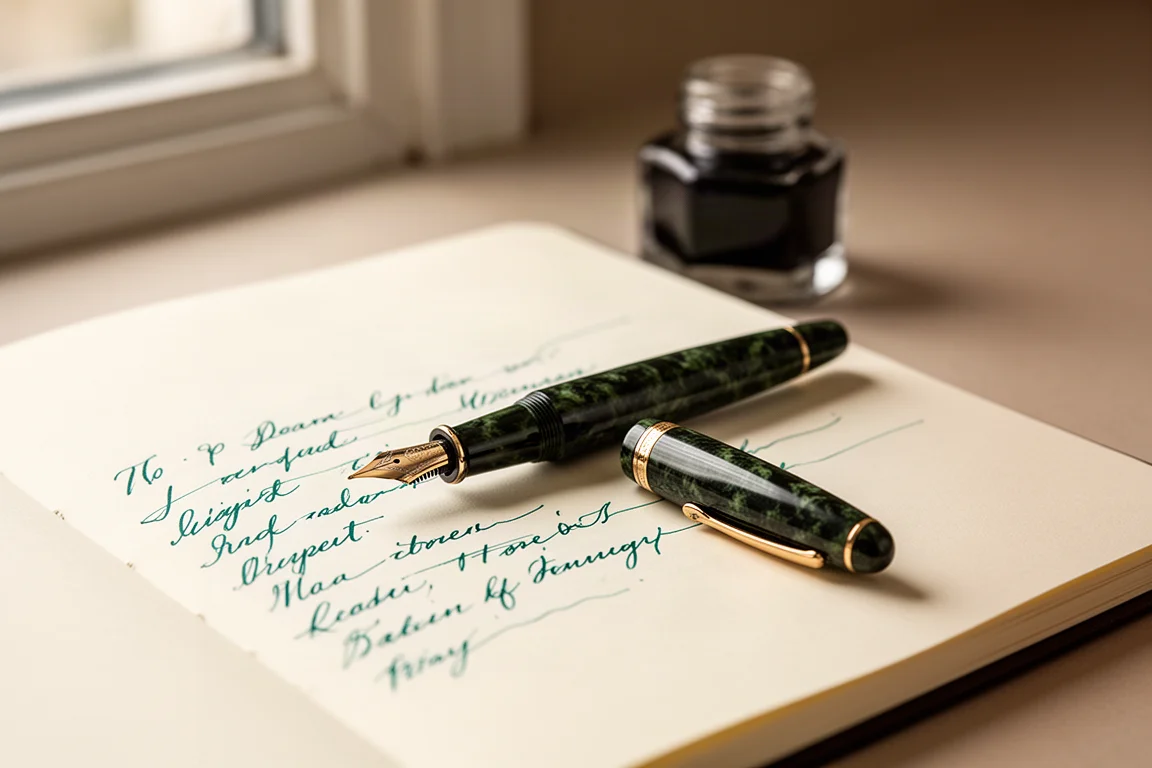
The pen itself is a green mottled ebonite that reads very dark at first glance but rewards a closer look. It is somewhat bigger than many Fountain Pen Revolution pens without being obscenely oversized: 15 cm (5.9 in) capped and 14 cm (5.5 in) uncapped, with a nicely executed cigar or torpedo shape. Details are thoughtfully handled. The finial is the same material as the rest of the cap, the barrel tapers cleanly, and the section is made from the same ebonite as the barrel, which gives the whole pen a solid visual continuity.
One thing to note: the clip feels quite springy and could bend out of shape, so handle it with a little care. The center band carries an FPR engraving, and the section has plenty of room to grip, with only a small step down.
Nib and Feed Options
Nib choices cover extra fine, fine, medium, or broad, with the broad and the 1 mm all-steel stub adding a small surcharge, the steel flex a bit more, and the steel ultra flex the priciest option. If none of those appeal, the pen also accepts a standard number six nib and feed with a plastic feed, similar to the setup on the Jaipur version two.
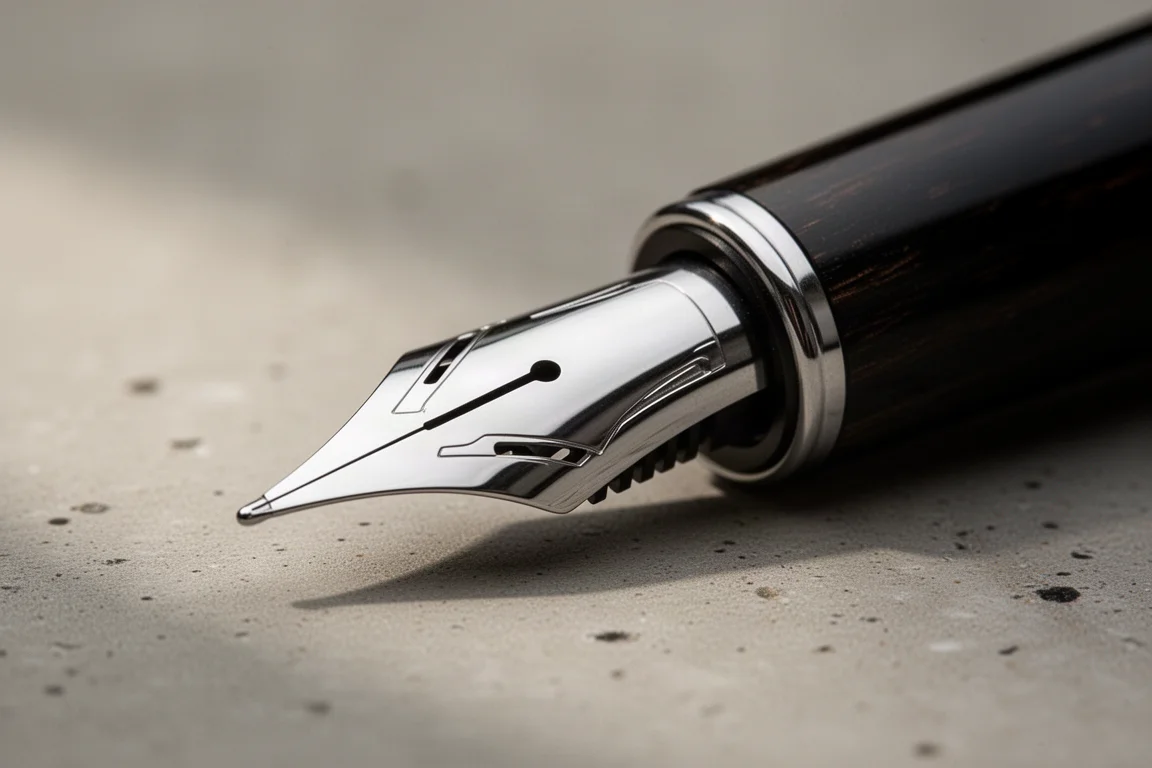
The flex configuration pairs an ultra flex nib with an ebonite feed, which can be heat set if needed. That ebonite feed matters: it helps the nib keep up with the heavy ink demand of flex writing, even on a pen that has been sitting for a couple of days rather than freshly primed.
Ink Capacity and Filling
Ink capacity is a genuine strength. The included converter is noticeably larger than standard converters, with a girthy reservoir that looks a little odd but holds a serious amount of ink. That matters for flex nibs, which burn through ink quickly and, anecdotally, seem to perform better with more ink pressure behind the feed.
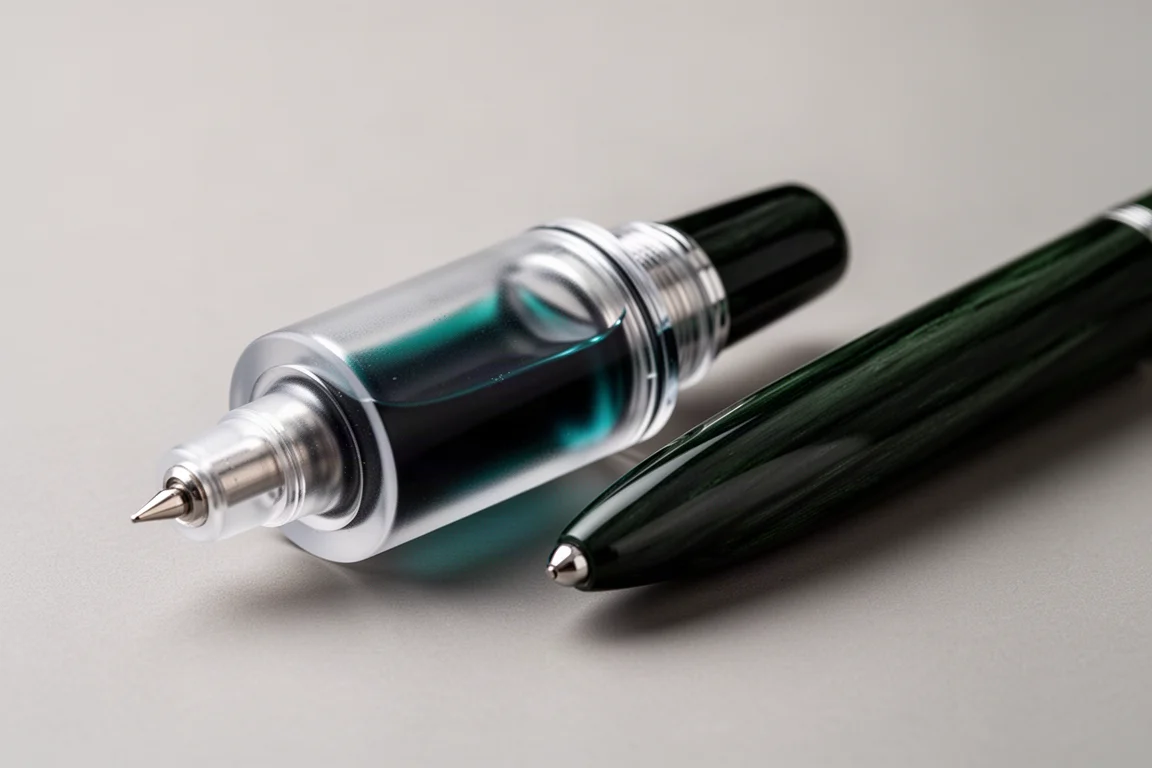
If you want even more, the Ashoka can be filled as an eyedropper. The threads come pre-greased and there is an O-ring already in place, so it is ready to go if that is your thing.
Writing Performance
Writing with the ultra flex nib under essentially no pressure, the line is smooth and nicely polished. That is worth emphasizing: many flex setups, especially pens that use dip nibs, are very flexy but very scratchy. This one does not feel scratchy, which makes it appealing even for writers who do not plan to flex regularly.
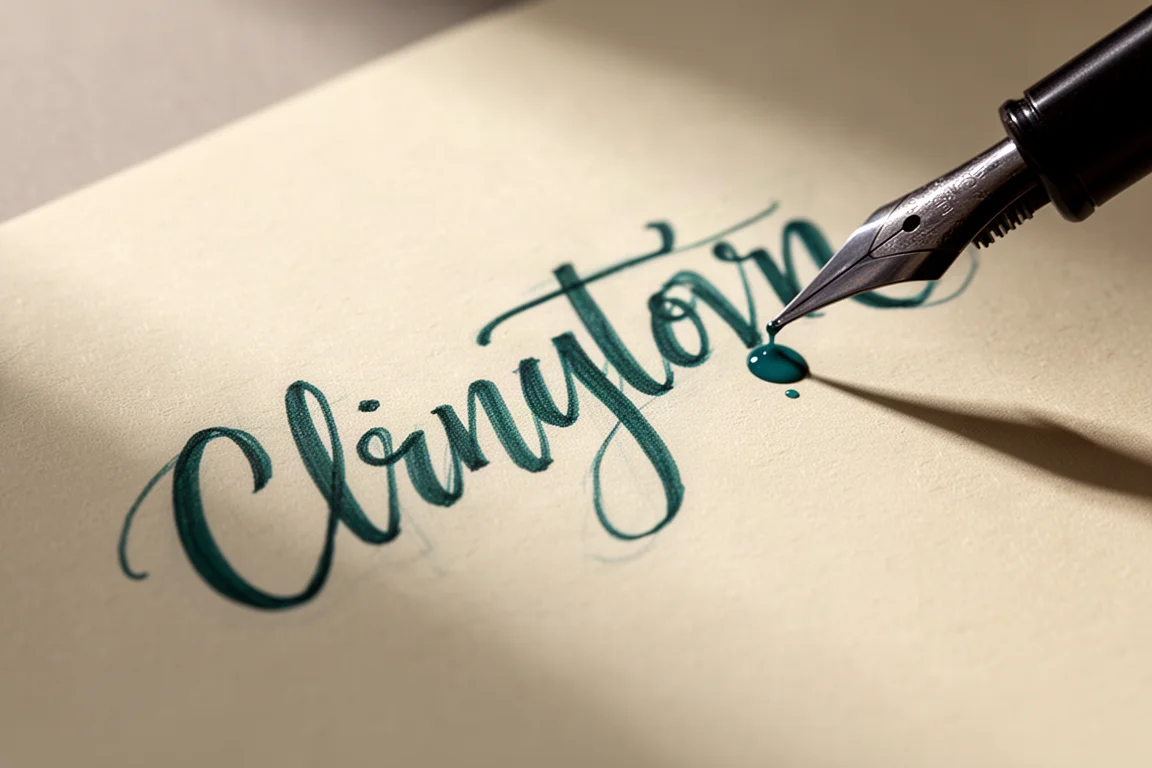
When actual pressure is applied, the line variation is impressive. Even flexing while barely slowing down, the nib kept up with ink demand, laying down a lot of ink. Push it too far, writing very quickly with heavy pressure, and it will railroad, but it recovers with a tap. At a normal, everyday wetness with no pressure, it is not the wettest writer, but it writes reliably.
Things to Consider Before Buying
The threads are a little sharp, though with so much usable section it is not really an issue in the hand; you simply do not feel them while writing. The clip also needs gentle handling. Beyond that, the pen performs without issues.
Flex is not for everyone. If you mainly write in a straight line at normal speed, you may prefer one of the non-flex nib options, and that is a perfectly good way to buy this pen. The finish variety, big ink capacity, and solid construction all carry over either way.
Buying Advice
At roughly 75 Canadian, the Ashoka feels reasonably priced for a well-writing ebonite pen with these options. Budget for the nib surcharges if you want the stub or flex points, and remember that flex nibs go through ink quickly, so the large converter or eyedropper fill is worth using. If you have ever wanted to add a little expressiveness to your signature or everyday writing, this is an easy, low-risk way to try it.
Conclusion
The Fountain Pen Revolution Ashoka shows a brand hitting a refined stride: attractive mottled ebonite, a genuinely usable flex nib with an ebonite feed, flexible filling options, and only minor caveats like the slightly sharp threads and springy clip. Whether you buy it for flex or as a comfortable everyday writer with one of the standard nibs, it is a pen worth a close look.
Product link
View more details for Fountain Pen Revolution Ashoka
This product is mentioned in the review. Check the specifications, options, and compatibility before buying.
View more details for Fountain Pen Revolution AshokaFurther reading
Related Reviews
Fountain Pens
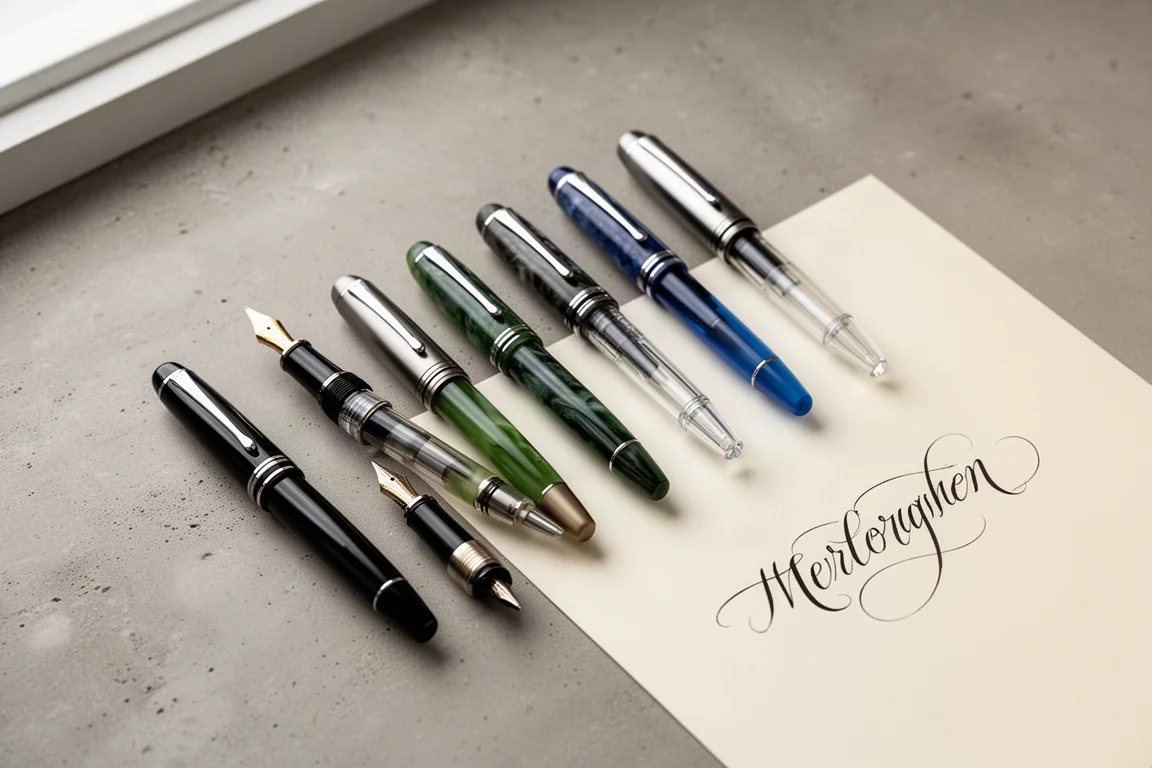
Best Budget Fountain Pens Tested: 9 Pens, One Clear Winner
A hands-on comparison of nine affordable fountain pens for everyday writing, calligraphy, and sketching, with a clear standout for flexible nib fans.
Fountain Pens
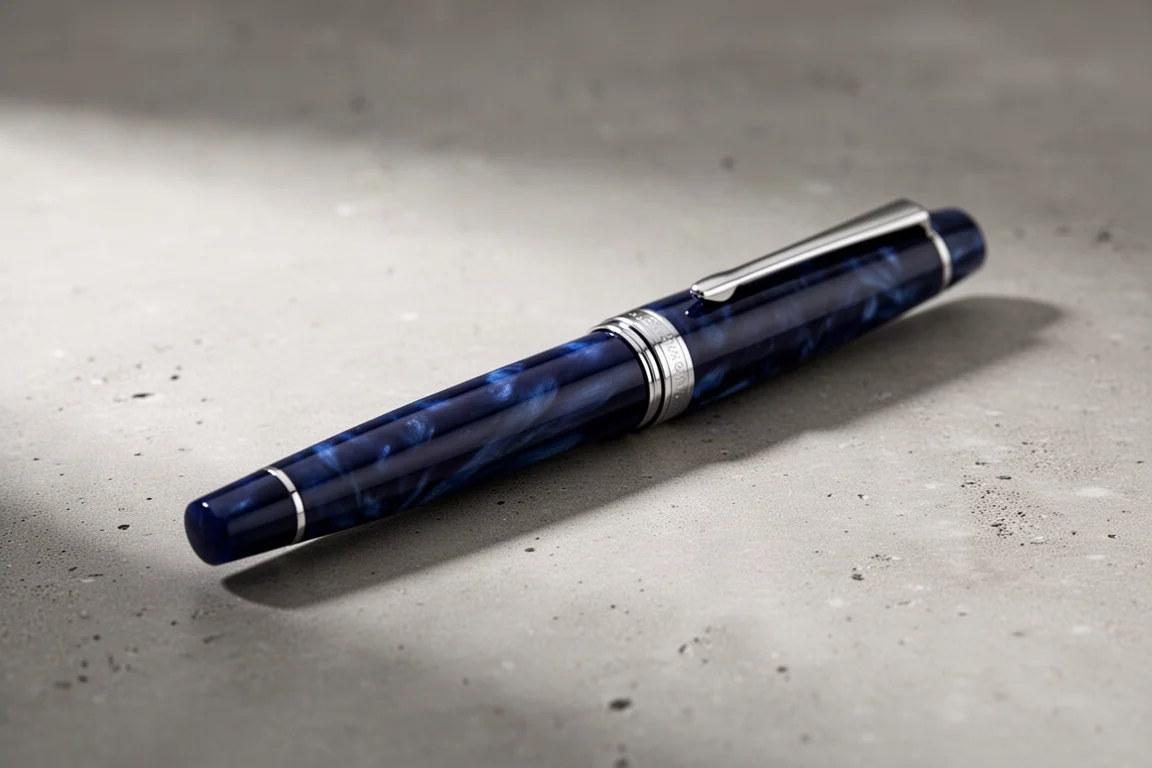
Aurora Optima Review: An Italian Piston Filler That Punches Above Its Price
A 14k gold nib, ebonite feed, and a beautifully deep oraloid body make the Aurora Optima one of the most rewarding piston fillers around.
Fountain Pens
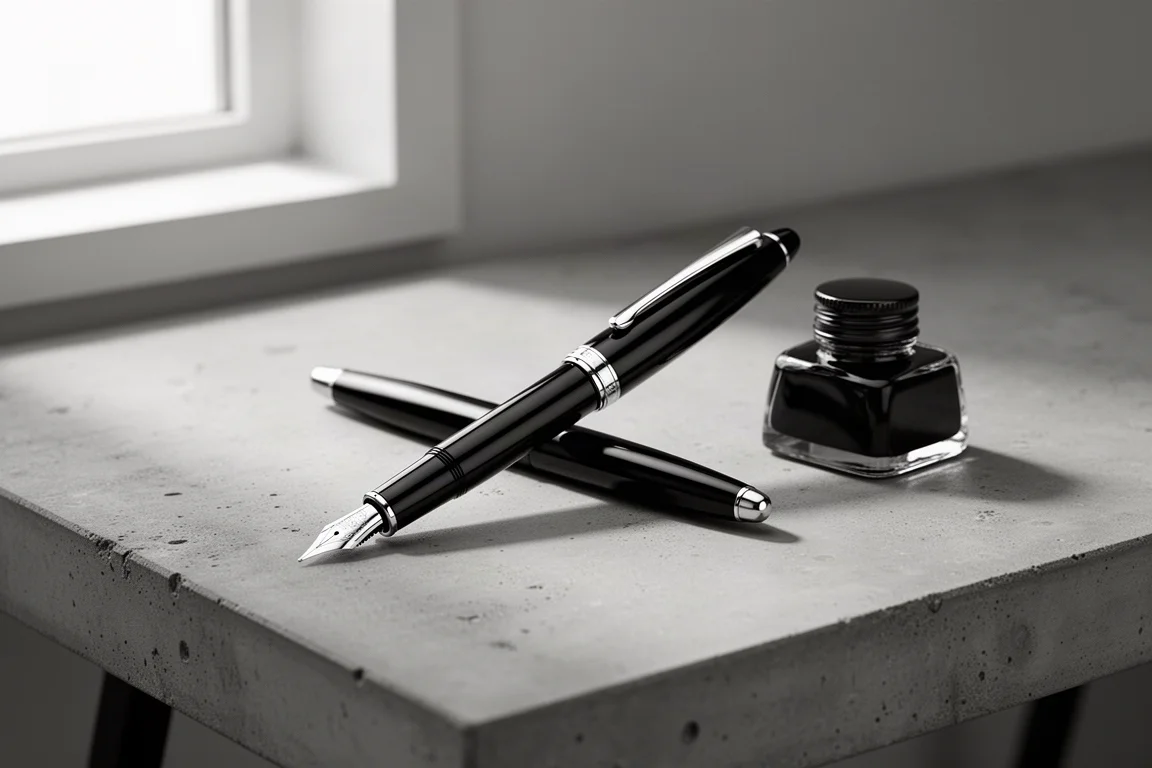
Cross Bailey Light Review: The Entry-Level Fountain Pen Worth Keeping at the Office
A plastic-bodied Cross with a metal clip, snap cap, and famously smooth extra fine steel nib. Around $15, available almost everywhere, and easy to recommend.