Fountain Pens
Six Fountain Pens Worth Your Attention: A Personal Collection Tour
From a vacuum-filling Pilot to a brass Kaweco and a vintage Parker 51, six fountain pens that earn their place in a working collection.
Introduction
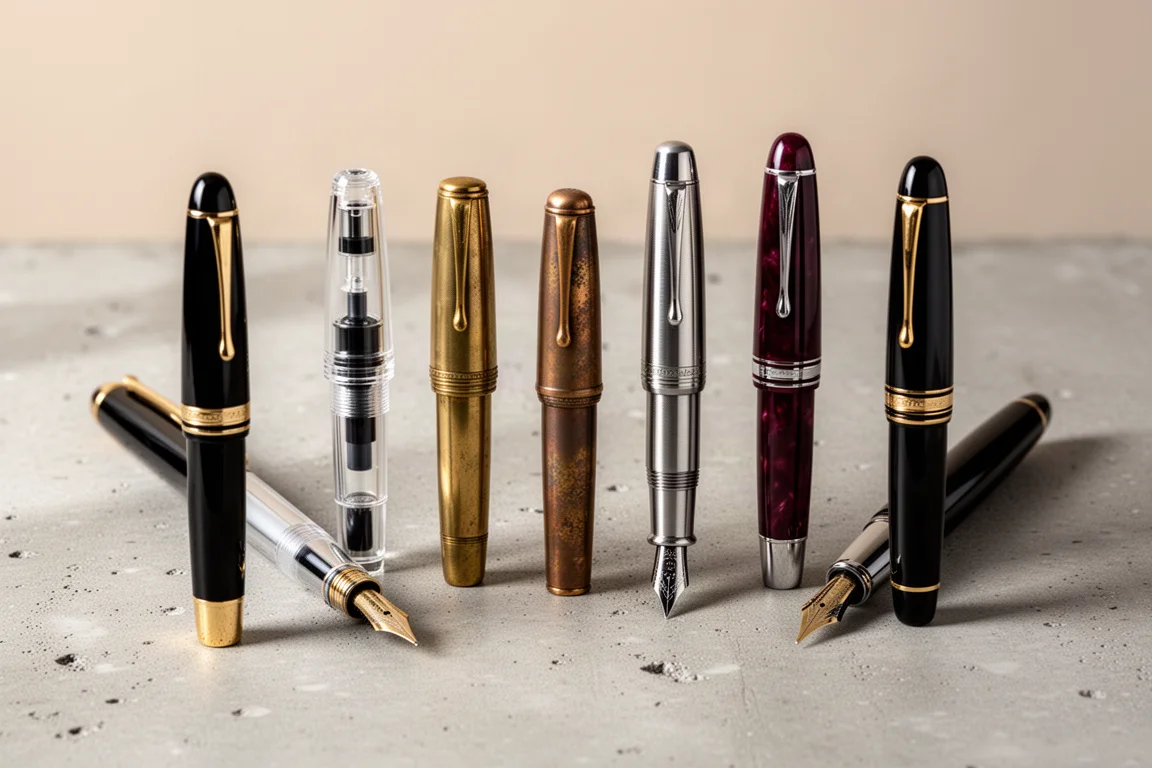
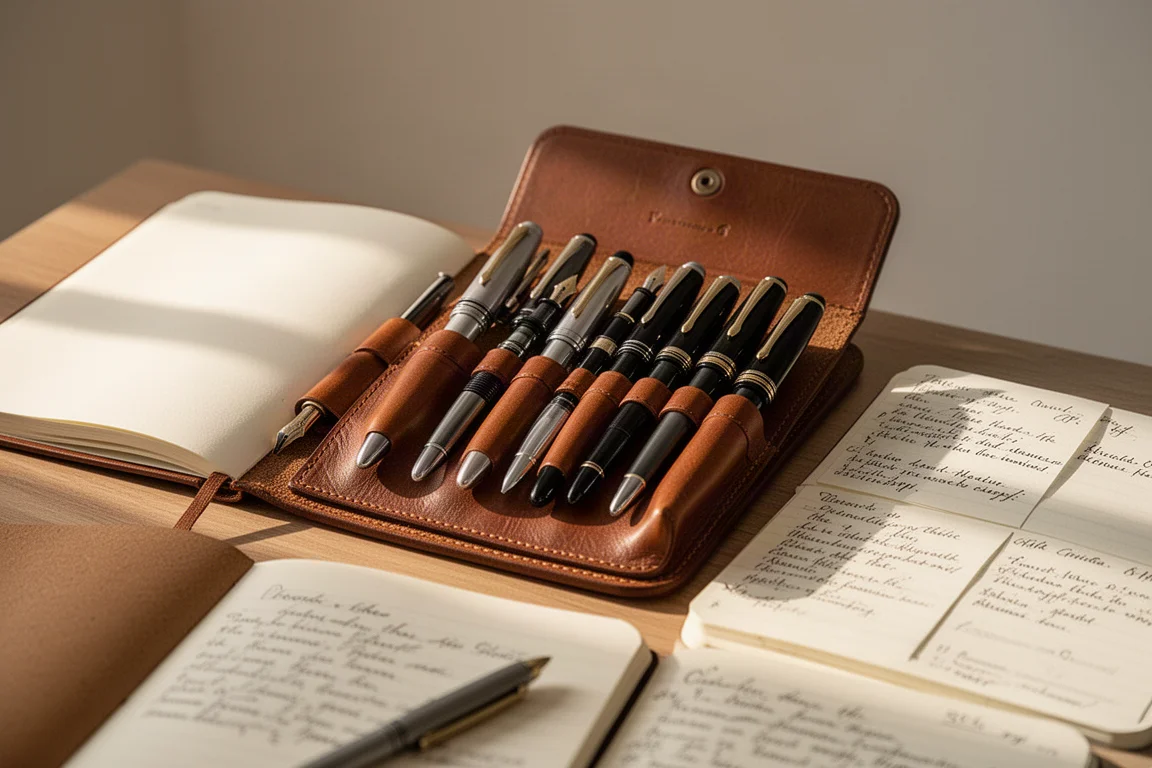
A fountain pen collection tells you a lot about how someone writes. The pens here have been used for years of journaling, swapped between ink colors, carried in pockets, and reorganized in leather storage cases next to the desk where the actual writing happens. This roundup pulls out six pens that stand out for what they do well, whether that is ink capacity, flex writing, pocketability, or simply being a joy to put on paper.
Not everything in a long-term collection is a winner, and this tour is honest about that too: some popular pens disappoint, some vintage finds surprise, and the best choice depends entirely on how you write. Medium and stub nibs dominate here, but a couple of fine-nib exceptions prove the rule.
Best All-Rounder: Pilot Custom 823
The Pilot Custom 823 is the pen currently in daily rotation, and it is easy to see why. It is vacuum filled, which means it holds a serious amount of ink and produces a satisfying sound when filling. The nib is the real story: it is described as one of the best available, extraordinarily smooth with just enough feedback to keep things interesting.
For under $300, it is hard to name a pen that writes better. The only adjustment is that it writes so fluidly you need to rein it in a little, and its precision encourages small, careful handwriting. If you want one pen that does nearly everything well, this is a strong candidate.
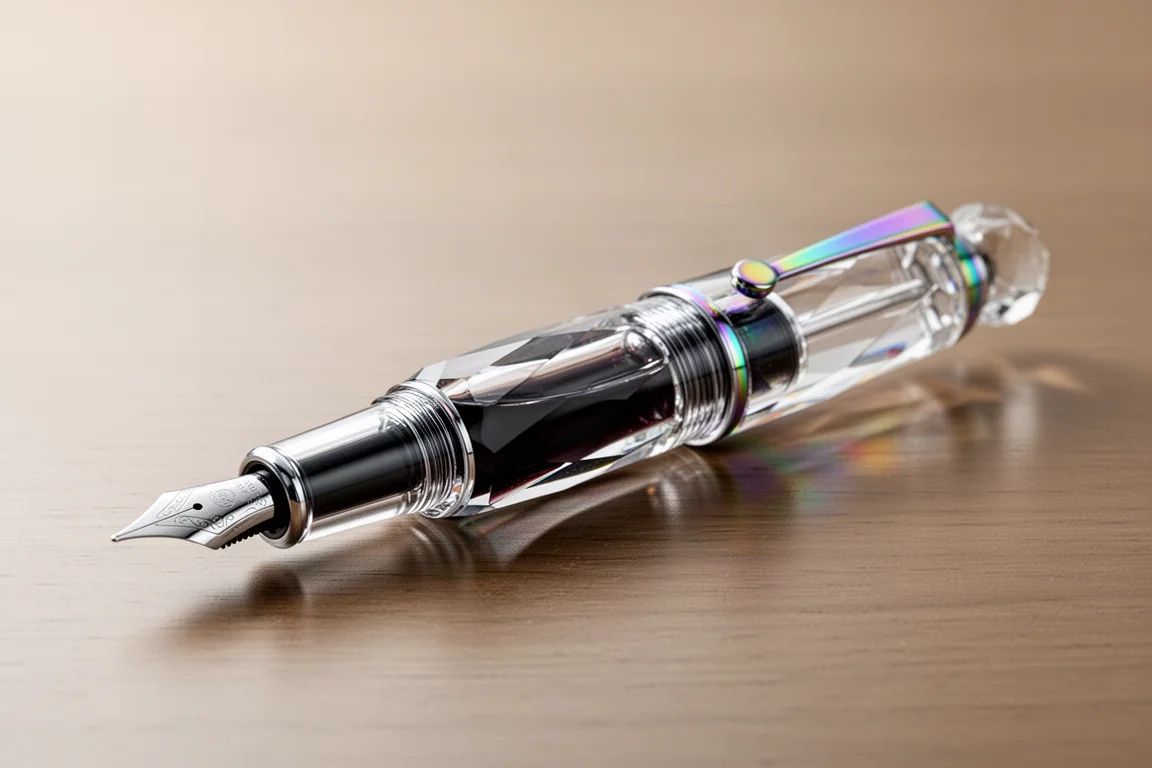
Best Daily Workhorse: TWSBI Diamond 580
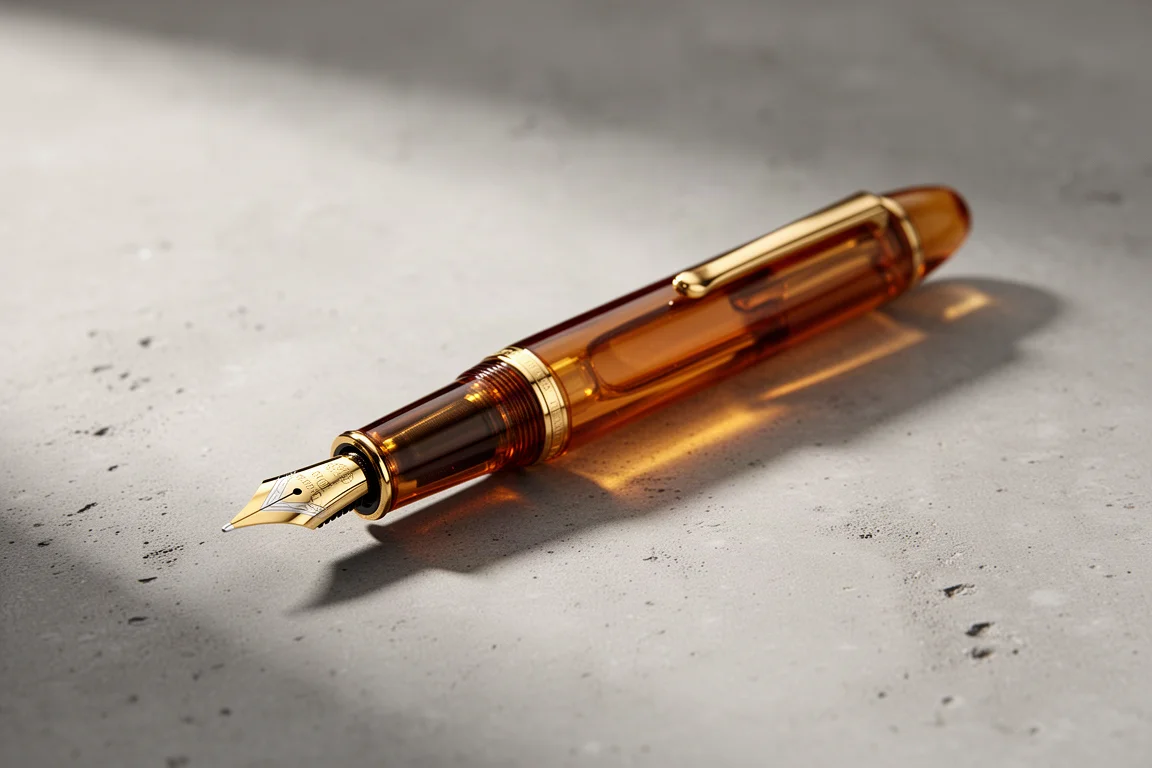
The TWSBI Diamond 580 came in as a gift and has become a genuine favorite. It writes magnificently, and the eyedropper-style tank means it carries plenty of ink for long writing sessions. It is currently filled with a deep oxblood ink that suits it perfectly.
One quirk worth knowing: the general advice is not to post the cap while writing, but in practice this pen has been posted constantly with no issues. If you enjoy seeing how much ink you have left and want a reliable everyday writer, the Diamond 580 delivers.
Best Pocket Companion: Kaweco Brass Sport
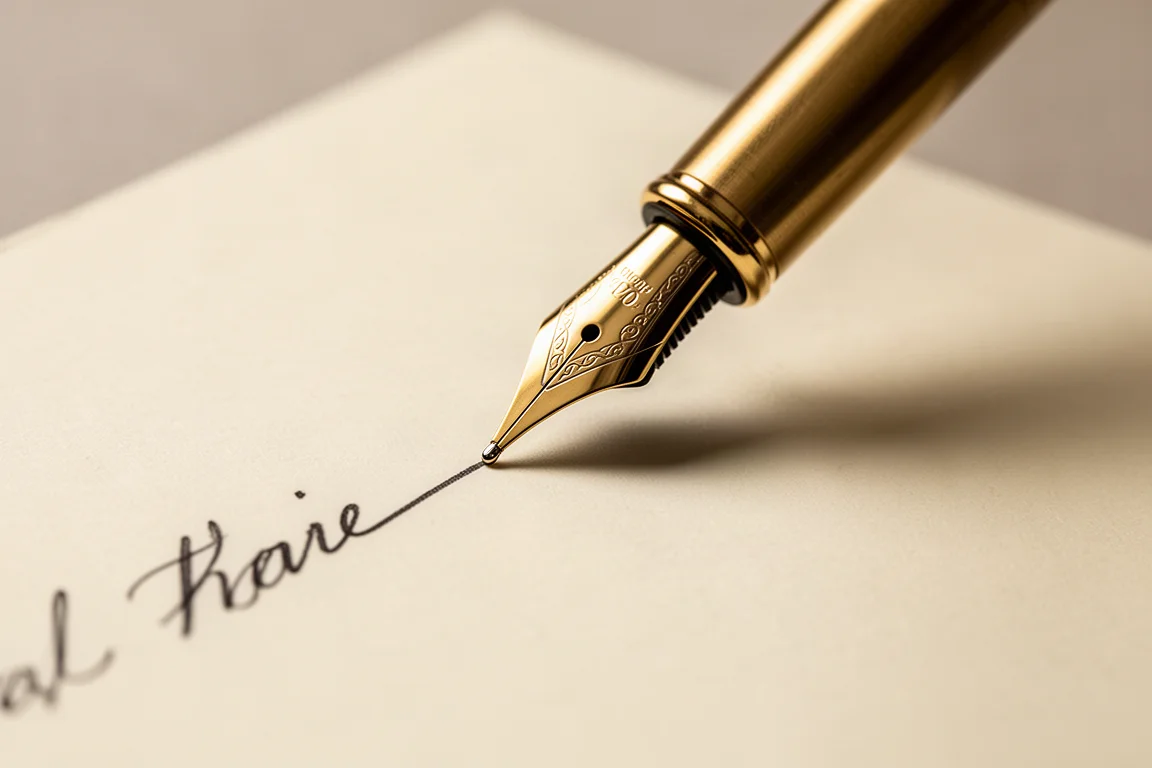
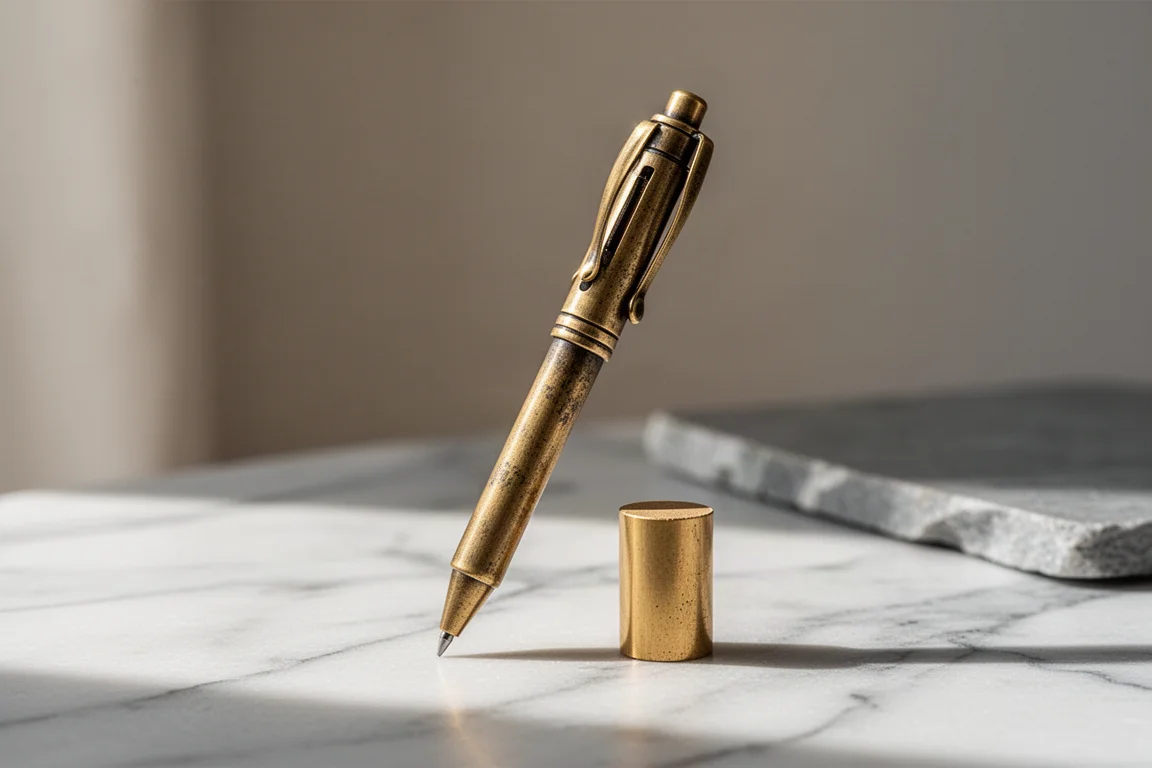
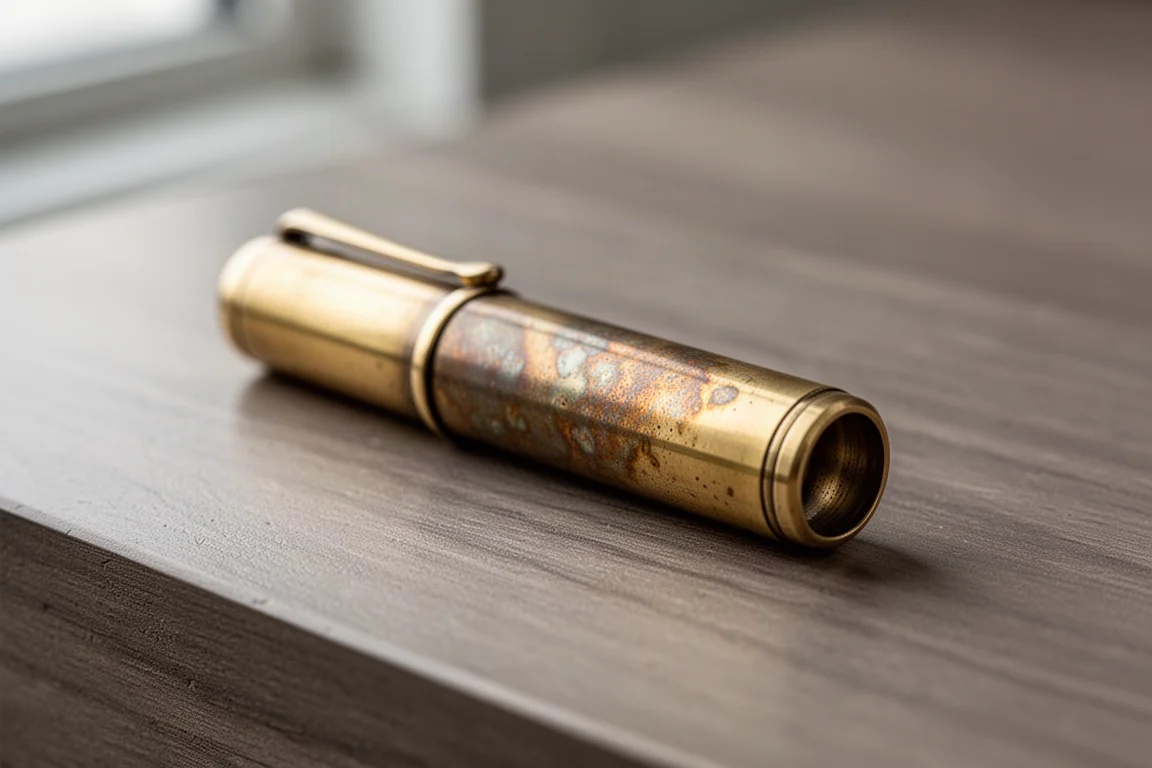
The Kaweco Brass Sport is a pen worth owning twice, and in this collection it was. The one that gets the most use carries a calligraphy nib, which reflects a broader shift toward interesting nibs, including stubs, obliques, and calligraphy grinds, rather than more mediums and fines.
What makes the brass version special is that it changes over time. The bare brass develops a patina with handling, and the twist mechanism tightens with a satisfying feel. It is also genuinely tough, described as indestructible, which makes it an ideal pocket pen.
Best Vintage Choice: Parker 51
Some pens earn their reputation over decades, and the original Parker 51 is one of them. It has an elegant hooded nib design, a button filler that suits anyone who prefers internal fill systems over cartridges, and it is simply a fantastic, refined writer.
This is the kind of pen that feels connected to history, the sort of instrument you can imagine in important rooms in the mid-twentieth century. If you are curious about vintage fountain pens, the Parker 51 remains one of the most rewarding entry points.
Best Fine-Nib Surprise: Waterman Charleston
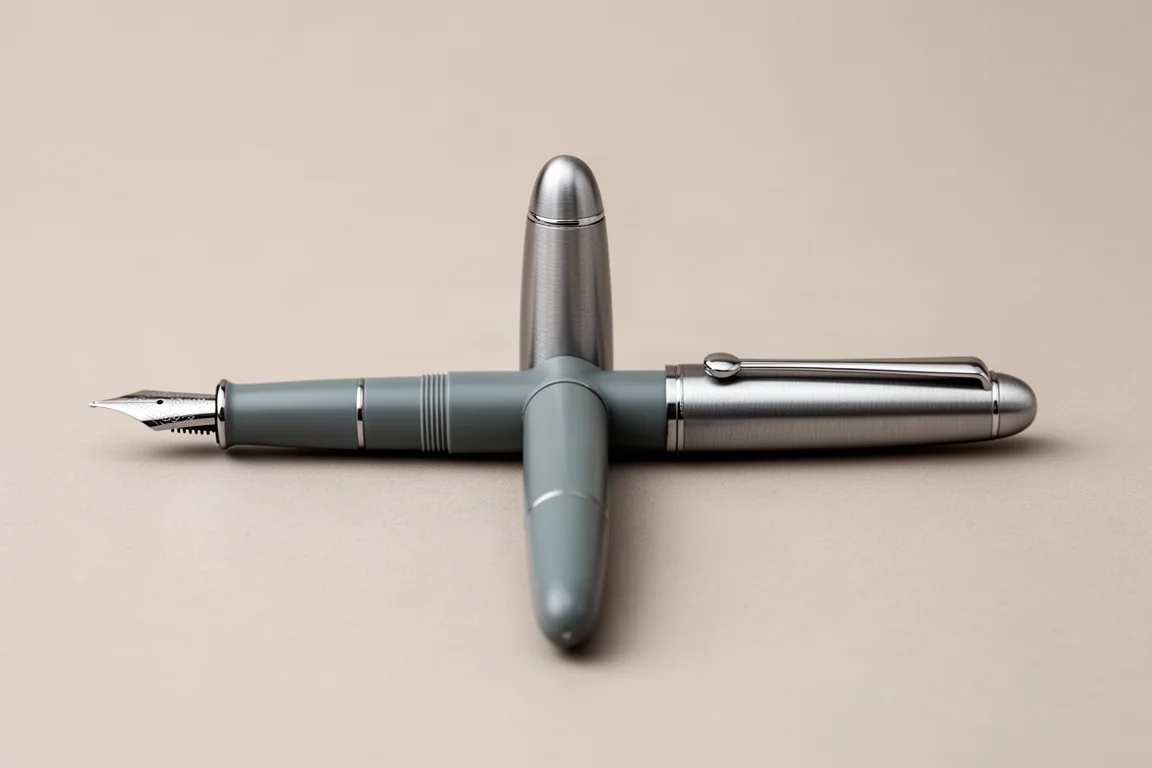
Here is an exception to the medium-and-stub rule: the Waterman Charleston, with a fine 18 karat gold nib, ranks among the favorite pens in the collection. It writes beautifully and consistently, to the point that the recommendation is blunt: everyone should have one.
The Charleston also happens to be a strikingly elegant pen visually, which never hurts. If you write small or prefer finer lines and want a pen that feels a little more formal than the usual suspects, this is the one to look at.
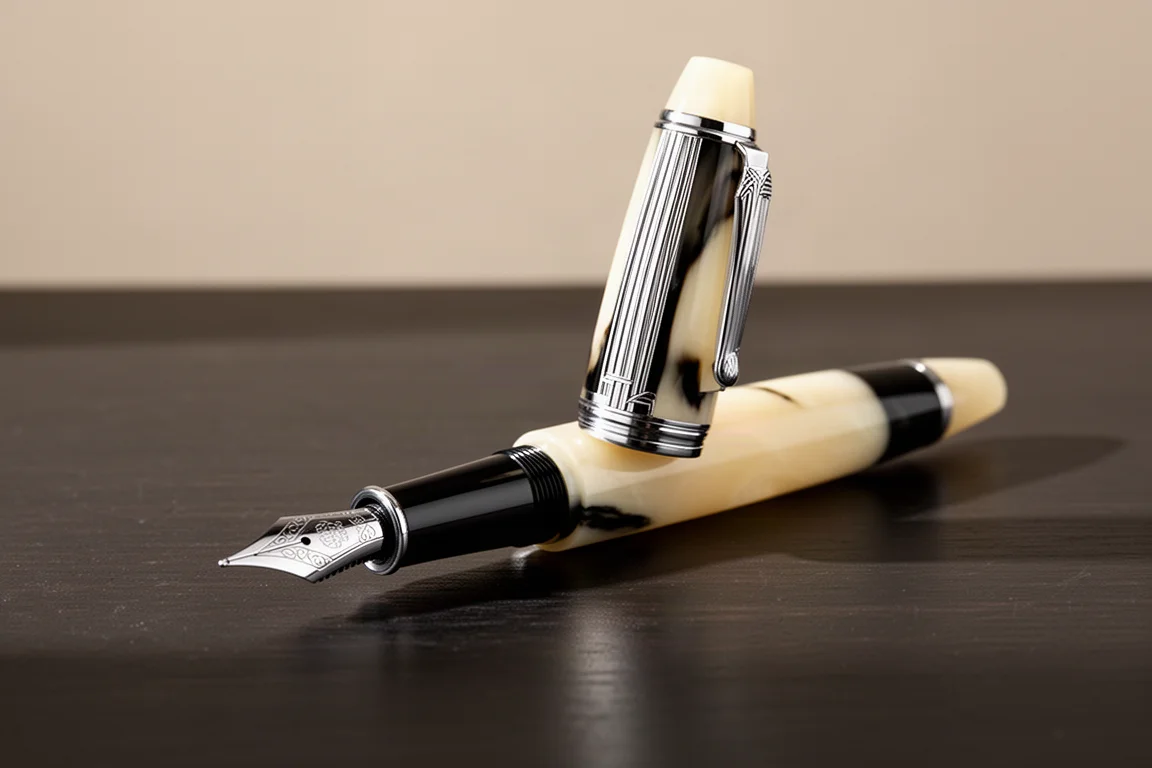
Best for Flex Writing: Fountain Pen Revolution Flex Pen
Flex writing is tempting but expensive to try, and this is where a smart pick matters. The Fountain Pen Revolution flex pen costs around $40 and, in direct comparison, runs circles around a far more expensive well-known flex pen that costs roughly $200. It flexes readily, railroads only occasionally, and is well made.
The second version improves on the original with a better converter, a different color, and a slightly better nib. If flex writing is on your wish list, start here before spending serious money. Vintage fans may also find joy in old lever-fillers with flexible nibs, but for a modern buy this is the standout.
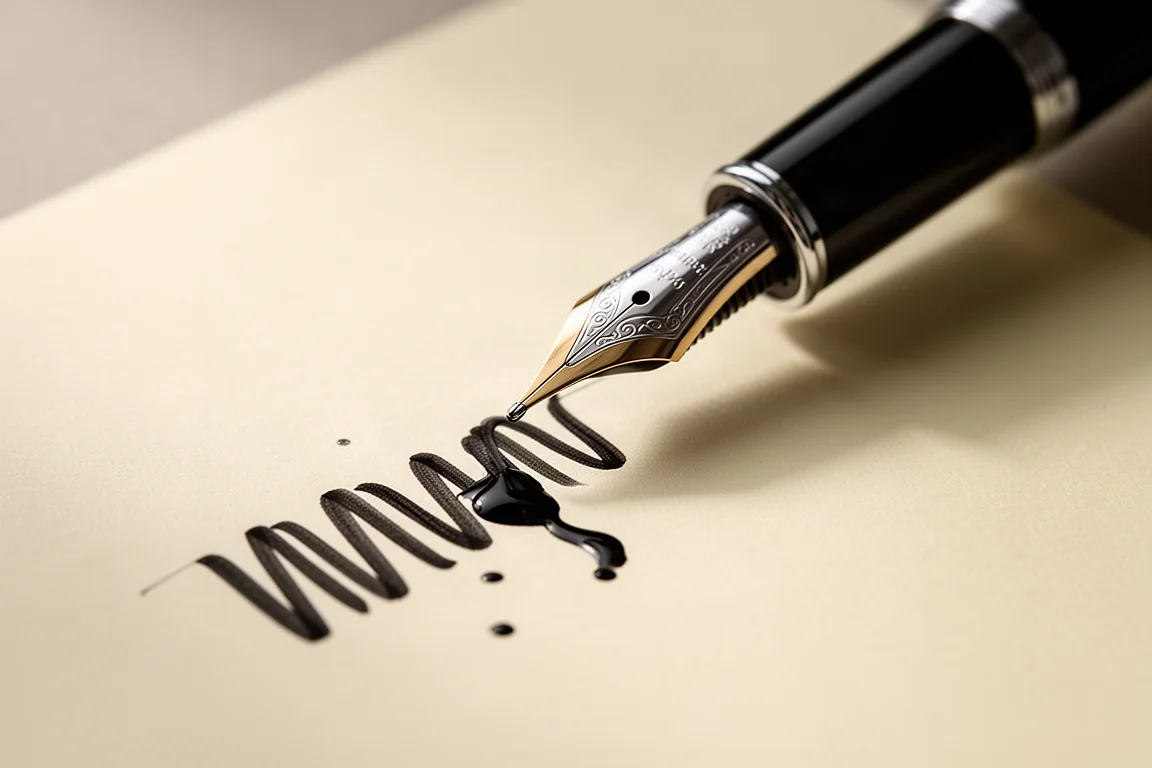
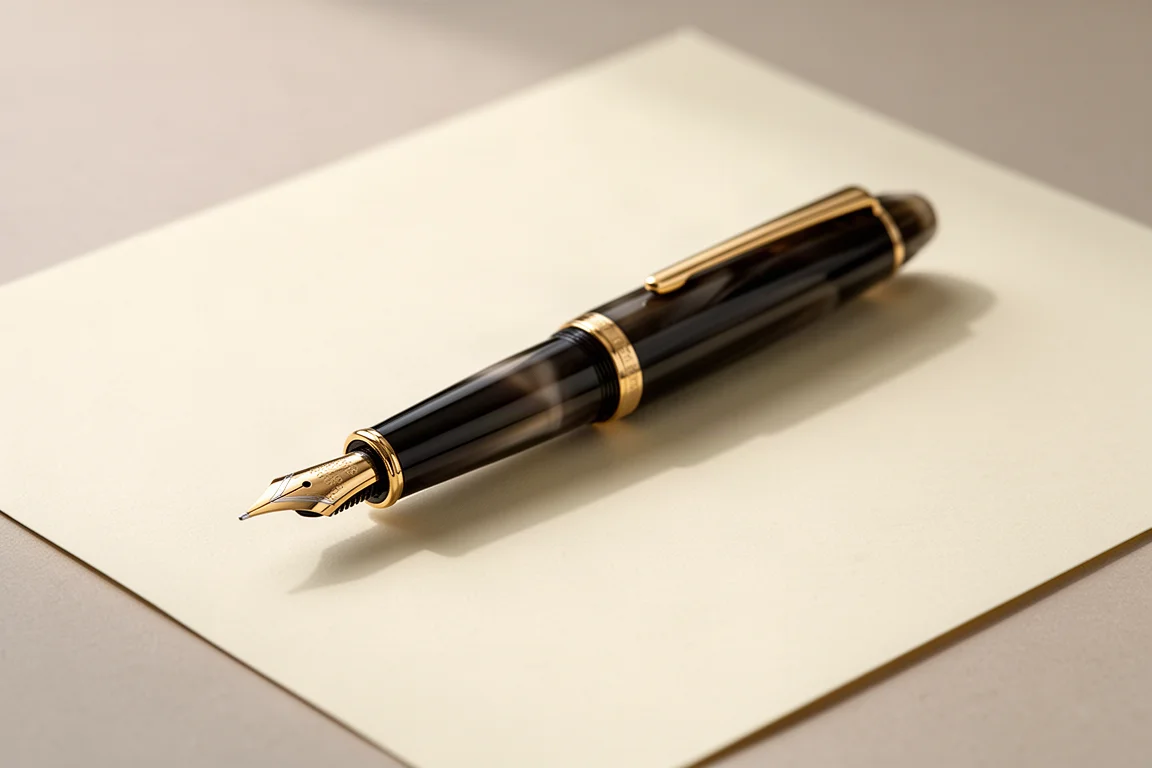
Buying Advice
Across the wider hobby, a few patterns are worth noting. Internal filling systems such as pistons, vacuum fillers, and button fillers tend to be preferred over cartridges. Larger pens like a Montblanc Meisterstuck 149 remain all-around classics, while underappreciated vintage pieces such as a Montblanc 264 or a Parker 22 in dead-stock condition can be wonderful finds. Modern resin pens like the Esterbrook Estie and Conklin stub-nib models reward writers who love expressive nibs, and flexible vintage pens such as a Wahl-Eversharp from the 1920s or a Waldmann Oxford with a flex nib suit those drawn to line variation.
The biggest warning from long experience: an expensive flex pen does not guarantee good flex. The Pilot Falcon, at around $200, proved disappointing in both writing and flex performance next to a pen a fraction of its price. Buy for how a pen writes, not for the badge.
Conclusion
The best fountain pen is the one that matches your hand and habits. The Pilot Custom 823 for an all-round premium writer, the TWSBI Diamond 580 for daily ink capacity, the Kaweco Brass Sport for the pocket, the Parker 51 for vintage elegance, the Waterman Charleston for a fine nib done right, and the Fountain Pen Revolution flex pen for affordable line variation. Fewer pens, known well, tends to beat a crowded drawer every time.
Further reading
Related Reviews
Fountain Pens
Best Budget Fountain Pens Tested: 9 Pens, One Clear Winner
A hands-on comparison of nine affordable fountain pens for everyday writing, calligraphy, and sketching, with a clear standout for flexible nib fans.
Fountain Pens
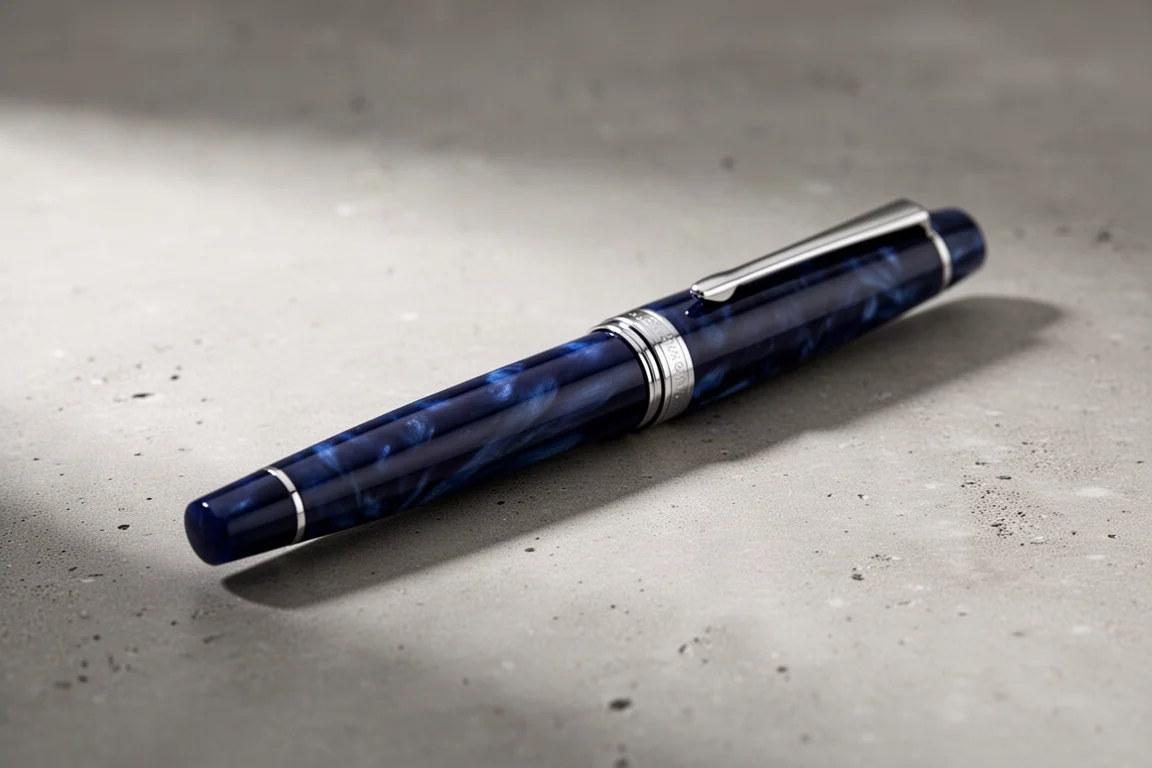
Aurora Optima Review: An Italian Piston Filler That Punches Above Its Price
A 14k gold nib, ebonite feed, and a beautifully deep oraloid body make the Aurora Optima one of the most rewarding piston fillers around.
Fountain Pens
Cross Bailey Light Review: The Entry-Level Fountain Pen Worth Keeping at the Office
A plastic-bodied Cross with a metal clip, snap cap, and famously smooth extra fine steel nib. Around $15, available almost everywhere, and easy to recommend.