Stereo Amplifiers
Fosi Audio ZA3 vs Yamaha A-S301: Two Affordable Integrated Amplifiers Compared
A $150 compact amplifier with a wide upgrade path meets a $350 traditional integrated. Here is how they compare on sound, features, and long-term value.
Introduction
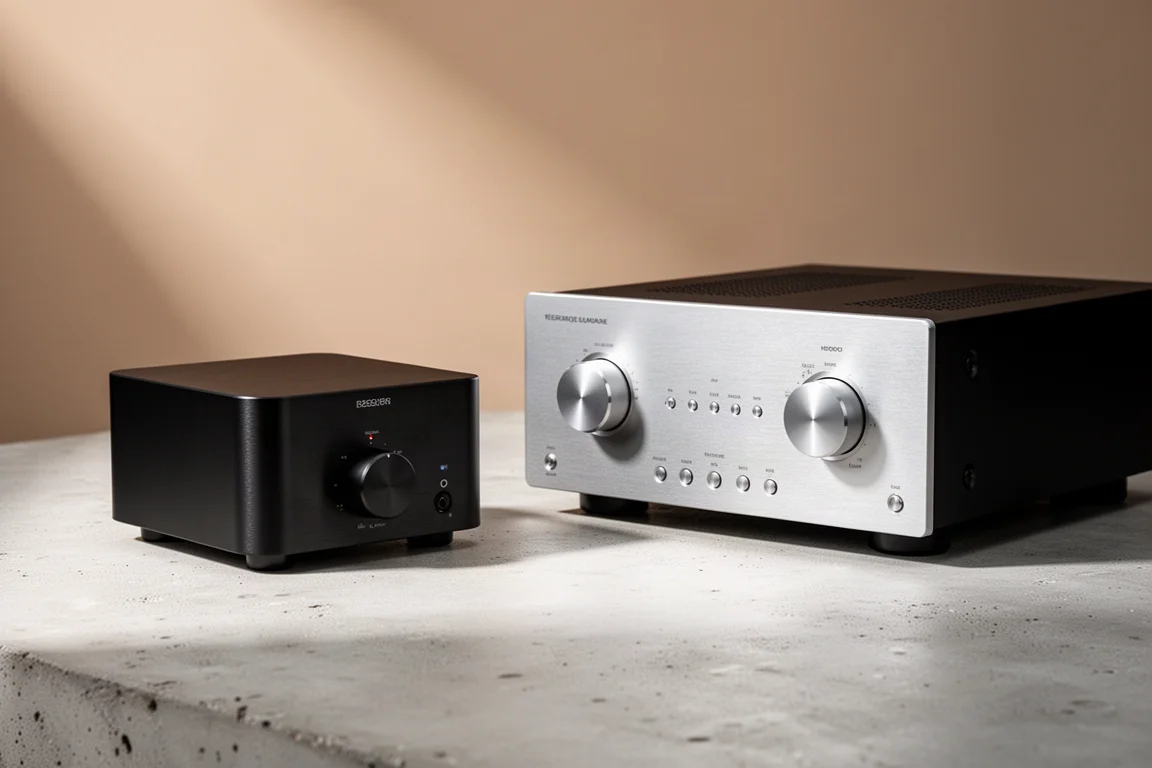
Two of the most interesting affordable integrated amplifiers sit at very different points on the price ladder. The Fosi Audio ZA3 starts around $150, while the Yamaha A-S301 sits closer to $350. Both are compact, both are genuinely capable, and both can anchor a small hi-fi system. The difference is philosophical: one is a stripped-back platform built to be modified and expanded, the other is a complete traditional integrated amplifier with decades of design heritage behind it.
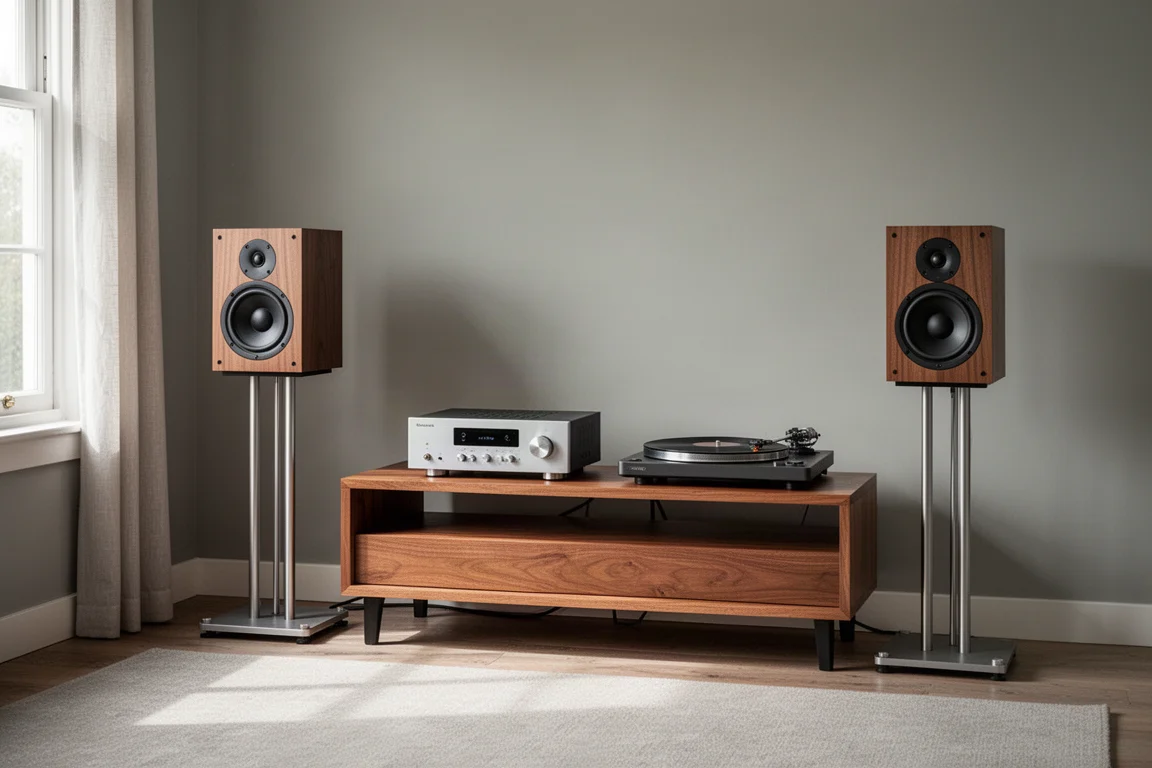
Level matched to within a fraction of a decibel and played through the same pair of speakers, the two were far closer than the price gap suggests. Each amplifier won on different material, and the better choice depends less on which one is technically superior and more on how you plan to use it over the next few years.
How These Two Amplifiers Compare
Comparing amplifiers at this price is not only about sound. Five things matter most: the feature set you get out of the box, the character of the sound, how the volume control behaves in real listening, the upgrade path, and how much confidence you can have in long-term ownership.
The ZA3 asks you to supply more of the system yourself. The A-S301 supplies almost everything. Neither approach is wrong, but they suit different buyers.
Fosi Audio ZA3: Compact, Flexible, and Upgrade-Friendly
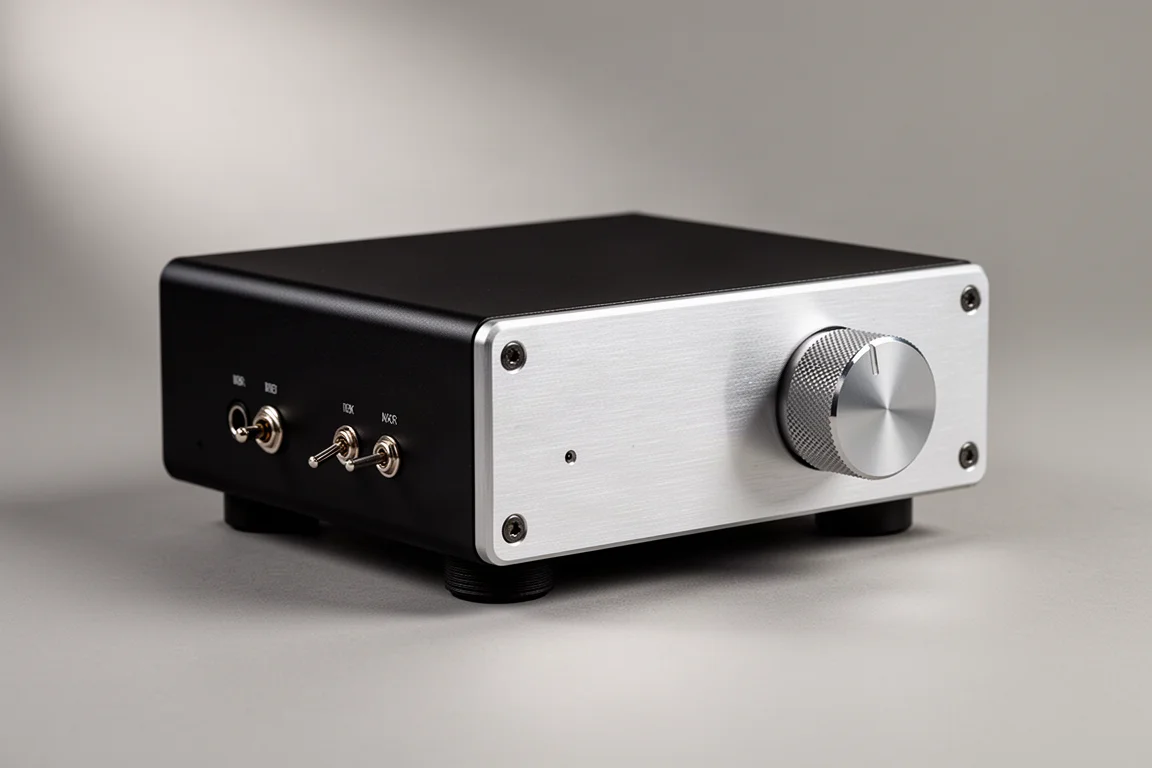
The ZA3 is a small stereo amplifier priced at roughly $150, and much of its appeal comes from what it leaves out. There are no tone controls and no built-in DAC, which keeps the chassis small and the price low. What it offers instead is flexibility. The op-amps can be swapped, so the sound can be tuned by changing a component rather than replacing the whole amplifier. It can also be run in mono for additional power, and adding a second unit can improve channel separation. A subwoofer output is included as well.
The volume control deserves a note of its own. The last portion of the volume pot’s travel delivers a significant jump in gain, which makes the ZA3 feel restrained until it is pushed near the top of its range. That is a characteristic of the potentiometer rather than a limit on power output. Running the amplifier close to full output and controlling level upstream shows how much headroom is really available, and with a 48V 5A power supply there is more on tap than the taper suggests.
Yamaha A-S301: Traditional Features and a Familiar Feel
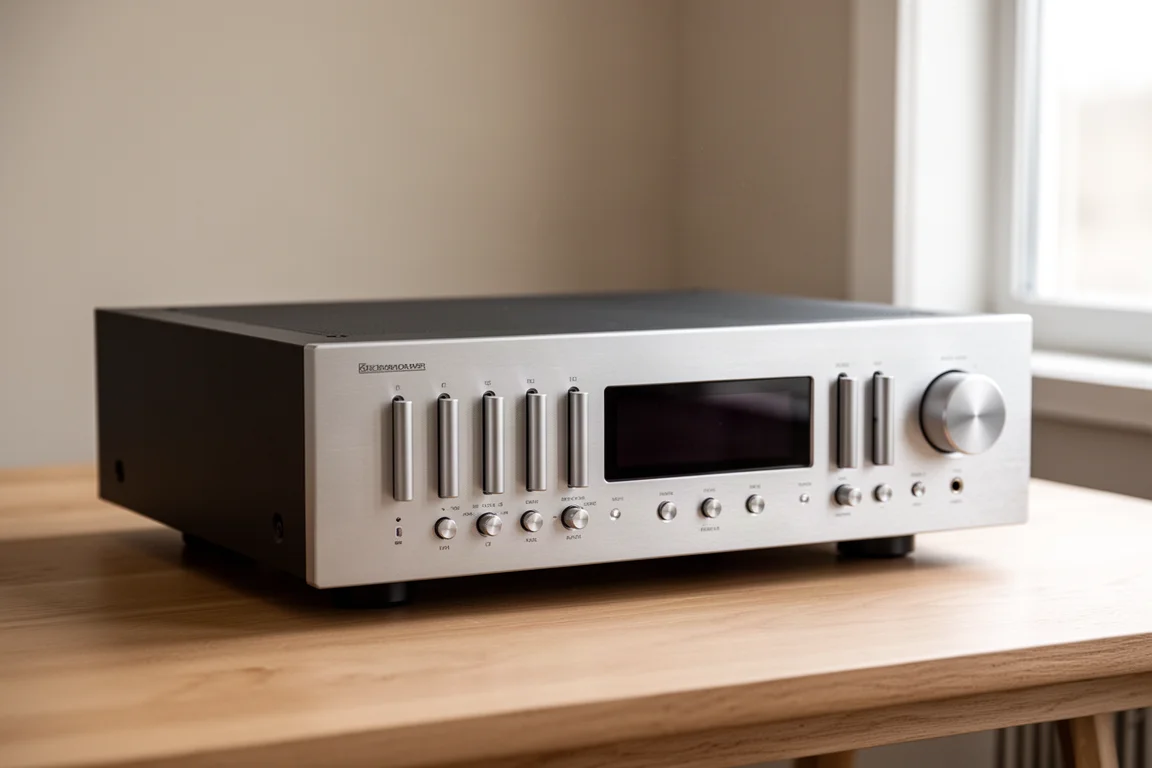
The A-S301 is a full integrated amplifier at around $350, and it covers the ground the ZA3 leaves open. Tone controls and a variable loudness control let you shape the sound to suit the room and the recording. A built-in DAC handles digital sources without an external box. Pure Direct mode bypasses the tone circuitry for a cleaner signal path, and a subwoofer output makes it easy to add low-end reinforcement. The feature set is complete enough that a new owner can connect a source and start listening straight away.
That completeness is the whole point. Where the ZA3 asks you to build the system around it, the Yamaha arrives ready to use, and it is the more versatile of the two by a comfortable margin.
Sound Quality: Where Each Amplifier Excels
Matched closely in level through identical speakers, neither amplifier ran away with the comparison. The Yamaha carried more weight through the midrange and down into the bass. On percussive material, the lower guitar figures and the body of each snare hit felt heftier, and the overall presentation read as a solid wall of sound rather than a set of separated elements.
The ZA3, fitted with an upgraded op-amp, went in the opposite direction. It resolved more of the space around instruments, with reverb and spatial cues on percussion coming through more clearly. Vocals felt more articulate and more pleasing on some tracks. Where the Yamaha presented scale as a continuous mass, the ZA3 placed instruments more precisely and sounded more immersive overall.
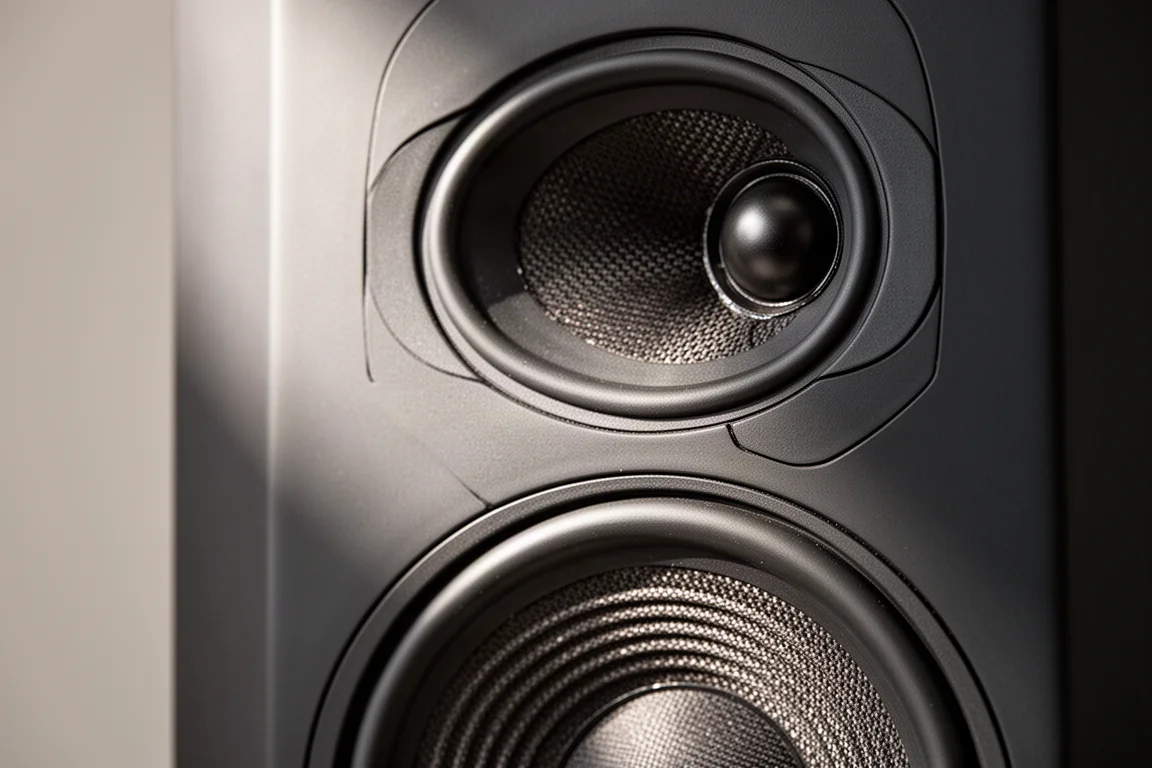
If the two characters could be combined, the result would be close to ideal: the Yamaha’s bass and midrange weight with the ZA3’s treble air and separation. Neither amplifier delivers both, and that trade-off is the heart of the decision.
Power, Volume Control, and Real-World Listening
Perceived power is where the ZA3 is most often misjudged. Because gain climbs sharply in the last stretch of the volume pot’s rotation, it is easy to conclude that the amplifier runs out of steam. It does not. Pushed near the top of its range with a 48V 5A supply, the ZA3 produces enough output to make a pair of demanding standmount speakers sound genuinely loud, and the increase in level stays linear until it arrives all at once rather than gradually.
The practical takeaway is simple: run the ZA3 near full output and control volume at the source. The Yamaha, by contrast, simply sounds more powerful in normal use, which is a real advantage if you listen at moderate levels and want weight and body without turning the volume control far.
Reliability, Support, and Long-Term Ownership
The Yamaha’s biggest advantage is not a specification. It is history. The company has been building hi-fi components for decades, and that track record gives buyers a reasonable expectation of reliability and long service life. Retail availability is broad, which makes warranty handling and support straightforward.
Fosi Audio is a much younger company with a shorter track record. Nothing in the ZA3’s build or behaviour points to quality control problems, but a newer brand simply carries less evidence behind it. Buyers who place a premium on a proven reputation will lean toward the Yamaha.
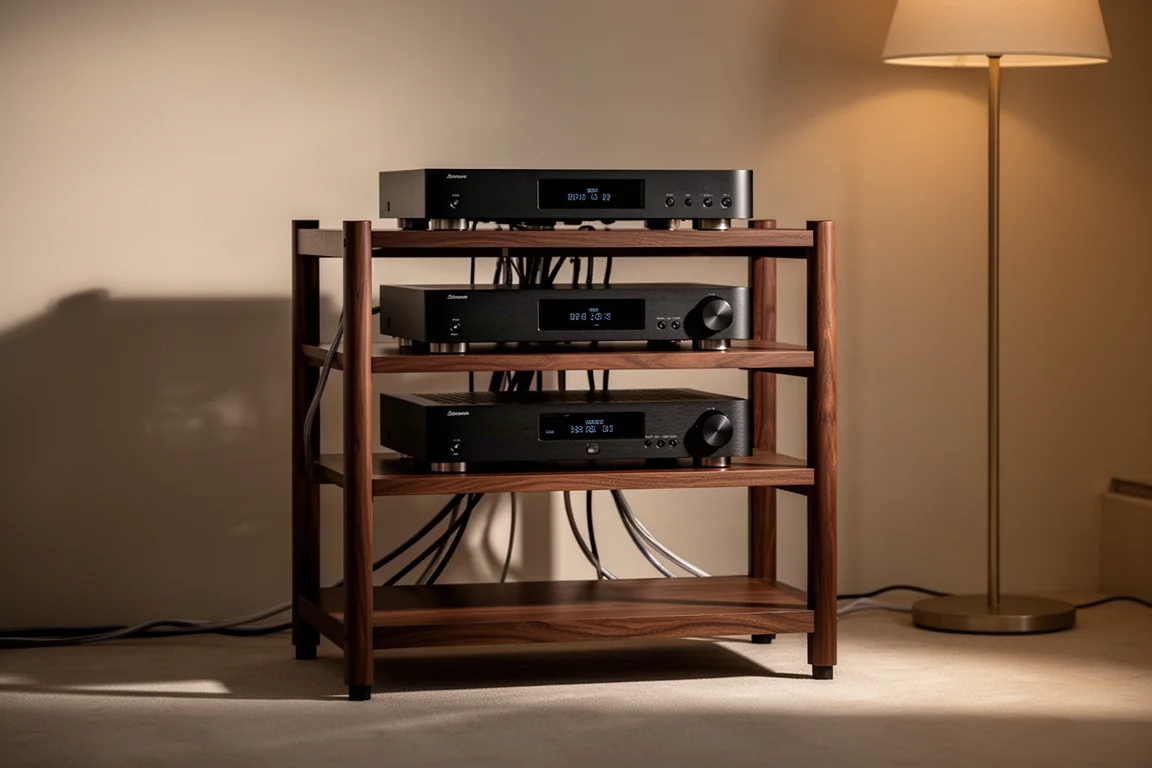
That difference is not a criticism of the ZA3’s engineering. It is a reflection of how much reassurance a buyer wants when spending money on a component they intend to keep for years.
Upgrade Paths and Total Cost of Ownership
The ZA3’s low entry price is the start of a longer conversation. Adding a DAC costs roughly $80, and an upgraded power supply adds another $30 to $40, which brings a fully built-out ZA3 to around $250 with an inexpensive external DAC. That lands close to the Yamaha’s price once both amplifiers are sitting in the same room.
The difference is timing. With the ZA3 you can begin with the amplifier alone and a modest DAC, then improve the op-amps or the power supply later. It grows with the system. The Yamaha is closer to a one-and-done purchase, and while it can be refined with a better external DAC or a different phono preamp, that refinement costs extra on top of an already higher price.
Buying Advice: Which Amplifier Fits Your System?
Choose the ZA3 if you enjoy tuning a system over time, or if you want to start with a smaller outlay and add components as budget allows. Its soundstage and imaging are the standout qualities, and the upgrade path is genuinely open, from op-amps to the power supply to a second unit for mono operation.
Choose the A-S301 if you want a complete amplifier with tone controls, loudness compensation, and a built-in DAC from day one, and if a long manufacturing history matters to you. It sounds weightier and more powerful, and it asks nothing of you beyond connecting a source.
Either way, both amplifiers deliver considerably more than their prices suggest, and the decision comes down to which set of trade-offs fits the way you listen.
Conclusion
At around $150 before upgrades, the Fosi Audio ZA3 offers a level of spatial resolution and treble articulation that is hard to find at the price, provided you accept the need for an external DAC and are willing to tinker. At around $350, the Yamaha A-S301 offers a complete feature set, more bass and midrange weight, and the reassurance of a long-established manufacturer. The two are close enough in performance that either can anchor a satisfying entry-level system, and the deciding factor is whether you want a platform to build on or an amplifier that is finished from the start.
Further reading
Related Reviews
Stereo Amplifiers
Aiyima A01 Pro Review: A Compact Bluetooth Amplifier With a Full Tone Stack
A practical look at the Aiyima A01 Pro, a budget Class D amplifier with bass, middle, and treble controls, LDAC Bluetooth, and a clear set of trade-offs.
Stereo Amplifiers
Audiolab 7000A Review: The Flexible Modern All-in-One Integrated Amplifier
A Class AB integrated amplifier with HDMI ARC, a built-in DAC and three operating modes, priced under $2,000. Here is what it does well and what to check first.
Stereo Amplifiers
Best Amplifiers at Every Price Level: 12 Picks From Budget to Audiophile
A practical roundup of twelve stereo amplifiers at increasing price points, from sub-$100 class D mini amps to integrated models with DACs, phono stages, and HDMI ARC.