Audio
Fosi Audio P3 Review: A Compact Tube Preamp With Tone Controls
A practical look at the Fosi Audio P3 tube preamplifier, covering its tone controls, tube options, headphone output, and how it pairs with the Fosi Audio V3.
Introduction
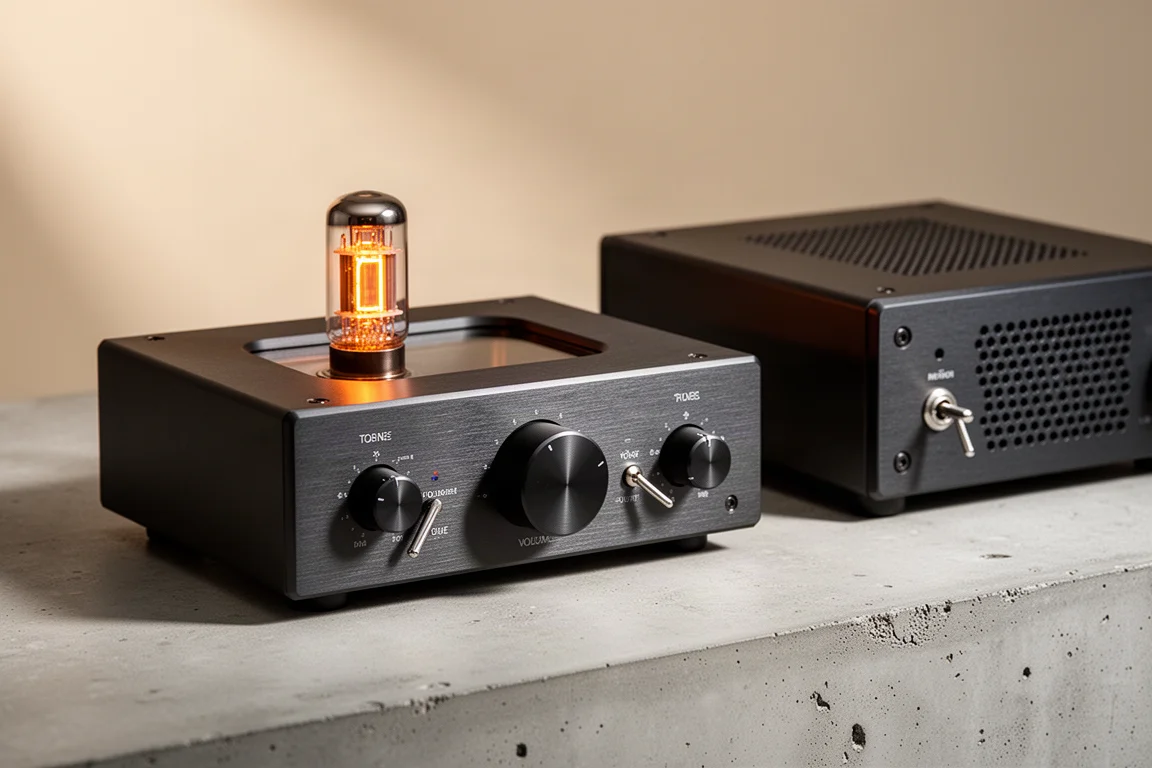
The Fosi Audio P3 is a compact tube preamplifier designed to sit in front of a small amplifier and give listeners more control over how their system sounds. It shares the same footprint as the Fosi Audio V3, the affordable Class D amplifier that made this family of components familiar to desktop listeners, and together the two form a neat stack.
On paper the P3 is a simple device. It offers bass and treble controls, a Bluetooth input, a single analog input, and a 3.5 mm headphone jack. What it does not offer is a long list of inputs, a remote control, or a powerful headphone stage. Whether that trade-off makes sense comes down to how and where you listen.
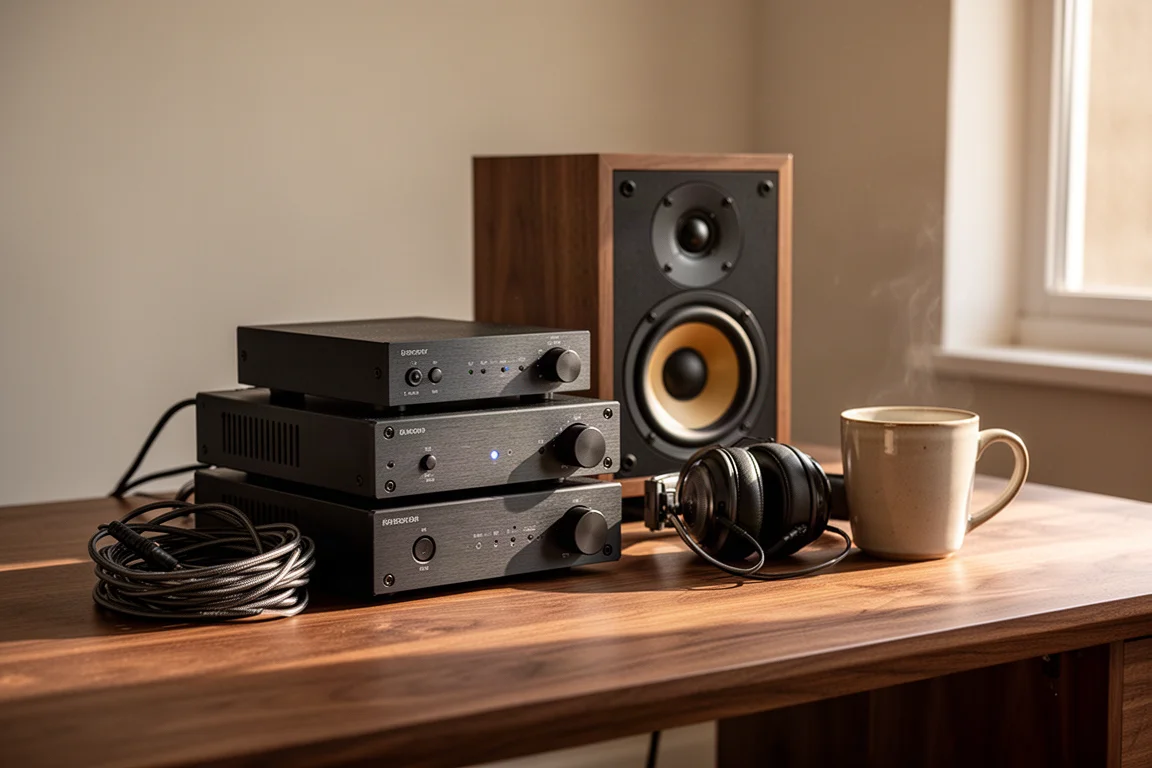
For anyone running a small desktop system, the appeal is easy to understand. The P3 sits between a source and an amplifier, letting you add or trim low-end weight and treble presence without swapping hardware. It is also a genuinely accessible way to try tube gear, since it sells for around $80.
Who the Fosi Audio P3 Is For
The P3 makes the most sense for listeners who already like the sound of a compact Class D amplifier but want a bit more adjustment at the low end. The Fosi Audio V3, for example, delivers impressive clarity for its price while its bass weight stays modest. The P3’s bass control is a direct answer to that.
It also suits anyone curious about tube rolling. The P3 ships with GE 5654 tubes and accepts a range of common seven-pin alternatives, so the character of the sound can be changed without replacing the unit.
It is a less natural fit for listeners who need to switch between several line-level sources, who want to control volume from across the room, or who plan to drive demanding headphones. Those needs point to different hardware.
Design and Connectivity at a Glance
The front panel keeps things straightforward. From left to right there is a 3.5 mm headphone jack, a treble control, the volume knob, a bass control, and a three-position toggle switch. Both tone controls have a centre detent, which gives you a reliable reference point for a flat setting rather than leaving you to guess.
The volume pot uses a longer throw than some listeners expect, so the knob needs a fair amount of rotation before output climbs. That is a design choice rather than a fault, and it allows for finer adjustments at low listening levels.
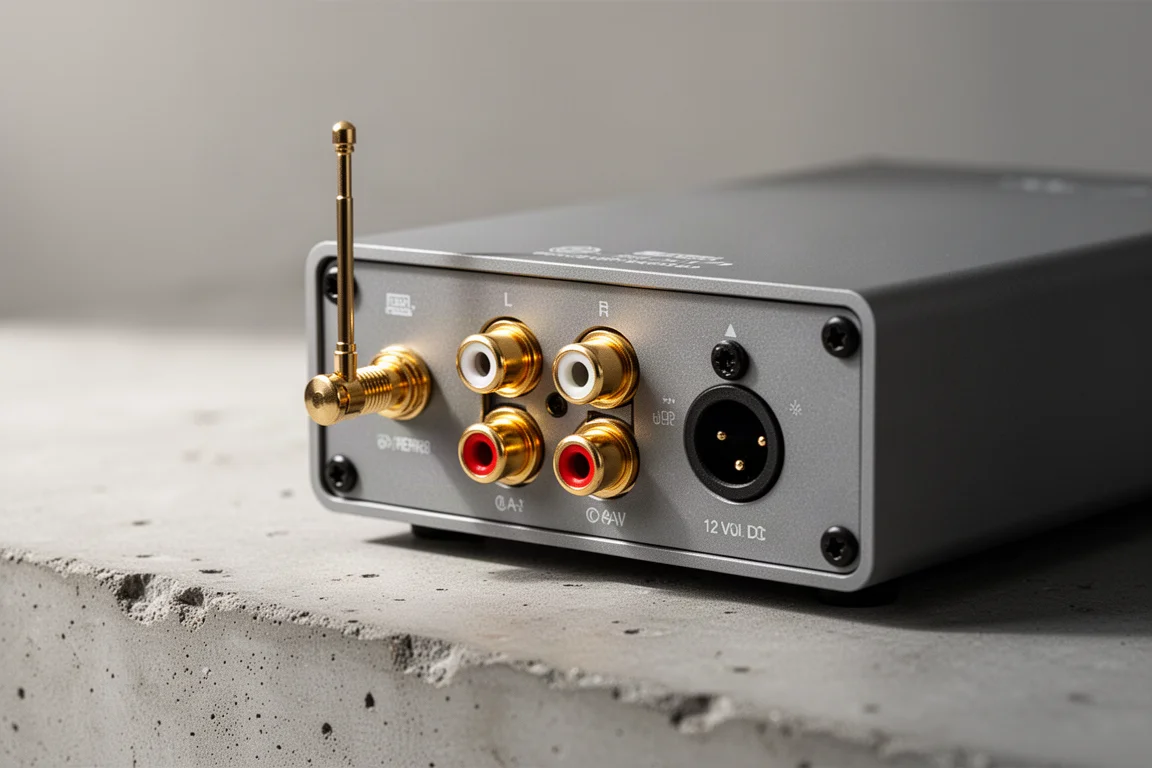
The rear panel is equally simple. There is one pair of RCA inputs, one pair of RCA outputs, an auxiliary output intended for something like a subwoofer, a Bluetooth antenna, and a 12V DC power inlet. A 12V, 1,500 mA power supply is included. The signal path is easy to follow: a DAC or phono stage feeds the RCA input, and the RCA output runs to the amplifier.
Main Strengths: Tone Controls, Tube Rolling, and Clarity
The headline feature is the tone control section. Having both bass and treble on a preamp at this price is uncommon, and the centre detents make the controls usable rather than fiddly. When the tone controls were used with the Fosi Audio V3, the result stayed clean. No significant distortion appeared, and the clarity the V3 delivers remained intact.
Tube rolling is the second strength. The stock GE 5654 tubes sound good, and the socket accepts seven-pin types including the 6K4, 6J1, 6J4, and 6AK5. Because every tube change alters the sound, the P3 gives you a tuning tool that most budget preamps do not.
Build quality also holds up. The unit feels better put together than typical budget alternatives, and the shared footprint with the V3 means the two look like a deliberate stack rather than two mismatched boxes.
Pairing the P3 With the Fosi Audio V3
The V3 is the natural partner. It uses a Texas Instruments 3255 amplifier chipset along with quality capacitors and audiophile-grade components, yet it sells for around $80 and frequently appears on sale. Its layout is minimal: volume control, analog inputs, speaker outputs, and power. It can also accept a higher-voltage power supply, which raises the available output.
That combination is more capable than the price suggests. The V3 can drive very expensive speakers and do it fairly well, which is remarkable for a component this size. Its one clear weakness is bass weight, and that is precisely where the P3 helps.
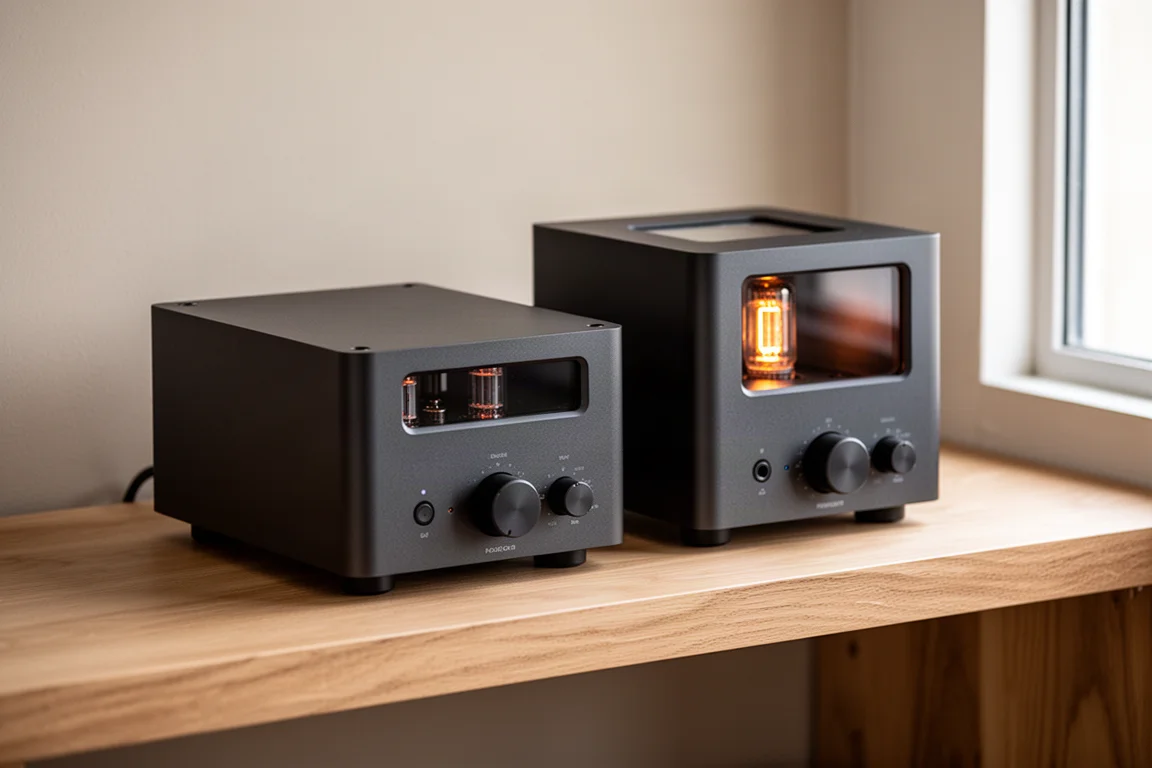
Wiring the two together takes one pair of RCA cables. A DAC or phono stage connects to the P3’s RCA input, the P3’s RCA output connects to the V3, and the V3 drives the speakers. The subwoofer output on the P3 is a useful extra for anyone running a small sub alongside bookshelf speakers.
Headphone Output: Convenience Rather Than Power
The 3.5 mm jack on the front is best treated as a convenience. The listed output is 250 mW at 16 ohms, 150 mW at 32 ohms, 32 mW at 250 ohms, and 20 mW at 300 ohms, which puts it well below what a dedicated headphone amplifier delivers. Easy-to-drive headphones will be fine. Higher-impedance models will not reach their potential.
Given how modest the output is, the amplification in headphone mode appears to come from the tubes themselves, which makes the P3 something close to a true tube buffer. That is an appealing idea for listeners who want a touch of tube character without a large investment.
Things to Consider Before Buying
The most significant limitation is the single analog input. With one RCA input, you cannot keep a DAC and a phono stage connected at the same time and switch between them. Two inputs would have made the P3 a far more flexible centrepiece for a small system, and three would have been ideal.
Bluetooth is included, but it occupies the toggle switch rather than adding to the analog input count. Listeners who do not need wireless playback may find it takes up space that a second input could have used.
There is also no remote control and no motorized volume pot. That keeps the cost down, but it means the P3 is happiest on a desk within arm’s reach. In a larger room, a DAC with its own volume control is often the more practical choice, since you need something upstream to manage level anyway.
Finally, the sound is never entirely fixed. The tubes shape the character, so the P3 you hear with the stock GE 5654 tubes will not be identical to the one you hear after a swap. That is part of the appeal, but it is worth knowing before you buy.
Buying Advice
At around $80, the P3 is good value for what it does. If you are building a compact desktop system around the Fosi Audio V3 and you want bass and treble adjustment plus a simple way to experiment with tubes, it slots in neatly and looks the part.
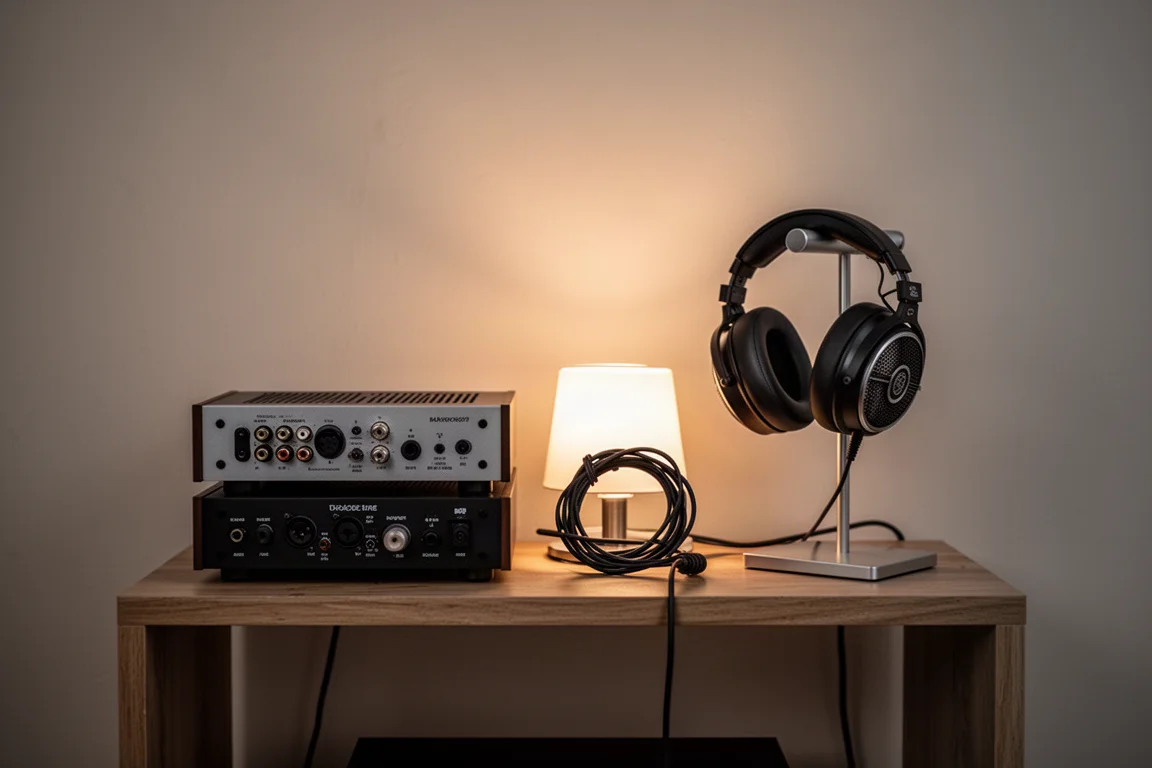
If your priority is headphone performance, this is not the component to build around. A dedicated headphone amplifier will serve demanding headphones far better, and the 3.5 mm jack here is best seen as a bonus.
If you need to switch between multiple sources, control volume from a distance, or use the preamp as the hub of a living-room system, plan on adding a volume-controlled DAC upstream or look at other options. Within its intended role, though, the P3 is a well-made and thoughtfully priced addition to a small hi-fi setup.
Conclusion
The Fosi Audio P3 does not reinvent anything. It takes a familiar formula, adds tone controls and a tube stage, and packages it in a chassis that matches the Fosi Audio V3. The strengths are real: usable tone controls, easy tube rolling, clean sound with the tone controls engaged, and a price that keeps it accessible.
The compromises are just as clear: one analog input, a low-powered headphone output, and no remote control. Buy it as a desktop companion for a compact amplifier and it makes a lot of sense. Expect it to anchor a full-size system, and you will run into its limits quickly.
Product link
View more details for Fosi Audio P3
This product is mentioned in the review. Check the specifications, options, and compatibility before buying.
View more details for Fosi Audio P3Further reading
Related Reviews

Audio
Apos x Geshelli Merlin DAC Review: A Natural Match for the Gremlin Amp
The Apos x Geshelli Merlin DAC pairs balanced and single-ended outputs with a smooth, natural sound that complements the Gremlin tube amp.
Audio
Audio Gear That Beats Pricier Rivals: Nine Value Picks for 2026
Nine turntables, streamers, speakers, and amplifiers that deliver far more than their price suggests, plus the trade-offs worth checking before you buy.
Audio
Best Amplifiers Under $200: Four Compact Stereo Amps Worth Considering
Four compact amplifiers under $200, from a class AB design with a headphone section to a DAC-equipped integrated amp and a low-cost pick from a US-based brand.