Backpacking Tents
Forclaz MT900 Trekking Pole Tent Review: A 1.3 kg Two-Person Shelter in Undyed White
A close first look at the Forclaz MT900 trekking pole tent, a 1.3 kg two-person shelter with 95 cm of head height, a large vestibule, and an undyed fabric chosen to lower its carbon footprint.
Introduction
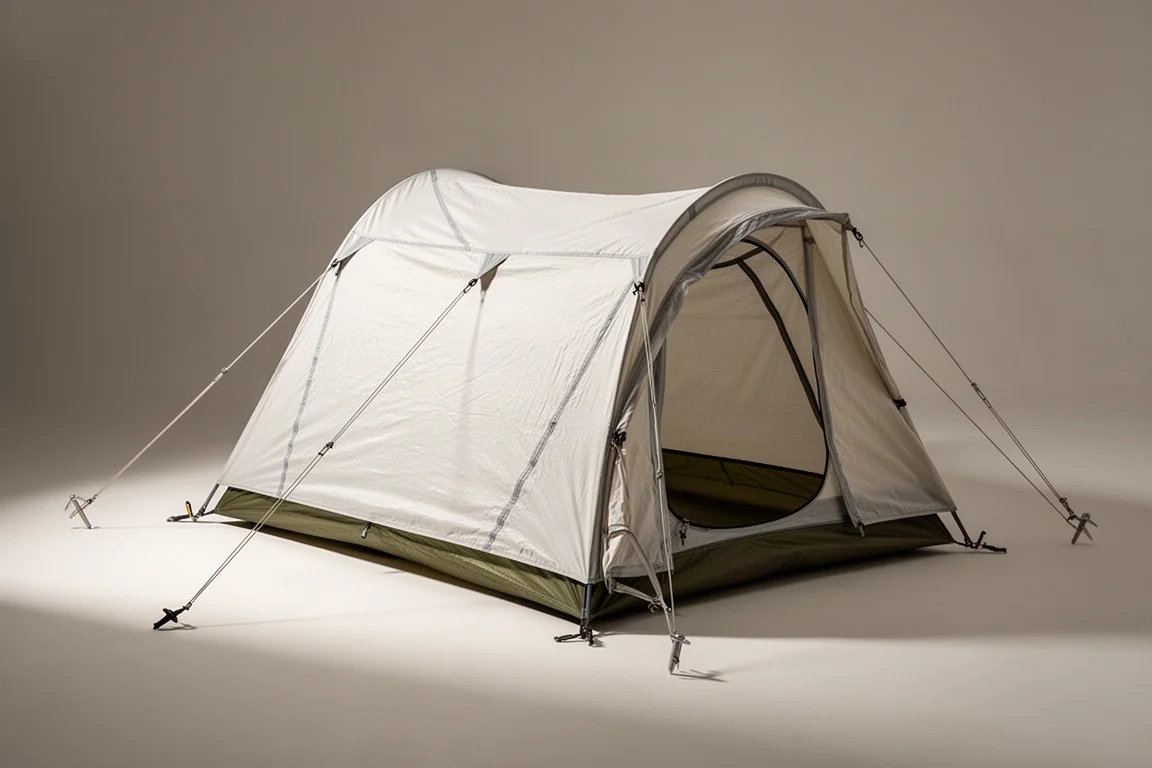
The Forclaz MT900 is a two-person trekking pole tent that packs down to a reasonable size for its class and weighs in at 1.3 kg. It measures 95 cm of head height and 225 cm in length, and it is pitched with trekking poles rather than a dedicated frame, which is where most of the weight saving comes from.
The most talked-about detail is the fabric. The MT900 is finished in an undyed off-white, and that choice is deliberate. Skipping the dyeing process reduces the tent’s carbon footprint by around 17 to 18 percent, which is a meaningful figure for a piece of kit that people replace rarely. The undyed version was not yet released at the time of this first look, but it is otherwise identical to the equivalent colourway already listed on the brand’s own website, which has been wind tunnel tested to 70 km/h, roughly 43 mph.
This is an early hands-on assessment rather than a long-term field report. The tent has been pitched and inspected in detail, but the materials have not yet been put through a full season of use, so durability claims should be treated as open questions for now.
Who this product is for
Trekking pole tents appeal to a specific kind of camper: someone who already carries poles and would rather not add a separate frame to the pack. The MT900 fits that brief closely. At 1.3 kg for a two-person shelter, it lands in a weight bracket that most backpackers would consider comfortable for multi-day trips.
The interior is described as cozy for two but a palace for one, which is a useful way to think about it. Two people sharing the space will be in close contact, especially with two standard sleeping pads laid side by side. A solo backpacker, on the other hand, gets a genuinely generous amount of room for very little carried weight. Forclaz also makes a one-person version of the same tent, which is worth knowing if you always travel alone.
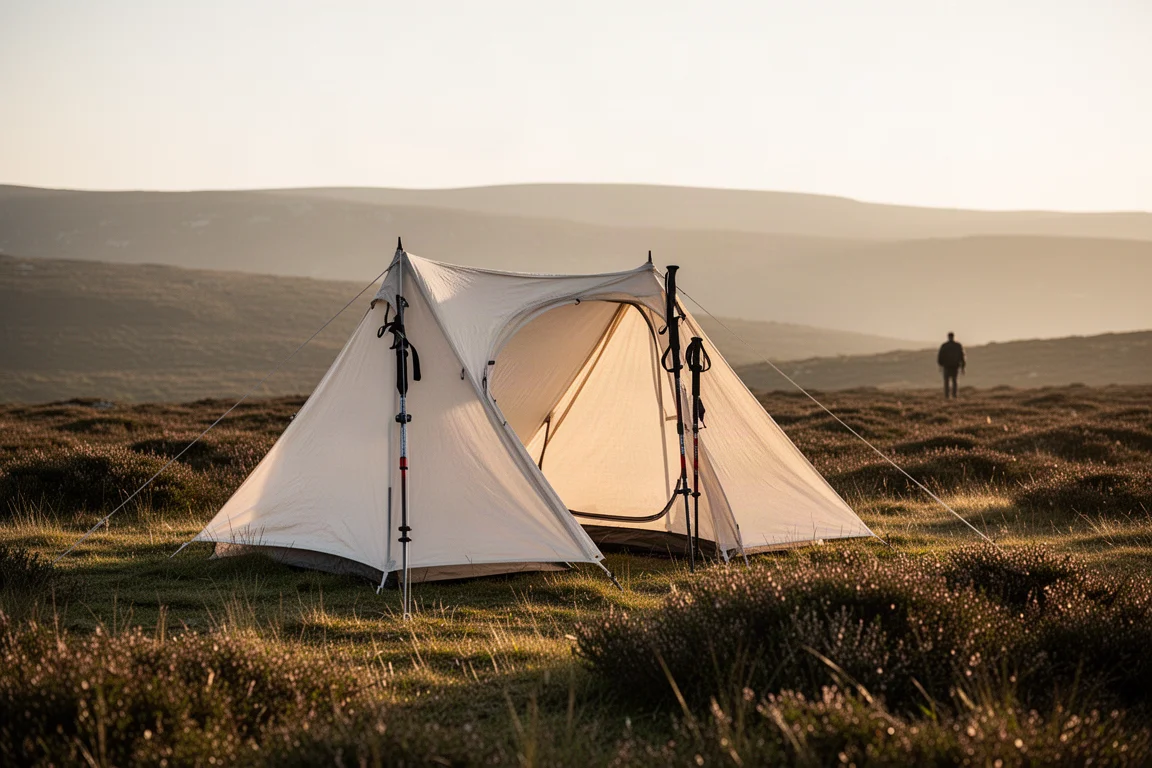
It is also a sensible option for anyone who wants a large vestibule for storing packs and cooking under cover, since the protected area in front of the inner is one of the tent’s more practical features.
Main strengths
The MT900 gets several things right at once: a low carried weight, a genuinely usable interior, and a set of details that suggest the design has been thought through rather than assembled from a parts list.
Materials and weather protection
The flysheet is a 20-denier polyester with a 2,000 mm hydrostatic head, and the groundsheet is a 40-denier polyamide rated at 3,000 mm. For context, anything above 1,500 mm is generally considered waterproof, so both figures sit comfortably above the threshold. All of the seams, including the central join running down the middle of the fly, are tape seamed, which is where water ingress usually starts on a cheaper tent.
The equivalent colourway has been wind tunnel tested to 70 km/h. The panel angles are designed to distribute load across the fabric rather than concentrate it in one place, and leaning on the pitched tent suggests it feels reasonably robust in wind. That is an impression from a static pitch rather than a night out in bad weather, so it should be read as a promising early sign.
Inside the inner tent, the upper section is mesh with a more solid panel lower down to keep wind off, which is a sensible balance between ventilation and draught protection. There is also clear ventilation between the inner and the outer fly.
Living space, ventilation, and interior details
The 95 cm head height and 225 cm length translate into a space that a 5 ft 8 in user can sit up in with room to spare. Lying down, there is roughly four to five inches of clearance beyond the feet, and plenty of space above the head. Two standard sleeping pads fit side by side without a struggle.
Storage is handled well for a lightweight tent. There is a small pocket beside the door, and another on the opposite side, plus a hook above each door that can take a lantern or a strung washing line between the two. The vestibule is large enough for packs and for cooking out of the rain.
Several small touches stand out in use. The zip can be operated one-handed, which matters more than it sounds when you are lying down in the dark. A Velcro tab covers the zip for extra weather protection, and a bungee and toggle hold the door open when you want it out of the way. The main annoyance is a large label on the inner, which most owners will probably cut off.
Pitching, packability, and accessories
The flysheet and inner come already connected, so pitching is a single process rather than two. The poles slide into sleeves at the rear of the tent, and there are reinforced pockets at the front for the trekking pole handles to sit in, plus a small tab to seat the pole tips. The recommended pole height is 115 cm, which is printed on the stuff sack.
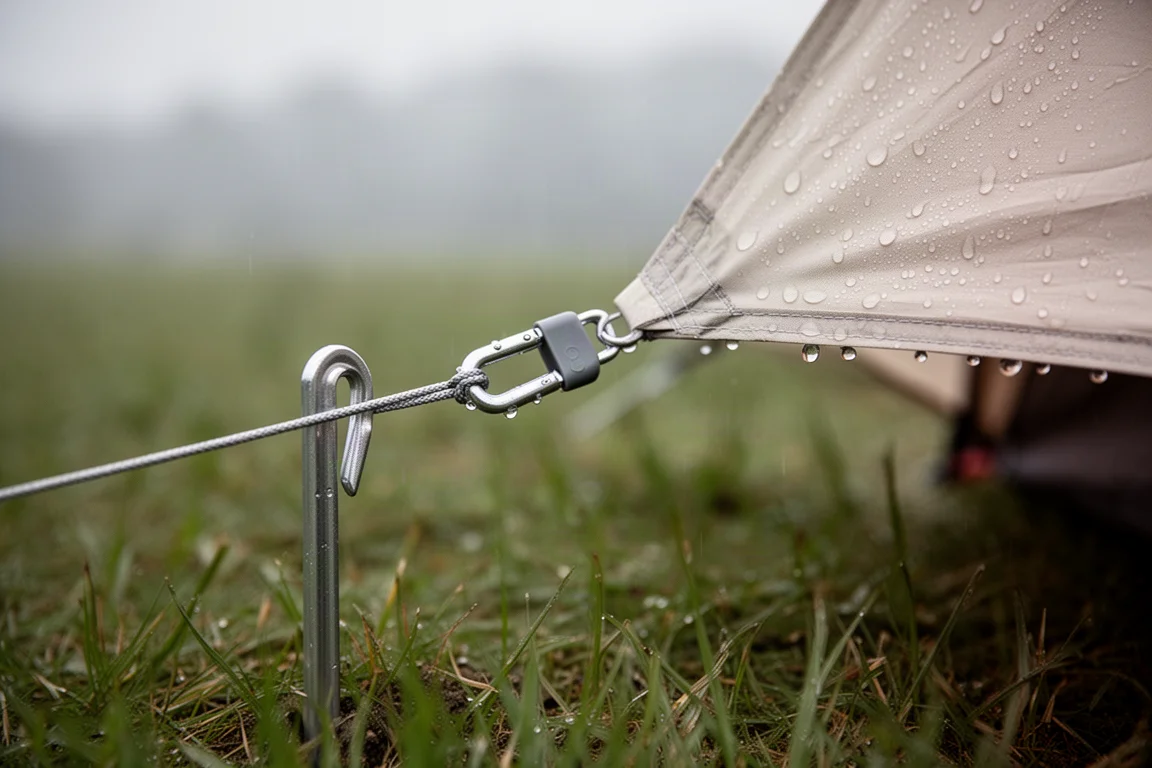
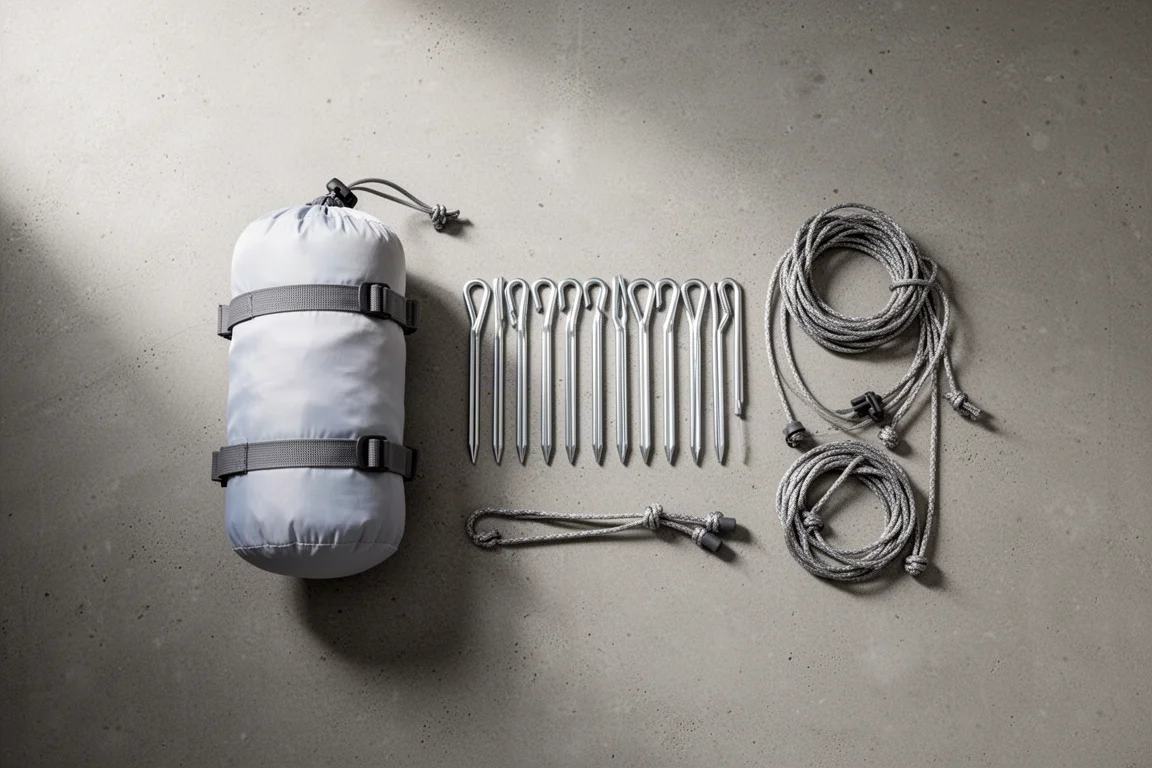
The accessory set is thoughtful. The guy lines are ultra-light and come with toggles, so there is no knot tying required, and mini line locks make tensioning quick. Eleven lightweight pegs are included, and the stuff sack has compression straps to keep the packed bundle tight. A generic groundsheet is a sensible extra to protect the floor, though it is not part of the package.
Things to consider before buying
The white fabric is the obvious talking point, and it cuts both ways. It looks sharp, and it is the reason for the reduced carbon footprint, but it will show dirt faster than a darker tent. That is a fair trade rather than a flaw: any tent used regularly ends up mucky, and darker colours simply hide it for longer. If you camp somewhere with heavy mud or red soil, plan on cleaning it more often.
Durability is still unproven. The denier figures and hydrostatic head ratings are solid on paper, and the taped seams are a good sign, but the tent has not yet been through a full season of real use, so it is too early to make claims about long-term wear. Anyone buying early is doing so on specification and first impressions rather than a track record.
The tent also depends entirely on trekking poles. If you hike without them, or you prefer to leave them outside the shelter at night, you will need to carry poles specifically for the tent, which erodes some of the weight advantage. Pitching takes a little practice as well, particularly getting the pole tips seated correctly and the guy lines tensioned evenly.
Finally, two people should expect a snug fit. The space is genuinely comfortable for one and workable for two, but if you want to spread out, the one-person version or a larger model will suit you better.
Buying advice
If you already carry trekking poles on multi-day trips, the MT900 addresses the main reasons people choose this style of shelter. It is light for a two-person tent, it offers a real vestibule, and the interior details, from the lantern hooks to the one-handed zip, show that someone thought about how the tent is actually used.
Solo backpackers will get the most out of it, since the same 1.3 kg buys a lot of living space for one person. Couples who are happy with a compact layout will also find it workable, provided they are not expecting to keep large packs inside the sleeping area. Anyone who hikes without poles, or who wants a fabric that hides dirt, should weigh those points carefully before committing.
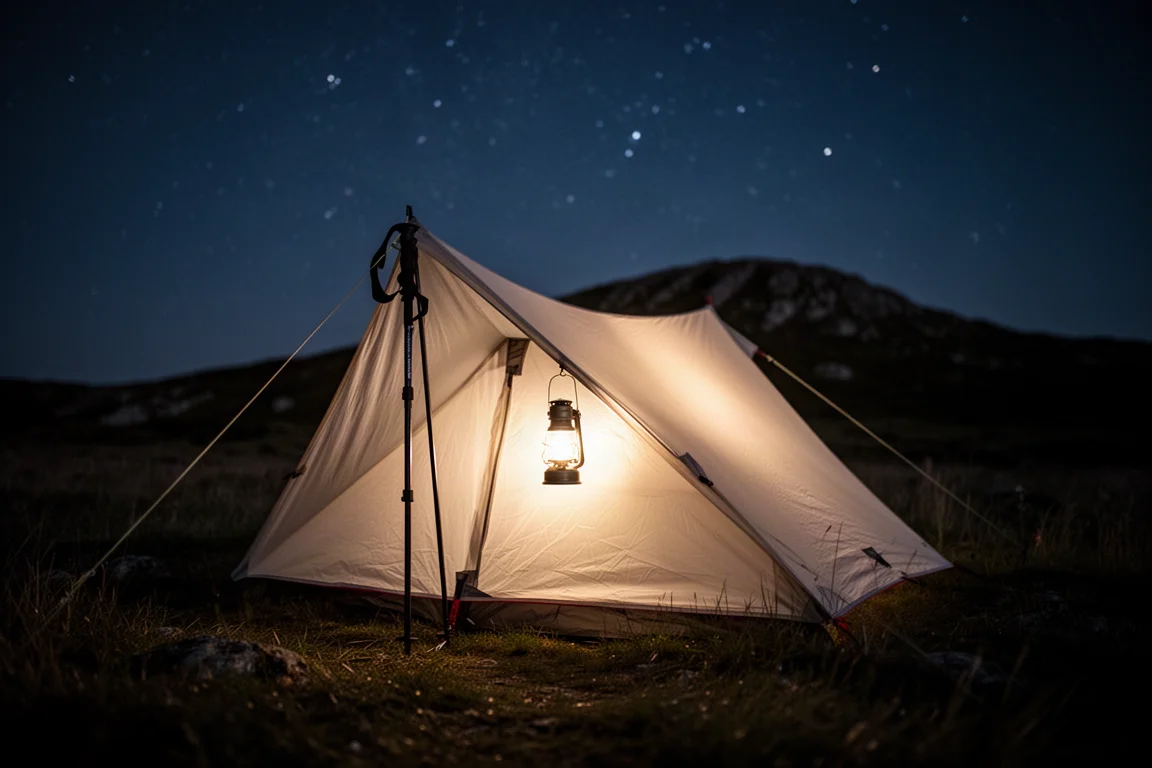
The undyed version was not yet on sale at the time of writing. The equivalent colourway on the brand’s website is the same tent apart from the colour, and it carries the 70 km/h wind tunnel result, so buyers who want it sooner have a straightforward alternative.
Conclusion
The Forclaz MT900 is a well-considered trekking pole tent. The 1.3 kg weight, 95 cm head height, large vestibule, and fully taped seams add up to a package that looks like strong value, and the undyed fabric gives the design a clear environmental rationale alongside its unusual appearance. The open questions are durability and how quickly the white fabric shows dirt, both of which only real use will answer. For backpackers who already carry poles, it is a shelter worth a close look.
Product link
View more details for Forclaz MT900 Trekking Pole Tent
This product is mentioned in the review. Check the specifications, options, and compatibility before buying.
View more details for Forclaz MT900 Trekking Pole TentFurther reading
Related Reviews
Backpacking Tents
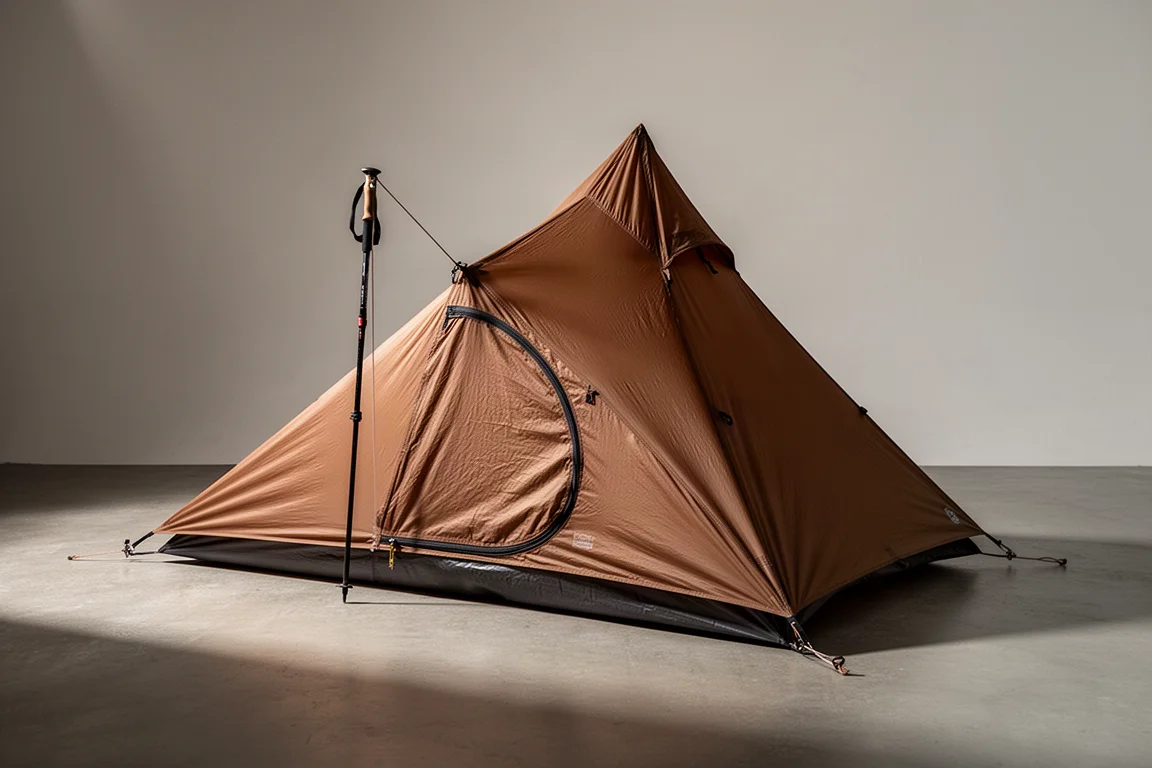
3F UL Lanchan Pro 1 Review: A 1 lb 8 oz Single-Wall Trekking Pole Tent
A practical look at the 3F UL Lanchan Pro 1, a single-wall trekking pole shelter with a 1 lb 8 oz weight, 20D silnylon fabrics, and a roomy 90 x 31 x 49 inch interior.
Backpacking Tents
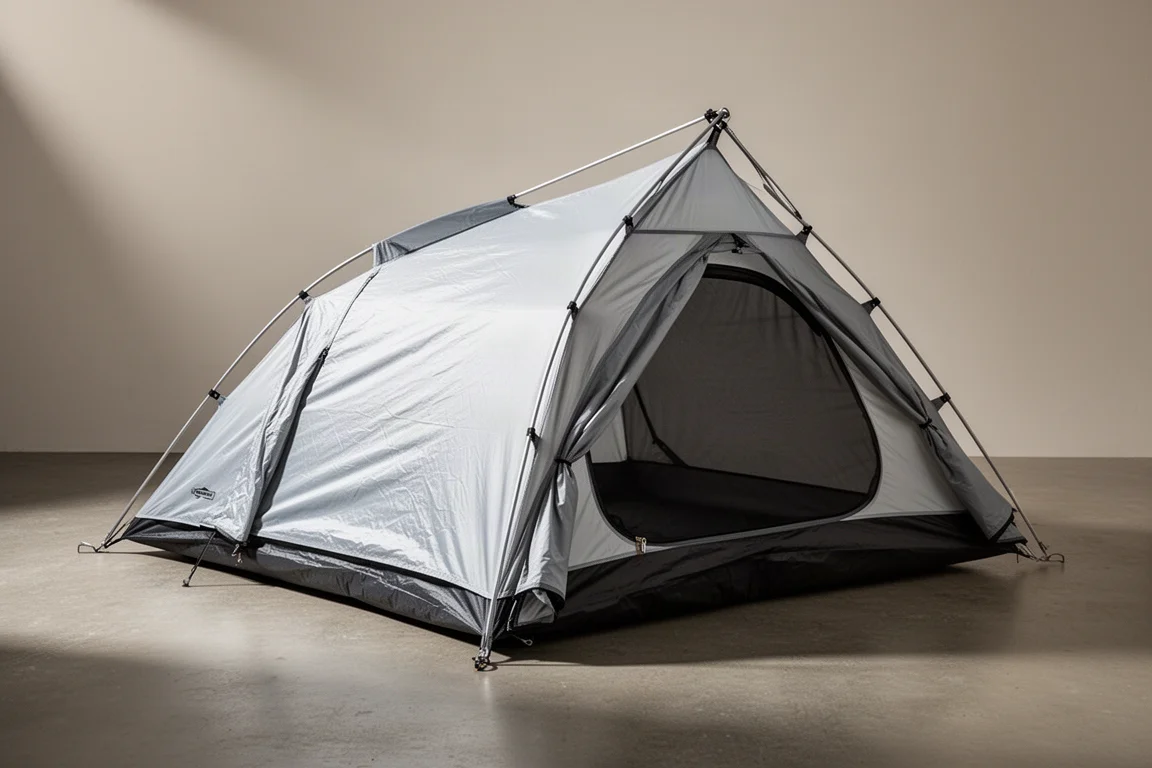
3F UL Taiji 2-Person Tent: A Convertible Backpacking Shelter Worth a Closer Look
A practical look at the 3F UL Taiji two-person tent, covering its materials, true two-person interior, fly-first pitching, and the seasonal inner swap that lets one shelter cover more of the year.
Backpacking Tents
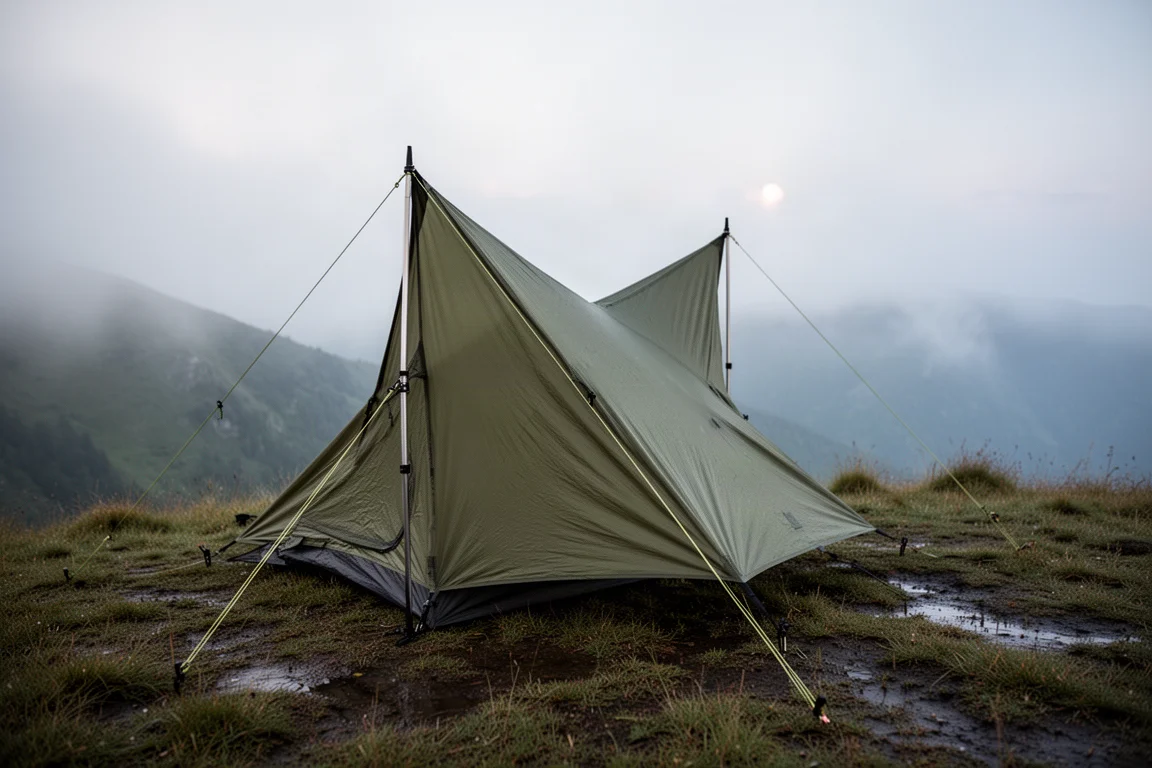
3FUL Lanshan Twoerson Pro Review: A Light Trekking Pole Shelter That Struggled in Rain
A two-person trekking pole shelter with a 2026 redesign, pitched with sticks and put through a night of steady rain. Here is what worked, what did not, and what to check before buying.