Outdoor Gear
Force Protector Gear Military Field Blanket and Tarp System Review: Multi-Layer Shade That Works
A multi-layer shelter panel with a reflective Therma Shield core, genuinely effective radiant heat blocking, and a size and price that deserve careful thought.
Introduction
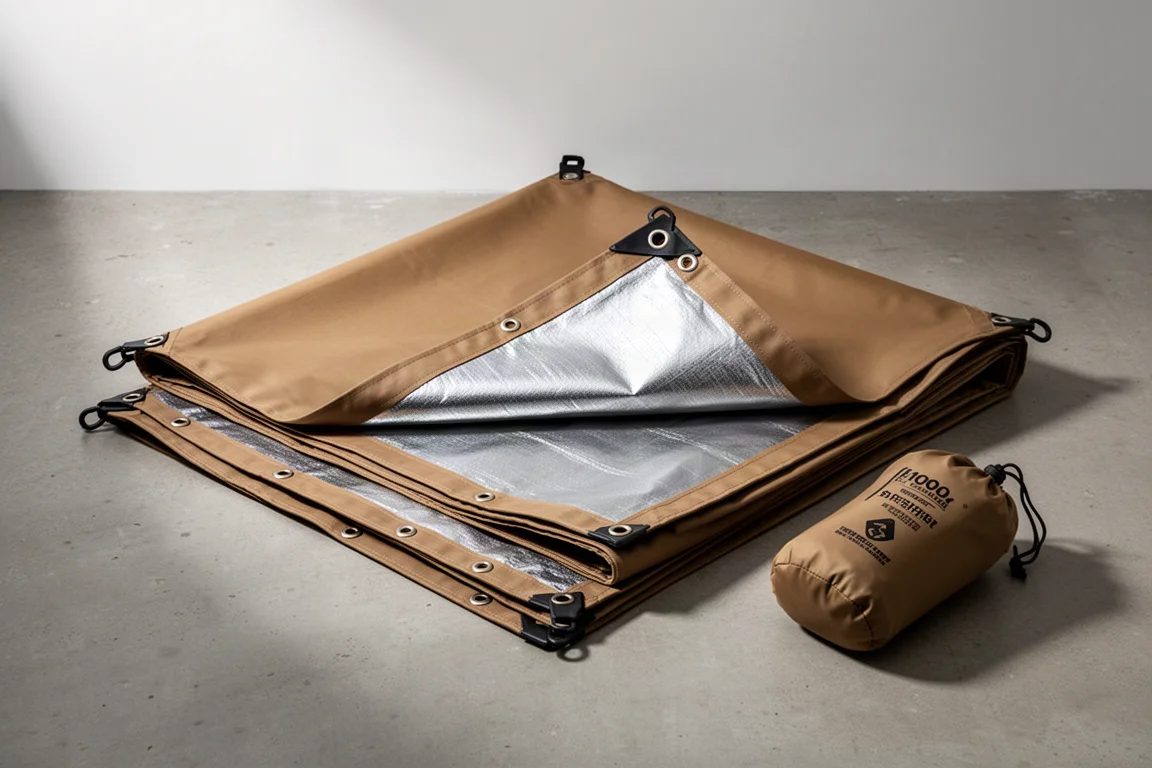
The Force Protector Gear Military Field Blanket and Tarp System is a multi-layer shelter panel that does more than its name suggests. At the center of the construction sits a reflective middle layer the company calls Therma Shield, an aluminum-based material sandwiched between the outer fabric and the inner face. That build lets the same panel serve as a sun shade, a windbreak, a ground sheet, or a wrap for warmth, depending on how it is rigged.
The company lists four intended uses for the panel: attaching it to a vehicle, building a hide, keeping warm beside a fire, and blocking direct sun. It is offered in a MultiCam version and a coyote brown version, and it sits within a wider family of shade products from the same brand, including a civilian version that is positioned more specifically around vehicle use.
Who This Product Is For
This panel is aimed at people who rig temporary shade and shelter rather than permanent structures. Campers, overlanders, hunters, and anyone who spends long hours in direct sun will get the most from it, because the reflective core targets radiant heat rather than rain or wind alone. It is a shade and comfort product first, not a storm shelter.
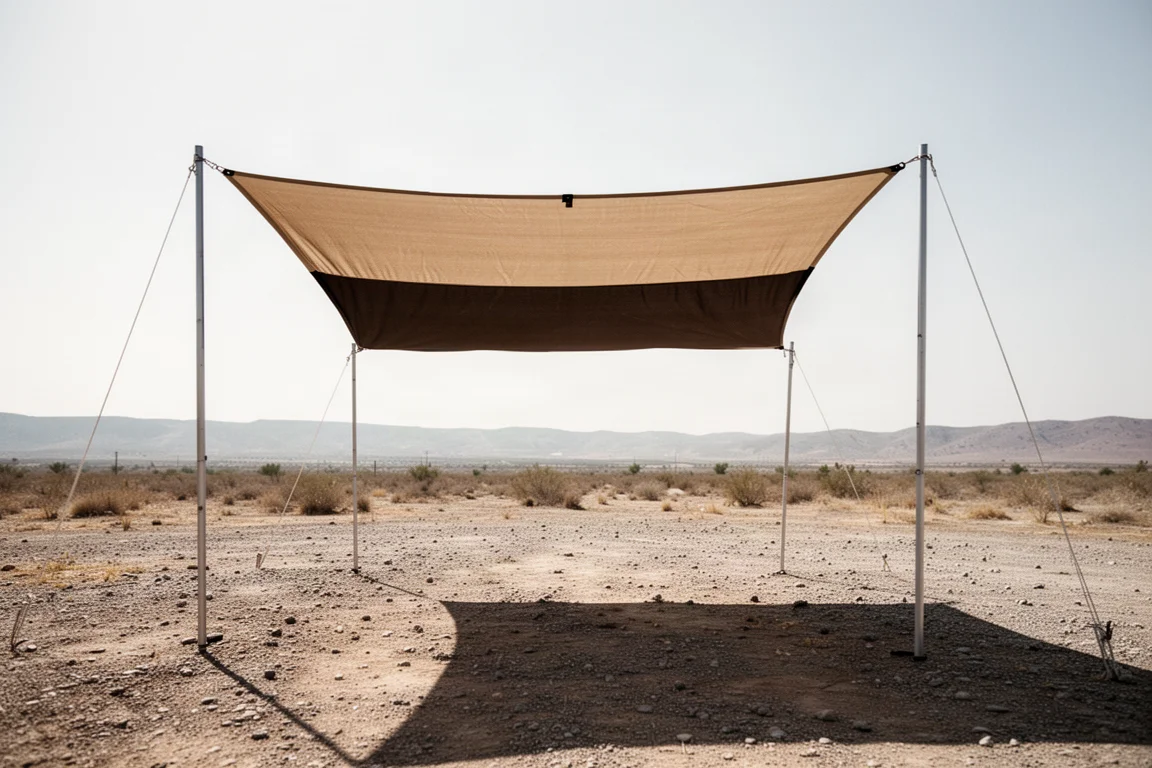
It also rewards users who already carry cordage and a few basic mounting accessories. The panel is designed to be tensioned from a vehicle, from poles, or from nearby anchor points instead of a purpose-built frame kit, so a little familiarity with simple knots and tie-off points goes a long way. Buyers who want a push-button awning should look elsewhere, because this system expects a few minutes of hands-on setup.
Main Strengths
Build quality is the first thing that stands out. Each corner carries a quick fastener, and there are six of these clips in total, with the remaining two sitting at the middle of the long sides and held in place by straps. Around the perimeter there are 24 snaps, and every other snap sits next to a small hole, giving 12 pole holes for uprights or guy lines. The company describes the snaps as military grade, and the panel also uses hook-and-loop fastening. The storage case is a 1000 denier unit with a YKK zipper.
Setup is genuinely quick when compared with rigging a plain tarp. The clips at the corners wrap around cordage and lock into their notches without any knots at all, which shortens the process considerably. The panel measures 112 inches long by 72 inches wide, or roughly nine feet four inches by six feet, and the whole system weighs 3 pounds 10 ounces including the storage pouch. That pouch measures 10.5 inches by 7 inches with a depth of 2.5 inches, so the packed footprint stays small enough for a vehicle kit.
Expansion is another practical strength. Because the snaps run the full perimeter, several panels can be joined together to build a wider or longer covered area, which opens up some creative shelter layouts for anyone willing to carry more than one.
Therma Shield and Radiant Heat Performance
Therma Shield is the middle layer of the panel, and it is the feature that separates this product from an ordinary tarp. The company states that the reflective material pushes the sun’s heat back out, and it claims a 20 to 40 degree difference underneath the panel compared with standing outside in the sun. The radiant heat blocking is the standout characteristic in practice: where a standard tarp lets that warmth pass straight through, this panel stops it.
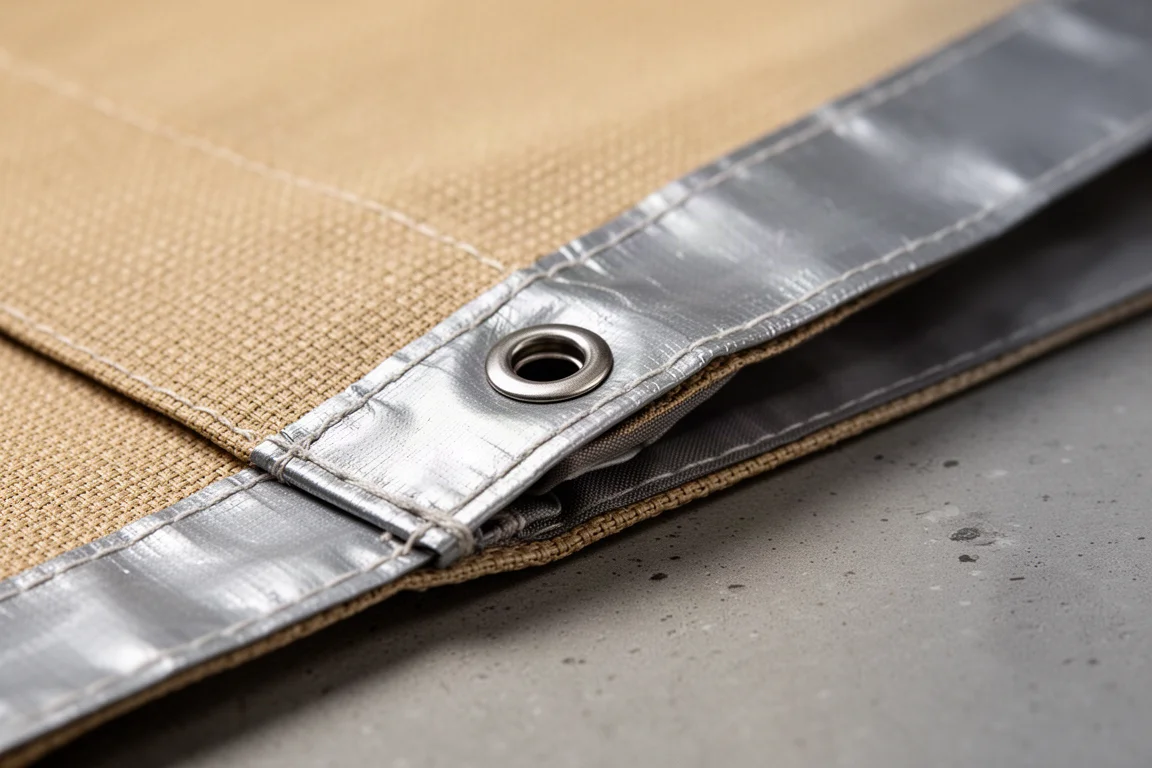
The important nuance is that this does not lower the ambient temperature. A hot environment stays hot, and the panel does nothing about the air around it. What it does is cut the radiant load coming through from above, which is the difference between a shade that feels tolerable and one that feels like an oven. Anyone expecting air conditioning from a fabric panel will be disappointed; anyone who has spent a long afternoon under a conventional tarp will notice the change immediately.
Setup and Attachment Notes
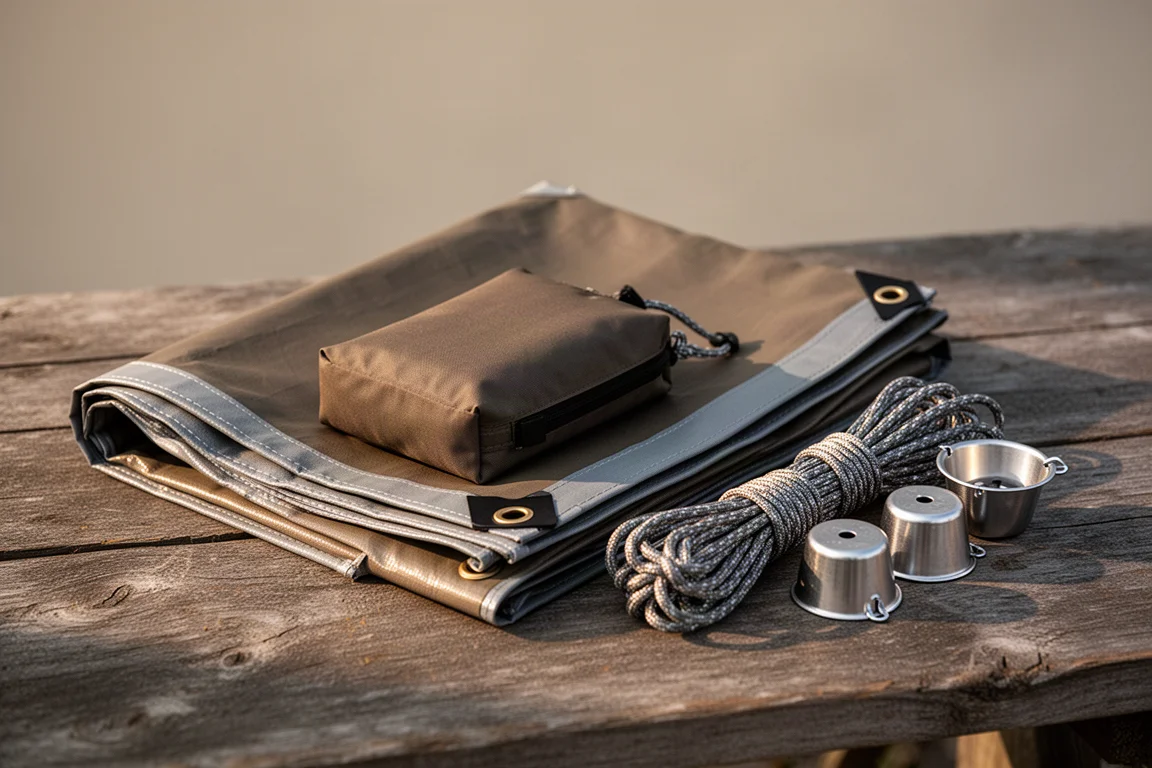
The vehicle setup is straightforward. Suction cup anchors go onto a clean surface, since the cleaner the panel of the vehicle is, the better they hold, and cordage is then attached to each anchor. Nine foot sections of 550 cord with a slip knot at the end cover most situations, and the slip knot is worth mastering because it is simple and adaptable. The panel is laid out longways, and the corner quick fasteners are wrapped around the cord, seated into their notches, and locked off.
The result is a stable, tensioned shade panel without a single knot at the tarp itself. It is not as fast as a dedicated vehicle awning, and it does require some setup, but it is noticeably faster than rigging a conventional tarp with guy lines and multiple hitches. The hardware on the civilian version adds a further touch for vehicle owners: covers over the attachment points keep the metal from contacting paintwork.
Things to Consider Before Buying
Size is the biggest consideration. At nine feet four inches by six feet, the coverage is modest for a shelter, and one panel alone is somewhat limited for serious sun protection. Two panels, and in some cases three, are realistically needed to create an adequate shaded area, and that multiplies the cost quickly.
Weight and packing are worth planning around as well. At 3 pounds 10 ounces with the pouch, the system is slightly heavy for what it covers, and the multiple fabric layers trap air between them when folding, which creates a noticeable balloon effect during breakdown. It packs down compactly, but the process takes a little patience.
The care instructions also deserve attention. A label on the panel states that it is not intended to be used as a permanent cover, that it was designed as an expedient and temporary shelter from the elements, and that long-term exposure to sun and other conditions will eventually degrade the materials. That wording is reasonable for a temporary shelter, but it does mean buyers should treat the panel as a consumable over time rather than a permanent fixture. Separately, the brand’s product pages are difficult to navigate: the military and civilian ranges contain many similar-looking panels, the differences between them are not well explained, and the explanation of what Therma Shield actually does is hard to find on the listings themselves.
Price and Value in Context
Pricing is where this product becomes a harder recommendation. The military version carries a retail price of around $400, which is a substantial figure for a panel of this size. The civilian version, which the company calls the adapter shade panel, is listed at $344 and is designed more specifically for vehicle use, with hardware covers to protect paint.
Military surplus stock changes the picture considerably. Surplus examples of the military version have appeared for around $80, and at that price the reflective core, the quick fasteners, and the build quality make far more sense. Buyers who can find surplus inventory get a very different value proposition from buyers paying full retail for a panel that may need a companion to be genuinely useful.
Buying Advice
The sensible approach is to decide how much shade you actually need before looking at the price tag. If the answer is a single compact panel for occasional use, the reflective core and fast setup are real advantages, and one panel will do. If the answer is a comfortable shaded area for several people or for a long camp, budget for two panels or compare against a larger single tarp, because one panel alone will not cover much ground.
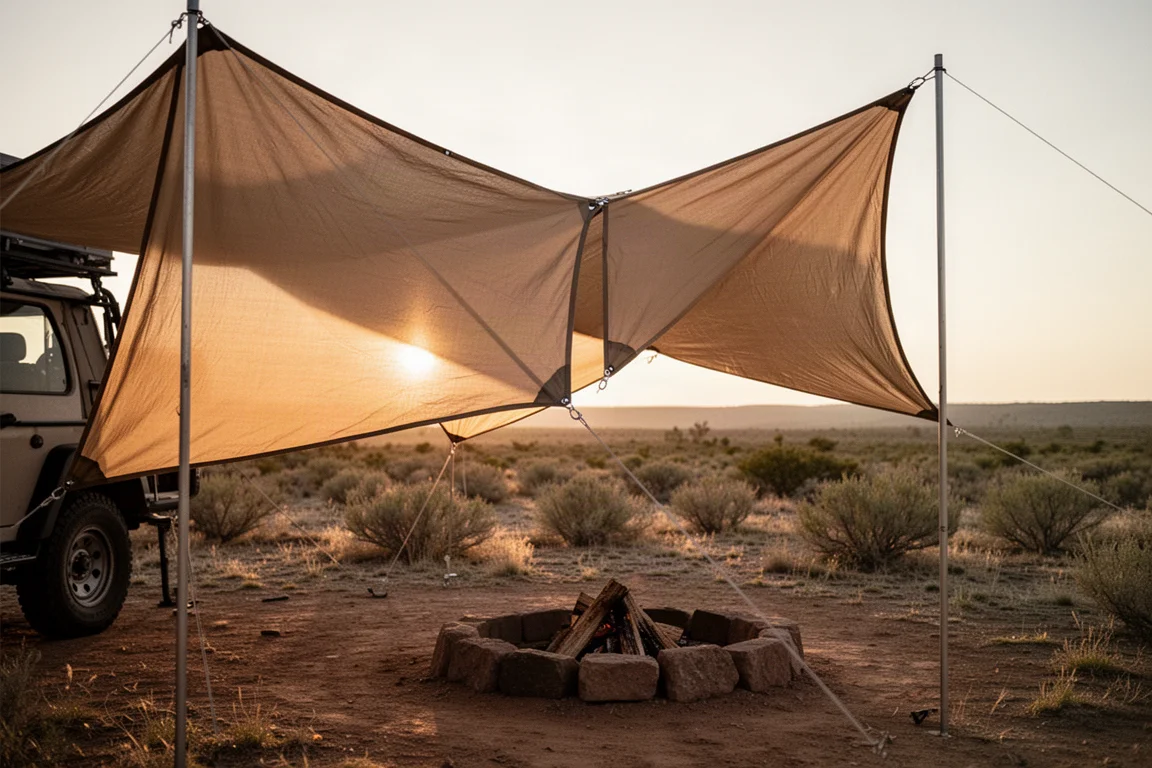
It is also worth checking the disclaimer wording against how you intend to use the product. As a temporary shelter that is packed away after each trip, it fits the design intent well. As a permanent fixture left in the sun for months, it does not. For buyers who can source military surplus, the value case is much stronger, and the snap layout means a second panel can be added later without any extra hardware.
Conclusion
The Force Protector Gear Military Field Blanket and Tarp System is a well-made, genuinely useful shelter panel. The Therma Shield core delivers the most convincing benefit, cutting radiant heat in a way that ordinary tarps simply do not, and the quick fasteners, perimeter snaps, and pole holes make it fast to rig and easy to extend. Storage is compact, and the 1000 denier case and YKK zipper reflect the overall build quality.
The reservations are practical rather than technical. Coverage is small for a shelter, which pushes most buyers toward a second panel, and full retail pricing of around $400 for the military version is hard to justify at that size. Surplus availability near $80 changes the calculation entirely. Buyers who want effective temporary shade, plan for the size, and can find it at the right price will be very satisfied with what this panel does.
Product link
View more details for Force Protector Gear Military Field Blanket and Tarp System
This product is mentioned in the review. Check the specifications, options, and compatibility before buying.
View more details for Force Protector Gear Military Field Blanket and Tarp SystemFurther reading
Related Reviews
Outdoor Gear
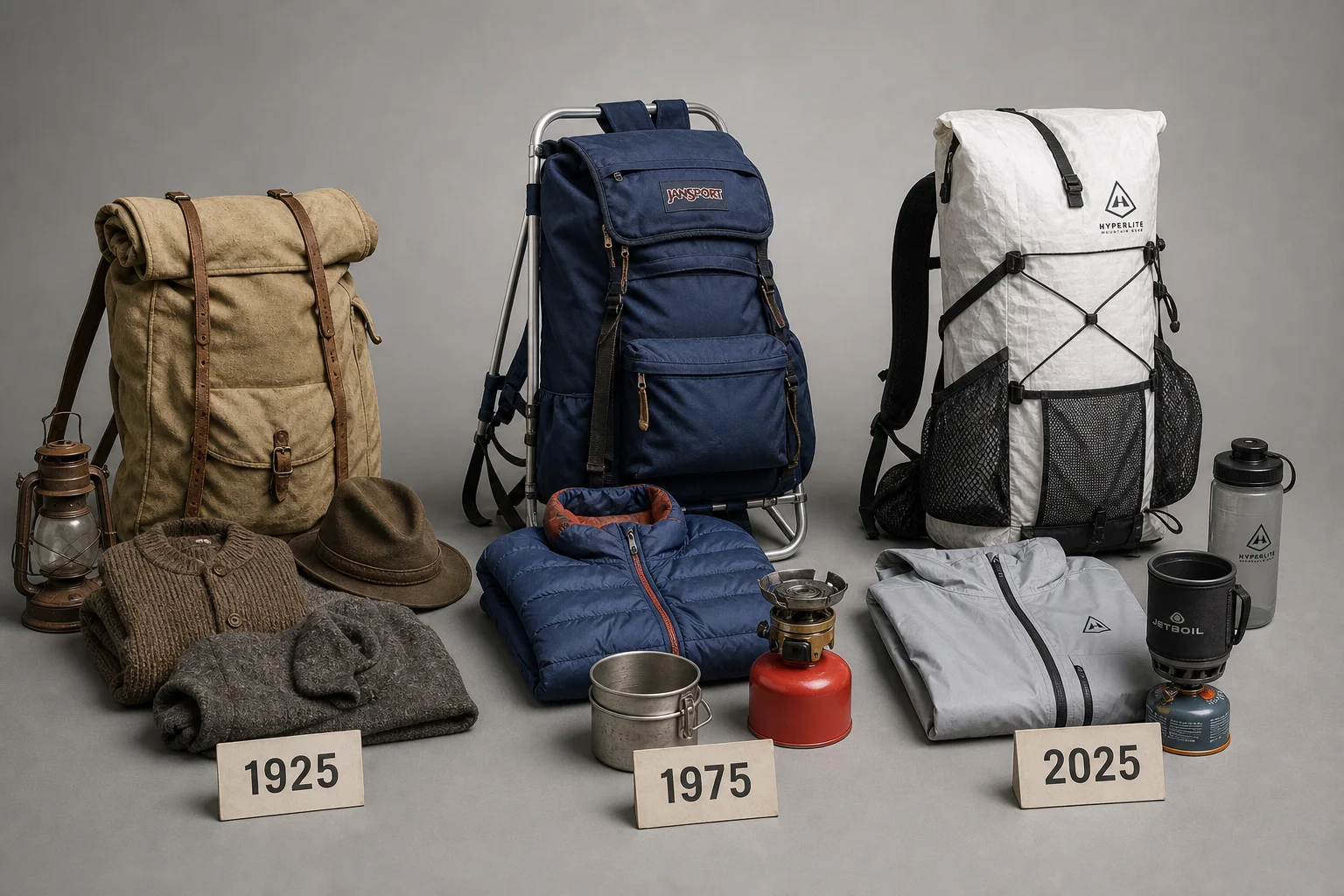
Backpacking Gear Evolution: 100 Years of Technology Compared
We tested backpacking gear from 1925, 1975, and 2025 across a three-day hike in Yosemite. Here's how technology has transformed comfort, weight, and the outdoor experience.
Outdoor Gear
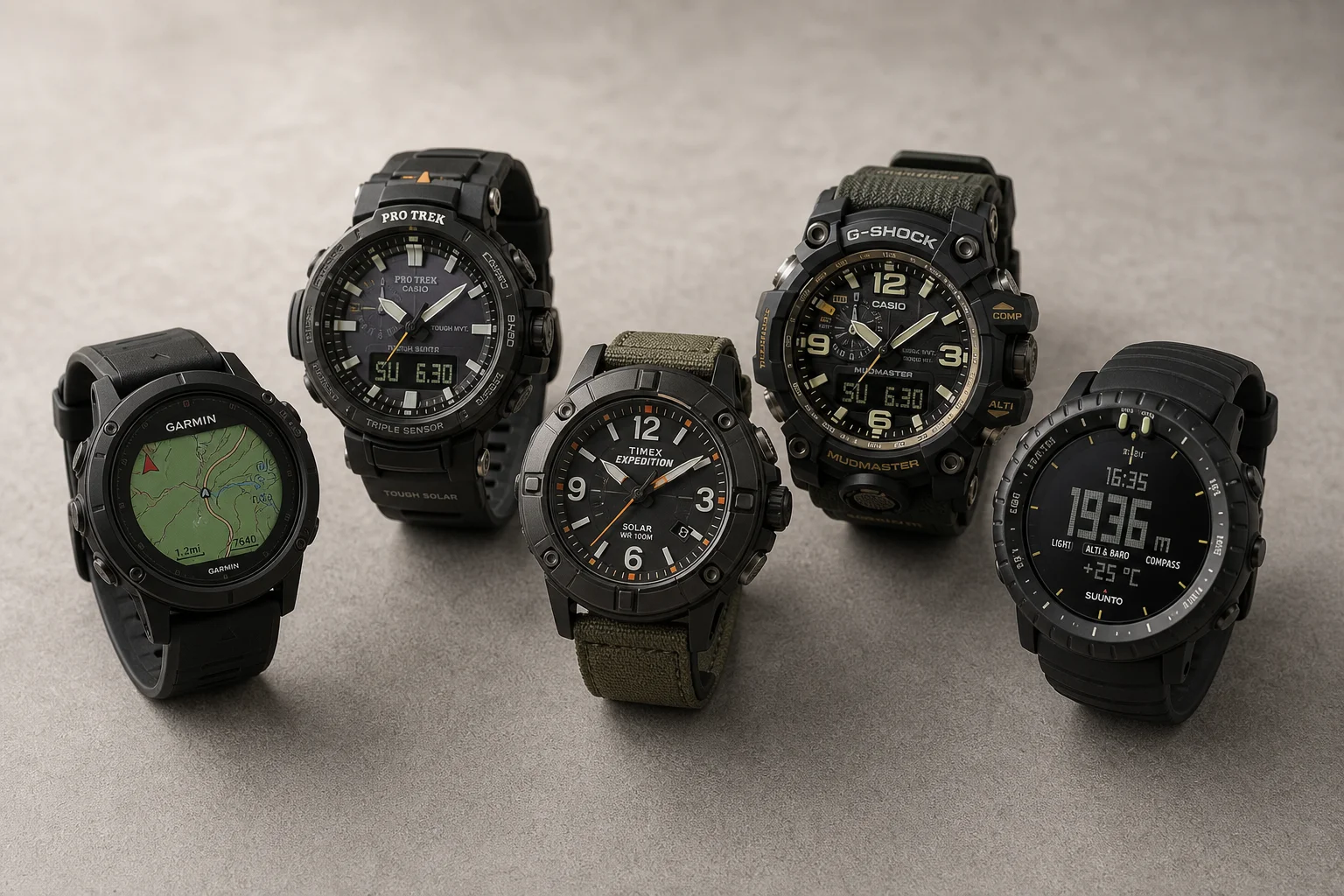
Best Affordable Hiking Watches: Five Rugged Options for Outdoor Adventures
Five durable hiking watches that balance ruggedness, functionality, and value for outdoor enthusiasts who need reliable GPS tracking and weather resistance.
Outdoor Gear
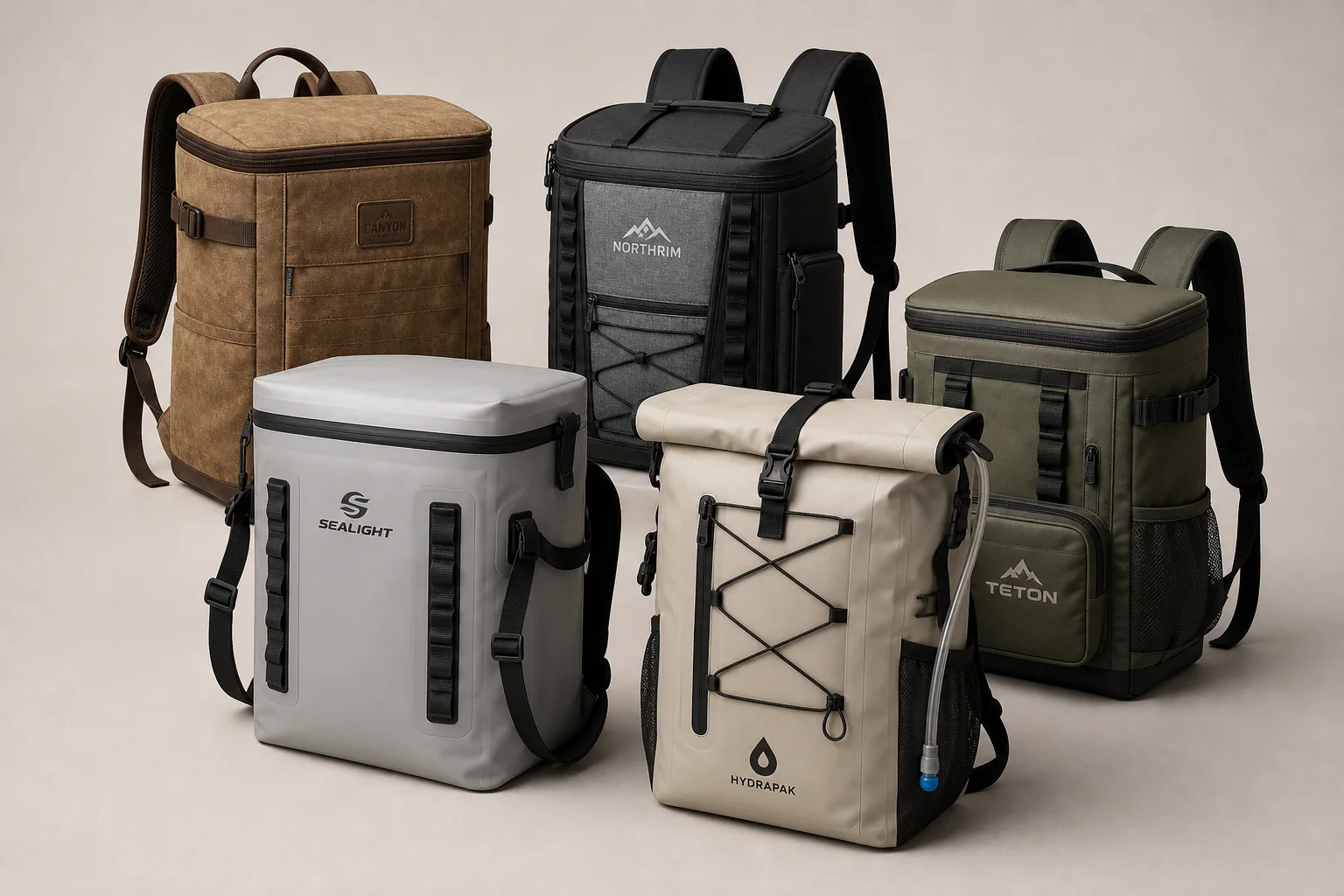
Best Backpack Coolers 2026: Five Practical Options for Outdoor Adventures
Five backpack coolers with distinct cooling capabilities, storage features, and design trade-offs to help you choose the right one for your outdoor needs.