Stand-Mount Speakers
Focal Theva No.1 Review: A Relaxed Stand-Mount Speaker With Real Space
The Focal Theva No.1 is the smallest speaker in the Theva line. Here is what its open, forgiving sound does well, and which trade-offs to weigh before buying.
Introduction
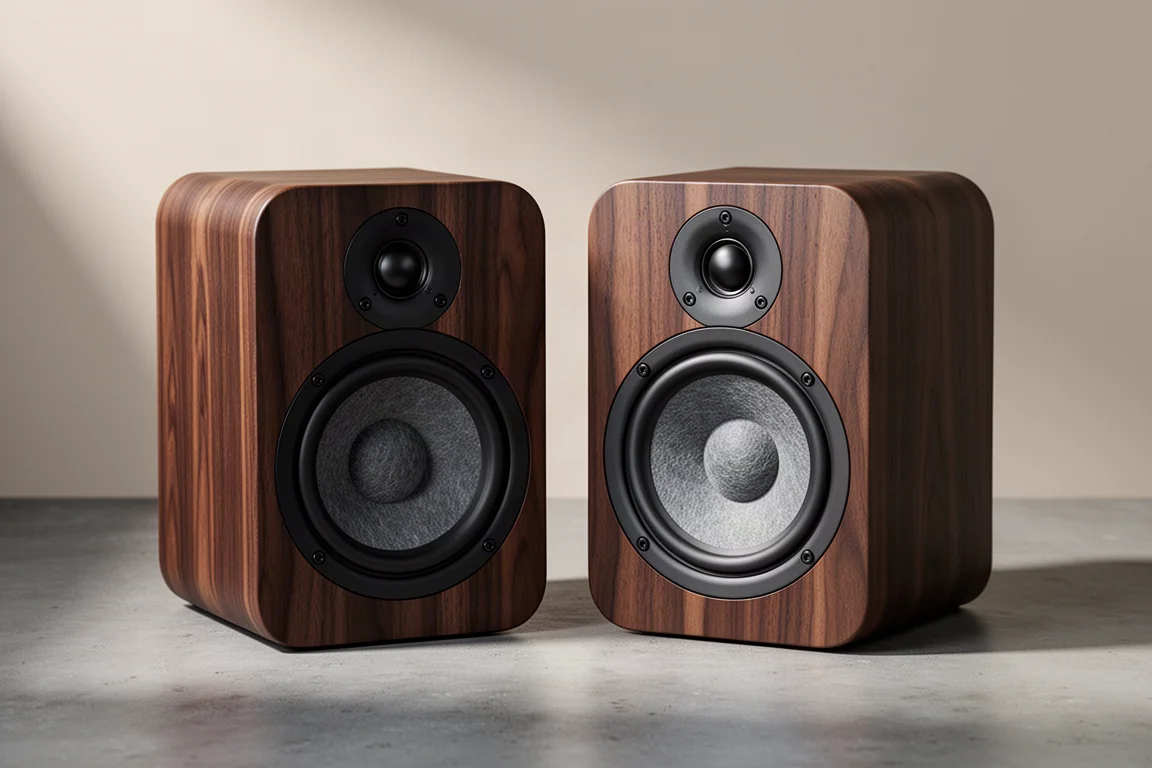
Focal builds the Theva line for listeners who want the company’s house sound without stepping into its more expensive ranges, and the Theva No.1 is the smallest speaker in that family. The rest of the line runs from tower models to a center channel, a surround speaker and an up-firing Atmos model, but this review deals only with the stand-mount two-way.
It is a compact design: a six-inch Slatefiber woofer paired with a one-inch inverted aluminum-magnesium dome tweeter, both designed and built in-house. The finished speaker is assembled in France, which is notable at this price point, where plenty of competitors move production elsewhere. It sells for $998 per pair and comes in three finishes: Black, Light Wood and Dark Wood.
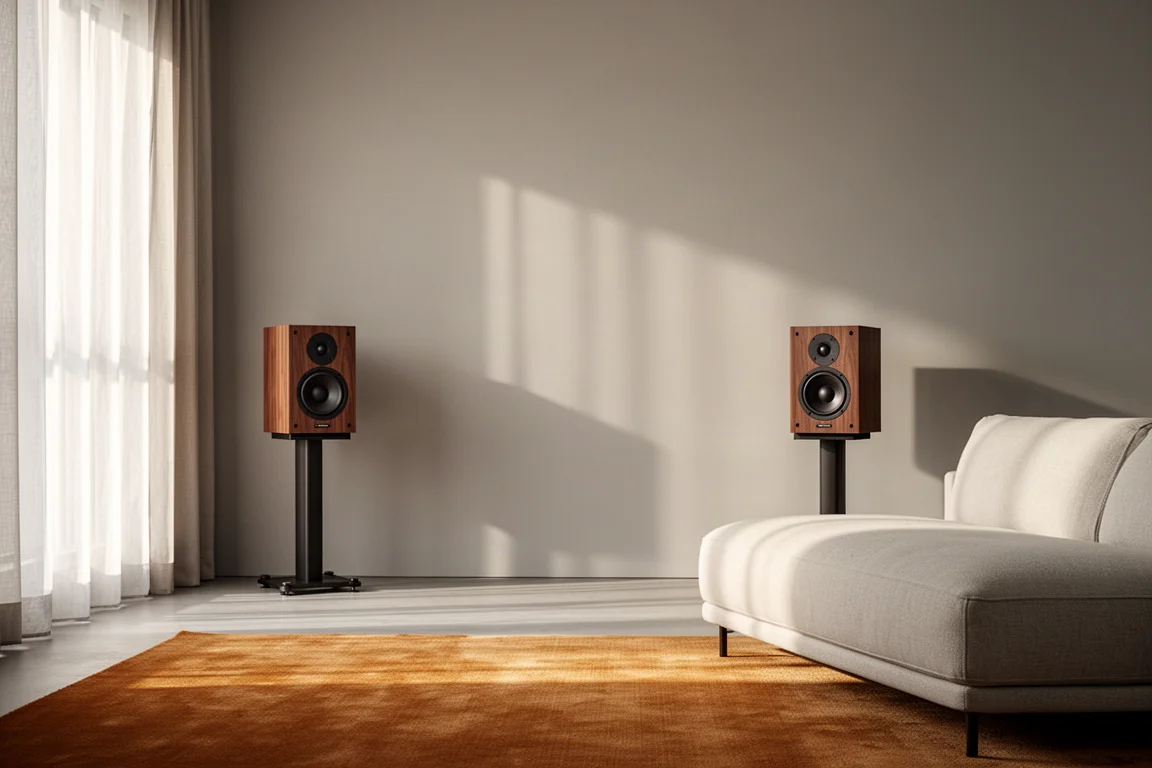
The Light Wood sample here looks convincing enough that it takes a close inspection to work out that it is a wood-effect finish rather than real timber. The cabinet is rear-ported, so it wants some breathing room behind it, and it is happiest on a solid stand. In this case the speakers sat on 24-inch steel tripod stands, roughly seven and a half feet from the listening position, with a slight toe-in toward the seat.
Who This Speaker Is For
This is a speaker for listeners who play a wide range of recordings and would rather enjoy them than audit them. The No.1 is forgiving of compressed, edgy or grainy material, which makes it a comfortable match for older pressings, streaming catalogues and mixed-quality digital files.
It also suits anyone building a modest two-channel system in a small or medium room, particularly if the speakers can sit clear of the wall behind them. What it is not is a bass monster. A stand-mount with a six-inch woofer will not pressurize a large room, and anyone who wants deep, physical low end should plan on adding a subwoofer rather than expecting the No.1 to deliver it alone.
Main Strengths
The first thing the Theva No.1 gets right is space. It sounds open and unboxed, with a midrange that stays neutral and natural rather than pushed forward. The top end is clean and the bass is solid and tidy, so the overall balance reads as even across a broad range of music.
Solo piano is a good test of that balance, and it came through with real weight in the lower register. Sustained notes hung in the air with their harmonics intact instead of collapsing into a thin, mechanical tone. Rhythm held together too, which matters on material that depends on momentum rather than sheer detail.
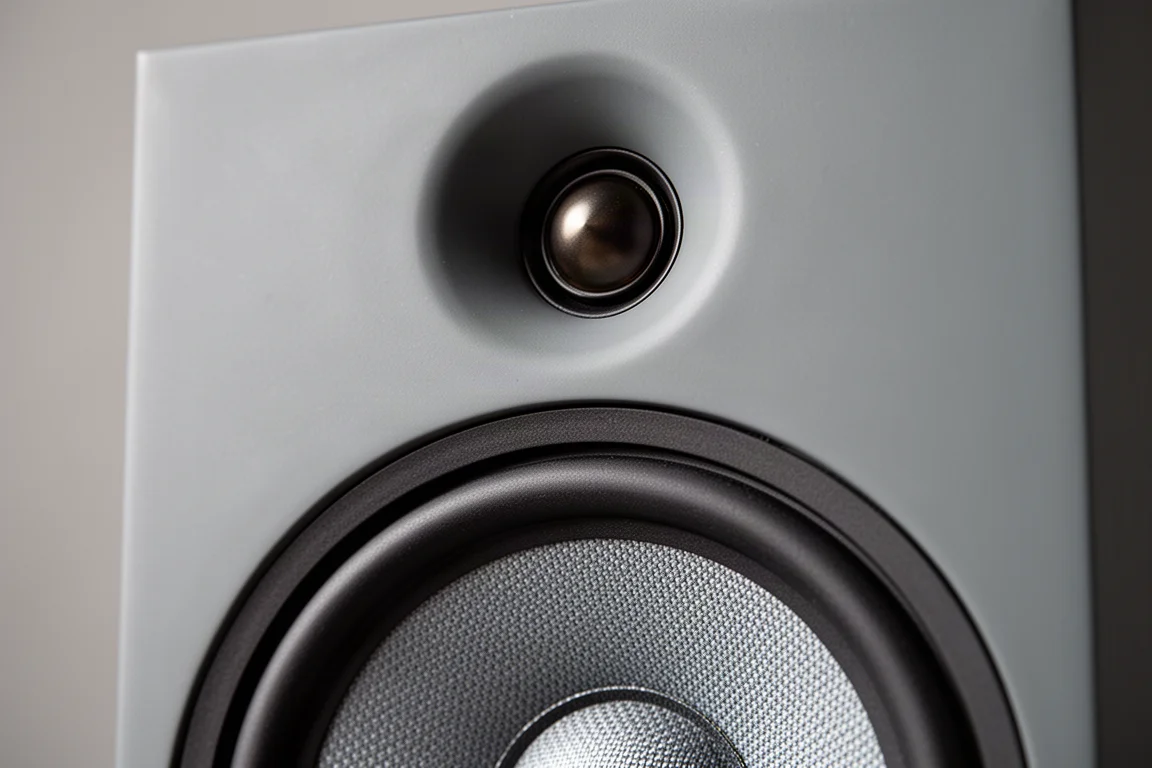
That combination of openness and easy tonal balance is the core of the appeal. The speaker lets music occupy the room instead of throwing it at the listener, and it stays listenable across long sessions.
Design, Build, and Setup Notes
Two details are worth knowing before the speaker arrives. The first is the rear port. Give the cabinet some clearance from the wall behind it if you can, because pushing it tight against a boundary muddies the very openness that makes it enjoyable.
The second is the terminal panel. The binding posts are nicely made, but the caps covering the banana plug sockets on this sample were extremely stubborn and resisted every attempt to remove them. Spade-terminated cables solved the problem immediately, so plan accordingly if your cables use banana plugs.
Focal rates the speaker at 8 ohms nominal with a dip to 4.6 ohms, which is on the low side. It is not a difficult load in absolute terms, but it rewards an amplifier with a bit of current delivery. In testing it ran with a French integrated amplifier and, later, with a separate preamp and a low-powered Class A power amplifier. The second combination produced more texture, presence and clarity, and less of a dreamy quality, which suggests the No.1 will keep scaling as the electronics improve.
How It Compares With Other Stand-Mount Speakers
The Bowers & Wilkins 607 S2 Anniversary is the smaller, cheaper alternative, and on paper it makes for a reasonable starting point. Its top end is airy and spacious, but acoustic guitars came across as thin, and the speaker never quite found the warmth and body that the No.1 offers. The Buchardt S400 MKII is closer in size yet costs more than double and uses a large rear passive radiator to extend its low end. It is the more transparent and clearer speaker, with better vocal layering, and it pushes music forward with real drive. The No.1 takes the opposite approach: it is more relaxed, and it lets the music settle into the room rather than thrusting it at the listener.
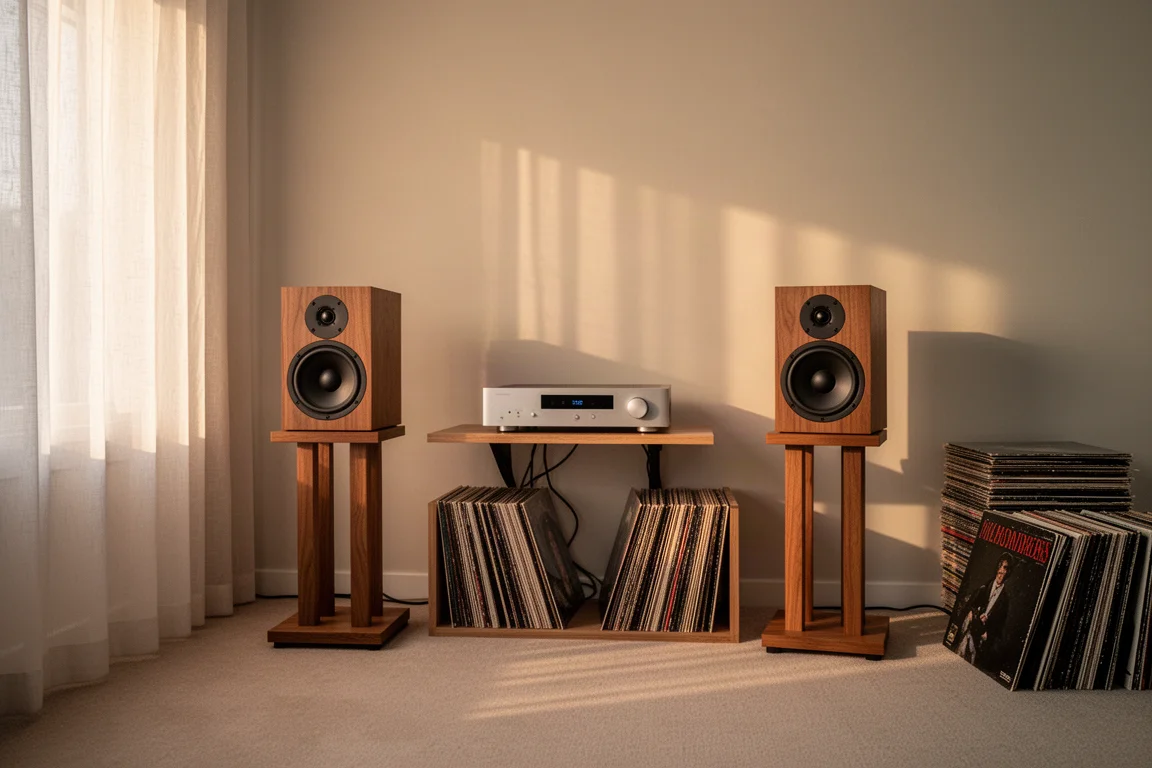
The KEF LS50 Meta, a smaller design at $1,600 per pair, is the more incisive and expressive performer. Voices are rendered with greater clarity and detail, and it is a livelier, higher-contrast speaker with more resolution, but it is also less forgiving. The Theva No.1 is the fuller, rounder and sweeter sounding of the two straight out of the box, and the friendlier one when a recording is rough.
Things to Consider Before Buying
Bass depth is the main compromise. The low end is satisfying for a speaker this size, but it will not shake a room, and a subwoofer is the sensible route for anyone who wants that kind of weight.
Quiet listening is another consideration. Played at low late-night levels, the No.1 sits squarely in the middle of the field: it does not fall apart, but it also does not hold its full character the way the very best low-level performers do.
Finally, decide what you want from a speaker. This one makes most recordings sound nicer and easier to live with, and it deliberately softens the flaws in rough material. If your priority is hearing every last detail and every imperfection in a recording, that is not the job the No.1 was built to do.
Buying Advice
At $998 per pair across all three finishes, the Theva No.1 sits in a competitive part of the market, and it makes its case on character rather than on specification. Buy it if you want a relaxed, spacious, forgiving speaker that flatters a broad record collection and stays easy to listen to for hours.
If transparency and detail matter more than comfort, the Buchardt S400 MKII is the more revealing speaker and the KEF LS50 Meta is the more incisive one, though both cost considerably more. The Bowers & Wilkins 607 S2 Anniversary costs less, but it is the thinner sounding option of the group.
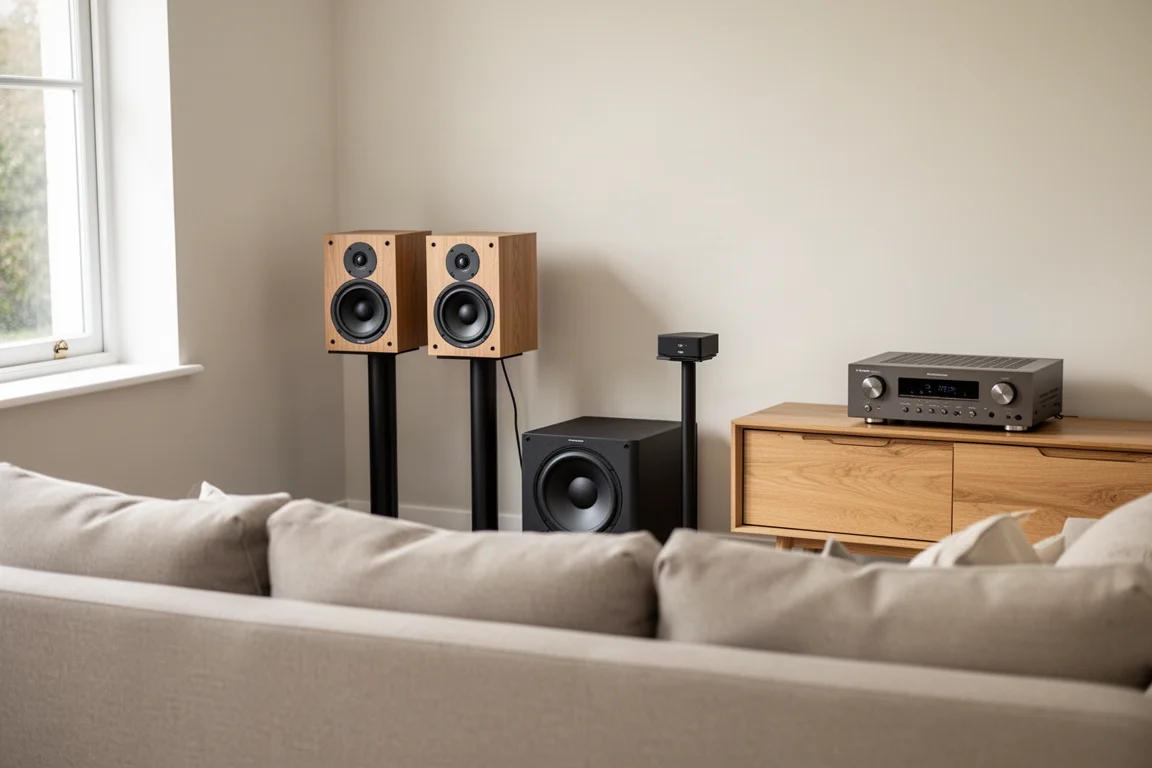
Whichever way you go, budget for stands and give a rear-ported cabinet room to breathe. The No.1 is not fussy about placement in the way some speakers are, but it does benefit from being pulled clear of the wall and set up with a little toe-in toward the listening seat.
Conclusion
The Focal Theva No.1 is an easy speaker to recommend to the right listener: open, balanced, natural in the midrange and forgiving of imperfect recordings. Its limitations are honest ones, namely modest bass for the size and average performance at very low volumes. For $998 per pair, with in-house drivers and assembly in France, it earns its place as a genuinely enjoyable stand-mount for everyday listening.
Product link
View more details for Focal Theva No.1
This product is mentioned in the review. Check the specifications, options, and compatibility before buying.
View more details for Focal Theva No.1Further reading
Related Reviews
Stand-Mount Speakers
Bowers & Wilkins 705 S3 Review: A Compact Stand-Mount Built Around Clarity
A close look at the Bowers & Wilkins 705 S3: its Carbon Dome tweeter, Continuum bass, amplifier demands, placement behaviour, and the trade-offs to weigh before buying.
Stand-Mount Speakers
Falcon Acoustics M10 Review: A Small Stand-Mount Speaker With Real Low-End Weight
A two-way stand-mount with a rear port, a genuine 8-ohm load, and bass weight that belies its five-inch driver.
Speakers
13 Under-the-Radar Speakers Still Worth Buying
Thirteen speakers that quietly stayed in production while newer models took the spotlight, from budget bookshelf pairs to a full-size tower.