Art Supplies
Fly C Chrome Marker Review: Reflective Ink With Frustrating Trade-Offs
A hands-on look at the Fly C chrome marker in 0.7, 1, and 3 mm sizes, covering packaging, flow, reflectivity, and whether it earns a spot in your kit.
Introduction
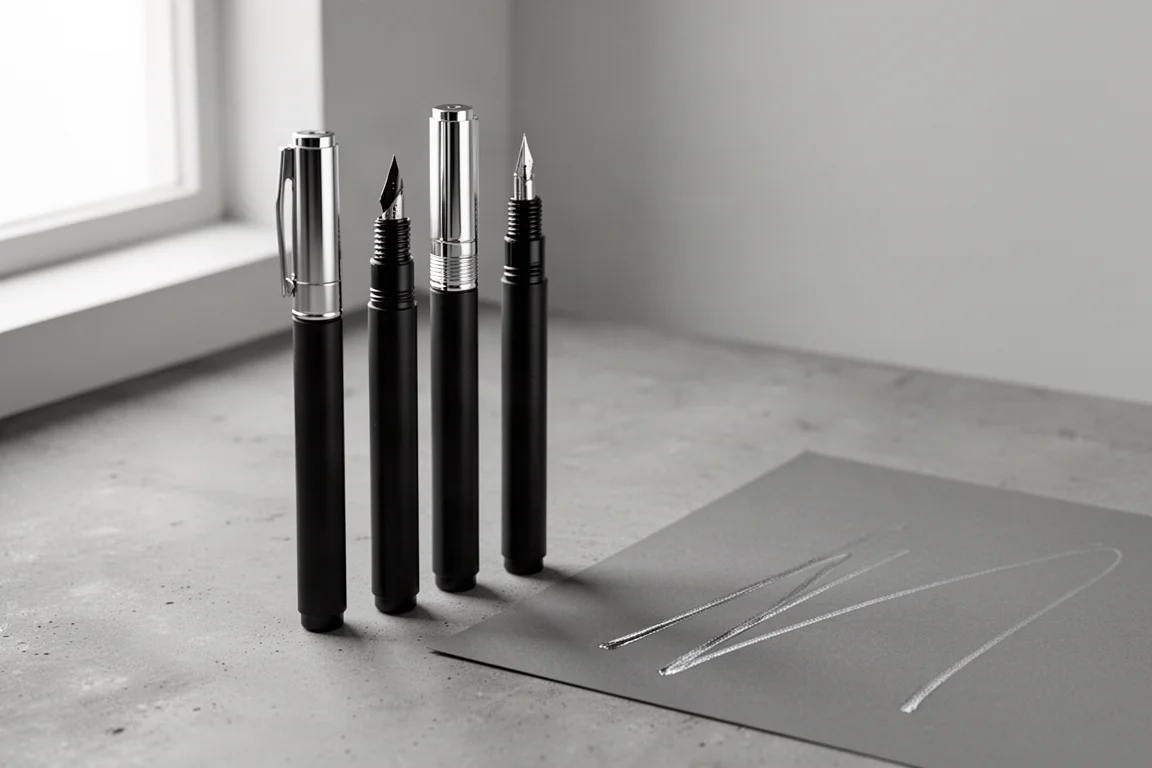
Chrome-effect markers are one of those products that look almost magical in short social clips: a single swipe and you get a wet, mirror-like metallic line. The Fly C chrome marker promises exactly that, and it is available in 0.7, 1, and 3 mm tip sizes. After spending real time with all three sizes on both toned and white paper, the results are mixed. The ink can look genuinely reflective, but a long list of usability issues makes the marker hard to recommend in its current form.
Who This Product Is For
In theory, this marker suits illustrators, lettering artists, and hobbyists who want to add metallic highlights to sketchbook work, greeting cards, or finished pieces. The three tip sizes cover fine details and broader strokes, and the spring-loaded nib design suggests some thought went into keeping ink moving to the tip. If the workflow were smooth, this would be an easy product to love. Unfortunately, the experience of getting there is where things fall apart.
Getting Started: Packaging and Setup
The unboxing experience is genuinely poor. The marker arrives in a large, non-transparent box that feels excessive for a product this small, and each pen is then sealed in a plastic shrink wrap that is extremely difficult to remove. Twisting, pulling, and working a nail into a corner all fail to help, and the smaller the marker, the worse the problem. It is a frustrating first impression that sets the wrong tone before the marker is even used.
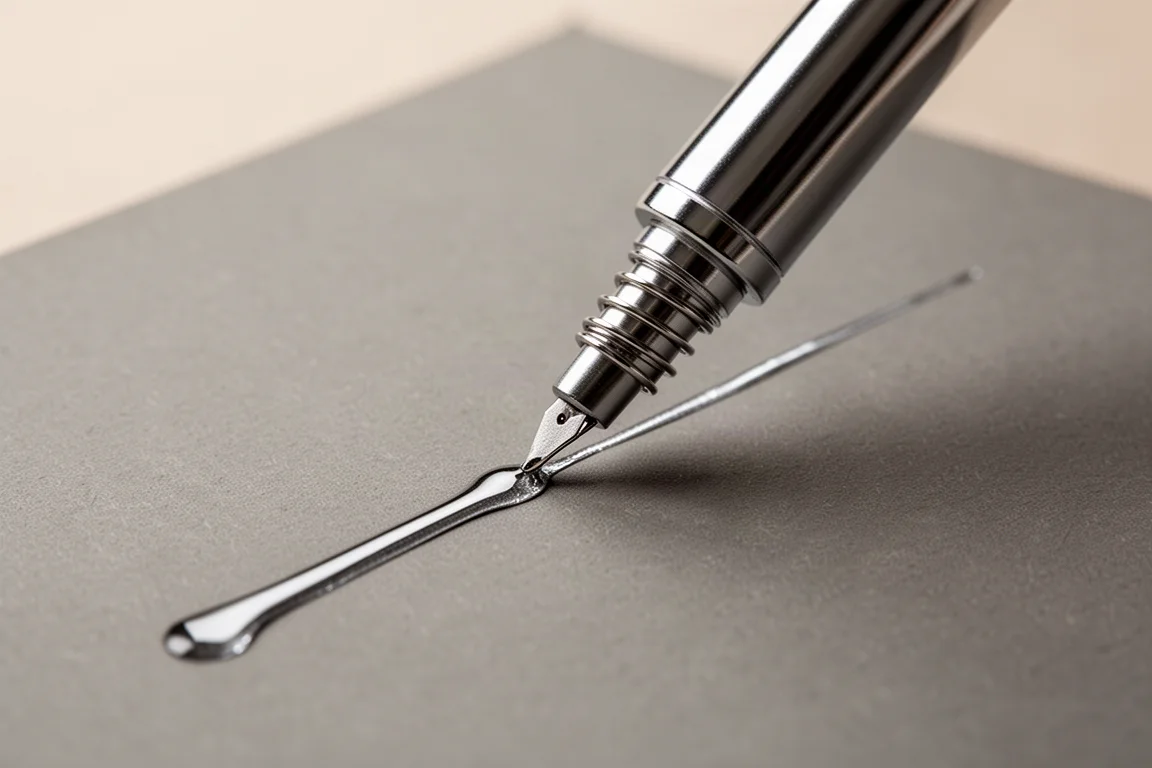
Setup brings more friction. The instructions say to shake the marker but give no guidance on how long. After a generous shake, the spring-loaded nib needs to be pressed repeatedly to get ink flowing, and there is no click or pop to signal when anything happens. Getting liquid down into the nib took an inordinately long time, with no clear indication of whether a seal or membrane needed to break. Every time a different size was opened, the same slow priming process repeated itself.
How It Writes: Lines, Shine, and Nib Feel
On the plus side, the first wet line comes out remarkably shiny, and the ink does retain some reflectivity once dry, especially when the paper is tilted at an angle. The nib itself is impressively strong and does not weaken under pressure, which is a genuine design win and likely why the writing feel is firm.
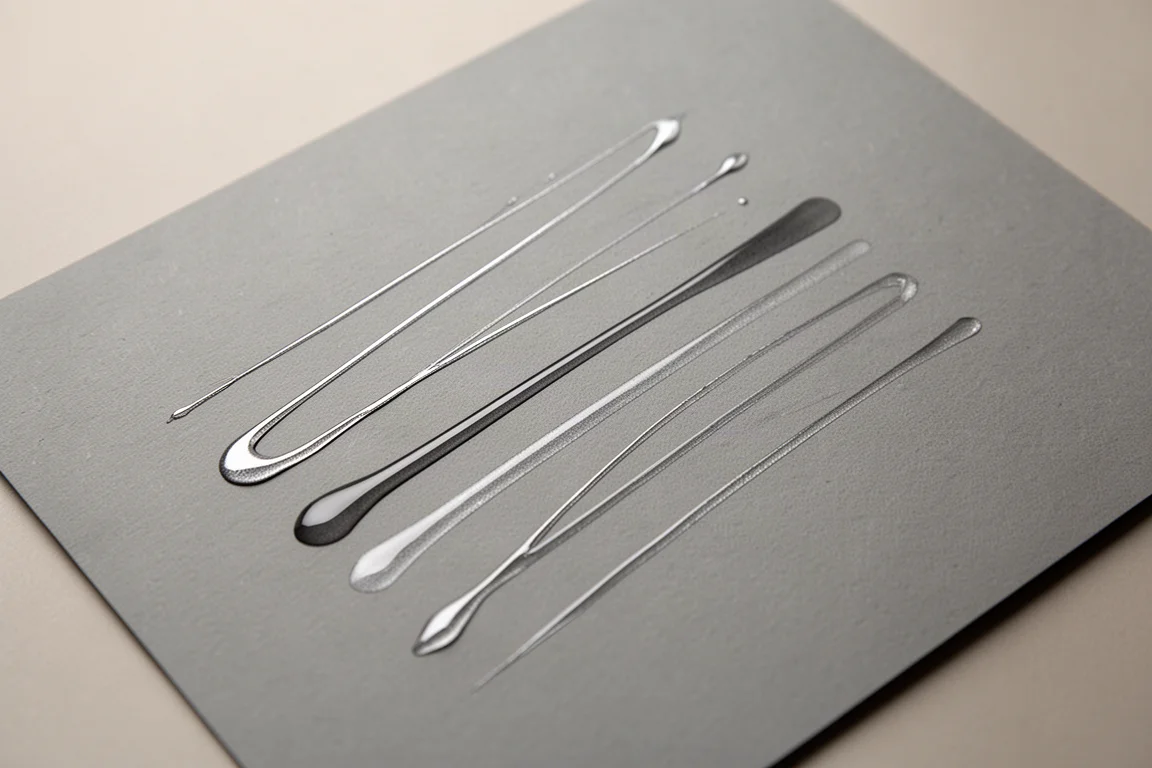
The drawbacks are equally clear. The nib is scratchy in all three sizes, with a distinct audible scratch as it moves across paper, presumably to keep the tip durable. The ink flow never improves no matter how often the nib is pressed; it stays at one consistency. Most importantly, the dried result is far from the mirror finish shown in the product’s own promotion. It has a shine, but not the dramatic chrome effect you might be buying it for.
There is also a smell. These markers have an odor that goes beyond a typical marker smell, strong enough that work had to be paused and resumed later. The label offers no ingredient information and no non-toxic claim, and chromium compounds are known to carry serious health risks, so the lack of transparency here is a real concern. Use these only in a well-ventilated area, and never sniff the tips.
Compared With a Standard Silver Marker
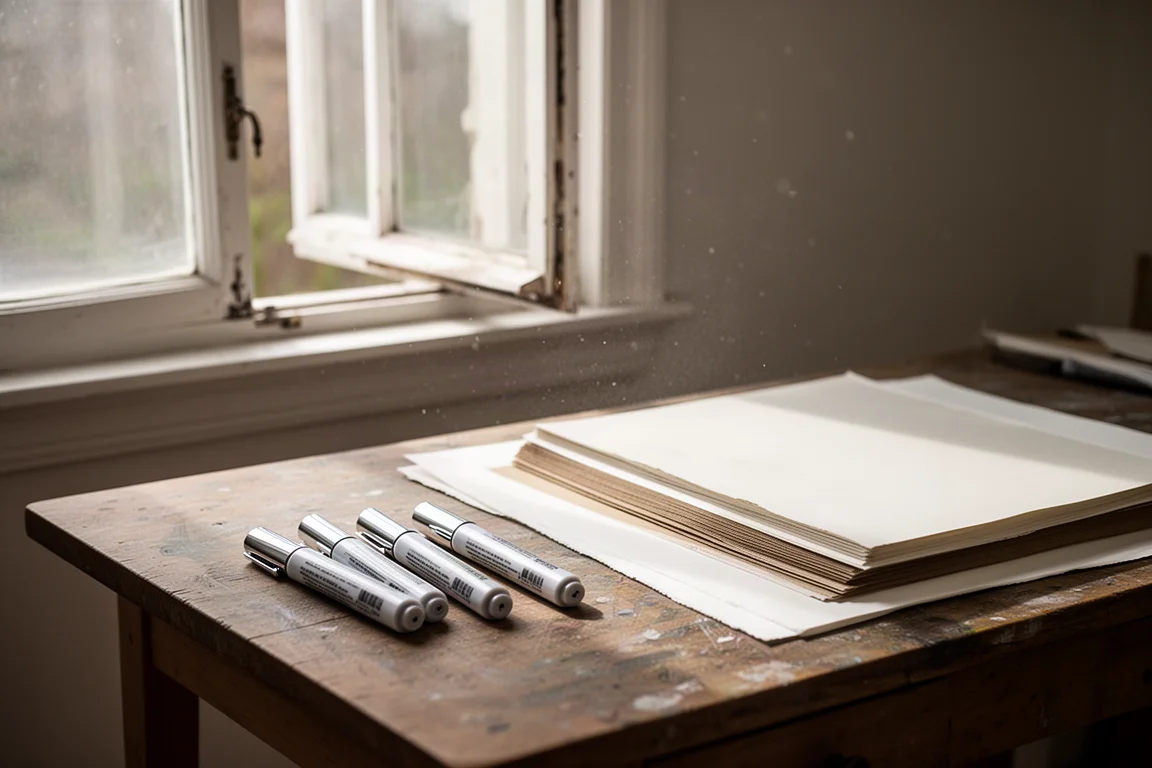
To put the Fly C in context, it was tested directly against a plain silver Sharpie, a long-established alternative, on white watercolor paper. The result was surprising: the Sharpie laid down a darker, more solid line, was easier to use instantly out of the package, and still offered a modest reflective sheen of its own. The Fly C delivered slightly more reflectivity, but not enough to justify the trade-offs.
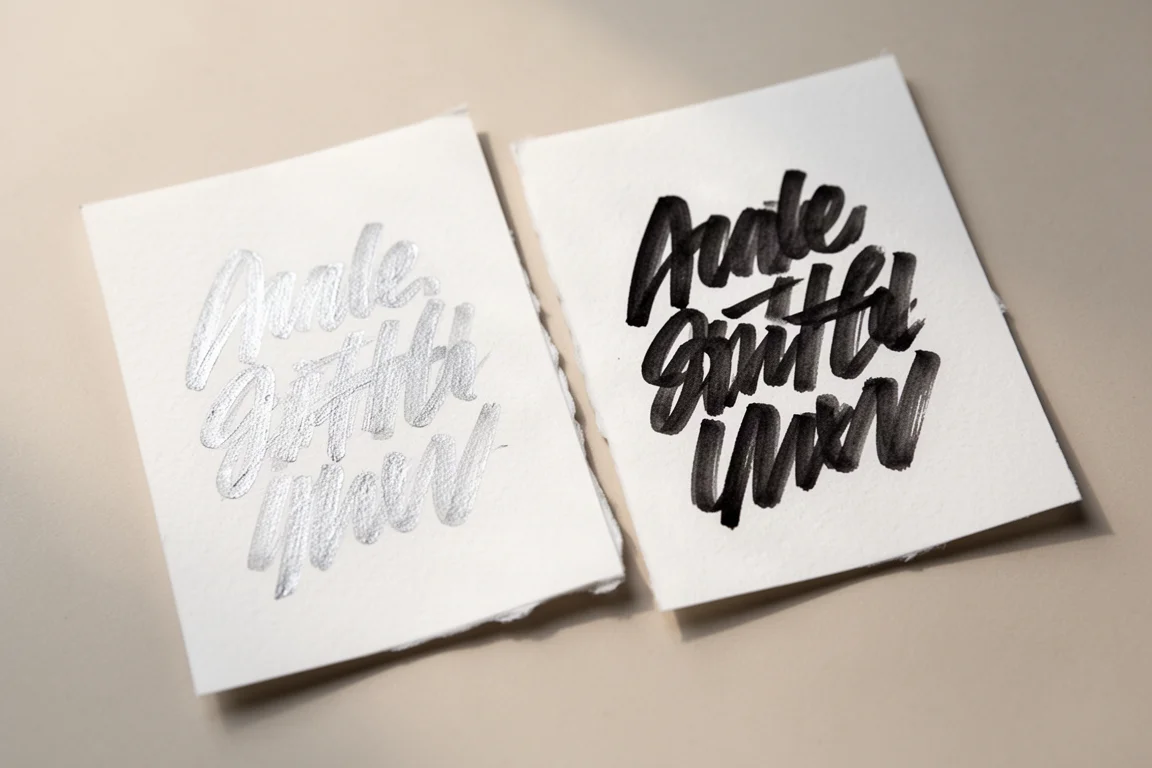
Weighing the two, the older, cheaper option wins on usability, comfort, and overall experience. The Fly C’s edge in chrome-like shine is real but marginal, and it comes packaged with slow priming, scratchy nibs, strong fumes, and unclear ingredient labeling.
Things to Consider Before Buying
If you are still tempted, go in with realistic expectations. The shine is noticeable but subtle once dry, not the mirror effect shown in marketing. Priming each pen takes patience and can stretch into several minutes of shaking and pressing. The nibs are firm and durable but consistently scratchy. And the odor is strong enough to require ventilation and breaks.
Buying Advice
For most buyers, the better move is to stick with a proven silver marker until this product matures. If the maker reduced the wasteful packaging, removed the difficult shrink wrap, sped up priming so the marker works within a few minutes, and published clear ingredient and safety information, this could become a genuinely interesting product. In its current form, it is simply not market ready, and there are better-made, more transparent alternatives available for less hassle and less money.
Conclusion
The Fly C chrome marker delivers some real reflectivity and a durable nib, but slow priming, scratchy lines, aggressive packaging, strong fumes, and missing safety transparency outweigh those strengths. Until the product improves, standard silver markers remain the safer and more satisfying choice for adding metallic shine to your work.
Product link
View more details for Fly C Chrome Marker
This product is mentioned in the review. Check the specifications, options, and compatibility before buying.
View more details for Fly C Chrome MarkerFurther reading
Related Reviews
Art Supplies
Art Pop Watercolor Pencils 48-Color Set: A Thoughtfully Designed Student-Grade Option
The Art Pop 48-color watercolor pencil set blends well, dissolves smoothly, and includes artist-friendly details like barrel-printed color names, all at an affordable price.
Art Supplies
Artics Acrylic Markers 3mm Review: Versatile Paint Markers With a Few Caveats
A 48-color set of water-based acrylic paint markers that blend while wet, dry permanent, and keep the price low, though safety transparency remains a question.
Art Supplies
Best Art Supplies Worth Your Money: Pencils, Pens, Paints, and Paper That Earned Their Spot
After years of daily use and testing, these are the pencils, pens, watercolors, gouache, brushes, sketchbooks, and erasers that stand above the rest.