Audio
Fluxion Audio K4 Review: A Budget Tube Integrated Amplifier With Hand-Wound Transformers
A neutral, clean KT88 integrated amplifier with triode and ultra-linear modes, a capable headphone section and handmade Canadian construction at around CAD 1,300 without valves.
Introduction
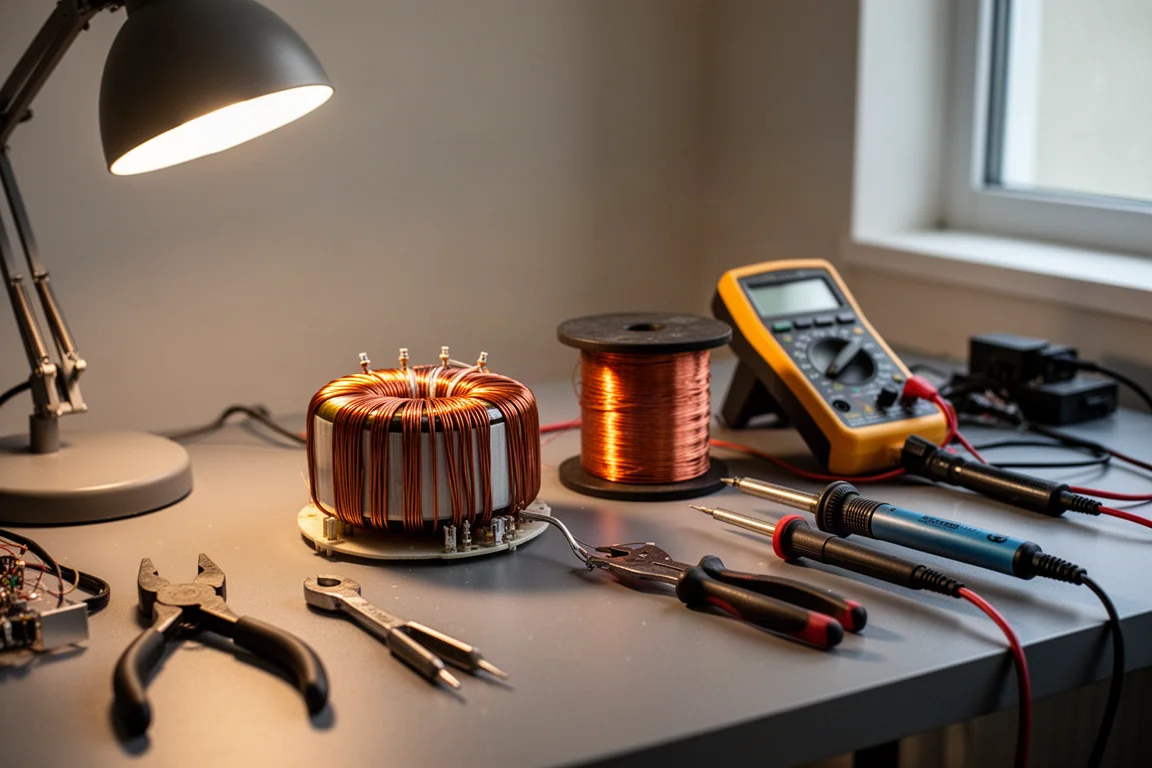
Budget tube integrated amplifiers usually come from large factories with generic parts and a familiar set of compromises. The Fluxion Audio K4 goes a different way. It is a KT88 integrated amplifier built by hand in Canada, priced at around CAD 1,300 for the amplifier alone, with valves purchased separately. What makes it unusual at this price is that the designer winds his own transformers rather than buying off-the-shelf units, which gives him control over how the output stage, the power supply and the rest of the circuit work together.
It is also a small operation. The amplifier is sold through Canuck Audio and by direct email enquiry, and the money goes to the engineer who designs and builds each unit. That arrangement will not suit everyone, but it does explain how a hand-built tube amplifier can sit at this price at all.
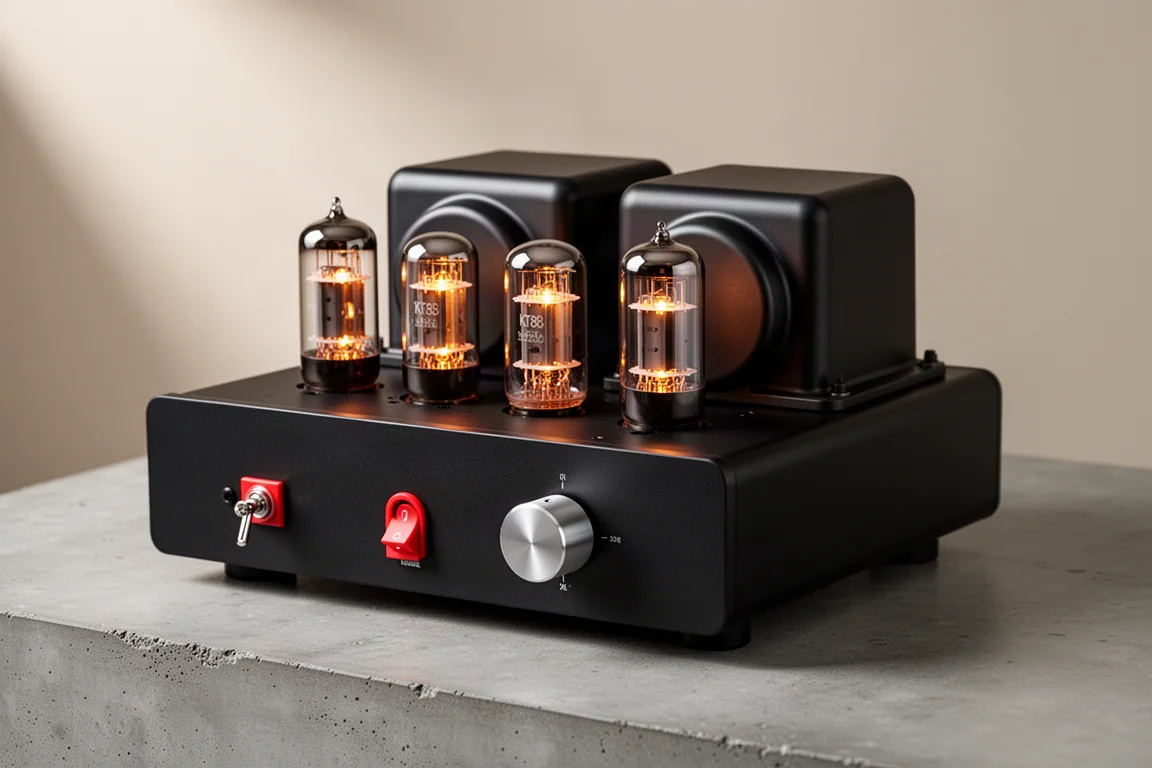
The chassis is matte black metal, and it feels more substantial than the price suggests. At around 10 kg it is also light for a tube amplifier, which makes it easier to move around a rack than most of its peers.
Who This Amplifier Is For
The K4 makes the most sense for listeners who want a genuine tube integrated amplifier without spending five figures. It suits a single-source system: one turntable, one CD player or one streamer connected through the single pair of RCA inputs.
It is also a good fit for headphone listeners. A switch on the front panel moves the amplifier between the speaker section and the headphone section, and the headphone output keeps much of the character of the speaker output.
Speaker matching matters more here than with a solid state amplifier. In ultra-linear mode the K4 produces 12 watts per channel, and in triode mode that drops to 6 watts per channel. Owners of high-efficiency designs, including horn speakers, will get the most from the lower-powered mode.
Main Strengths
The strongest argument for the K4 is the combination of a neutral, clean presentation with the qualities people look for in a tube amplifier. It is not a vintage-flavoured, heavily coloured design, and it is not a tube amplifier that tries to sound like solid state either.
Neutral Character With Tube Warmth
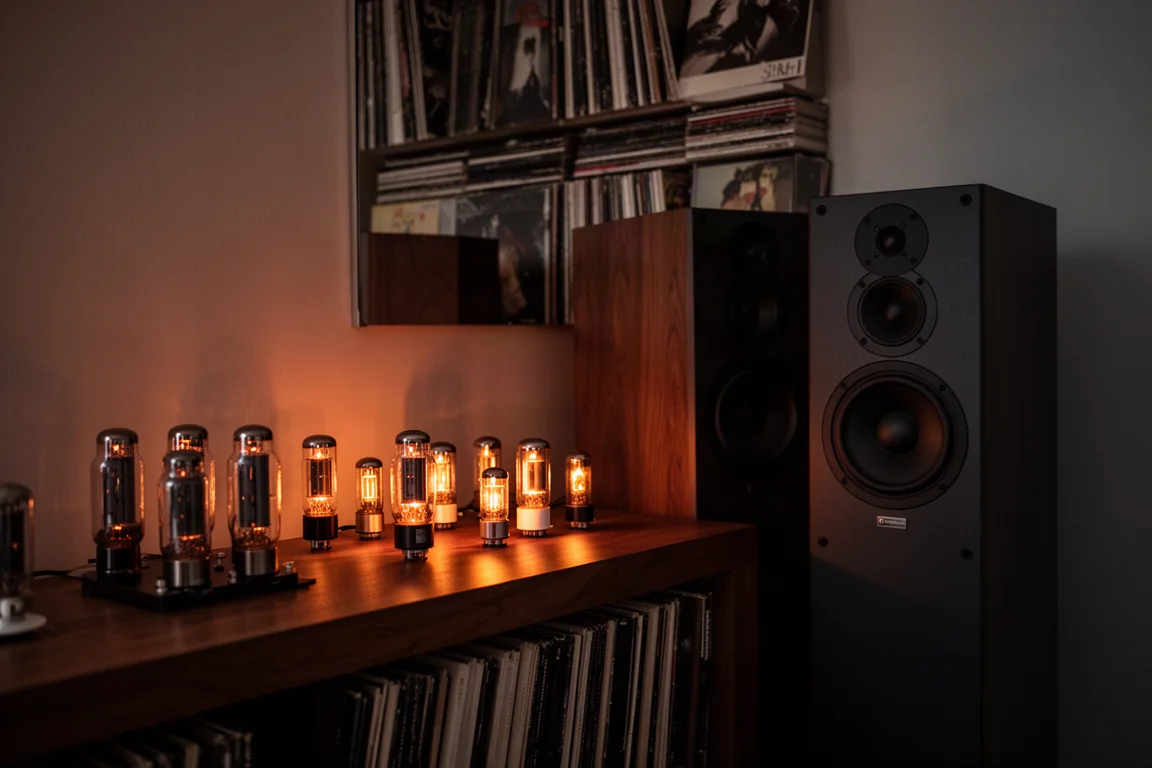
In ultra-linear mode the bass is punchy and dynamic, which is typical of KT88 designs and part of why that tube family has a following. The amplifier drives a wide range of speakers at sensible listening levels without strain.
The midrange stays clean and even, with a touch of the glow that makes vocals sound vivid and opens up the soundstage. The treble is sweet and refined without tipping into brightness or fatigue, and the top end stays informative rather than rolled off. Imaging is precise enough that individual instruments are easy to place.
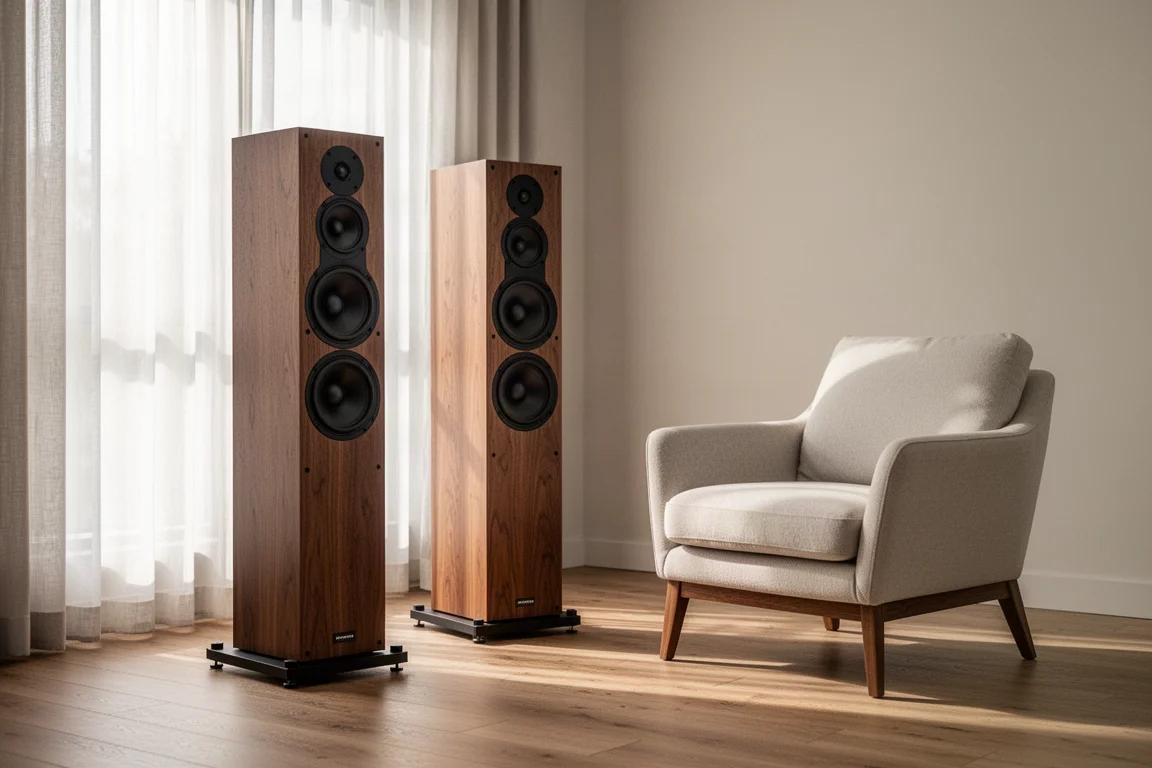
That balance is the interesting part. In direct comparisons with a Class D amplifier, listeners who expected the solid state unit to sound more lifelike were surprised by how lively and holographic the K4 came across. It is a tube amplifier that people who normally prefer measuring-oriented designs can appreciate, while still offering enough tube character to justify the choice.
Triode and Ultra-Linear Modes
A switch on the front panel selects between triode and ultra-linear operation, and the two modes behave quite differently. Ultra-linear brings the full 12 watts per channel, more punch and more dynamic swing. Triode halves the output to 6 watts per channel and shifts the presentation toward something silkier and more delicate.
With sensitive speakers, triode mode is where the amplifier shows its most beautiful vocal reproduction, clean and pure without harshness. With harder-to-drive speakers, triode mode runs out of headroom quickly, so the mode is best treated as a tool for the right speakers rather than a universal setting. The switch itself feels slightly clunky in use but has proven reliable over repeated changes.
Headphone Listening
The headphone section is a genuine bonus rather than an afterthought. Flipping the switch turns the K4 into a tube headphone amplifier with a single 3.5 mm output, and the tonal signature stays close to what the speaker outputs deliver. Paired with closed-back planar headphones and a Sennheiser HD600, it produced the same clean, neutral presentation with a touch of tube sweetness.
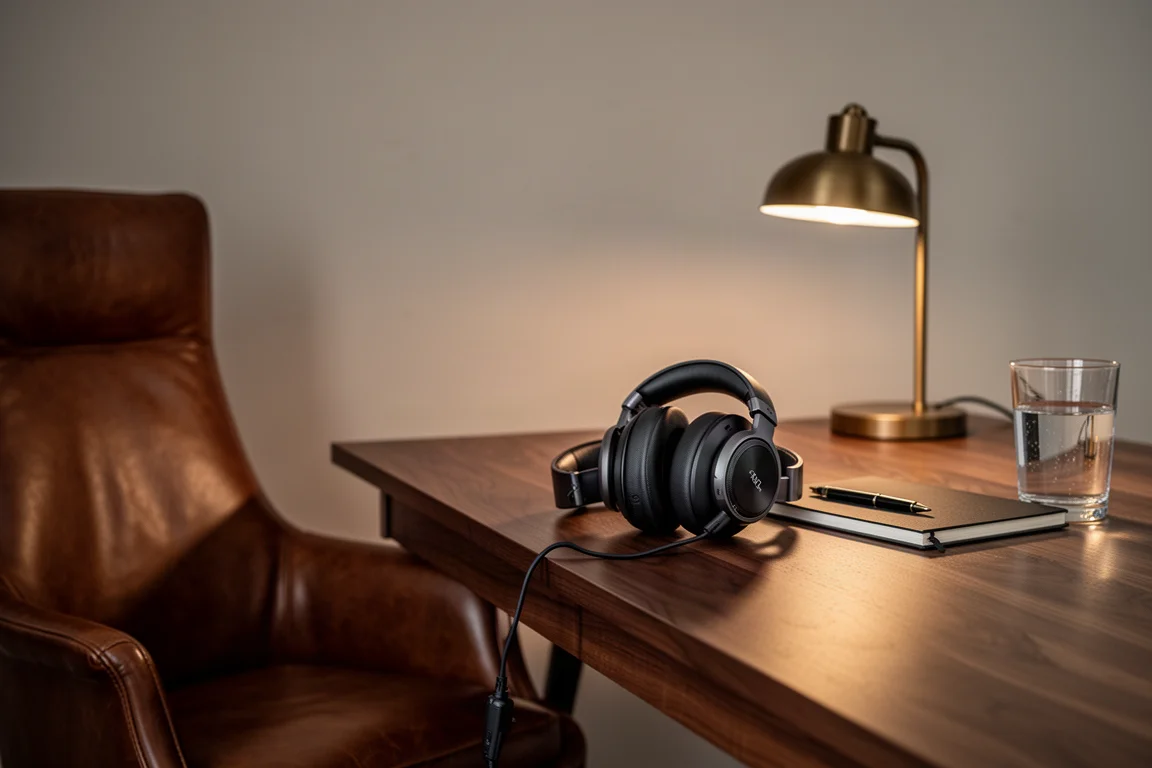
Soundstage and imaging naturally depend on the headphones in use, and open-back designs will always present a wider picture than closed-back ones. Even so, the quality on offer is consistent with the speaker section, which is not always the case with tube amplifiers that add a headphone jack as an extra.
Things to Consider Before Buying
Flexibility is where the K4 asks for patience. There is one pair of RCA inputs, so a multi-source system means swapping cables or adding an external switcher. There is no remote control, which is a real inconvenience for anyone who listens from a chair across the room, although the smooth volume knob and the rack-friendly size make it a manageable trade at this price.
The speaker binding posts accept banana plugs, spade connectors and bare wire, and they can be tightened firmly by hand thanks to their shape. They are also partly plastic, and only the negative terminal is gold plated, which is a reminder of the price point.
Valves are not included in the amplifier price. The unit accepts KT88 output tubes and, according to the designer, KT120 tubes as well, though that combination has not been verified here. Common 6SN7 driver tubes and 5AR4 rectifier tubes are used, so tube rolling is straightforward and the amplifier responds well to it. Inside, the wiring is point to point rather than a neatly dressed layout, and the designer deliberately avoids exotic audiophile capacitors, relying on measurement and part quality instead.
Buying Advice
At around CAD 1,300 without valves, the K4 competes with other budget tube integrated amplifiers on sound quality rather than on features, and it holds its own. Each design has its own strengths: some lean toward technical precision, others toward a warmer, more coloured presentation. The K4 sits between those camps, which is what makes it easy to recommend to listeners who are unsure which direction they want to go.
Budget for valves as part of the purchase. A KT88 set runs around CAD 300 plus shipping, and asking the designer for recommendations is the sensible first step, since he knows the circuit he built. Common current-production KT88 and 6SN7 tubes work well, and a set of new old stock KT88 tubes showed noticeably more refinement. For a first tube amplifier, or for a second system in a small room, the combination of hand-wound transformers, two operating modes and a capable headphone section is difficult to match at this price.
Conclusion
The Fluxion Audio K4 is a hand-built Canadian tube integrated amplifier that trades features for sound quality and stays neutral enough for listeners who usually avoid tubes. It rewards careful speaker matching and a single-source setup, and it makes the most sense for buyers who value the sound and the story behind the build more than convenience features like a remote or multiple inputs.
Product link
View more details for Fluxion Audio K4 Integrated Amplifier
This product is mentioned in the review. Check the specifications, options, and compatibility before buying.
View more details for Fluxion Audio K4 Integrated AmplifierFurther reading
Related Reviews

Audio
Apos x Geshelli Merlin DAC Review: A Natural Match for the Gremlin Amp
The Apos x Geshelli Merlin DAC pairs balanced and single-ended outputs with a smooth, natural sound that complements the Gremlin tube amp.
Audio
Audio Gear That Beats Pricier Rivals: Nine Value Picks for 2026
Nine turntables, streamers, speakers, and amplifiers that deliver far more than their price suggests, plus the trade-offs worth checking before you buy.
Audio
Best Amplifiers Under $200: Four Compact Stereo Amps Worth Considering
Four compact amplifiers under $200, from a class AB design with a headphone section to a DAC-equipped integrated amp and a low-cost pick from a US-based brand.