Snowboard Bindings
Flux XF Snowboard Binding Review: A Unique Ride with Big Adjustability
The Flux XF gets a serious overhaul: adjustable highback, two-piece heel strap, and a surprisingly damp ride with one very noticeable dead spot underfoot.
Introduction
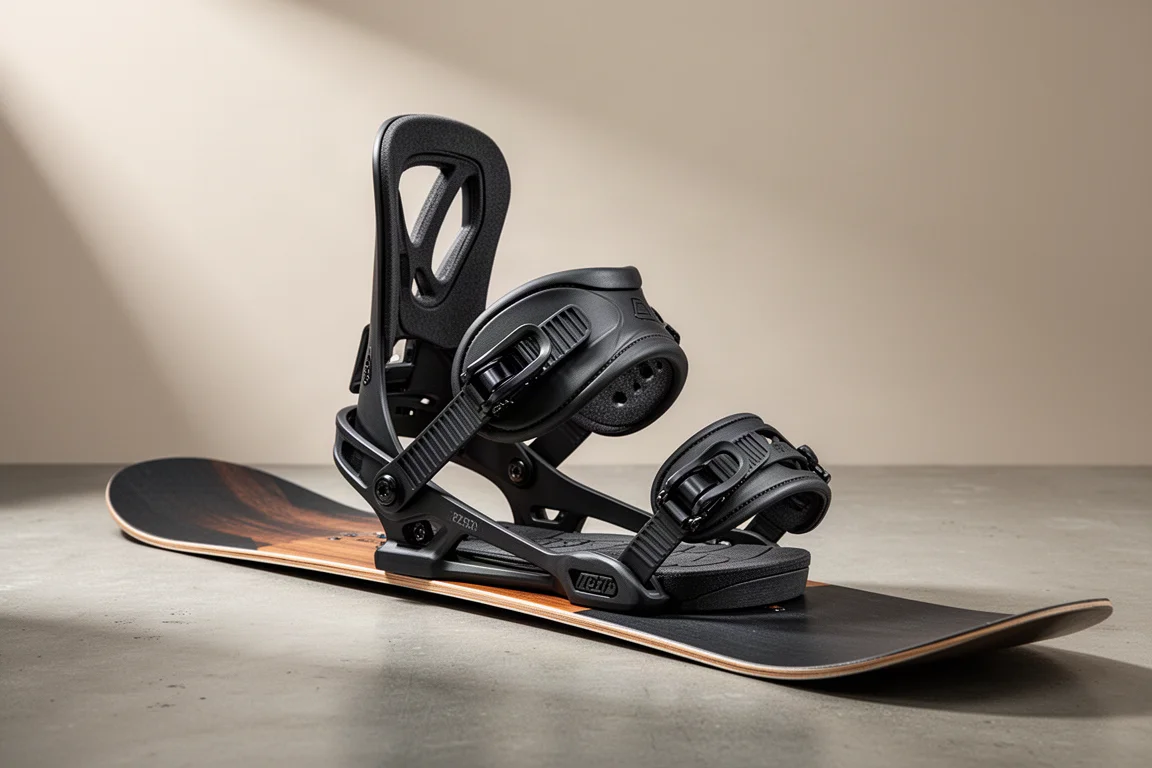
Flux has given the XF a serious overhaul, and it shows. Ridden on a mostly bluebird day at Copper Mountain over fast groomers, midday push piles, and some leftover crusted snow, this binding turned out to be one of the more interesting rides in recent memory. Paired with a Ride Shadowban snowboard and K2 Thraxis boots, it delivered a riding experience with real personality: powerful toe to heel, surprisingly damp, and more playful laterally than its unibody construction suggests.
The short version: it grew on us over the day, it is more responsive than older Flux bindings, and it comes with a few quirks worth knowing about before you buy.
Straps and Adjustability
Adjustability is where the XF flexes its muscle. Both the toe and heel straps use flip twist tabs, so you can lengthen or shorten them to dial in fit. The toe strap sits on a push pin system, and there is a twist tab on the side of the chassis that raises or lowers the heel strap position, a genuinely useful feature if you have instep issues.
The heel strap itself is a two-piece design: a more rigid exoskeleton running through the middle, surrounded by cut-out foam that helps it flex and bend. It is slightly asymmetrical too, with a small wing or flange along the edge. Overall it contours well and has a bit of padding, though most of the cushioning still comes from your boot.
The toe strap is minimal and pointed, and it has to run as a toe cap, which is what Flux is known for. Once locked in, though, you simply do not feel it. No weird pressure points, just secure and quiet.

Highback: Tall, Responsive, and Aggressive
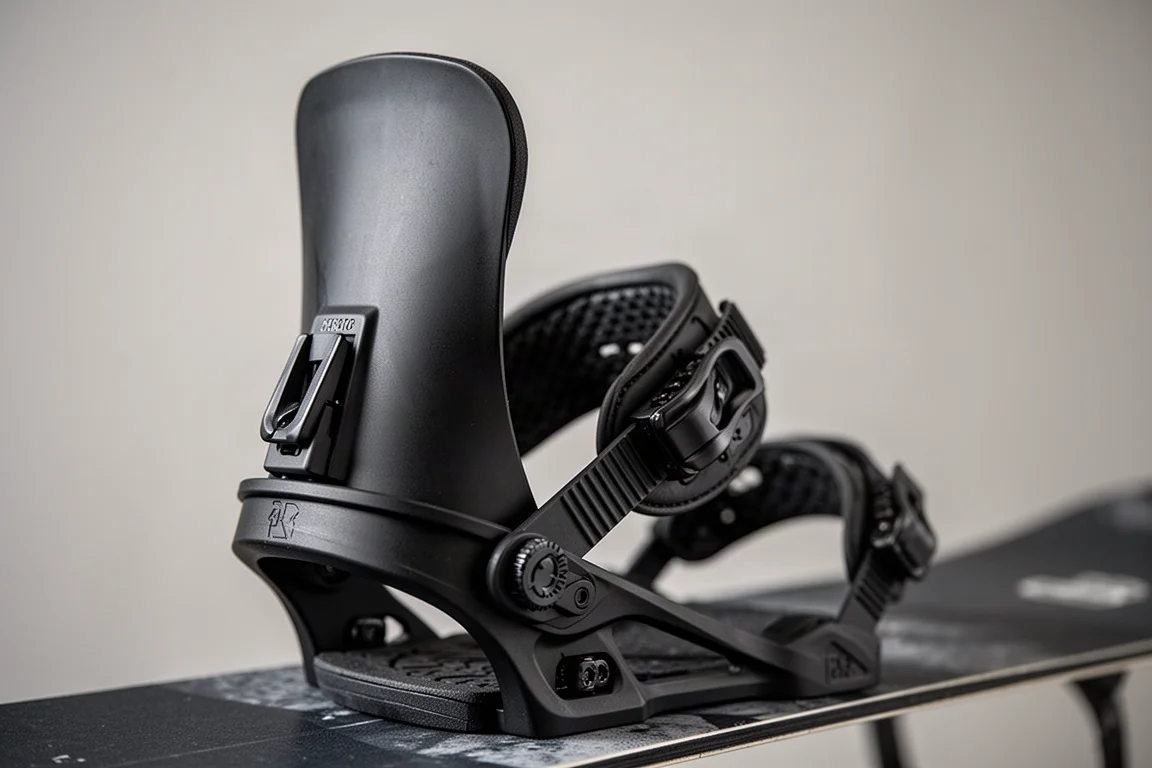
This is an aggressively tall highback. In a size 10 boot on a large binding, which is the recommended pairing, the highback rises to where the boot liner sticks up above the shell. You feel it when you drive back into it, and calf bite and leg cramps showed up over a full day of riding. With certain boots, a medium chassis may genuinely fit better.
The trade-off: even though the highback is more torsionally soft (you can hear it squeak), it stays rigid down the middle, so power distribution is good. Forward lean adjustment is standard and easy to use, flip the tab down or up and slide it into place, though it leans aggressive. You also get five placement positions on each side under a twist tab, so you can rotate the highback forward or set it back to change how you sit in the heel cup. That is a lot of tuning range for a binding in this class.
Buckles: Effective but Sticky
The ratchets use a two-piece design with a main ratchet and a separate release mechanism. Getting good torque is easy. Releasing is the issue: you have to push down aggressively, and a light press only reaches the first engagement before the second stage gives way. These were sticky out of the box, though they did break in over time.
There is also a bit of play in the design, so you get some buckle rattle. They held us in and did their job, but they are not the best buckles out there. The saving grace at the front is a large tab you can get a gloved hand under and really pull up on.
Underfoot Feel: Power with a Big Dead Spot
The footbed is hard on top with softer foam underfoot around the disc area, so the binding feels rigid when you first step in. The disc is bigger than average, which means a bigger dead spot underfoot. This binding gives you more power than play through the disc.
The overall flex lands just past the middle of the road. It is not overwhelming, but there is real power in it, and the response toe to heel is excellent: crank on it and the board goes exactly where you want, whether that is toe edge or heel edge. Laterally, though, there is more give than you would expect from a unibody binding, which gives the XF a kind of duality: precise lengthwise, forgiving sideways.
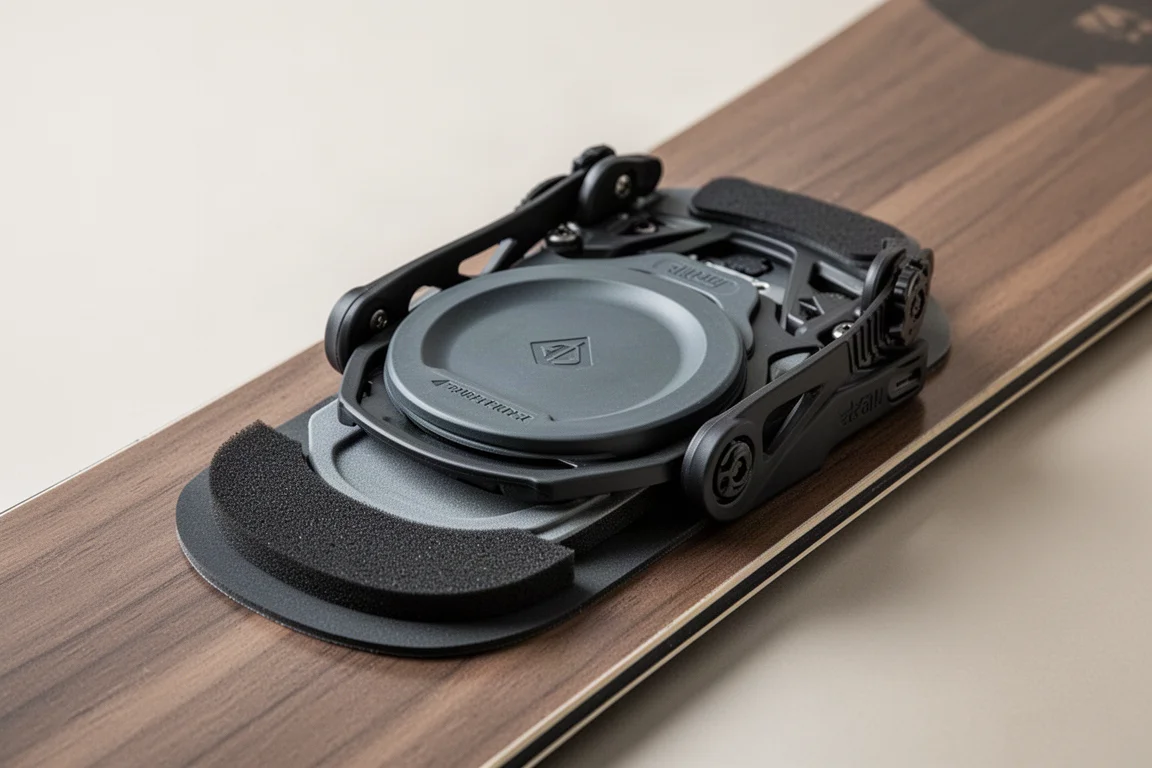
Compared to older Flux bindings, including previous versions of the XF, this one felt more responsive and a bit more damp. That damping was genuinely unexpected given how rigid the footpad is.
Who the Flux XF Is For
This is a binding for the all-mountain rider who does a little bit of everything and needs one binding to handle it all. Fast groomers, push piles, leftover crust: the XF took all of it in stride.
Fit was refreshingly easy. Out of the box, no strap adjustments were needed, everything just fit, and once mounted on the board it sat centered with nothing to fuss over. The main caveat is sizing: size runs may be a little off, especially with how many companies are downsizing their boots, so consider whether you might actually be better served by dropping a chassis size.

Comparable bindings worth cross-shopping include the Union Atlas, the K2 Cinch/Program line, and the Bent Metal Transfer if the XF does not sound like the right fit.
Buying Advice
Buy the Flux XF if you want a responsive, adjustable all-mountain binding with surprising damping and a unique underfoot feel. Think twice if buckle play and sticky releases bother you, or if you are between sizes, since the tall highback can cause calf bite in the larger chassis. If in doubt with your boot size, seriously consider sizing down.
Conclusion
The Flux XF impressed with the direction Flux is heading: more responsive, more damp, and easier to fit than the brand’s older bindings. The huge dead spot underfoot and the buckle quirks keep it from being flawless, but the toe-to-heel response and sheer adjustability make it a strong pick for the all-mountain rider who wants one binding to do it all.
Product link
View more details for Flux XF Binding
This product is mentioned in the review. Check the specifications, options, and compatibility before buying.
View more details for Flux XF BindingFurther reading
Related Reviews
Snowboard Bindings
2024 Union Ultra Snowboard Bindings Review: A Cushy, Freestyle-Focused Favorite
Two seasons on the 2024 Union Ultra: a lightweight, tweakable freestyle binding with standout comfort, a damp molecular bushing, and thoughtful hardware fixes.
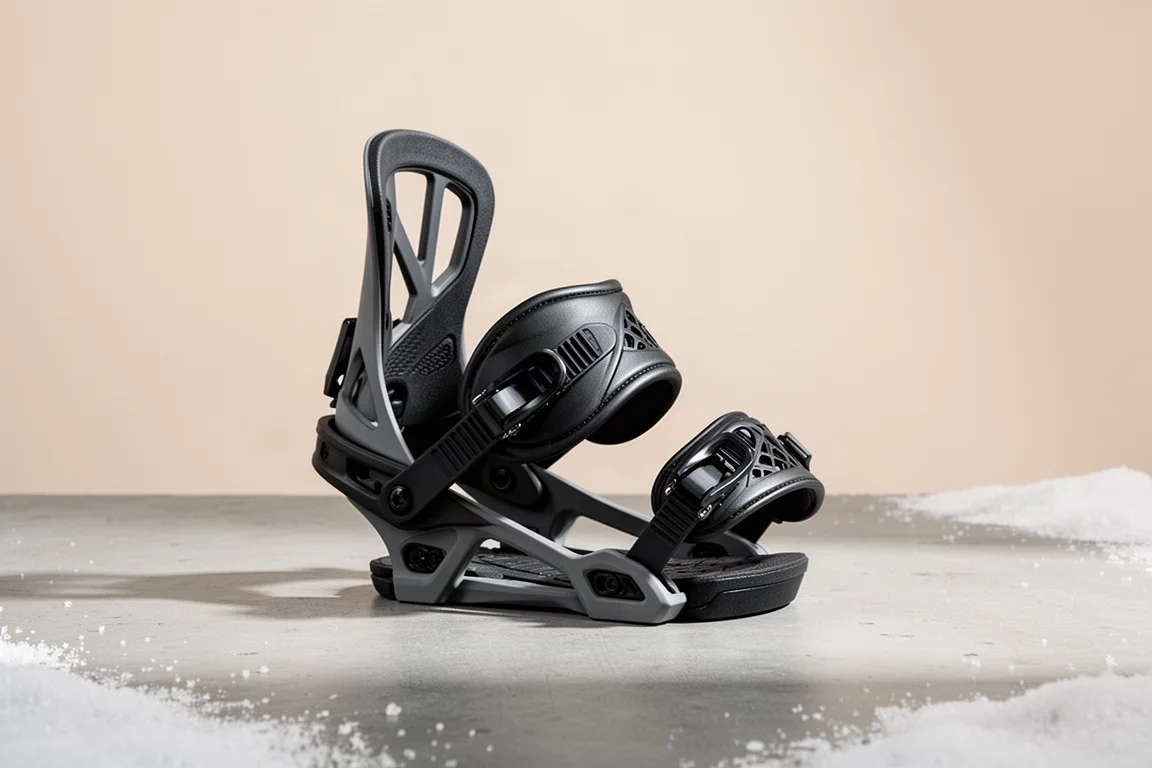
Snowboard Bindings
32 Team Phase Binding Review: A Fast Entry Binding Built for Freestyle Laps
The first binding from 32 uses the Phase chassis for quick step-in entry with a softer, freestyle-leaning flex. Here's how it performed on the snow.
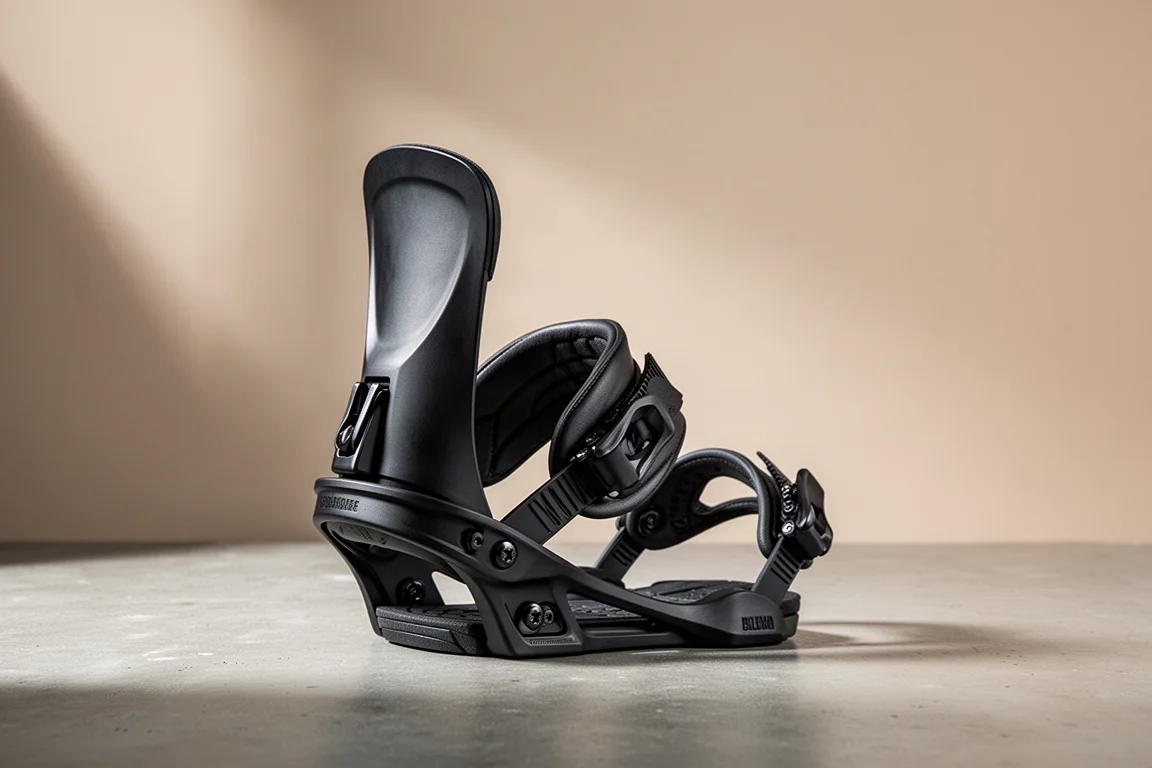
Snowboard Bindings
Arbor Cypress Snowboard Binding Review: A Laid-Back Cruiser That Can Charge
A closer look at the Arbor Cypress binding's adjustability, strap feel, and that oddly tall highback before you decide to buy.