Camping Gear
Flextailgear Max Repel and Light Repel: Two Mosquito and Midge Repellers for Summer Camping
Two electronic mosquito and midge repellers compared: the 210 g Max Repel with a built-in power bank, and the 42 g Light Repel that runs from your own battery pack.
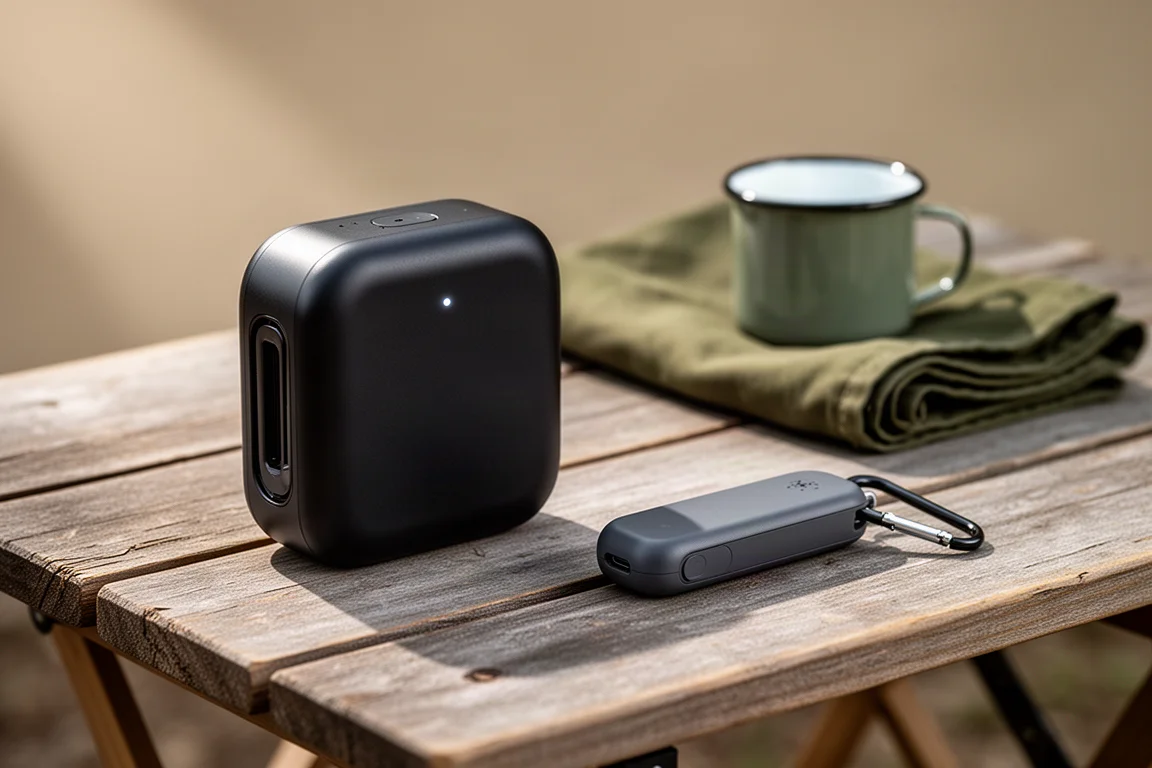
Introduction
Summer camping near water is hard to beat, and it is also exactly where midges and mosquitoes are at their worst. Two compact devices from Flextailgear take a different approach to that problem: instead of creams and sprays, they use replaceable repellent tabs and a small powered unit to keep insects away from a localised area around you.
The Max Repel is the larger of the two and carries its own battery. The Light Repel strips that battery out to reach 42 g and runs from a power pack instead. Both come from the same brand behind the Tiny Pump X inflatable pad pump, and both are built for exactly the conditions that make summer camping uncomfortable.
This guide covers how each one works, what coverage and runtime to expect, and which of the two makes more sense for the kind of trips you take.
How These Flextailgear Repellers Work
Both units are electronic repellers. You load a repellent tab into the side of the housing, switch the device on, and it works in the space immediately around it. The tabs arrive in small foil pouches, and each unit accepts one tab or two if you want a wider radius of protection. Nothing goes on your skin, which is the main appeal for anyone who dislikes sprays or reacts badly to them.
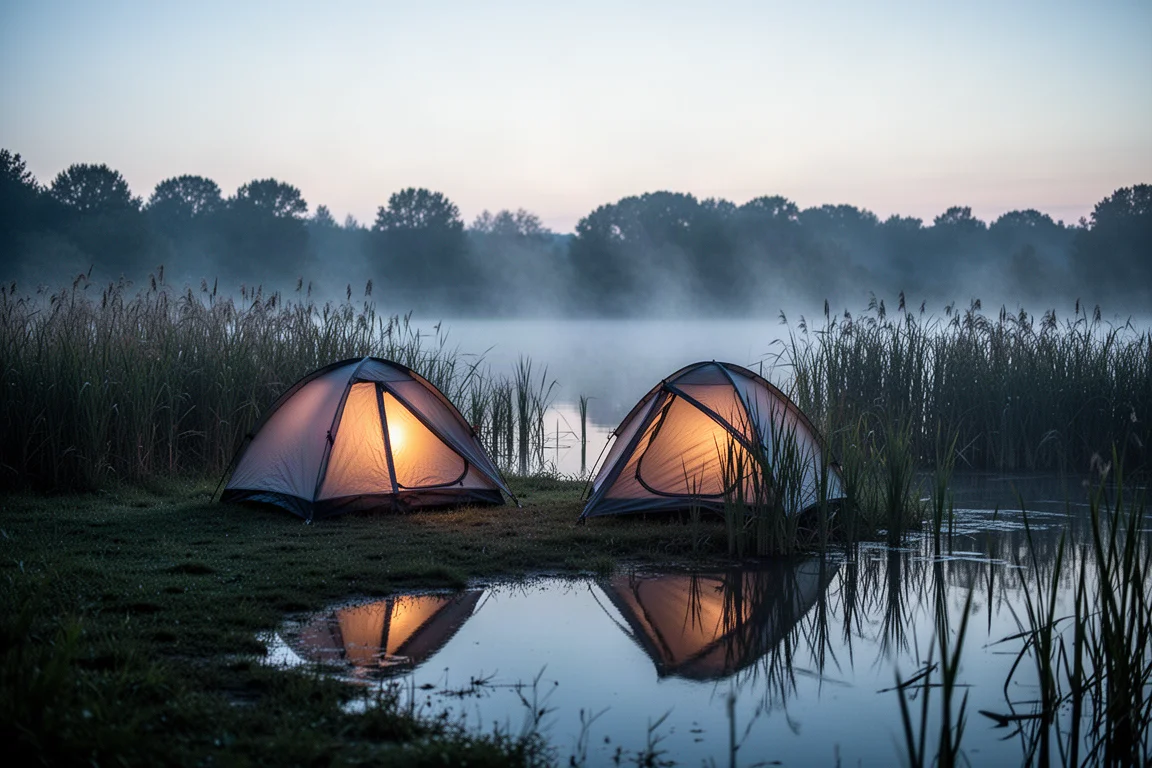
Operation is deliberately simple. A single button handles everything: press and hold to switch the unit on, and a green indicator confirms it is running. Holding the button again moves it into the second mode, shown in red, and holding it a little longer switches the device off. Flextailgear states that the tabs start working in around 30 seconds. In practice it is worth allowing a bit longer before deciding whether it is doing its job.
Flextailgear Max Repel: Camping Protection With a Power Bank Built In
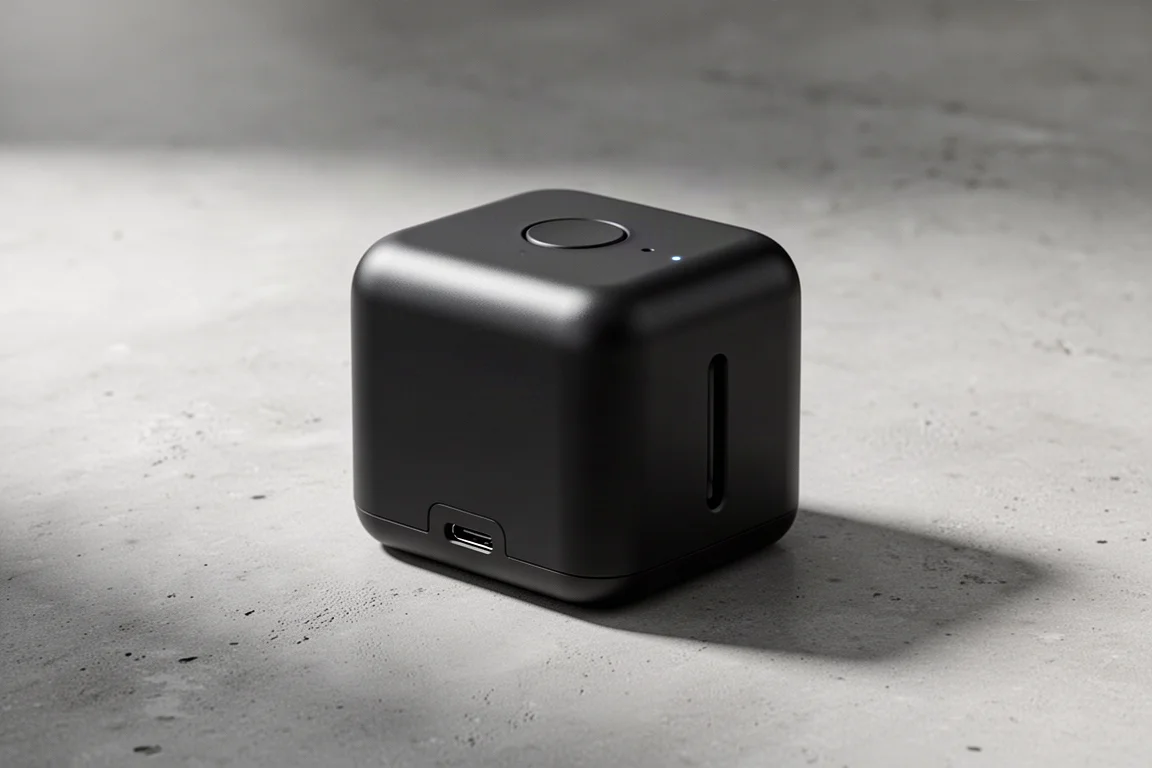
The Max Repel is the unit to look at first if you are camping rather than backpacking. It weighs 210 g, which is light enough to carry but heavy enough to notice, and it has a 9,600 mAh battery inside. That battery does two jobs: it powers the repeller, and it can charge a phone or another small device through the USB-C port at the base.
Coverage depends on the mode. Outdoor mode reaches around 30 ft and runs for roughly 7 hours. Camp mode tightens the protected area to about 10 ft and stretches the runtime to around 13 hours, which comfortably covers an evening at the tent and the time it takes to settle in for the night. At £32.95 it is a straightforward purchase, and it is sold through Amazon.
Flextailgear Light Repel: 42 g of Backpacking Protection
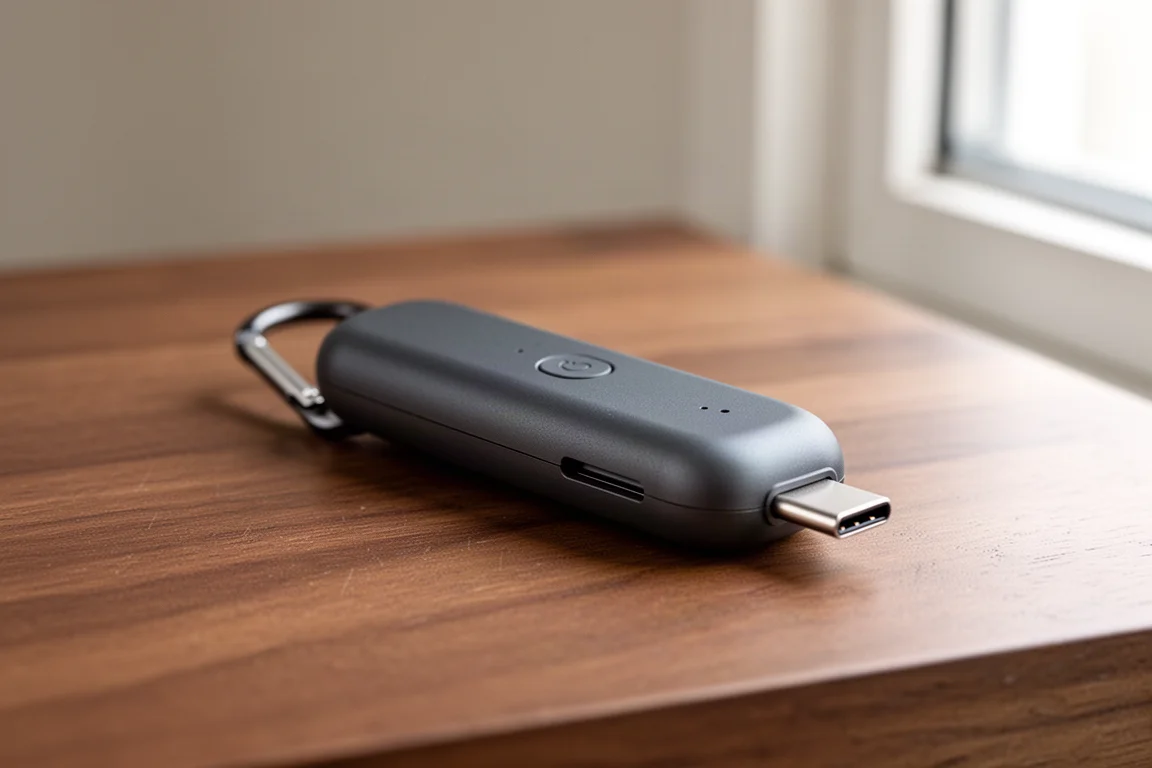
The Light Repel takes the same idea and removes the battery. That brings the weight down to 42 g, which is close to nothing in a pack. The trade-off is that it needs a power pack to run at all. You plug it in through USB-C and it behaves much like the Max Repel, with the same single-button control and the same option to load one or two tabs. Runtime is simply whatever your power pack can deliver, so a larger battery bank means longer protection.
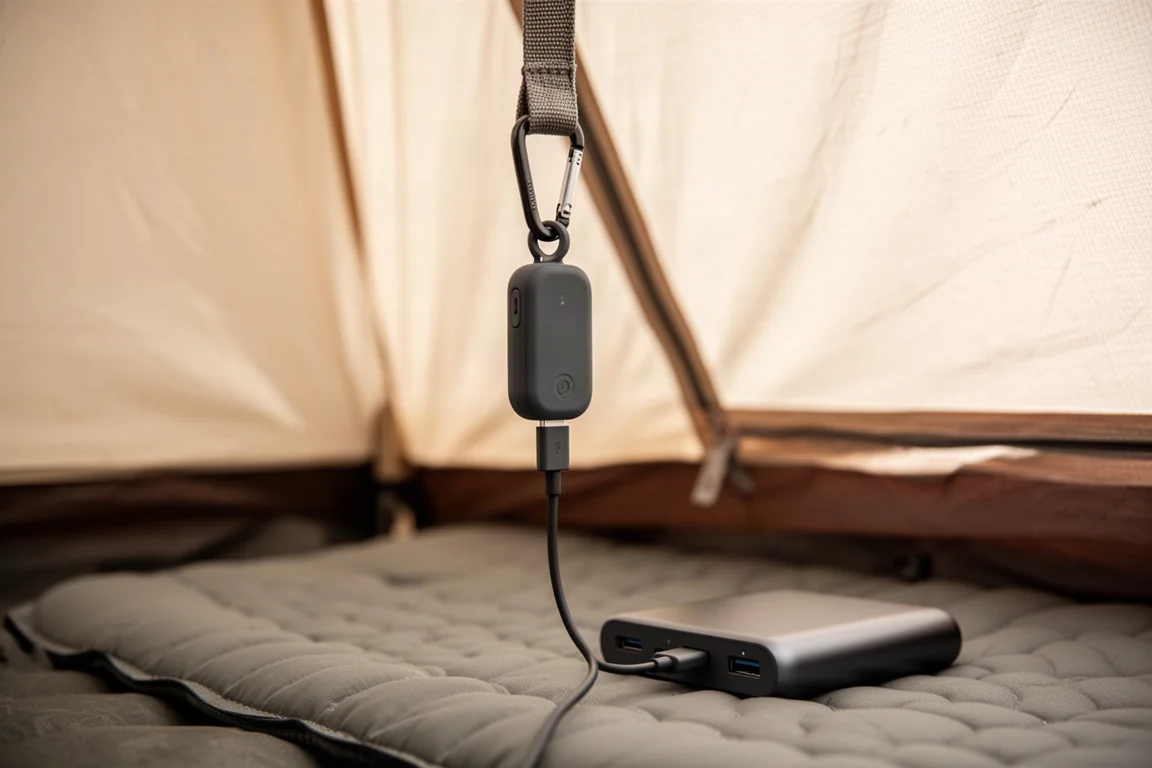
It has a small carabiner built in, so it can hang from a pack, a loop, or the inside of a tent, which is arguably where it is most useful. For backpackers who already carry a power bank for a phone or a headlamp, this is an easy addition that costs almost nothing in weight.
Coverage, Runtime, and Battery Behaviour
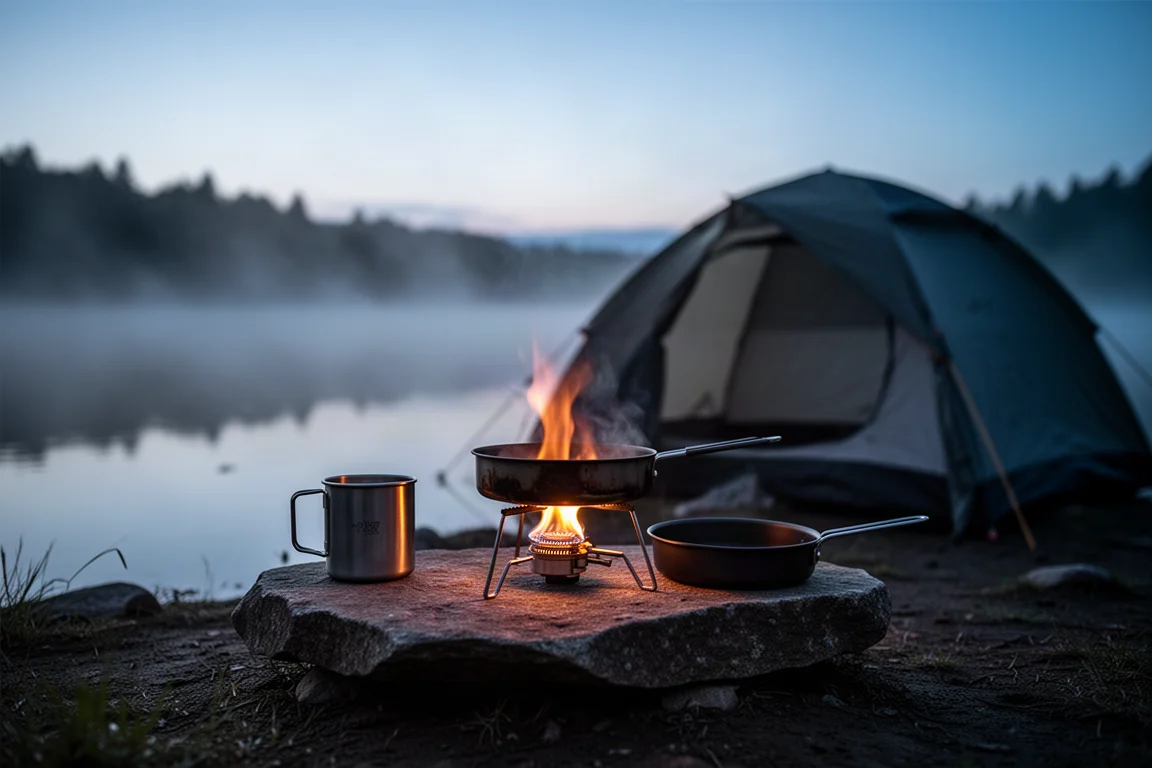
Neither device is a force field. They protect the small space around them, which is why they work best for cooking, sitting outside the tent, and the minutes before you zip yourself in. If you are camping beside a reservoir, a lake, or a tarn, that localised protection is exactly what you need, because it keeps insects off your face, arms, and legs while you are stationary.
Runtime figures are worth planning around. Outdoor mode on the Max Repel gives roughly 7 hours, and camp mode gives around 13 hours. The Light Repel inherits the capacity of whatever power pack it is connected to, so a 10,000 mAh bank will comfortably outlast an evening. Charging is handled over USB-C on both units, and the Max Repel can also be topped up from the same cable it uses to charge your phone.
Weight, Power, and Packing Trade-Offs
The decision between the two comes down to how you travel. The Max Repel’s 210 g buys you a self-contained unit that also serves as a power bank, so on a car camping or basecamp trip it earns its place twice over. The Light Repel’s 42 g buys you almost nothing to carry, provided you were already bringing a power pack.
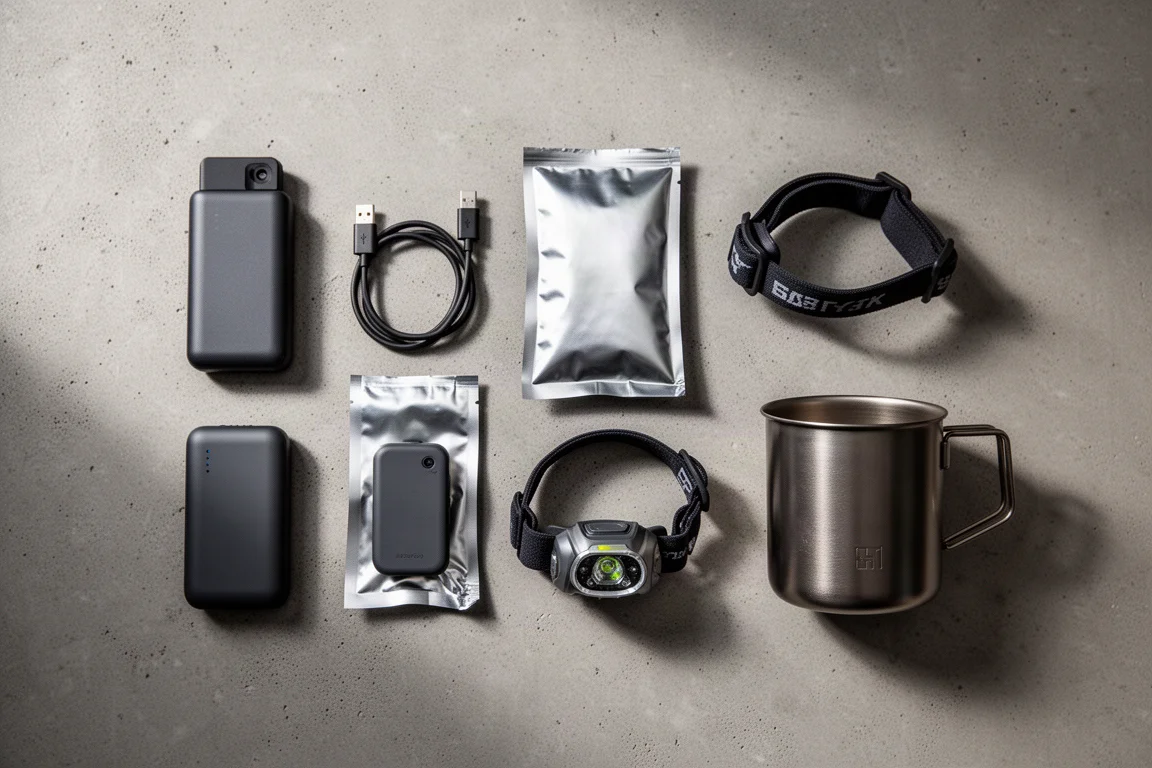
Both use the same repellent tabs, which are a consumable, so it is worth packing spares for a longer trip. Both also accept two tabs at once for a wider protected area, which is a sensible option when you are sitting still for a while.
Practical Tips for Midge and Mosquito Season
Position matters more than mode. Placing the unit close to where you are sitting, cooking, or sleeping gives noticeably better results than leaving it at the edge of a pitch. Running it in camp mode once you are settled in for the evening makes the most of the longer runtime.
If your plans take you anywhere near Scotland in mid-season, this is the sort of kit worth having in the pack. Mosquito and midge season in the UK can genuinely ruin an otherwise good trip, and having protection that does not rely on reapplying anything is a real convenience. It is worth being clear about the limits too: these devices deal with midges and mosquitoes, not wasps.
Which Repeller Suits Your Trip
Choose the Max Repel if you camp more than you backpack, if you want one item that covers both insect protection and phone charging, and if the extra weight is not a concern. It is the more capable of the two on its own, and the 13-hour camp mode runtime is generous for evening use.
Choose the Light Repel if weight is the priority and you already carry a power bank. At 42 g it disappears into a pack, and hanging it inside a tent keeps the protected space exactly where you need it. For backpackers, that combination of near-zero weight and no separate charging routine is hard to argue with.
Conclusion
Both repellers solve the same summer problem in slightly different ways, and the right pick depends on the trip rather than on which one is better. The Max Repel is the self-sufficient option with a power bank built in, while the Light Repel is the ultralight option for anyone already carrying a battery. Either way, camping near water in summer becomes a lot more pleasant when the midges stay outside your space.
Further reading
Related Reviews
Camping Gear
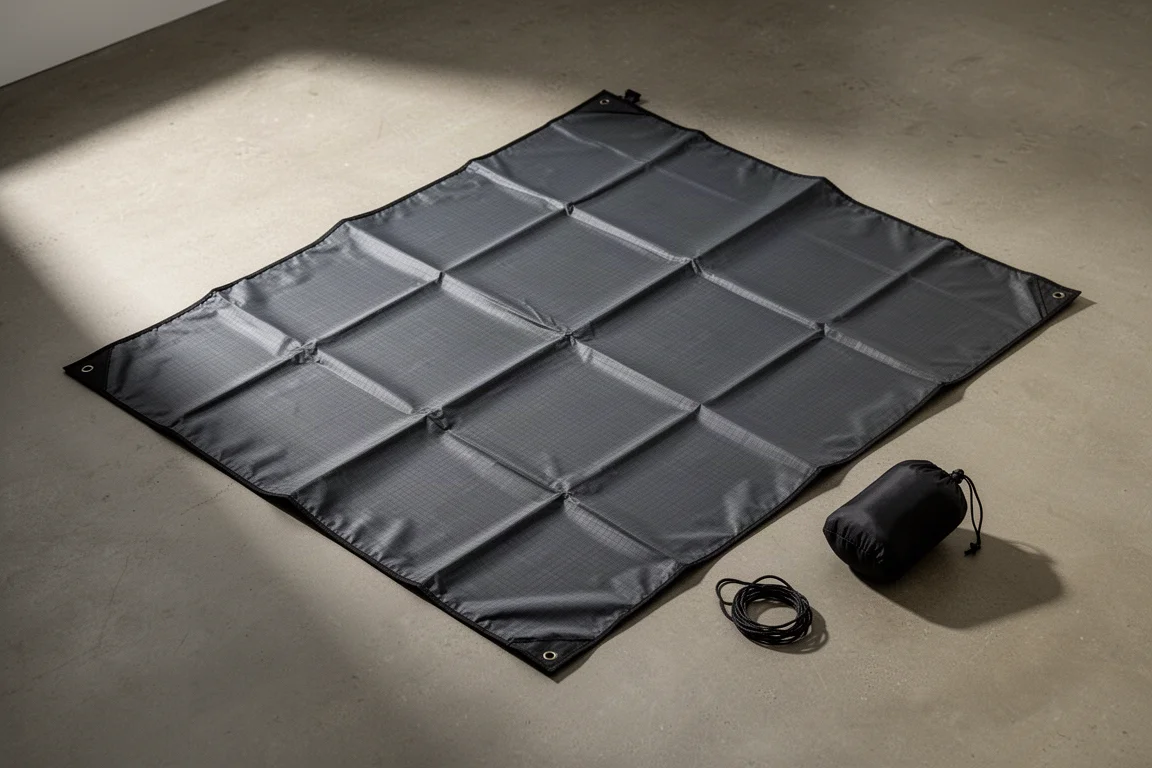
3FUL Ultralight Ground Sheet Review: A Two-Person Footprint Worth Packing
A 6.7 oz two-person ground sheet in ripstop silnylon, priced around $30. Here is what it protects, what it does not do, and who should pack it.
Camping Gear
Backcountry Light Dual-Function Tarp and Floor Review: A Footprint First
A dual-purpose tent floor and tarp that keeps falling rain off you, but cannot block wind. Here is where it works and where it does not.
Camping Gear
Best 2-Person Camping Mattresses for Couples: 10 Options Compared
A practical comparison of ten two-person camping mattresses, covering self-inflating pads, air pads and air mattresses for couples.