Tools & Workshop
Three Flex Metalworking Picks: Ultra-Thin Cutting, Smarter Flap Discs, and Stackable Storage
A closer look at the Flex Razor Slice cutting disc, Site Max flap disc, and Stack Pack rolling box, and what each one actually solves on the job site.
Introduction
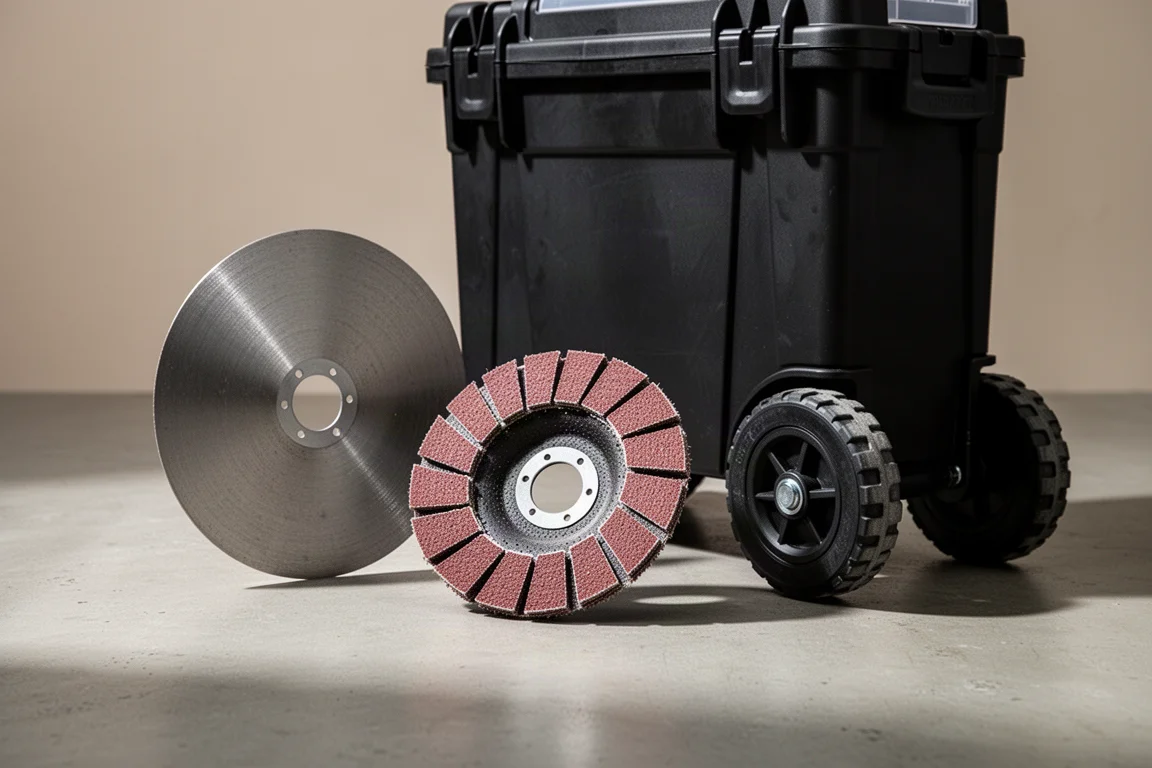
Flex has been pushing hard into metalworking, and three products shown at its annual spring event in Ohio stand out for genuinely practical reasons: an unusually thin cut-off disc, a flap disc with engineered segment gaps, and a rolling storage box that fixes the classic stacking problem. Here is what each one does and who it makes sense for.
Flex Razor Slice Ultra-Thin Cut-Off Disc
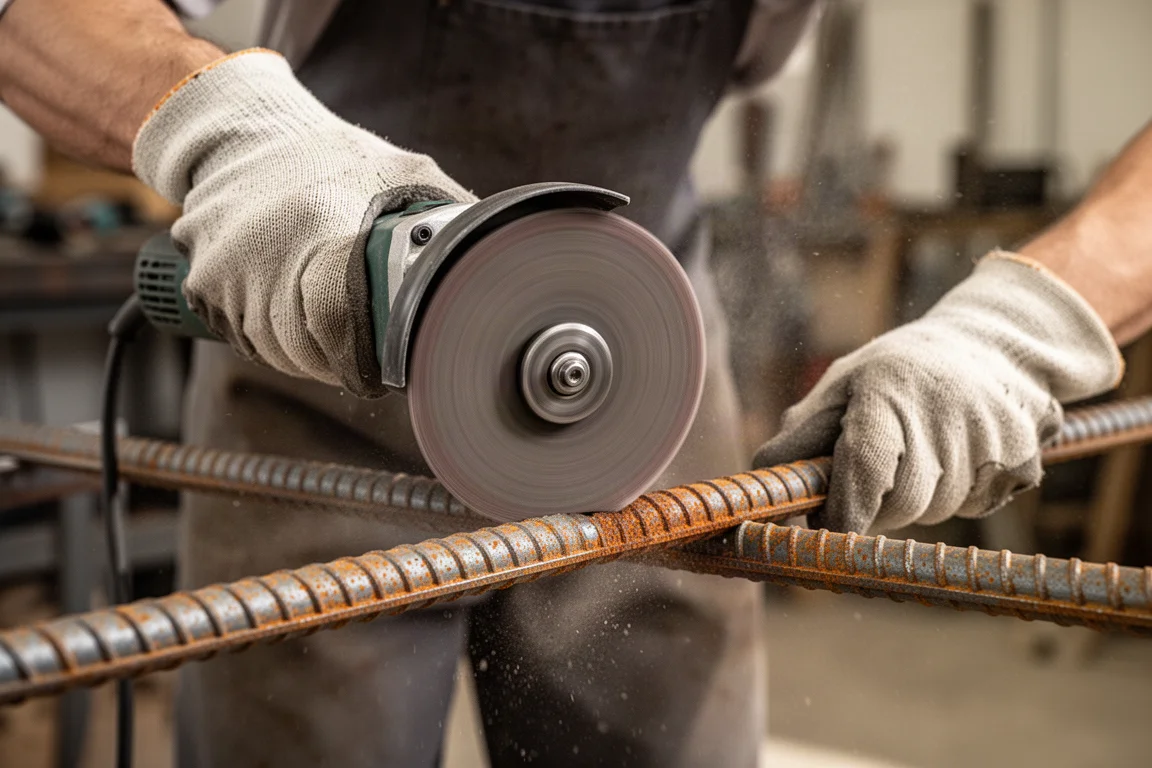
Most high-end competitive cut-off wheels run around 0.045 inches thick, a standard that has held for a long time. The Razor Slice comes in at 0.024 inches, described as the thinnest disc available at this diameter, and the claimed benefits follow directly from that thickness: a faster cut, less load on the tool, fewer burrs to grind away afterward, and fewer sparks thrown around the work area.
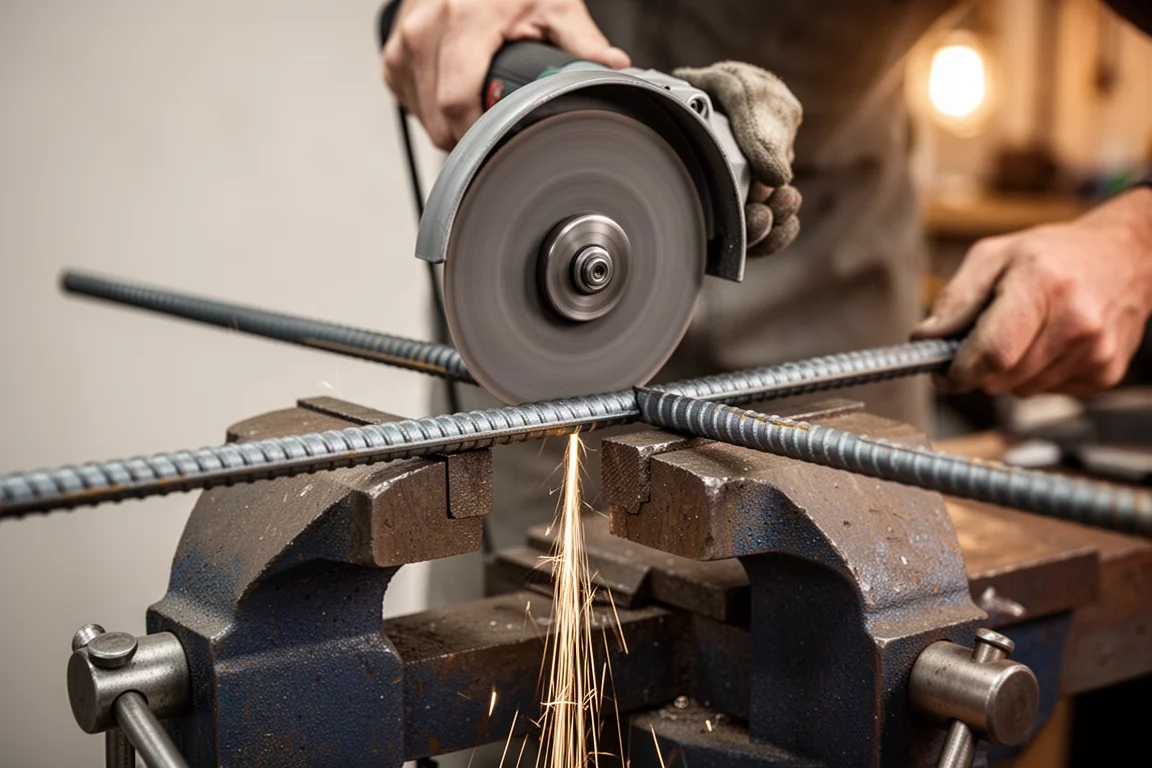
The reduced load matters more as workflows go battery-centric. Less strain means longer tool and battery life, more cuts per charge, and fewer charge cycles on packs that have a finite lifespan, which also translates into less waste. The thinner kerf also removes less of your work surface, so you get more cuts per piece of material. Pricing lands alongside competing high-performance cutting wheels: $33.99 for the 4-1/2 inch and $4.49 for the 5 inch.
Flex Site Max Flap Disc
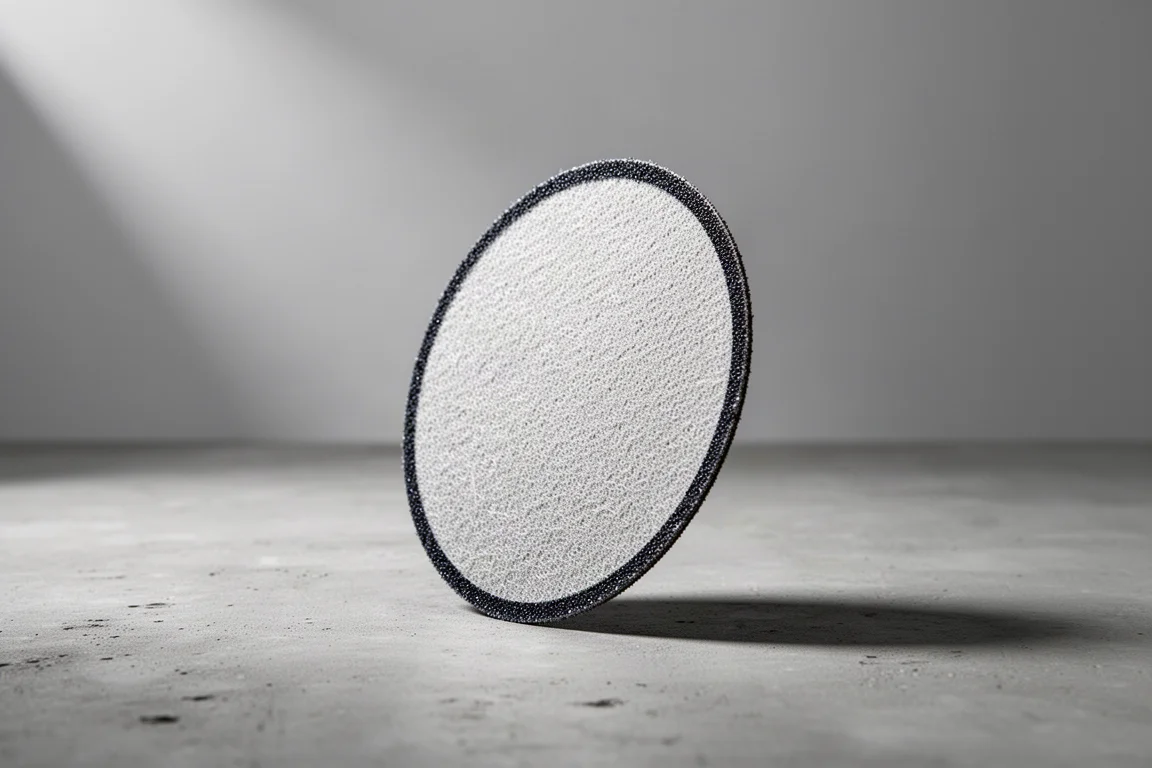
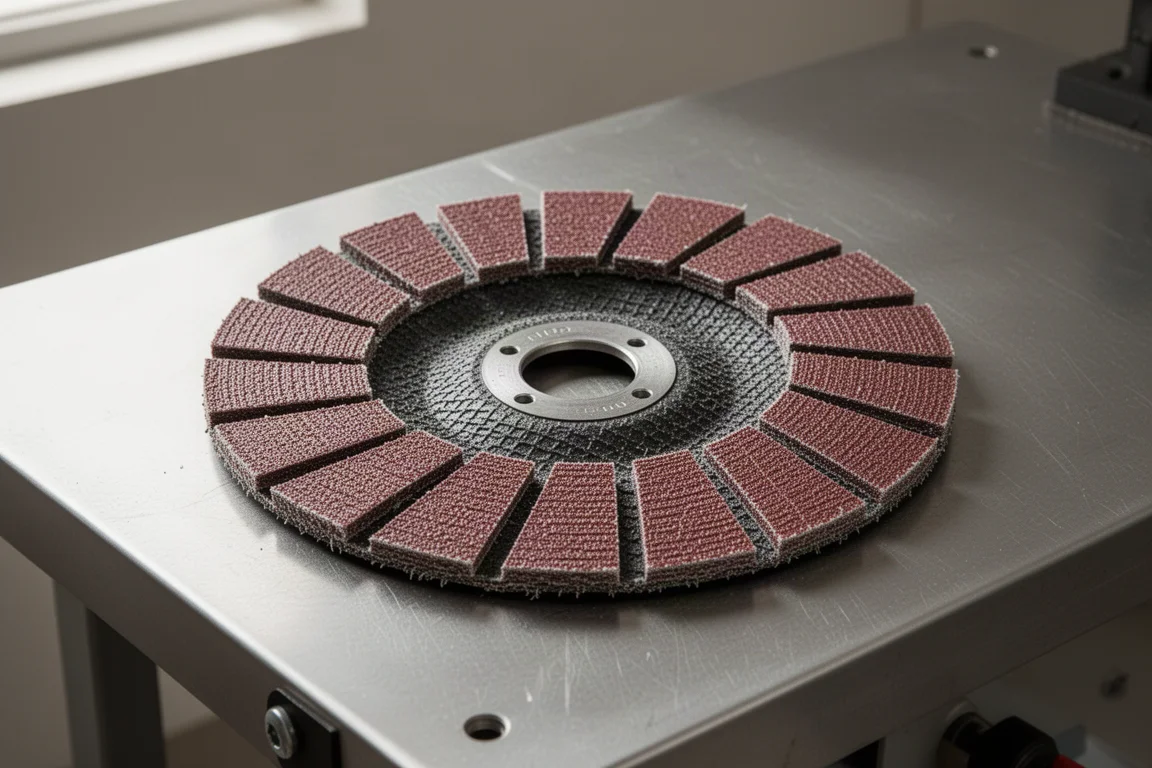
The Site Max flap disc uses segments with engineered gaps between them, and Flex emphasizes that these gaps are covered by several patents. A common concern is whether the notches can catch on protruding material, but the design is built so the disc will not hang up in normal use, even at reduced speeds.
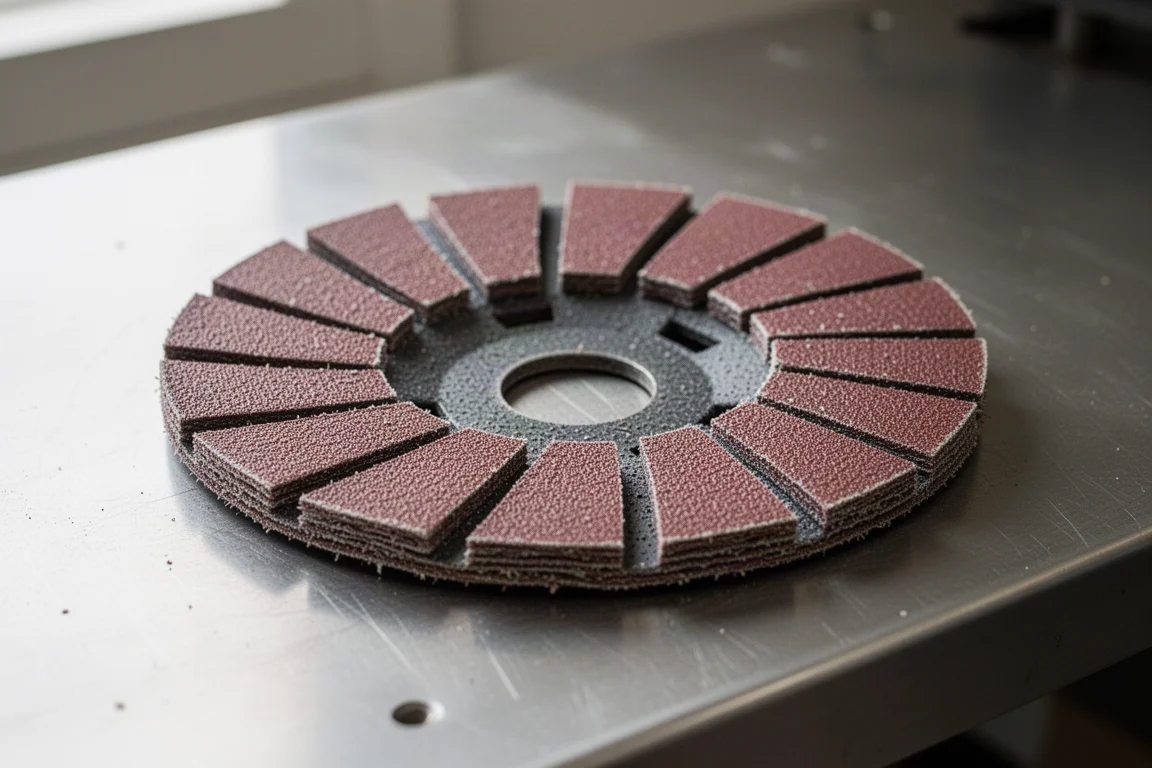
The real innovation is line of sight: the gaps let you see straight through to what you are working on, which helps prevent overgrinding and keeps you from having to pull the torch back out to fix an overdone weld. The disc comes in three grits: 40, 60, and 80. Use 40 grit when you need to remove a lot of material, and 80 grit when you want to finish a project cleanly without overgrinding.
As for speed, polishing works better around 10,000 RPM, while knocking off rust or paint calls for dropping down to around 3,500 RPM. The segment gaps stay safe at those lower speeds, which is where the design gets tested hardest.
Flex Stack Pack Rolling Box
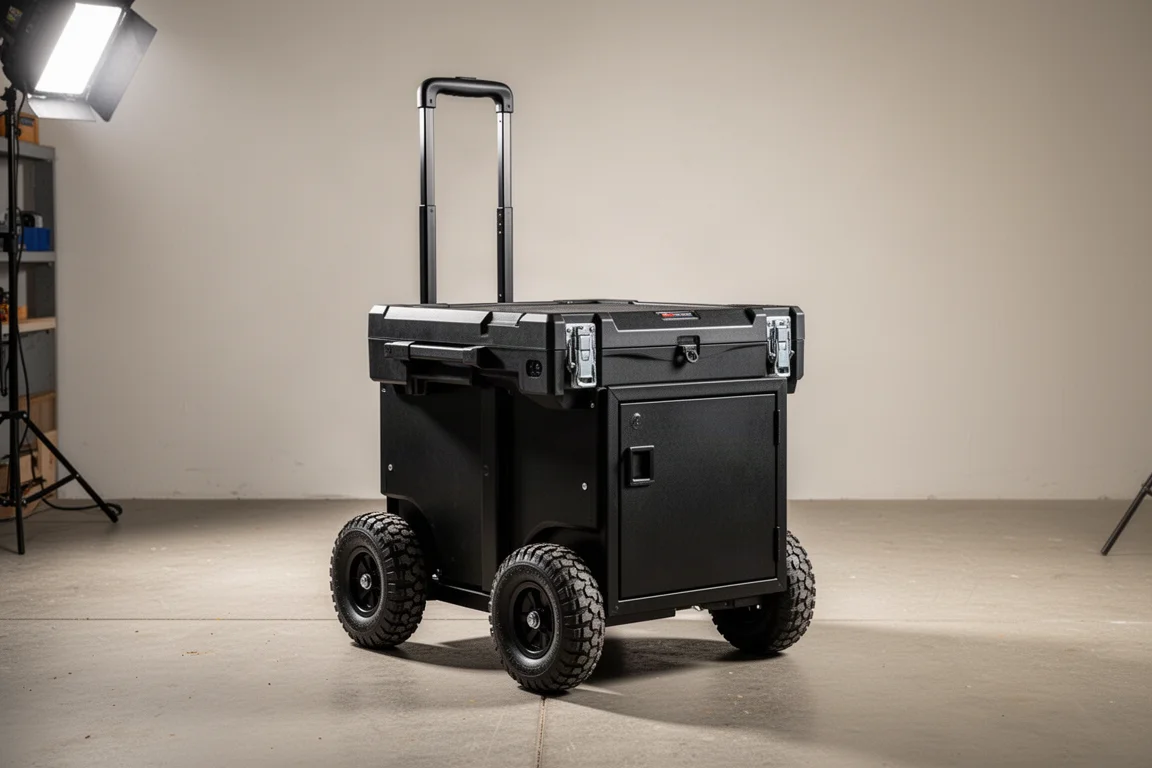
The Stack Pack rolling box tackles a common frustration: as you stack more boxes on top of each other, the large tools inside the bottom box become hard to reach. Flex’s answer is to move smaller contents into a cabinet-style compartment out front, so your larger tools stay accessible without unstacking everything.
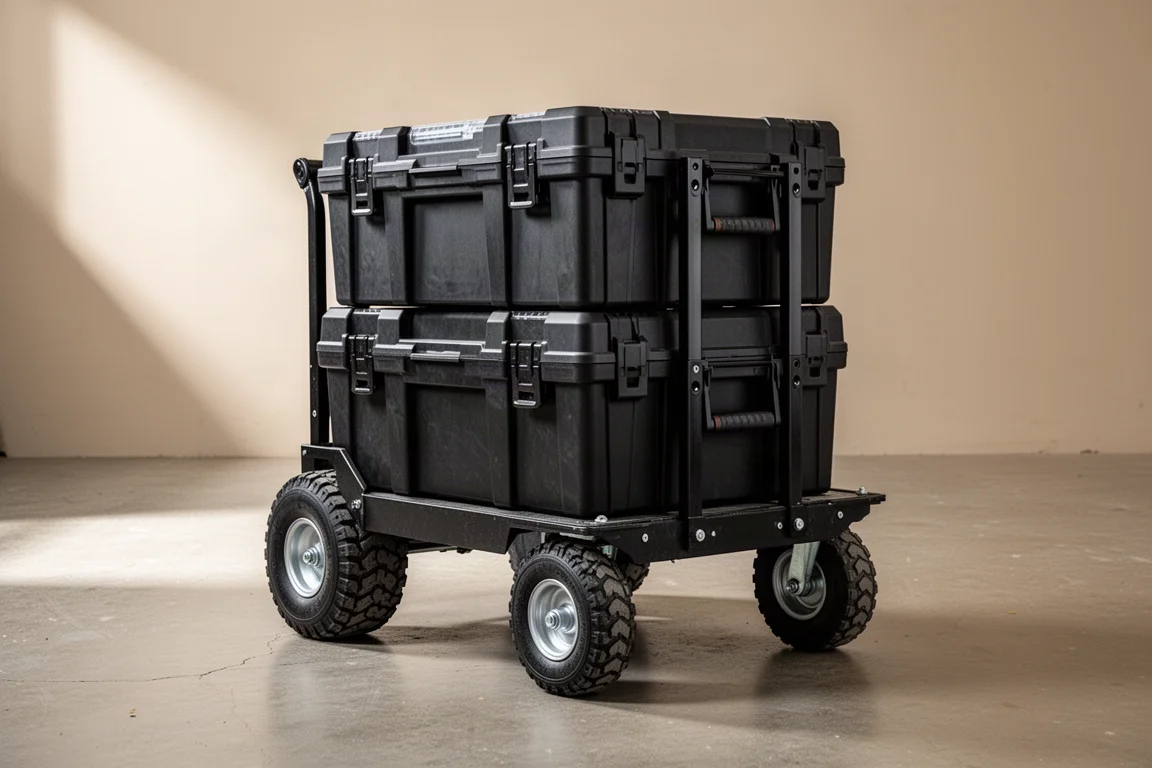
The box rides on 9-inch oversized rubber non-marring wheels, has a removable handle with a cord wrap attachment, and includes a level holder on the side. The front mounts support what Flex calls double stacking: two rear mounts on the dolly let you secure a second box on top, and you can keep stacking if needed. When you are back at the shop, the same mounts connect the boxes to Flex’s wall mounting system, so the boxes go straight from dolly to wall.
Buying Advice
If you cut a lot of metal on battery-powered grinders, the Razor Slice is the easiest upgrade to justify, since it reduces strain on tools and batteries while cutting faster. The Site Max flap disc suits fabricators who want to see their work and avoid overgrinding, with grit options for both aggressive removal and finishing. The Stack Pack rolling box is the pick for anyone whose storage setup buries big tools under a tower of boxes.
Conclusion
All three products attack everyday job site problems from different angles: thinner cuts, visible grinding, and storage you can actually work out of. If they match problems you already have, each one is a sensible addition to the setup.
Further reading
Related Reviews
Tools & Workshop
Three Tools That Saved a Tight Dishwasher Installation
A long-reach hose clamp tool, a locking ratcheting bit driver, and a flip socket that earned their spot during a cramped appliance install.
Tools & Workshop
Banggood WB0102 Pro Workbench Review: A Stable, Height-Adjustable Bench for Small Workshops
A heavy, well-priced workbench with a pine top, built-in power strip, height adjustment, and a straightforward assembly that takes under 30 minutes.
Tools & Workshop
Best 50 ft Extension Cords: 15 Cords Put Through Real-World Testing
Fifteen 50 ft extension cords compared on blade strength, abrasion resistance, voltage drop, plug retention, and cold weather flexibility.