Outdoor Jackets
Fjällräven Skogsö vs Keb vs Vidda Pro: Which G-1000 Jacket Should You Choose?
A practical comparison of three Fjällräven G-1000 jackets, covering fabric differences, fit, pocket layouts, weights, and prices.
Introduction
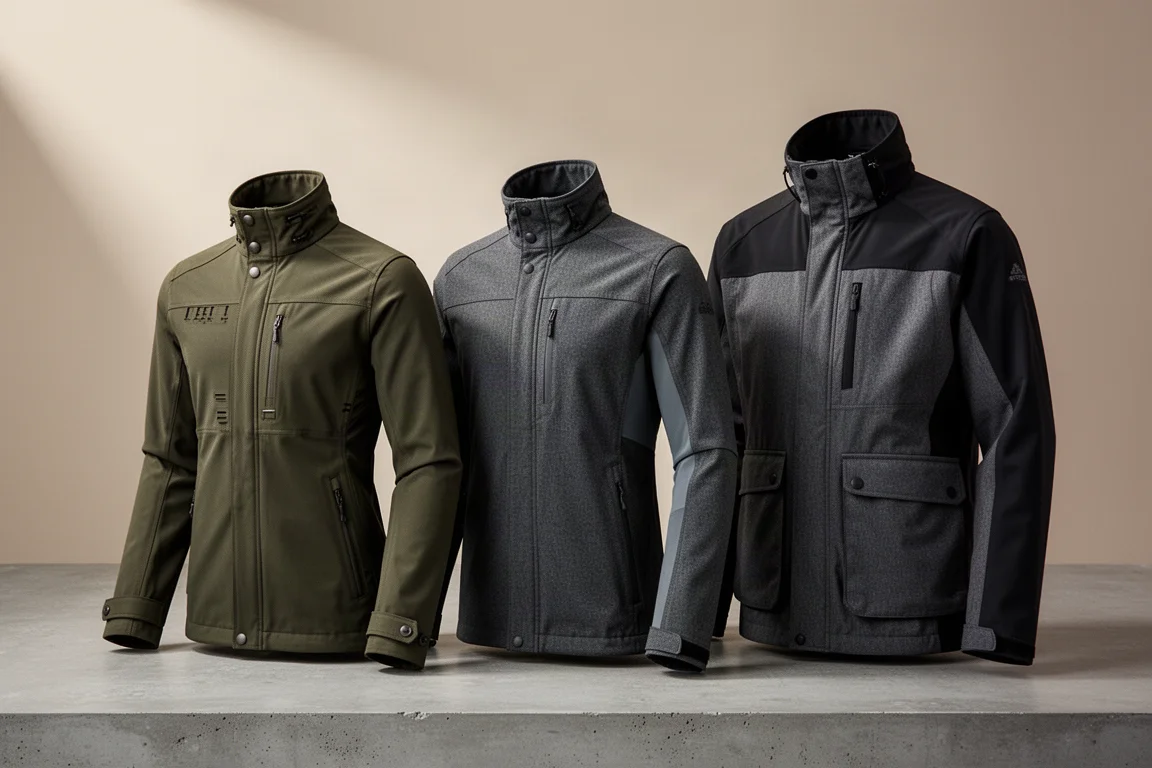
Fjällräven’s G-1000 jackets have been a fixture of outdoor kit for decades, and the three compared here share the same family DNA while differing in fabric, fit, and features. The Skogsö, the Keb, and the Vidda Pro all use a variant of G-1000, and none of them includes insulation, so warmth comes from what you wear underneath rather than from the jacket itself.
All three are comfortable in roughly 5 to 10°C conditions and cope well with drizzle and light rain, which makes them genuinely versatile across walking, hiking, and everyday use. For reference, all three were worn in size Small over a t-shirt and a thick pile fleece by a 172 cm, 70 kg wearer, which gives a useful baseline for judging how each cut scales.
What All Three Fjällräven Jackets Share
G-1000 is the common thread. Whether it is G-1000 Original, G-1000 Light, or G-1000 Eco, the fabric is water resistant and wind resistant, though it is not waterproof and not fully windproof. Weather performance can be pushed further by applying Greenland Wax, which increases resistance at the cost of some breathability.
In practice, all three handle drizzle and light rain well, and wind does not cut through them. A waterproof hardshell can be worn over any of them for full protection, though that naturally reduces breathability.
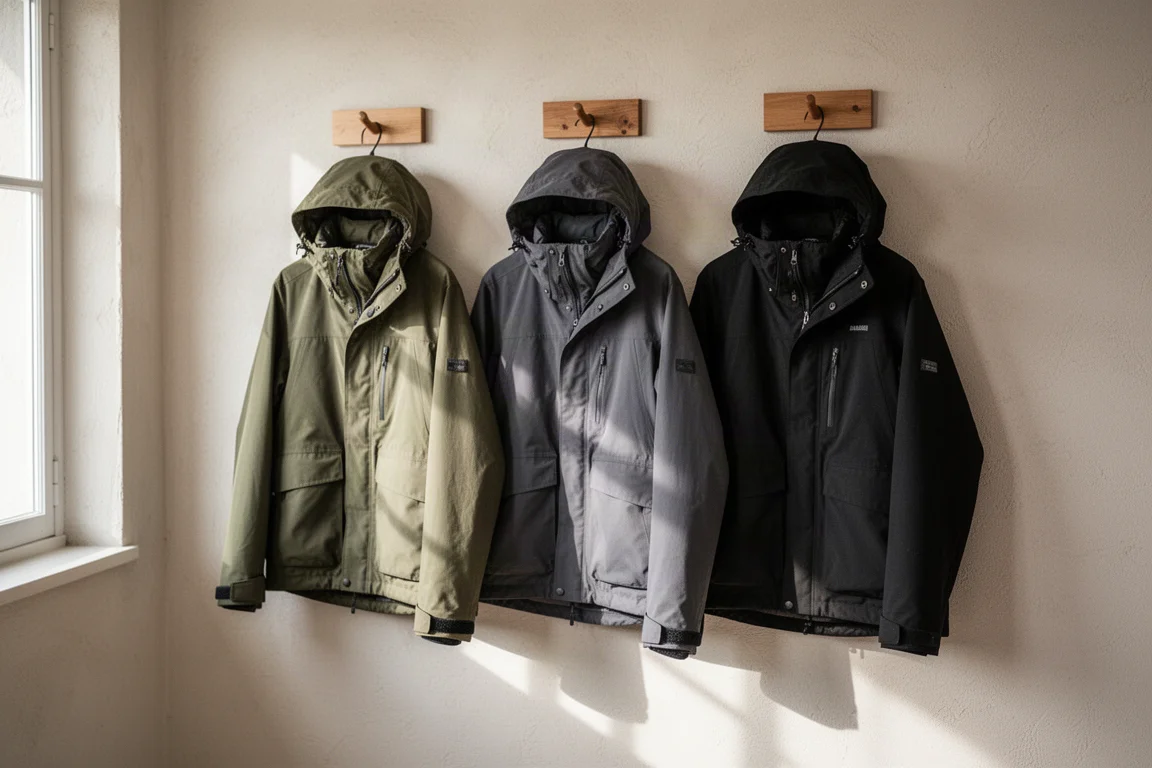
The hoods are large across the range and fully adjustable at both the front and the back, and every jacket has an adjustable hem. Back lengths run from 78 cm on the Skogsö and the Keb to 82 cm on the Vidda Pro, so all three cover the seat.
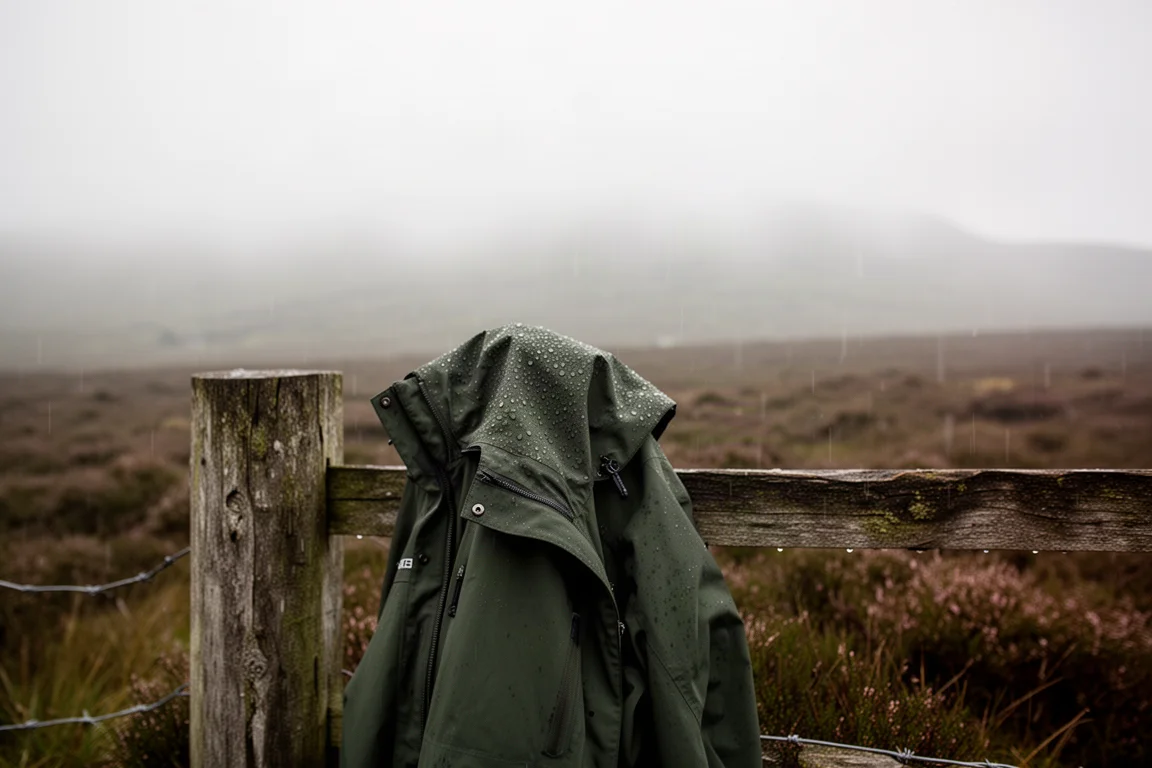
Because none of the three is insulated, they layer unusually well: a base layer, a fleece, or even a thick down jacket can sit underneath depending on the temperature and how much room the cut allows.
Fjällräven Skogsö Jacket: The Lightest Option
The Skogsö is the lightest of the three at 610 g and also the most breathable. It uses G-1000 Original on the shoulders and hood for extra durability and weather resistance where it matters most, with more breathable G-1000 Light across the rest of the jacket. There are no special panels under the arms, but the lighter fabric already does much of that work.
The cuffs fasten with poppers and the sleeves are notably long, which suits walkers who do not wear gloves and want their hands covered in cold wind. A storm flap with button fixings runs over the zip, and the neckline is finished neatly.
Pocketing is generous: two dump pockets inside, two hand-warmer pockets, and two mesh pockets. Chest vents with a button fixing at the bottom let you dump heat quickly, which pairs well with the lighter fabric. The arms are pre-curved, the fit is slightly more shaped than the other two, and the two-way zip opens from either the top or the bottom.
Fjällräven Keb Jacket: Stretch Panels for Active Days
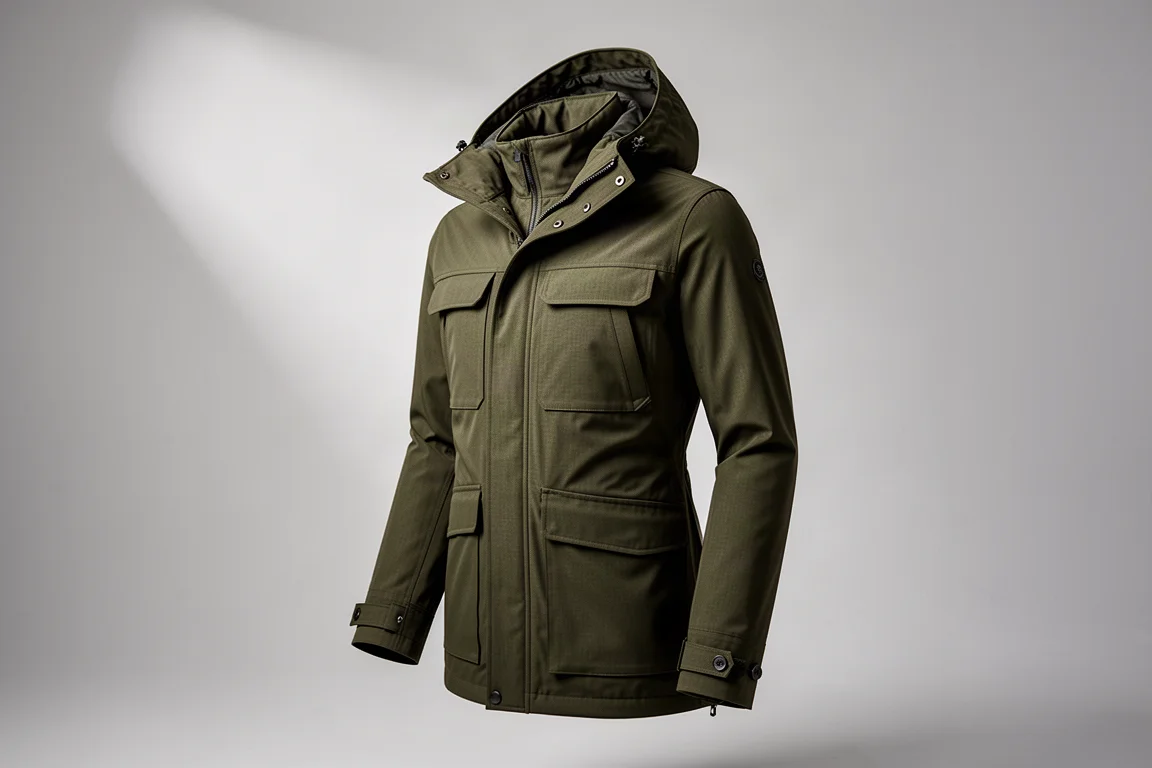
The Keb weighs 750 g and uses G-1000 Eco throughout, with stretch panels under the arms. That combination makes it the most mobile of the three when you are moving quickly, and the stretch sections add airflow where heat builds up.
The differences show up in the details. The Keb has a zippered inside pocket, a zippered chest pocket, and hand-warmer pockets at the hem. The sleeve cuffs are velcro rather than poppers, and the storm flap uses a single button at the bottom with a couple at the top. The hood adjusts at the front and back, the hem is adjustable, and the back length is 78 cm.

Fit sits between the Skogsö and the Vidda Pro: roomier than the Skogsö but well short of the Vidda Pro’s volume, so it takes a mid layer comfortably without feeling oversized.
Fjällräven Vidda Pro Jacket: The Roomiest Cut
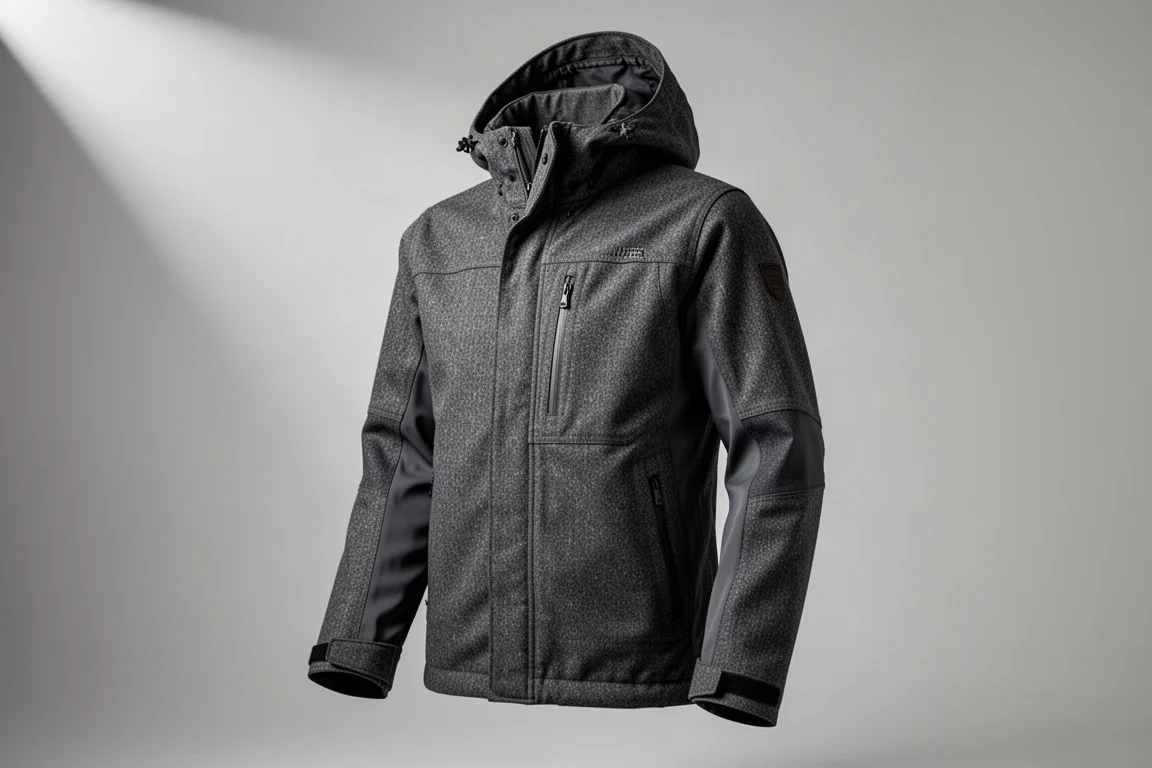
The Vidda Pro is the biggest and heaviest of the three at 850 g, and it is built from G-1000 Original throughout, which gives it the strongest weather resistance of the trio. The 82 cm back length and generous cut leave plenty of space for a thick down jacket underneath, with room still left over.
Sleeves are the shortest of the three and the double cuffs are noticeably smaller, so there is less spare fabric at the wrist. Poppers run from the bottom of the jacket right to the top, covering the two-way zip. There are no inside pockets, but the external pocketing is extensive: large hand-warmer pockets accessible from the sides or through the top, plus two big chest pockets with zip closures, side access, and small pockets nested inside them.
Sizing, Layering, and Care Notes
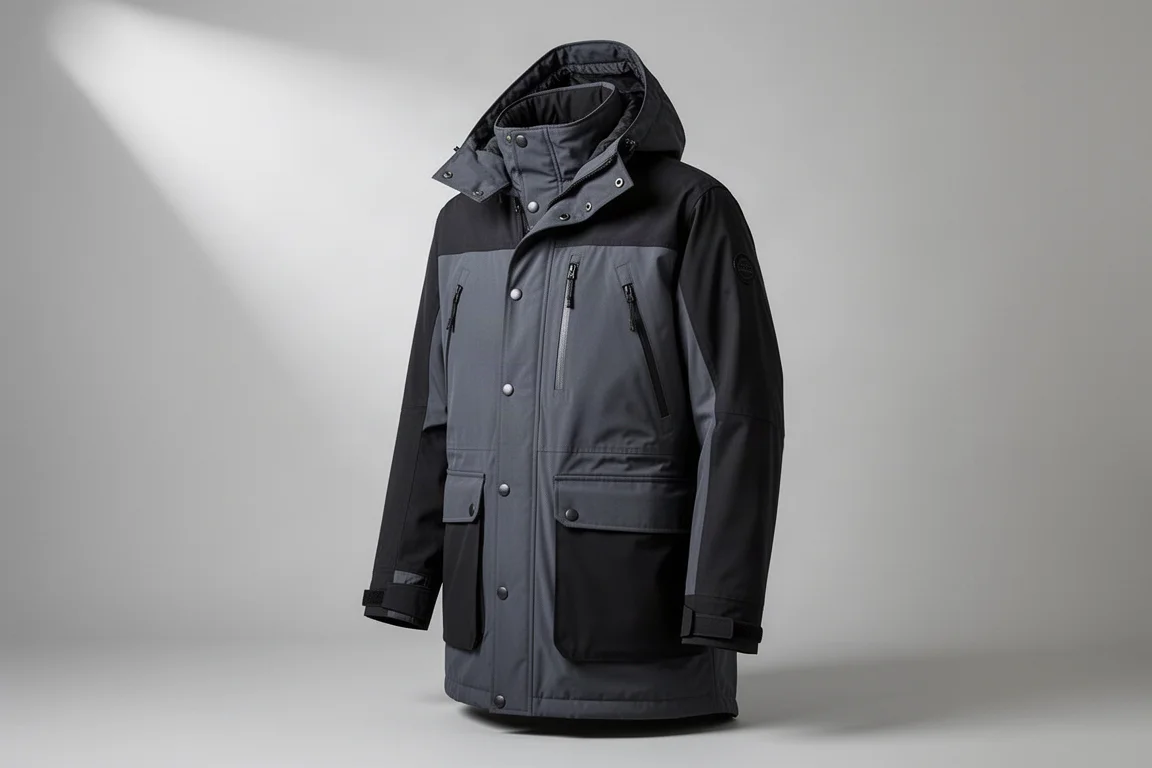
Fit varies more than the shared fabric suggests. The Skogsö is the most fitted of the three, the Keb sits in the middle, and the Vidda Pro is genuinely large, to the point where sizing down can give a better result for wearers who do not plan to layer heavily.
Because none of the jackets are insulated, the same shell can be worn over a t-shirt on a mild morning or over a thick fleece or a down jacket when temperatures drop. The practical range is roughly 5 to 10°C, and layering choices move that window in either direction.
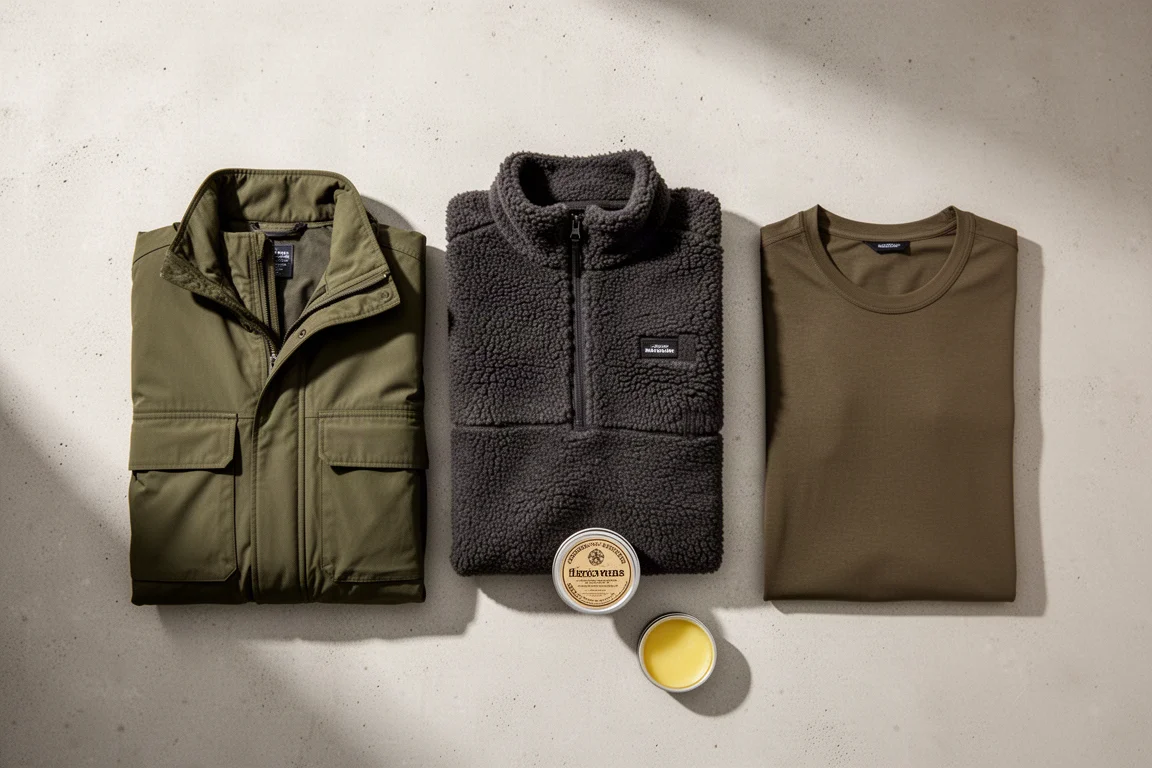
Greenland Wax is the main maintenance lever. Applying more wax increases water and wind resistance, while using less keeps the fabric more breathable. That trade-off means the same jacket can be tuned for wetter or warmer conditions over time.
What Each Jacket Costs
Prices sit close together. The Skogsö is the least expensive of the three at £235, the Keb comes in at £260, and the Vidda Pro is £270.
Which Fjällräven Jacket Should You Choose?
The Skogsö suits walkers who want the lightest and most breathable jacket of the three, prefer popper cuffs and long sleeves, and value chest vents for quick temperature control. It is also the most fitted and the least expensive option here.
The Keb makes sense for faster, more active days. The stretch panels under the arms and the G-1000 Eco construction support movement, and the inside zippered pocket is a genuinely useful addition. Keep in mind that the cuffs are velcro and the fit is roomier than the Skogsö.
The Vidda Pro is the choice for cold weather and heavy layering. It offers the most space, the most weather-resistant fabric of the three, and the most elaborate pocket layout, at the cost of weight and bulk.
Conclusion
All three jackets share the same dependable G-1000 foundation, and none of them is a poor choice. The decision comes down to fabric, fit, and features: the Skogsö for the lightest and most breathable option, the Keb for stretch and active movement, and the Vidda Pro for maximum room, weather resistance, and pocketing.
Further reading
Related Reviews
Outdoor Jackets
Arc'teryx Alpha Jacket Review: A Lightweight Gore-Tex Shell Built for Climbing
A detailed look at the Arc'teryx Alpha Jacket, a lightweight Gore-Tex mountaineering shell with rugged shoulders, a Hadron body, and a deliberately simple feature set.
Outdoor Jackets
Arc'teryx Atom LT Review: A Versatile Synthetic Midlayer for Cold Weather
A detailed look at the Arc'teryx Atom LT, a lightweight synthetic midlayer built for active cold-weather use, with its strengths, trade-offs, and who it suits best.
Outdoor Jackets
Haglöfs L.I.M Mimic Barrier Hood Review: Light, Breathable, Built to Move
A close look at the Haglöfs L.I.M Mimic Barrier Hood, a 282 g windproof and breathable synthetic layer that works alone in mild weather and as part of a winter system.