Snowboard Bindings
Fix Yale Snowboard Binding Review: Plush Comfort with Middle-of-the-Road Response
A two-piece all-mountain freestyle binding with a metal heel cup, numbered strap ladders, and a comfortable flex that trades quick response for a forgiving ride.
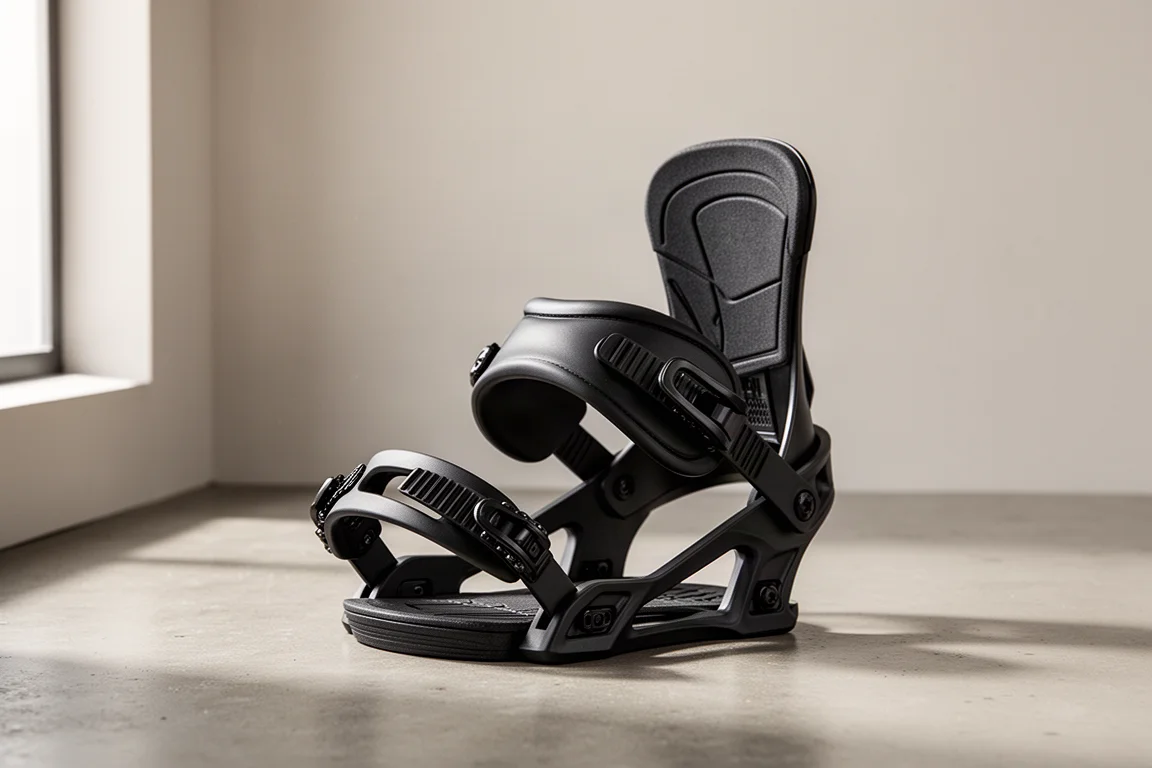
Introduction
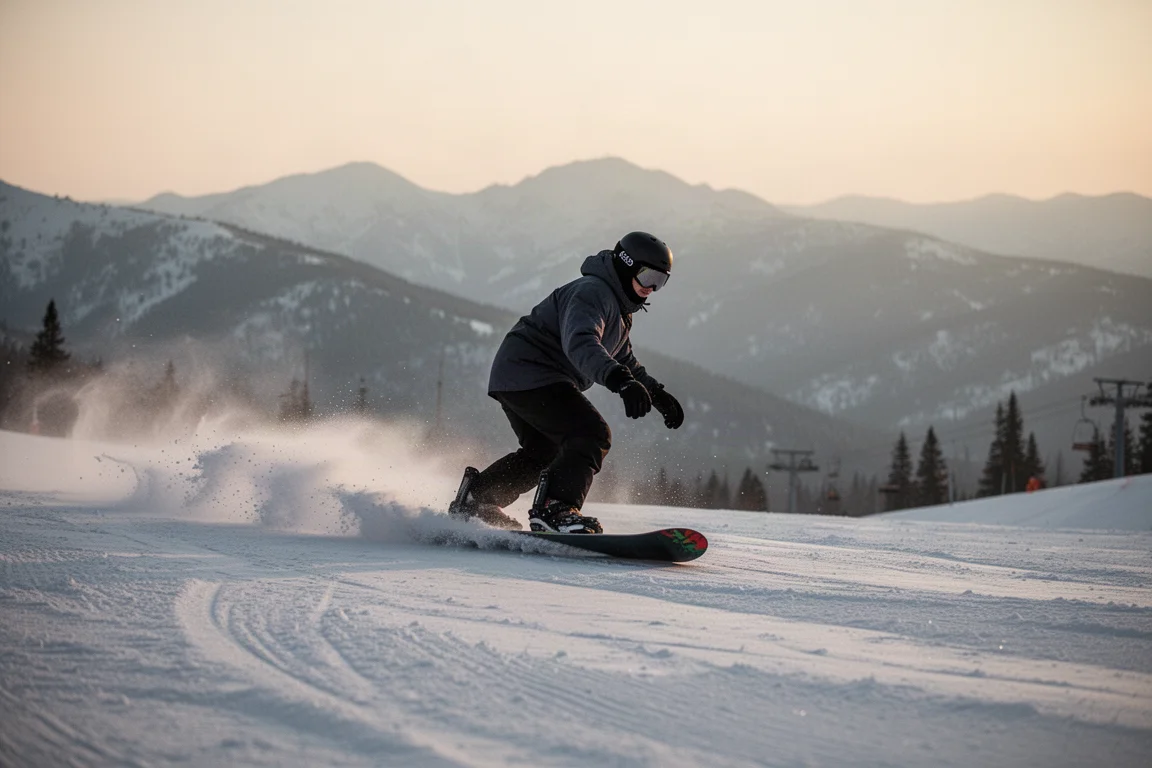
The Fix Yale is a two-piece construction binding, pairing a plastic base plate with a metal heel cup. It sits in the all-mountain freestyle space, aimed at riders who want a comfortable, forgiving feel rather than the sharpest response on the mountain. It was ridden on a day with about four inches of leftover powder, chopped chunder, some ice, colder temps, and a bit of wind, mounted on a Ride Shadowban snowboard with K2 Thraxis boots, which gives a good sense of how it behaves in mixed conditions.
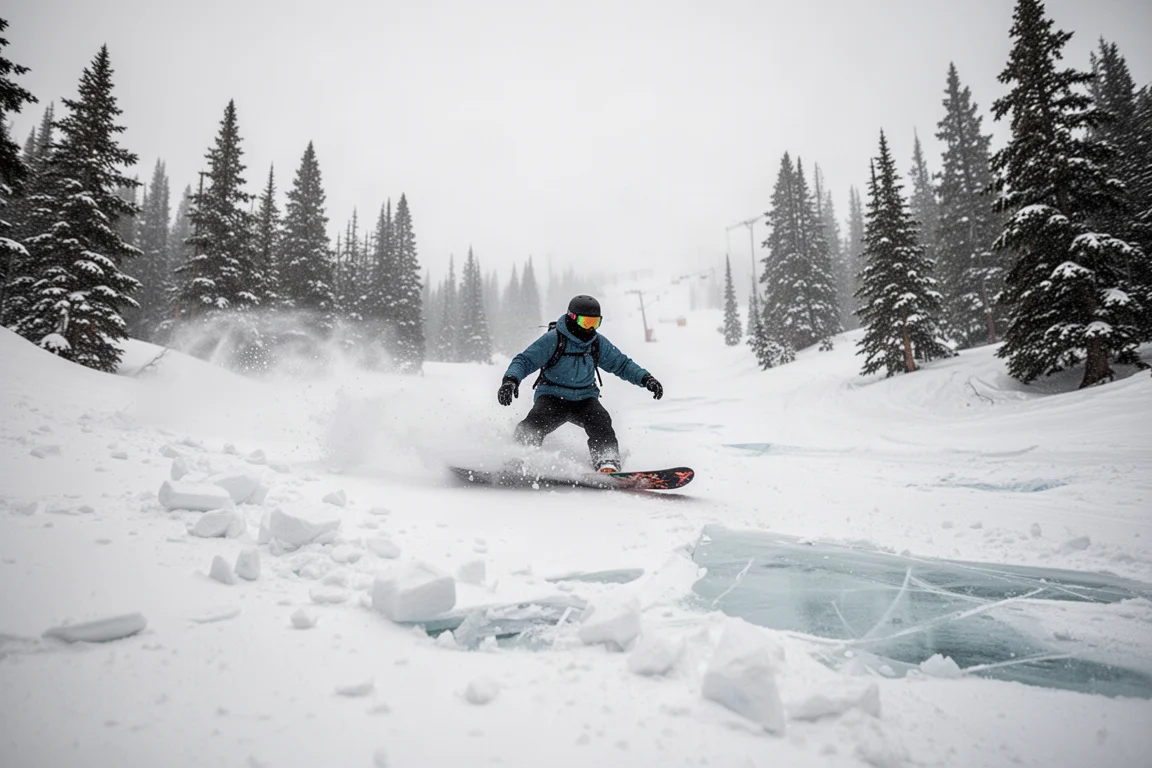
If you like what Fix bindings generally offer but want a bit more adjustability than usual, the Yale makes a reasonable case. It is not the most responsive binding out there, and that is fine as long as you know it going in.
Fit and Adjustability
The metal heel cup can be adjusted into three different positions using the screws on the heel strap. You have to unscrew and fully remove them, pop out the locking bolt, then slide the heel cup forward or backward. The same adjustment handles highback rotation, so there is a lot going on in one spot. It runs a little snug at first, and lining everything back up takes some effort.
The highback has a forward lean tab: flip it down, slide it up or down, flip it back up to lock it in place. The heel and toe straps sit on a flip tab as well, sliding up or down, though these do stick a little during adjustment.
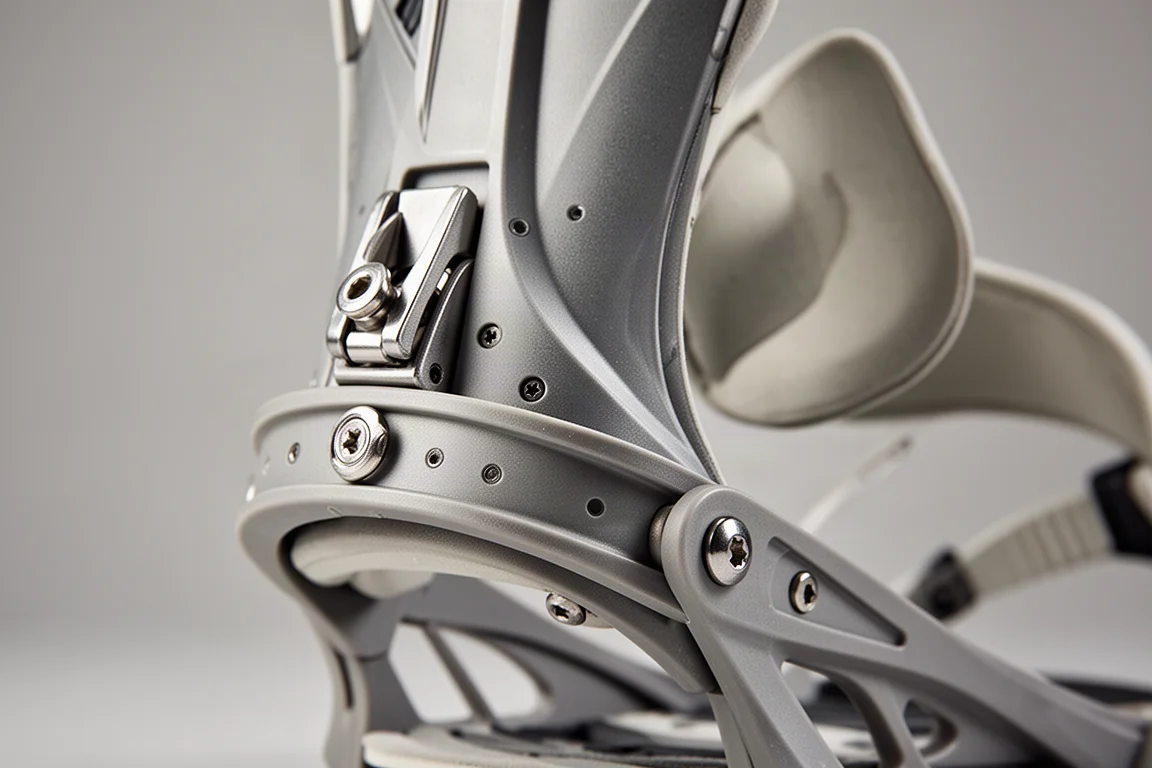
One genuinely useful detail is the numbering on the foot ladder, so you can set one side to a number and know the other side matches. There is also a push pin system on the base: pop the gusset out, push it down, slide forward or back, pull up to lock, then push the gusset back in. Overall there is more adjustability here than on other Fix bindings.
Straps and Ratchets
The heel strap is a sewn, multi-piece design that is very plush, with plenty of padding over the instep. Expect it to stretch and break in over time, so plan on readjusting somewhere around the 30 to 50 day mark. The cutout is not the most aggressive, so really chunky boots may not grip as well as narrower ones. There is some lateral play, and pushing into the strap gives a slower, less immediate response than a molded strap would. You get used to it, but it is less responsive.
The toe strap is essentially the same one used across all Fix bindings. It fits pointy-toed boots better than boxy ones, and you can run it over the top of the toe or over the toe cap depending on preference. There is a little give when tightened, but not much.
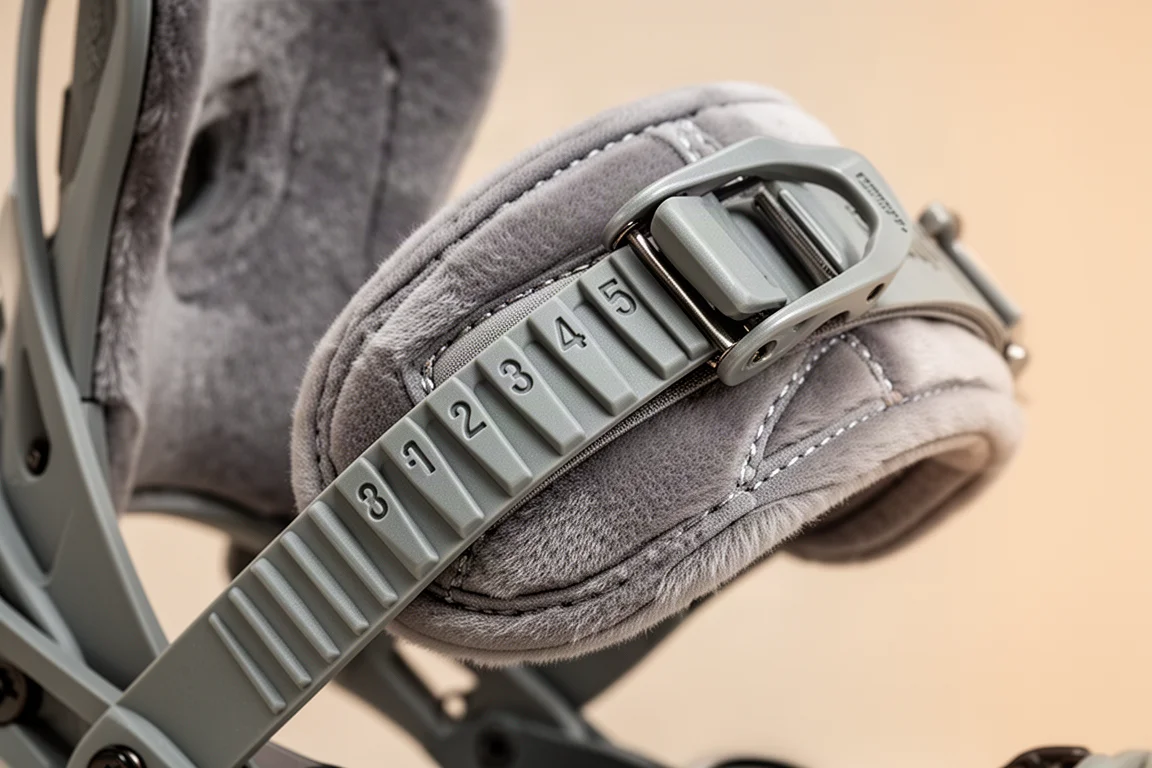
The ratchets were sticky out of the box and needed some effort to feed, and a wider mouth would help. One odd note: the toe ladder did not feed into the toe strap right away on a brand-new pair and needed bending and playing with before it worked. On the plus side, the ratchets climb well, and the one-finger quick release on both straps works exactly as it should, with no premature releases and no sticking mid-climb. That consistency is what you want from a ratchet.
Flex and Response
The highback is a highback: a little give overall but more rigid at the base, so you get some power when you drive into it. The forward lean adjustment is easy to work with. Padding is minimal except around the top, which is more cosmetic than functional. In practice it is easy to forget the highback is there at all.
Overall flex is middle of the road, in line with other Fix bindings. The metal heel cup gives a slightly quicker response in the heel, but the difference is minimal. The big disc underfoot disperses power and pressure out further, which is where response gets dulled: board feel underfoot is reduced and there is a slight delay. The sewn straps behave like a clutch, requiring you to push in before they engage, and you can push through them if you really need to. The lateral play largely comes from the straps too.
What the big pad underfoot does well is absorb chatter. It soaks up kinetic energy so vibrations do not shoot straight into your foot, and the footbed adds decent damping. Still, this is a lively binding: you will feel jarring hits, and it does not dissipate rock-hard impacts like landing hard on an ice boulder buried under powder.
Who This Binding Is For
The rider in mind here is the all-mountain freestyle type. It is comparable to riding an older binding: not the most responsive, gets the job done, and you know exactly what you are going to get. Adjustability is not extensive, though there is more of it than on other Fix bindings.
Buying Advice
For the price, the Yale is not bad, as long as you understand you will not get the sharpest response from the straps because of how plush the heel side is. If you prefer quicker engagement and a more direct feel, comparable bindings to look at include the K2 Bond, the Union Force Classic, and the Rome Trace. If plush comfort, solid damping, and honest all-mountain freestyle performance matter more to you than instant response, the Yale fits that brief.
Conclusion
The Fix Yale is a comfortable, adjustable all-mountain freestyle binding with a useful metal heel cup, numbered strap ladders, and reliable ratchets. Its trade-off is a delayed, cushioned response that will not suit riders chasing precision, but for those who value a forgiving, lively feel at a fair price, it gets the job done.
Product link
View more details for Fix Yale
This product is mentioned in the review. Check the specifications, options, and compatibility before buying.
View more details for Fix YaleFurther reading
Related Reviews
Snowboard Bindings
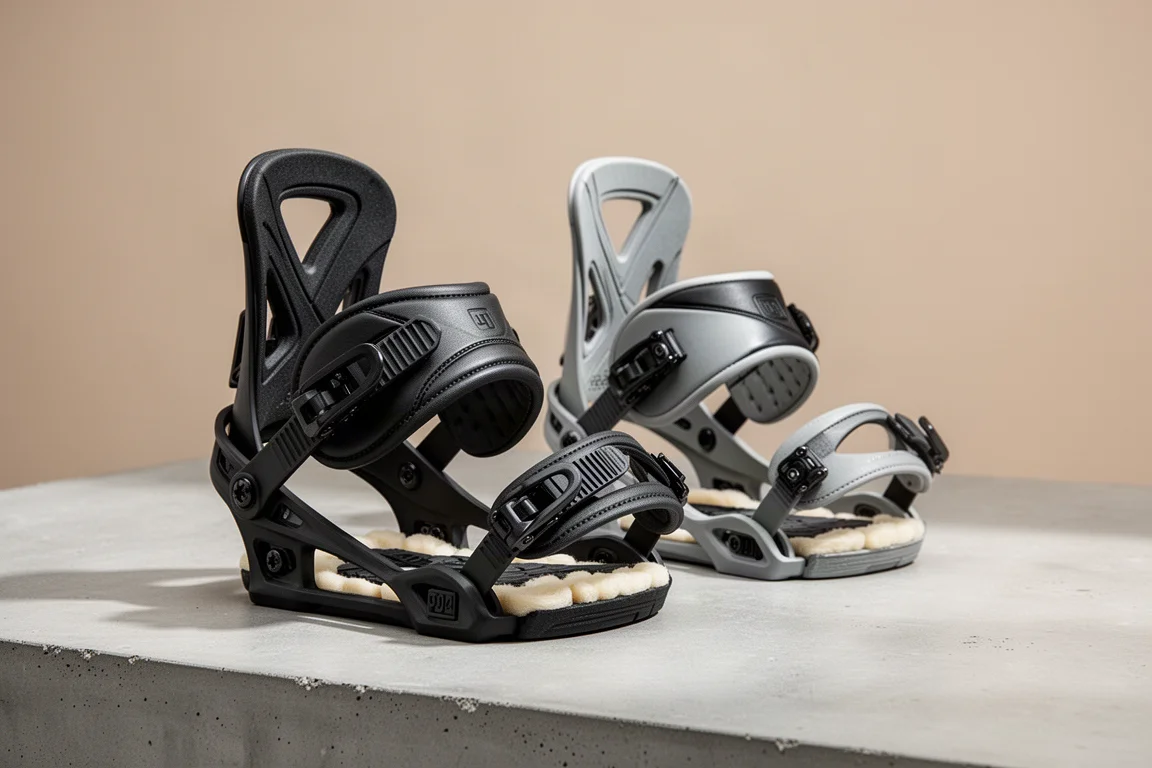
2024 Union Ultra Snowboard Bindings Review: A Cushy, Freestyle-Focused Favorite
Two seasons on the 2024 Union Ultra: a lightweight, tweakable freestyle binding with standout comfort, a damp molecular bushing, and thoughtful hardware fixes.
Snowboard Bindings
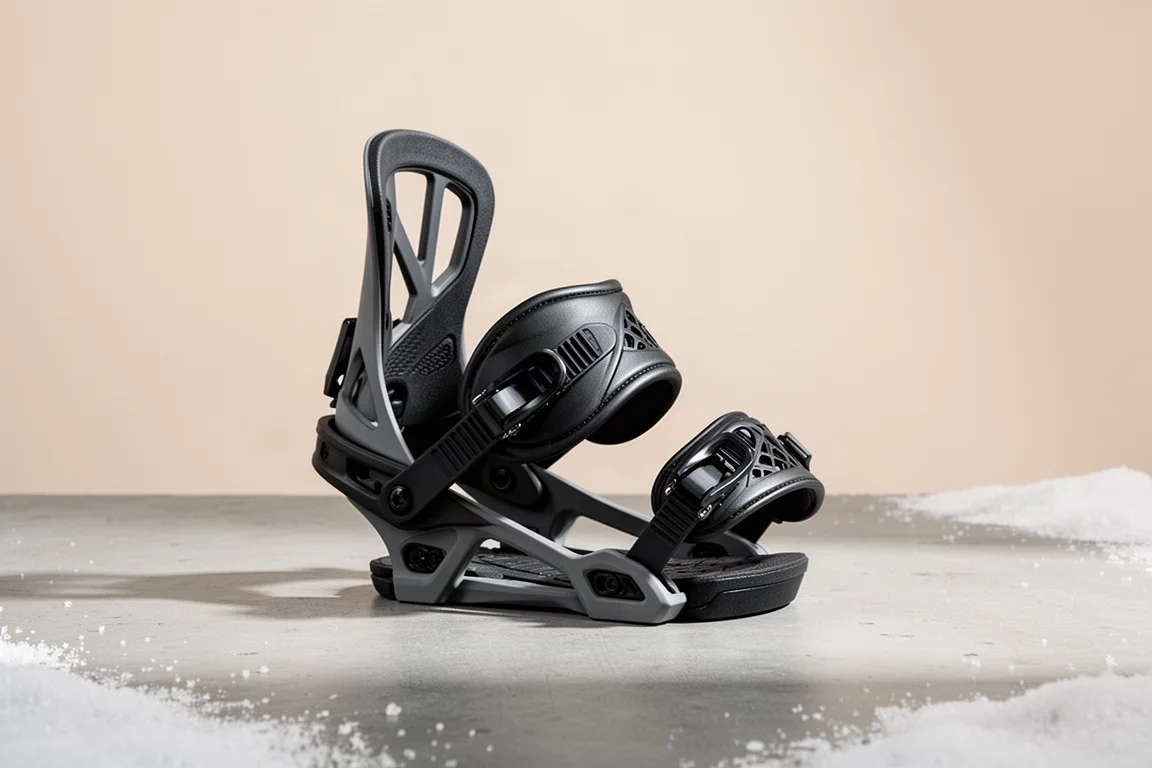
32 Team Phase Binding Review: A Fast Entry Binding Built for Freestyle Laps
The first binding from 32 uses the Phase chassis for quick step-in entry with a softer, freestyle-leaning flex. Here's how it performed on the snow.
Snowboard Bindings
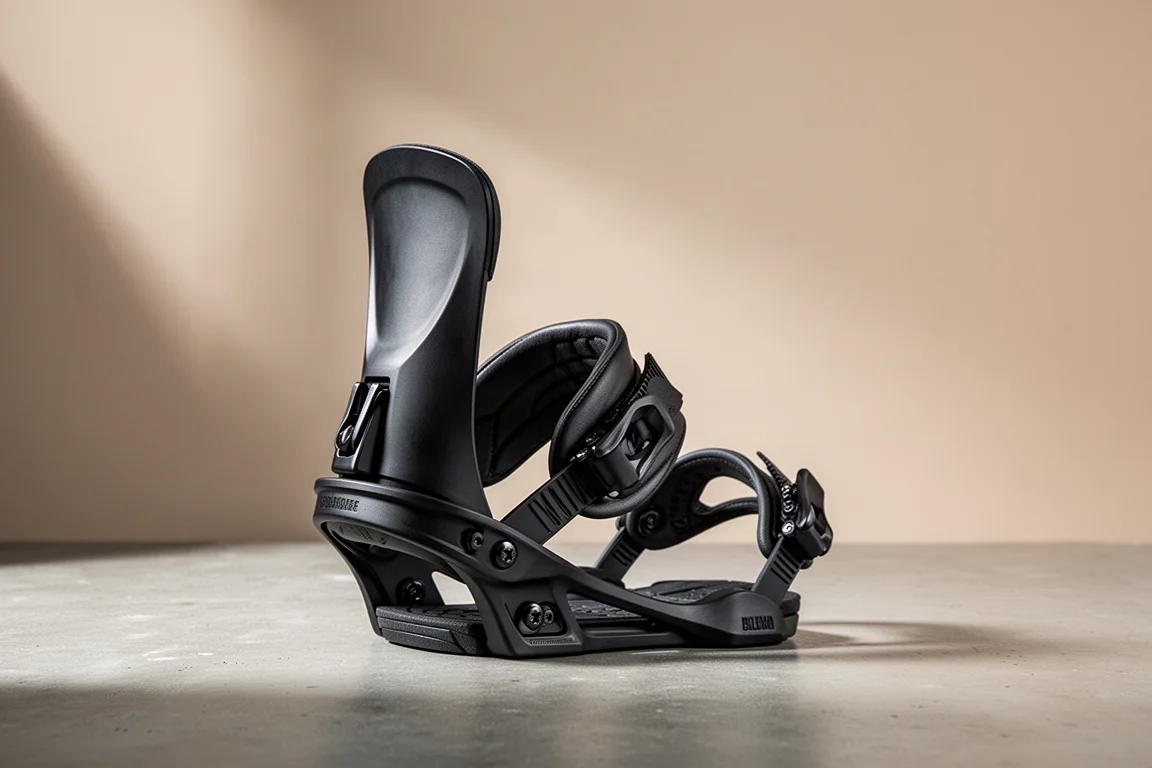
Arbor Cypress Snowboard Binding Review: A Laid-Back Cruiser That Can Charge
A closer look at the Arbor Cypress binding's adjustability, strap feel, and that oddly tall highback before you decide to buy.