Snowboard Bindings
Fix Block 5 Binding Review: A Damp, Comfortable All-Rounder
The Fix Block 5 binding leans hard into vibration damping and comfort, with a clever split toe strap and a few trade-offs to weigh before buying.
Introduction
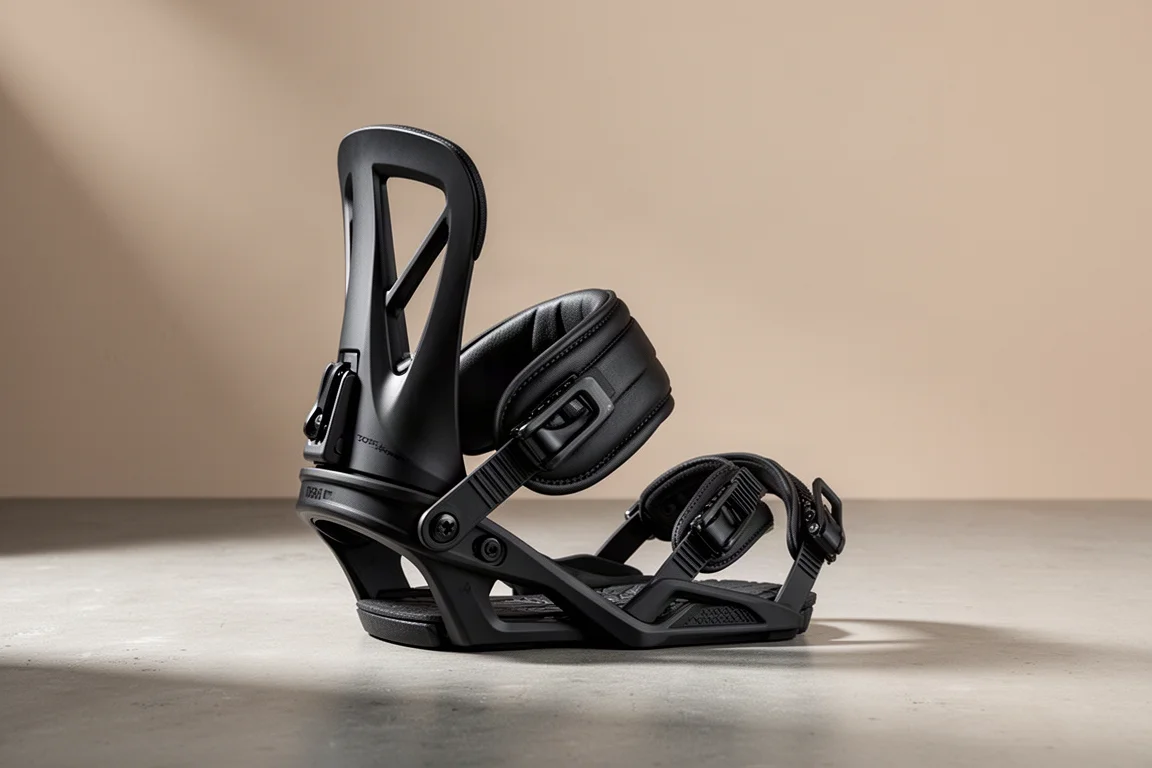
The Fix Block 5 is a binding built around one clear idea: keep the ride quiet, comfortable, and forgiving. Tested on a mixed-condition day at Copper Mountain, where soft snow lower down gave way to hard-packed and icy sections near the wind-scoured summit, it made a strong case for itself. Testing was done with Ridefuse boots on a Jones Strato snowboard, and the binding’s character came through clearly: very damp, very comfortable, and not the most responsive option out there.
Adjustability and Setup
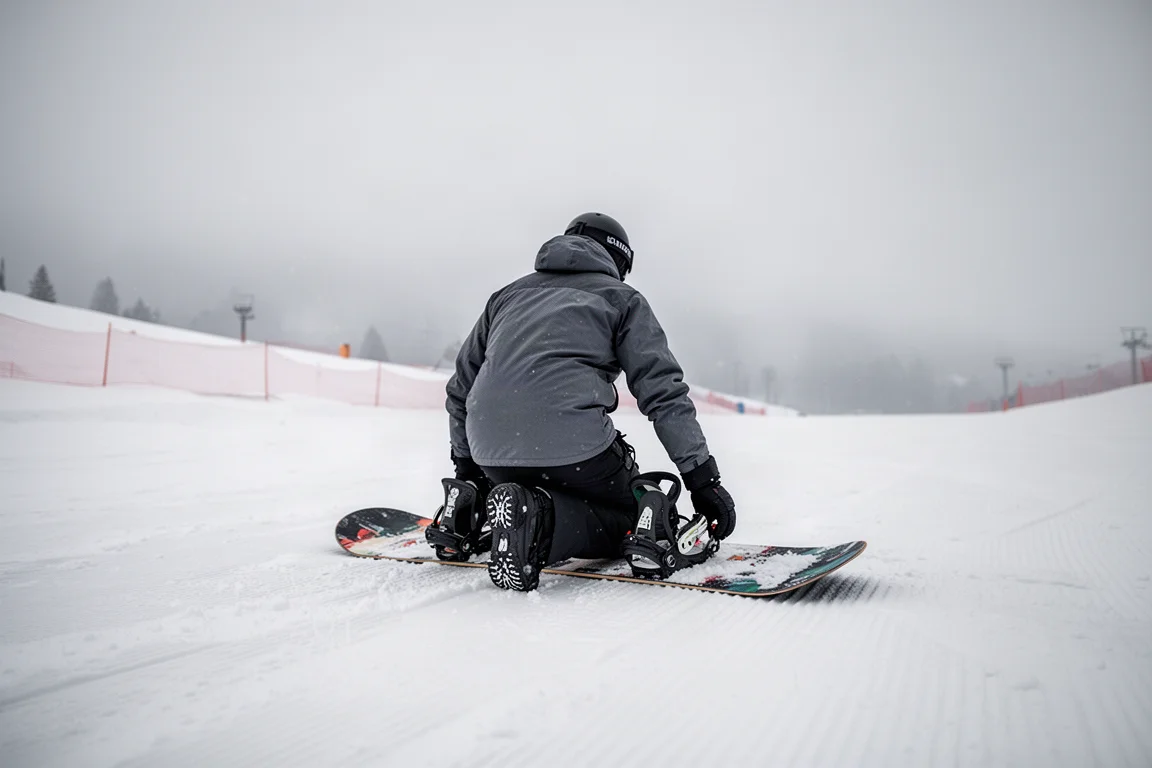
Adjustability is fairly standard with a few nuances. The ankle and toe straps use a flip tab system, which makes sizing quick and easy, with numbered markings so you can set one side accurately even with a single boot on hand. The highback also uses a flip tab for forward lean: flip it open, slide it down, flip it back, done.
The toe straps sit on a push, pull system. Push down, slide back, pull up, and you can position the strap over the toe or on top of the toe depending on your preference. The one genuinely fiddly piece is highback rotation: you need to remove the urethane dampening pad underneath, get a tool in there, pull out tabs, and slide the highback back into its grooves. It is possible, but it is not something most riders will ever need to do, since the default setup works well for most boots.
Straps: The Standout Feature
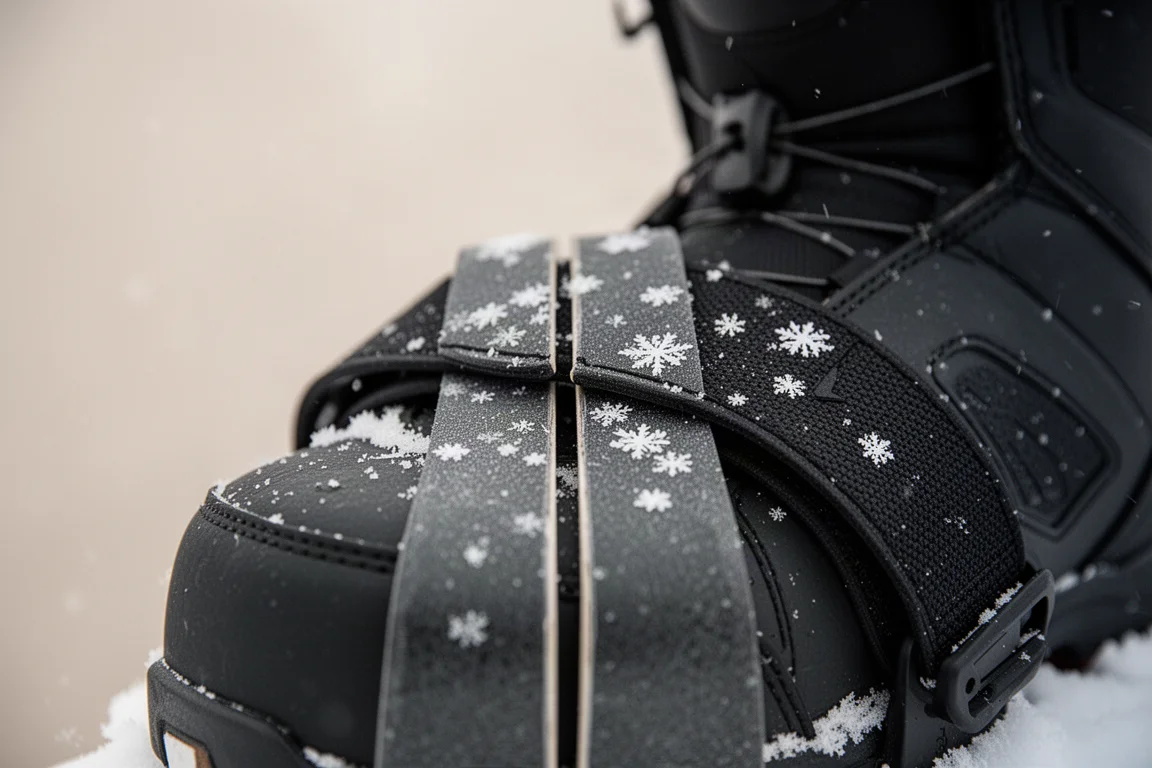
The straps are the most distinctive part of this binding, and the split toe strap design is the highlight. The toe strap is molded with a large split running down the middle, so when you strap in, the two halves separate: one wraps on top of the boot, the other wraps in front of the toe. With a square toe box, this locked the boot in extremely well all day, and the design is meant to fit rounded toe boxes just as well.
The trade-off is that the strap itself offers no padding, so all cushioning in the toe area comes from your boot. The reinforced side has a slight angle built in that prevents it from cutting into the boot, and it stayed comfortable throughout testing.
The ankle strap uses a molded exoskeleton with padding on the inside. It felt comfortable with no instep pressure. The only time it registered was when shifting weight side to side, where it pushed lightly against the inside and outside of the boot, more as a reminder it was there than as a pressure point. There is some lateral play in the straps, but heel-toe response felt nice and responsive.
Ratchets and Ladders
The ratchets are straightforward: easy to grip with mittens, easy to get in and out of. One caveat: cranking in that final click makes release harder, as the mechanism seems reluctant to let go. A firm pull with a finger released it without trouble, though.
Durability looks promising. Even after riding with the last click cranked down and yanking on the ratchets to release, no wear marks appeared on the ladders, which bodes well for long-term compatibility.
Highback and Flex
The highback is large, and flexing it in your hands suggests the top section is stiffer than the bottom. In practice, once a boot is in, the whole thing stiffens up and feels more responsive than it does empty. There is still some lateral play, so riders who like to tweak and shift weight will not feel locked in, but it is far from floppy. Forward lean is handled by the flip tab mentioned earlier.
Overall flex comes in two layers. The chassis section is rigid and allows essentially no flex, so all movement comes from the upper: the straps and highback. Any give in the lower section comes from a large foam pad under the foot rather than the chassis itself.
Ride Feel and Damping
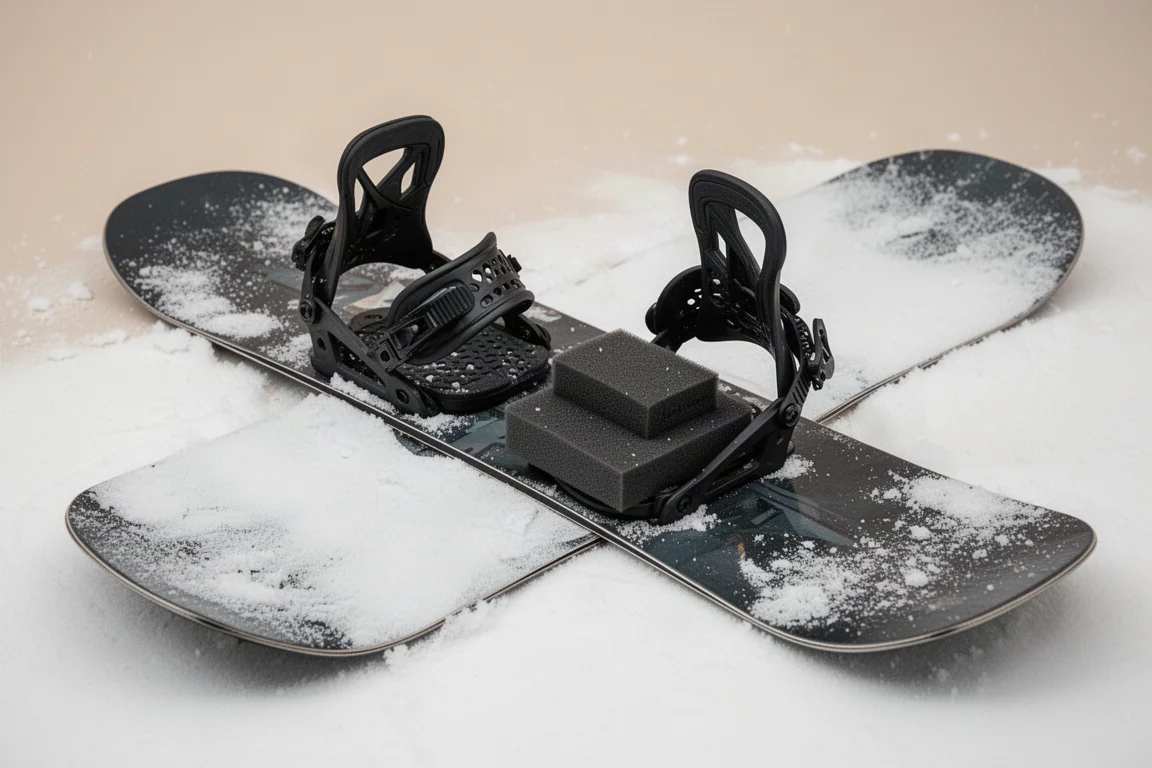
This is where the Block 5 makes its strongest impression. The binding is extremely damp, thanks largely to the thick urethane dampening pad underneath. Riding over uneven terrain, you could hear the board chattering but not feel it. Vibrations simply never reached the foot. The only surface that broke through was pure ice near the top of the mountain.
That damping comes with a real drawback: a noticeable dead spot where the binding meets the board. It restricts how freely the board flexes underfoot and dulls board feel, which is why this is not the most responsive ride available. Comfort, however, is excellent.
Who This Binding Is For
The Block 5 is designed for riders with a lively board who want to calm it down, people who do not need a super reactive binding, want something comfortable that does a bit of everything, and may move it between multiple boards. It also appeals to value-minded riders who want solid performance without paying top dollar.

For the mixed test conditions, it worked well: firm snow, soft snow, and everything in between. As a daily driver, it may not suit riders who want more give underfoot and sharper board feel, but as a comfortable, damp, do-everything binding, it is solid.
Buying Advice
If your setup feels too lively or chattery and you want a binding that smooths out the ride without sacrificing heel-toe response, the Fix Block 5 is a strong candidate. Comparable bindings worth cross-shopping include the Union Force, the Jones Meteorite, and the Nitro Team. Riders who prioritize board feel and response over damping should look at those alternatives or more flexible options before committing.
Conclusion
The Fix Block 5 binding delivers excellent vibration damping, a genuinely clever split toe strap, and all-day comfort, with the trade-off being reduced board feel and a less responsive ride. For riders seeking a comfortable, damp all-rounder that performs across varied conditions, it is an easy recommendation.
Product link
View more details for Fix Block 5 Binding
This product is mentioned in the review. Check the specifications, options, and compatibility before buying.
View more details for Fix Block 5 BindingFurther reading
Related Reviews
Snowboard Bindings
2024 Union Ultra Snowboard Bindings Review: A Cushy, Freestyle-Focused Favorite
Two seasons on the 2024 Union Ultra: a lightweight, tweakable freestyle binding with standout comfort, a damp molecular bushing, and thoughtful hardware fixes.
Snowboard Bindings
32 Team Phase Binding Review: A Fast Entry Binding Built for Freestyle Laps
The first binding from 32 uses the Phase chassis for quick step-in entry with a softer, freestyle-leaning flex. Here's how it performed on the snow.
Snowboard Bindings
Arbor Cypress Snowboard Binding Review: A Laid-Back Cruiser That Can Charge
A closer look at the Arbor Cypress binding's adjustability, strap feel, and that oddly tall highback before you decide to buy.