Tools & Workshop
Five Tools I Would Not Buy Again: Honest Takes on Brand-Name Gear
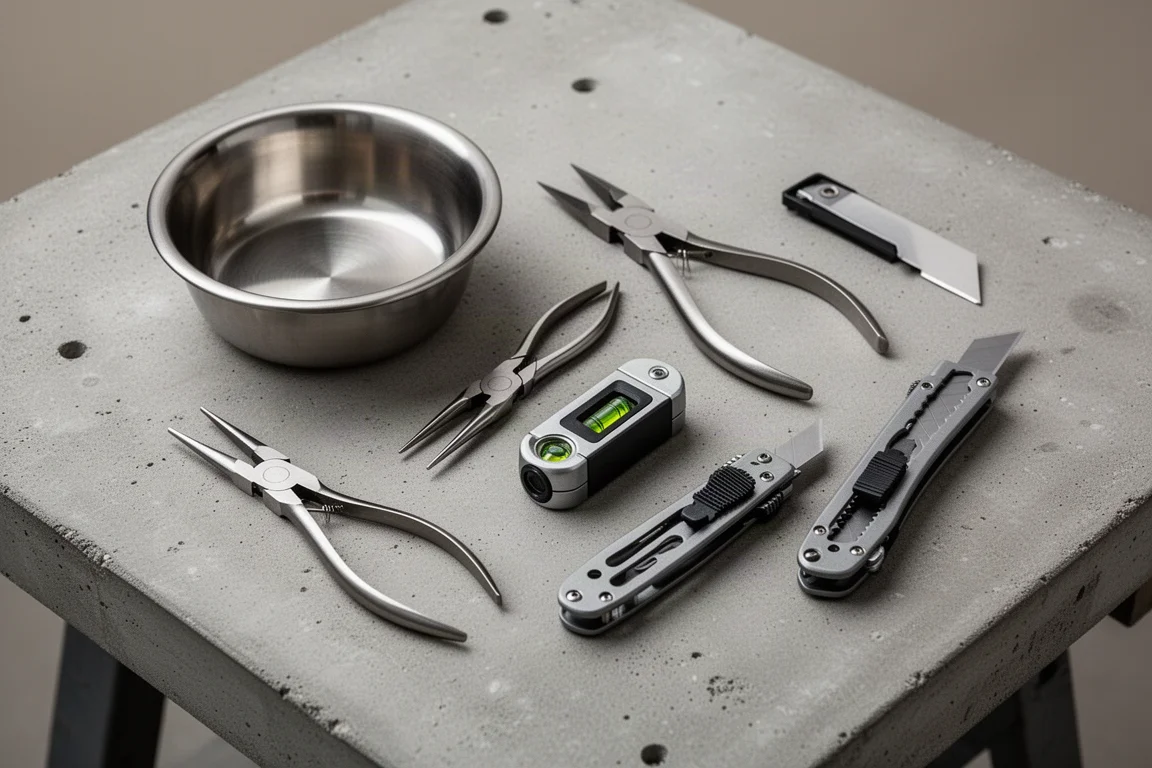
Five tools that work, but fall short of their promise or their price: a magnetic parts bowl, Mac pliers, a Milwaukee mini level, a Klein flipper knife, and a Blue Point blade holder.
Introduction
None of these tools are bad. They all do the job they were designed for. The issue is simpler and more relatable: either the price felt higher than the value, or the tool does not quite deliver on its promise. That distinction matters when you are spending your own money on gear you expect to last.
Below are five tools that fall into that category, along with what each one gets right, where it falls short, and what a more sensible alternative might look like. Treat this as a checklist before you buy, not a condemnation of the brands involved.
Blue Point Magnetic Parts Holder
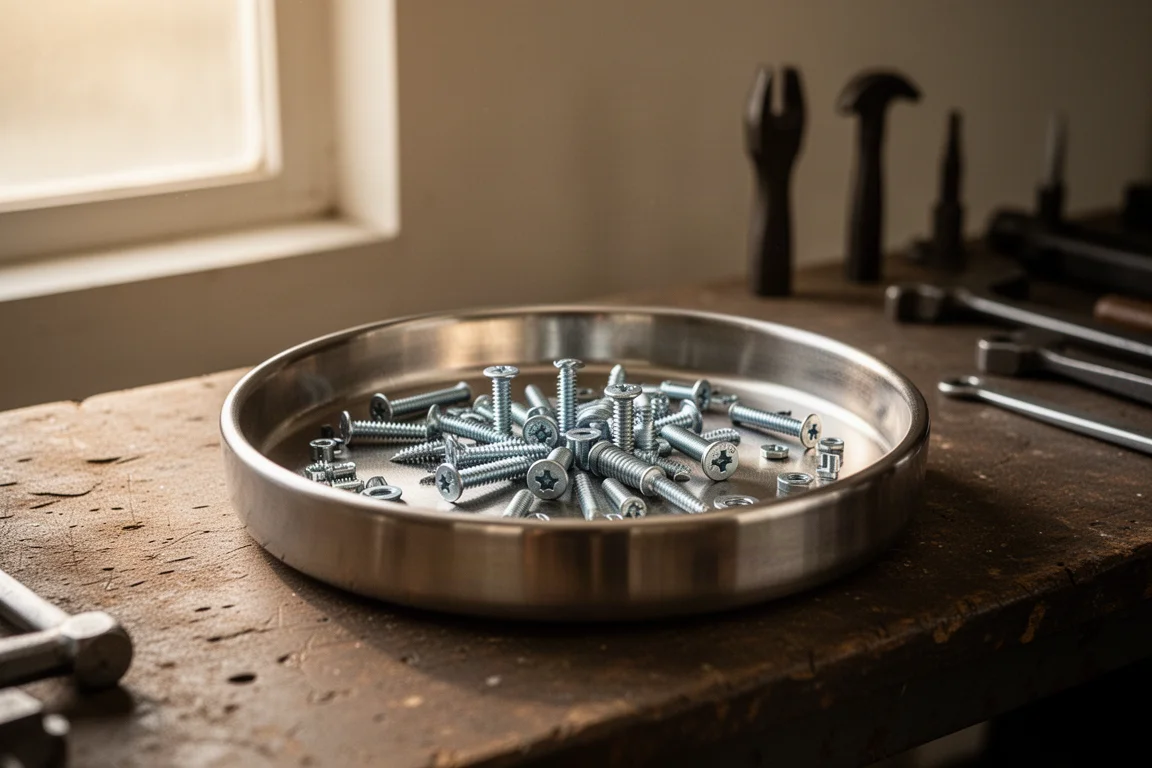
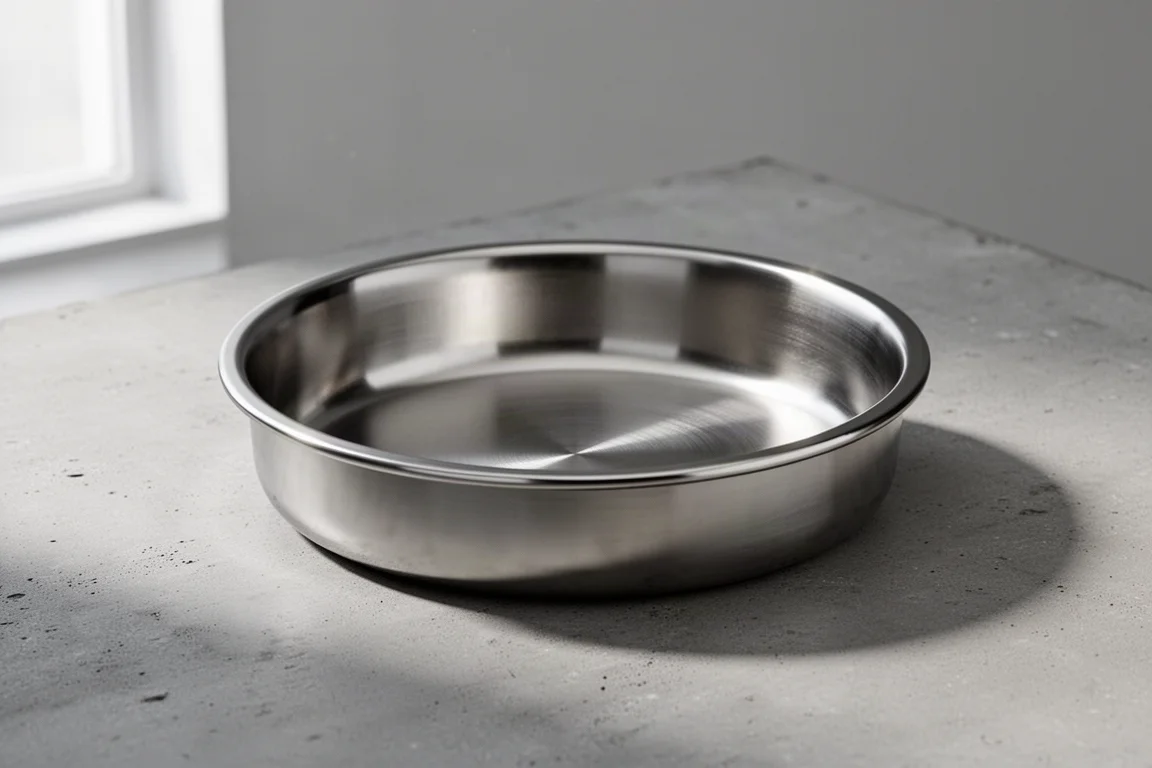
This one works exactly as intended. It is a solid magnetic bowl, presumably built around a large ceramic magnet, and it holds fasteners reliably. The problem is what you pay for the name. The identical bowl, made in Taiwan, shows up all over the place for considerably less. The extra cost buys the brand stamp on the bottom, not extra performance.
A practical workaround exists if you enjoy a small project: take an inexpensive stainless steel bowl, super glue a strong neodymium magnet inside, and cover the magnet with heavy tape. The result holds parts just as firmly, and you can build one in any size you want. Unless the brand badge matters to you, the generic version is the smarter buy.
Mac Tools 45° Short Nose Needle Nose Pliers
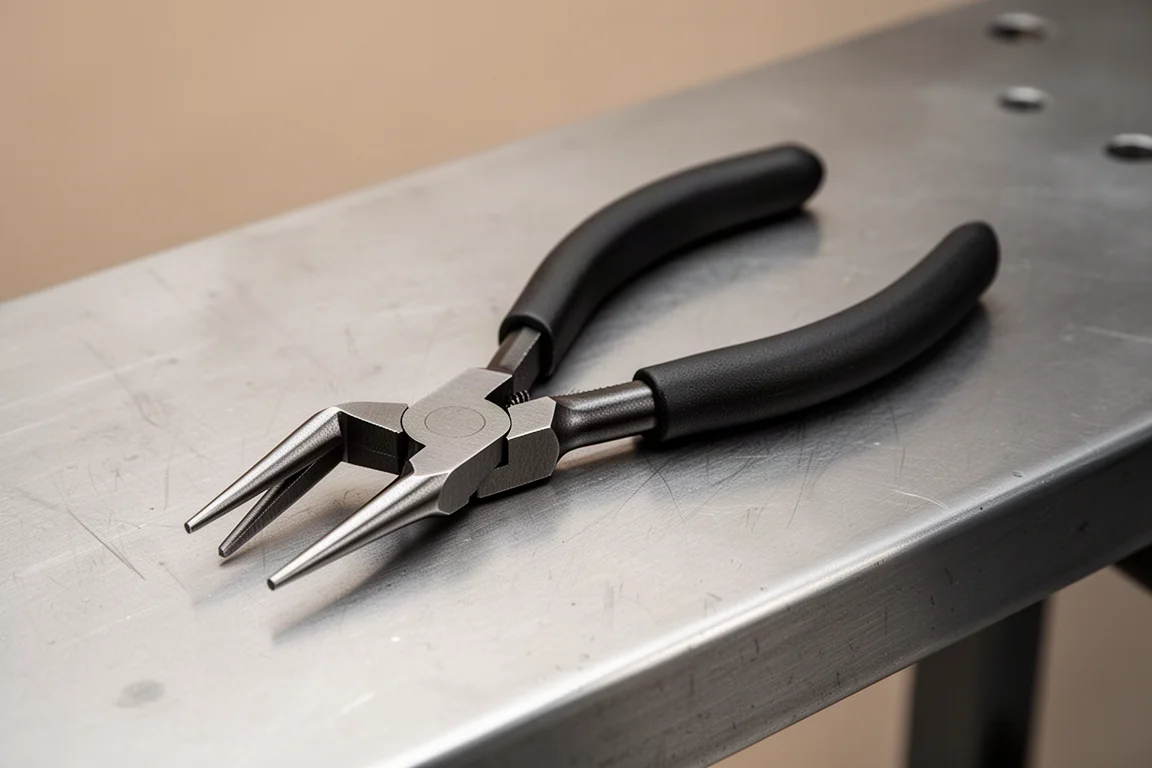
This specific pair is genuinely good. The 45-degree short nose needle nose pliers are beefy enough to lean on, and losing or bending them would not be a disaster. The disappointment came from the set. A nine-piece set picked up at what looked like a bargain price turned out to be made overseas, with visible workmanship flaws and jaws that did not close as cleanly as expected.
That reveals an important lesson about Mac Tools: there is the high-end US-made line, and then there is other product tiered below it. Most of that set was sold off for roughly what was paid, and this one pair was the only survivor. If you buy from a brand like Mac, it is worth checking exactly which tier you are buying, because the name alone does not guarantee the same build quality across the range.
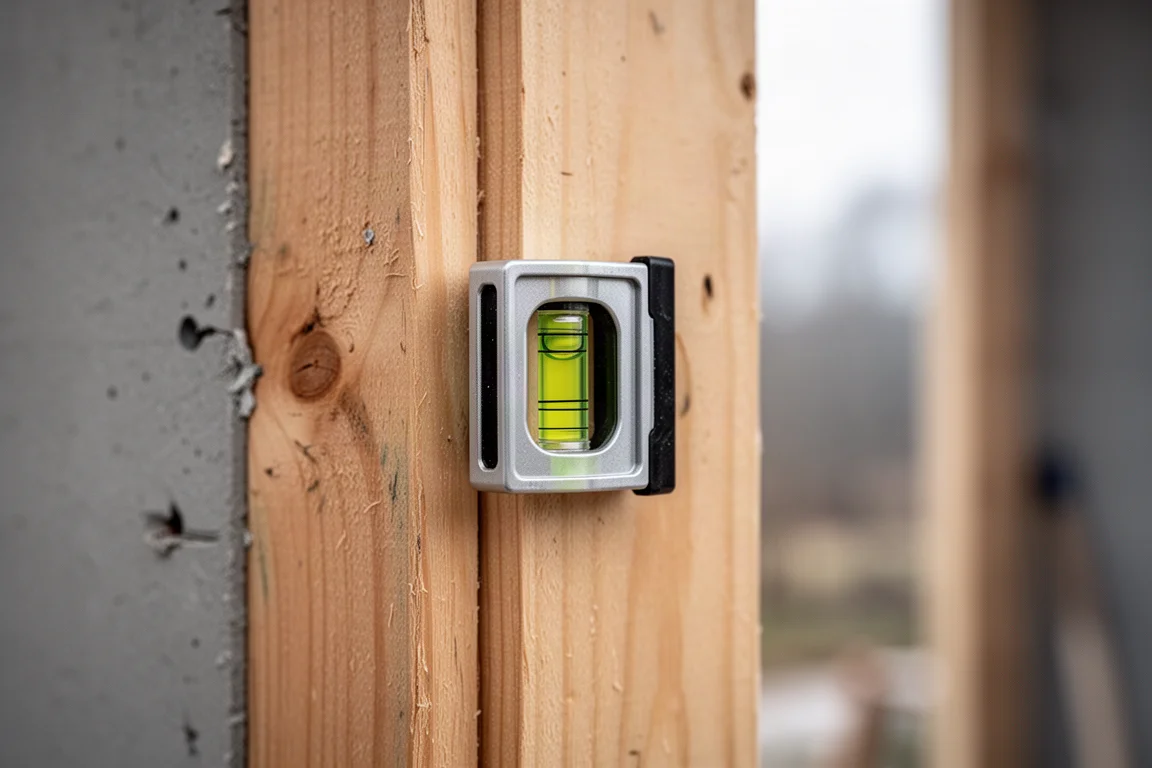
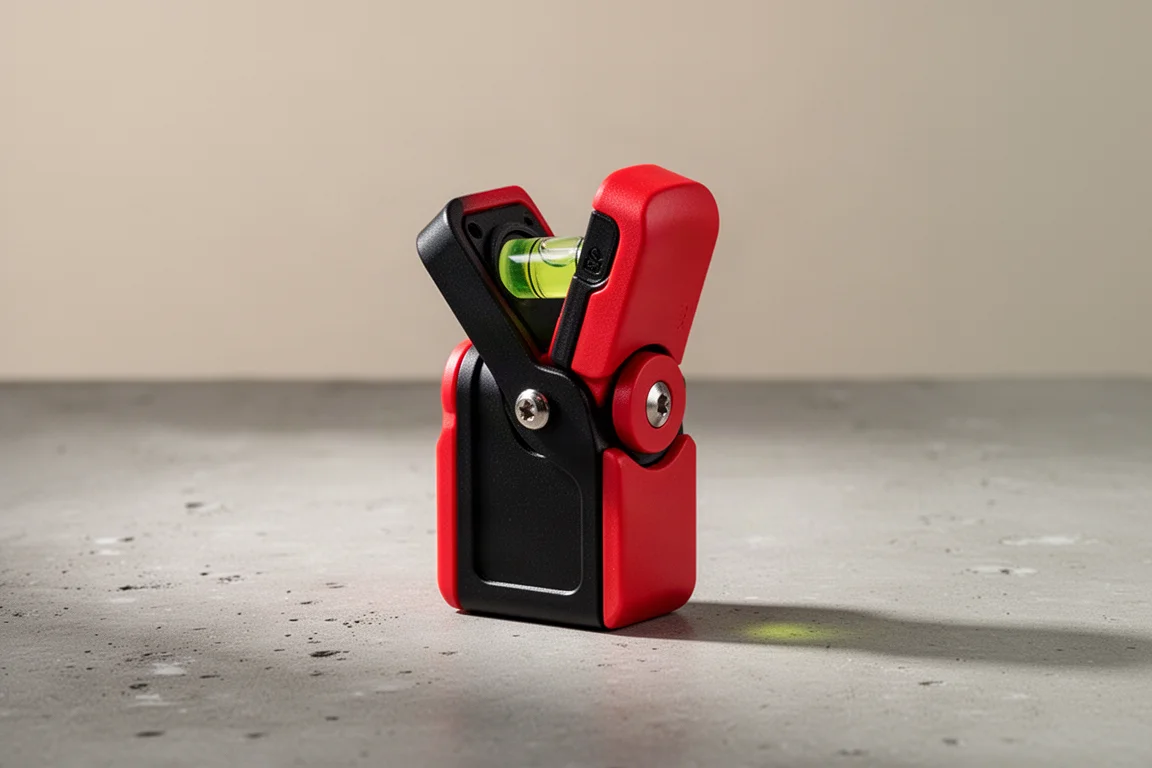
Milwaukee Adjustable Mini Level
This is otherwise one of the favorite mini levels in the shop, and the rotating, adjustable body is a neat idea. In practice, though, it is very difficult to set accurately at zero, the most common setting. There is no indent or detent, so when you squeeze the body back and forth and cinch down the small set screw, the zero position lands close but not exact. There is no way to feel when you have it right.
The accuracy problem shows up when comparing it directly against a trusted torpedo level: hold both vertically and the bubbles disagree, and no amount of fiddling gets the adjustable level to match. It costs more than a basic solid level, around $25, and what you get is approximate leveling rather than a reference you can rely on. The concept is appealing, but without a solid detent for zero, the promise does not hold up.
Klein Flipper Utility Knife
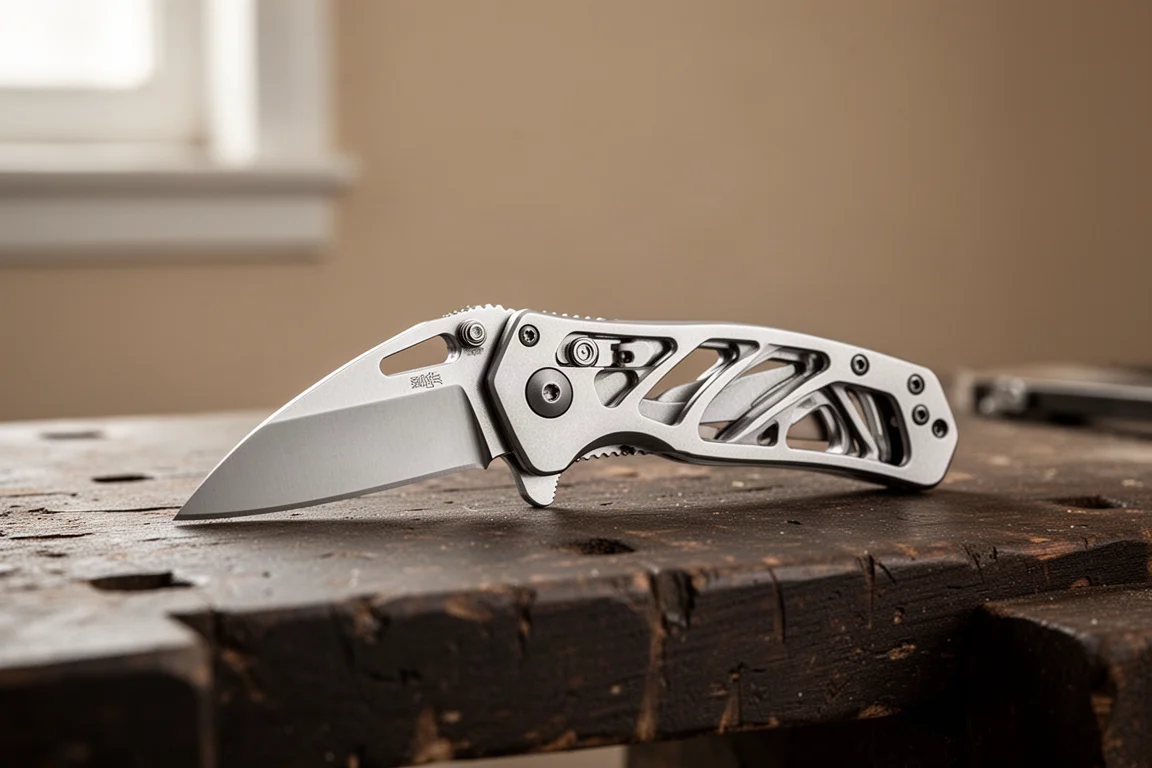
On paper, this is a strong design. The thin skeletonized handle scales look good, the liner lockup is solid, and the steel is decent. The fatal flaw is the flipper: the detent is so strong that the blade simply will not pop out with a normal flip. Opening it turns into a two-handed push-and-pull effort that dents your finger against the spine. An earlier version of the same knife had the same problem and had to be loosened before it would open at all.
That is a shame, because with easier deployment this would be a great knife. The design, the lockup, and the edge are all there. If you are considering one, handle it in person first and make sure you can actually flip it open one-handed, because that is the whole point of the mechanism.
The Budget Alternative: Husky Utility Knife
In the same drawer sits a very cheap, very thin Husky utility knife. It is not the finest knife ever made, but it over-performed for what it cost. It opens without a fight, cuts fine, and has never let anyone down. It is proof that some of the best value in the workshop comes from the unglamorous end of the aisle.
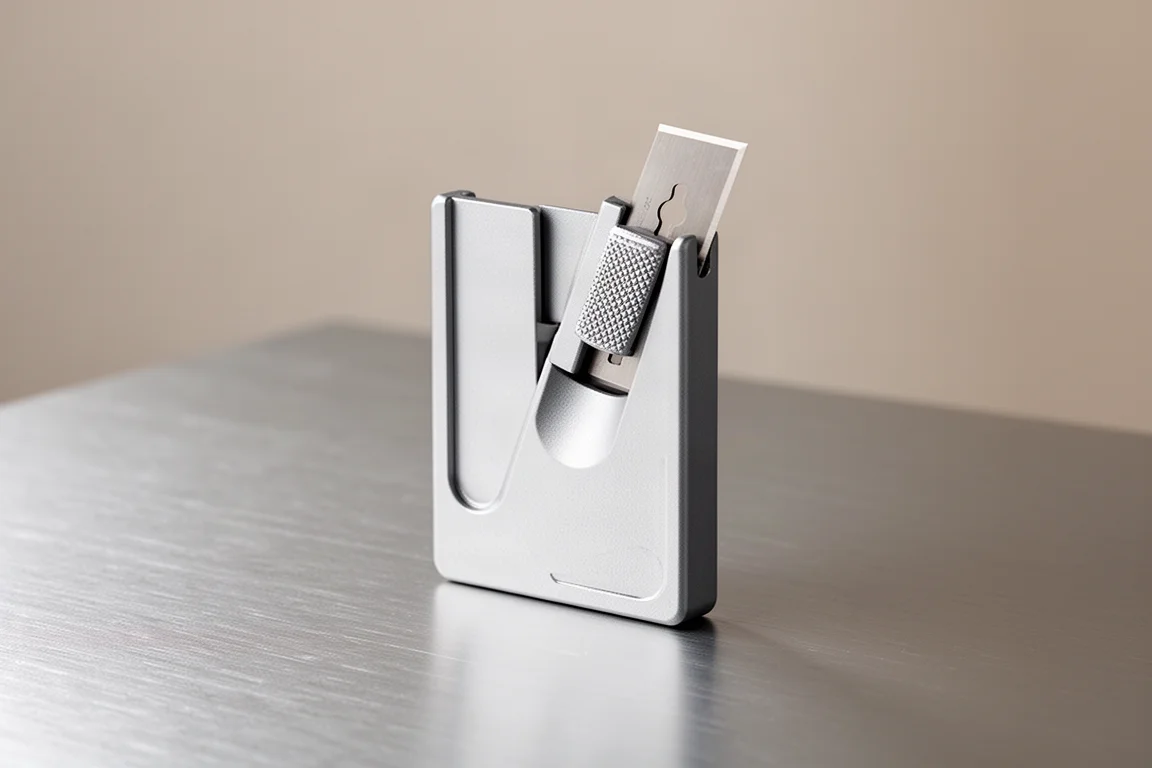
Blue Point Razor Blade Holder vs the Cheap Alternative
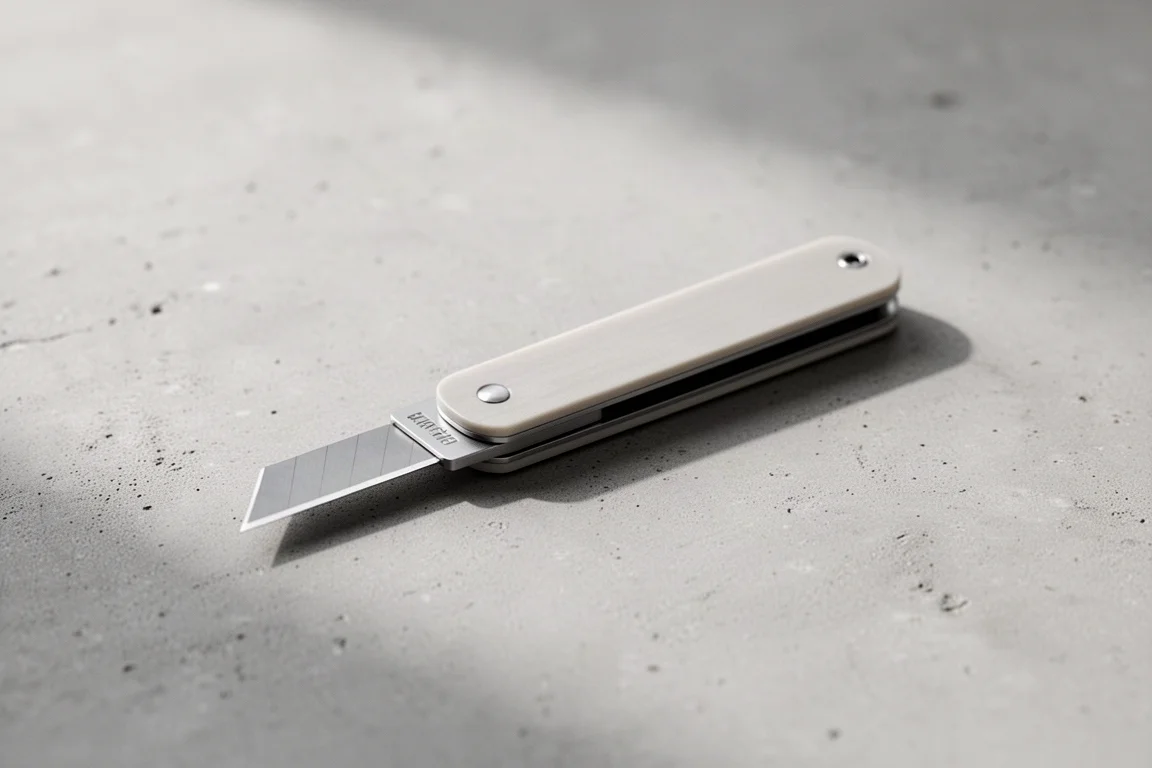
The Blue Point razor blade holder is undeniably beautiful, the kind of object that would not look out of place in a design museum. The lockup is rock solid. But two practical issues surface in use. First, the aluminum body with powder coating is very slippery. Second, it gets very cold when you are working outside in winter, for example on window installation.
The generic blade holder that costs roughly a quarter or a fifth of the price does nearly everything the expensive one does when cutting, and outperforms it when not cutting. It is lighter, does not transfer the cold, changes blades just as easily, and includes a blade cover the Blue Point lacks. Without a cover, the premium holder has to have its blade popped and flipped for safe storage before it goes into a tool bag or drawer, which is a small but constant annoyance. The cheap one simply makes more sense.

Buying Advice
The pattern across these five tools is consistent. Premium branding does not always buy premium performance, and sometimes the mid-tier or generic version of the same idea is the better tool. Before buying, it is worth asking three questions: does the tool have a mechanism that works smoothly, such as a detent or a flipper that actually flips; is the cheapest version of the same design available elsewhere; and does the tool need to feel good in your hand in the conditions where you will actually use it?
A $25 adjustable level sounds clever until you cannot trust its zero. A $10 parts bowl is great engineering until you see the identical bowl for less. None of this makes the premium versions useless, but it does mean the generic option is often the one you reach for every day.
Conclusion
Every tool on this list works. That is exactly what makes this lesson useful: the failures here are not dramatic, they are quiet mismatches between price, branding, and real-world performance. Check the detent, compare the generic version, and think about how the tool feels in cold or wet conditions. Do that, and you will likely skip the same regrets.
Further reading
Related Reviews
Tools & Workshop
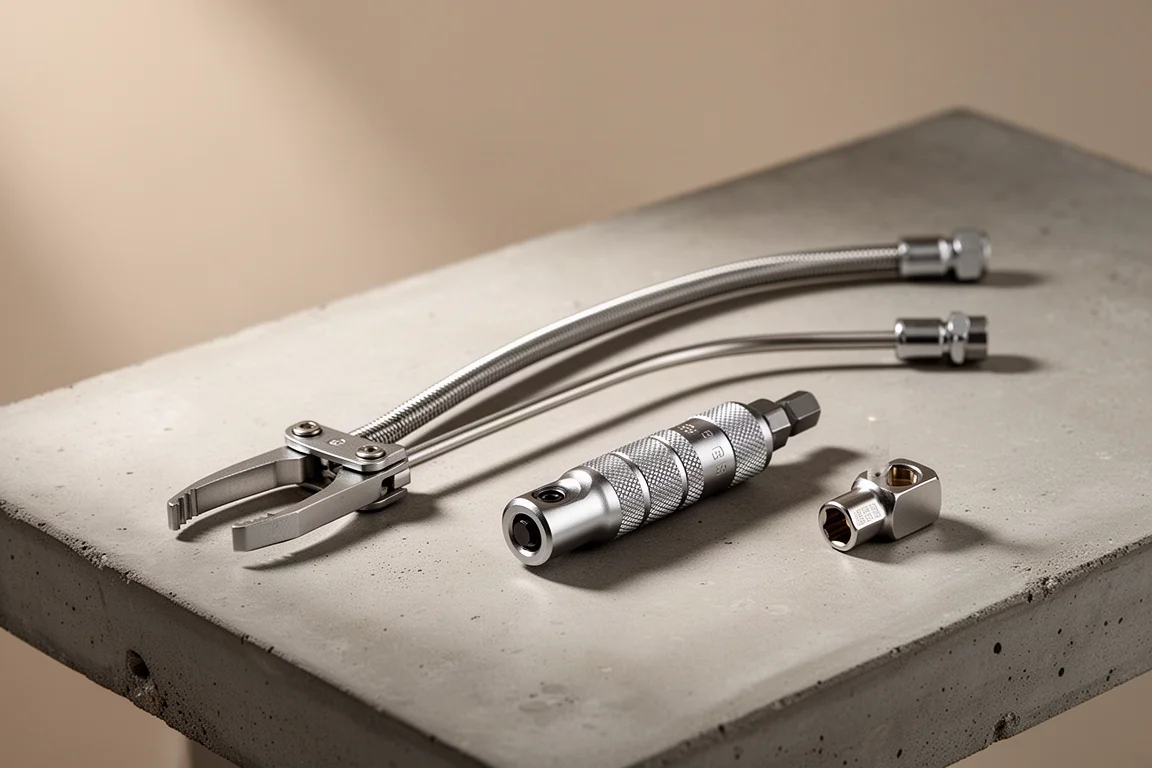
Three Tools That Saved a Tight Dishwasher Installation
A long-reach hose clamp tool, a locking ratcheting bit driver, and a flip socket that earned their spot during a cramped appliance install.
Tools & Workshop
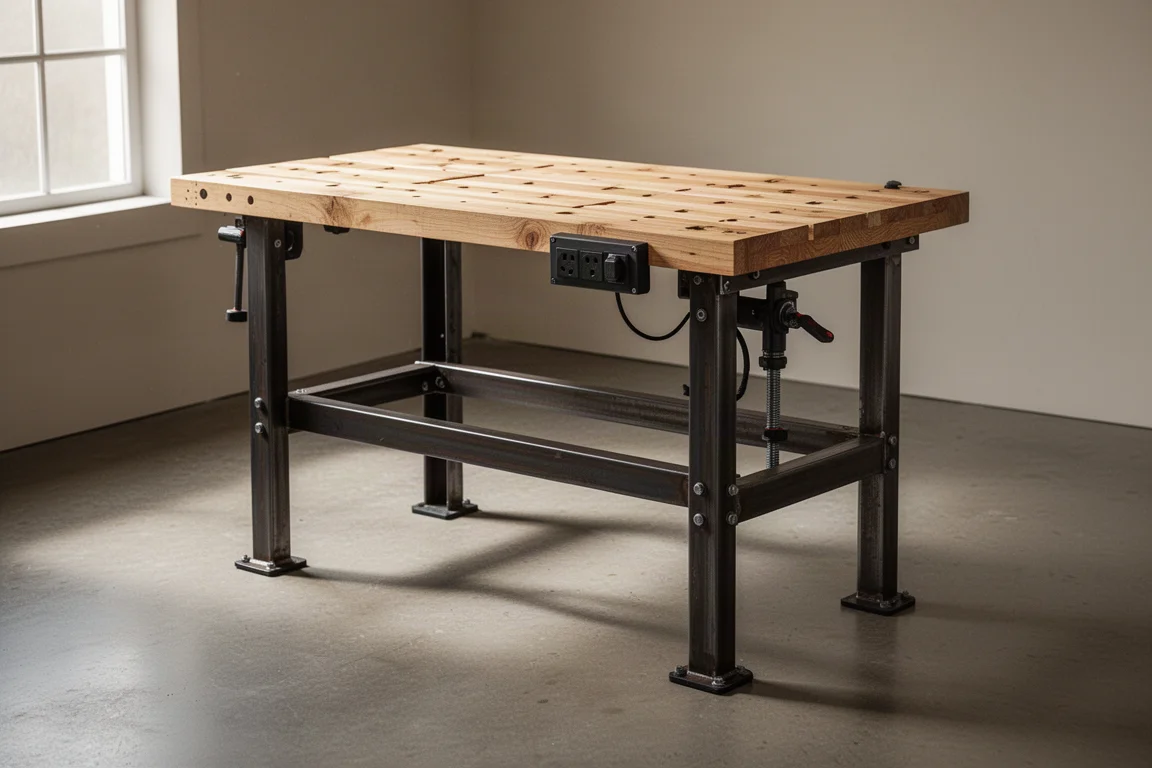
Banggood WB0102 Pro Workbench Review: A Stable, Height-Adjustable Bench for Small Workshops
A heavy, well-priced workbench with a pine top, built-in power strip, height adjustment, and a straightforward assembly that takes under 30 minutes.
Tools & Workshop
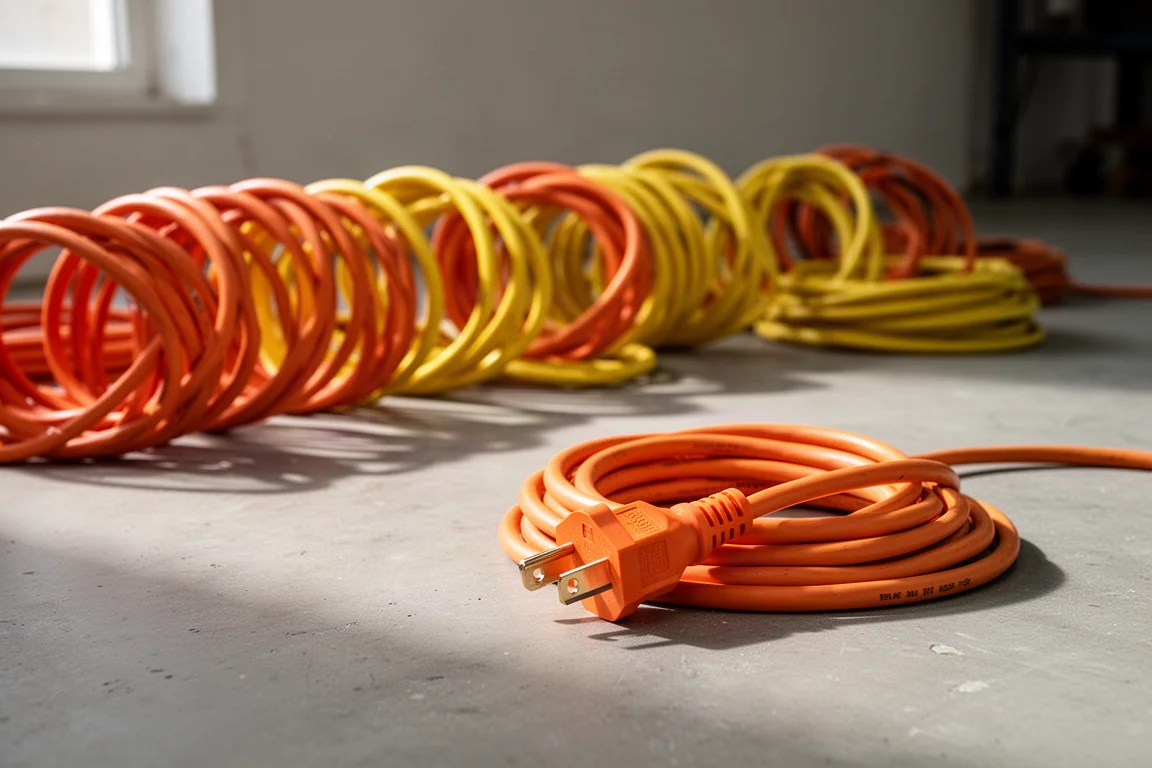
Best 50 ft Extension Cords: 15 Cords Put Through Real-World Testing
Fifteen 50 ft extension cords compared on blade strength, abrasion resistance, voltage drop, plug retention, and cold weather flexibility.