Running Shoes
Five Running Shoes Behind a Sub-2:30 Marathon: A Trainer and Racer Rotation Breakdown
A high-mileage marathon build is only as good as its tools. Here are five trainers and one race day shoe that carried a runner to a 2:29:04 marathon.
Introduction
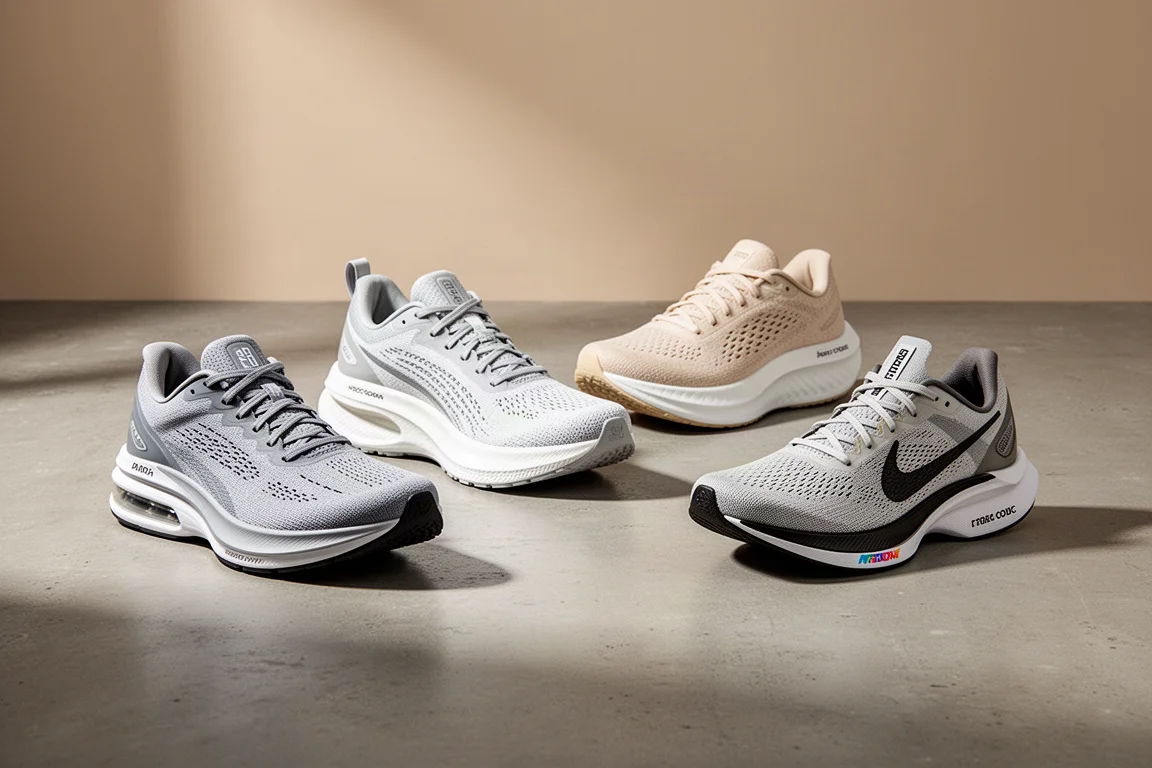
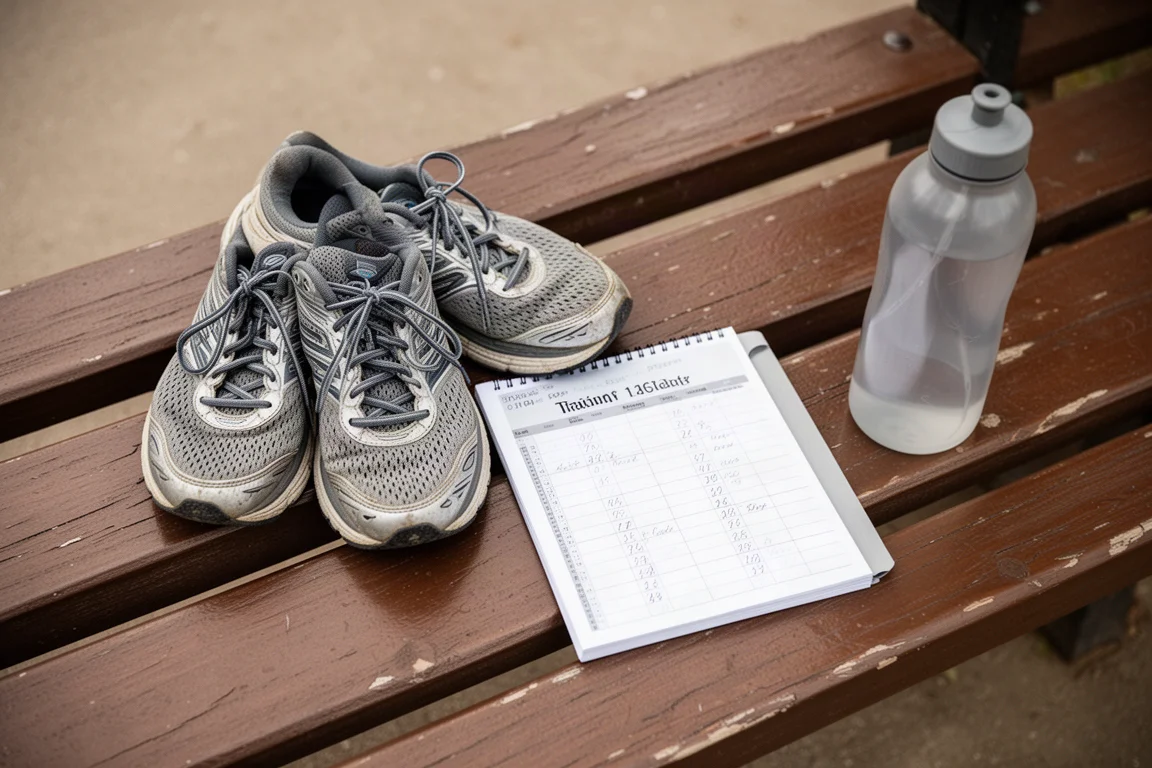
Running a sub-2:30 marathon is not about the shoes. It is about the mileage, the consistency, and the process. But the right rotation makes the work easier to absorb, keeps workouts sharper, and helps you stay healthy through a 100-mile week. Here are five shoes that carried a runner through a full marathon build, from casual recovery days to the race itself, ending with a 2:29:04 finish.
The honest framing up front: a $200 trainer will not take ten minutes off your marathon time. These are tools. If you can afford the best $150 trainer within your budget, get the best one for your goals, but the training comes first.
Nike Vomero Premium: The Recovery and Comfort Pick
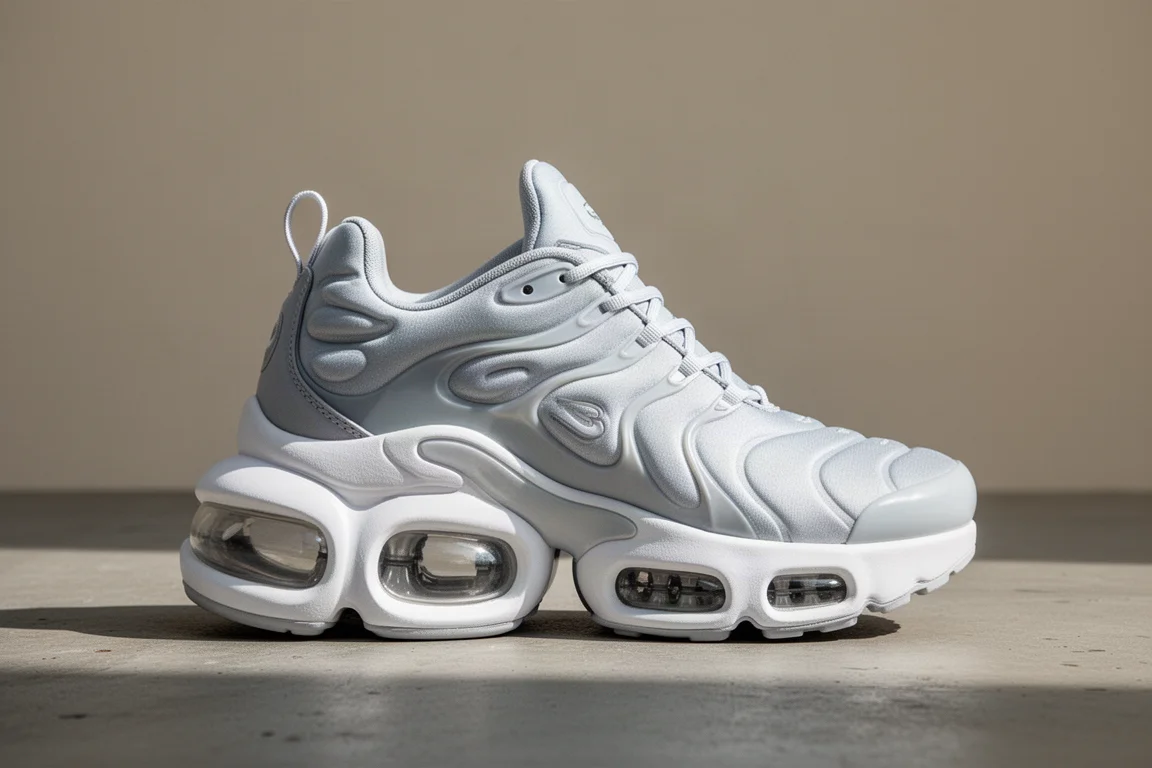
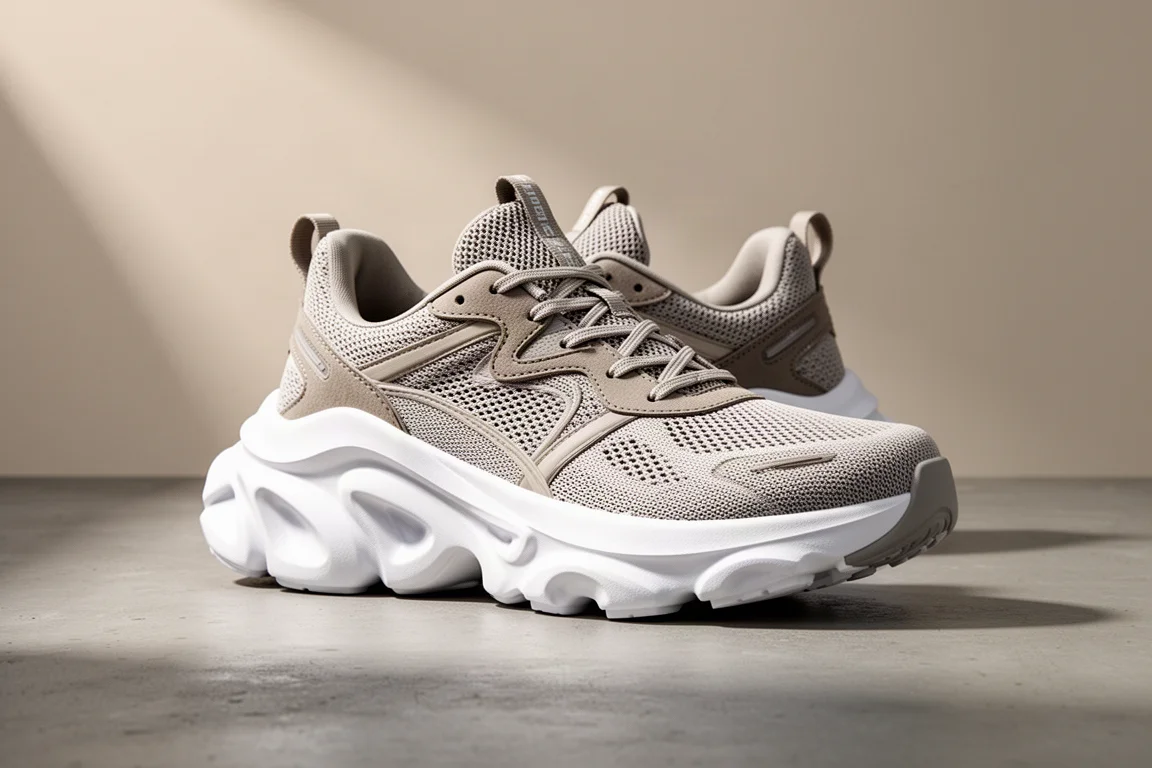
This one made the list for a reason that has nothing to do with running in it. In the final week before the race, a foot issue flared up from walking and standing, not from running, and this shoe became the go-to for everything off the run. With around 55 mm of cushion in the heel, an Air Zoom unit, and a plastic heel clip, it offers a blend of softness and stability that keeps the ground impact completely muted without feeling wobbly.
It is not the favorite for actual running; the shoe seems to want to be pushed faster than easy pace to feel its best. But for walking to the expo, recovery days, and protecting a banged-up foot during race week, it was exactly the insurance policy a high-mileage build needs.

ASICS Superblast 3: The Daily Mileage Tank
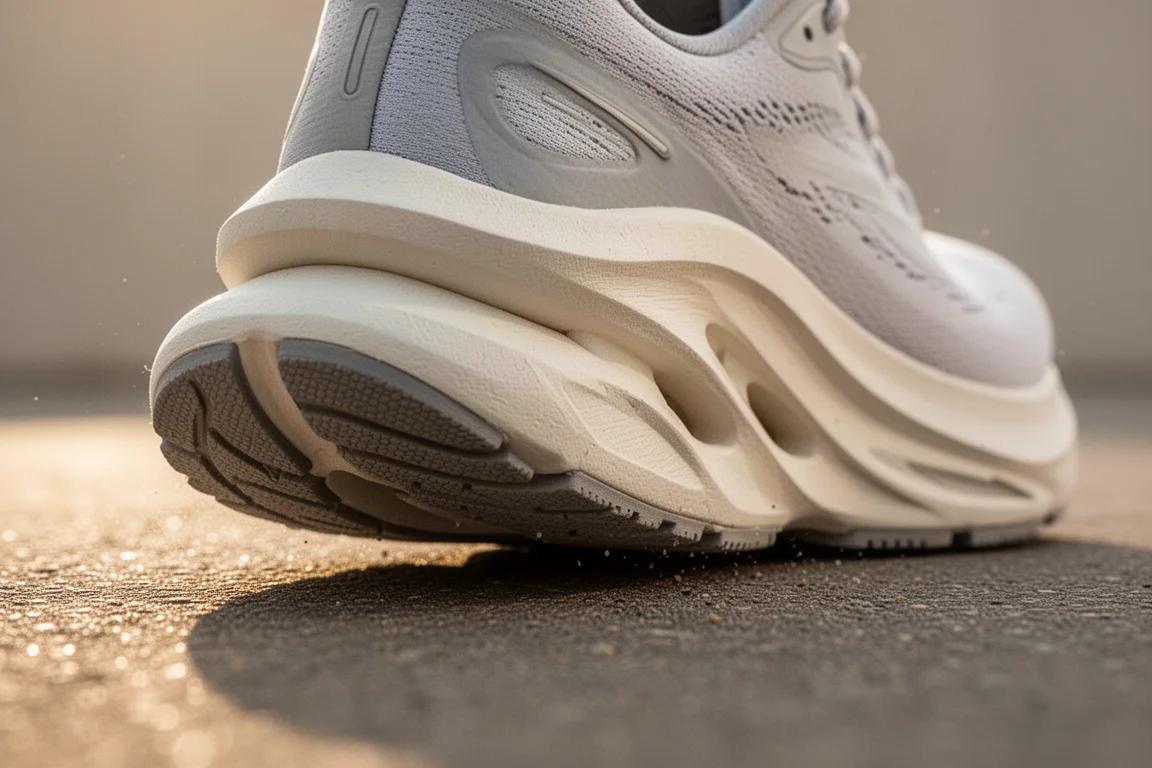
An elevated everyday trainer that blends the comfort and protection of a max-cushion shoe with the pop of a speed trainer. The top layer of FF Blast foam sits over a framed FF Blast Plus bottom for stability and protection, and the ride is both soft and fun, which is rare at this stack height.
Around 150 miles went into this pair during the final push of the build, and it held up well to daily easy running at 80-plus miles per week. It is a genuine crowd pleaser for filler mileage and aerobic base work, the kind of shoe that makes long marathon training blocks more enjoyable. A few runners find it too soft, but as an all-around daily option it is hard to beat.
Nike Vomero Plus: The Comfortable All-Rounder
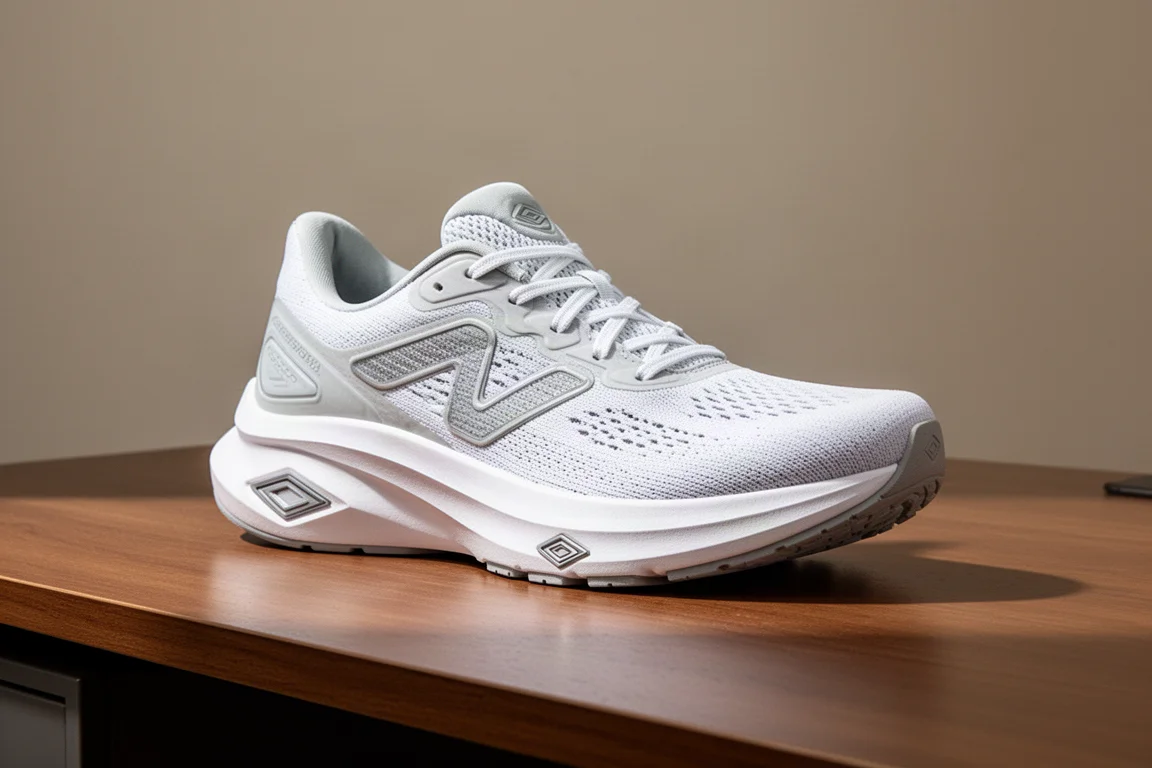
This was one of the top mileage shoes of 2024, with more than 200 miles across the build plus heavy casual use. The ZoomX foam in the forefront gives a lively, comfortable toe-off, and the plush padded tongue and generous heel padding make it one of the most luxurious uppers in this group. No weight savings here, just overall comfort.
The experience improved noticeably at faster paces on fresher legs, and it worked especially well during a transition away from pure high-mileage weeks toward a zone 3-focused style. For a beginner runner looking for one shoe to walk, jog, and build an aerobic base in, this is a strong single-shoe answer.
ASICS Megablast: The Highest Mileage Champion
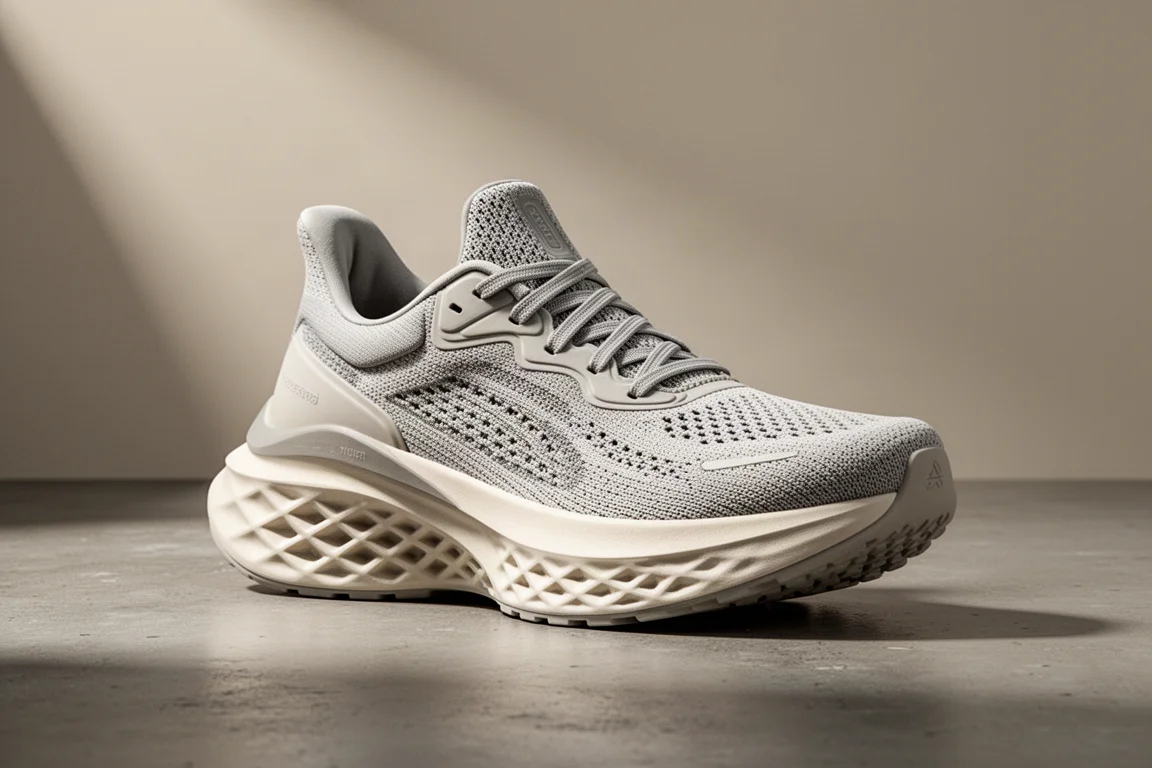
This pair reached roughly 260 miles, the highest mileage on a single pair in recent memory, and the foam still holds up better than a Superblast with 100 fewer miles. That durability alone puts it in elite company for high-volume training.
It was the main shoe during a demanding summer training block of 130 to 140 mile weeks, including a 25-mile long run with a marathon-pace final mile. As a versatile daily trainer it can genuinely do everything, from short reps to speedier mileage and zone 3 work, with a slight lean toward the faster end of easy running.
Puma Fast-R 3: The Race Day Weapon
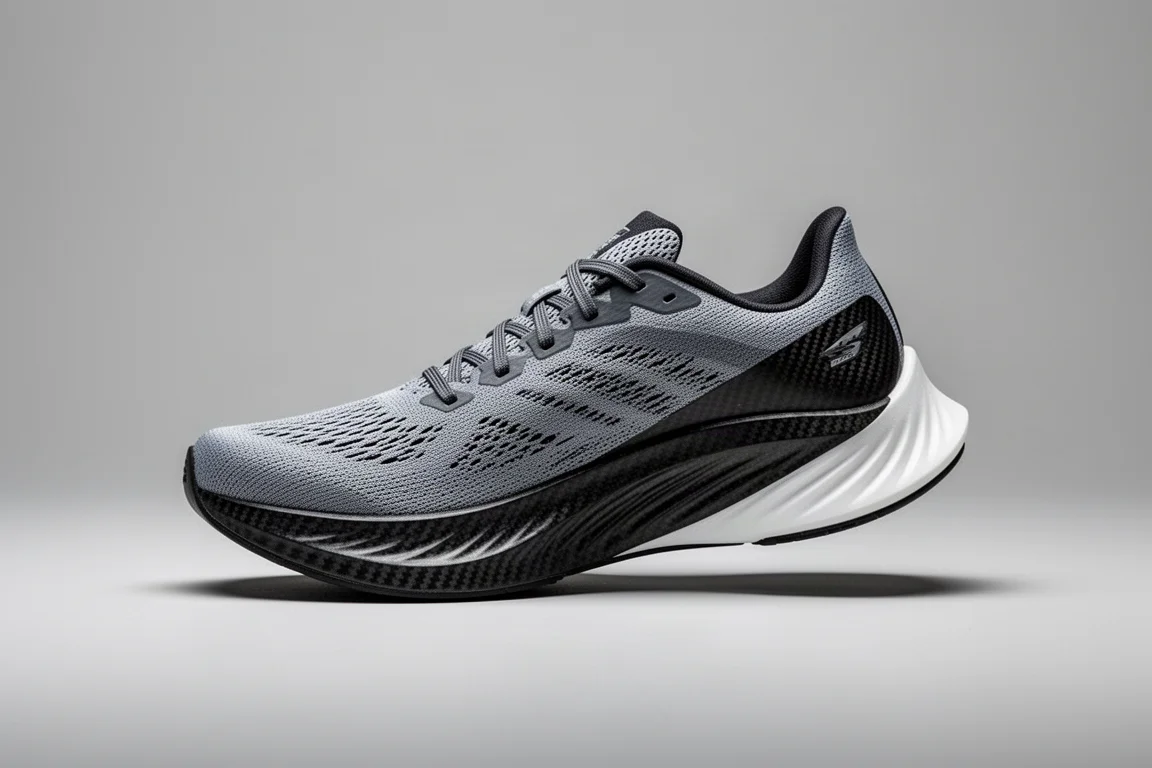
This is the shoe that ran the 2:29. Across four pairs in different colorways, it has collected nearly every personal best, including half marathon and marathon PRs, and it handled the two biggest threshold workouts of the final block. Aggressive, fast, and bouncy, it is built for chasing goals, and its rocker geometry and tall midsole deliver real protection when landing midfoot or forward.
One honest caveat: the benefits seem to show up most at faster paces. Around 5:40 per mile marathon pace, it can feel like it is beating you up in the early miles, and it performs best when you are running quicker. On race day it still delivered a strong close over the final 10K, which says a lot about how well it holds up at distance.

Buying Advice
Build a rotation around roles rather than one do-everything shoe. A durable, cushioned daily trainer like the Superblast 3 or Megablast absorbs the bulk of your mileage. A plusher option like the Vomero Plus works for easy days and recovery, and the Vomero Premium is worth a look if you want maximum off-road comfort for walking and travel. Keep a fast, aggressive race shoe like the Fast-R 3 for workouts and race day. Match the shoe to the run, and the whole build gets easier.
Conclusion
None of these shoes ran the workouts, but each one made a specific part of a sub-2:30 marathon build better: comfort when the body was banged up, durability through 200-mile months, and speed when it counted. Pick the ones that fit your paces and your budget, stack the miles, and let the gear do what it does.
Further reading
Related Reviews

Running Shoes
Best Road-to-Trail Running Shoes: Three Versatile Options for Mixed Terrain
A practical guide to three road-to-trail running shoes that handle both pavement and mild trails, with clear strengths and trade-offs for different runner types.

Running Shoes
Best Running Shoes for Achilles Tendonitis: Three Options Explained
Three running shoes with different heel drops and support features designed to help reduce Achilles tendon pain during walking and running.

Running Shoes
Best Running Shoes for Women: Five Top Choices Ranked
A ranked guide to five women's running shoes, from versatile daily trainers to high-performance racing options, with real strengths and trade-offs for each.