Cycling Upgrades
Five Road Bike Upgrades You Probably Do Not Need
Flagship groupsets, tubeless conversions, carbon bars, aero accessories and power meters: where the cost per watt really lands, and what is worth buying instead.
Introduction
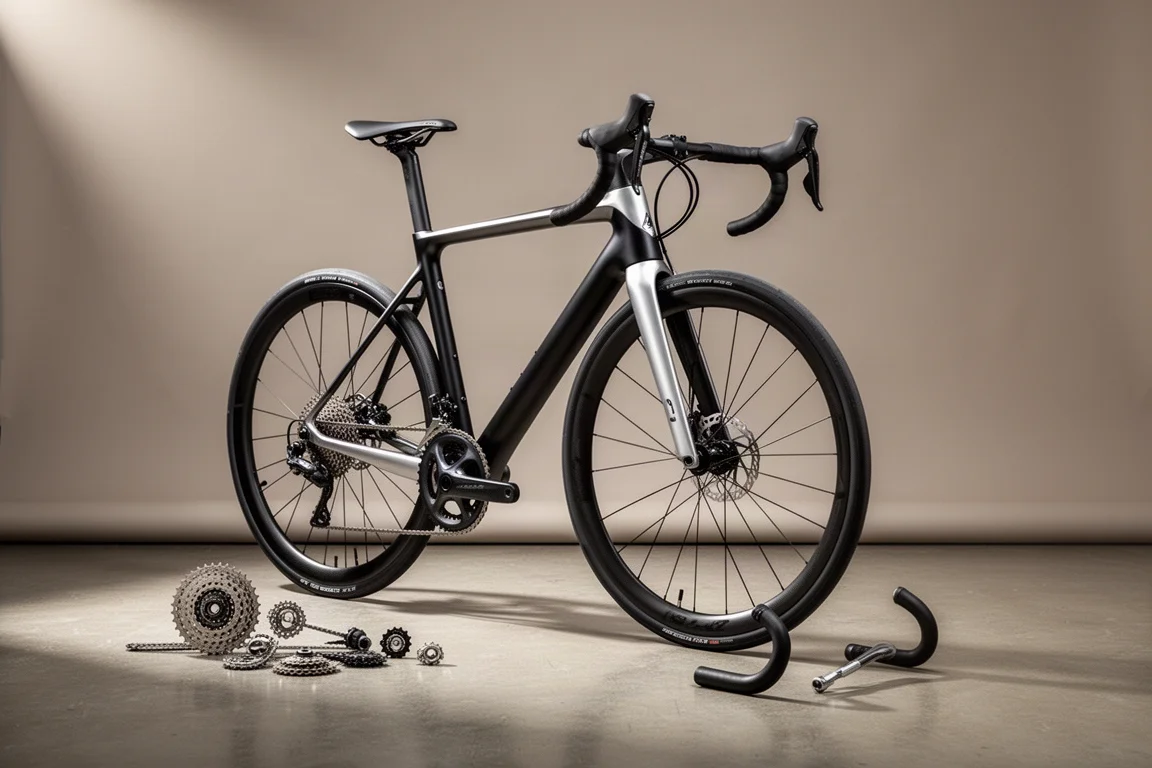
Upgrading a road bike is one of the more enjoyable parts of the hobby. Whether the aim is to ride further, ride faster, or simply ride in more comfort, there is always something new to bolt on. The catch is that some of the most heavily promoted upgrades cost a great deal and change very little about how fast you actually go. This guide covers five of them, the reasoning behind each, and where the money tends to buy something real.
How We Assessed These Upgrades
The question here is not whether a part is good. Most of the upgrades below are genuinely well made, and several of them are excellent. The question is what you pay for the benefit you receive, and whether that benefit matches the way you actually ride.
Three things shape the answer. First, measurable performance: how many watts or grams a change delivers, and at what cost. Second, maintenance: some upgrades add recurring work, and that work is part of the true price. Third, fit with your riding: a part that suits a professional racer on a structured training plan may be money poorly spent for a weekend rider.
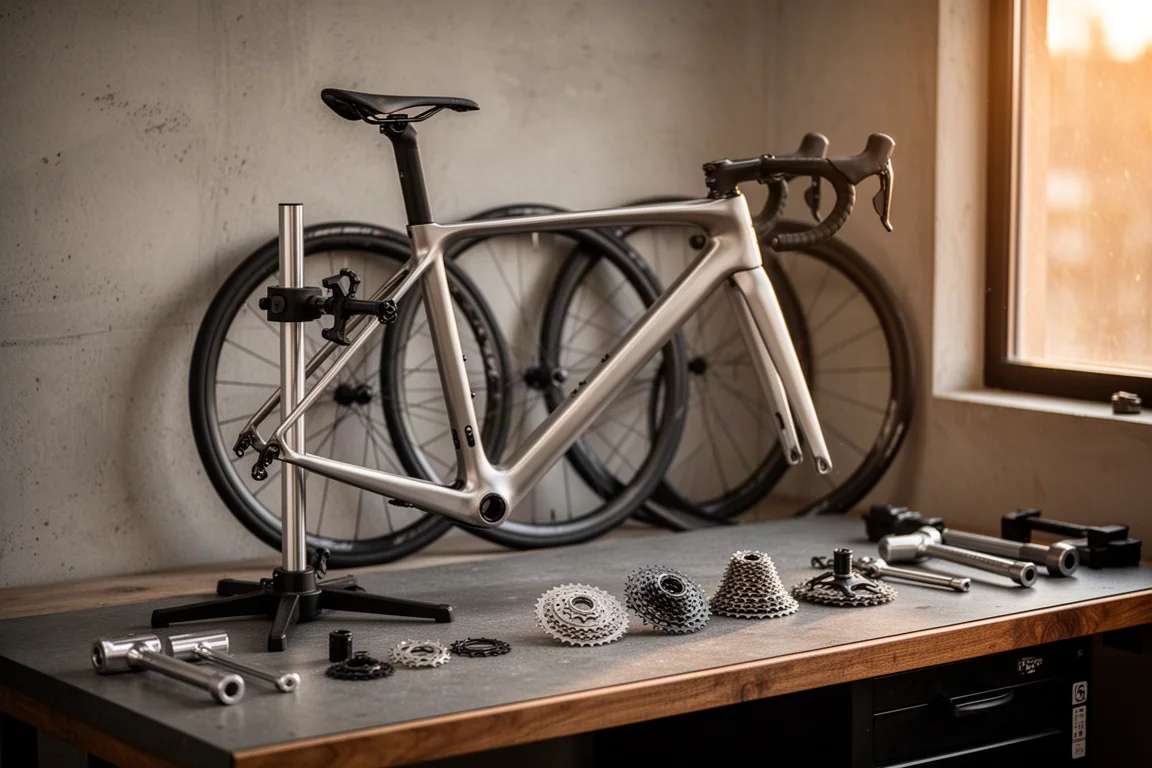
Where reliable measurements exist, they point in a consistent direction. The biggest gains are rarely the most expensive ones.
Shimano Ultegra: The Second-Tier Groupset That Covers Almost Everything
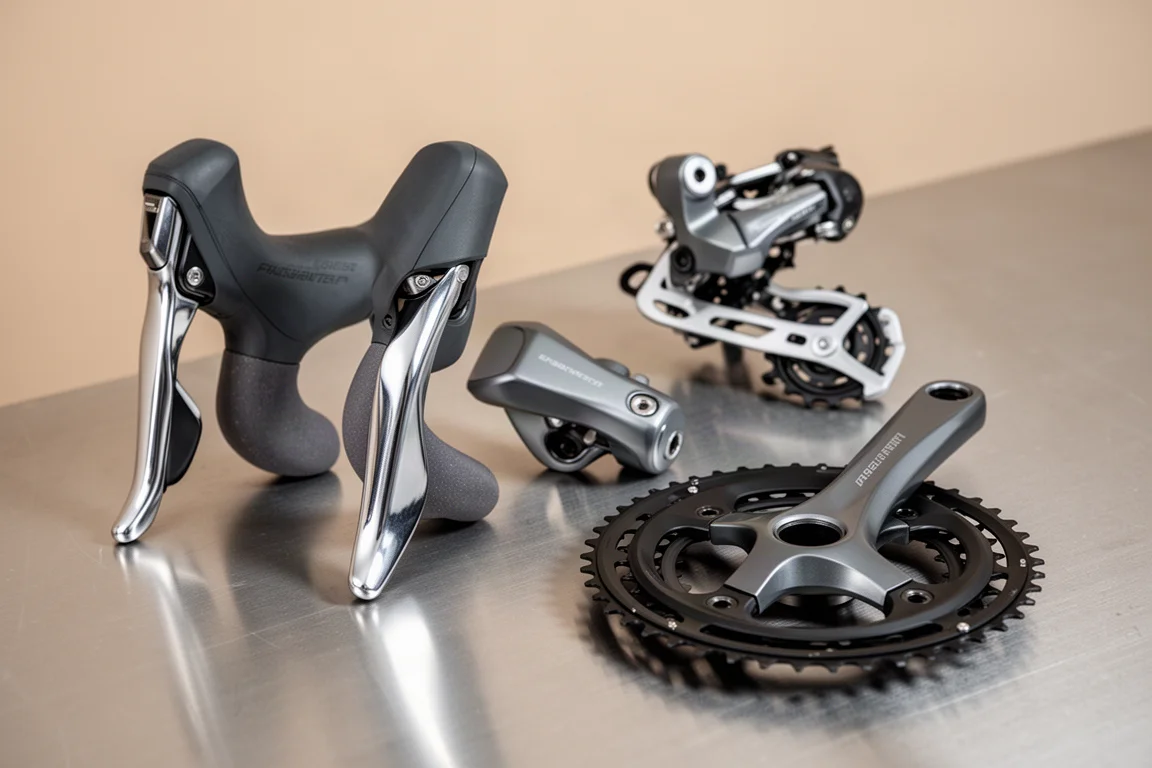
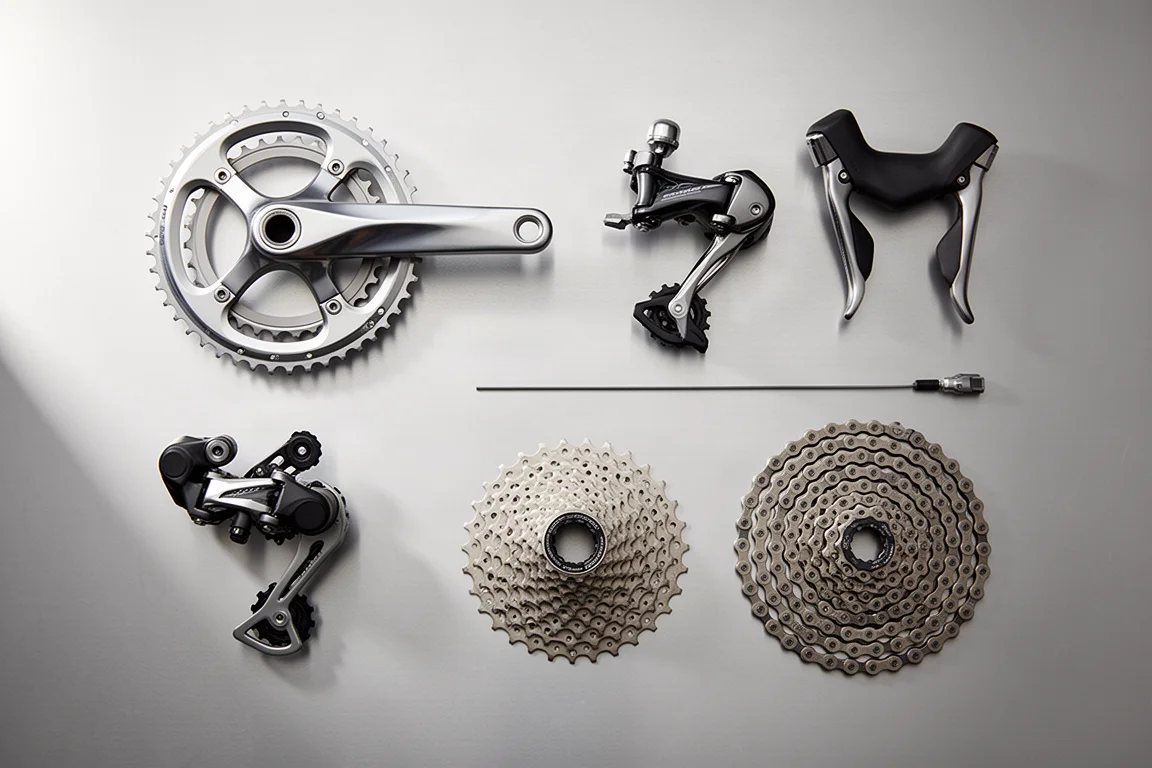
Shimano Ultegra sits one step below the flagship Dura-Ace in the range, and in the latest electronic versions the two share the same motors, the same battery and the same feature set. What separates them is material and weight, not function.
That makes Ultegra the straightforward choice for the overwhelming majority of road riders. If you are not racing at a professional level, the practical difference between the second-tier groupset and the flagship is very hard to detect on the road, while the difference in cost is easy to notice.
Shimano Dura-Ace: The Flagship Premium
Dura-Ace is the flagship, and it is built with slightly lighter materials than Ultegra. Across the groupset, those materials save just under 300 g. The price of that saving is roughly £1,100 or $1,500 on top of the equivalent Ultegra electronic groupset.
For a professional racer, or for a rider chasing the last few grams on a hill climb build, that trade can make sense. For everyone else, it is a large sum for a small number. The groupset is not the problem. The cost-to-benefit ratio is.
Tubeless Tire Conversions
Tubeless tires have improved a great deal, and for many riders they are the right answer. The upgrade is not automatically worth it, though. If you cannot be bothered with the extra maintenance, or you do not already own tubeless-ready wheels, the switch from inner tubes is a poor use of money.
Performance is a smaller factor than it is often made out to be. Independent rolling resistance testing found that a latex inner tube fitted inside a tubeless tire measured just 0.4 watts slower at 60 PSI than the same tire run tubeless with 20 ml of sealant. That is a very small gap.
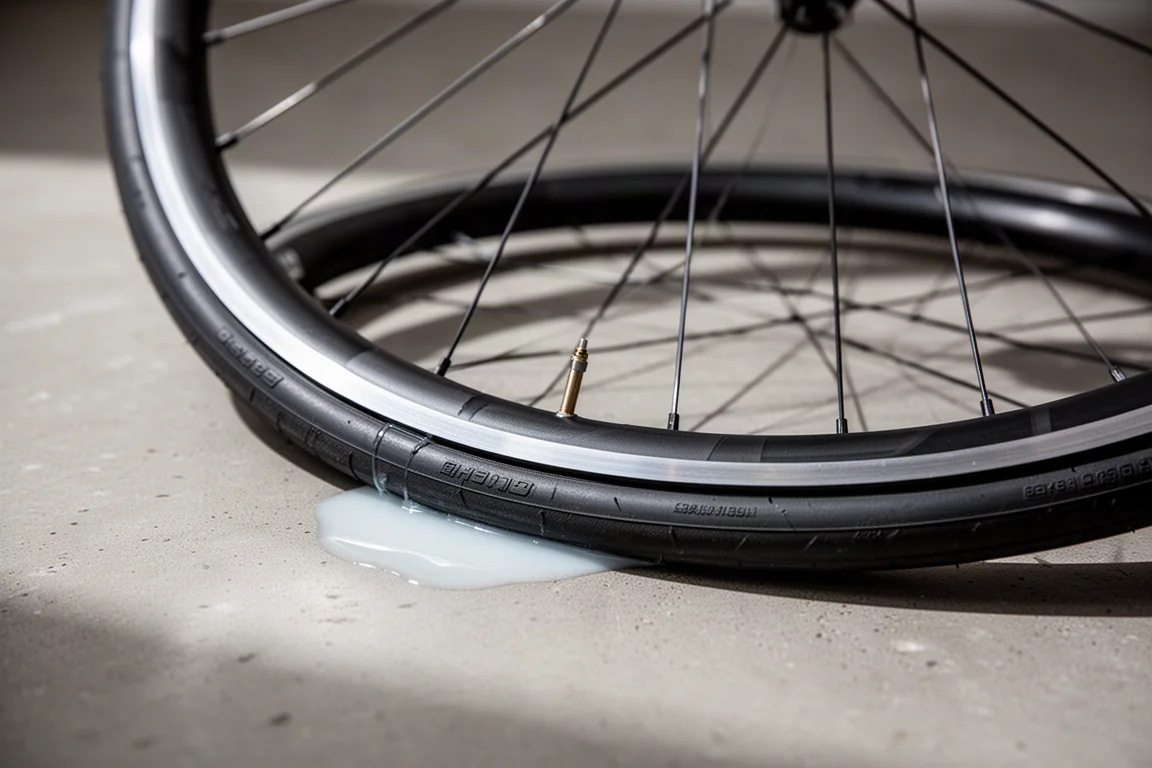
Maintenance is the bigger variable. Tubeless setups need different amounts of attention depending on where and how you ride. In a hot climate, or on debris-strewn city streets, sealant may need topping up fairly often. Going tubeless also requires specific wheels, and upgrading to a tubeless-ready set can cost hundreds or even thousands. If you already have tubeless-ready wheels, the conversion is far more economical and can be a sensible move for puncture protection.
Carbon Handlebar Upgrades
Carbon handlebars are tempting, and they are usually bought for one of three reasons: they can be a little lighter, they can reduce road buzz reaching your hands, and carbon can be molded into aerodynamic shapes that alloy cannot match.
The gains are small. Even the best carbon handlebars are likely to save only a few grams or a few watts, while the price difference against a good alloy bar can be substantial. There is a durability consideration too. After a drop or a crash, many brands advise replacing a carbon bar as a precaution, which adds to the long-term cost of ownership.
None of this makes carbon bars a bad product. It does mean they are a weak first stop if you are shopping for speed.
Aero Accessories and Free Speed
Aerodynamic accessories are where the cost-to-benefit ratio gets stretched furthest. Aerodynamically optimised oversized pulley wheel systems and very expensive socks are popular, but they are not the most effective way to raise your average speed.
Cost-per-watt testing of several popular aero upgrades produced a clear result: the best value change was free. Simply riding in a more aerodynamically efficient position saved over 30 watts compared with a baseline position. Holding that position takes time and training, and it is not comfortable at first, but the numbers are difficult to argue with.
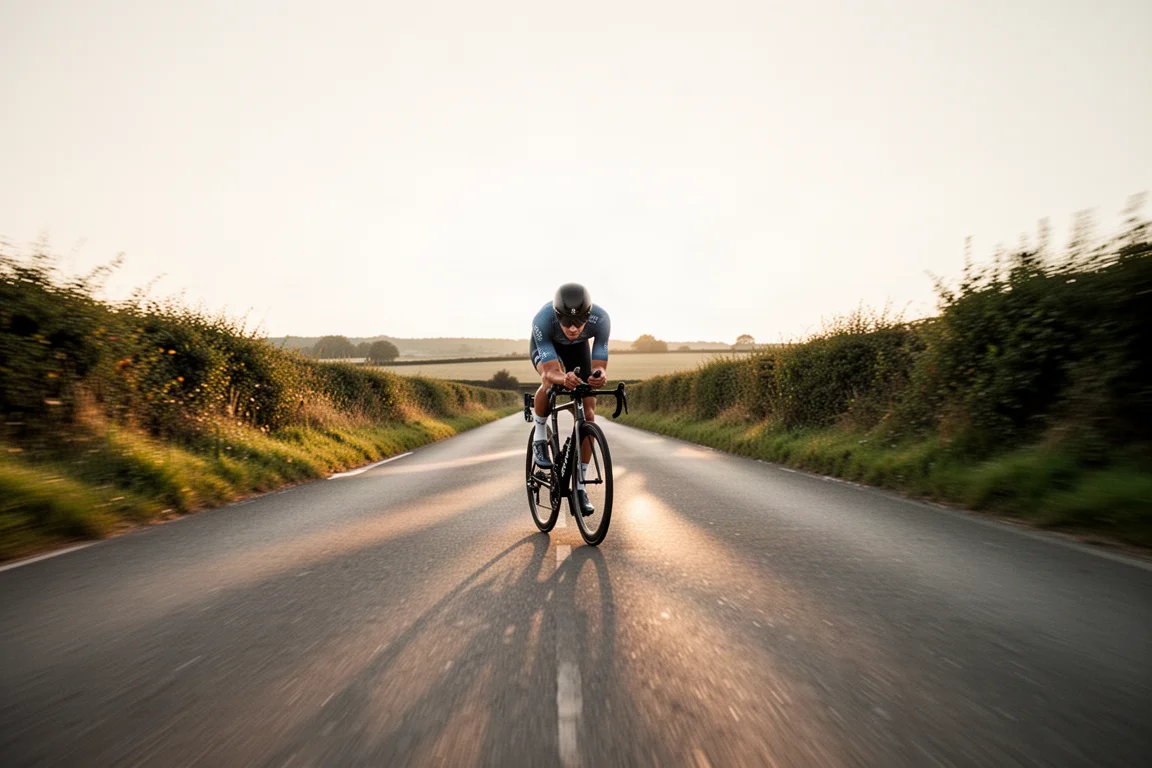
Spending on aero kit is not pointless, and small gains do add up over a long ride. It is simply a question of order. Position first, equipment second.
Power Meters
Power meters are increasingly common on new bikes, and they are genuinely useful tools. The question is whether you are using the tool.
If you are not following a training plan, or not using the numbers to chart your improvement, a power meter is largely dead weight and spent money. The devices come in several forms, with sensors placed in pedals, cranks, crank spiders and even wheel hubs, and each format has its own positives and negatives. Some units report pedal balance, which can be useful information for preventing or managing injuries.
There is a fun side to the data as well. Comparing your numbers with riding friends, or seeing how your efforts stack up against professional riders, has its own appeal. That said, a power meter costs at least a few hundred, and the best ones considerably more. It is a lot to spend on a device whose output you never act on.
Buying Advice
The pattern across all five upgrades is the same. The money is rarely the issue on its own. The issue is paying a premium for a benefit that does not reach you.
Start with the changes that cost nothing or very little. A more aerodynamic riding position delivered the largest measured gain of anything examined here, and it costs only the time spent adapting to it. Lightweight builds do not require flagship parts either. At national hill climb championships, the fastest bikes are frequently assembled from well-priced components rather than top-tier ones.
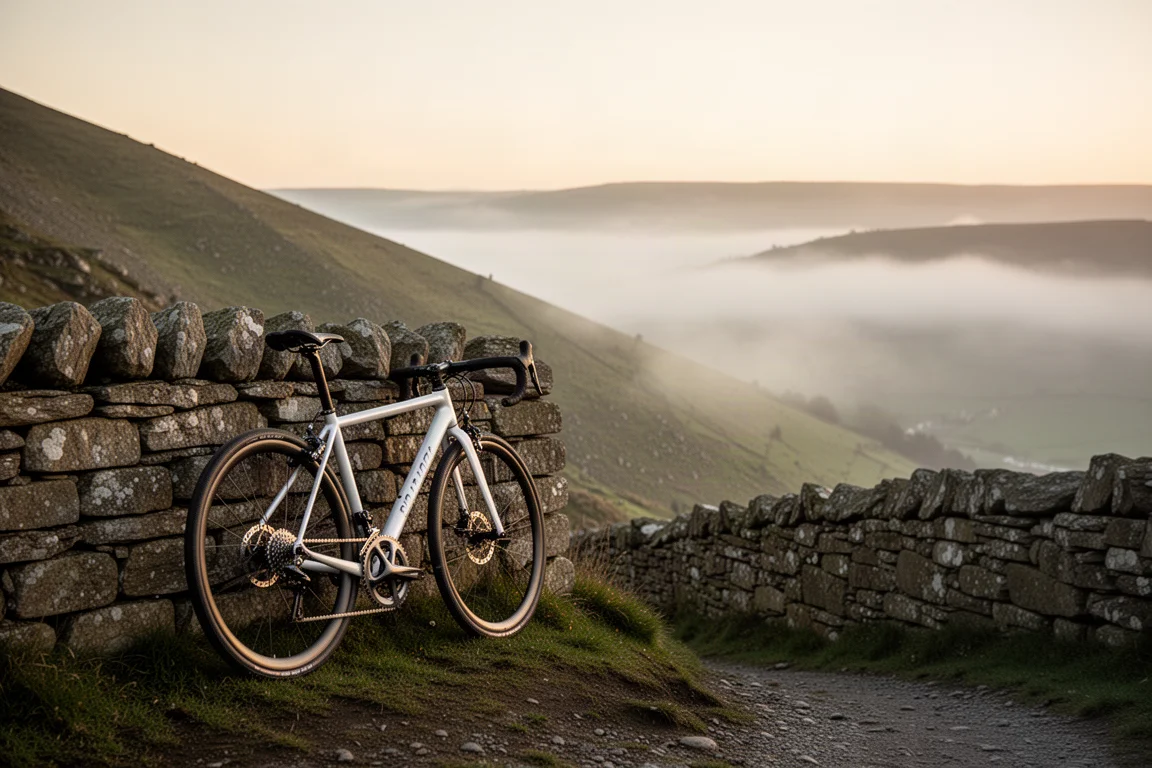
Then spend on the things that change how the bike feels or how often it lets you down. If you ride regularly and want electronic shifting, a second-tier groupset gives you the same motors, battery and features as the flagship for considerably less. If you already own tubeless-ready wheels, a tubeless conversion is an economical upgrade with real puncture protection benefits. Save the premium parts for the cases where you can point to the specific benefit you are buying.
Conclusion
None of these five upgrades is bad in isolation. Flagship groupsets, tubeless tires, carbon bars, aero accessories and power meters all do what they claim. What they rarely do is deliver enough benefit to justify their price for a rider who is not racing at the highest level.
The most reliable way to get faster remains the cheapest one: ride in a better position, build fitness, and spend on parts that solve a problem you actually have. That approach leaves more money for riding, which is the upgrade that pays off most consistently.
Further reading
Related Reviews
Cycling Upgrades
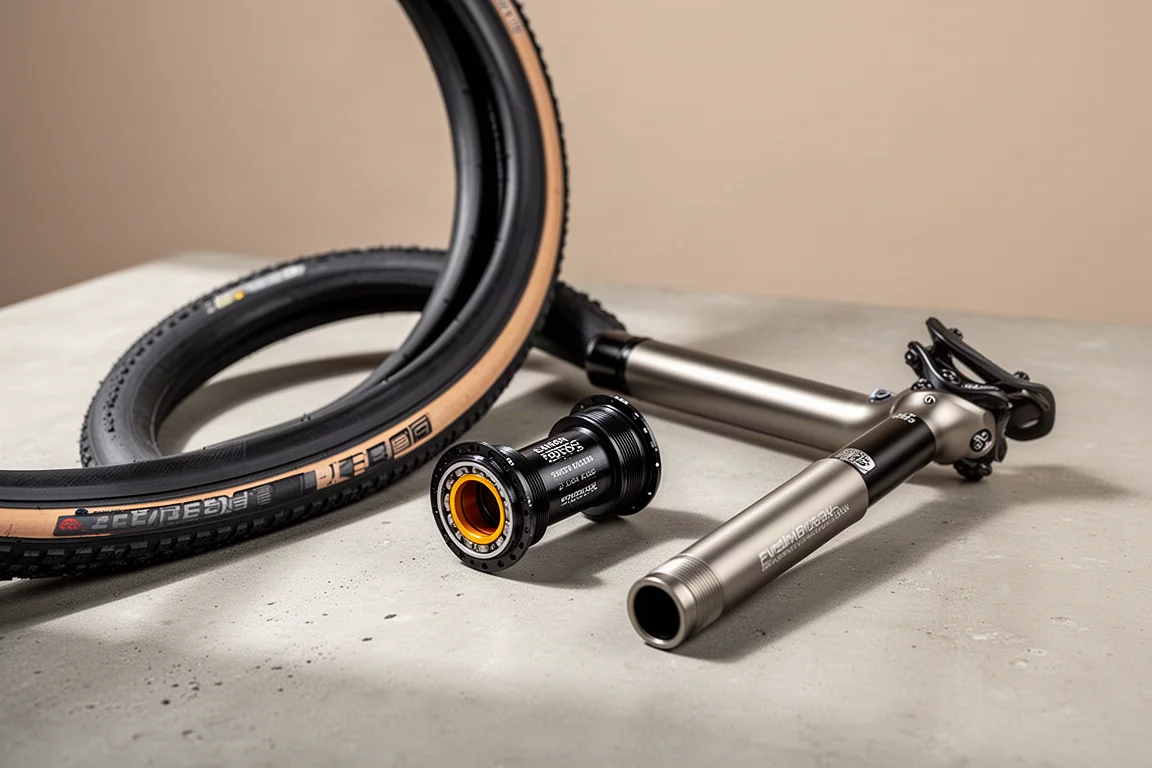
Best Bike Upgrades 2026: Three Practical Upgrades for Better Riding
A supple race tire, a durable ceramic bottom bracket, and a suspension seat post each offer distinct benefits and trade-offs.
Cycling Upgrades
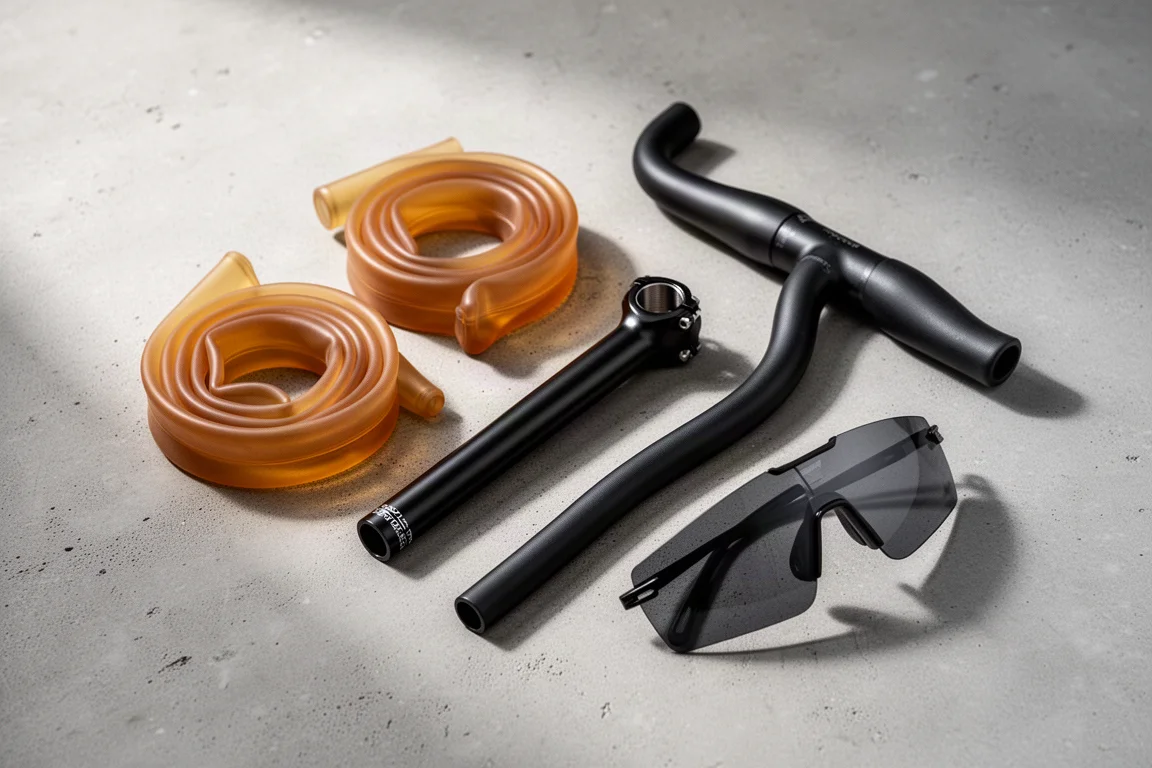
Cheap Road and Gravel Bike Upgrades: Five Budget Picks Worth Buying
Five low-cost upgrades for road and gravel bikes, from latex inner tubes with a measurable speed gain to budget stems, handlebars and sunglasses.
Cycling Upgrades
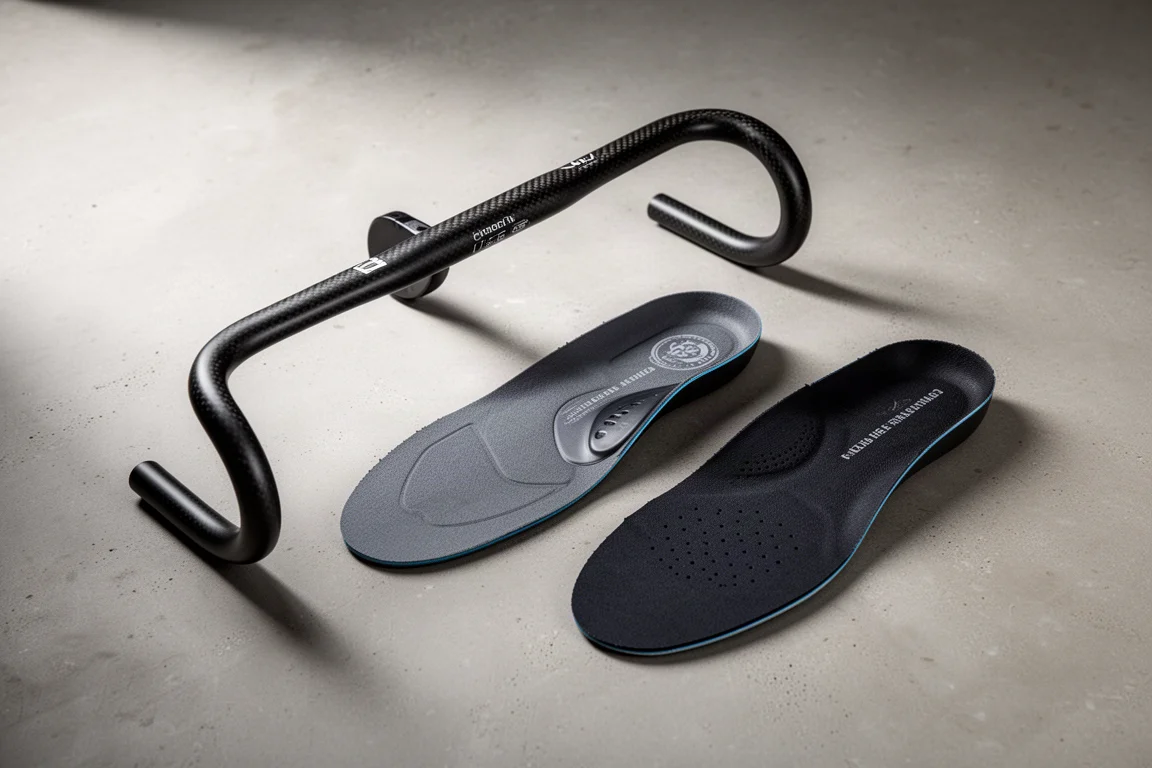
Best Value Bike Upgrades: Handlebars and Arch Support Insoles Worth Buying
Three low-cost cycling fit upgrades that change how a bike feels: a narrow internally routed handlebar and two arch support insole options.