Outdoor Gear
Five Pieces of Gear That Changed the Game for Hiking and Mountaineering
Five outdoor essentials that each solve a specific problem, from a packable synthetic insulation layer to a single-wall shelter and a satellite communicator.
Introduction
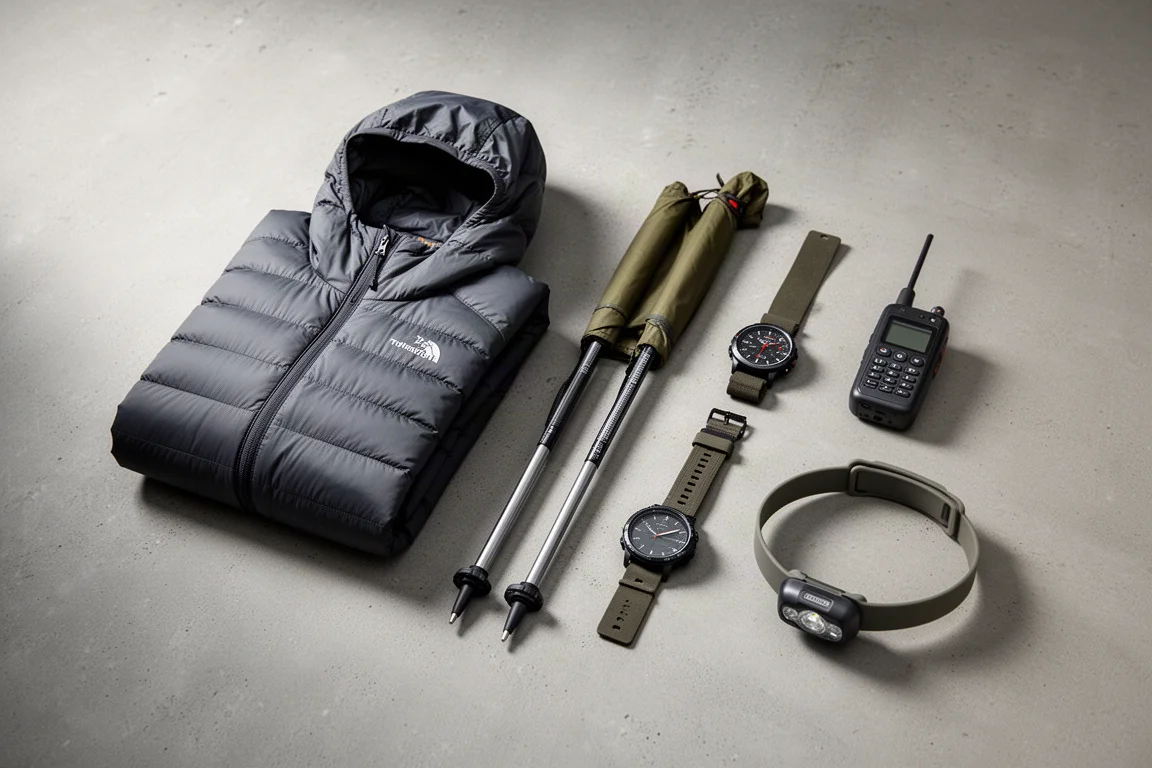
A day in the mountains is rarely decided by one piece of equipment, but a small handful of items can shift how far you are willing to go and how much you enjoy getting there. The five pieces in this roundup were not chosen for long feature lists. Each one solved a specific problem that other gear in the same category had left unsolved.
They also cover a broad spread of budgets, from specialist purchases down to small accessories, and each has been used repeatedly in real conditions: mountaineering, long-distance hiking, running on rough ground and cold winter days out. Some are genuinely innovative designs, while others are simple ideas executed unusually well.

What ties them together is that none of them ask much of the person carrying them. They pack down, they keep working, and they remove a small source of friction from a long day outside.
How These Five Pieces Earned Their Place
Two things separate gear that earns a permanent place in a pack from gear that gets left at home. The first is a genuine design idea, something that changes how a product performs rather than how it looks on a specification sheet. The second is versatility, the ability to do useful work in more than one situation.
Everything below meets both tests. A jacket that works as an outer layer on a climb and as the main insulated layer on a long-distance route, a shelter that can be configured for one person or two, a watch that turns effort into readable data, a communicator that works where phones do not, and a head torch that stays put when the terrain turns rough.
Patagonia Micro Puff Hoodie: A Different Approach to Synthetic Insulation
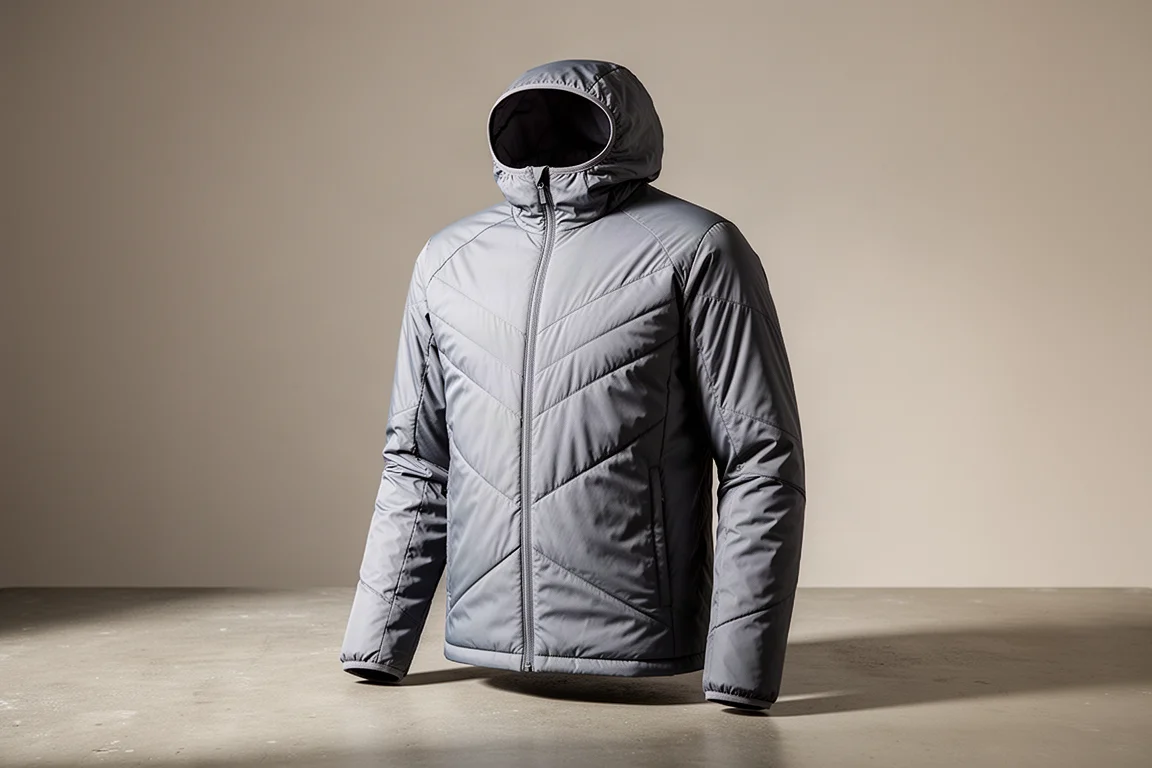
The Micro Puff Hoodie is the result of roughly ten years of development on its insulation. The material is called PlumaFill, and the goal was to recreate the behaviour of down as closely as possible in a synthetic fill. The jacket packs into its own left-hand pocket, which makes it easy to carry as a just-in-case layer.
The construction is where the design gets interesting. Instead of the straight, parallel baffle lines used on most insulated jackets, the Micro Puff uses an offset pattern. That layout allows for a higher loft area, lets heat move more freely inside the jacket and uses less stitching, which keeps the weight down. It also has a practical benefit on wash day: the insulation stays where it is instead of clumping into one corner, so there is no need to put tennis balls in the dryer.
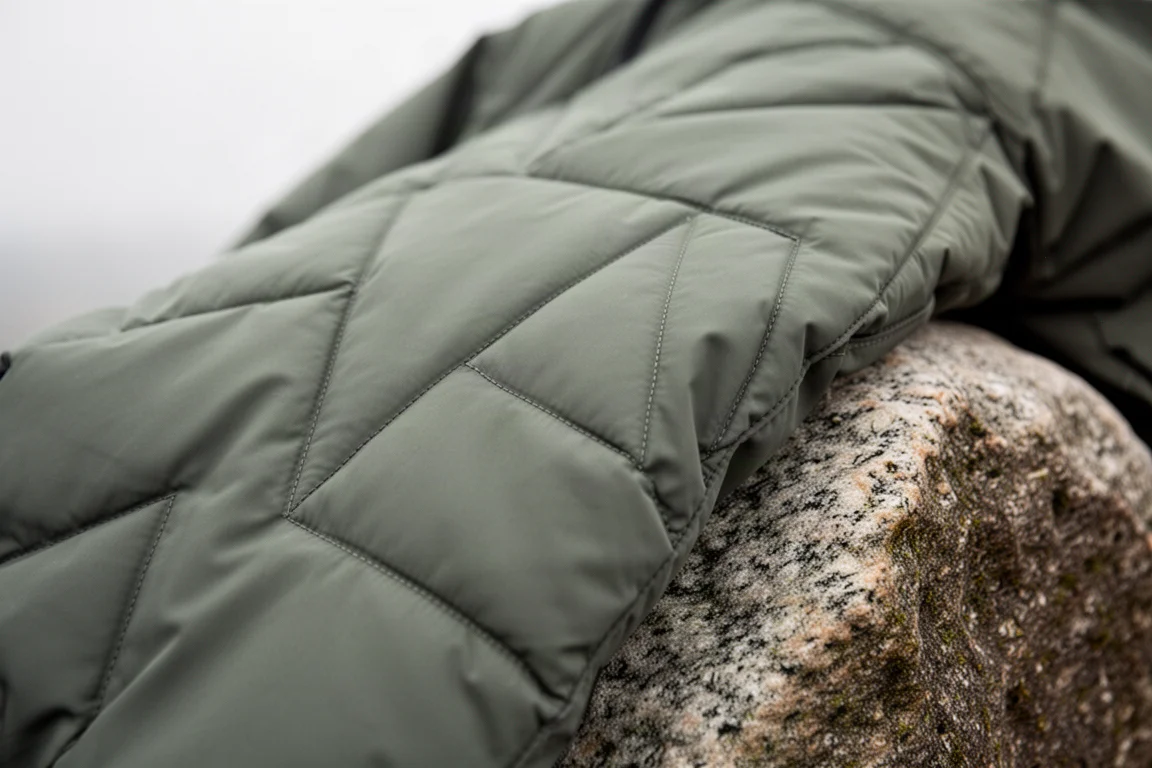
Around the outside there is a DWR treatment that makes the jacket somewhat water resistant, and in practice it behaves as effectively windproof. That combination is what makes it so adaptable. It is light and durable enough to wear as an outer layer while mountaineering, and packable enough to serve as the main insulated layer on a through hike. A medium weighs 10.3 ounces, or 293 grams, which is more than some lighter synthetic alternatives, and the jacket costs more than those options too, but it is also the warmer of the two. The shell is made partly from recycled fishing nets.
Lightwave Pira: A Single-Wall Tent Built Around Moisture Control
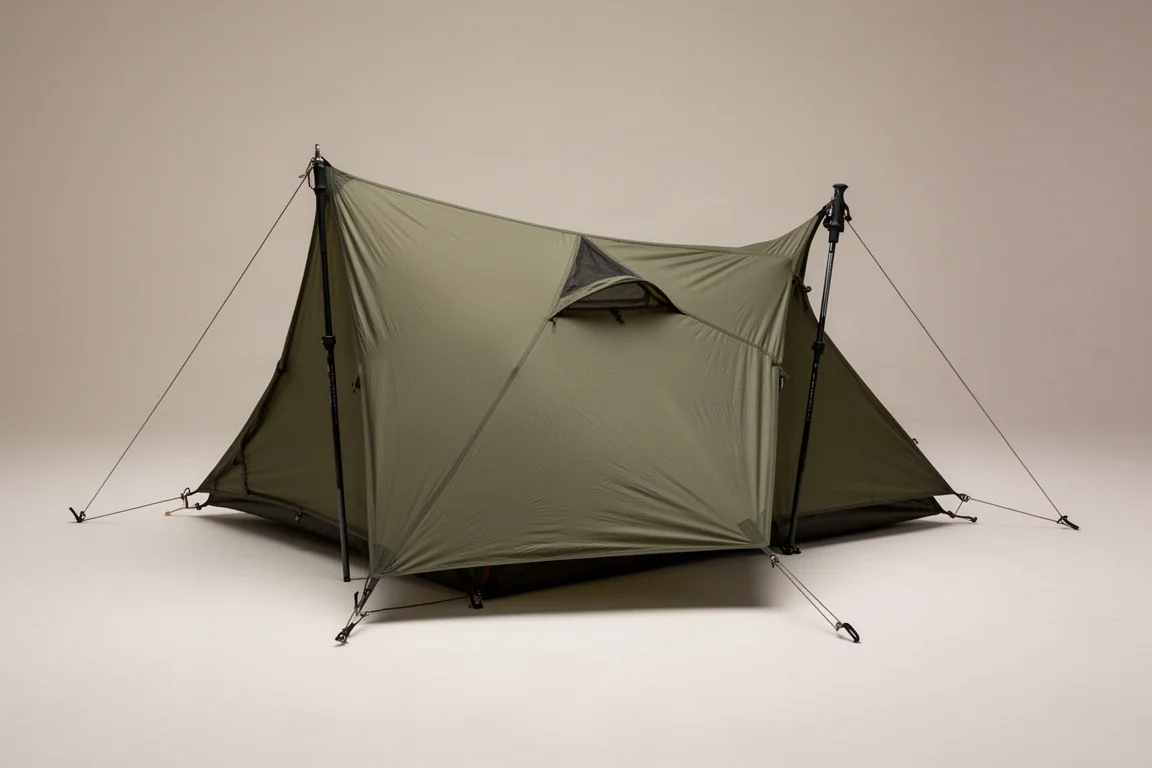
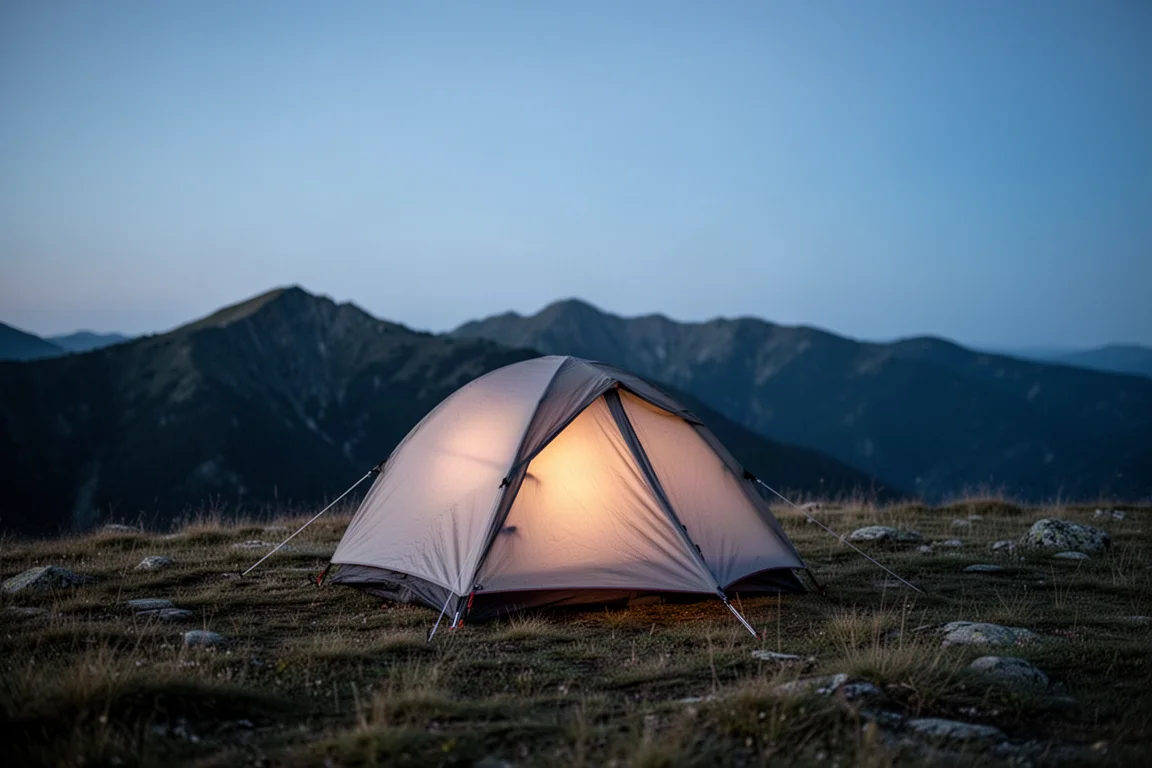
The Pira is a single-wall tent, and the thinking behind it starts with moisture. In a conventional tent, condensation builds on the inside of the fly and eventually soaks whatever is touching it. A single-wall design with generous ventilation keeps a clearer barrier between the sleeper and the outside air, so the sleeping bag and spare clothes stay drier.
What makes the Pira unusually flexible is that the mesh inner and the outer shell are separate. The mesh comes in single and double versions, so the same shelter can be set up for one person or two, and on trips where bugs are not a concern the outer shell can be pitched on its own. It goes up with one or two trekking poles, which means no structural poles need to be carried at all. The tent is not treated as a source of warmth; that job belongs to the sleeping bag, and this design leaves it there.
Lightwave is based in Ukraine and continues to produce equipment.
Garmin Forerunner 245: Making Heart Rate Data Useful
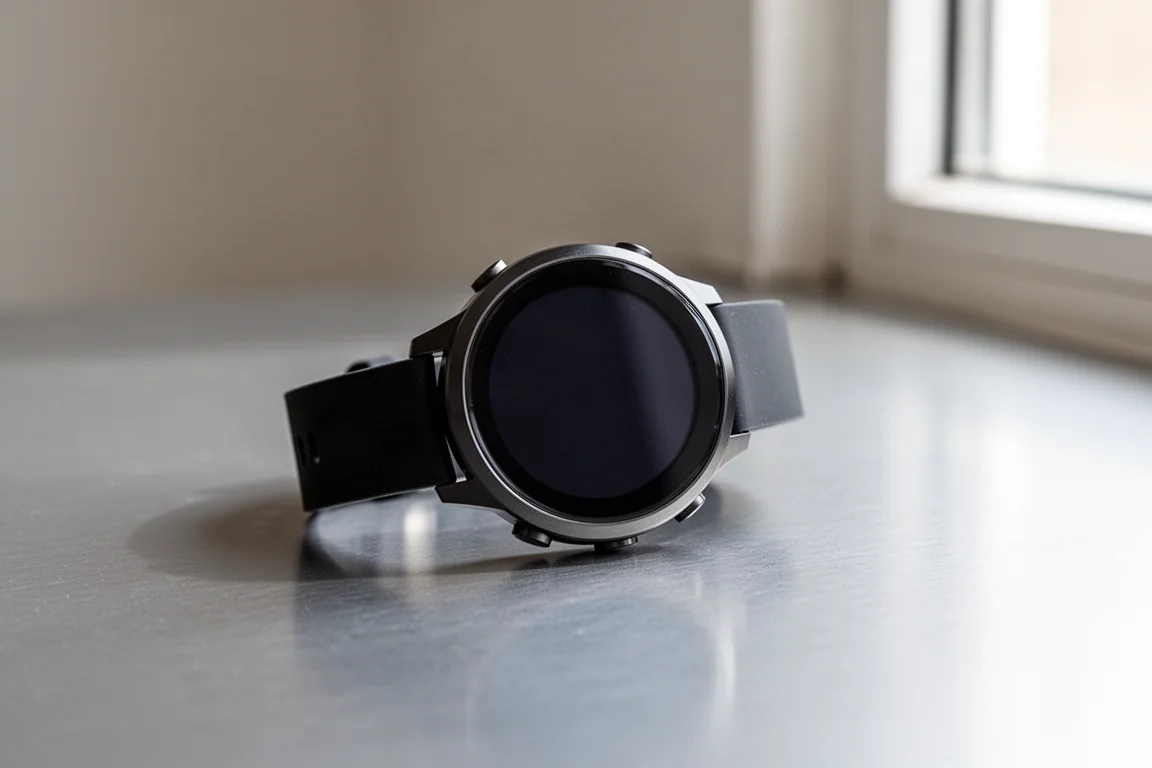
The Forerunner 245 matters less on its own than it does paired with a chest strap heart rate monitor, which delivers far more accurate data on what the heart is actually doing. Together they turn a hike or a training session into something measurable.
That feedback loop is the real benefit. Many hikers never get fitter from hiking alone because their effort settles into a middle zone: not hard enough to build maximum aerobic capacity and not long enough to build deep endurance. Seeing heart rate in real time makes that pattern obvious, and it does not take long to learn what each zone means and which adaptations come from working in it.

The watch itself sits toward the lower end of the brand’s range and is not designed with hikers in mind. That is a deliberate trade-off. Heart rate and training feedback are the priorities here, and navigation is handled by a separate device.
For anyone who has wondered why long days out are not translating into fitness, this combination is a practical way to see what is actually happening.
Garmin inReach Mini 2: Communication Beyond Phone Signal
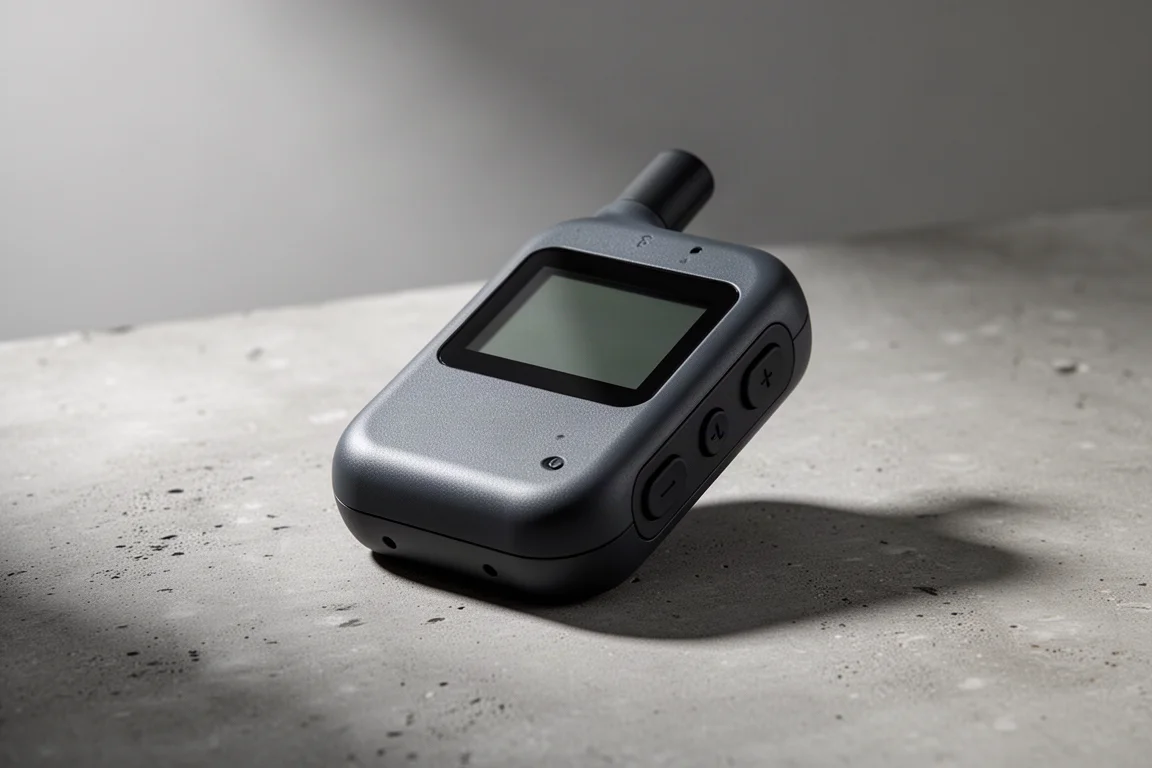
The inReach Mini 2 changes what is possible rather than what is comfortable. It is a satellite communicator, which means messages can be sent and received well outside phone coverage. That gives peace of mind on both sides: the person on the trail can push further without losing contact, and family at home know that an update or a request for help is only a message away.
It is also the device used for GPS. Because the Forerunner 245 is not used for navigation, the inReach Mini 2 covers positioning on the route, which keeps the watch focused on training data.
Knog Quokka Run 150: A Head Torch That Stays Where You Put It
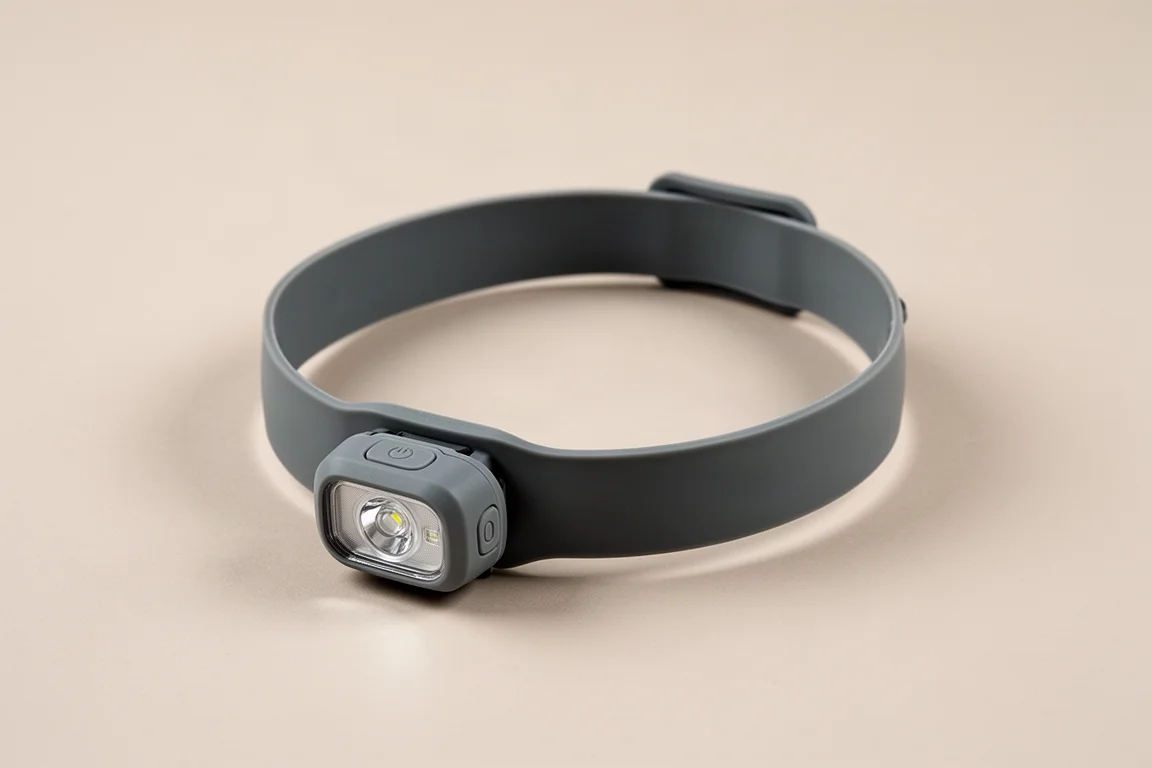
Head torches have looked broadly the same for years, with batteries and emitters clustered at the front. The Quokka Run 150 takes a different approach and splits the torch into two parts: a silicone outer that doubles as the strap, and a very small lamp unit that charges over USB. Knog designed it in Melbourne, Australia, and offers a 100 lumen version alongside the 150 lumen model.
The payoff is stability. On fast descents and awkward terrain the light stays exactly where it was placed, with none of the bouncing that comes from a torch carrying three or four batteries at the front. Once it is on, it is easy to forget about it entirely.
Overall Buying Advice
The right purchase depends on the problem you actually have. If versatility matters most, an insulated layer that works both as an outer shell and as a mid layer covers the widest range of conditions. If damp gear has been the recurring frustration, a shelter built around ventilation addresses it more directly than a heavier tent. If you want to know whether your hiking is making you fitter, heart rate data is the missing feedback. If your routes regularly leave phone coverage behind, a satellite communicator is the piece that opens them up. And if a bouncing light has been the annoyance on night runs, a torch that stays where it is put is a small change with an outsized effect.
Price and weight are the two trade-offs that come up most often. The Micro Puff Hoodie is heavier and more expensive than some lighter synthetic layers, and it is also warmer, which is a straightforward trade rather than a flaw. The Pira asks you to carry trekking poles, which most long-distance hikers do anyway. The Forerunner 245 gives up full navigation features to keep training data front and centre.
The most useful question before buying any of these is which problem shows up on your trips most often. Gear that answers a real frustration tends to stay in the pack for years, while gear bought for its specification sheet tends to be left behind.
Conclusion
Five pieces of kit, five different problems solved. None of them are essential to spending time outdoors, and none of them replace fitness, planning or experience. What they do is remove friction: the layer that is too heavy to bring along, the damp sleeping bag after a night of condensation, the training that never quite translates into progress, the uncertainty of being out of contact, and the torch that will not sit still.
Gear is a small part of the whole experience of hiking, and the mountains reward preparation and attention more than equipment. But when a piece of gear quietly makes a hard day easier, it has earned its place.
Further reading
Related Reviews
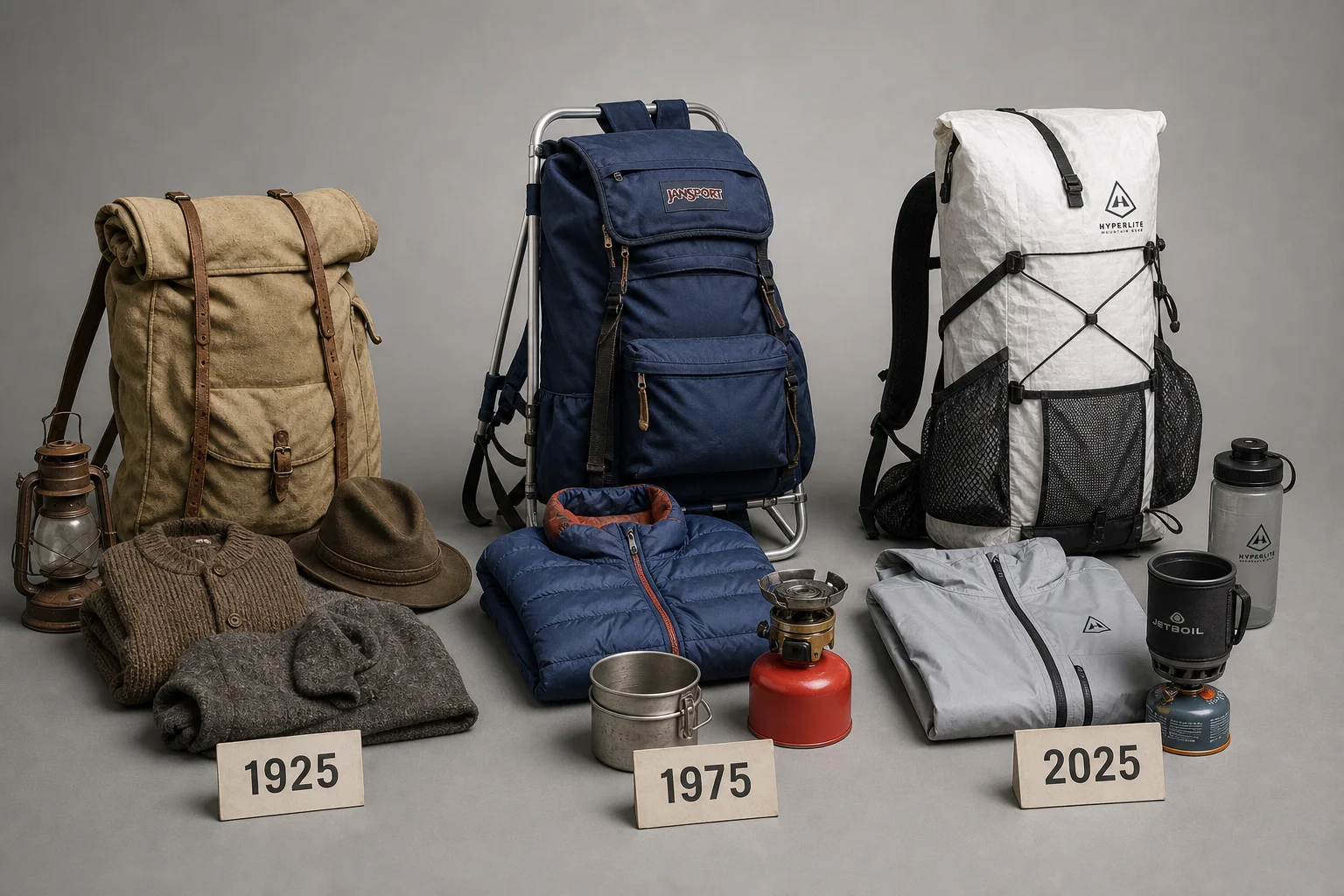
Outdoor Gear
Backpacking Gear Evolution: 100 Years of Technology Compared
We tested backpacking gear from 1925, 1975, and 2025 across a three-day hike in Yosemite. Here's how technology has transformed comfort, weight, and the outdoor experience.
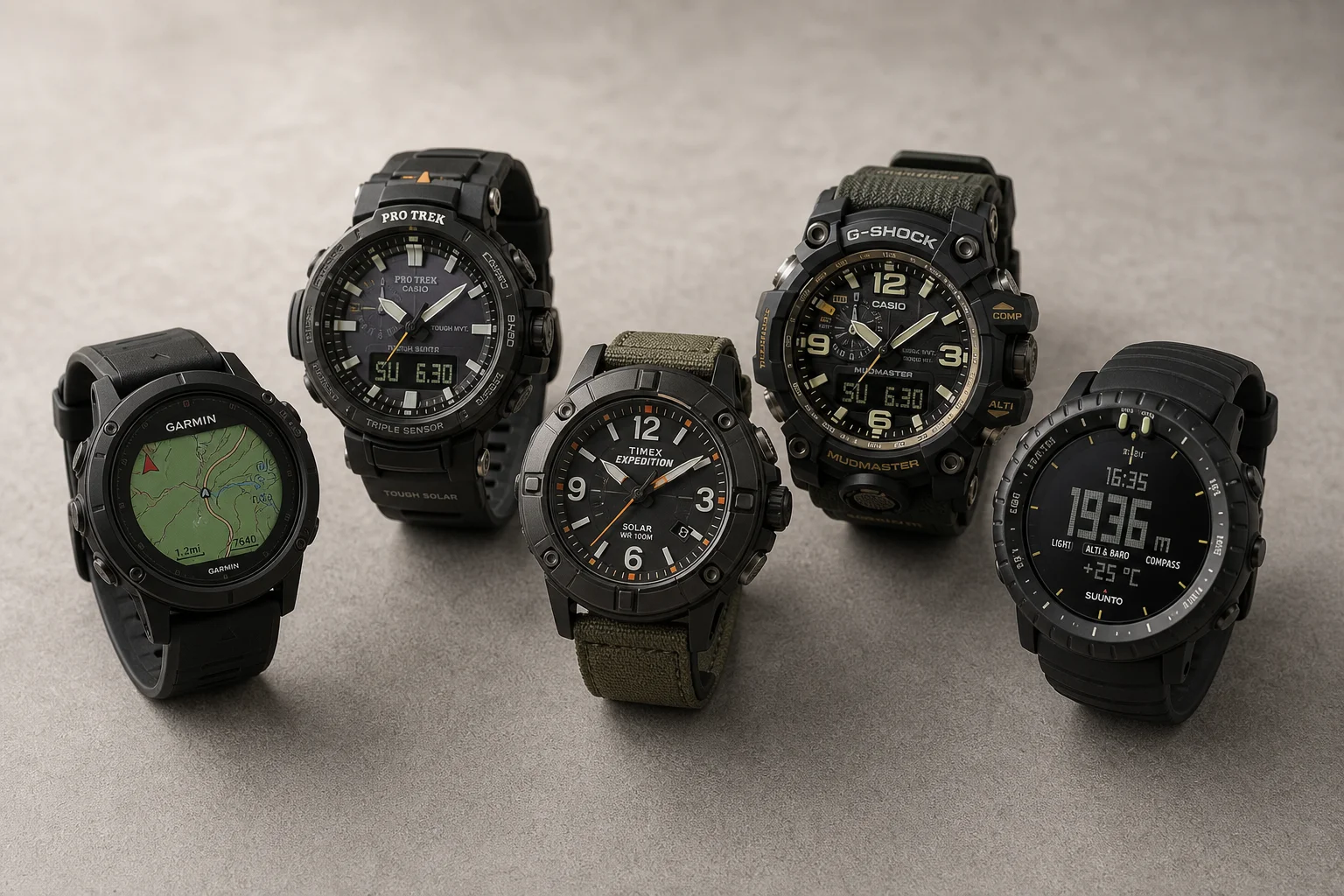
Outdoor Gear
Best Affordable Hiking Watches: Five Rugged Options for Outdoor Adventures
Five durable hiking watches that balance ruggedness, functionality, and value for outdoor enthusiasts who need reliable GPS tracking and weather resistance.
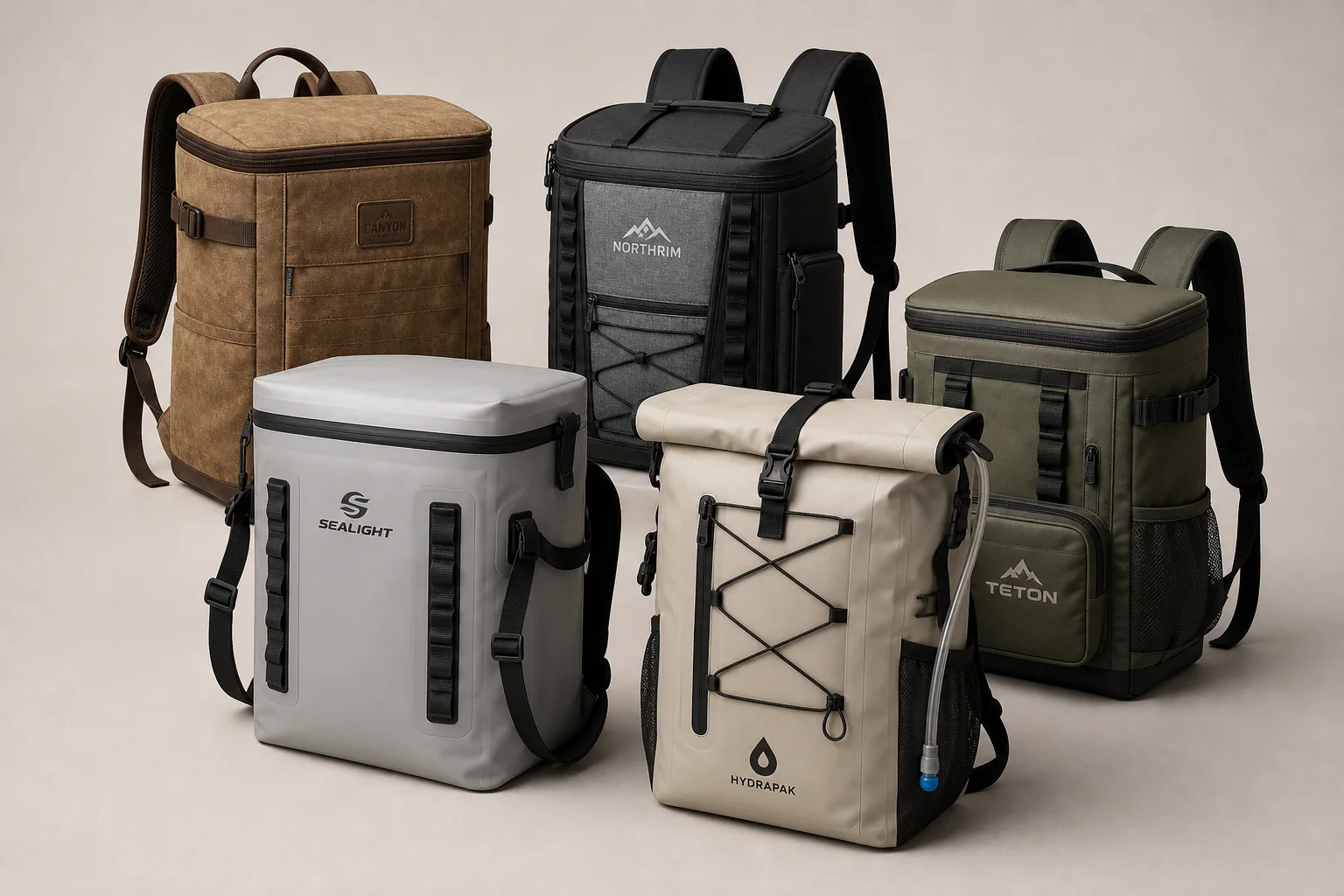
Outdoor Gear
Best Backpack Coolers 2026: Five Practical Options for Outdoor Adventures
Five backpack coolers with distinct cooling capabilities, storage features, and design trade-offs to help you choose the right one for your outdoor needs.