Outdoor Gear
Five New Backpacking and Camping Gear Picks Worth a Closer Look
Five pieces of new backpacking and car camping gear, from a modular sleep system and a 4.2 R-value pad to a wide-burner stove and a portable propane fire pit.
Introduction
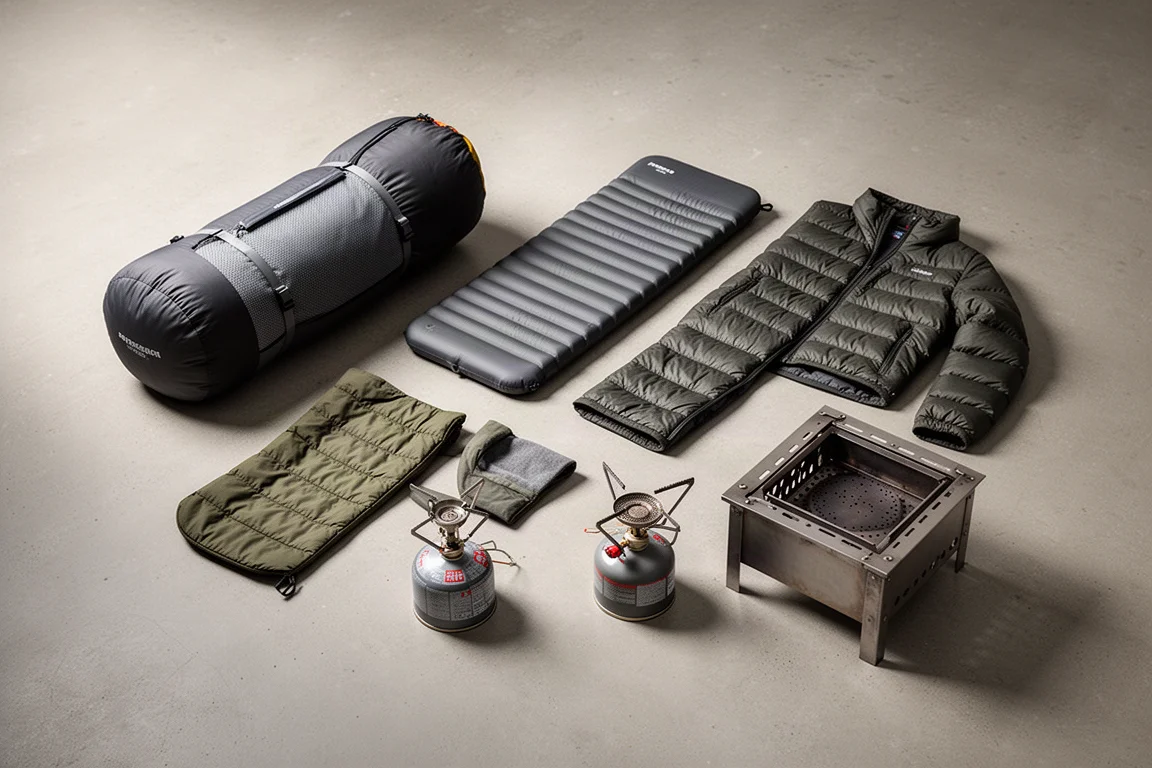
Five pieces of gear stand out for backpackers and car campers this season, and between them they cover very different parts of a trip. There is a modular sleep system that can be stripped down for warm nights, a lightweight pad built for three-season use, a thin synthetic jacket that is warmer than it looks, a remote-canister stove with a burner wide enough for a frying pan, and a portable propane fire pit for campsites where a wood fire is not an option.
Some of these pieces have already seen real use on trips, in camp and around town. Others are assessed from a close out-of-the-box look, with field time still ahead. Either way, the details below are what matter when you are deciding whether something earns space in your pack or in your car.
What to Look For in This Roundup
Temperature ratings deserve the first and closest read. A number printed on a sleeping bag or a sleep system is usually a limit or survival figure rather than a comfortable sleeping temperature, so a 20-degree system often feels right somewhere in the 30s. Modular pieces, such as a liner combined with a top quilt, let you shift that range without buying a second bag, which is why they are worth the extra complexity for anyone who sleeps out across several seasons.
Weight and packed volume come next. A pad that is light for its insulation value, or a jacket that comes in under 11 ounces, is easier to justify carrying on longer trips. Packed size matters just as much in a small tent, where a bulky pad can crowd out everything else.
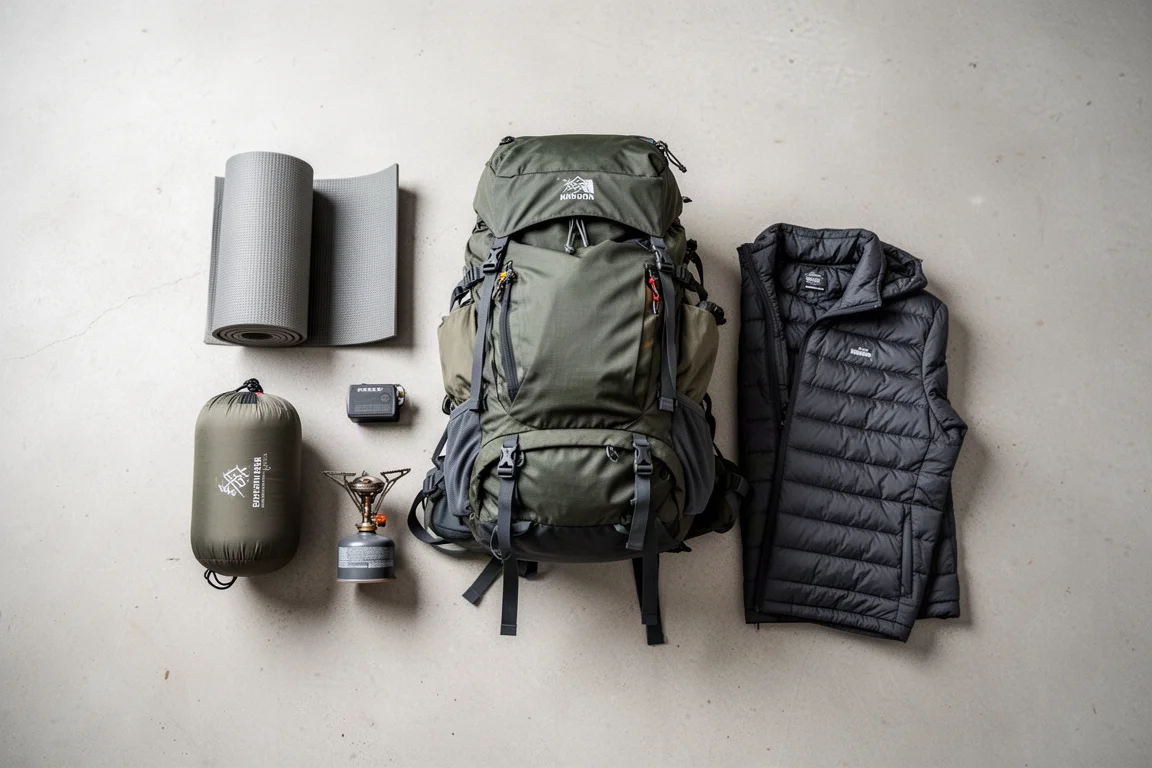
Fuel type and ease of use round out the picture. Canister stoves are simple and predictable but behave differently in the cold, while propane accessories for car camping trade light weight for convenience and a much larger fuel supply. Think about how you actually camp before paying for capability you will not use.
Big Agnes Lost Ranger 20 Sleep System: A Modular Three-in-One Design
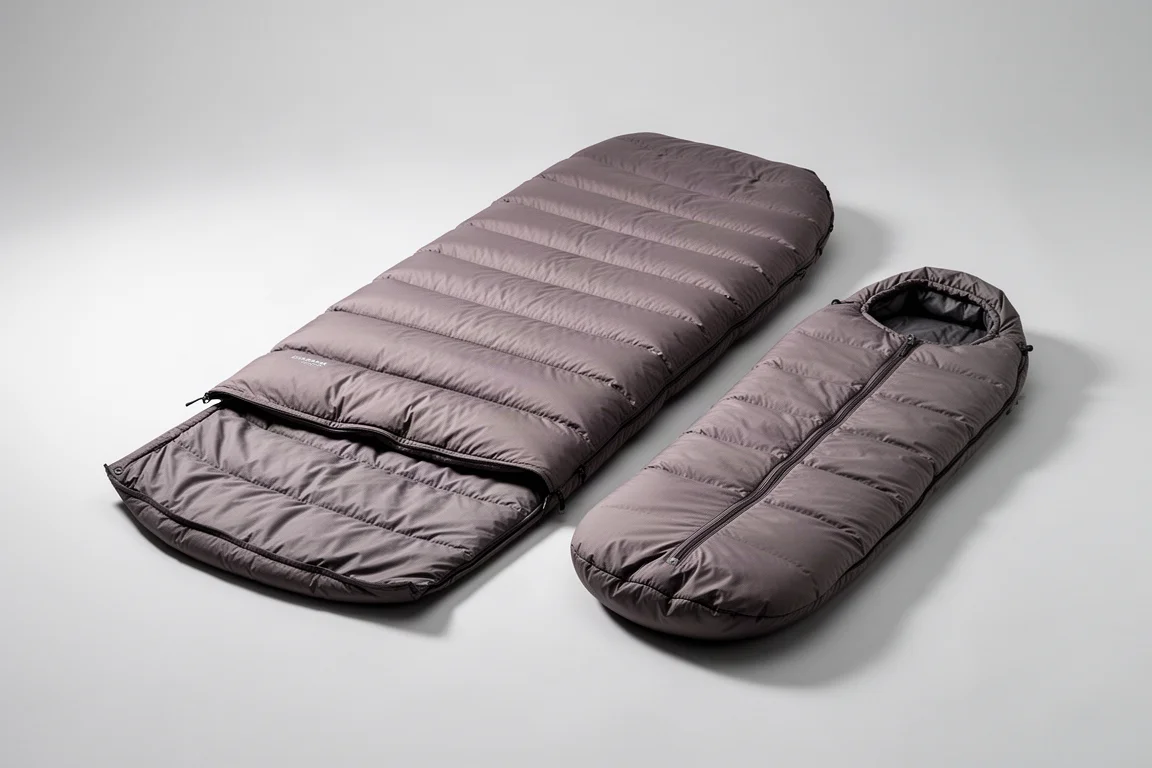
The Lost Ranger 20 is a three-in-one system rather than a single bag. A lightweight down top quilt, rated at 50 degrees, is sewn directly to a pad sleeve, and a separate mummy-shaped liner rated at 35 degrees supplies the rest of the warmth. The pieces are labelled as a 20-degree system, while the manufacturer’s site lists 15 degrees. Treat either figure as a limit rating rather than a comfort rating, which puts comfortable use somewhere in the 30s.
Both layers use sewn-through construction with horizontal baffles. The liner follows a side-sleeping-friendly shape, with a centre zip that runs down to roughly knee length, a fitted hood that has no cinch cord, and a fully insulated foot box. Because both pieces are sewn through, the open question is whether layering them together creates enough of a barrier to avoid cold spots, which is exactly the kind of thing only field time answers.
The full system weighs just over two pounds, at two pounds three ounces, including the liner, the top quilt and the pad sleeve. The sleeve is not locked to one pad width, so it takes a range of sleeping pads. One side of the top quilt is sewn to the sleeve, while the other side uses a full-length zipper for easier entry, and there is a dedicated pocket to hold a pillow in place on top of the pad. In practice that gives three setups: the quilt alone for warm summer nights, the liner alone for roughly 40 to 45 degree comfort, or everything together for the 20-degree configuration.
Big Agnes Rapide SL Sleeping Pad: Lightweight Three-Season Comfort
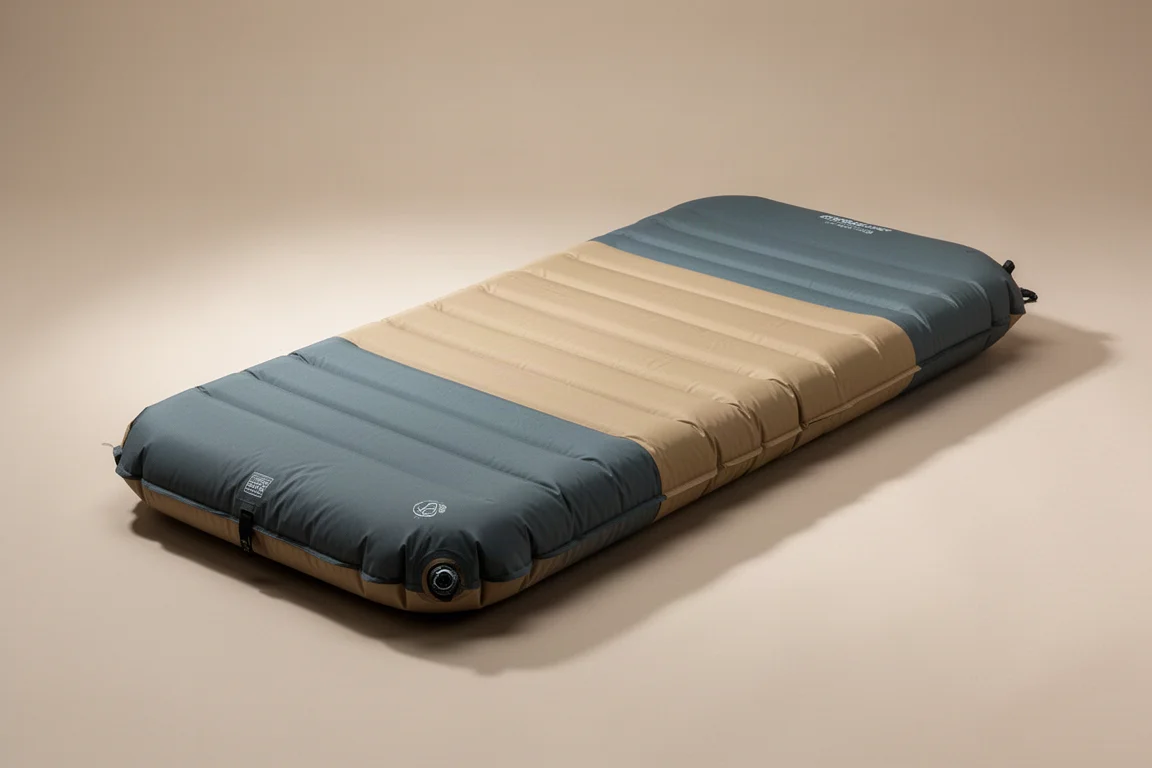
The Rapide SL is built on the same platform as the Q-Core SLX. It measures 3.5 inches of height through the centre, rising to 4.25 inches at the side baffles, so the edges give a slight cradle that helps keep you centred through the night. The R-value is 4.2, and the 20 by 72 inch version weighs 19 ounces, which is light for that level of insulation.
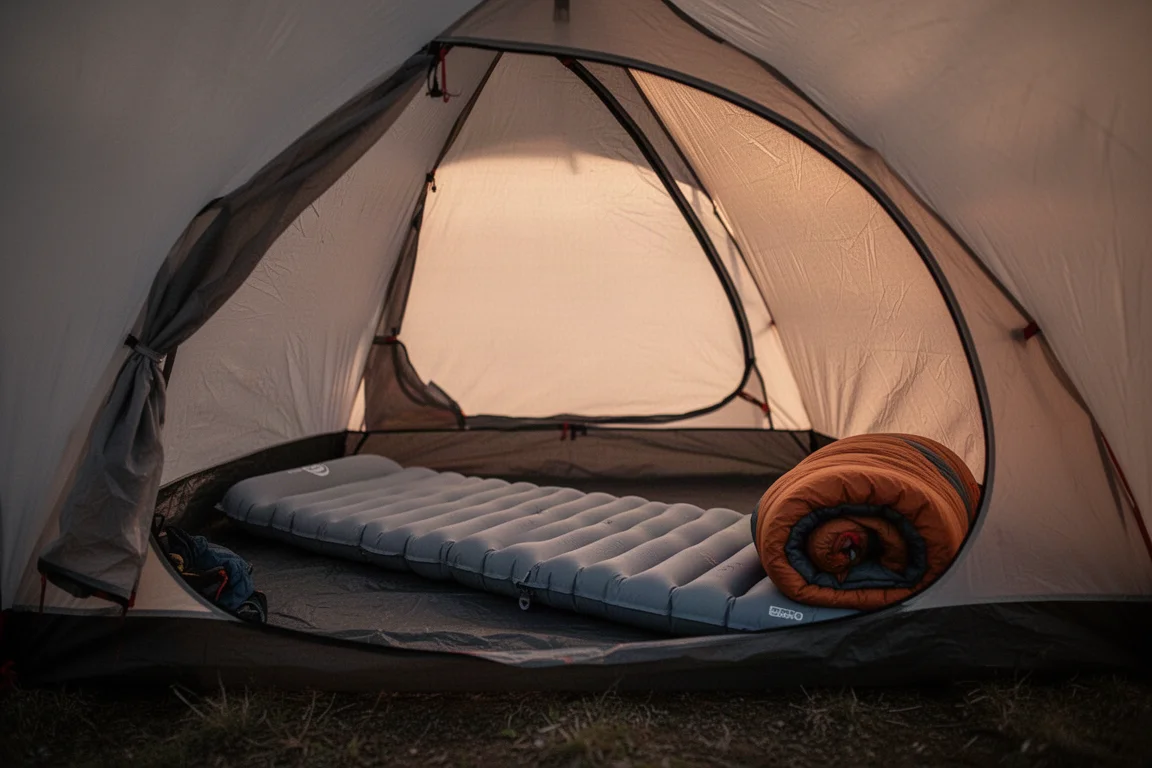
Because the pad sleeve on the Lost Ranger system is not sized to a single width, this pad is one of several that will work with it, and the same pad stands on its own for three-season backpacking. The valve system is the least appealing part of the design, and the one detail most likely to divide opinion.
Outdoor Research SuperStrand LT Jacket: Light Synthetic Warmth
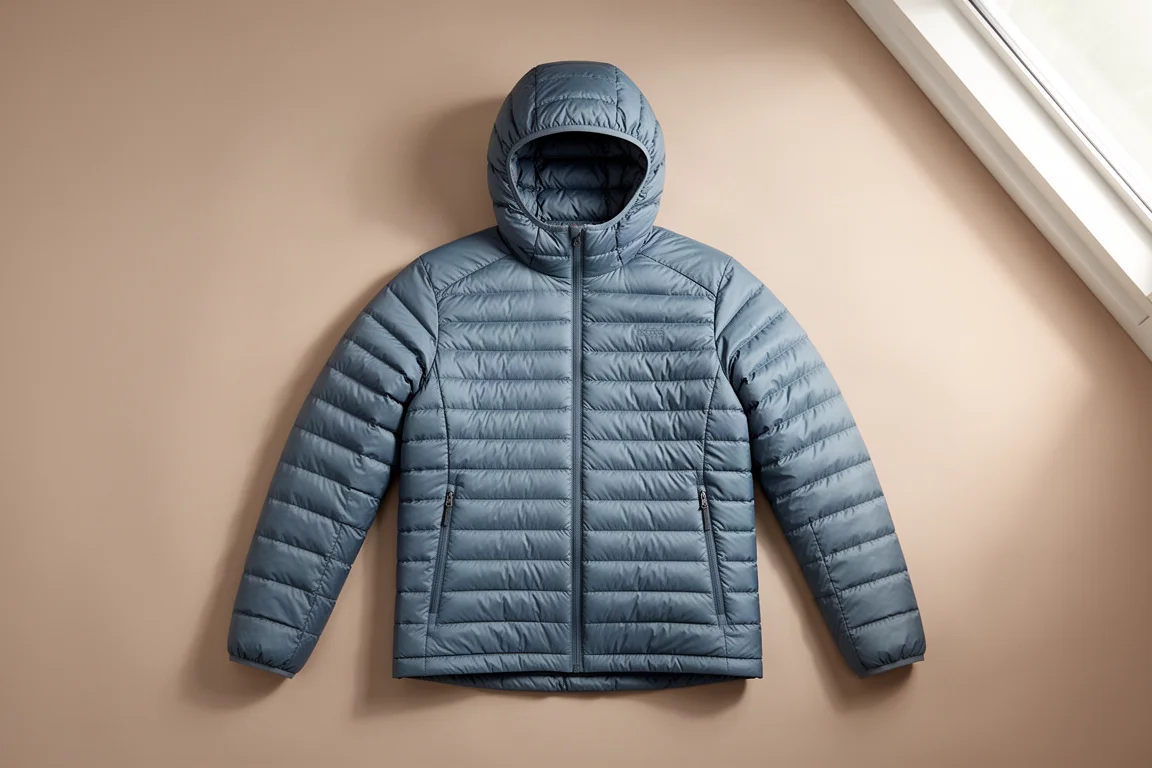
The SuperStrand LT uses a down-like synthetic fill rather than sheet insulation, and it feels remarkably thin in the hand at first. The quilted pattern is functional rather than decorative: it reduces the number of seams and stitches, which in turn trims weight. In size medium the jacket comes in at just under 11 ounces.
Despite that thinness, it has proven warm and comfortable in cold-weather use around town. The fit is boxier and less athletic than some other jackets in the same family, which may have been a deliberate choice to leave room for layering underneath. At around $200, it is a compelling option for anyone who wants a very light synthetic layer that still holds heat.
Soto Fusion Trek Stove: A Big Burner for Real Camp Cooking
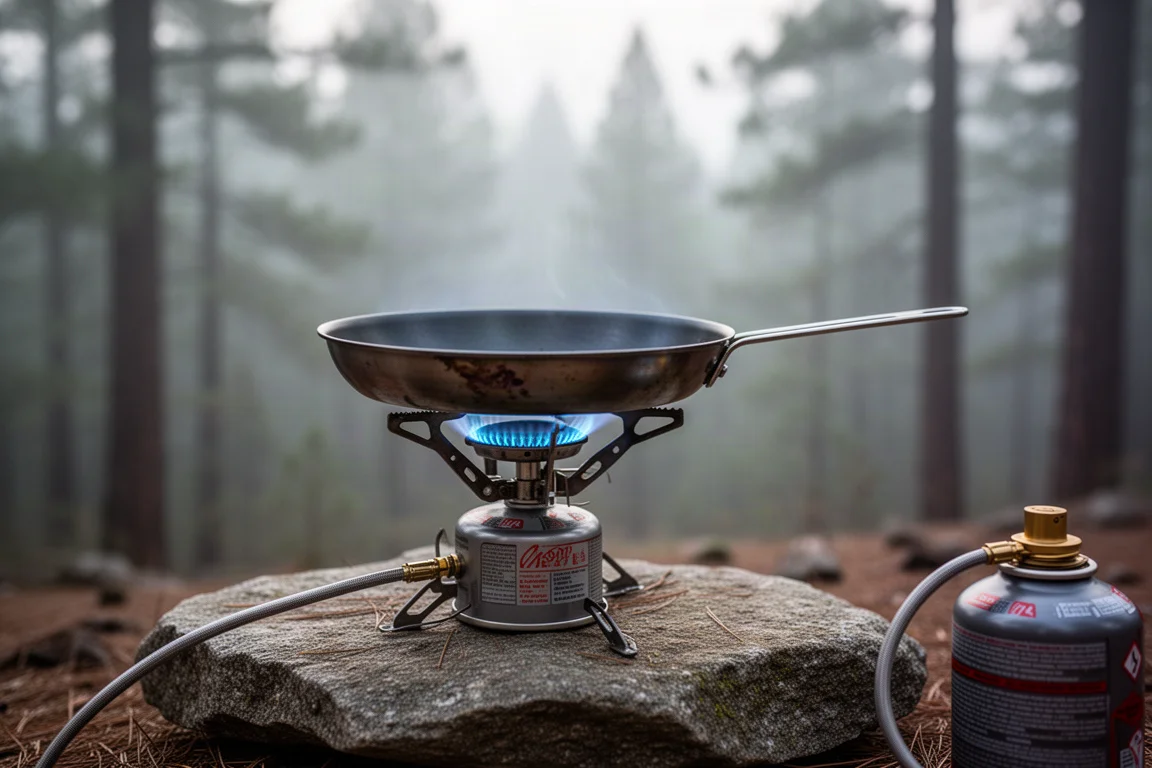
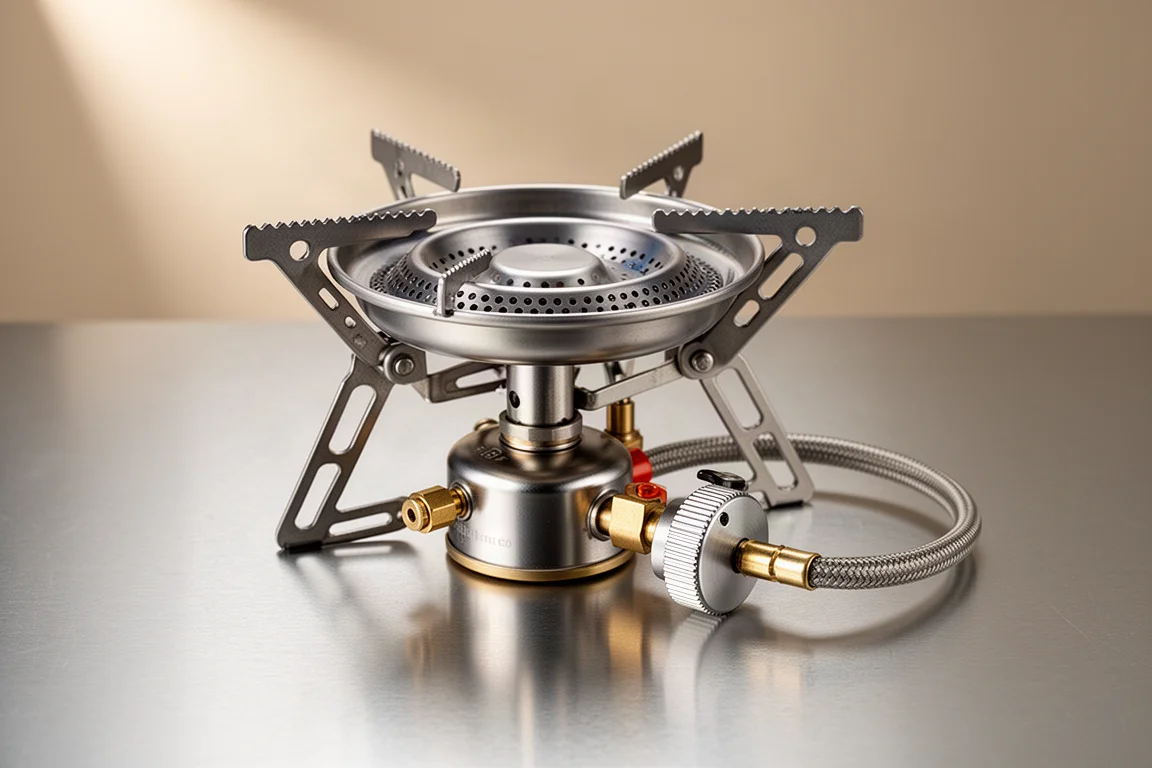
The Fusion Trek is a remote-canister stove, which means the burner sits on its own legs and connects to the fuel canister through a hose. It carries a micro regulator in the valve system, similar to the regulator used on the WindMaster, and its defining feature is a large burner head that spreads heat across a wide base.
That size matters if you cook rather than simply boil water. A frying pan or a large pot sits comfortably on the burner, and the flame can be turned down far enough to simmer. At just under seven ounces, it stays reasonable to carry.
Remote-canister designs are often described as four-season capable, but a canister stove still depends on how the fuel behaves in the cold, so it is worth treating that claim with some caution. The other consideration is price, at around $100, which is on the high side for a canister stove and worth weighing against simpler alternatives.
Ignik FireCan: Portable Propane Fire for Car Camping
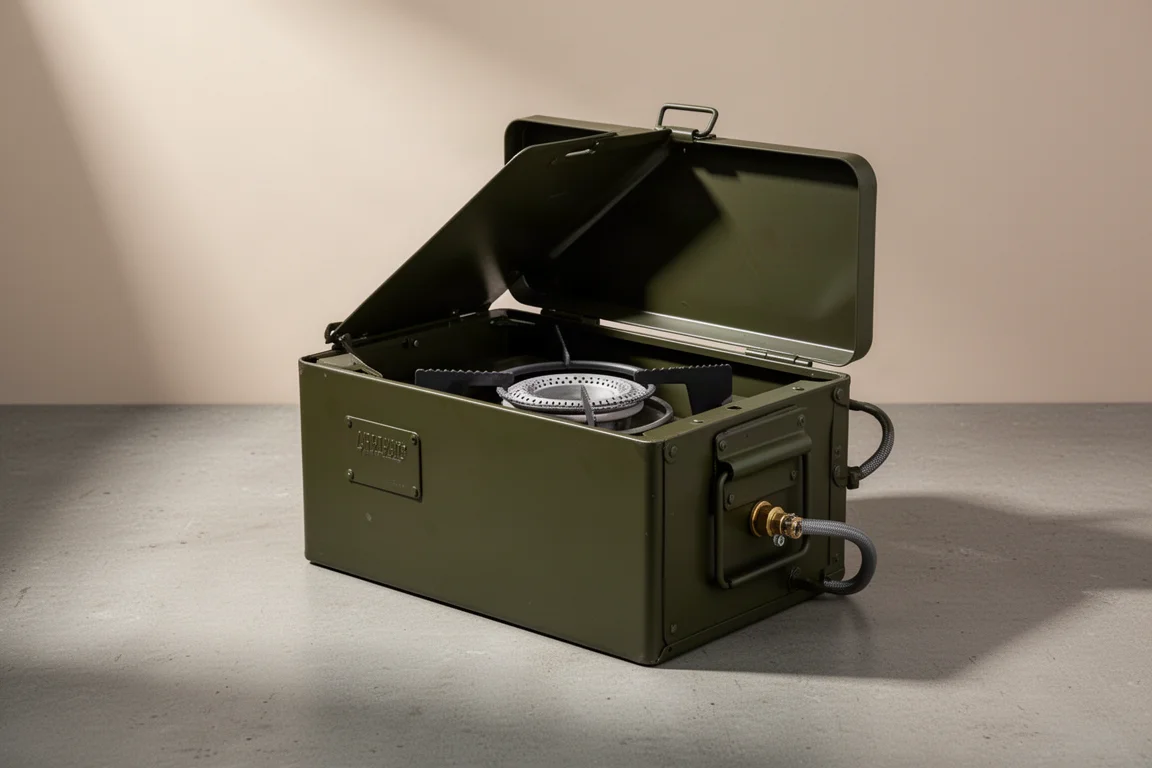
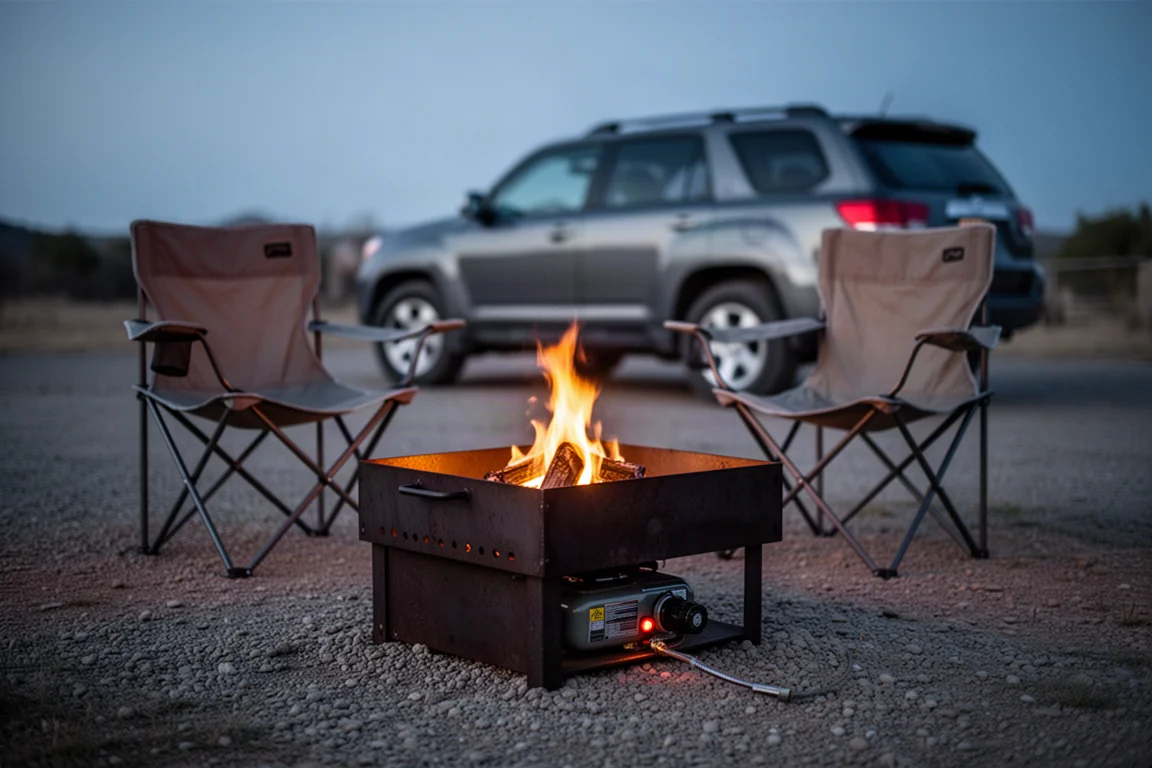
The FireCan borrows the shape and rough size of an ammo can and puts a propane burner inside it. The hose inlet sits on the side of the body, which is the one detail that would work better on the end, but the rest of the package suits car camping well. It is small and light enough to live in a small SUV, and the flame lights and shuts off immediately.
Where it earns its place is on trips when wood burning fires are restricted. It runs from a five pound propane tank, the same tank that feeds a two-burner camp stove, so a single fuel source covers both cooking and evening heat. Experience with it so far has been very positive.
Buying Advice
Start with the trip, not the spec sheet. Backpackers who cover distance should weigh the Rapide SL and the Lost Ranger system against each other, since the pad is the lighter and simpler choice while the sleep system buys versatility across seasons. Anyone who camps out of a vehicle can afford to think differently, and the FireCan is a good example of gear that is heavy by backpacking standards but genuinely useful in a campsite.
Budget deserves an honest look as well. The SuperStrand LT at around $200 and the Fusion Trek at around $100 are both priced above the simplest options in their categories, so it is worth asking whether the specific strengths, namely low weight in the jacket and a wide, controllable burner in the stove, match how you actually use your gear.
Finally, buy in the order you will notice. A sleeping pad and a sleeping bag affect every night of a trip, insulation affects how comfortable you are at camp, and cooking and fire gear affect how the evening goes. There is no need to replace everything at once.
Conclusion
Taken together, these five pieces show where the category is heading: modular sleep systems that adapt to the season, pads that stay light while adding insulation, thin synthetic jackets that outperform their appearance, stoves built for real cooking rather than just boiling, and portable fire options for campsites with restrictions. Match each one to the trips you actually take, and the value becomes easy to see.
Further reading
Related Reviews
Outdoor Gear
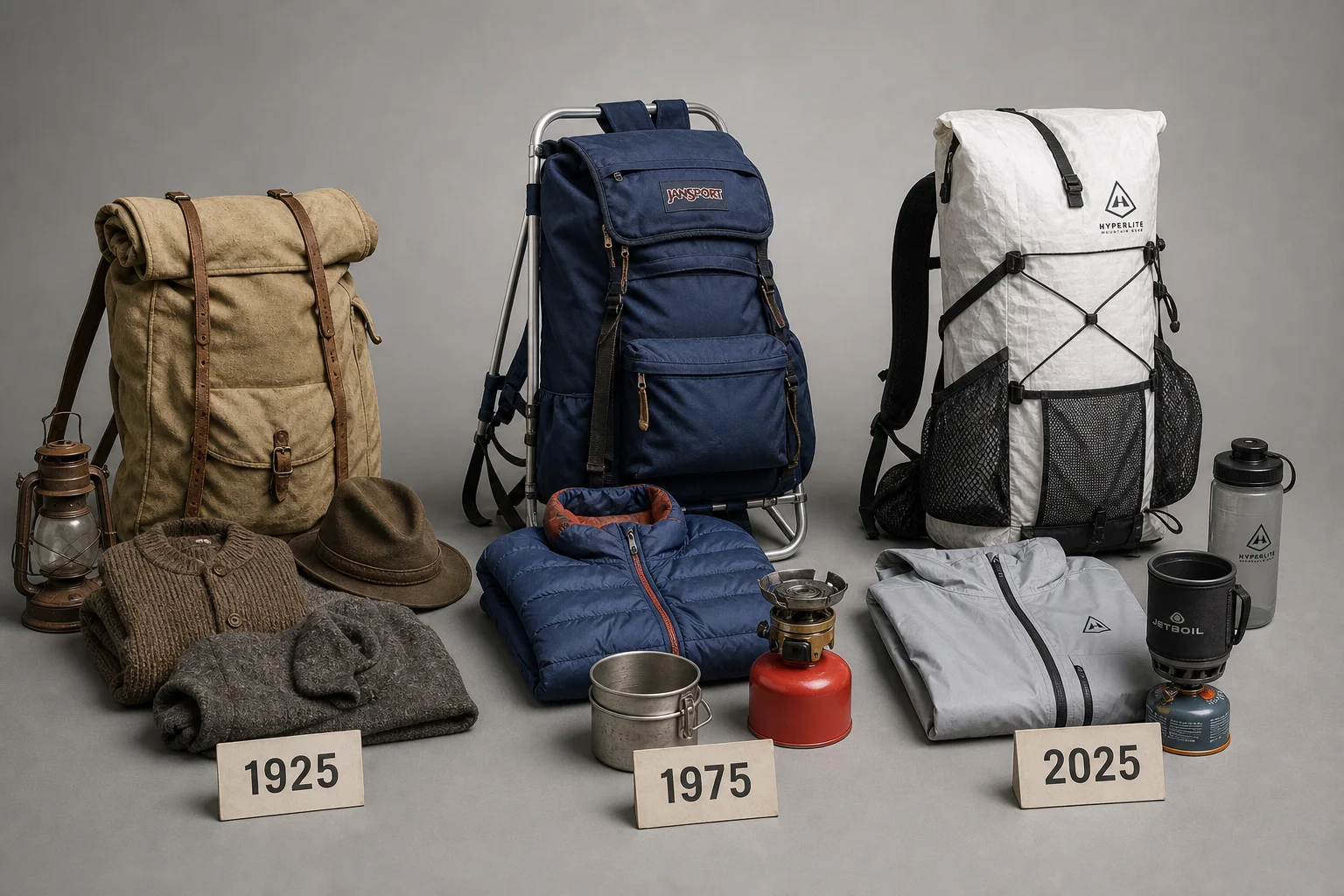
Backpacking Gear Evolution: 100 Years of Technology Compared
We tested backpacking gear from 1925, 1975, and 2025 across a three-day hike in Yosemite. Here's how technology has transformed comfort, weight, and the outdoor experience.
Outdoor Gear
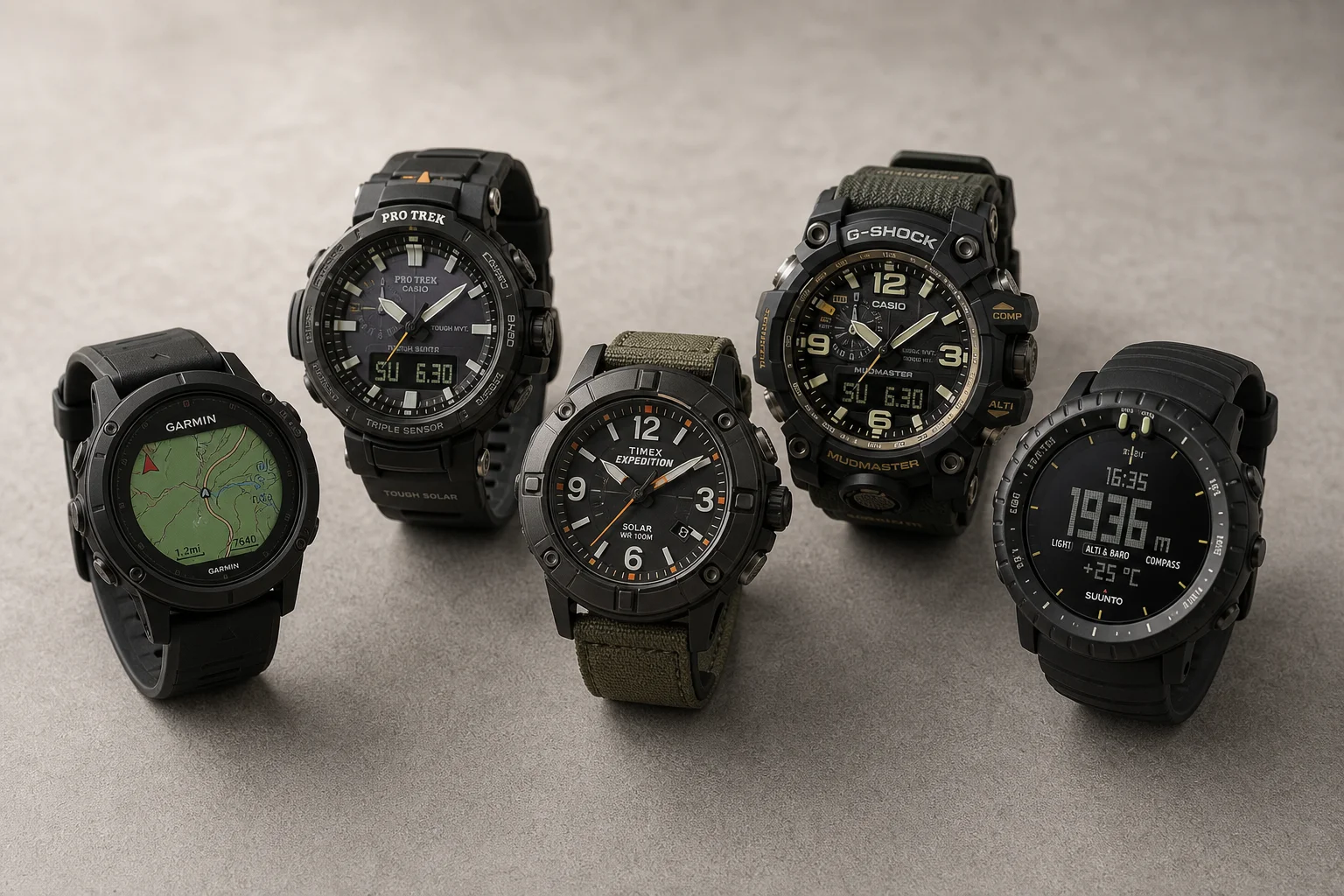
Best Affordable Hiking Watches: Five Rugged Options for Outdoor Adventures
Five durable hiking watches that balance ruggedness, functionality, and value for outdoor enthusiasts who need reliable GPS tracking and weather resistance.
Outdoor Gear
Best Backpack Coolers 2026: Five Practical Options for Outdoor Adventures
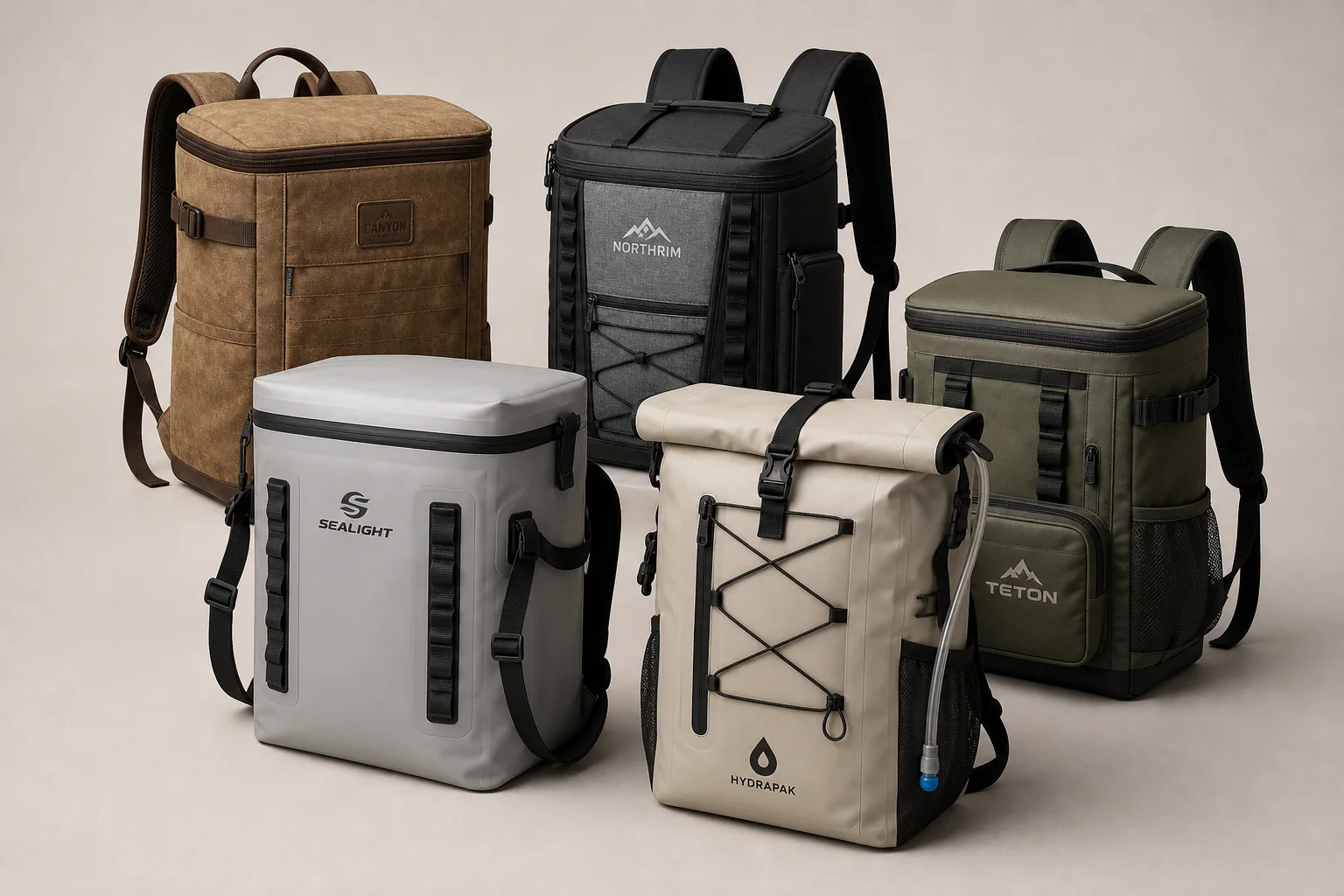
Five backpack coolers with distinct cooling capabilities, storage features, and design trade-offs to help you choose the right one for your outdoor needs.