Fountain Pens
Five Grail Fountain Pens Worth the Long Wait
Five fountain pens that earn grail status through craftsmanship, writing experience, and rarity, from urushi lacquer to Art Nouveau flair.
Introduction
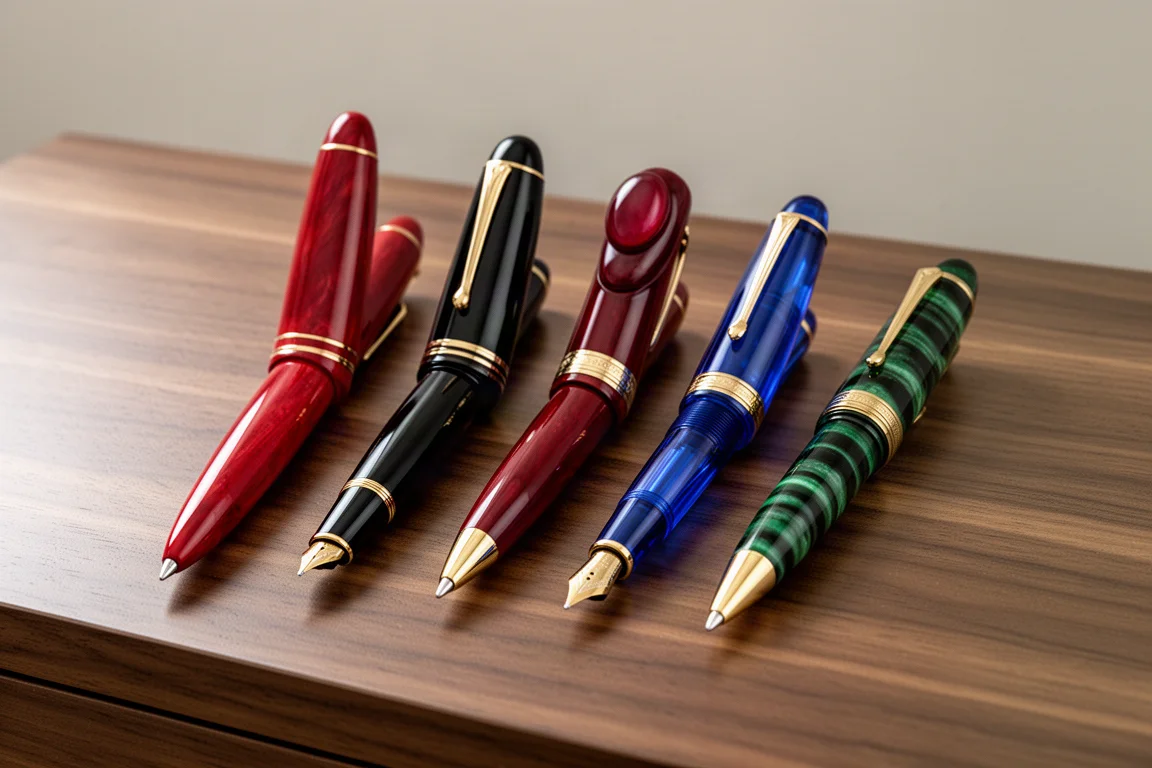
A grail pen is not just about price. It is about desire: the longing to experience a new material, a new nib, a new way of writing. Some grails are rare, some are expensive, and a few are surprisingly attainable. The five pens below each earn the label for a different reason, whether through heritage, a unique writing feel, or sheer scarcity.
Pilot Custom Urushi
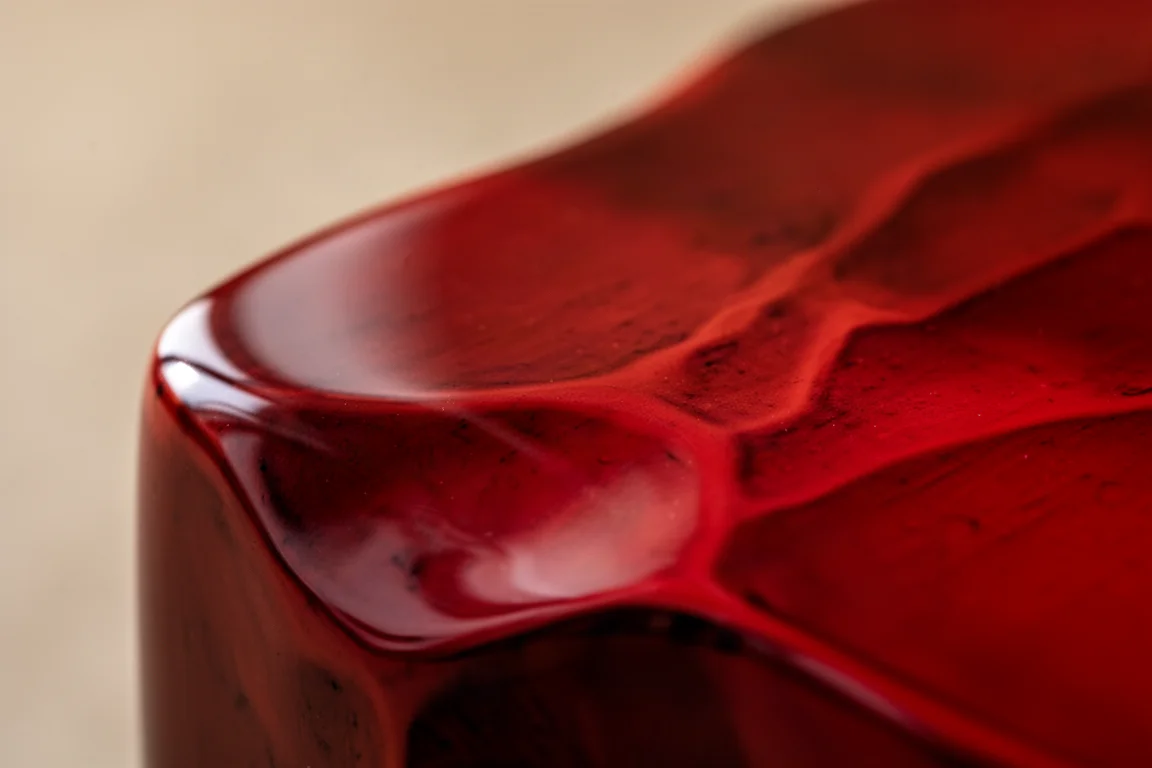
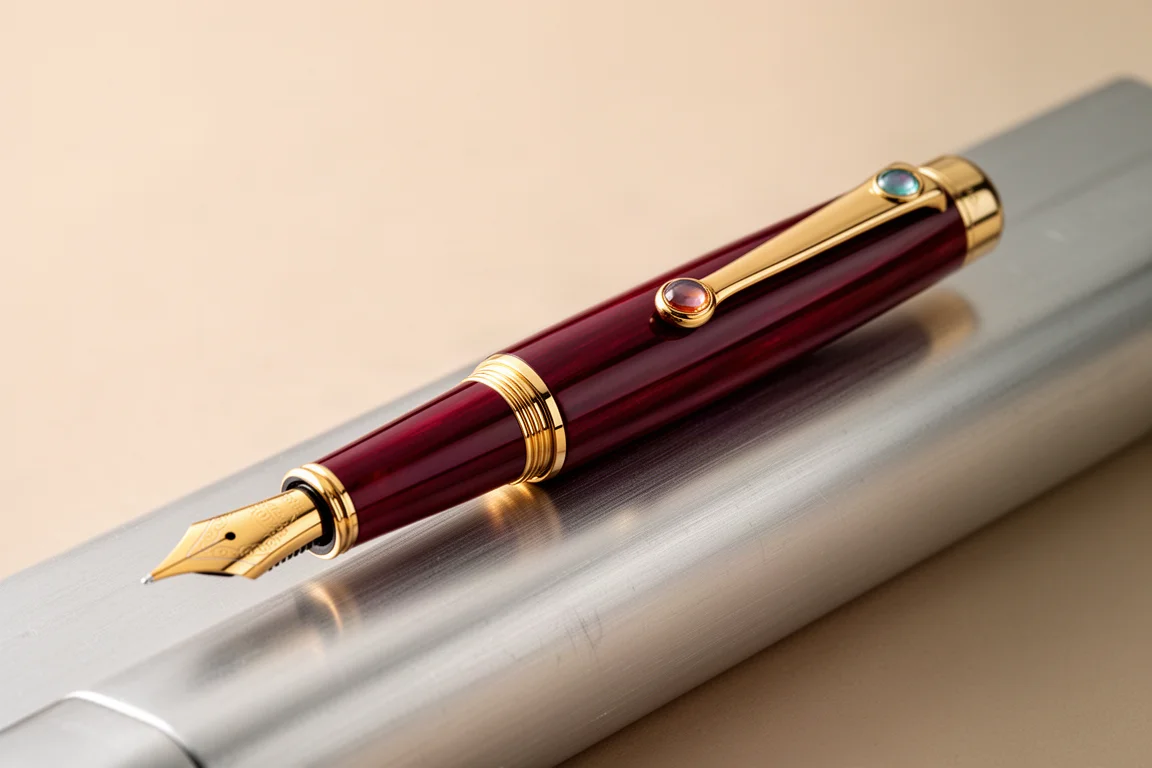
The Pilot Custom Urushi in vermilion may be the ultimate grail pen. It is very large, with serious desk presence: if you prefer pens that quietly blend in, this is not it. The vermilion urushi finish is the first thing you notice, and it reads as nothing like plastic. It seems to both absorb and reflect light, like polished stone or coral, with a tremendous saturated depth. Urushi is the sap of a tree, painted on in layers, in a Japanese decorative tradition stretching back nearly 10,000 years. It is also remarkably tough and resistant to scratches and corrosion, which makes this a genuine heirloom candidate that could outlast its first owner.
The nib is the other half of the story. It is soft, yields to pressure on the page, and delivers an expressive, precise line that feels wholly unique to this pen. In a medium nib you get maximum smoothness with that touch of softness. The pen is long and comfortable unposted, and the bluish feed is a lovely detail. The Con-70 converter is the one weak point: for a pen in the $1,700 range, a better fill system would be welcome. It remains, though, a heavy hitter of Japanese craftsmanship and one of the most beautiful pens you can own.
Montblanc 149
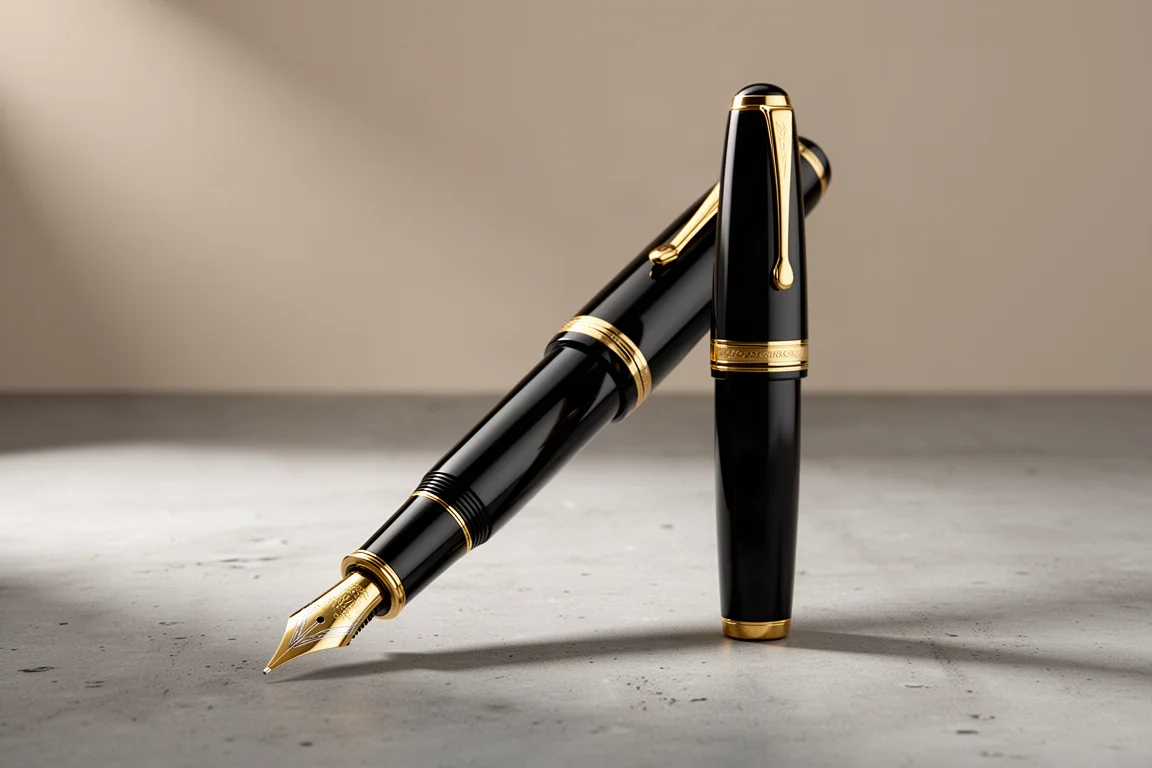
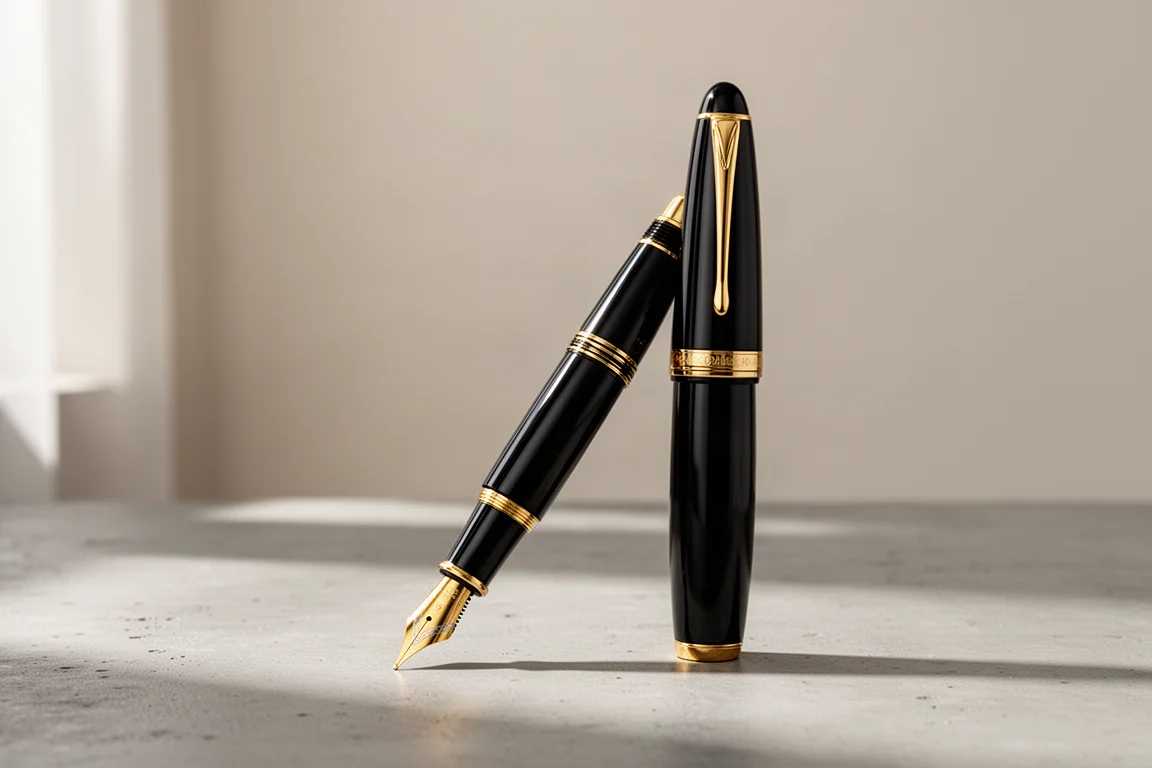
The Montblanc 149 is arguably the most iconic fountain pen ever made, produced in more or less this form since 1952. It never looks out of date; it simply looks more classic with time. At 149 mm long and pleasantly girthy, it is comfortable and balanced, and large enough to write unposted. The proprietary resin is glossy and warm in the hand, vividly black and reflective like a piano. It is a piston filler, so you can dip the nib in a bottle, twist the knob, and fill without disassembling anything.
The 149 is hand-finished, and a good example is an exquisite writer. Quality control has been inconsistent of late, so a nice specimen matters. New examples rarely fall under $1,000 and generally sit around $1,100, which is hard to recommend at full price. On the secondary market, where one can be found for around $500, it represents fair value for all that history. It fits beautifully into a business environment and has genuinely earned its grail status.
Cartier Diabolo
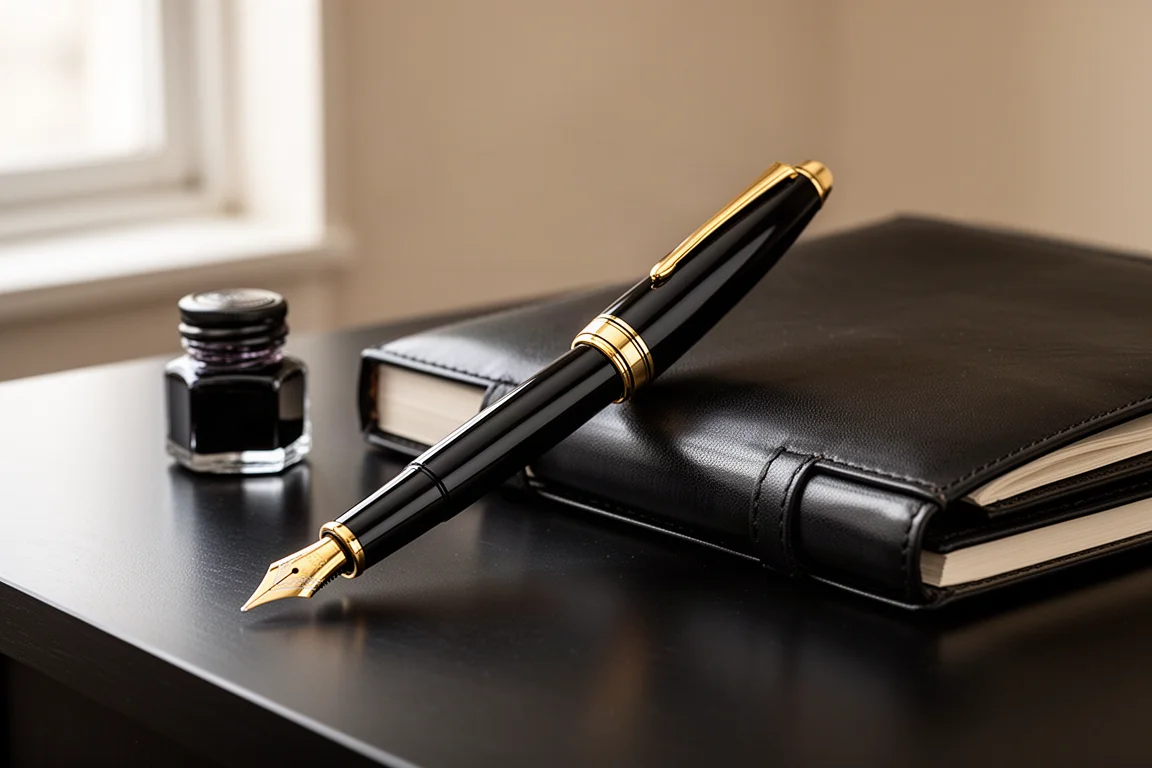
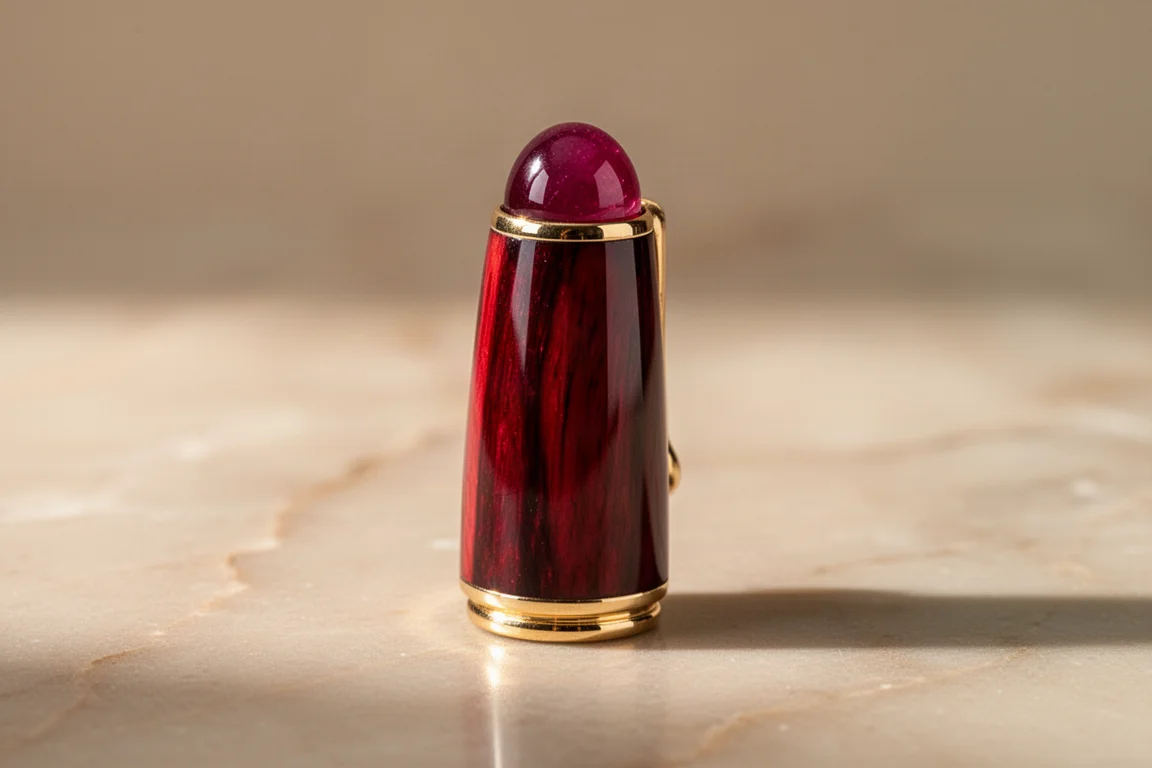
The Cartier Diabolo in red Chinese lacquer is the rarest pen here, and a fascinating one. Cartier shares a corporate parent with Montblanc in the Richemont Group, and the suspicion is that this is essentially a Montblanc pen decorated by Cartier, which is a fine arrangement: the jeweler handles decoration no one can match. The red lacquer is painted on, dried, and layered again to build a finish with a visual texture of lights and darks, polished to an extreme. A ruby cabochon crowns the cap, the clip carries the Cartier emblem, and a gold ring sits at the end of the cap.
The brass base gives it real weight and elegance. It is a cartridge converter pen that writes beautifully in medium, though the nib is on the small side, which adds a certain focused elegance. Avoid posting it, as the brass threads could damage the lacquer. These rarely appear on the secondary market, and prices are hard to pin down: one worn example appeared for $1,000, and expect somewhere north of $800 for a good one. It almost feels like a museum piece, and patience should eventually reward a determined buyer.
Waterman Edson
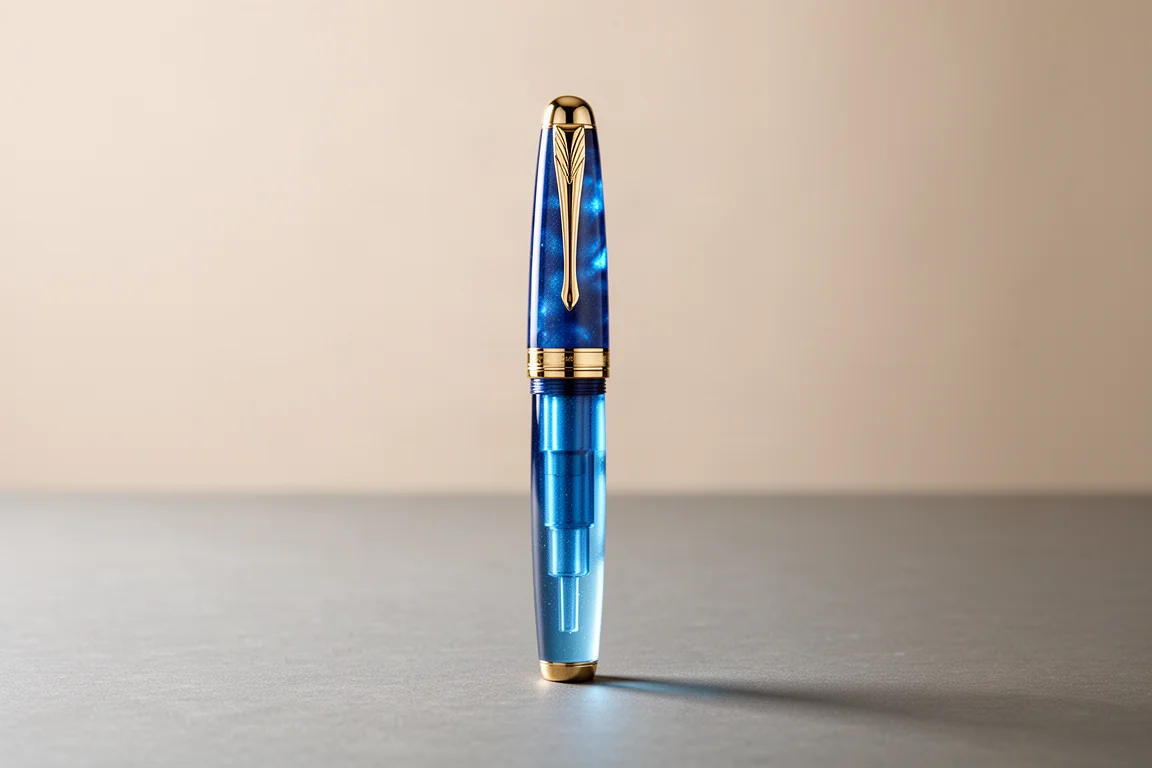
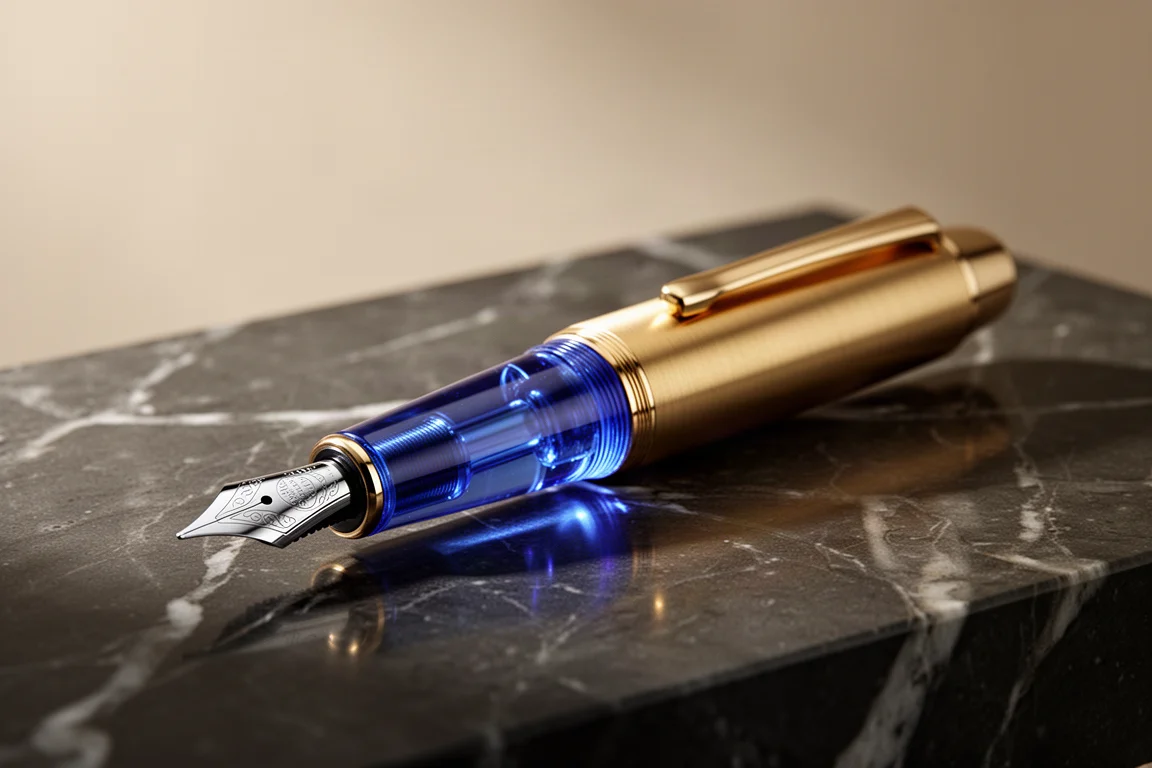
The Waterman Edson was the brand’s 1990s flagship and remains an engineering marvel with a stunning neo-art-deco design. The polished gold clip swoops down and back up into a beautiful oval, the integrated 18-karat gold nib continues that line, and three small pads hold the cap on with a satisfying click. The barrel is layered translucent resin; in shimmering sapphire it is especially striking, with red, emerald, and ruby also available. The sapphire-toned converter is less practical than charming, but elegance wins here.
Under the hood is a feed system designed never to burp ink, even on an airplane, with a circulating ink supply. It has survived flights without a single issue. The nib is quite firm, so if you dislike a firm feel, look elsewhere, but that firmness delivers a precision few pens match, and the feed keeps up with the quickest writers. Production quality arguably surpasses even the 149. Examples range from around $600 if you are very fortunate to over $1,000, with most sitting near the top of that range. If Waterman produced this pen again exactly as it is, it would be a legend all over again.
Pelikan M1000
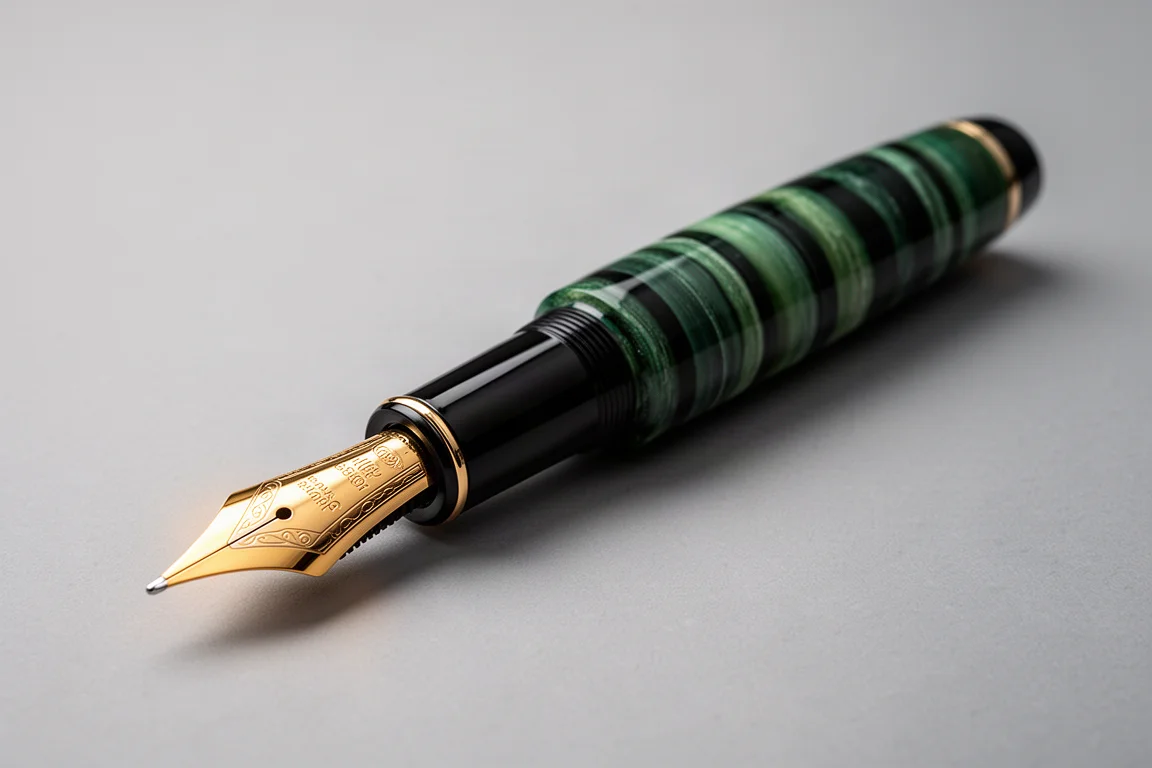
The Pelikan M1000 was literally created to compete with the Montblanc 149, and it offers something no other pen has: the M1000 nib. Its softness approaches the Custom Urushi, delivering a wet, generous, exuberant flow with a precise feel. This is what a gold nib should do: something steel cannot. It holds nearly 2 ml of ink, and the beautiful feed with its louvers is almost whimsical.
The design language leans Art Nouveau, from the organic, curvy Pelikan beak clip to the formal green stripes, like a little tuxedo. The polished resin cap carries gold at the edges, and brushed and polished gold on the top medallion looks superb. Prices start around $700 and these go on sale from time to time, so patience pays. Some may find the M800 better sized for everyday use, but for the ultimate expression of how a Pelikan writes, the M1000 is the one. It suits business life, journaling, and everything in between, and it is genuinely fun to use.
Buying Advice
Each of these pens earns its grail status differently. The Custom Urushi is the heirloom pick for craftsmanship and heritage. The 149 is the icon, best value on the secondary market. The Cartier Diabolo is the rare beauty worth hunting for. The Edson is the engineering and design standout if you can find one. The M1000 is the writing-experience pick, and with patience it is the most attainable of the five. Match the pen to what you actually want from your writing, and any of them could define your collection.
Conclusion
A grail pen should give you something the ordinary cannot: a story, a feel, an object of genuine desire. These five do exactly that in very different ways, and any one of them would be a worthy destination for a fountain pen journey.
Further reading
Related Reviews
Fountain Pens
Best Budget Fountain Pens Tested: 9 Pens, One Clear Winner
A hands-on comparison of nine affordable fountain pens for everyday writing, calligraphy, and sketching, with a clear standout for flexible nib fans.
Fountain Pens
Aurora Optima Review: An Italian Piston Filler That Punches Above Its Price
A 14k gold nib, ebonite feed, and a beautifully deep oraloid body make the Aurora Optima one of the most rewarding piston fillers around.
Fountain Pens
Cross Bailey Light Review: The Entry-Level Fountain Pen Worth Keeping at the Office
A plastic-bodied Cross with a metal clip, snap cap, and famously smooth extra fine steel nib. Around $15, available almost everywhere, and easy to recommend.