Outdoor Gear
Five Budget Alternatives to Premium Backpacking Gear
Five lower-cost alternatives to premium backpacking gear, compared on weight, materials, and the conditions where each trade-off actually matters.
Introduction
Really good backpacking gear does not have to cost as much as the most advanced equipment on the market. The distance between a flagship item and a well-chosen alternative is usually narrower than the price difference suggests, and much of that difference comes down to materials and features that many trips never actually require.
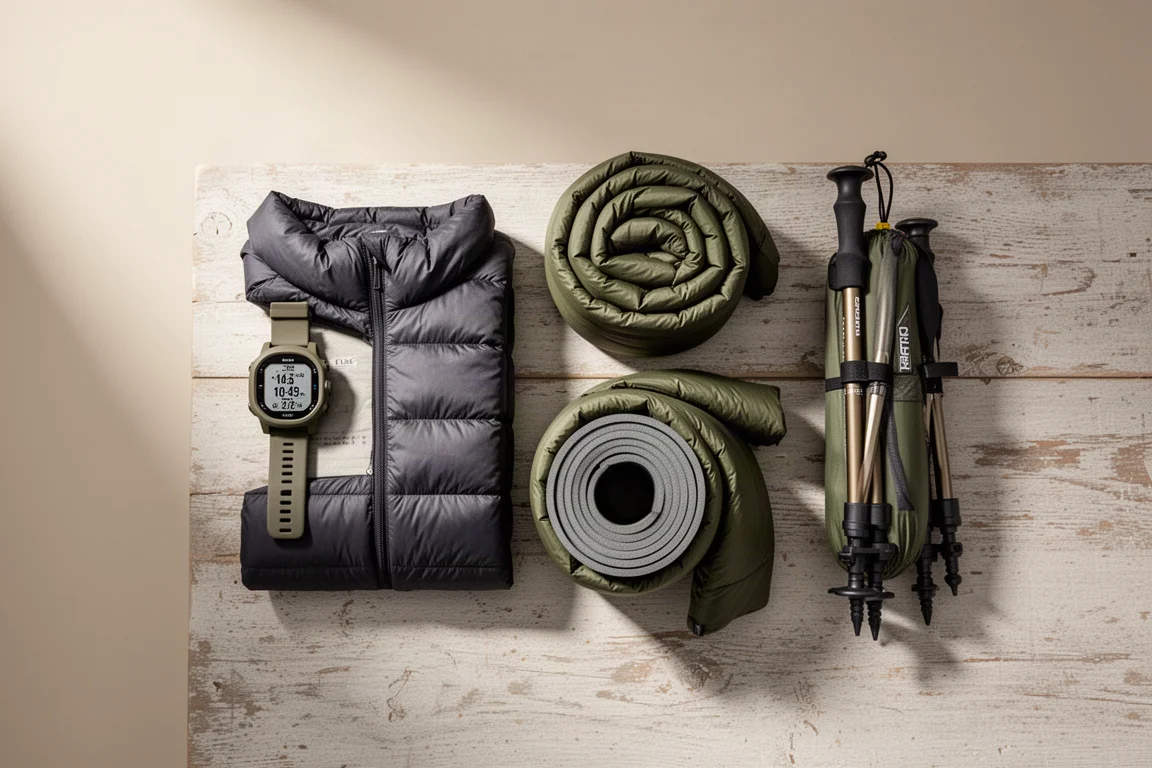
This guide covers five alternatives that between them handle the core of a backpacking kit: a watch, an insulated jacket, a quilt, a sleeping pad, and a shelter. Each is compared against the premium item it stands in for, using weight, materials, and real-world conditions as the deciding factors.
What These Alternatives Have in Common
Every pick here follows the same logic. Premium versions earn their price through lighter fabrics, more advanced insulation, or extra features, and those advantages are genuine rather than marketing noise. The alternatives accept a modest weight penalty or a simpler feature set in exchange for a much lower cost.
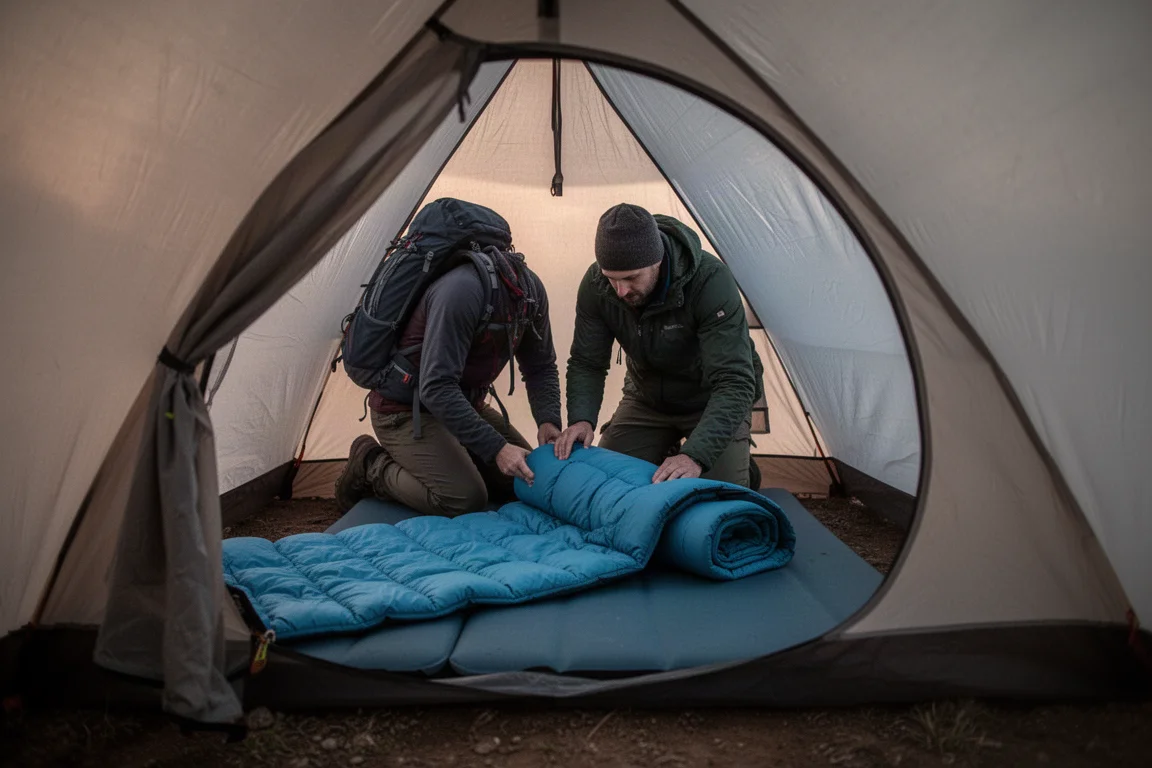
The trade-offs are predictable rather than surprising. A synthetic jacket gives up some warmth-to-weight ratio but holds its loft better in damp conditions. A silnylon shelter gives up moisture and UV resistance but still pitches with a single trekking pole. Understanding which of those trade-offs matters for a given trip is what turns a budget purchase into a smart one rather than a compromise.
For most backpackers the deciding factor is not the specification sheet but how often a feature gets used. On-device maps and music stored on a watch are genuinely useful, yet they matter far less on a familiar weekend route than on an unfamiliar multi-day traverse.
Garmin Instinct Solar: A Rugged Everyday Watch
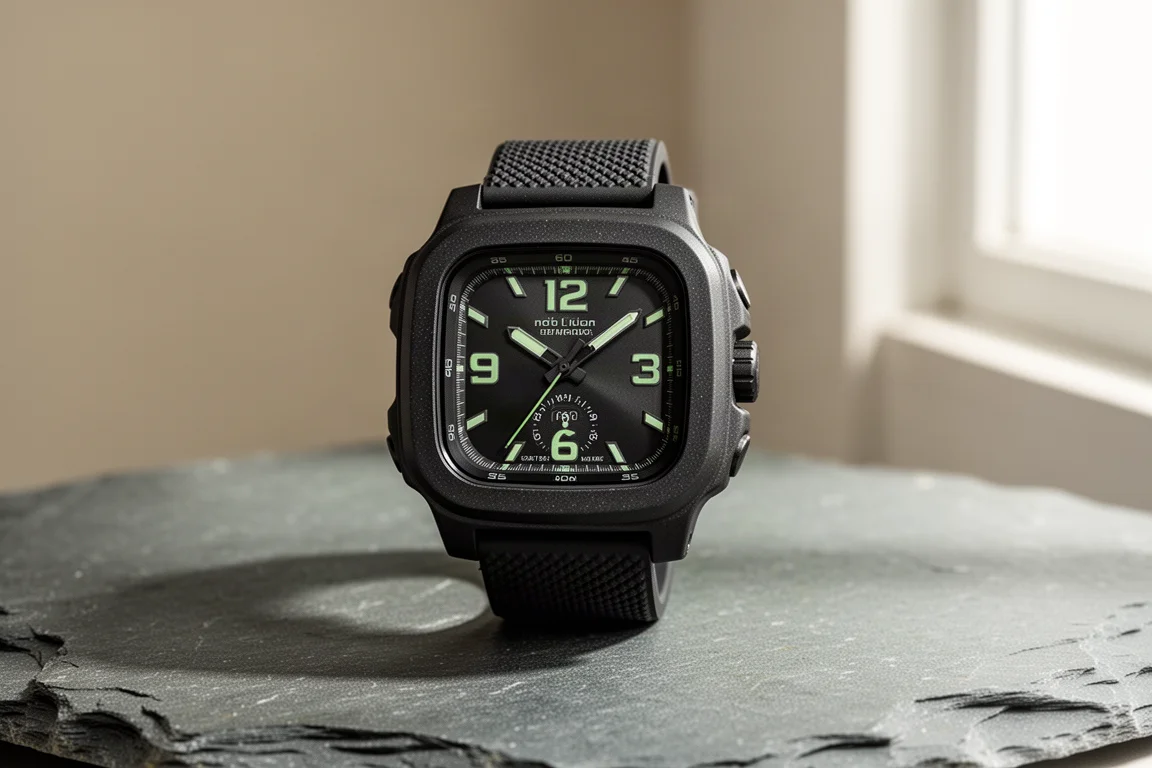
The Garmin Instinct Solar sits at roughly half the cost of the Garmin Fenix 6 Pro Solar, and the gap between them comes down to features rather than fundamentals. Both track workouts, runs, sleep, and calories, which covers the daily routine for anyone who wears a watch all the time.
What the Instinct Solar leaves out is on-device topographic maps, Bluetooth connectivity for earbuds, music playback from the watch, and a broader set of fitness and tracking functions. In return it is the more rugged of the two, and it delivers longer battery life.
For a durable training and sleep-tracking watch without paying for navigation and media features that may rarely be used, the Instinct Solar is the more sensible purchase, especially given the price difference.
Decathlon Trek 100: Down Warmth Without the Premium
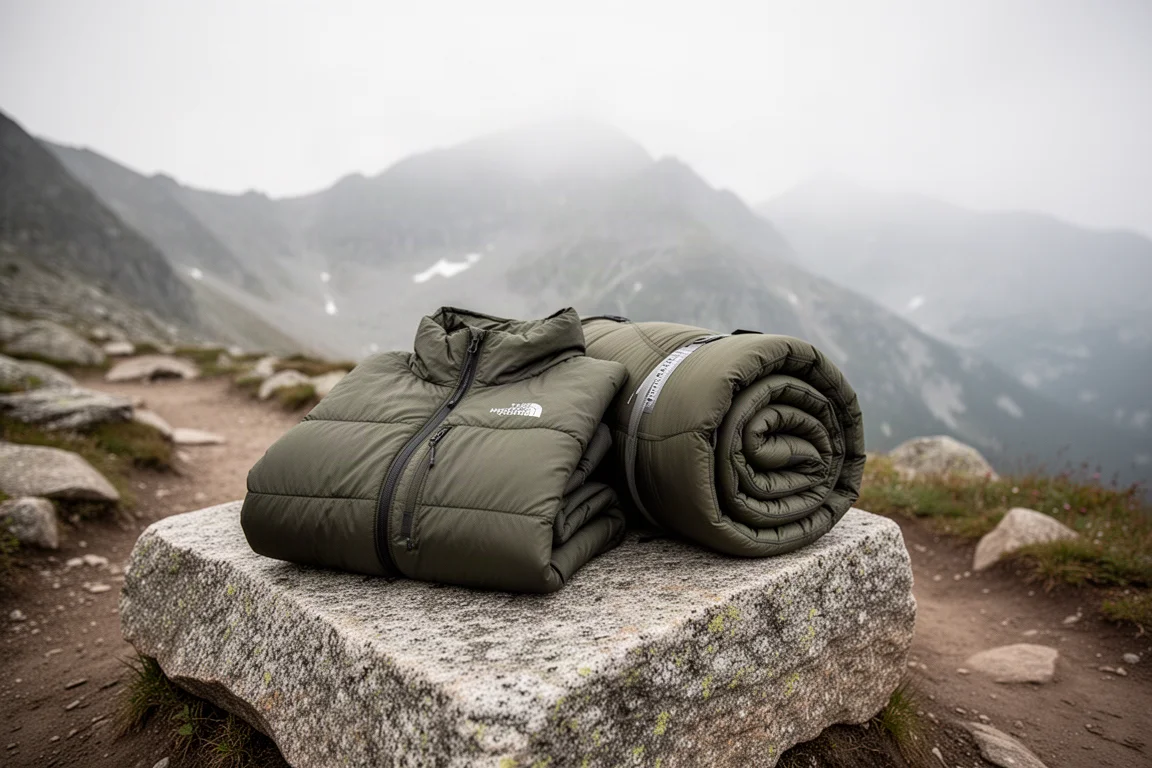
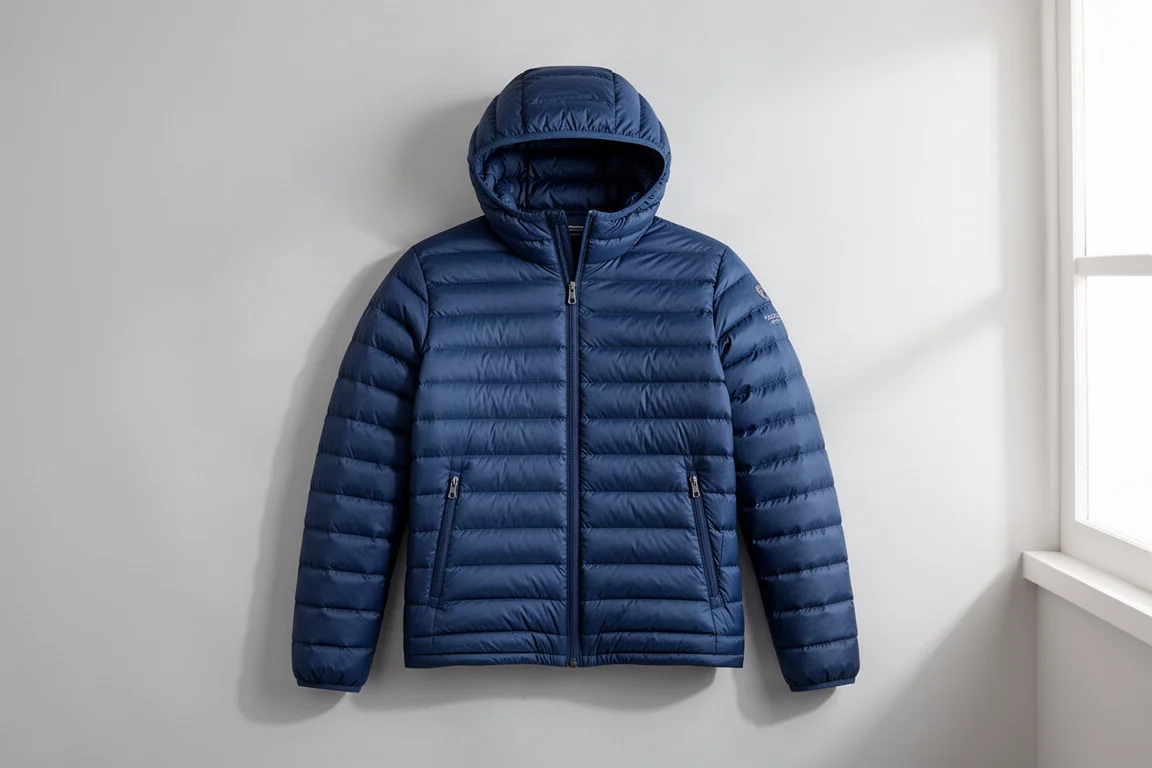
An insulated jacket is close to essential on a backpacking trip, and the Decathlon Trek 100 covers that need at a fraction of the cost of the Enlightened Equipment Torrid Apex. The two jackets weigh almost the same, at 280 grams for the Trek 100 and 220 grams for the Torrid Apex, yet the synthetic Torrid runs about $225 against roughly $90 for the down Trek 100.
The materials explain the gap. The Torrid Apex uses a synthetic fill that keeps its loft and insulation in moist, humid conditions, wrapped in a 7 denier ripstop nylon shell. The Trek 100 uses down, which is lighter for the warmth it delivers but loses performance once it gets wet, inside a 15 denier nylon shell.
That makes the decision a question of conditions rather than quality. A synthetic jacket earns its higher price in sustained wet weather, while a down jacket stays the better value for cold, dry trips where weight matters more than moisture resistance. The Trek 100 remains a warm, well-rounded option for the price.
Hammock Gear Econ Burrow: A Quilt That Keeps Costs Down
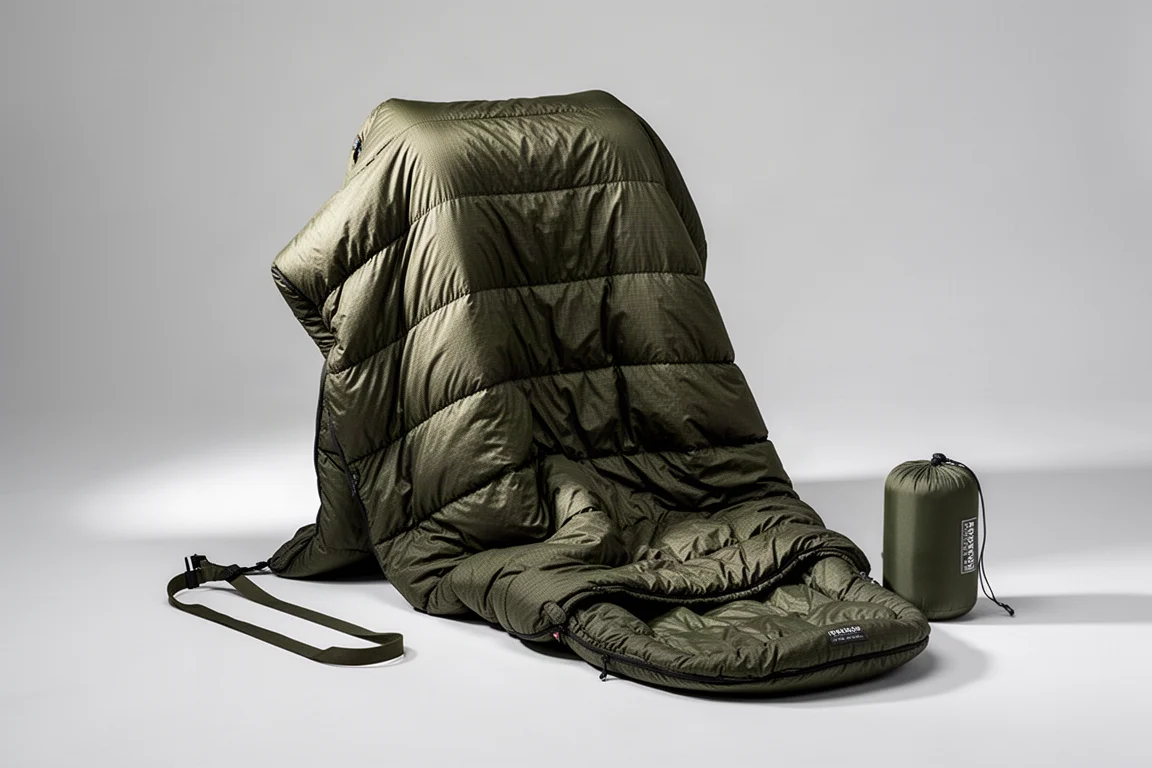
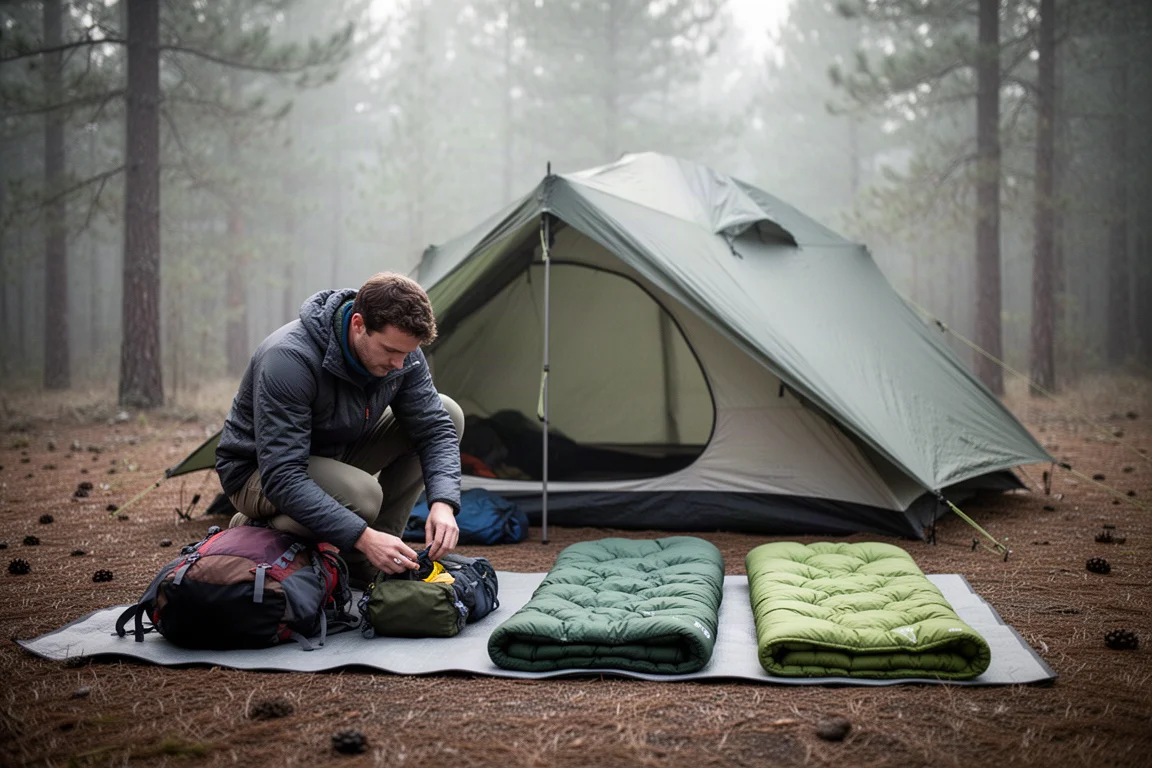
Backpacking quilts vary widely in price, and nearly all of that variation traces back to materials. The Enlightened Equipment Enigma uses 950 fill power down and a 7 denier shell fabric, which brings its weight to 520 grams and its price to $530. The Hammock Gear Econ Burrow uses 800 fill power down and a 20 denier shell, weighing 740 grams at $228.
That 220 gram difference is what the premium materials buy, and stepping up from the Burrow to the Enigma works out to roughly $1.37 for every gram saved. The Econ Burrow’s heavier 20 denier fabric is also the more durable of the two shells, and its 800 fill power down handles moist, humid conditions comparatively well.
For backpackers who want a capable quilt without paying for the lightest possible package, the Econ Burrow is the straightforward choice.
Paria Recharge XL: An Affordable Sleeping Pad
Good budget sleeping pads are genuinely difficult to find, largely because the most effective pad technologies are protected by patents and technically demanding to manufacture. That is a large part of why the Therm-a-Rest NeoAir XLite costs close to double the Paria Recharge XL, at about $210 against roughly $90 for the Recharge XL.
Weight is the first difference: the Recharge XL weighs 737 grams while the XLite weighs 430 grams. Warmth is the second. The XLite has been used comfortably down to 20 degrees Fahrenheit, or minus 6 degrees Celsius, thanks to its triangular core matrix construction and the ThermaCapture mylar film running through the pad. Reflective film insulation is simply more efficient for its weight than the synthetic fibers used in the Recharge XL, which has been comfortable to around freezing.
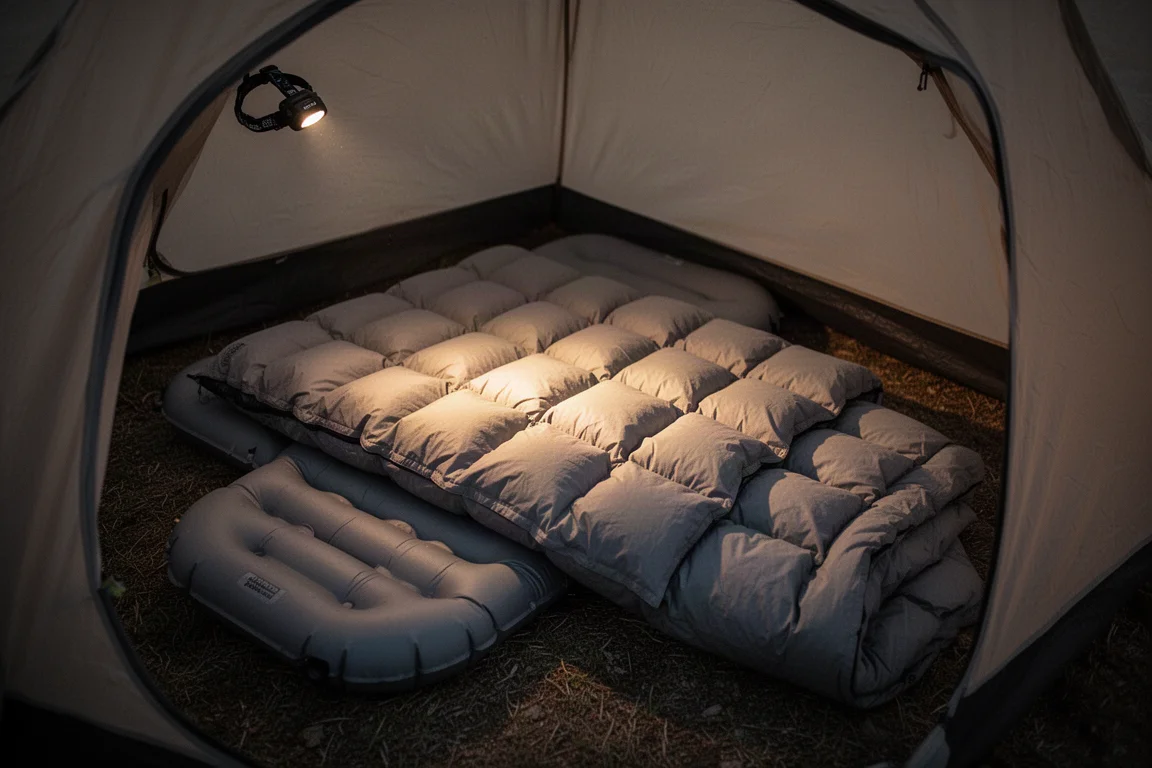
Durability tilts the other way. The Recharge XL uses a 40 denier nylon while the XLite uses a 30 denier ripstop nylon, so the budget pad takes a little more punishment. Its advertised R-value, however, is not backed by an ASTM-standard test result, which is worth weighing against the XLite’s proven cold-weather performance before deciding how far you plan to push either pad.
3F UL Gear Lanshan 1 Pro: Lightweight Shelter on a Budget
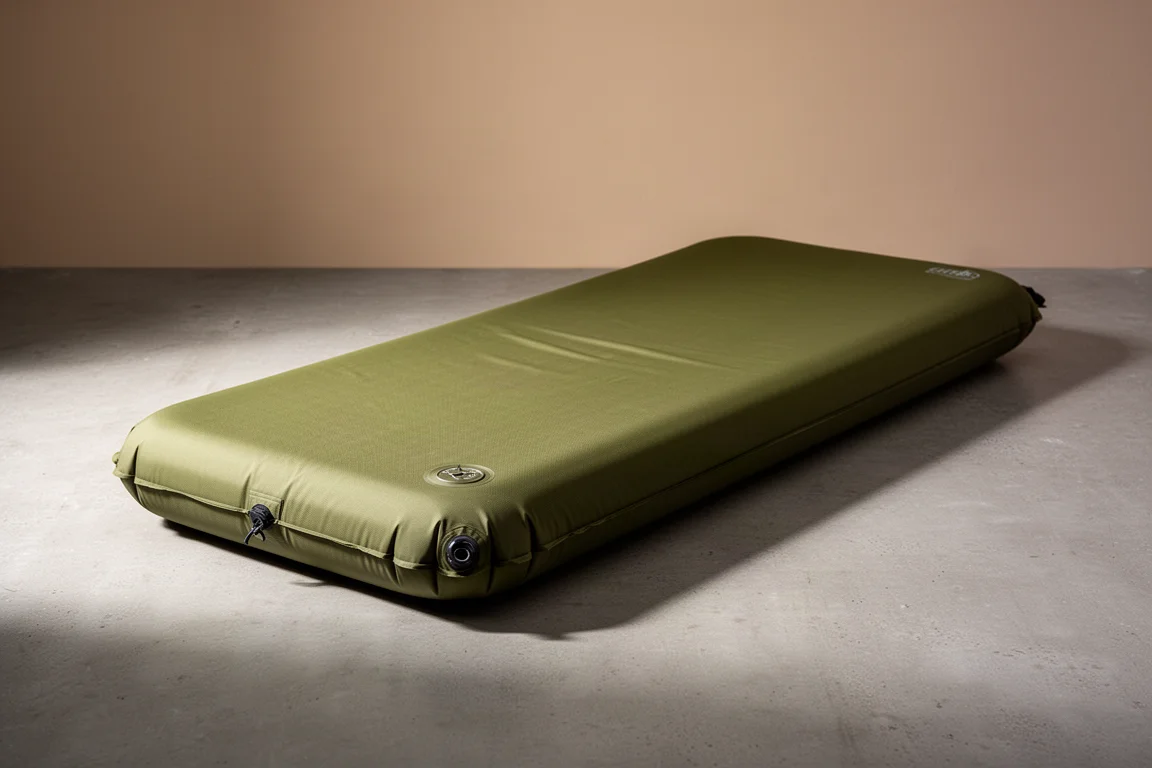
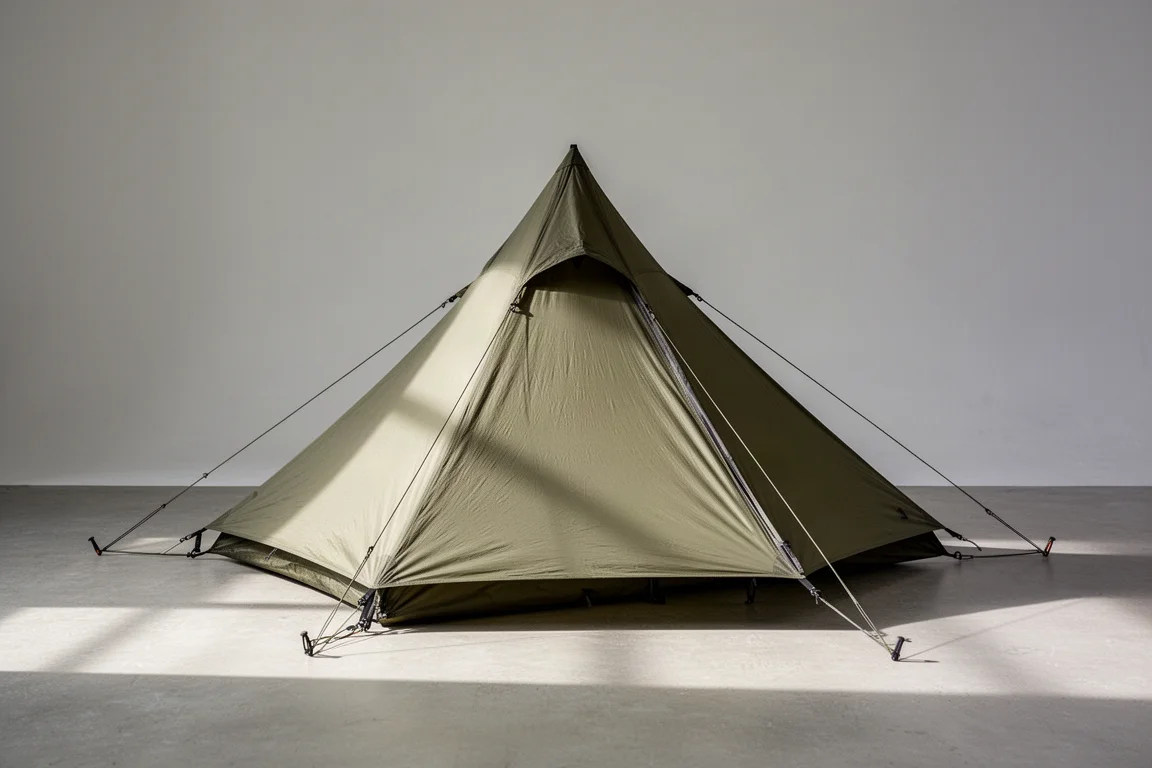
The tents in this comparison are far more alike than their prices suggest. The Zpacks Altaplex and the 3F UL Gear Lanshan 1 Pro are both 230 centimeters long, both rely on a single trekking pole for structural support, both have one door, both are pitched with the same number of stakes, and both are single-walled with no mesh liner. The difference is fabric, and the price gap is the largest in this guide: $625 for the Altaplex against roughly $150 for the Lanshan 1 Pro.
Dyneema brings real advantages. It absorbs no moisture, so a wet tent does not become heavier in the pack, and it does not sag when wet the way silnylon does. It is also more UV resistant and considerably easier to repair, since a patch simply sticks to the fabric. Above all, it is exceptionally light for its strength: the Altaplex weighs 457 grams, while the silnylon Lanshan 1 Pro weighs 690 grams.
Those benefits are genuine, but they arrive at over four times the price. For most backpackers the Lanshan 1 Pro delivers the same basic shelter design at a cost that leaves room in the budget for the rest of the kit.
Matching Gear to Your Trip
The right alternative depends on the conditions you expect rather than on the specification that looks most impressive on paper. Dry, cold trips favor down insulation for its warmth-to-weight ratio. Damp, humid trips favor synthetic fills that keep their loft. Long routes where pack weight compounds over many days make a case for spending more on a quilt or a Dyneema shelter, while shorter trips rarely justify it.
It also helps to separate the features you will actually use from the ones you will simply admire. A watch with on-device maps is a genuine asset on unfamiliar terrain, but a rugged watch with longer battery life covers most everyday training and sleep tracking. A reflective sleeping pad earns its price on cold ground, while a synthetic pad rated to freezing is enough for three-season use.
The practical approach is to spend where weight or warmth affects every night of a trip, and to save where the difference shows up mainly on the specification sheet. That is the pattern behind all five picks here: each one keeps the core function intact and trims what most trips never need.
Conclusion
None of these alternatives is a downgrade in the way that matters most. The Garmin Instinct Solar trades maps and music for ruggedness and battery life. The Decathlon Trek 100 trades wet-weather loft for a much lower price. The Hammock Gear Econ Burrow trades 220 grams for several hundred dollars. The Paria Recharge XL trades weight and reflective insulation for durability and a fraction of the cost. The 3F UL Gear Lanshan 1 Pro trades Dyneema’s moisture and UV advantages for the same single-pole design at roughly a quarter of the price.
If you want the lightest possible kit and weight is the number that governs every decision, the premium versions still justify themselves. If you want gear that performs well across real trips without stretching the budget, these five are the ones worth looking at first.
Further reading
Related Reviews
Outdoor Gear
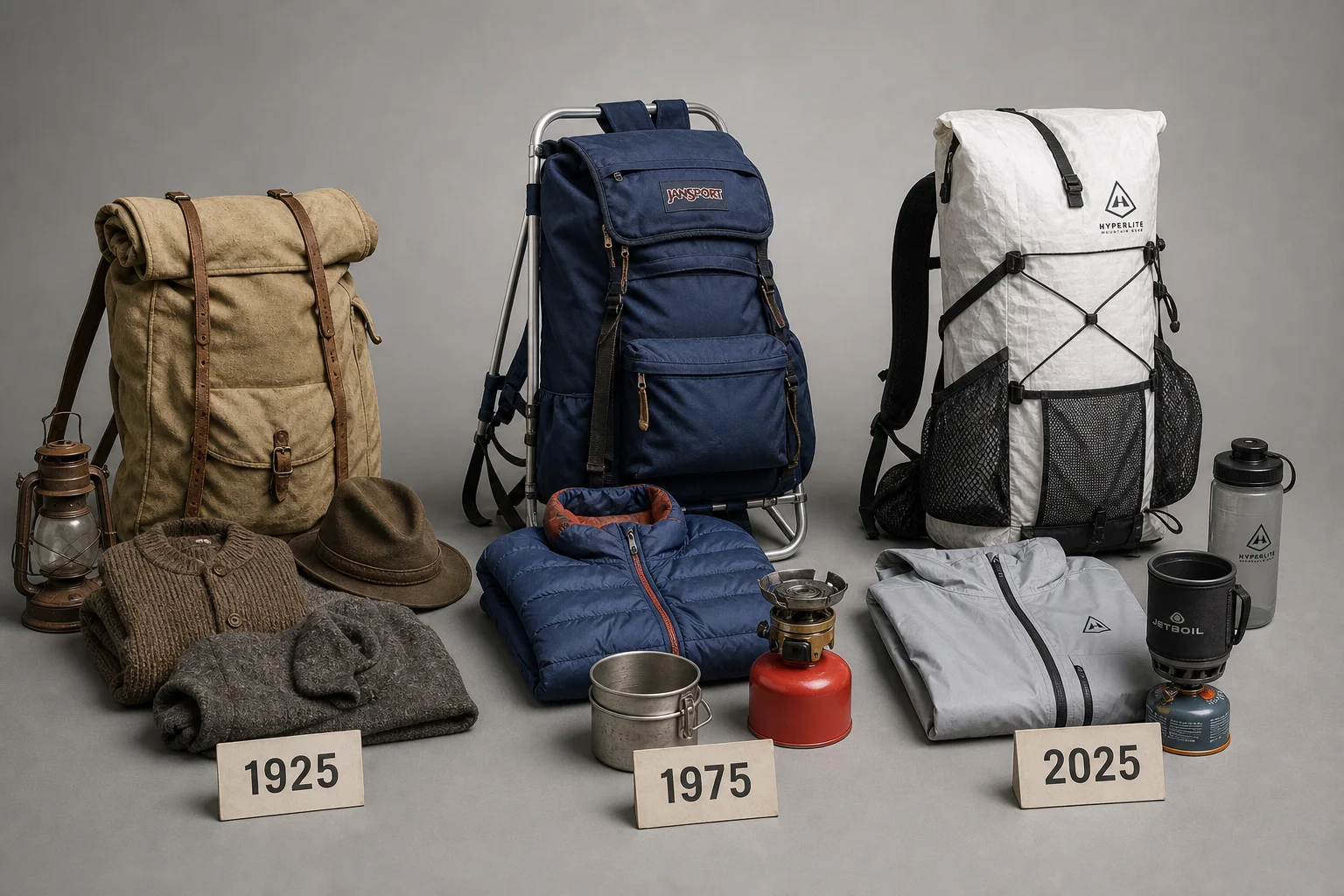
Backpacking Gear Evolution: 100 Years of Technology Compared
We tested backpacking gear from 1925, 1975, and 2025 across a three-day hike in Yosemite. Here's how technology has transformed comfort, weight, and the outdoor experience.
Outdoor Gear
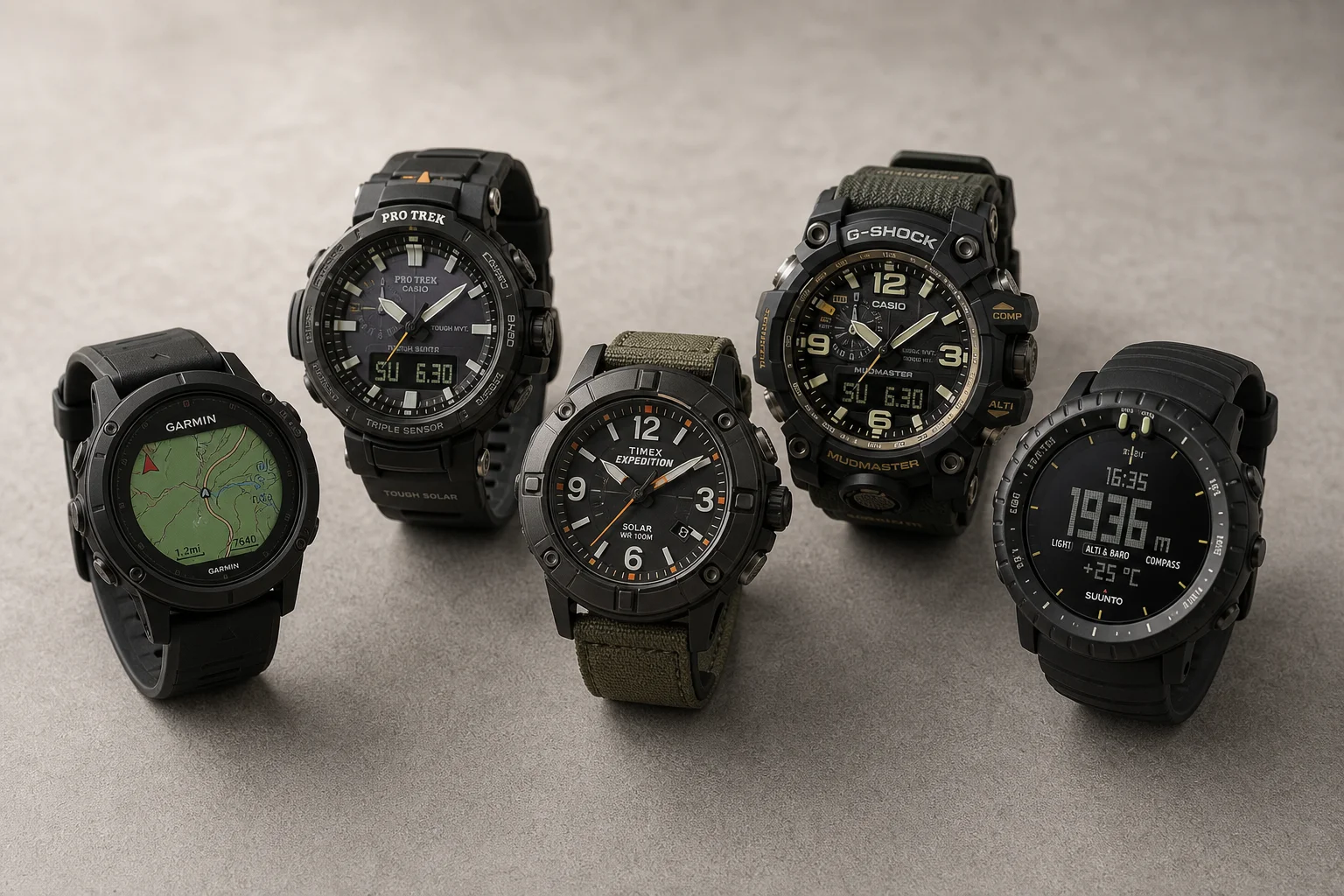
Best Affordable Hiking Watches: Five Rugged Options for Outdoor Adventures
Five durable hiking watches that balance ruggedness, functionality, and value for outdoor enthusiasts who need reliable GPS tracking and weather resistance.
Outdoor Gear
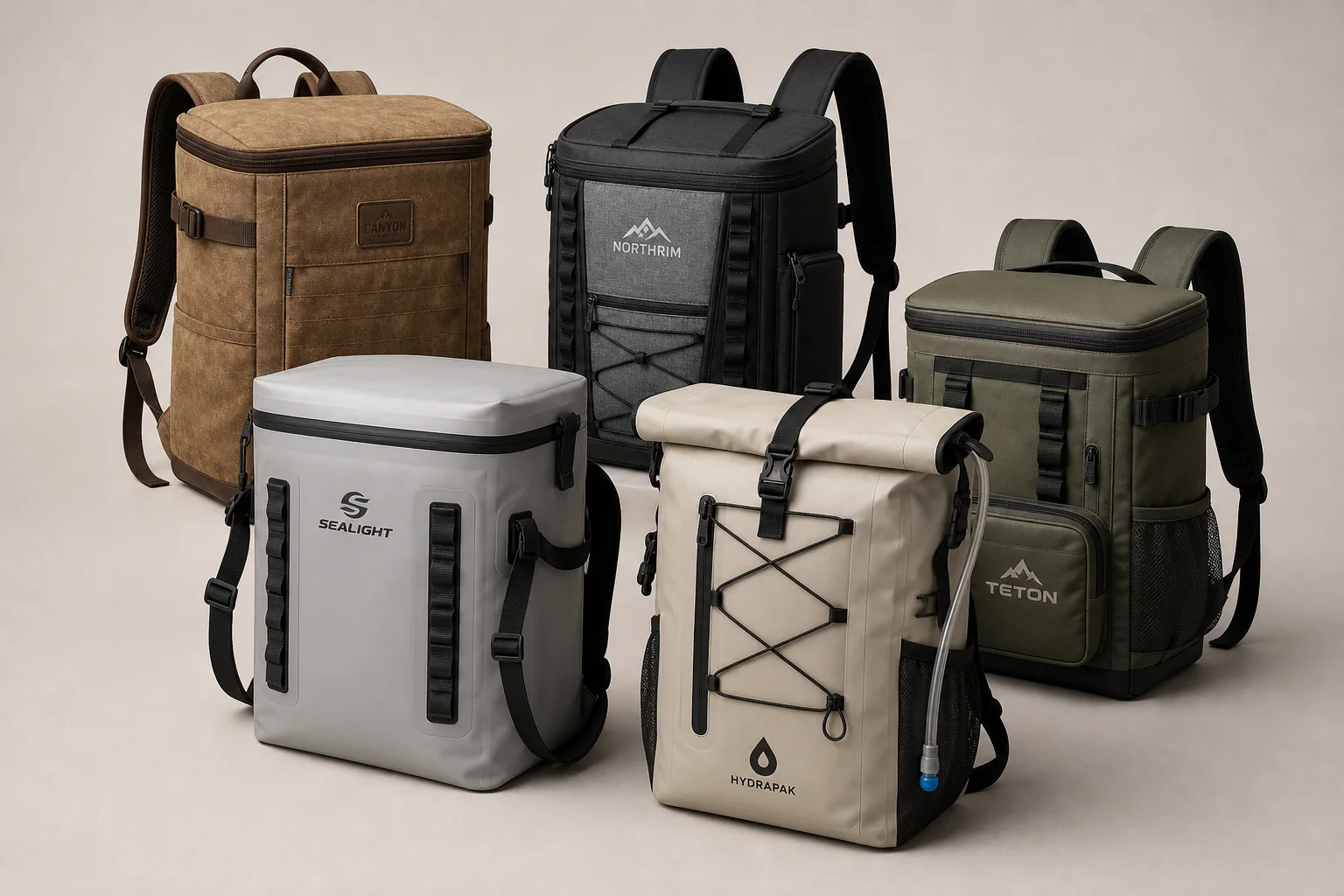
Best Backpack Coolers 2026: Five Practical Options for Outdoor Adventures
Five backpack coolers with distinct cooling capabilities, storage features, and design trade-offs to help you choose the right one for your outdoor needs.