Art Supplies
Five Below 20-Count Gouache Paint Set Review: A $5 Alternative to Himi Jelly Gouache
A hands-on look at the 20-count gouache paint set from Five Below, tested against the popular Himi jelly gouache to see how a $5 set actually performs.
Introduction
Five Below is an American store where nearly everything sells for $5 or less, and it turns out the art aisle is worth a look. Among watercolor pencils, marker sets, cheap canvases and a watercolor pad, one item stood out: a heavy, brick-like 20-count gouache paint set that is essentially a $5 take on the jelly gouache style that has become hugely popular on social media.
The obvious point of comparison is the Himi jelly gouache, the set that popularized this format in the first place. So the question is simple: can a set that costs roughly one fifth of the price deliver enough of the same experience to be worth your money?
First Impressions: Unboxing and Packaging
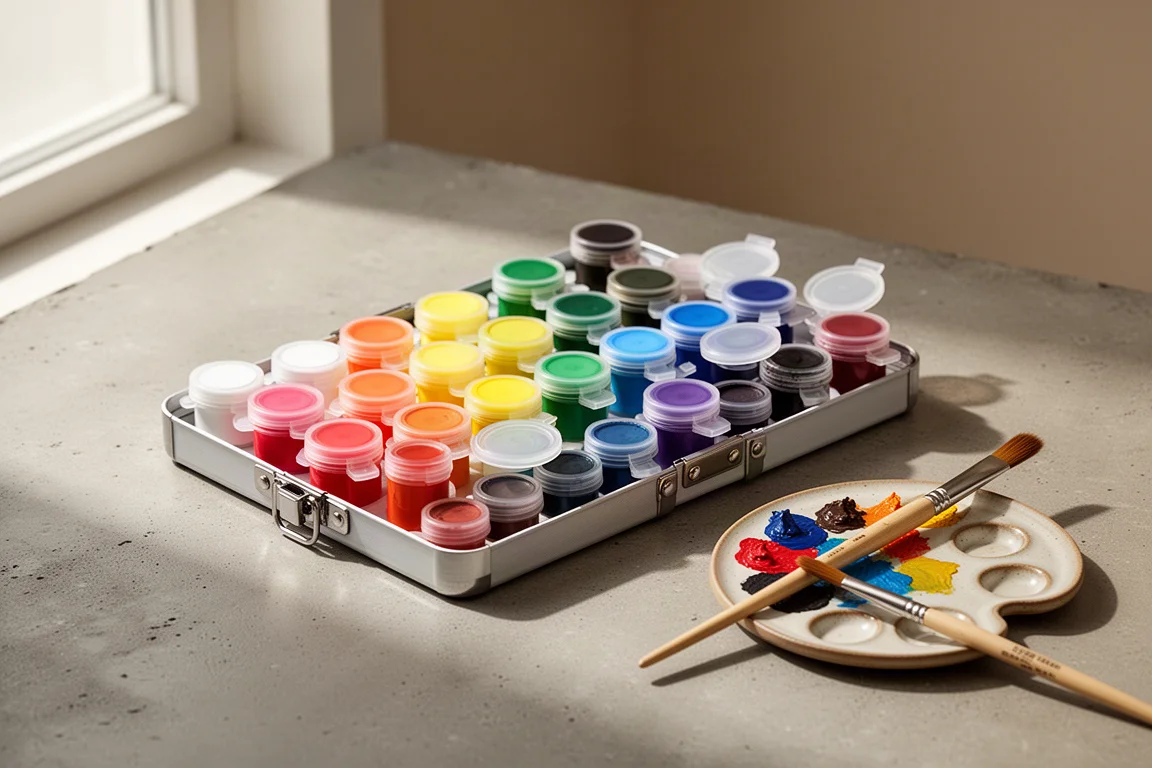
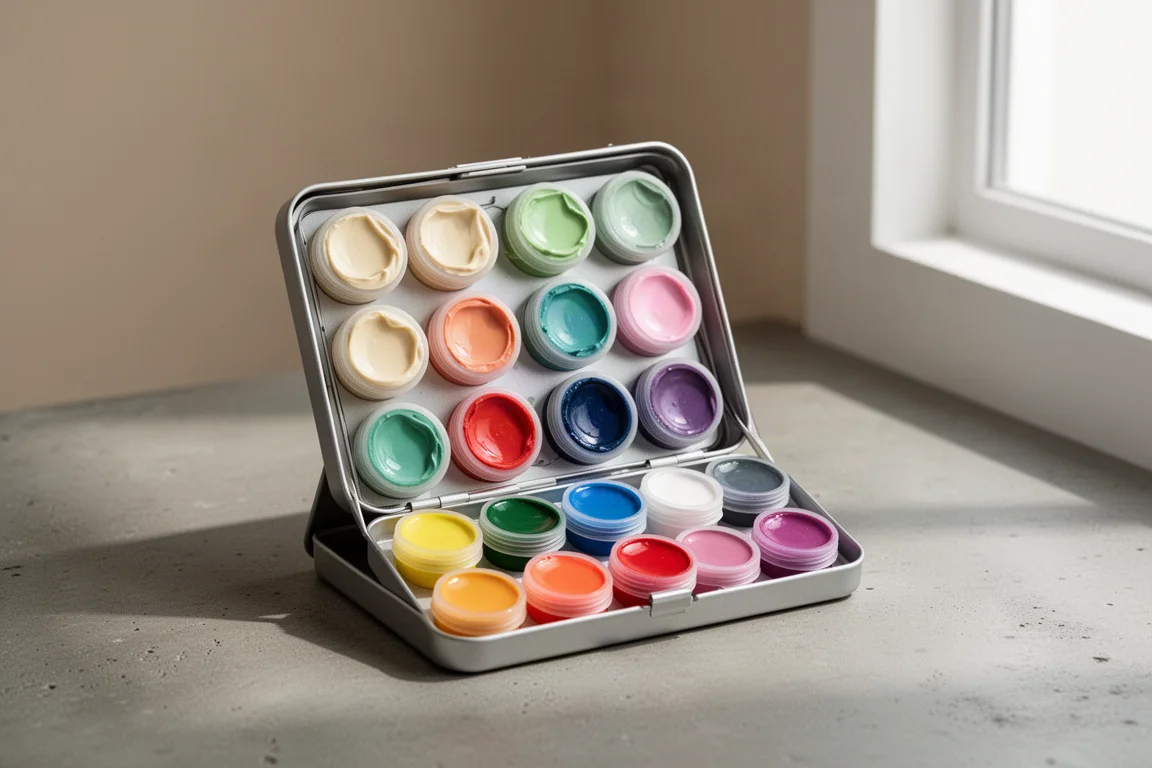
The case unclips at the sides and opens in a way that feels surprisingly premium for the price, and the individual pots lift out more easily than the Himi equivalents. Each pot is full size and actually slightly larger than the Himi pots, and it comes with its own small lid.
That lid detail matters more than it sounds. Jelly gouache is notorious for drying out in the tray, but with individual caps on every pot, the paint stays workable much longer. That alone is a genuinely clever touch at this price.
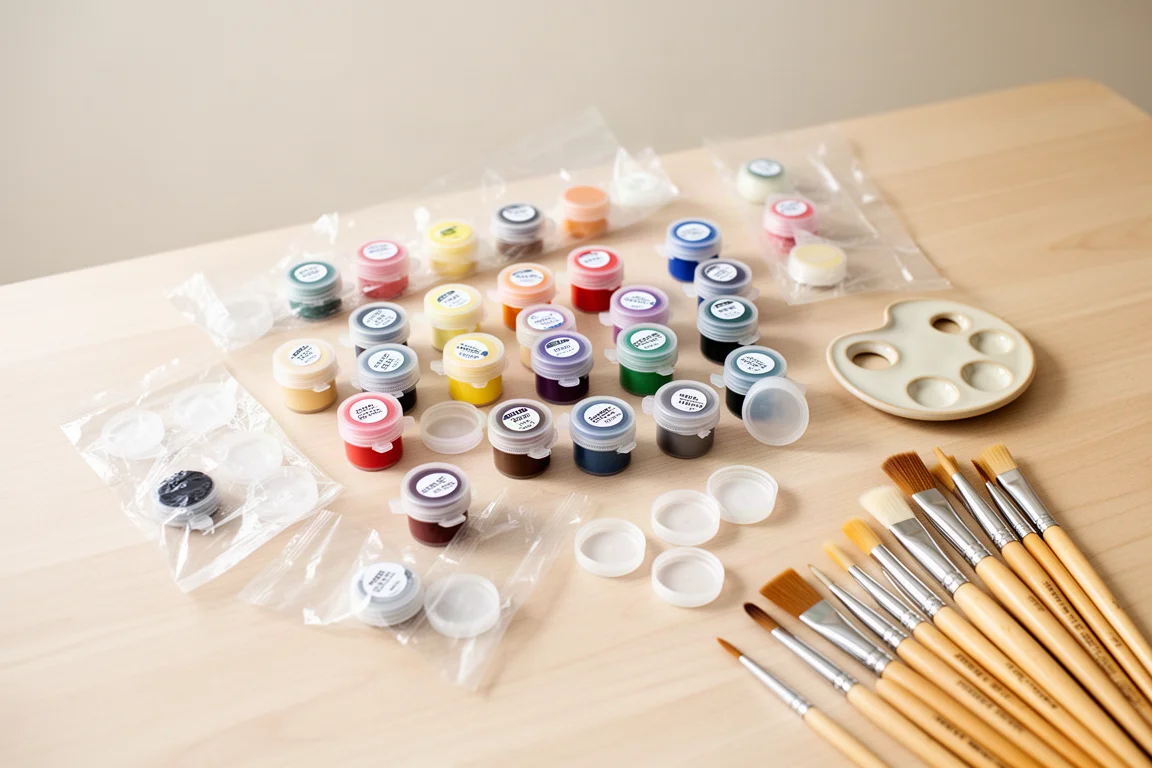
The one genuinely painful part of setup is removing the individual plastic wrappers from each pot. They are extremely difficult to pull off, the paint ends up all over your hands in the process, and by the end of unboxing the whole set you will likely look like you lost a paintball fight. It is the absolute worst part of this style of gouache, and this set is no exception.
What’s in the Set
The set contains twenty colors, and the palette is the surprise highlight. The colors are gorgeous, arguably nicer than the Himi range, with a strong watermelon pink and a range of saturated brights that look beautiful in the tray. There are some gaps, though: no true deep blue and no brown, which limits how far you can push detail in darker subjects.
Alongside the paint, the store also carries inexpensive companion gear that works well with the set: a small ceramic paint palette with paint indentations, a pack of wooden artist brushes with fine synthetic bristles that are adequate for simple work but not thin enough for serious detail, a watercolor pad, and three-packs of cheap and cheerful canvases.
How the Paint Performs
Straight out of the pot, the paint feels thin. That was the first concern, and the swatches confirmed it: this is not the most opaque gouache in the world, and it applies more transparently than the Himi equivalent.
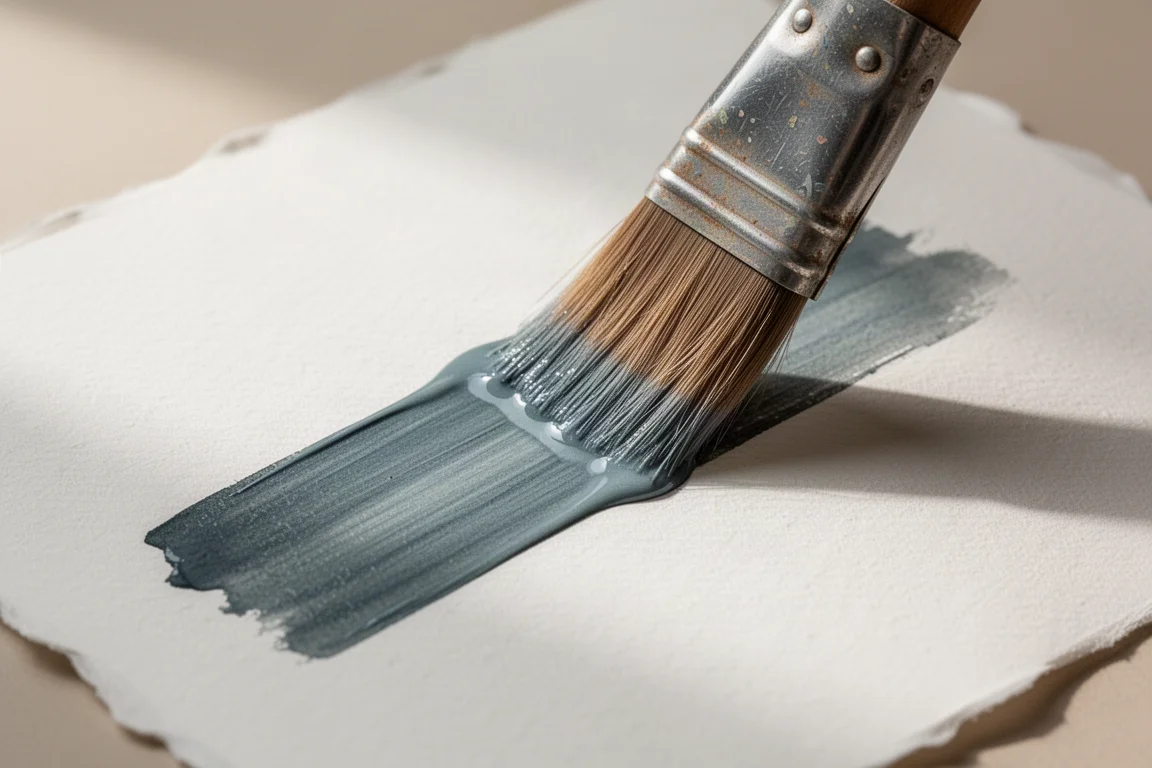
The good news is that layering helps. A second coat covers noticeably better, and on larger background areas the paint applies smoothly and behaves well overall. One yellow in the set was the clear weak point, stubbornly transparent even after repeated layers, and best avoided. The most opaque color in the set works well as a background base.
For anyone who actually prefers a slightly more transparent, watercolor-adjacent gouache, this set is arguably a feature rather than a flaw.
Painting With It: Four Test Studies
To test real-world use, four simple fruit paintings were made on the watercolor pad: a watermelon slice, lemons, blueberries and bananas, each on a different painted background. The paint covered the initial background layers decently and blended easily, and the finished results were colorful and satisfying for simple, low-detail work.
The limitations showed in the details. Transparent pigments made the lemons frustrating, the blueberries lacked a dark enough blue to read correctly, and the washi tape actually tore the surface of the cheap watercolor paper on removal, which points to a paper problem rather than a paint one.
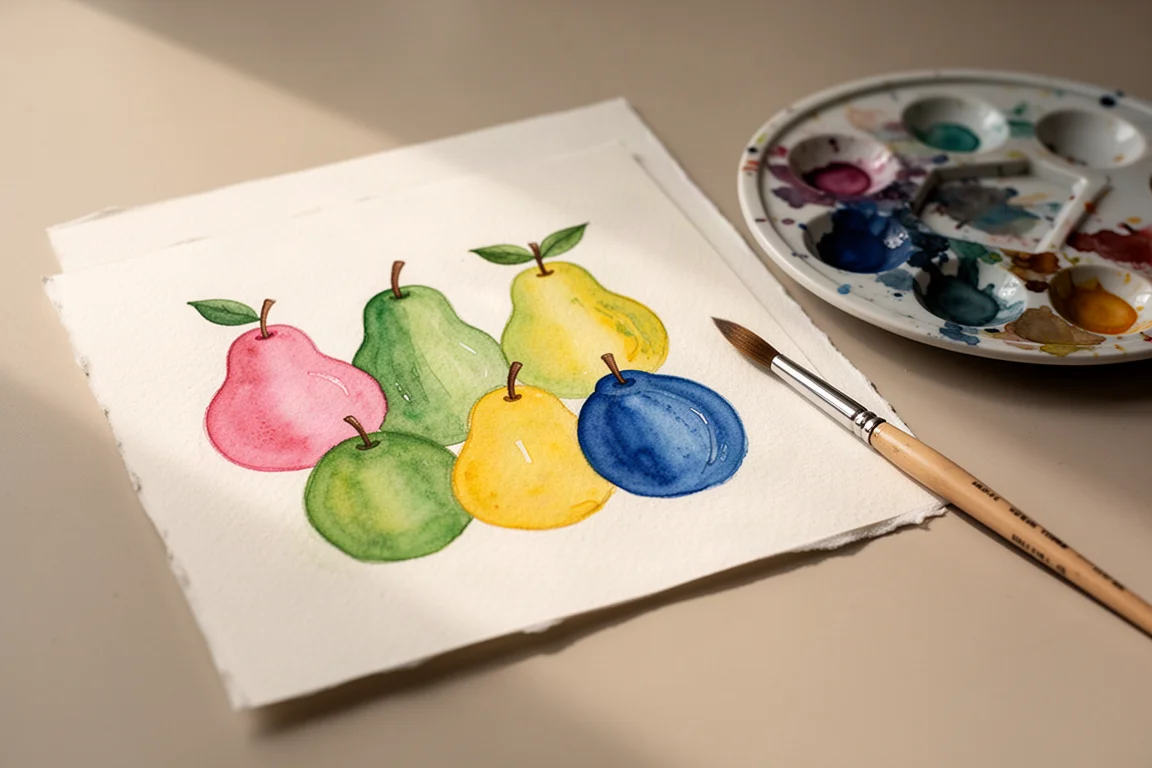
The overall verdict from actual painting: it was fun to use, but it was definitely difficult to use. Simple, bold subjects work well; fine detail and heavy coverage do not.
Five Below vs Himi: The Honest Comparison
Himi Jelly Gouache 24-Color Set
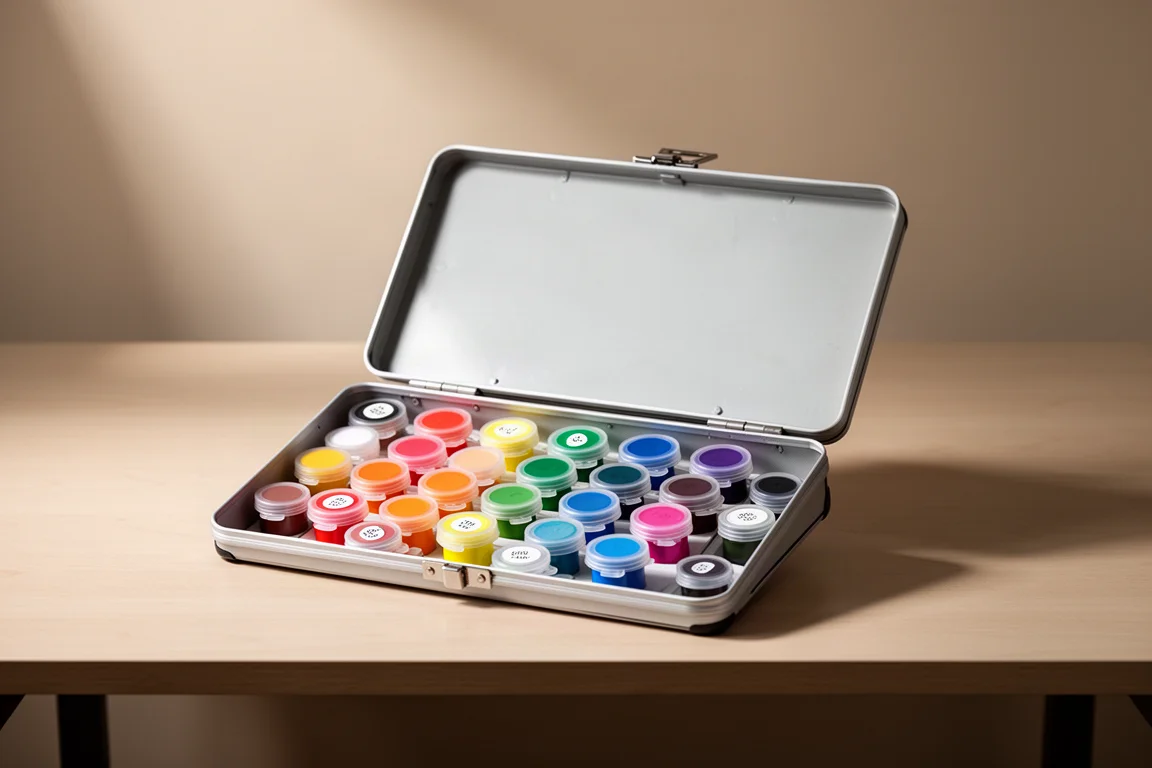
The Himi set is the original jelly gouache format, popular with artists across social media, and it typically runs around $25 for a set of 24 pots. Its paint is noticeably thicker and more opaque than the Five Below set, and it is reasonable to call it artist grade.
The trade-offs are real, though. The Himi pots are harder to remove from the case, they lack individual lids, and the paint dries out in the tray quite easily, though it reactivates fine with water.
Five Below 20-Count Set
At $5 for 20 colors, the Five Below set costs about one fifth of the Himi price while giving up only four colors. The expectations should be calibrated accordingly: this is student grade, one level down, and the lightfastness of paint this cheap will not be great.
Buying Advice
If you already know you love gouache and you paint regularly, the Himi set is the better tool. If you are curious about this style of paint but do not want to make the investment, the Five Below set is an excellent low-risk entry point. Art supplies are expensive, and it is genuinely easy to buy a whole medium only to discover you do not enjoy working in it.
This set lets you learn the consistency and workflow of jelly gouache for the price of a coffee, and it is perfectly capable of producing bright, cheerful finished pieces along the way.
Conclusion
The Five Below 20-count gouache set is cheap, cheerful, and it works. It is thinner and less opaque than Himi, the wrappers are miserable to remove, and at least one color is best avoided, but the individual lids are a smart upgrade, the colors are beautiful, and the price is almost impossible to argue with. For beginners, budget artists, or anyone testing whether jelly gouache is for them, it is an easy recommendation.
Further reading
Related Reviews
Art Supplies
Art Pop Watercolor Pencils 48-Color Set: A Thoughtfully Designed Student-Grade Option
The Art Pop 48-color watercolor pencil set blends well, dissolves smoothly, and includes artist-friendly details like barrel-printed color names, all at an affordable price.
Art Supplies
Artics Acrylic Markers 3mm Review: Versatile Paint Markers With a Few Caveats
A 48-color set of water-based acrylic paint markers that blend while wet, dry permanent, and keep the price low, though safety transparency remains a question.
Art Supplies
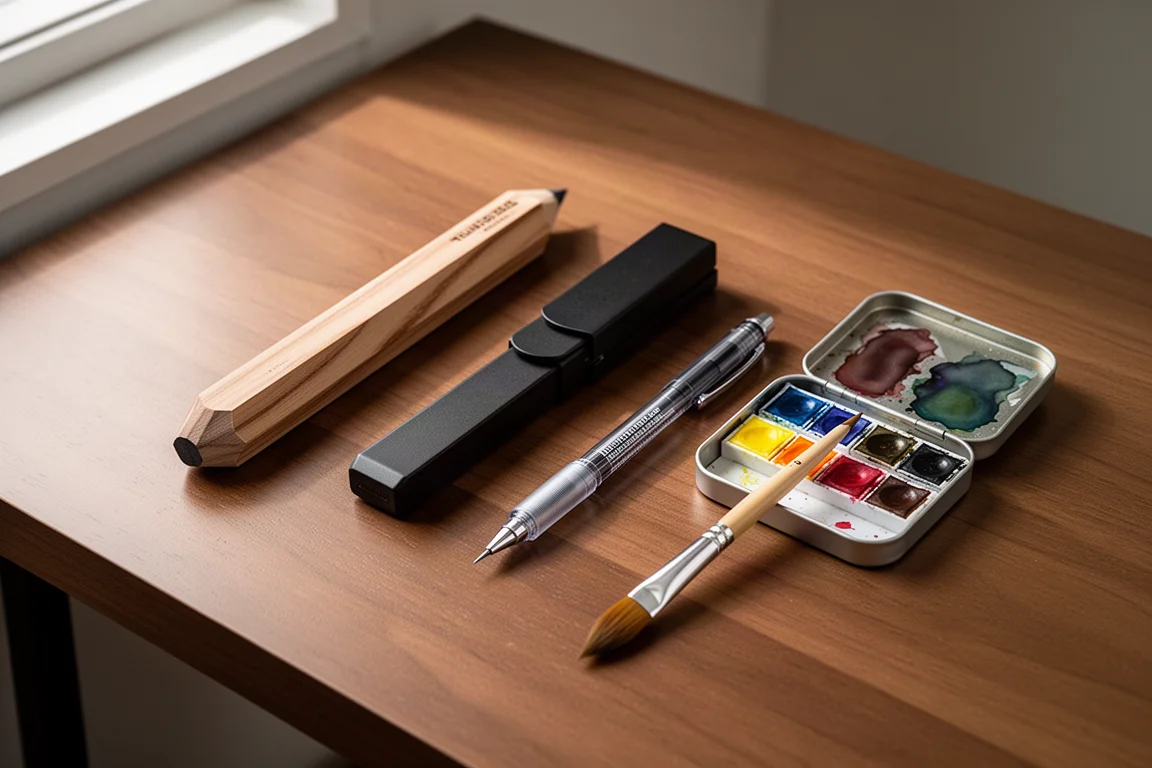
Best Art Supplies Worth Your Money: Pencils, Pens, Paints, and Paper That Earned Their Spot
After years of daily use and testing, these are the pencils, pens, watercolors, gouache, brushes, sketchbooks, and erasers that stand above the rest.