Garden Tools
Fiskars Harvest Knife Review: A Modern Take on the Garden Dirt Knife
Fiskars takes the traditional Japanese hori hori concept and rebuilds it with stainless steel, full tang construction, and a grip designed for long sessions in the soil.
Introduction
The hori hori, sometimes just called a dirt knife, has been a garden staple for a long time. Many gardeners end up using one hard until the handle loosens and the wood starts to give up. That exact scenario is what makes the Fiskars Harvest Knife interesting: it takes the traditional dirt knife concept and modernizes the parts that tend to fail.
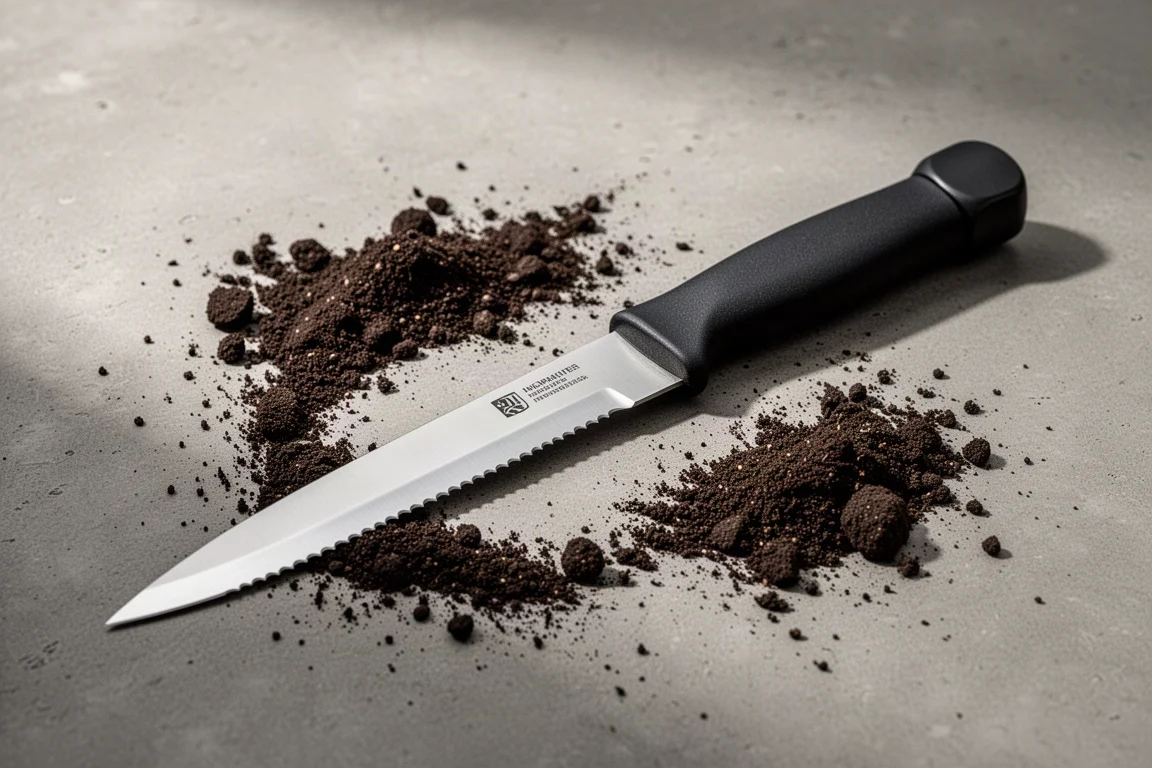
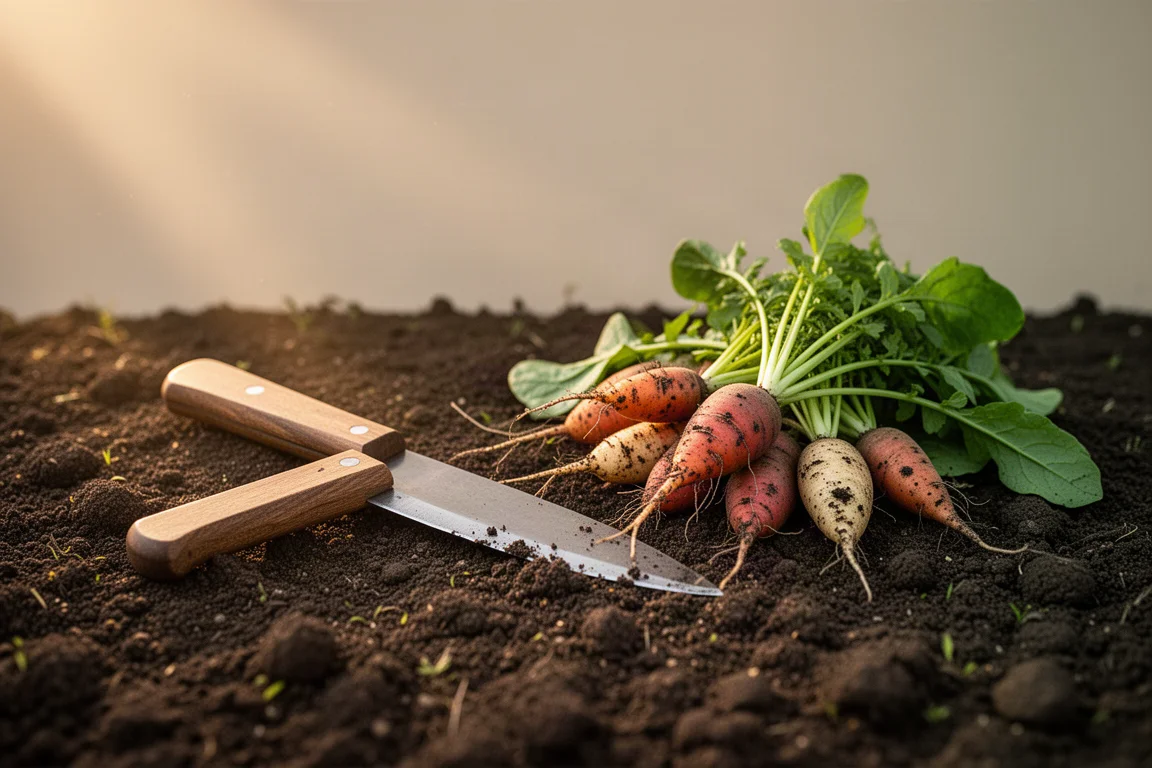
Fiskars calls it a harvest knife rather than a hori hori, and the distinction is fair. It has a long profile blade, half serrated on one side with the serration rolling up around the tip, and a grippy rubber handle in the usual Fiskars style. It feels well built in the hand and looks suited to real field work, from digging to processing harvests on the spot.
Who This Product Is For
This knife makes sense for gardeners who actually use their tools hard. If you plant seeds, dig, cut, and process crops outdoors, a dirt knife earns its keep quickly. The Fiskars version suits anyone who has worn out a traditional hori hori or who is tired of maintenance-heavy wood handles.
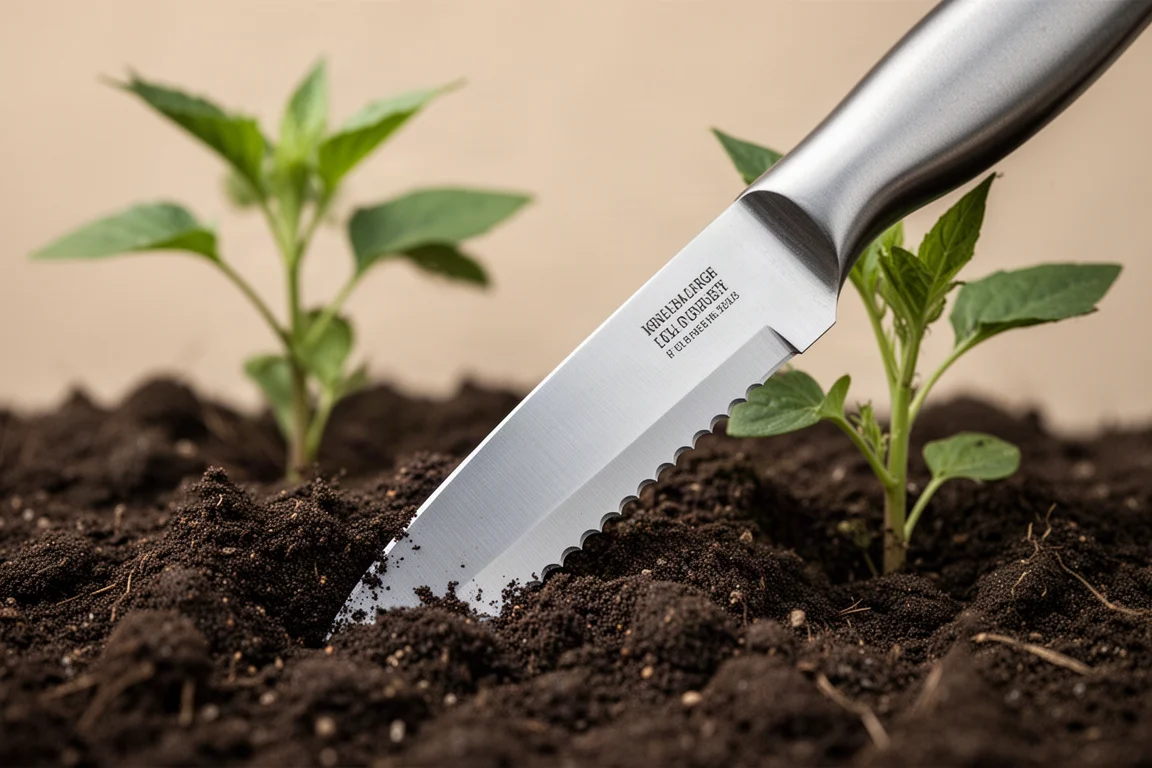
It is also a reasonable pick for people who have discovered that other trade knives work surprisingly well in the garden. Serrated HVAC and insulation knives, for example, have long been an open secret among gardeners: the full serrations on one side and a regular cutting edge on the other handle soil and plant material without complaint.
Main Strengths
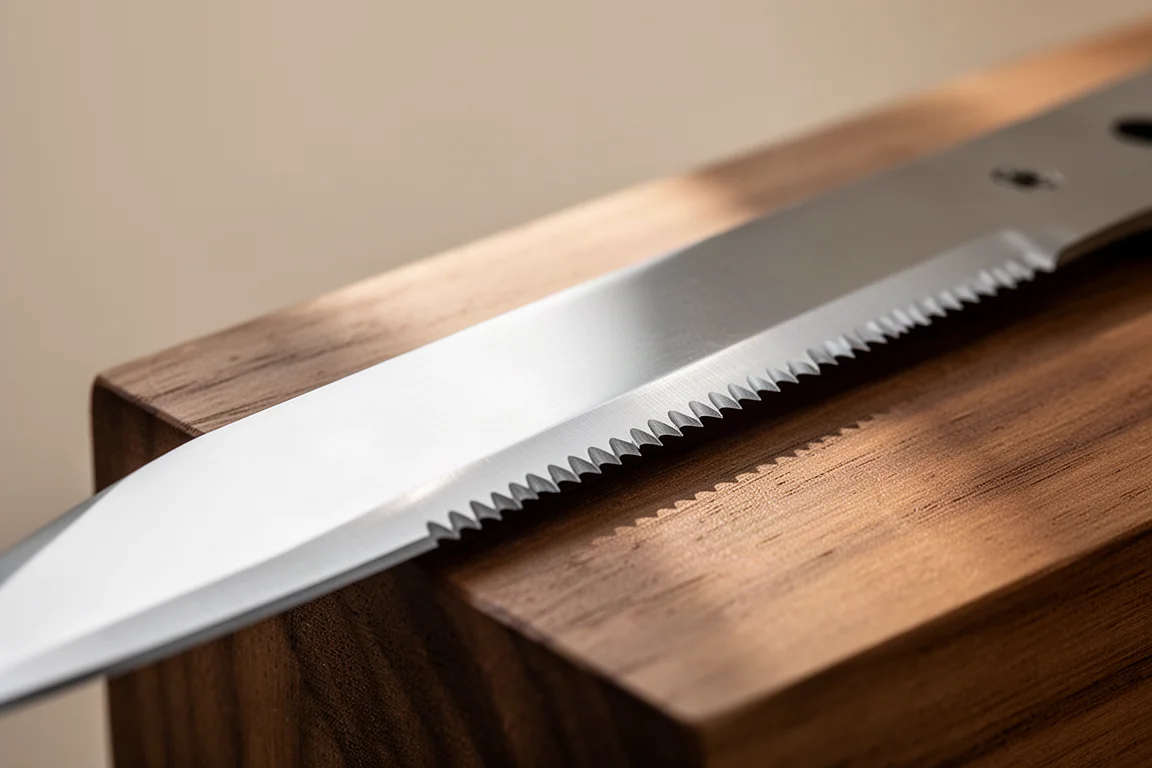
The blade is the headline. It is stainless steel, which matters enormously for a tool that gets jammed into wet dirt and left outside. The half-serrated edge gives you two cutting options in one tool, and the serrations continue around the tip, which helps with cutting through tough material.
Construction is the other big advantage. Where traditional hori hori knives are typically half tang with riveted wooden handles, the Fiskars uses a full tang with a molded rubber grip and a striking cap at one end. The handle is a standard Fiskars grippy rubber design, comfortable for extended use, though slightly hard near the top. The overall feel has been described as a bit like a tiny machete, which is not a bad thing for garden work.
The striking cap is a practical touch as well, letting you drive the blade into the ground with a bit of force when needed.
Things to Consider Before Buying
The traditionalists’ favorite features are partly missing. A classic hori hori has depth markings in inches and centimeters on the blade, which is genuinely useful for planting seeds at the right depth. The Fiskars Harvest Knife does not lean into that measuring-tape identity; it is a cutting and digging tool first.
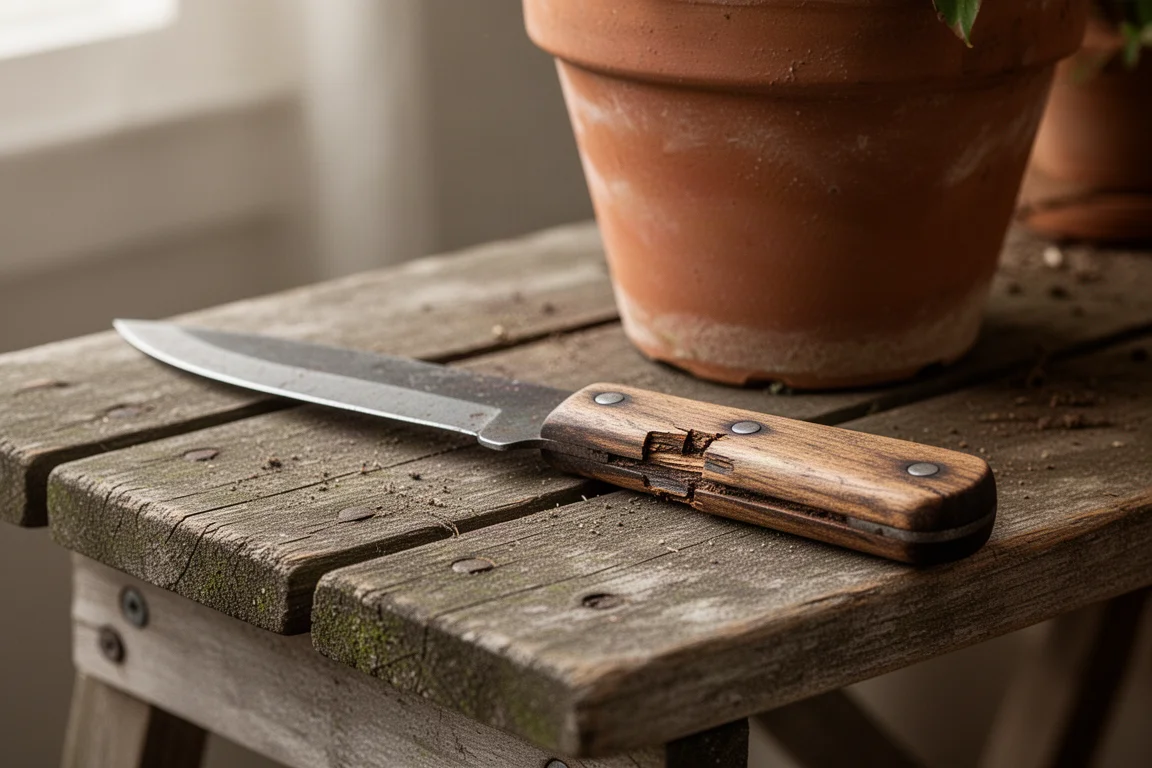
Traditional hori hori knives also often include finger guards near the handle. Whether those add much is debatable, since a dirt knife is not a fighting tool, but if you are used to that extra barrier it is worth noting. Finally, the handle is slightly hard in the area near the blade, so very long sessions may be felt in the hand.
Buying Advice
If your current dirt knife is still solid, there is no urgency here. But if yours is loosening up, if the wooden handle is coming apart around the rivets, or if you keep forgetting to dry it before storage, the Fiskars is a sensible upgrade. The stainless steel blade and full tang construction directly address the two most common failure points of the traditional design: rust and handle separation.
A well-maintained hori hori can last the better part of a decade, so longevity is the standard to beat. The Fiskars approach seems built to clear that bar with less fuss. And it is genuinely good to see a major tool maker pushing garden cutlery forward rather than just repeating old patterns.
Conclusion
The Fiskars Harvest Knife is a durable, comfortable, low-maintenance evolution of the garden dirt knife. It gives up the depth markings and finger guards of the traditional hori hori in exchange for stainless steel, full tang construction, and a grip that shrugs off wet weather. For gardeners who use their knife hard and want one that will not come apart in the process, it is an easy recommendation.
Product link
View more details for Fiskars Harvest Knife
This product is mentioned in the review. Check the specifications, options, and compatibility before buying.
View more details for Fiskars Harvest KnifeFurther reading
Related Reviews
Garden Tools
Bibury Folding Trimming Multi-Tool Review: Shears, Saw, and Blade in One
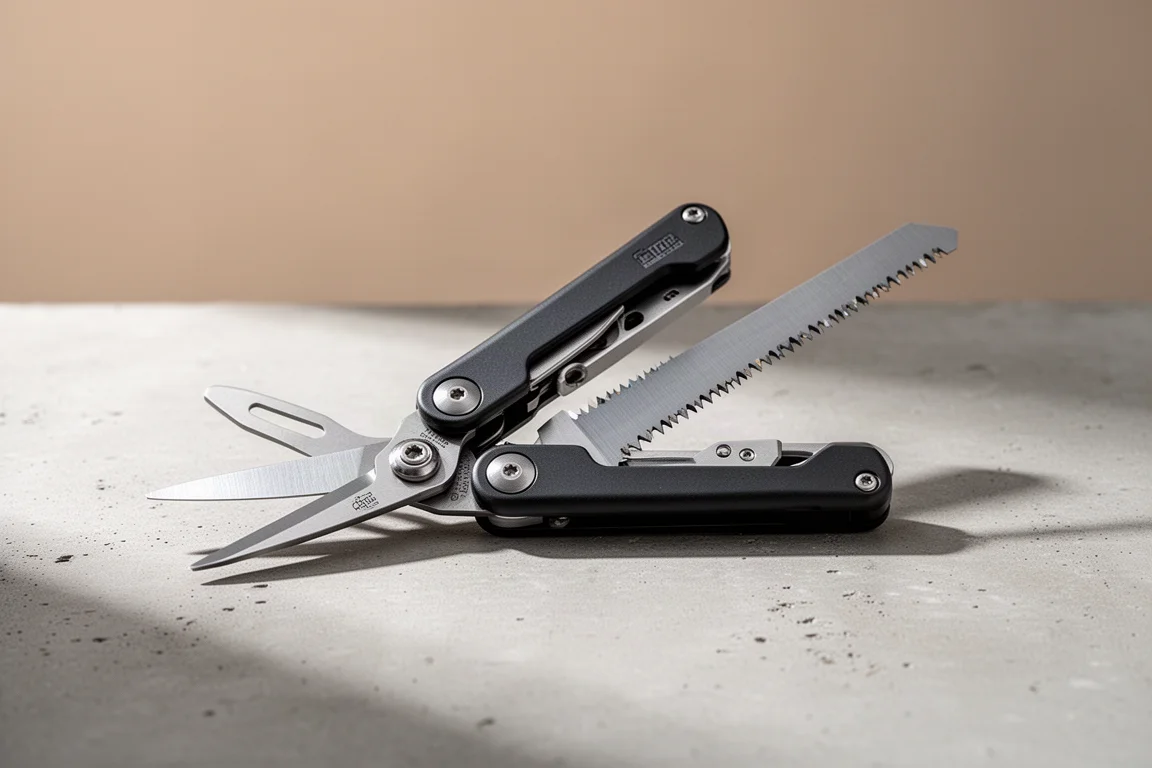
An inexpensive folding trimming multi-tool with shears, a surprisingly capable saw, and a blade we would not rely on. Here is how it held up on real overgrown branches.
Garden Tools
4 Garden Power Tools Worth a Look: Ryobi Patio Cleaners and DeWalt XR Garden Tools
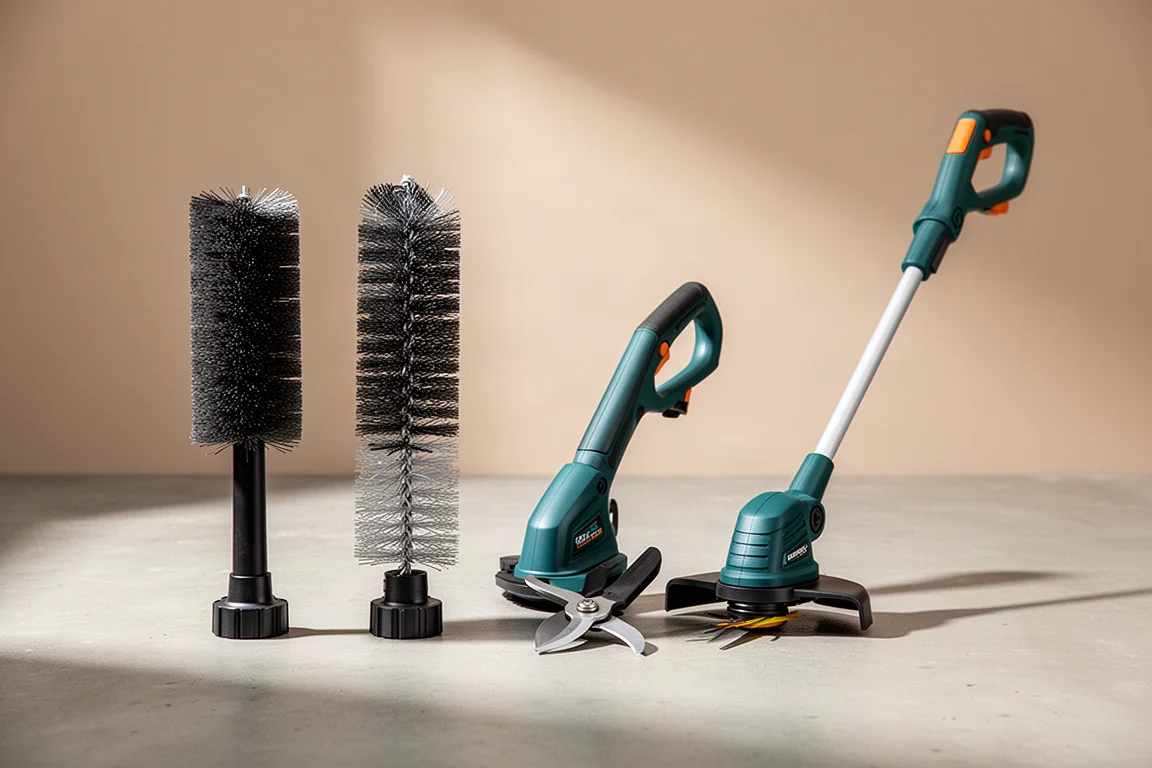
Two Ryobi patio cleaners and two DeWalt XR garden tools put through real springtime work, with honest strengths and trade-offs for each.
Garden Tools
AEG ALP18 Pruning Shears Review: A Cordless Pruner With Real Muscle
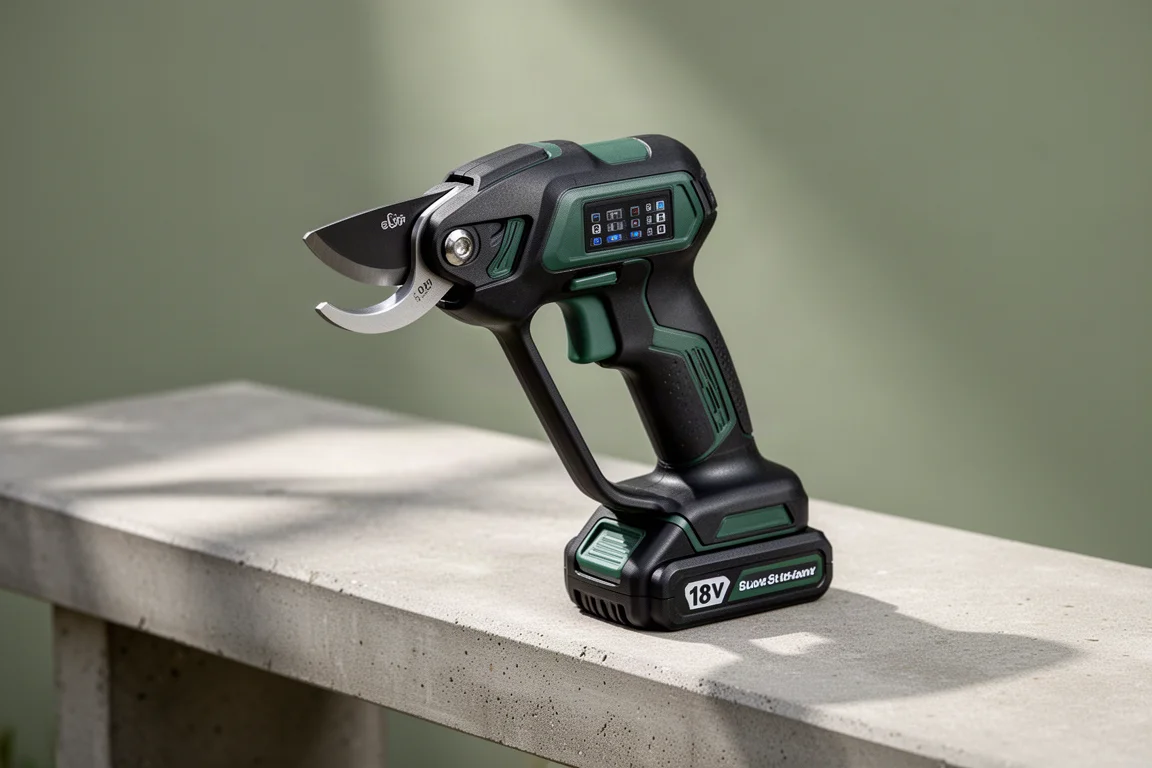
The AEG ALP18 cordless pruning shears cut up to 30mm soft wood, keep operation easy on the hands, and add more torque than rival pruners, with a few quirks to know first.