Ski Gear
Fischer RC4 The Curv GT Review: A Frontside Carver With Race Bones
A 76 mm carving ski that blends race-derived construction with recreational manners, built for advanced skiers who spend their days on groomed terrain.
Introduction
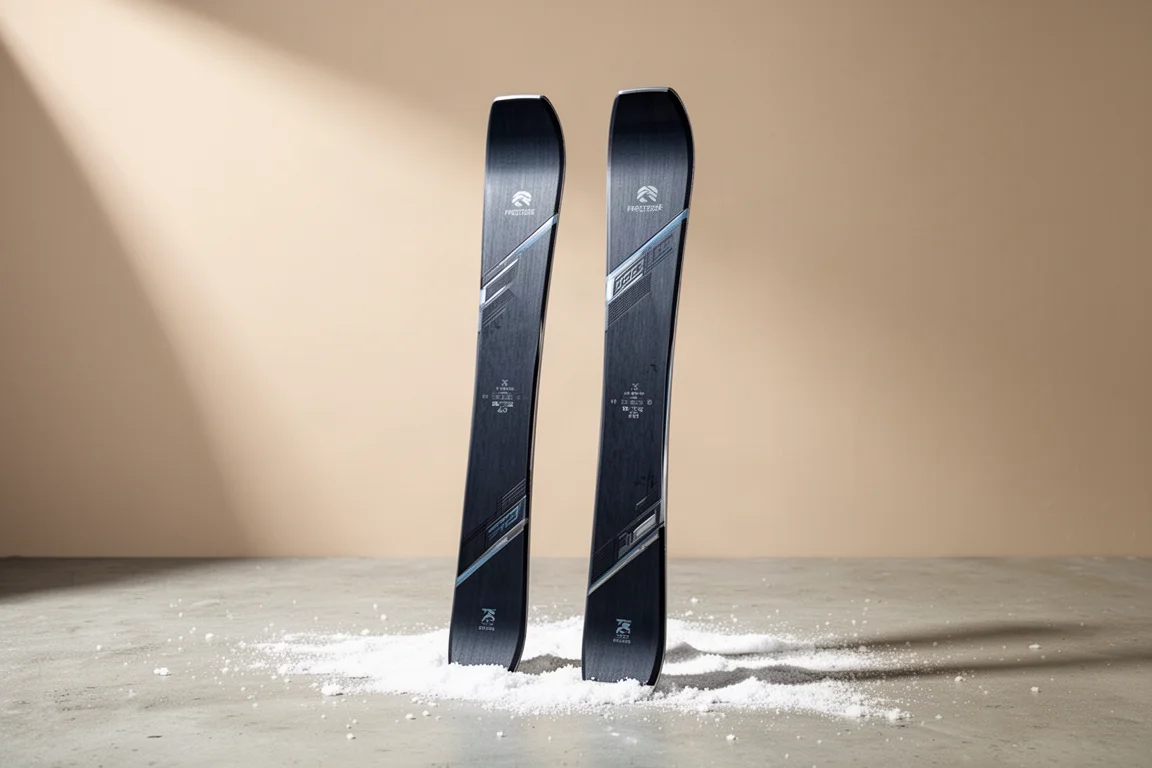
A 76 mm waist, a wood core, two sheets of metal and a carbon layup: the Fischer RC4 The Curv GT is what happens when a race department builds a ski for people who spend their weekends carving groomed runs rather than standing in a start gate. It belongs to a category that keeps expanding, the wide-bodied GS carver that borrows the bones of a race ski without demanding the same level of commitment.
The model returns unchanged from the previous season, which matters if you already know how this platform behaves, because nothing about the shape or the construction has shifted. The brief behind it is easy to describe. Take the grip and stability of race-derived build quality, widen the platform slightly, and make the result more user-friendly without giving away performance.
The numbers explain most of the intent. At 76 mm underfoot the ski sits roughly 10 mm wider than a true GS race ski, and that gap is deliberate. Skis that narrow into the 68 to 70 mm range lose balance and start to feel twitchy, so the extra width here adds a more stable platform while keeping the performance level high.
Who This Ski Is For
This is a ski for advanced and expert skiers who spend a lot of their time on trail. If you are filling a frontside slot in a quiver, it deserves to be near the top of the list. It also makes sense for skiers in low-snow regions who find themselves on firm conditions more often than not, where it can comfortably serve as a daily driver.
There is a broader case too. Not long ago a 76 mm waist was considered mid-fat, so the ski carries genuine all-mountain capability alongside its frontside strengths. The construction and shape still tilt the experience firmly toward carving on groomed terrain, but the width keeps it from feeling like a single-purpose tool.
Construction and Flex Profile
Under the topsheet there is a wood core, two sheets of metal and a Diago carbon laminate laid across the ski in a woven format, which raises torsional stiffness. A carbon bridge sits underfoot, built from horizontal carbon strips placed beneath the midfoot zone, and the result is a midbody that is about as stiff and stable as it gets. That stiffness feeds directly into edge grip underfoot on a slightly wider body.
The flex is not uniform, and that is part of the appeal. The shovel is not overly stiff, so you can drive into the tip without the ski feeling abusive or demanding, which lets you access the full sidecut. The tail is relatively stiffer, and that lines up with the way the turn radius is laid out. The ski uses a triple radius, longer in the tip and tail and shorter underfoot, so it can produce a range of turn shapes. At 175 cm the reference turn radius is 16 meters, firmly in the mid-range of a GS arc rather than the long arc of a true race ski.

Rocker is minimal here. There is positive camber underfoot to pair with full sidewalls, and the ski is best described as a true tip-to-tail cambered design, which is where the edge grip comes from. There is also zero taper: the shape runs right out to the end, with a blunt tip that gives the edge less area to hook through and a squared-off tail that holds the edge to the very end. The combination produces a long effective edge and a notably smooth ride.
Main Strengths
Predictability is the headline. From tip to tail the ski behaves consistently at a very high performance level, which is the quality that separates a good carver from a demanding one. Nothing about the ride feels like it is waiting to catch you out.
Edge grip is the second pillar, and it comes from the same set of decisions: the metal and carbon layup, the positive camber, the full sidewalls and the squared tail. The wider 76 mm platform keeps the balance in place while all of that grip is being applied, so the ski stays composed rather than nervous when you push it.
The flex profile adds a third quality that is easy to overlook on a spec sheet. Because the shovel bends with you instead of resisting, the ski feels powerful and responsive without being punishing, which makes its performance accessible rather than reserved for the strongest skiers on the hill.
Things to Consider Before Buying
The most important thing to understand is what this ski is not. It is a hybrid between a true race ski and a recreational carver, and the sidecut reflects that. The turn radius is closer to a recreational, beer-league or masters-style cut than the long arc of a genuine GS race ski. If your goal is a true race-ski arc, this is a different tool.
The second consideration is terrain. With very little rocker and a cambered profile, the ski is at its best on groomed and firm surfaces. That is where its edge grip and stability pay off, and that is the context in which it should be judged.
Finally, think about how you actually ski. This is a ski that rewards a skier who spends the day on trail and wants a predictable, powerful platform underfoot. If most of your time is spent in soft snow or off the groomed, the frontside focus will feel like a limitation rather than an advantage.
Buying Advice
For an advanced or expert skier looking for a frontside option, this sits at the top of the list. The 175 cm length with its 16 meter turn radius is a useful reference point: it is long enough to feel stable and short enough to stay nimble, and the triple radius means you are not locked into one turn shape.
If you ski mainly in low-snow zones and spend most of your season on firm conditions, the Curv GT can serve as a daily ski rather than a specialist. Its combination of a wider 76 mm platform, a strong midbody and a forgiving shovel makes it a convincing one-ski answer for that kind of season.
The case for buying is straightforward. You get race-derived construction and grip without the demands of an actual race ski, plus a shape that stays balanced and predictable across a wide range of turn sizes. For the right skier, that trade is exactly the point.
Conclusion
The Fischer RC4 The Curv GT does one job very well and does it at a high level. It brings metal, carbon and a cambered, zero-taper shape together into a carving ski that is stable underfoot, smooth from tip to tail and forgiving enough in the shovel to be driven hard. Advanced and expert skiers who live on groomed terrain will find a lot to like, and skiers in low-snow regions may find it becomes the ski they reach for most often.
Product link
View more details for Fischer RC4 The Curv GT
This product is mentioned in the review. Check the specifications, options, and compatibility before buying.
View more details for Fischer RC4 The Curv GTFurther reading
Related Reviews
Ski Gear
2023 Blizzard Hustle vs Rustler: Six Freeride Skis Compared
Blizzard's 2023 Hustle collection rebuilds the Rustler shape with a lighter core and no metal. Here is how all six skis differ, and which one suits your riding.
Ski Gear
2023 Skis of the Year: Atomic Maverick 88 TI, Salomon QST 106, and Look SPX 12 Pro
Three standout ski picks for all-mountain carving, powder days, and reliable binding performance, with practical buying notes for 2023 models.
Ski Gear
2025 Nordica Enforcer 104 Review: A Directional Charger Replaces the 104 Free
The 2025 Nordica Enforcer 104 drops the Free name and the twin-tip personality, gaining weight, stiffness and composure in rough snow. Here is what changed and who it suits.