Alpine Skis
Fischer RC4 Noise LT Review: A Race-Bred Frontside Carver for Expert Skiers
A detailed look at the Fischer RC4 Noise LT, a stiff GS-oriented ski built for expert skiers, beer league racers, and aggressive groomed-terrain carving.
Introduction
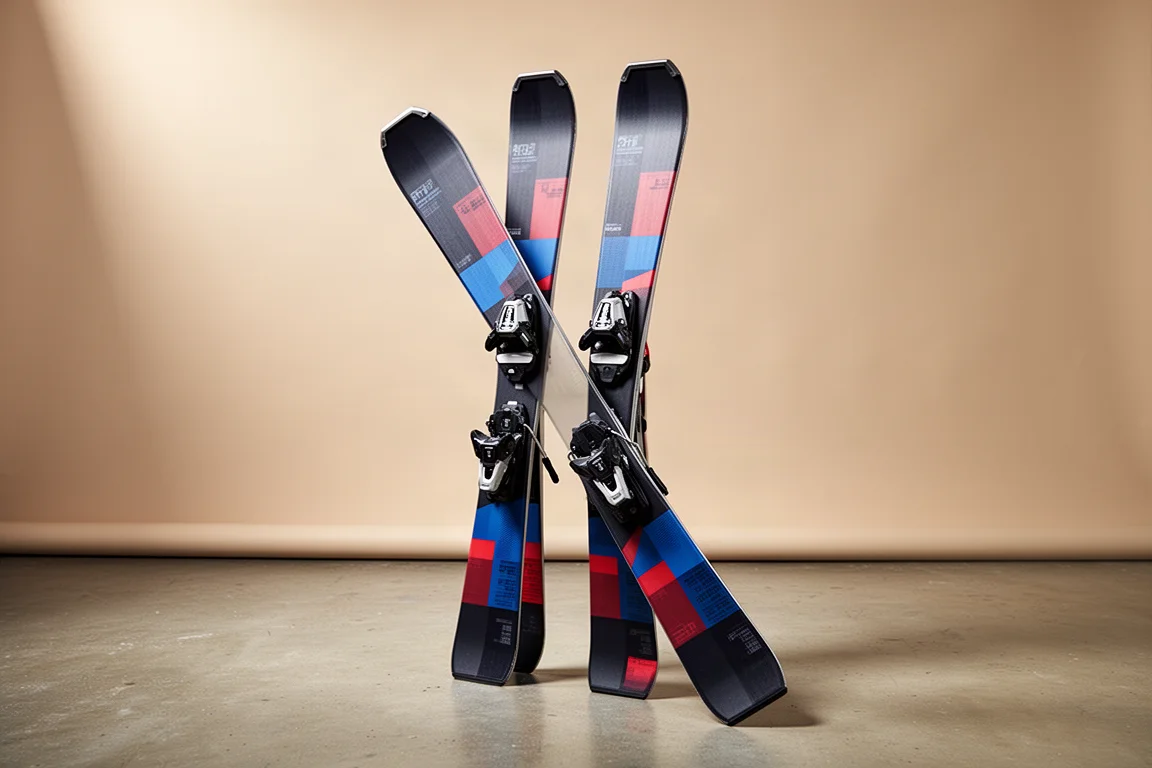
The Fischer RC4 Noise LT is a new ski for the 2026 season, and it sits firmly in the brand’s race-influenced frontside range rather than the general recreational carving category. The intent behind it is straightforward: GS-oriented performance for beer league racing and high-end carving on groomed terrain. Every part of the build points in that direction, from the solid wood core and twin metal sheets to the notably stiff flex pattern.
Skiers who have spent time on race skis will recognize the character immediately. This is not a forgiving all-mountain companion. It is a demanding, high-energy tool that asks for a strong technical foundation and returns precision, stability, and edge grip in exchange.
That trade-off shapes everything below. The RC4 Noise LT rewards good balance and clean technique, and it is noticeably less patient with skiers who are still building those skills.
Who the Fischer RC4 Noise LT Is For
The RC4 Noise LT is aimed squarely at expert skiers, along with current and former racers. Anyone chasing pure frontside race carving performance on firm snow is the intended audience, and beer league racing is a natural fit given the GS-leaning shape.
Intermediates and advanced skiers may find the ski tricky. The combination of a stiff flex, a narrow waist, and a fine balance point makes it harder to access than a typical frontside carver. It is not a ski that flatters inconsistent pressure or a hesitant edge change.
Construction and Main Strengths
Underfoot, the RC4 Noise LT uses a solid wood core, which brings much more race room influence than a recreational build would. Fischer runs a dynamic race program, and a good amount of that technology filters directly into this ski.
There are two sheets of metal in the layup, one at 0.5 mm and the other at 0.8 mm, so there is a substantial amount of metal working through the structure. An absorptive layer is also built in to filter out unwanted vibrations, which is the idea behind the Noise name. The result is a ski that stays solid and smooth to the snow rather than transmitting chatter back to the skier.
The most notable single trait is stiffness. Very few skis on the market feel stiffer than the Noise LT, and that rigidity pays dividends in longer radius turns at higher speeds, which is exactly what the ski was designed to do. The mix of heft and flex is what delivers the race-like feel.

For strong skiers, that construction translates into a platform that holds up when the speed climbs and the terrain stays firm. It is a build that favors commitment over caution.
Shape, Camber, and Turn Radius
The profile carries plenty of race room DNA. In the 178 cm length, the measurements are 109 mm at the tip, 66 mm at the waist, and 97 mm at the tail, producing an 18 meter turn radius.
There is a healthy amount of positive camber, and it remains visible even with the weight of the system binding mounted. A thick, solid sidewall runs the length of the ski and feeds a great deal of energy and power into the underfoot zone.
Rocker is effectively absent. Even when the ski is decambered, there is minimal to zero movement up front and minimal taper. The tip shape is only slightly rounded, which brings a touch of easier turn initiation without changing the ski’s fundamentally classic cambered character. At the back, the tail is square and blocky with no rocker and no meaningful taper, which keeps the effective edge long. The longer the ski stays engaged on the snow, the smoother it feels.
That narrow 66 mm waist is central to the experience. It generates a huge amount of torsional stiffness and edge grip underfoot, and it also makes the balance point finer and harder to find. Stronger, more skilled skiers with an understanding of how a narrow waist behaves on snow will get far more out of it.
Binding System and On-Snow Weight
The RC4 Noise LT is paired with a system binding, which adds leverage through a taller stack height. Because the binding is connected through the middle of the ski, it feeds a lot of power directly into the underfoot zone and builds real confidence in the turn.
Weight is part of the story too. A 178 cm ski with its binding on the scale comes in at 3222 g, so there is genuine substance here. Combined with the stiff flex, that mass is what keeps the ski composed when it is asked to hold a long radius arc at speed.
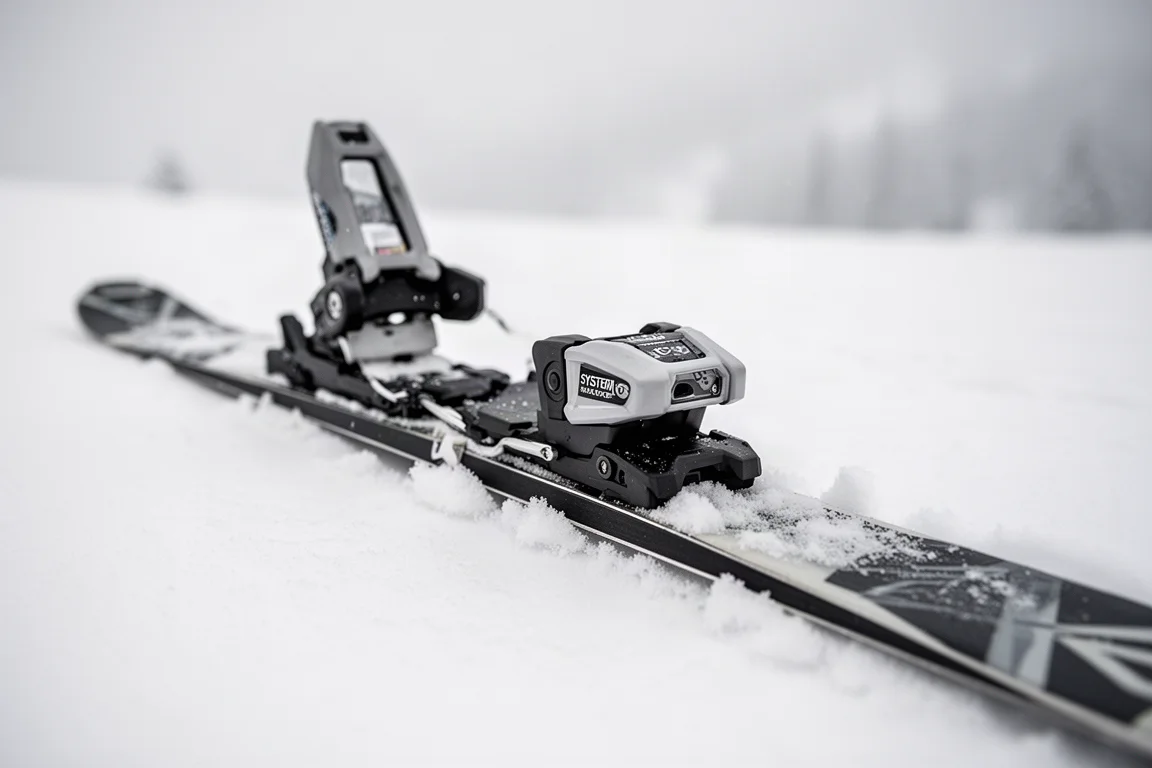
It is worth thinking of the binding and the ski as one package. The leverage and stack height are a meaningful part of why the ski feels as planted as it does.
Things to Consider Before Buying
The RC4 Noise LT is a demanding ski, and that is the first thing to weigh up. It works best for aggressive skiers who already have strong balance and a solid technical base. If you are an intermediate or an advanced skier without a racing background, the ski can feel like more work than reward.
The narrow waist is a large part of that. It delivers exceptional edge grip on firm snow and hard pack, but it also makes the balance point harder to access, so the ski is less tolerant of lazy pressure or late edge changes.
The stiffness is another consideration. A ski this stiff is built for longer radius turns and higher speeds, and it does not have much to offer a skier who prefers slower, shorter, more relaxed turns.
Finally, the weight of the ski and binding package is noticeable. That is a deliberate part of the design, but it is worth going in with realistic expectations about how the setup will feel to carry and to ski.
Buying Advice
If you are an expert skier or come from a racing background and you want pure, uncompromising frontside race carving performance, the RC4 Noise LT is the way to go. It gets on edge easily thanks to the leverage of the stack height and the narrowness of the waist, and what you do with that edge afterwards is entirely up to you.
The honest caveat is that this ski does not suit everyone. It is a specialized tool for firm groomed terrain and high-speed arcs. Skiers who split their time between groomed runs and softer, more varied conditions, or who are still developing their balance and edge control, will likely be happier on something more forgiving.
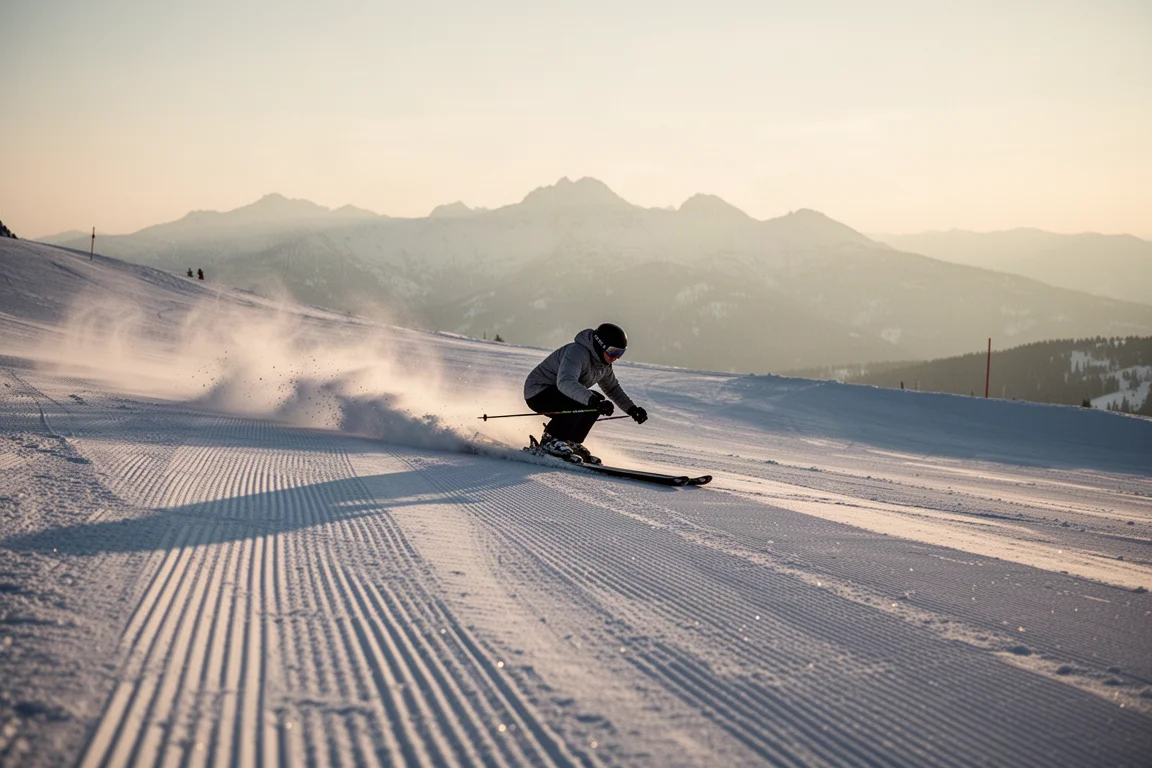
If the description above matches the way you already ski, the RC4 Noise LT delivers a level of grip, stability, and race-like feel that few frontside skis can match. If it does not, there is no shame in choosing a friendlier platform and working toward this one.
Conclusion
The Fischer RC4 Noise LT is an aggressive, race-influenced GS carver built around a solid wood core, two metal sheets, and an absorptive layer that keeps the ride smooth. It is stiff, substantial at 3222 g in the 178 cm length with the binding, and shaped with a 66 mm waist and an 18 meter turn radius for firm-snow performance.
For expert skiers, current and former racers, and beer league competitors, it is a genuinely capable choice. For everyone else, the demanding character and fine balance point make it a ski to approach with clear eyes.
Product link
View more details for Fischer RC4 Noise LT
This product is mentioned in the review. Check the specifications, options, and compatibility before buying.
View more details for Fischer RC4 Noise LTFurther reading
Related Reviews
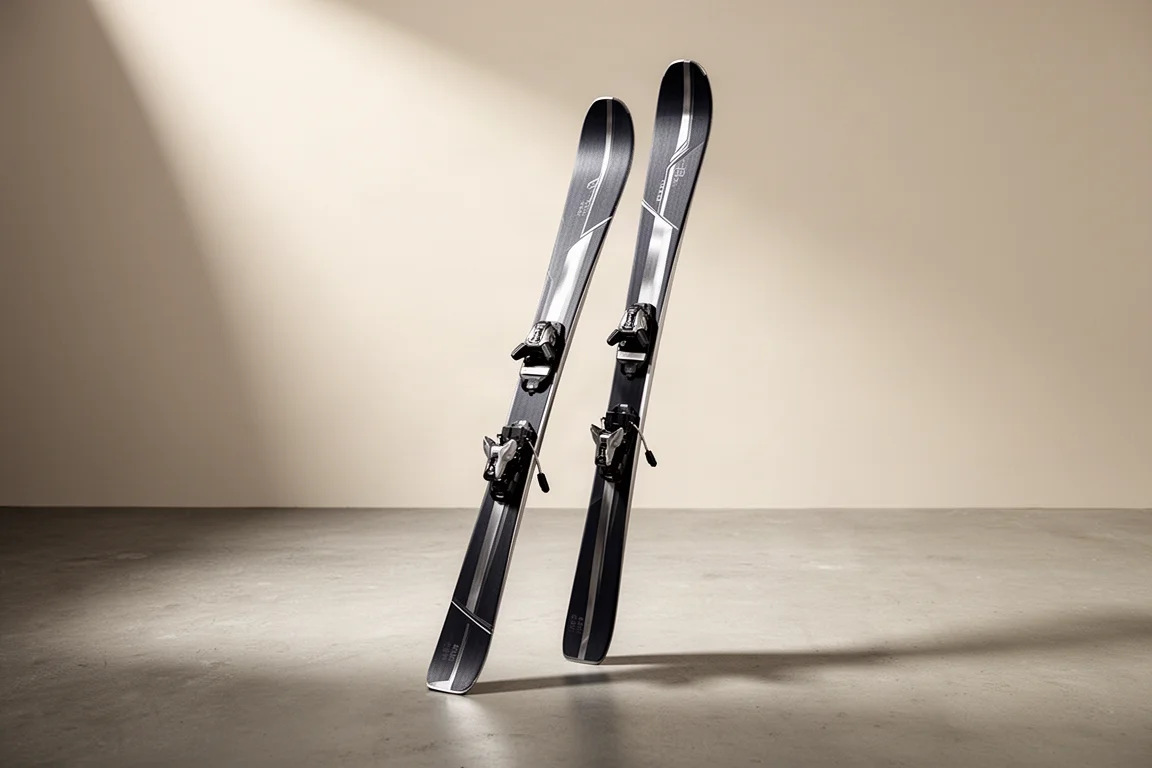
Alpine Skis
Atomic Redster X9 Review: An Ultra-Precise Carving Ski for Firm Snow
A close look at the Atomic Redster X9, a 65.5 mm carving ski built for firm groomed snow, covering its construction, strengths, limits, and who should buy it.
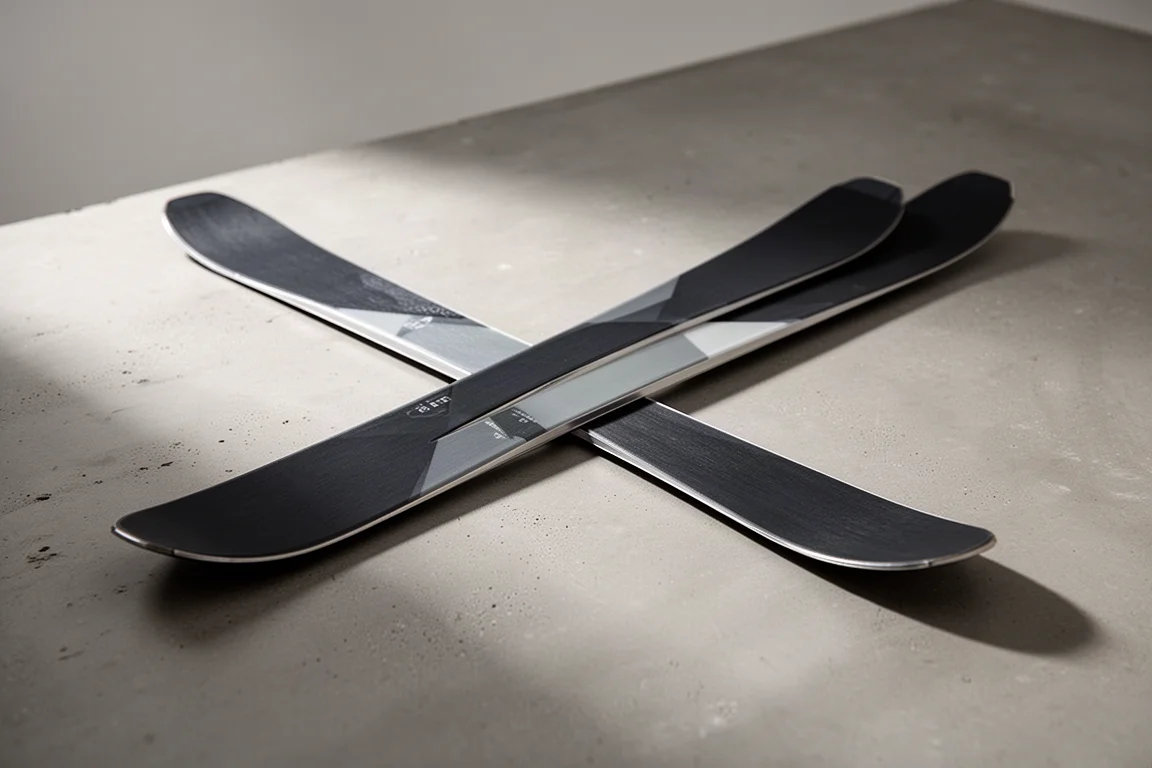
Alpine Skis
Atomic Redster X9 S Review: A Precision Carving Ski for Firm Snow
The Atomic Redster X9 S pairs a 65.5 mm waist with race-derived construction and steel damping, delivering knife-like precision on firm groomers.
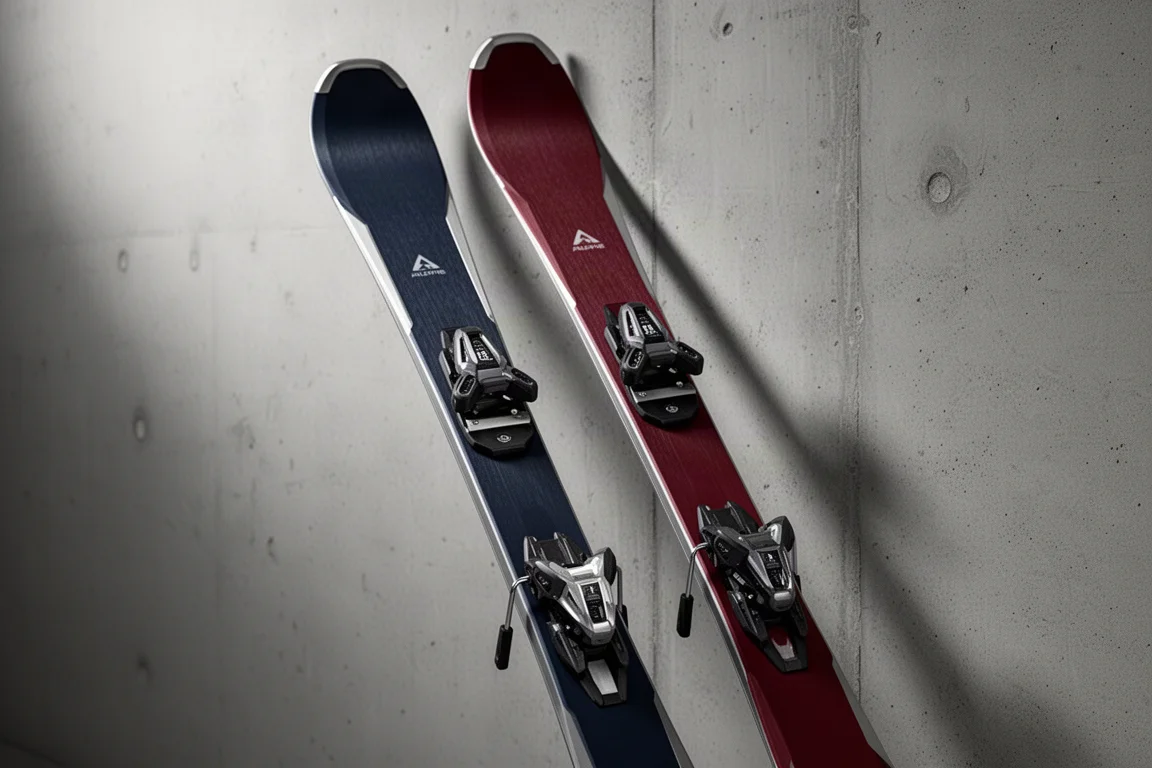
Alpine Skis
Blizzard Thunderbird R15 WB Review: A 76 mm Frontside Carver Compared With the Firebird HRC
A practical look at the Blizzard Thunderbird R15 WB, its TrueBlend core and Active Carbon Armor, and how it differs from the race-oriented Firebird HRC.