Alpine Skis
Fischer RC1 82 GTW Review: An Agile Frontside Ski for Advanced Skiers
A close look at the Fischer RC1 82 GTW, an agile frontside ski with strong edge hold, smooth stability, and a build that rewards advanced and expert skiers.
Introduction
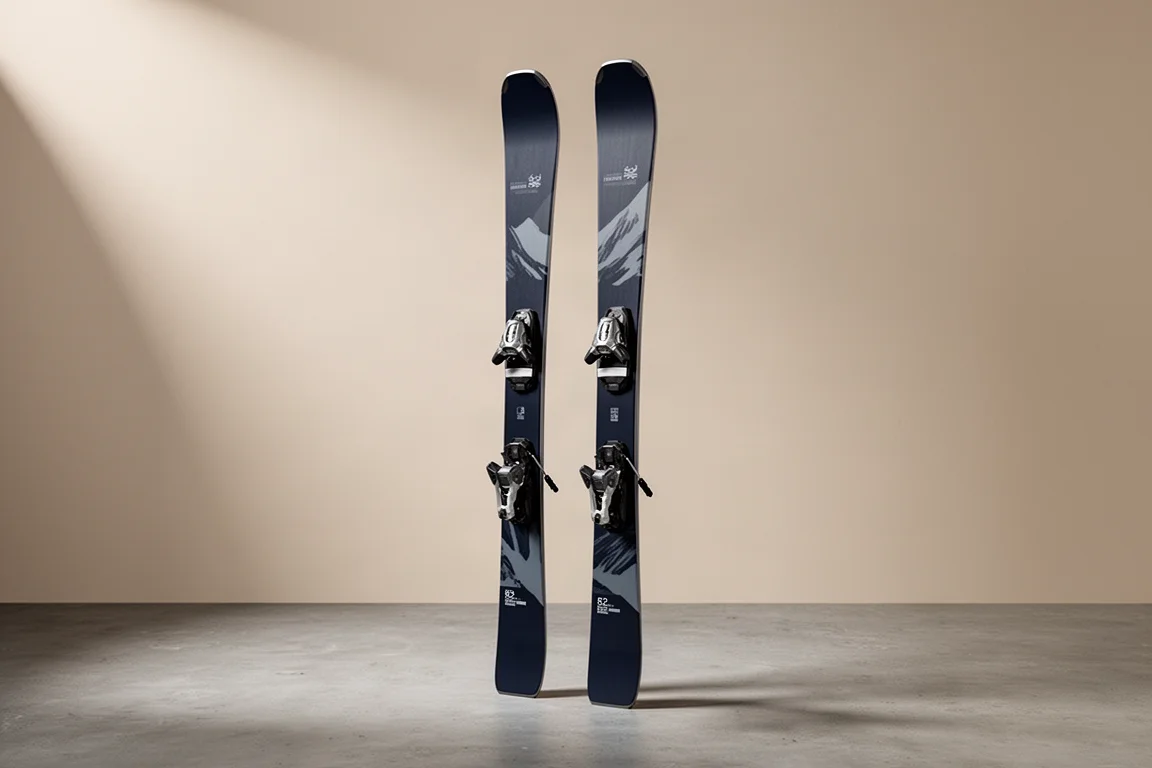
The Fischer RC1 82 GTW carries a long name, but the idea behind it is straightforward: build a frontside ski that stays quick and easy to maneuver while still delivering genuine power and control once the pace picks up. That combination is exactly where this ski impresses. It feels responsive and nimble underfoot, holds an edge with real conviction on groomed terrain, and remains smooth and stable as speed builds.
That balance is not automatic. The RC1 82 GTW is aimed at advanced to expert skiers, and it asks for a solid level of input to reach its best. On the right feet it is powerful and rewarding, but it takes a little work to find the sweet spot. For skiers who bring that technique, it is a genuinely well-rounded frontside tool that covers a wide range of conditions and turn styles.
Who This Ski Is For
This is a ski for the aggressive advanced or expert frontside skier. It suits someone who spends most of the day on groomed runs, likes to ski with energy and edge angle, and wants a ski that blends power, agility, and stability rather than leaning hard into just one of those traits. The ski requires a higher level of skier input and is slightly more demanding than a forgiving all-mountain cruiser, so it rewards a confident, technical style rather than a relaxed one.
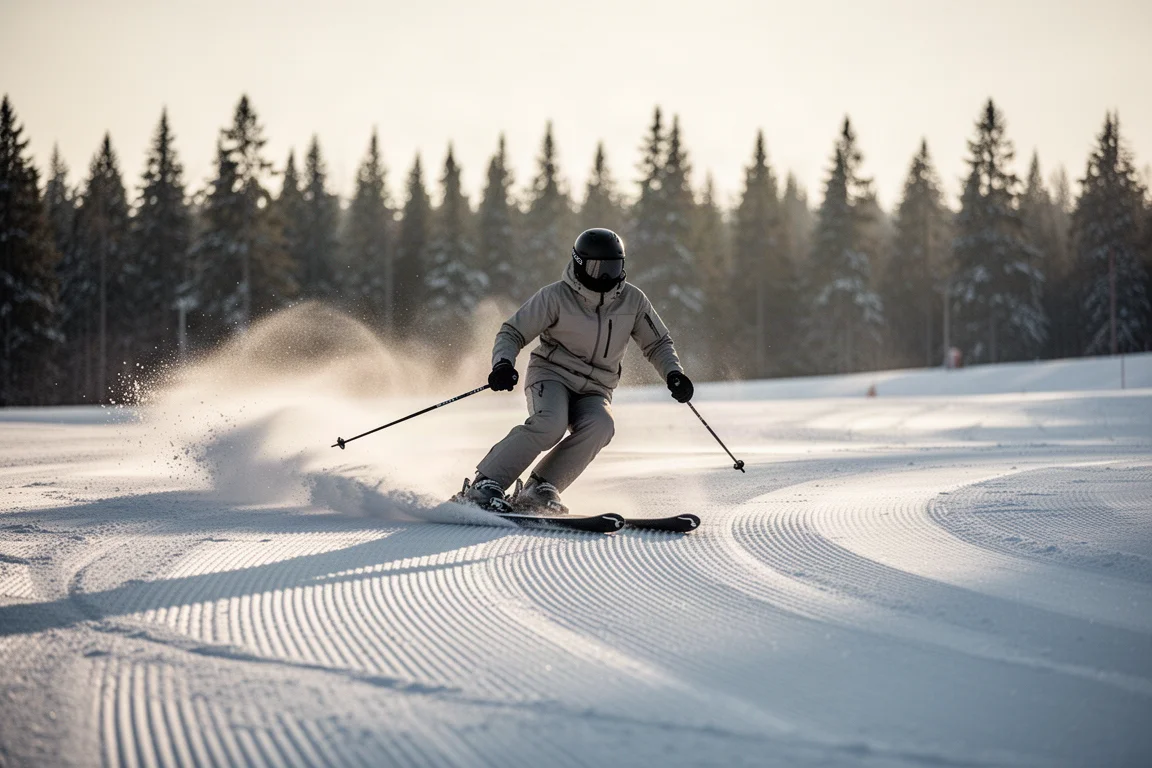
It is also a sensible choice for the skier who mostly stays on piste but does not want to be completely limited to it. The 82 mm waist and the shape give it more range than a pure carving ski, so variable snow and the occasional soft patch are not off the table. Riders who prefer a light, low-effort ski for slow, casual laps will likely find it more ski than they need.
Main Strengths
What stands out most is how neatly the RC1 82 GTW balances two qualities that often pull against each other. It is agile and quick, yet it delivers a high level of power and control at speed. That makes it easy to control and maneuver while still performing at a high standard, which is what gives it such a well-rounded feel across a wide range of terrain.
Construction: Wood Core, Carbon, and Titanal
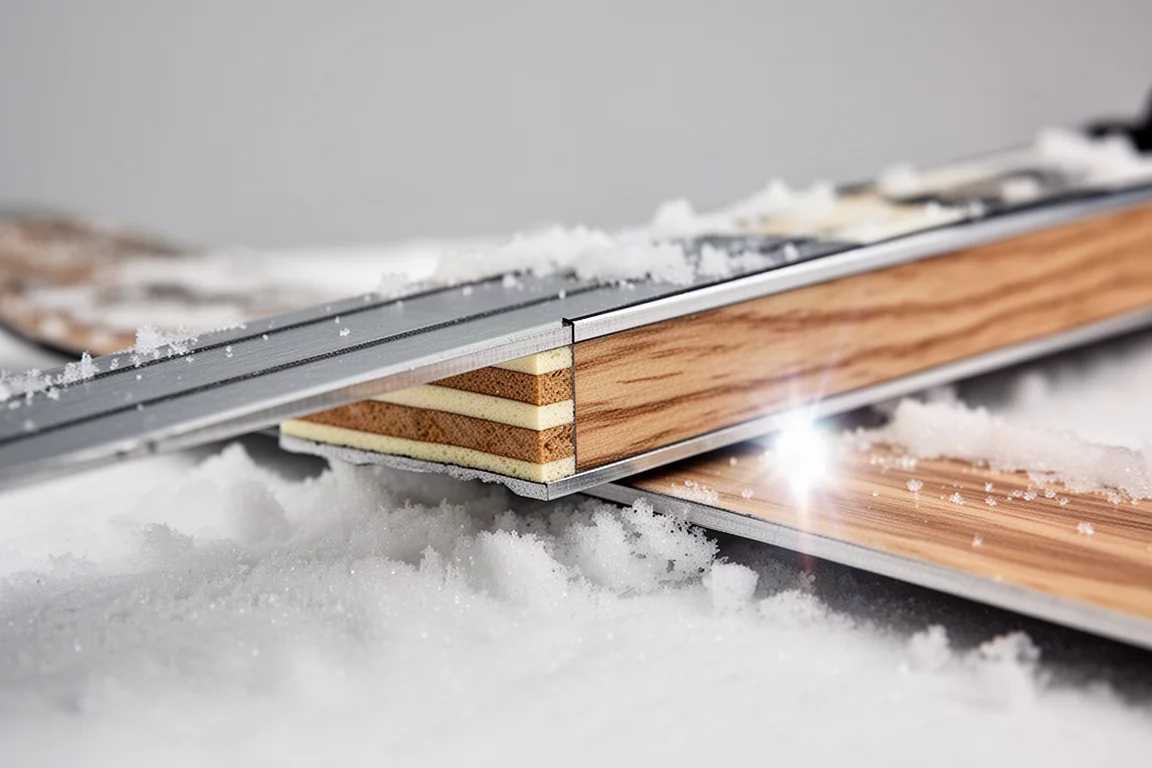
The core is a beech and poplar wood blend, which pairs lightweight characteristics with a stable, powerful feel and a noticeable amount of dampness. Air Carbon TI is used to increase torsional strength and rigidity, and the ski also uses shaped titanal, with the amount of metal tailored to each individual length. That means the longer and shorter sizes each get an appropriate dose of metal, which shows up in a balanced flex and a consistent level of power across the range.
Fischer also uses a process that reduces material in the tips. The result is a slightly lighter feel in the forebody, more maneuverability, and smoother, more precise turn initiation.
Shape and Turn Radius
The profile runs rocker in the tip, camber underfoot, and a fairly flat, squared-off tail, which lines up with the ski’s frontside focus. The modest tip rocker adds versatility and keeps the front of the ski feeling maneuverable and responsive. Triple radius shaping builds in further versatility, letting the ski produce a variety of turn shapes and styles at different speeds instead of locking the skier into a single turn type.
The waist measures 82 mm, narrow enough to perform well on piste and wide enough to stay stable off it, with a little extra platform underfoot for fresh and variable snow. In the 159 cm length the ski produces a 14 metre turn radius, which is short but still middle of the road. Combined with the triple radius shaping, that makes it happiest around that average while still handling a broad spread of turn shapes.
Edge Grip and Stability at Speed
Sandwich sidewall construction is the foundation of the edge grip here. The ski holds and grips well on piste, and it can be worked high on edge with confidence, which makes it easy to rely on through a turn. The payoff is a strong level of power and strength without losing the agile feel that makes the ski fun to move around.
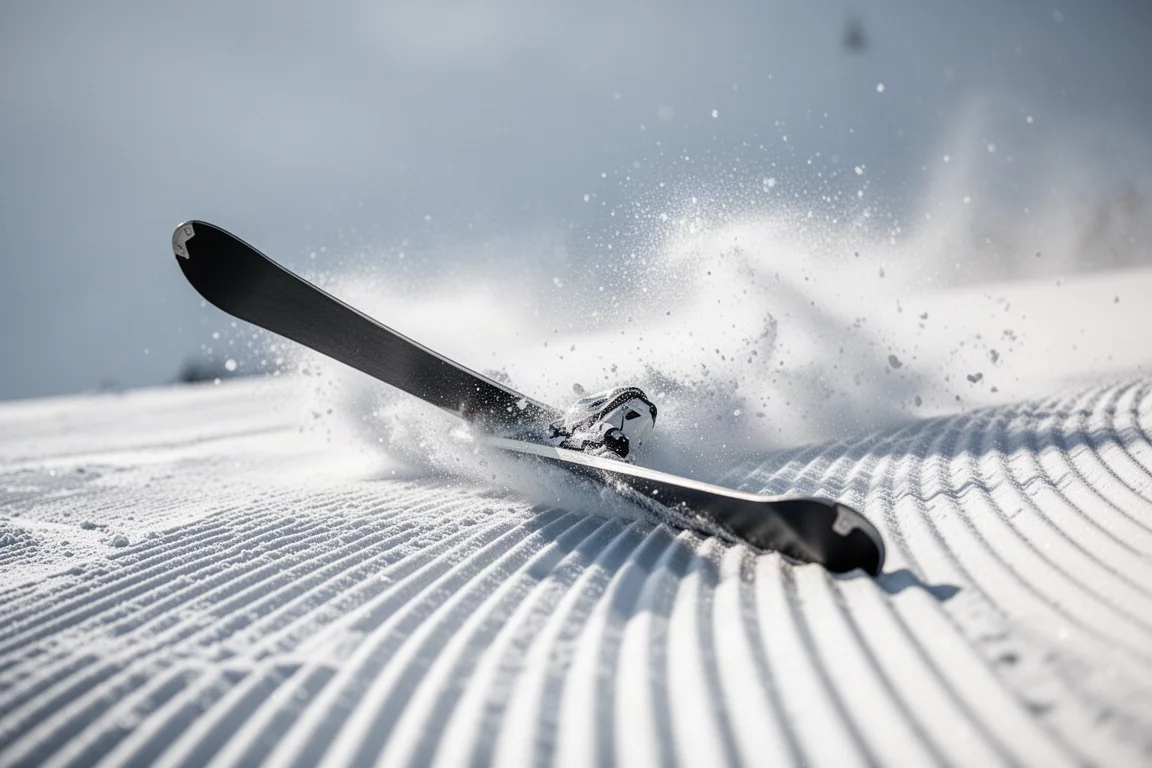
That combination of grip and stability is what allows the RC1 82 GTW to stay composed when the pace rises, while still feeling quick enough to adjust line and turn shape on demand.
Things to Consider Before Buying
The main consideration is the skier, not the ski. This is a demanding build that needs a higher level of input, and it is aimed squarely at advanced to expert skiers. Less experienced skiers may find it harder to access the performance that makes it worthwhile.
The second consideration is terrain. With an 82 mm waist, the RC1 82 GTW is a frontside ski first. It can step off piste and handle variable snow with a stable feel, but it is not built around deep snow days. If most of your season happens on groomed runs, that trade-off makes sense. If you spend your time chasing powder, it likely does not.
Buying Advice
If you are an advanced or expert skier who spends most of the day on groomed terrain and wants a ski that is quick, grippy, and stable at speed, the RC1 82 GTW is a strong fit. The shaped titanal tuned per length and the triple radius shaping make it a ski that adapts rather than one that forces a single style.
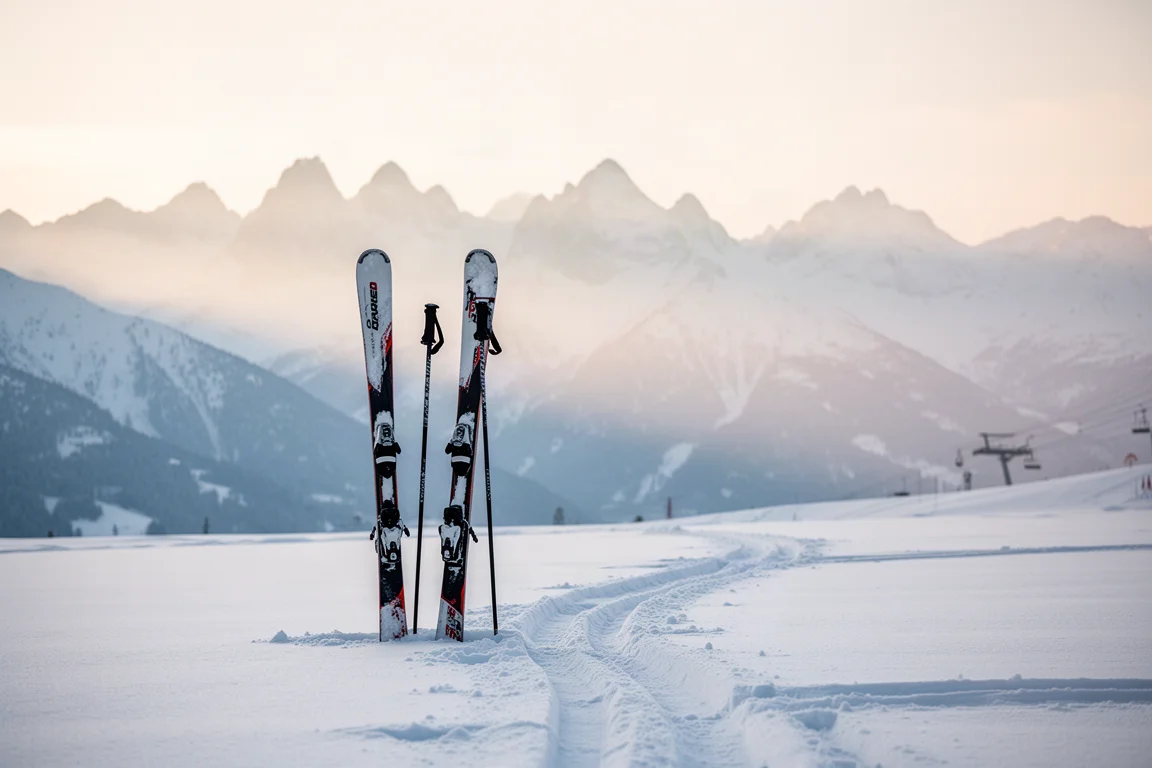
Think about length as well as model. The tailored metal content means the ski is designed to behave consistently across sizes, so the right length is the one that matches your height, weight, and how aggressively you ski. If you are between sizes and ski with power, going slightly longer is usually the more natural choice; if you prioritize quick, tight turns, the shorter option keeps that agility front and centre.
Conclusion
The Fischer RC1 82 GTW earns its place as a frontside ski that refuses to be one-dimensional. It is agile and nimble, it holds an edge with confidence, and it stays smooth and stable when pushed. The beech and poplar core, Air Carbon TI, shaped titanal, and sandwich sidewall construction all feed into that balance of power, agility, and stability.
It is not a ski for everyone. It wants an advanced or expert hand and a preference for groomed terrain. For the skier who matches that profile, it is a well-rounded, capable frontside companion that makes a wide range of turns feel easy and rewarding.
Product link
View more details for Fischer RC1 82 GTW
This product is mentioned in the review. Check the specifications, options, and compatibility before buying.
View more details for Fischer RC1 82 GTWFurther reading
Related Reviews
Alpine Skis
Atomic Redster X9 Review: An Ultra-Precise Carving Ski for Firm Snow
A close look at the Atomic Redster X9, a 65.5 mm carving ski built for firm groomed snow, covering its construction, strengths, limits, and who should buy it.
Alpine Skis
Atomic Redster X9 S Review: A Precision Carving Ski for Firm Snow
The Atomic Redster X9 S pairs a 65.5 mm waist with race-derived construction and steel damping, delivering knife-like precision on firm groomers.
Alpine Skis
Blizzard Thunderbird R15 WB Review: A 76 mm Frontside Carver Compared With the Firebird HRC
A practical look at the Blizzard Thunderbird R15 WB, its TrueBlend core and Active Carbon Armor, and how it differs from the race-oriented Firebird HRC.