Ski Gear
Fischer Ranger Collection Guide: Ranger 90, 96, 102, 108 and 116 Compared
Fischer has folded its Ranger FR and Ranger Ti lines into one collection. Here is how the Ranger 90, 96, 102, 108 and 116 differ, and which width suits which kind of skier.
Introduction
Fischer has consolidated what used to be two separate ski lines, the Ranger FR and the Ranger Ti, into a single Ranger collection. The new range runs across five widths: 90, 96, 102, 108 and 116. All five are available now.
Condensing two successful lines into one is a different move from the usual pattern of expanding a range, and it changes how the collection is meant to be read. Instead of choosing between a freeride version and a metal-laminate version of a similar width, skiers now pick a width and a colourway from one coherent family. This guide walks through what changed, what each width is built for, and where the practical trade-offs sit.
What Changed Across the Ranger Collection
The construction story starts with the core. Every ski in the collection uses the same wood core approach, a blend of poplar and beech, with the narrowest Ranger 90 running a poplar core. From there the differences come from how much metal is used and how it is shaped.
Fischer uses a shaped titanium laminate measuring half a millimetre in thickness, and the shape of that laminate, including a flex cut that narrows through the middle of the ski, varies by length. The Ranger 90 carries a long shaped titanium laminate, the Ranger 102 uses a more dramatic cut with a longer laminate running along the sides and down through the tail, and the wider 108 and 116 use a broader laminate. The previous design used a full metal plate underfoot connected to a carbon nose, and that arrangement is gone. Where the metal ends on a given length, the ski is full wood through the tip and through the tail.
Two other structural changes are worth noting. Every ski in the range now has a full sidewall, and the convex, arrow-shaped profile of the older Rangers has been replaced with a flat shape throughout, which gives the collection a more traditional feel underfoot and a smoother, more consistent edge.
Rocker and camber follow the width ladder. The wider the ski, the more pronounced the rocker profile, and the Ranger 102 sits at a moderate camber with a long rocker profile in the tip and tail. That ski also keeps a twin-tip shape with a slight skin notch, so it can be paired with a hybrid binding and skins for touring. The tail shape is closer to a freeride twin tip than a freestyle one.
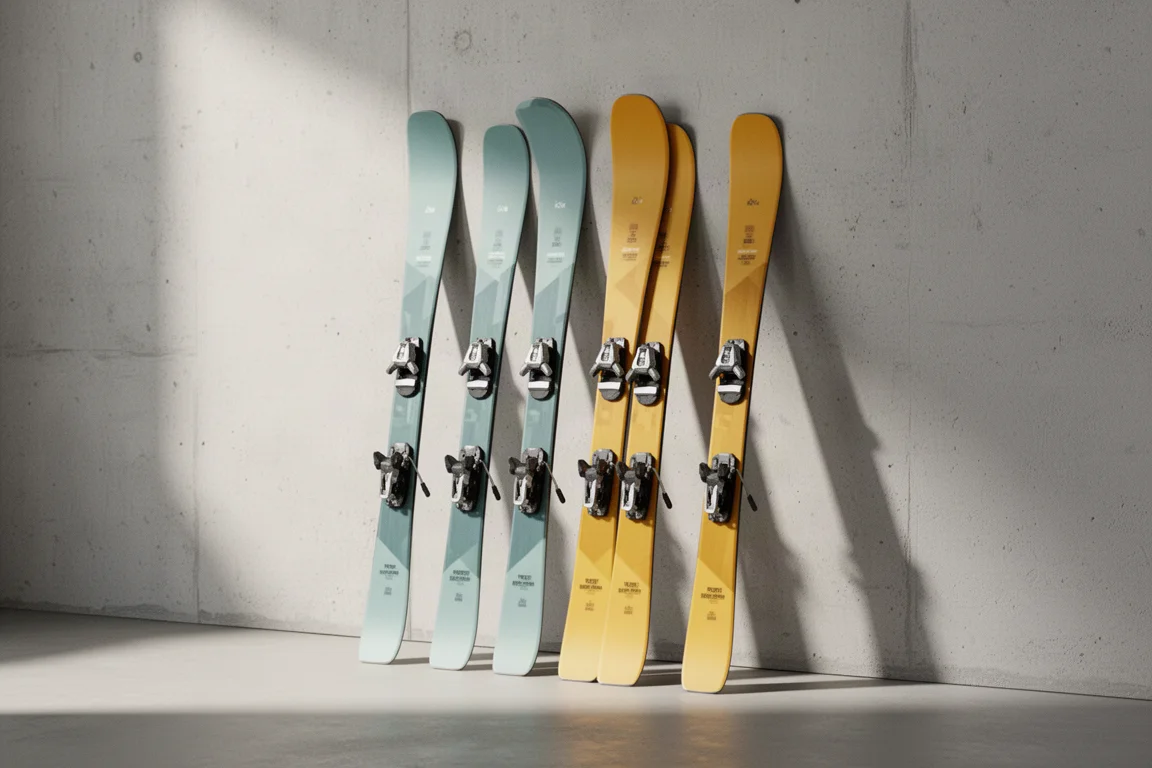
The collection is tied together visually by a Celeste base graphic, with accent colours on the sidewalls of the narrower models. The 90, 96 and 102 are offered in two colourways. The version listed as a women’s model is the same ski, differing only in colour and in offering additional shorter lengths, so the choice comes down to colour and length rather than construction.
Fischer Ranger 90
The Ranger 90 is the narrowest ski in the collection and the most frontside-oriented. It takes the carving character of the outgoing Ranger 92 and adds the quicker, more playful feel of the Ranger 94 FR. The titanium laminate runs long on this length and stops before the tip and tail, leaving both ends free to flex, which is a useful trait in moguls.
It carves cleanly, though it is not the most powerful carver in its width class. What it offers instead is range: firm groomers, bumps and fast edge-to-edge transitions all feel natural on the same ski, which makes it a sensible choice for skiers whose days are mostly on hardpack and mixed snow.
View more details for Fischer Ranger 90
Fischer Ranger 96
The Ranger 96 blends the outgoing Ranger 99 Ti and Ranger 94 FR. The 99 Ti could feel punishing at times, and this ski does not. It keeps the strong central section and the responsive tail of that design while giving the tip a friendlier, more forgiving character. The carbon nose of the previous generation is gone, replaced by a consistent wood core that produces a smoother, more traditional feel and reduces the chatter that a thin carbon application can introduce.
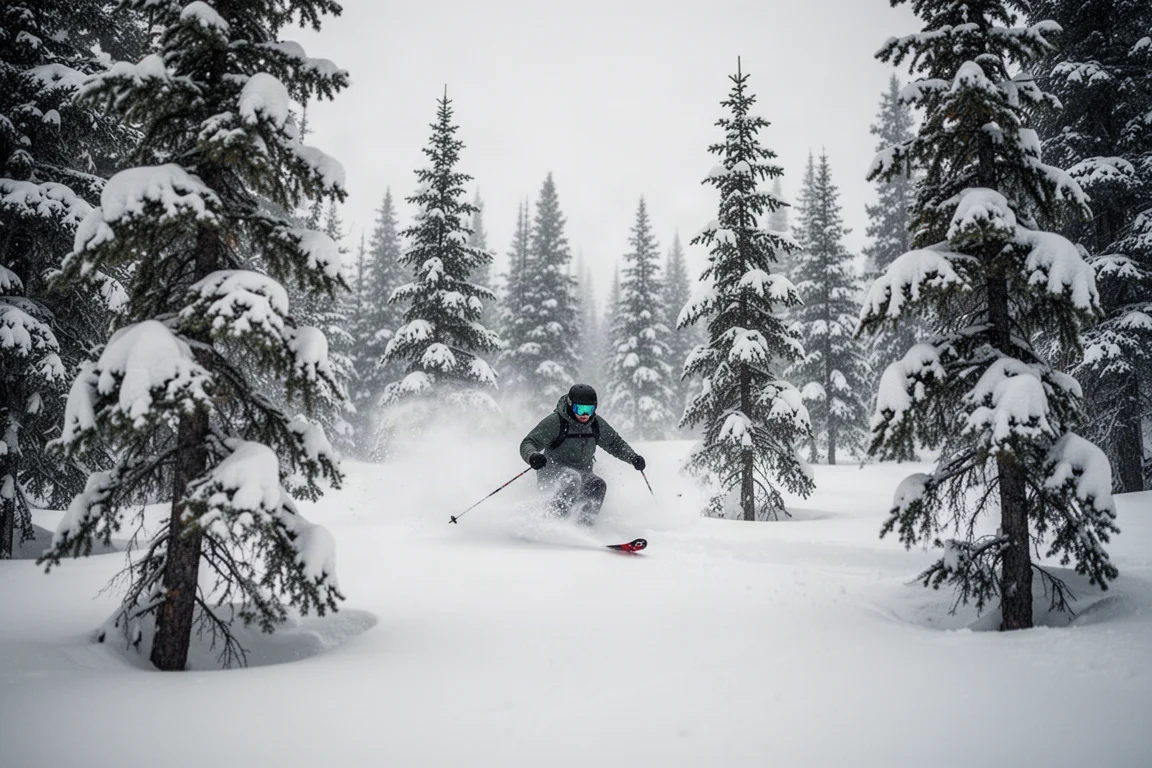
For skiers who split their time between groomers and trees, this is one of the strongest options in the range. It holds an edge on firmer snow while staying manoeuvrable in soft snow and tighter lines. Along with the 102, it is expected to be one of the highest-volume models in the collection, and for many skiers a mid-nineties width will be the single ski that covers the widest spread of conditions.
Fischer Ranger 102
The Ranger 102 is the model that receives the most attention, and it replaces the most popular ski in the previous range. It pairs a long rocker profile with moderate camber, and the tail keeps a twin-tip shape that can be landed switch along with a skin notch for hybrid touring setups. It still works best as a directional ski rather than a freestyle one, and centre mounting is not something that suits it.
On snow it is smooth, quick and easy to turn, with clean carved turns that do not demand much input from the skier. It is the kind of ski that makes a wide range of terrain feel straightforward. Harder, icier surfaces than the soft groomers it thrives on will reveal its limits, which is normal for a ski of this width. For skiers in lower-snow regions, it makes a convincing wider option to pair with something narrower.
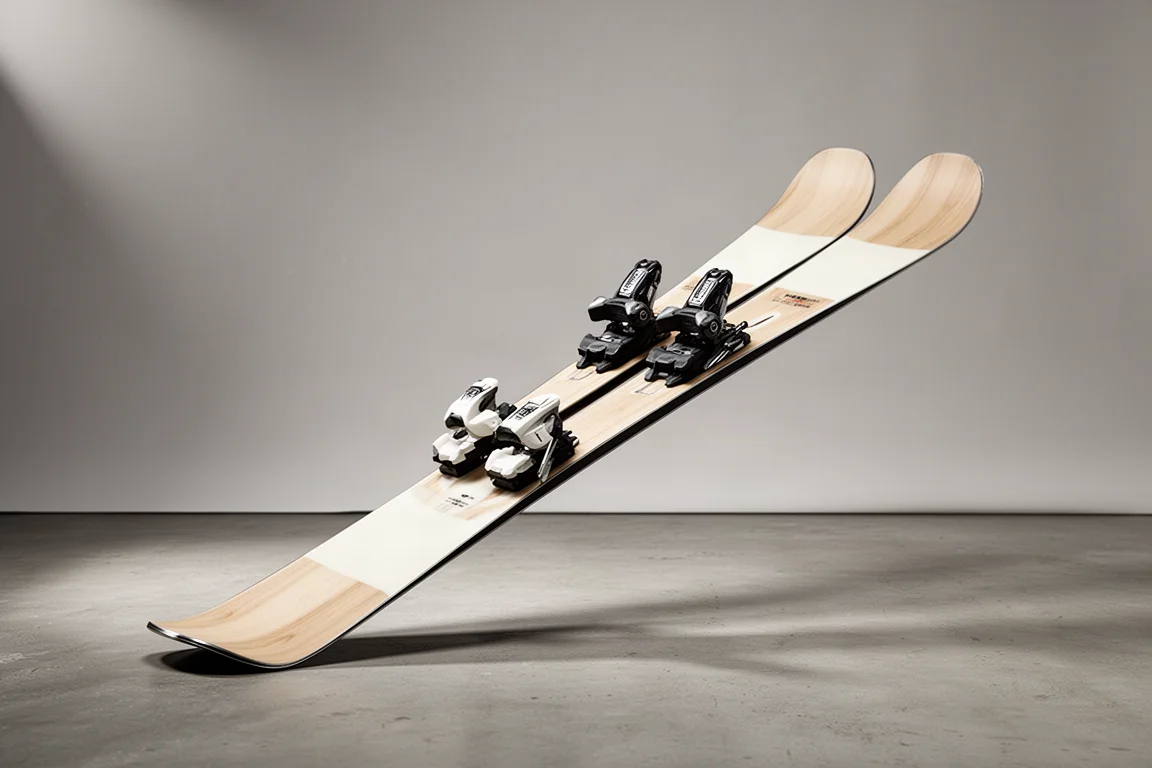
Fischer Ranger 108
The Ranger 108 carries forward the character of the outgoing Ranger 107 Ti, a ski with a strong, supportive tail built for charging through chopped-up snow. It remains a lot of ski, and skiers stepping up from a narrower model should expect to bring some energy to it. Compared with the 102, it gives up some edge grip and edge control on groomers but gains stability from the extra material, so it can be allowed to run.
The stated 18 metre turn radius is easier to access in softer snow than on firm groomers, where the ski prefers to travel rather than bend into short arcs. That points to where it belongs: long, steep pitches with soft snow on them, where the width and stability have room to work.
This is the width to look at if soft snow and variable conditions make up a meaningful part of your season, and if you want a ski that stays composed when the surface is no longer smooth.
Fischer Ranger 116
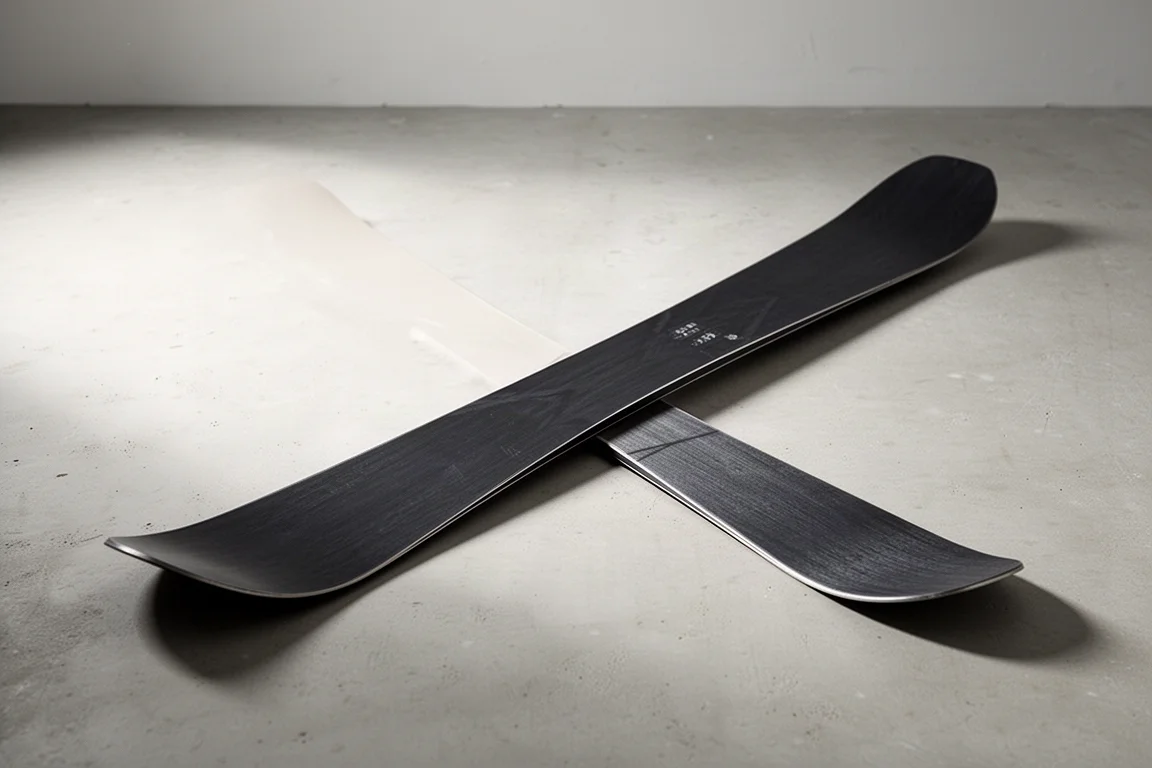
The Ranger 116 is the widest ski in the collection and the most specialised. It has more rise in the tail and a softer flex pattern than the 108, which gives it a looser, more surfy character and makes smearing turns in deep snow easier. The softer flex is a deliberate choice at this width, and it produces a livelier, springier feel underfoot.
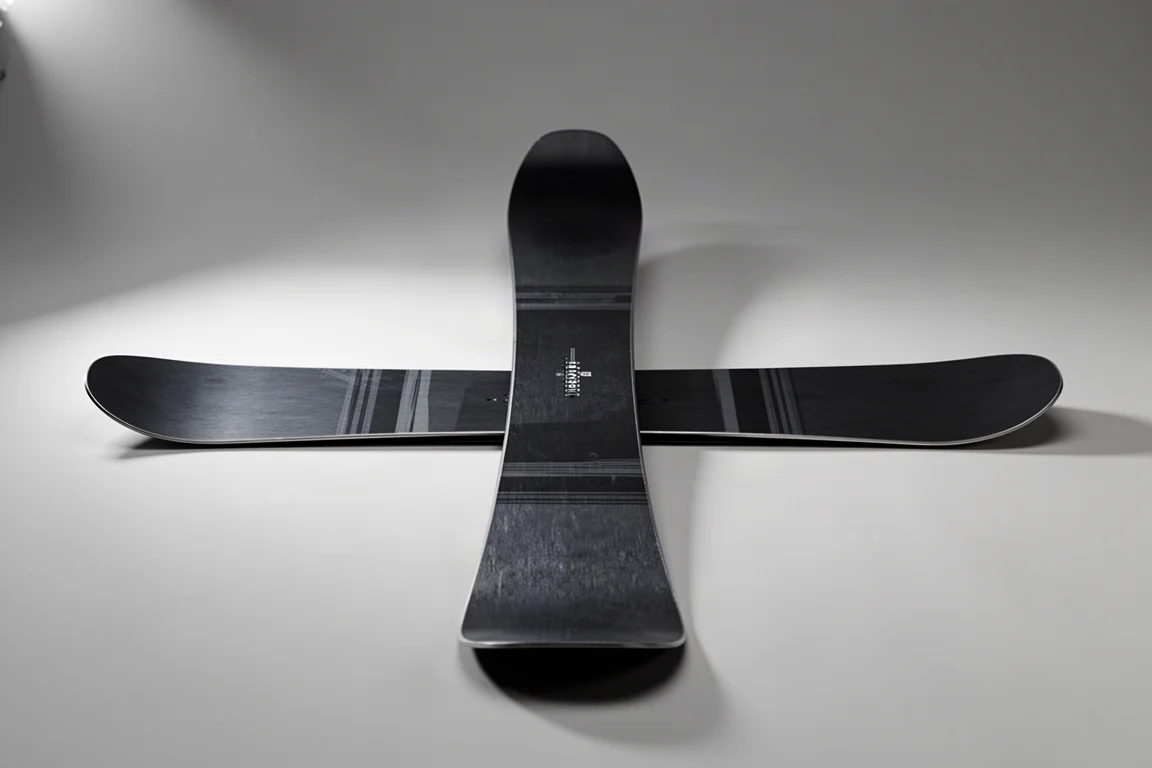
It is built for deep days rather than as an everyday ski. The Celeste base graphic runs across the whole collection, and the widest model shows it off best.
Choosing the Right Ranger Width
Working up the ladder, the Ranger 90 suits skiers who spend most of their time on firm groomers and in moguls. The Ranger 96 is the most likely single-ski answer for a mixed season of groomers and trees. The Ranger 102 is the widest option that still feels like an everyday ski, and it is the natural choice for skiers in lower-snow regions or anyone who wants one ski to handle both hardpack and softer days.
Colour and length are the remaining decisions on the 90, 96 and 102, since the two colourways are the same ski and the women’s versions differ only in colour and shorter length availability. All five models are available now.
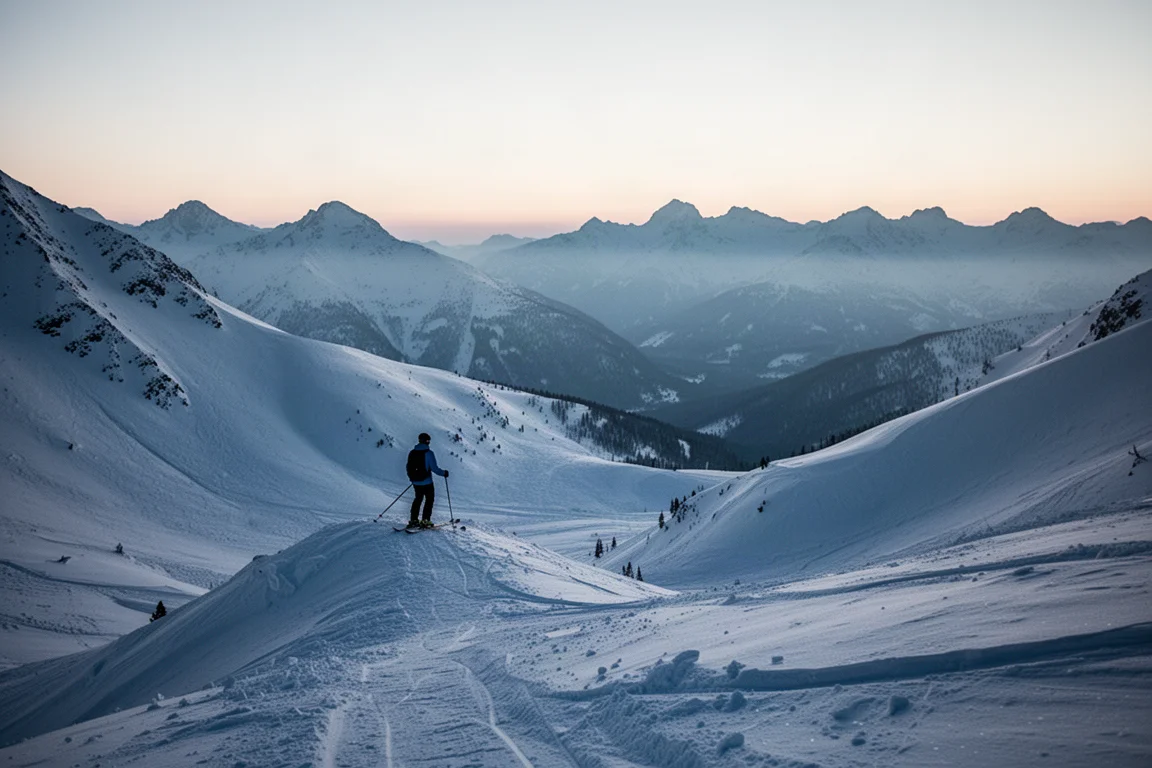
The Ranger 108 sits in soft-snow and variable-condition territory, and the Ranger 116 is a deep-snow specialist. If you are unsure between two widths, the more conservative choice is usually the narrower ski, since a narrower model handles firm snow better than a wider one handles it.
Conclusion
The Ranger collection replaces two lines with one family built around a shared wood core, a shaped titanium laminate and a full sidewall. The result is a range that reads clearly by width: 90 for firm-snow versatility, 96 as the all-rounder, 102 as the widest everyday option, 108 for soft snow and chop, and 116 for deep days. Skiers who liked the previous Ranger FR and Ranger Ti models will find the same intent here, expressed through a smoother, more consistent build.
Further reading
Related Reviews
Ski Gear
2023 Blizzard Hustle vs Rustler: Six Freeride Skis Compared
Blizzard's 2023 Hustle collection rebuilds the Rustler shape with a lighter core and no metal. Here is how all six skis differ, and which one suits your riding.
Ski Gear
2023 Skis of the Year: Atomic Maverick 88 TI, Salomon QST 106, and Look SPX 12 Pro
Three standout ski picks for all-mountain carving, powder days, and reliable binding performance, with practical buying notes for 2023 models.
Ski Gear
2025 Nordica Enforcer 104 Review: A Directional Charger Replaces the 104 Free
The 2025 Nordica Enforcer 104 drops the Free name and the twin-tip personality, gaining weight, stiffness and composure in rough snow. Here is what changed and who it suits.