Ski Gear
Fischer Ranger 96 vs Ranger 102: Two All-Mountain Skis Compared
A side-by-side comparison of the Fischer Ranger 96 and Ranger 102, covering shared construction, edge grip, float, length choices and mount point.
Introduction
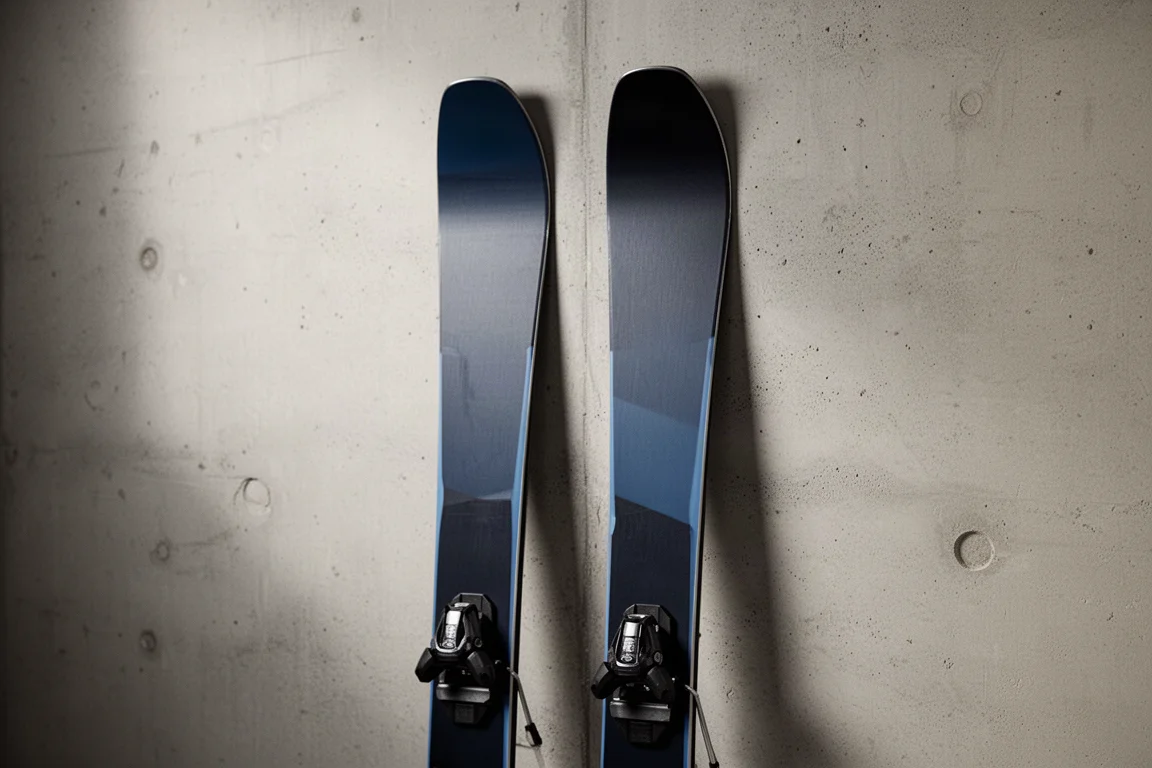
The Fischer Ranger 96 and Ranger 102 return for 2024 with the same shape and the same graphics they carried through their first full season, which makes this a good moment to consider both together. They are unisex all-mountain skis that share one construction recipe and differ mainly in width, rocker profile and how much titanal sits underfoot. The choice between them comes down less to technology and more to the snow you ride most often and the way you like to ski.
Both are aimed at skiers who want one pair to cover groomed runs, soft snow, bumps and trees without building a quiver. That is exactly the kind of ski that can get overlooked, because it does not advertise itself as the stiffest carver or as the lightest, most playful option in the rack.
What the Ranger 96 and Ranger 102 Share
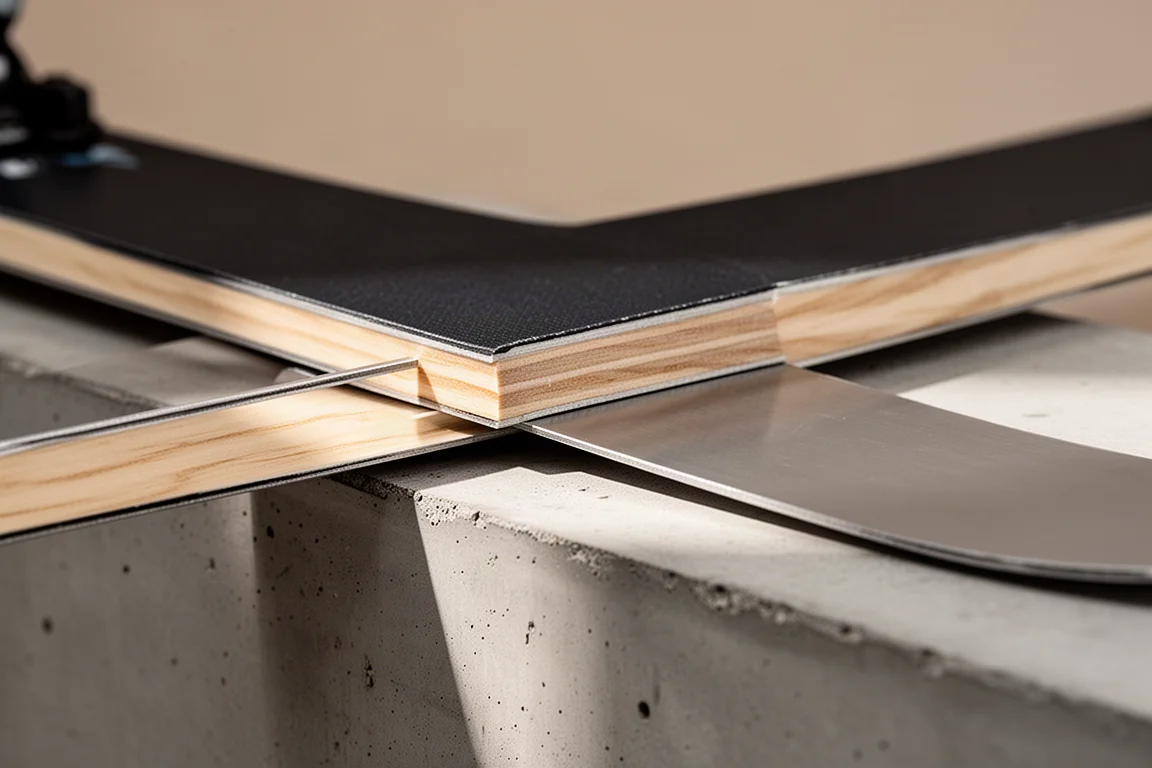
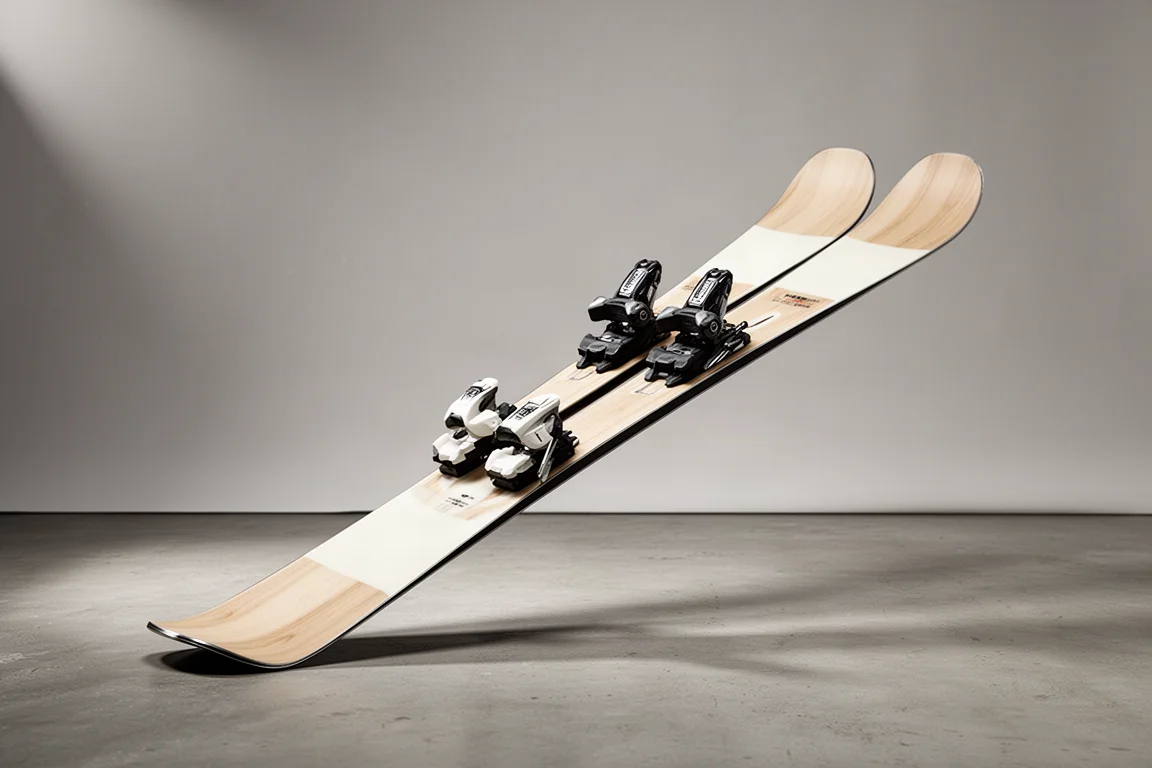
Both skis are built around a beech and poplar wood core, which is a deliberately simple, uncomplicated core. Above it sits a shaped titanal laminate that runs almost full width underfoot before tapering into two wings in the fore and aft sections of the ski. A small flex cut underfoot is designed to give the ski a more natural flex pattern and to enhance the sweet spot.
The metal does not stay the same size across the line. As the ski gets wider, the titanal laminate gets shorter, so the Ranger 96 carries the longest metal of the two and the Ranger 102 carries slightly less. Both skis are directional, with tip rocker, camber underfoot and tail rocker. The 102 gets a little more tip rocker and noticeably more tail rocker than the 96, in both length and splay, and it adds a flat skin attachment point at the tail.
The dimensions of the Ranger 102 are unchanged from the ski it replaces, at 138-103-128, and the rocker profile is essentially the same. What changed is the tail, which was trimmed flatter and less rounded, making the new ski look far less like a twin tip than the version that built a following. Across the range, the 2024 Ranger line runs from 84mm to 116mm underfoot.
Fischer Ranger 96: Versatile Edge Grip on Firm Snow
The 96 is the grippier of the two. It comes across as versatile and well rounded, blending maneuverability and agility with a stable feel underfoot and strong edge grip. The shovels are softer than the mid-section and tail, which makes arcing a turn easy and intuitive and lets the ski bend into a range of turn shapes at different speeds. It holds confidently on firm groomed terrain and stays maneuverable when you slow down or drift to the side of the trail.
That balance is the whole point. The 96 is not a pure carving weapon and it is not a light, soft play ski either. It sits in the middle, with enough edge grip to feel secure on hardpack and enough life in the tips and tails to stay fun in bumps and trees. Skiers on the lighter side of the weight range tend to get the most out of that supple flex, while heavier, more aggressive skiers may prefer something stiffer and more powerful for charging.
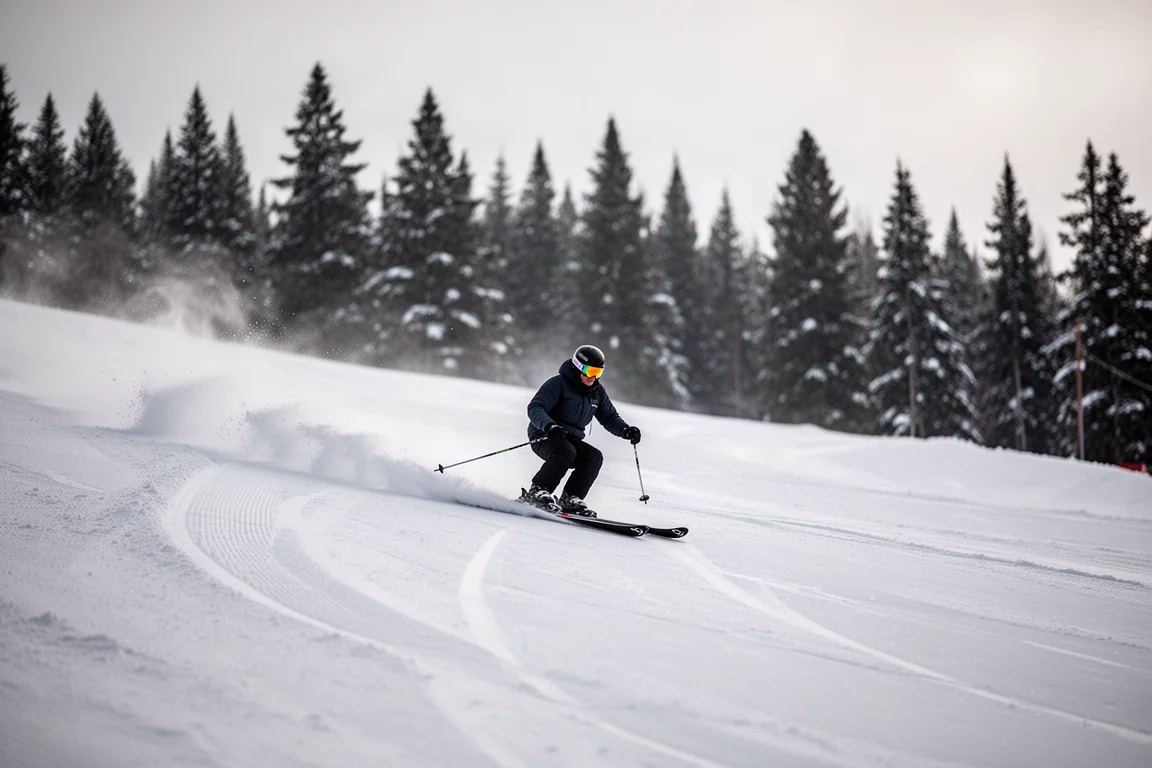
For anyone who wants a single all-mountain ski that covers a wide range of conditions on a given day, the 96 is an easy candidate to shortlist.
Fischer Ranger 102: Smoother Carving and More Float
The 102 adds width and float, and it carves well, though it is not quite as strong as the 96 and does not deliver the same snap out of the tail at the end of a turn. Compared with the outgoing version, the clearest improvement is smoothness: the older ski could get bouncy and chattery in the tip at speed, while the new 102 feels damp and settled through an arc.
Like the 96, the 102 has softer tips than its mid-section and tail. Turn initiation is easy, but the ski rewards a more centered stance. Skiers who drive hard through the tips may need a moment to find the sweet spot, and once they do the ski feels predictable and simple to steer. In tighter terrain it is agile and responsive when you commit to a deliberate line, and it can feel less forgiving in trees when you are not precise about where you are going.
How the Two Skis Compare on Snow
Side by side, the 96 is the grippier ski with the better edge hold, and the 102 trades a little of that bite for extra float and a smoother, more damped ride in soft snow. Both carve well. Neither is the strongest or the lightest ski in its class, and that middle ground is precisely what makes them useful to a broad group of skiers.
If most of your days are on groomed terrain and you want one ski to handle everything, the 96 is the natural choice. If you lean toward soft snow, fresh snow and off-piste searching, the 102 makes more sense, particularly in western conditions, while still carving well enough to enjoy the run back to the lift.
Length and Mounting Advice Before You Buy
Length matters more than usual here. The instinct in this width range is often to size up, but the 102 in particular seemed to work better in a shorter length, where it felt dramatically easier and more natural to ski. The 96 is a little more forgiving if you prefer to go longer.
Mount point deserves the same care. The flex cut underfoot is part of how the ski flexes, so moving the bindings forward is not advisable, and the mount point is directional and set fairly far back. Neither ski is a freestyle or park tool, even though the 102 can be skied switch reasonably well.
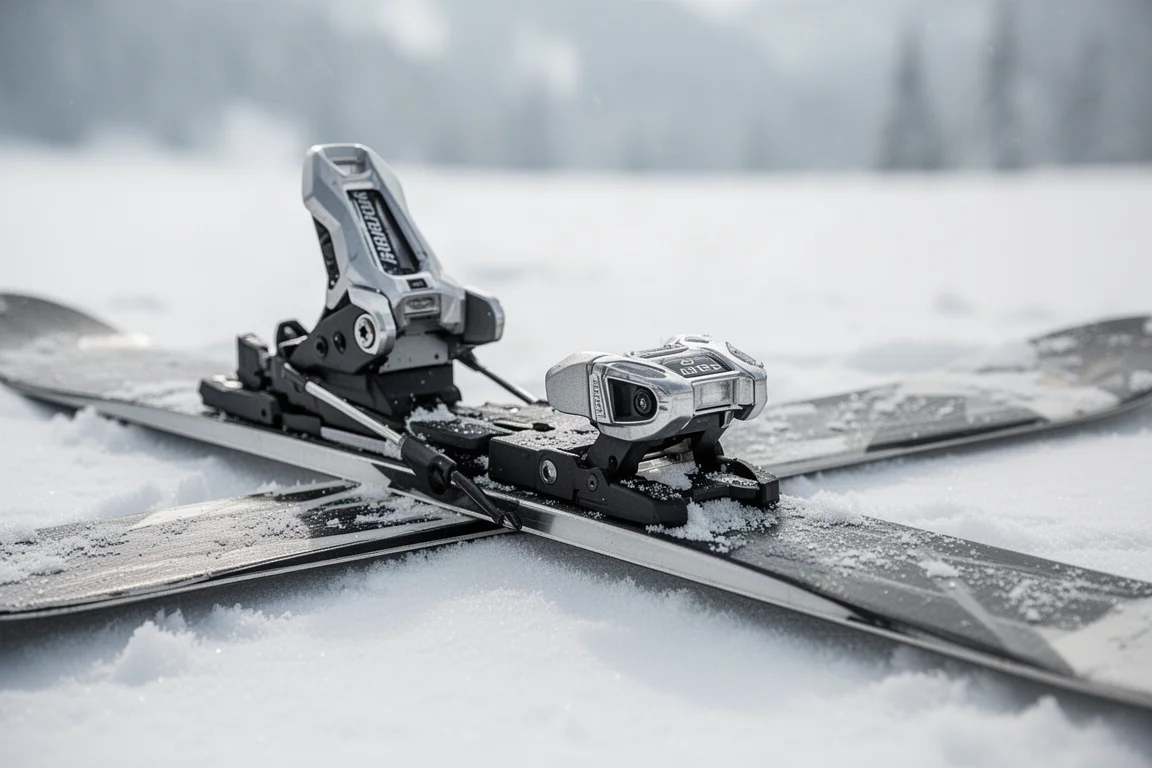
One more practical detail: the flat tail on the 102 is designed to take climbing skins, so a light tour is possible, while the rest of the design stays focused on lift-served all-mountain skiing.
Conclusion
The Ranger 96 and Ranger 102 share a simple, well-understood build and split on priorities. The 96 is the one to pick for edge grip, versatility and a lively feel on firm snow. The 102 is the one to pick for float, a smoother ride and a bit more width underfoot in soft conditions. Match the ski to the snow you actually spend your season on, and either is a confident choice.
Further reading
Related Reviews
Ski Gear
2023 Blizzard Hustle vs Rustler: Six Freeride Skis Compared
Blizzard's 2023 Hustle collection rebuilds the Rustler shape with a lighter core and no metal. Here is how all six skis differ, and which one suits your riding.
Ski Gear
2023 Skis of the Year: Atomic Maverick 88 TI, Salomon QST 106, and Look SPX 12 Pro
Three standout ski picks for all-mountain carving, powder days, and reliable binding performance, with practical buying notes for 2023 models.
Ski Gear
2025 Nordica Enforcer 104 Review: A Directional Charger Replaces the 104 Free
The 2025 Nordica Enforcer 104 drops the Free name and the twin-tip personality, gaining weight, stiffness and composure in rough snow. Here is what changed and who it suits.