Ski Gear
Fischer Hannibal 106 Review: A Light Touring Ski for Long Approaches and Deep Snow
A close look at the Fischer Hannibal 106, a touring-first wide ski with a paulownia core, carbon reinforcement, and a measured 1,432 g weight at 171 cm.
Introduction
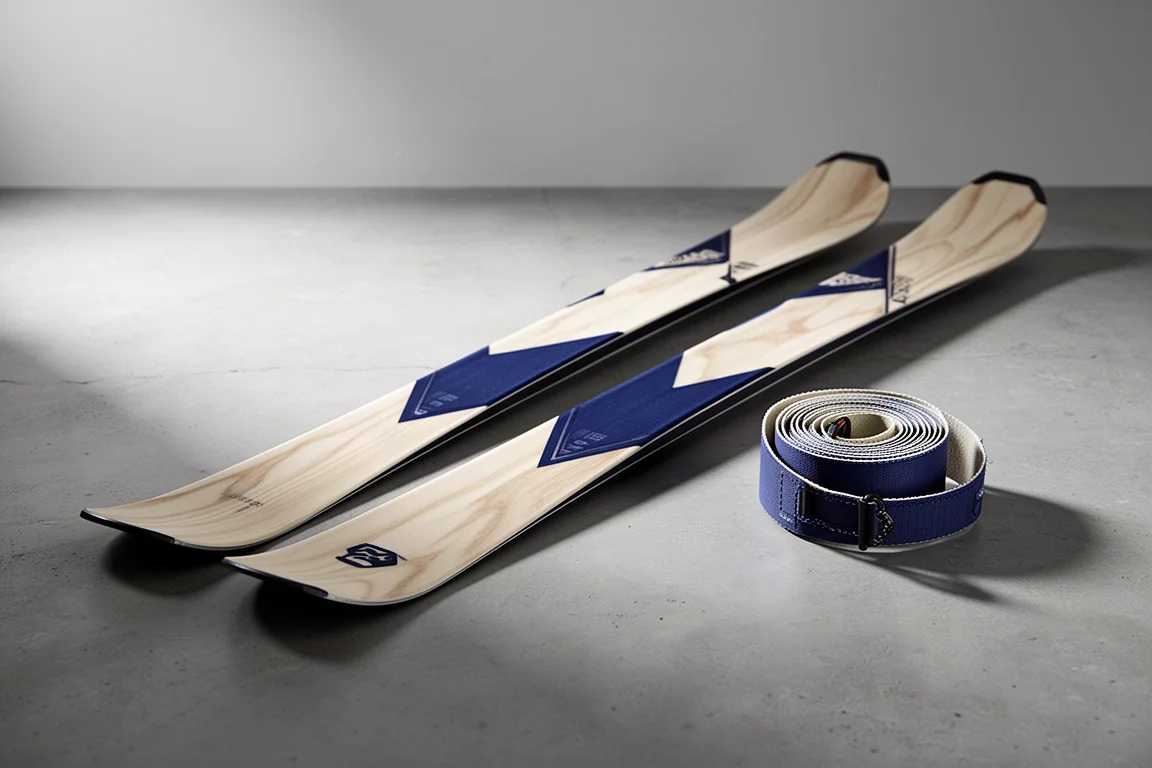
The Fischer Hannibal 106 is a wide ski built with a clear priority: moving efficiently uphill. Its 106 mm waist gives it enough surface area for deep backcountry snow, while a light paulownia core and carbon reinforcement keep the weight down. It is a touring-specific design rather than a hybrid, and that distinction shapes almost everything about how it feels.
That orientation matters, because the wide-ski market is now full of models that try to split the difference between lift-served laps and human-powered days. The Hannibal 106 does not pretend to be that. It is a ski for people who climb for their turns, with a shape and construction tuned around that idea.
Who the Fischer Hannibal 106 Is For
This ski is aimed at backcountry skiers who spend most of their time on the uphill and want a wider platform for soft snow. The width and volume make it a natural fit for touring days where flotation matters, whether that means deep powder bowls, storm snow, or long approaches into remote terrain.
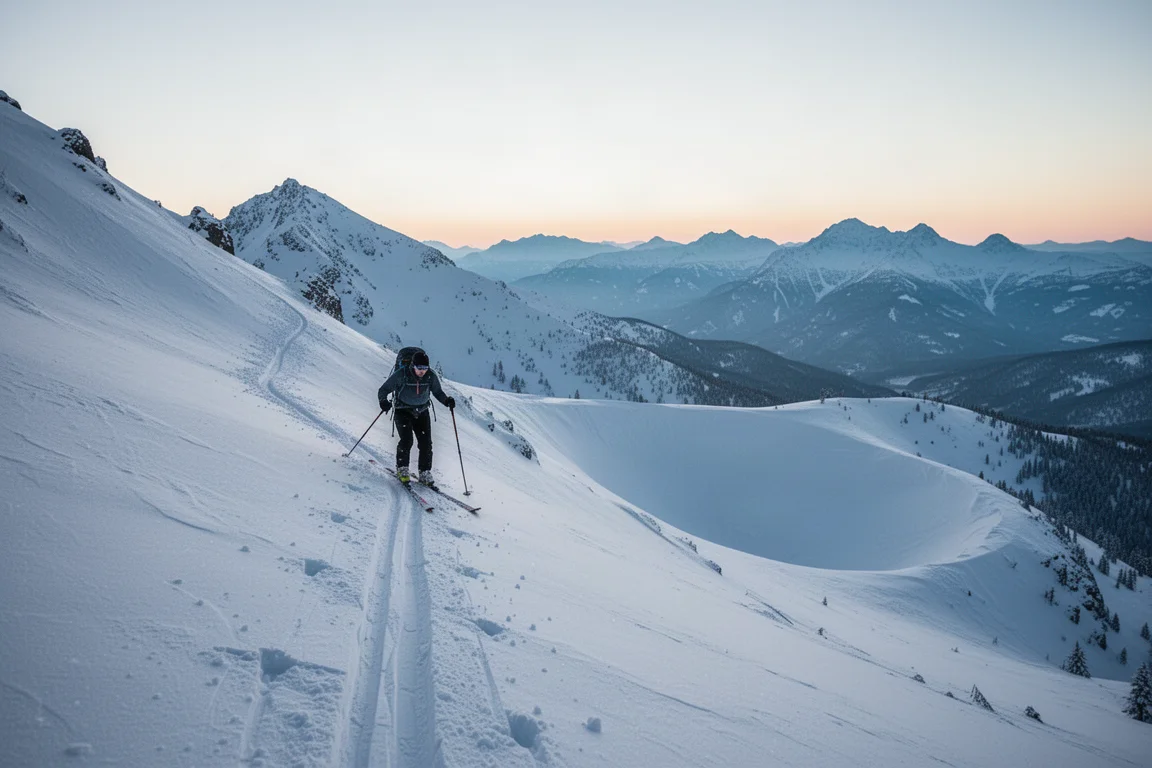
It is not a resort daily driver. It can be pressed into lift-served service when needed, or used to reach terrain that is easier to access from a resort, but that is not where it makes sense. Skiers who mostly ride lifts will likely be better served by a heavier, more damped ski with a more balanced up-and-down character.
Main Strengths
The Hannibal 106 earns its place through a combination of low weight, a construction that removes material where it is not needed, and a shape tuned for efficient travel over snow.
Lightweight Paulownia Core and Carbon Construction
At the heart of the ski is a paulownia wood core, a notably light hardwood that keeps the overall build down. Fischer pairs it with its carbon tex construction, which blends carbon stringers in different orientations, including vertical and cross-hatched placements, to stiffen the ski and make it more responsive without adding meaningful weight.
The numbers back that up. The 171 cm length measured 1,432 grams, which sits comfortably below the 1,500 gram mark often used as a reference point for touring builds. For a ski with a 106 mm waist, that is a notable figure, since wider skis normally carry more mass and volume.
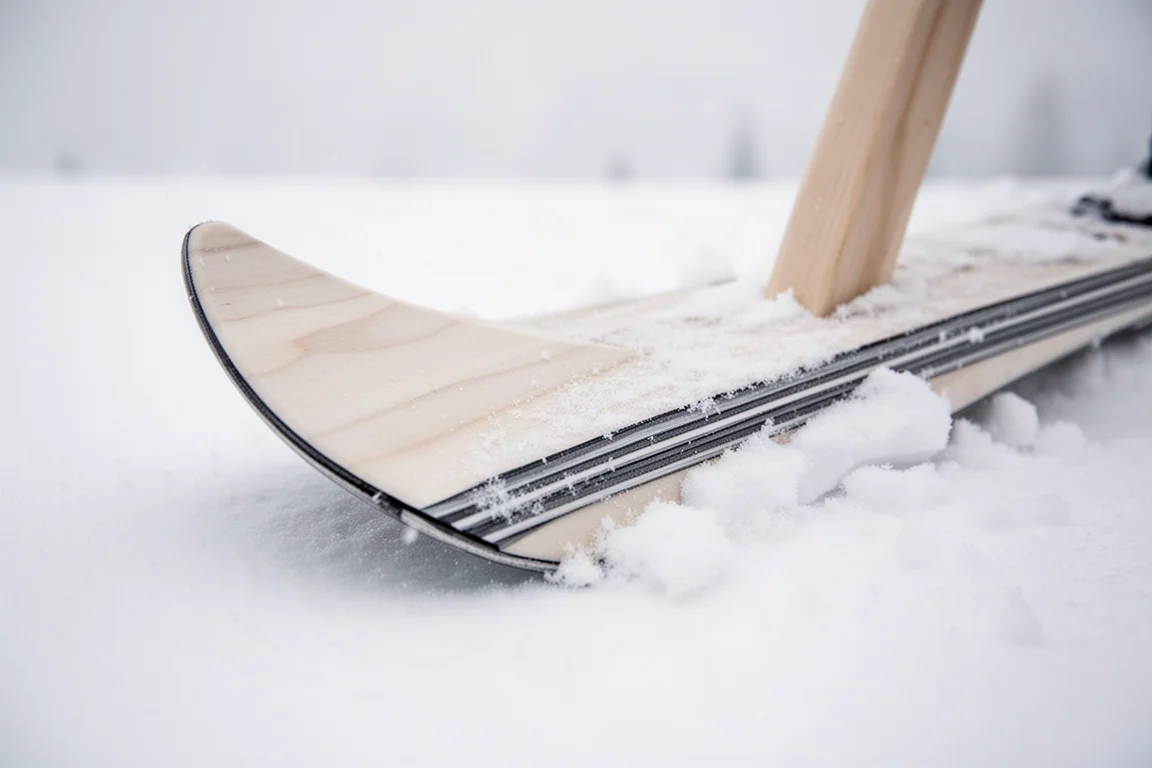
The ski also uses a slightly convex profile, a shape that gives the central core a bit more stability and power underfoot. It is a construction choice that helps the ski hold together when you are pushing it, rather than feeling like a thin plank that only works at low speeds.
Half-Cap Sidewall and Edge Grip
Most of the ski uses cap construction, with a sidewall running underfoot that tapers out to full cap in the tips and tails. Removing sidewall material at the extremities saves weight, and it also keeps the tips and tails more flexible and pliable in soft snow, which is exactly where a 106 mm backcountry ski wants that quality.
Underfoot, the sidewall stays, and that is what preserves edge grip on firm or variable snow. The result is a ski that holds an edge when you need it without becoming slow or cumbersome to move around.
Skin Fixation and Skinning Efficiency
Fischer’s skin pin technology at the tip accepts the brand’s own skins as well as any tip loop skin, and the tail uses a metal fixation point. Metal hardware at the tail is a less common detail, and it adds a sense of durability to a part of the ski that sees repeated use.
The geometry is built around travel as well. At 171 cm, the turn radius measures 21 meters, which is a long, fairly straight cut that helps the ski track cleanly on the skin up. There is generous tip rocker with a splayed shovel for flotation, paired with less tail rocker than you would find on a more alpine-oriented ski. That combination makes sense: a straighter cut and a calmer tail keep the ski efficient and predictable when you are climbing, while the tip does the work of keeping you on top of the snow.
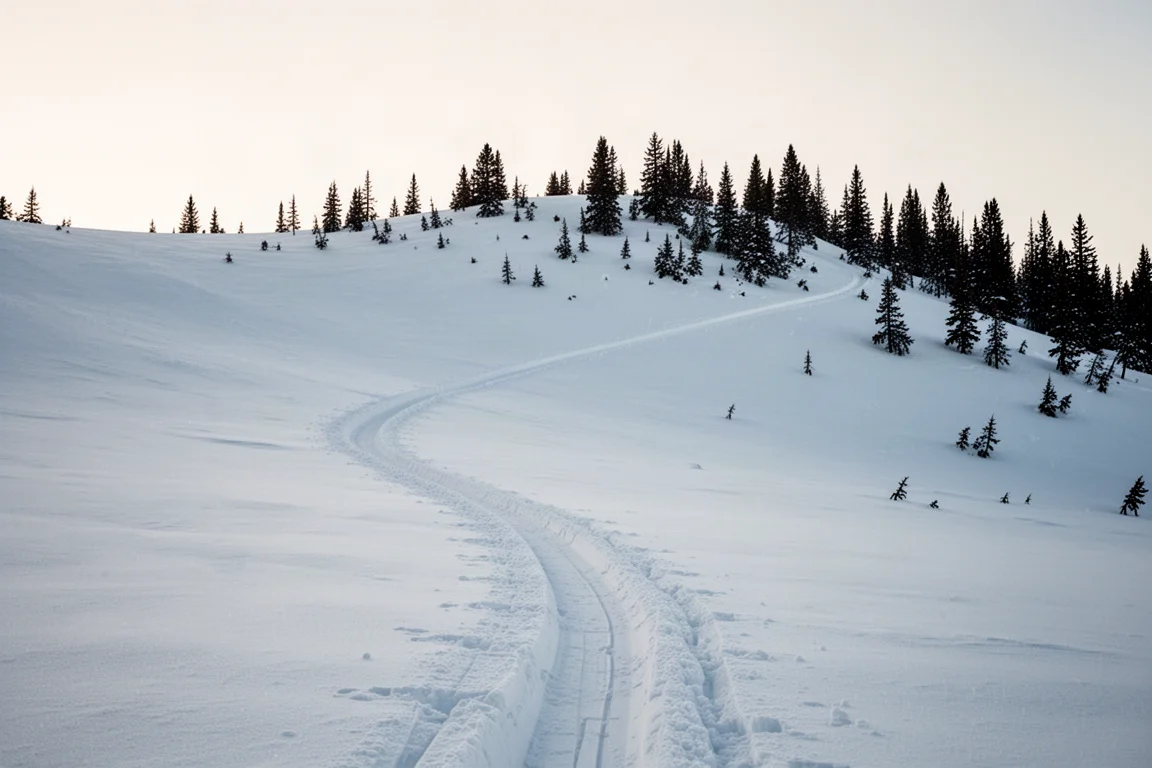
Together, those traits make the Hannibal 106 feel at home on long approaches and in deep backcountry snow, where flotation and low weight matter more than resort-style dampness.
Things to Consider Before Buying
- The design is touring-first. This is not a ski to build a lift-served quiver around, and it will feel out of its element if most of your days start on a chair.
- The long 21 meter radius and reduced tail rocker favor efficiency over a loose, playful feel. If you want a ski that pivots and slashes on a dime, this geometry is a deliberate trade-off rather than a shortcoming.
- The published reference points here are for the 171 cm length, at 1,432 grams and a 21 meter radius. Other lengths will behave differently, so compare like for like when you are weighing options.
Buying Advice
The clearest way to decide is to look at how you actually ski. If the uphill is the point, and your days revolve around climbing for soft snow, the Hannibal 106 matches that use case closely. Its low measured weight and wide platform are aimed squarely at that kind of skiing.
If your seasons are mostly lift-served with the occasional touring day, a hybrid ski with more mass and a more balanced character will likely serve you better. The Hannibal 106 can handle those days, but it is not designed around them, and you would be paying in weight and downhill composure for capability you would rarely use.
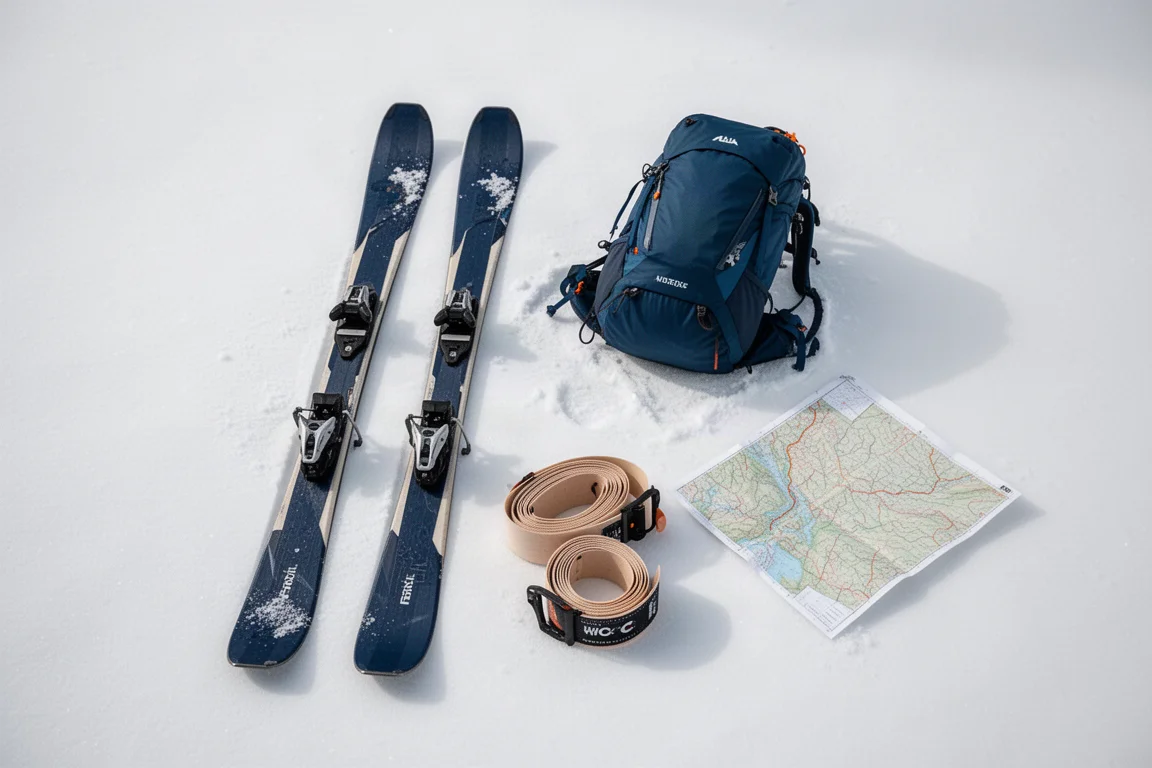
For skiers building a dedicated touring setup, the details worth noting are the paulownia core, the carbon reinforcement, the sidewall underfoot, and the metal tail skin fixation. Those are the elements that shape how the ski climbs, how it holds an edge, and how it behaves once you point it downhill in soft snow.
Conclusion
The Fischer Hannibal 106 is a focused touring ski. It pairs a 106 mm waist with a light paulownia core and carbon stringers, comes in at 1,432 grams in the 171 cm length, and uses a construction that trims material from the tips and tails while keeping a sidewall underfoot for edge grip. Add a long, straight cut, generous tip rocker, and a metal tail skin fixation, and the intent is clear.
For backcountry skiers who want a wider ski that still climbs efficiently and floats well in deep snow, it is a coherent, well-considered option. For everyone else, the touring-first design is worth understanding before you commit.
Product link
View more details for Fischer Hannibal 106
This product is mentioned in the review. Check the specifications, options, and compatibility before buying.
View more details for Fischer Hannibal 106Further reading
Related Reviews
Ski Gear
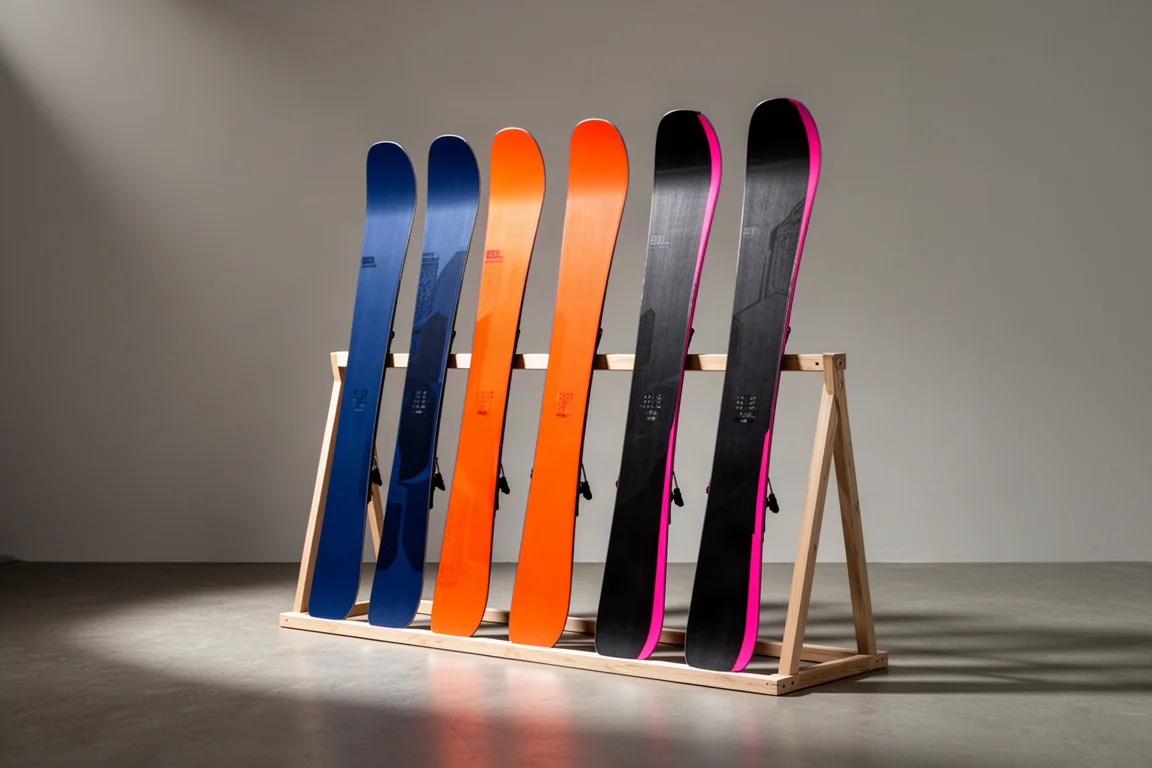
2023 Blizzard Hustle vs Rustler: Six Freeride Skis Compared
Blizzard's 2023 Hustle collection rebuilds the Rustler shape with a lighter core and no metal. Here is how all six skis differ, and which one suits your riding.
Ski Gear
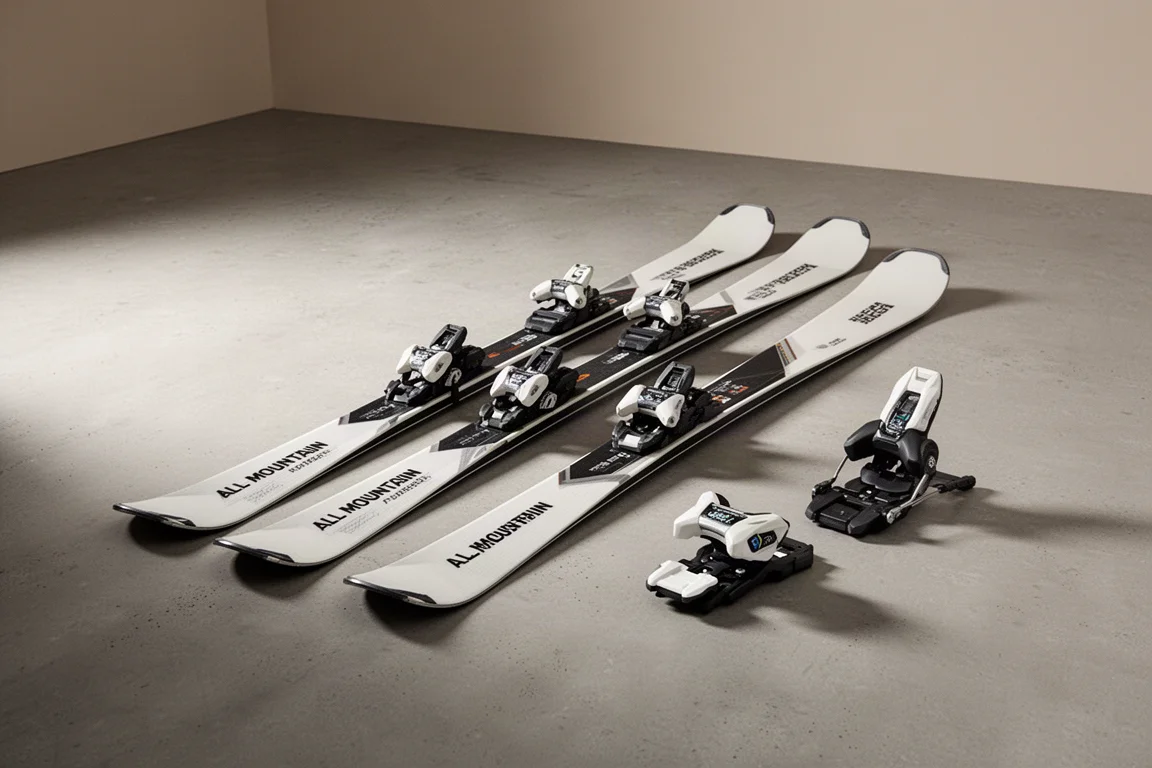
2023 Skis of the Year: Atomic Maverick 88 TI, Salomon QST 106, and Look SPX 12 Pro
Three standout ski picks for all-mountain carving, powder days, and reliable binding performance, with practical buying notes for 2023 models.
Ski Gear
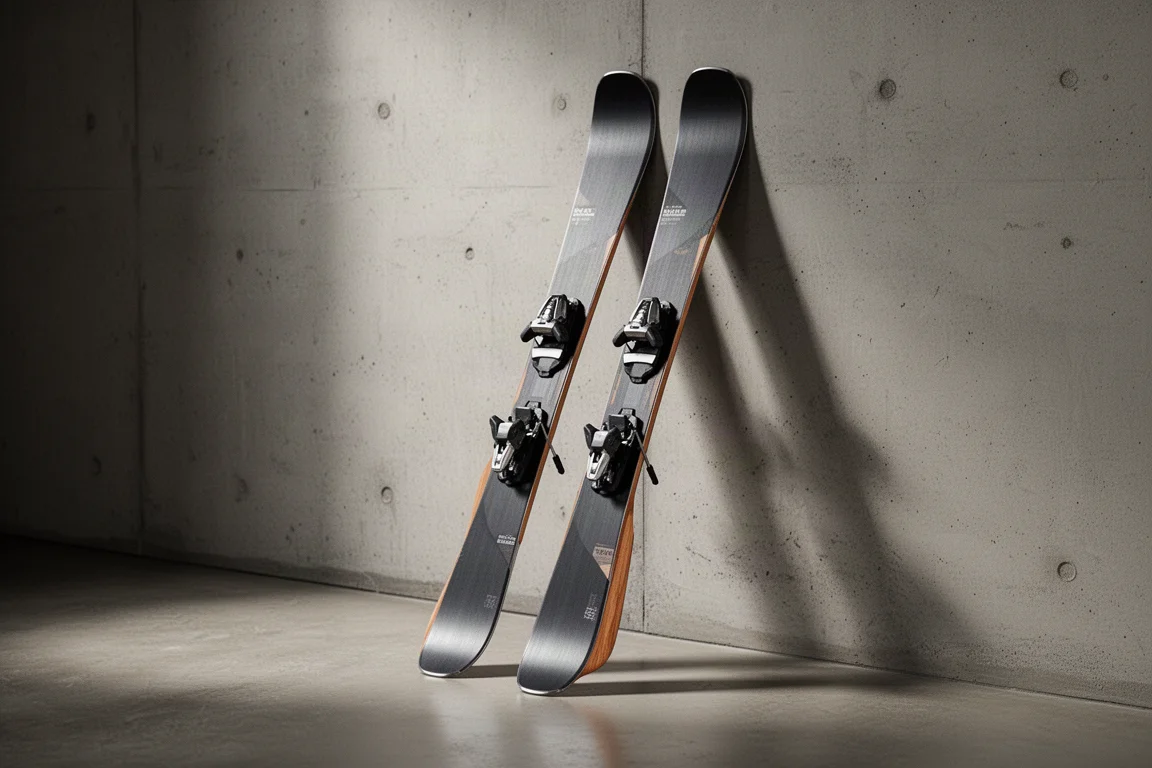
2025 Nordica Enforcer 104 Review: A Directional Charger Replaces the 104 Free
The 2025 Nordica Enforcer 104 drops the Free name and the twin-tip personality, gaining weight, stiffness and composure in rough snow. Here is what changed and who it suits.