Ski Gear
Fischer Curver GTX Review: A Race-Inspired Frontside Ski for Advanced Skiers
A 76 mm frontside ski with a poplar and beech core, 8 mm titanal and two carbon applications, built for advanced and expert skiers who carve groomers.
Introduction
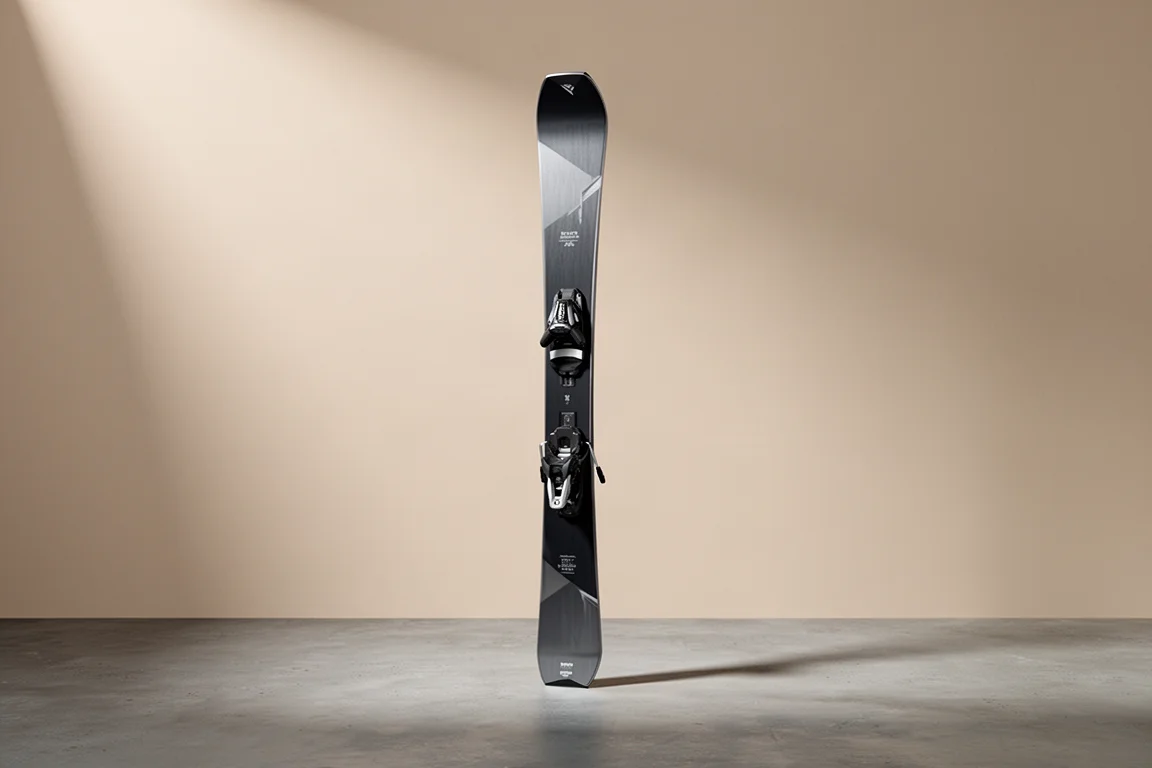
The Fischer Curver GTX is a wide-bodied frontside ski that measures 76 mm underfoot. It belongs to the frontside category, but it carries a clear amount of race-room heritage in both its construction and its shaping, and that is what gives it its character on groomed terrain.
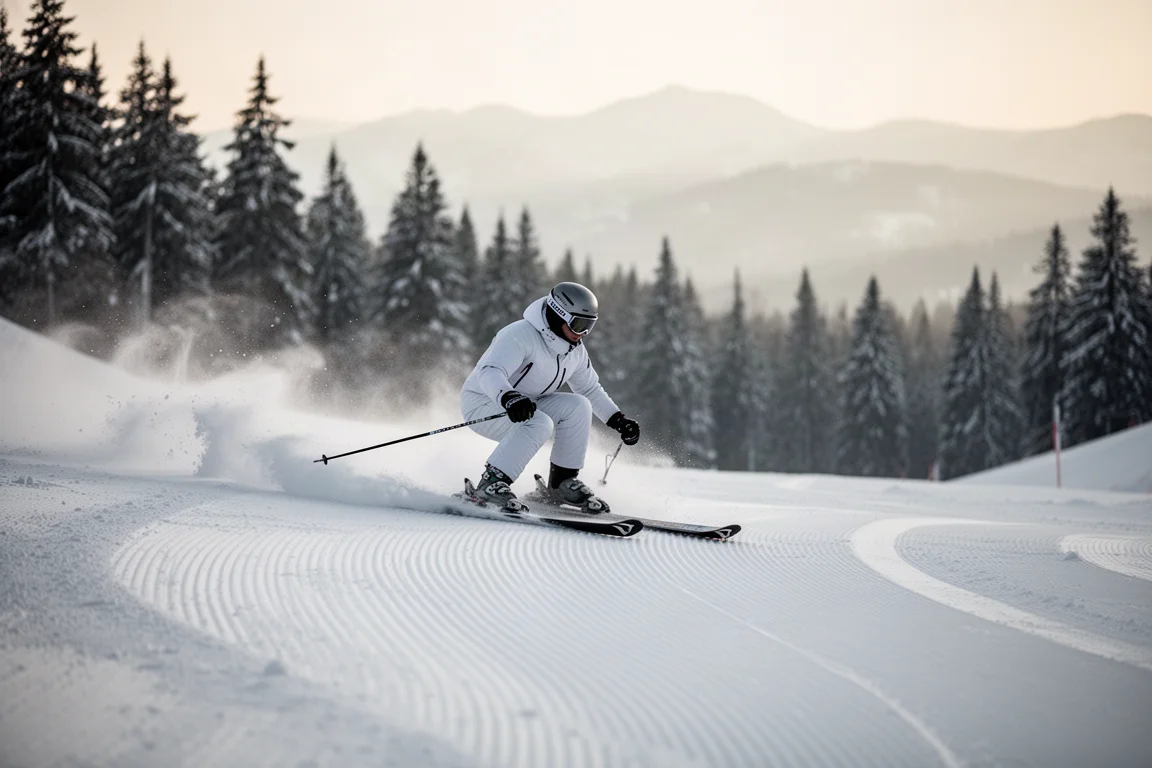
The result is a ski with a lot of performance packed into a package that does not feel overly heavy. It reads as a lighter-weight performance ski that delivers strong rebound out of every turn, largely because of how sharp and defined its profile is.
Who This Ski Is For
This is a ski aimed squarely at advanced and expert skiers, including former racers. The stiffer flex and firmer overall feel push intermediates out of the picture.
Riders who prefer a more balanced platform underfoot, rather than a narrow balance point, tend to get along well with a 76 mm waist. The extra width does not cost much in torsional stiffness, and it makes the ski easier to manage across a variety of groomed conditions.
Construction and Performance Strengths
The core blends poplar and beech, and the ski carries two sheets of metal along with 8 mm titanal. That is a substantial amount of race-room influence brought directly into the build.
Two separate carbon applications add energy. A diagocarbon laminate runs diagonal, cross-hatched carbon stringers through the length of the ski, which pays off torsionally: tip the ski on edge and those diagonal fibers bite into the snow and create a strong, sturdy feel with plenty of energy. A carbon bridge underfoot reinforces a zone that already carries a system plate, raising the stand height and pairing with the titanal and a full fiberglass and carbon laminate to make the ski stiffer and more reactive.
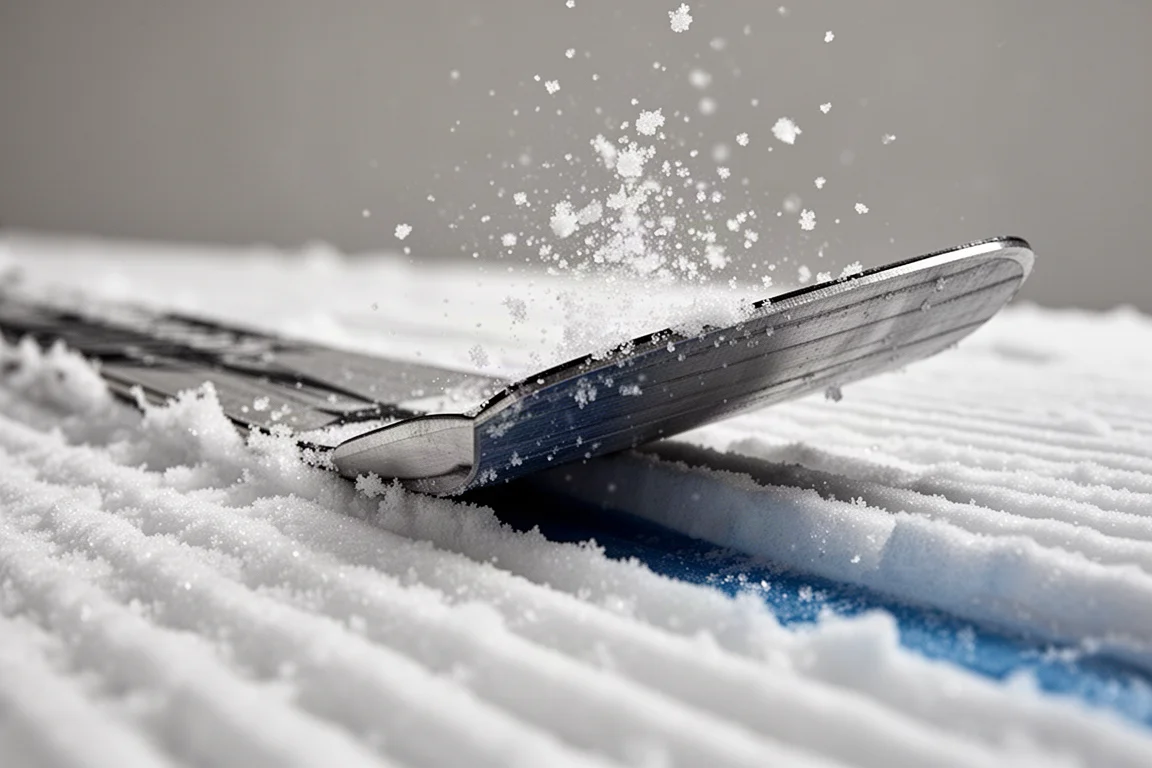
Everything about this ski is designed to be reactive, precise, and full of energy, and that adds up to a high-end performance level. The trade-off is a flex that suits accomplished skiers rather than those still building their skills.
On-Snow Character and Turn Shape
The 175 cm length has a 16 m turn radius, and the ski genuinely enjoys that shape. Its triple radius side cut is longer through the midsection and shorter in the tips and tails, which produces a snappy, energetic feel that pulls you into the turn.
Camber underfoot is generous, and there is essentially no rocker and no taper. The widest part of the ski sits well up toward the tip, and the tail is extremely flat, blocky, and angular. The result is a long effective edge, and a shorter radius combined with a long effective edge gives the side cut a lot of drama. That is exactly why this ski loves being on edge in a carved turn.
If you prefer longer turn shapes, this is not the ski that will feel happiest. It wants to be used in shorter radius carves.
Length, Weight, and Sizing
In the 175 cm length, the ski and binding together weighed about 3,150 g on the scale. That gives it a slightly lighter feel than the metal content might suggest.
Most of that weight sits toward the front of the ski, with lighter tips and tails. The lighter extremities contribute to the rebound, which is part of why the ski feels so snappy.
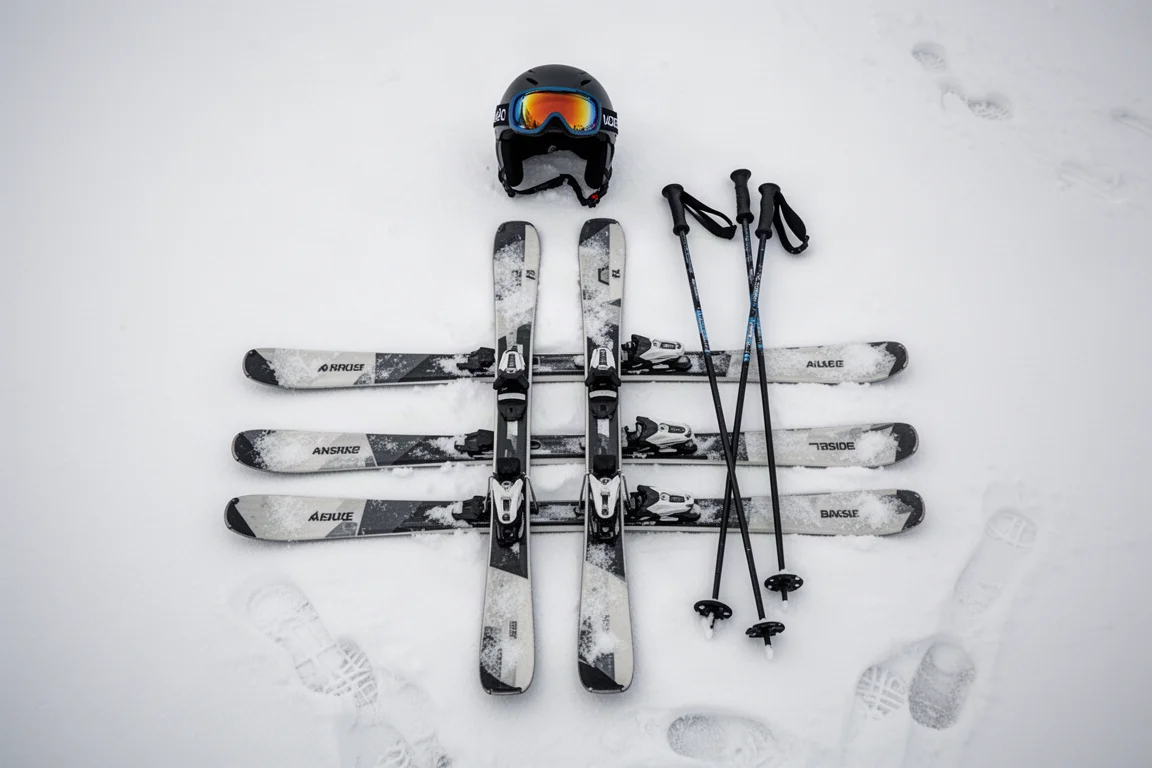
The 76 mm platform is also worth considering on its own. A wider body underfoot helps across a variety of snow conditions and terrain, and it lets you build higher edge angles when the snow is not firm hardpack all day.
Things to Consider Before Buying
The stiff flex and firm overall feel are the main limits. Skiers who are still developing their technique will likely find it demanding rather than rewarding.
It is also not the best choice for bumps and trees. Based on the shape, construction, and profile, it is far happier on groomers, and it prefers shorter radius turns over long, sweeping arcs.
Buying Advice
If you are an accomplished skier or a former racer who spends most of the day on groomed runs and wants a stable platform with real energy, the Curver GTX is a strong match. The titanal, the carbon laminates, and the race-inspired profile all work together to deliver grip and rebound.
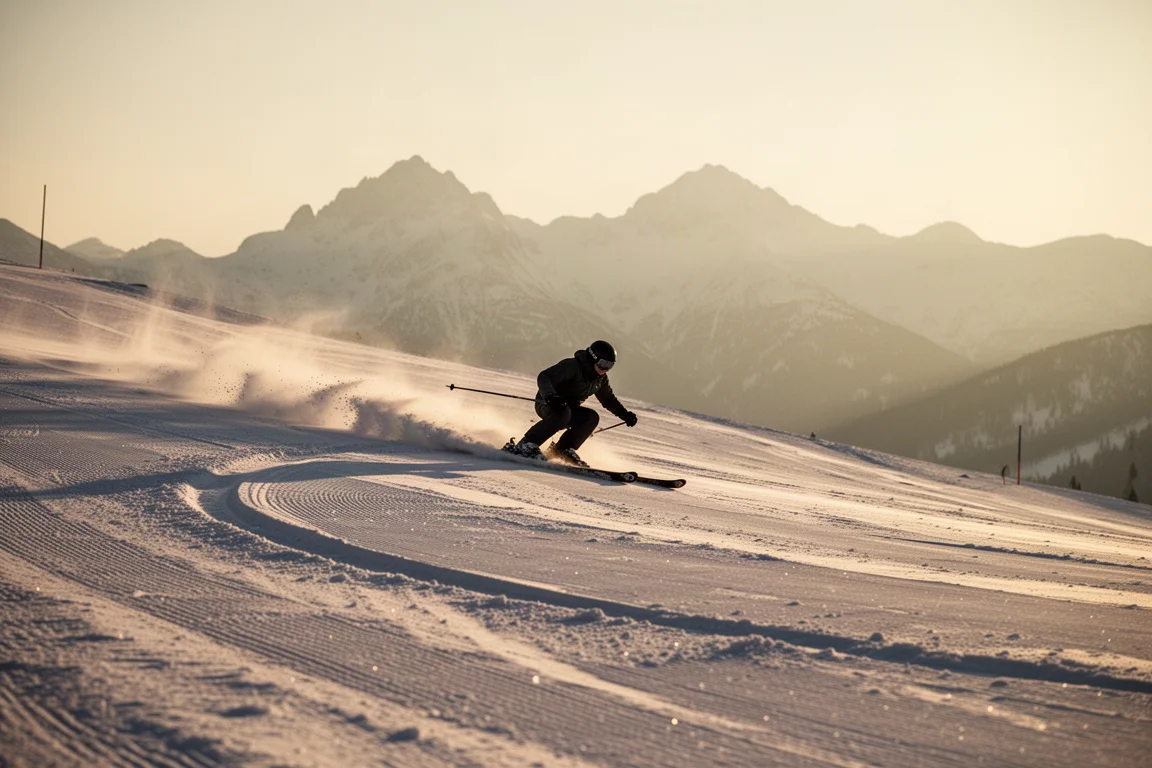
If instead you want a softer, more forgiving ski, or you plan to spend significant time in bumps and trees, this is probably not the right fit. Match the ski to the terrain you actually ski most, and this one will make a lot of sense.
Conclusion
The Fischer Curver GTX is a burly, energetic frontside ski with a genuine race-room influence. Its 76 mm waist, poplar and beech core, 8 mm titanal, and two carbon applications give it precision and rebound, while its camber profile and minimal rocker and taper keep it locked into carved turns. Advanced and expert skiers who live on groomers will get the most from it.
Product link
View more details for Fischer Curver GTX
This product is mentioned in the review. Check the specifications, options, and compatibility before buying.
View more details for Fischer Curver GTXFurther reading
Related Reviews
Ski Gear
2023 Blizzard Hustle vs Rustler: Six Freeride Skis Compared
Blizzard's 2023 Hustle collection rebuilds the Rustler shape with a lighter core and no metal. Here is how all six skis differ, and which one suits your riding.
Ski Gear
2023 Skis of the Year: Atomic Maverick 88 TI, Salomon QST 106, and Look SPX 12 Pro
Three standout ski picks for all-mountain carving, powder days, and reliable binding performance, with practical buying notes for 2023 models.
Ski Gear
2025 Nordica Enforcer 104 Review: A Directional Charger Replaces the 104 Free
The 2025 Nordica Enforcer 104 drops the Free name and the twin-tip personality, gaining weight, stiffness and composure in rough snow. Here is what changed and who it suits.