Ski Gear
Fischer Curv 85 GT Review: A Stable, Energetic Frontside Ski for Advanced Skiers
A closer look at the Fischer Curv 85 GT, a wide frontside ski with an 85 mm waist, beechwood core, and titanal laminates, plus who it suits and what to weigh before buying.
Introduction
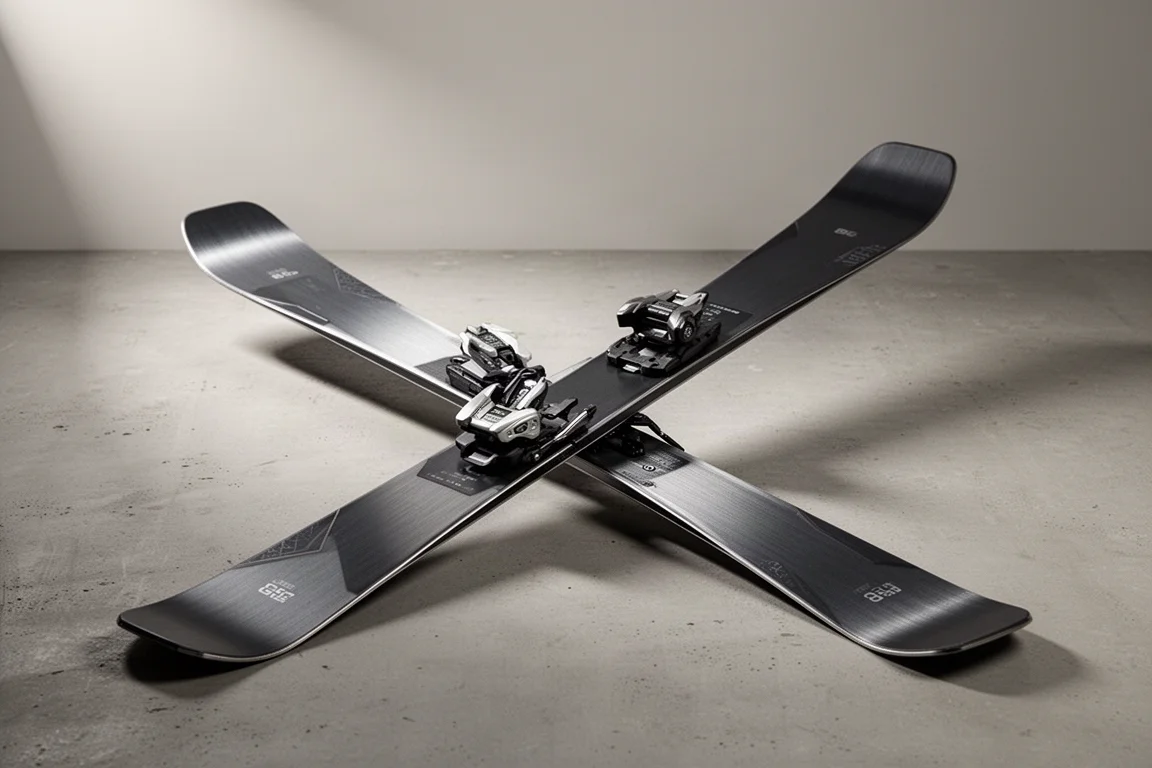
The Fischer Curv 85 GT arrives as a carryover of a model that was first introduced the previous season, and its brief is easy to read from the numbers. At 85 mm underfoot it sits close to all-mountain width, yet its shape and construction stay firmly on the frontside. The payoff is a ski that feels strong, stable, and energetic on firm snow, with a wide platform underfoot that makes higher edge angles genuinely fun to chase.
This review breaks down the construction, the flex profile, how the ski behaves on groomed terrain, and the trade-offs worth knowing before you commit.
Who This Ski Is For
This is an advanced and expert ski. The heavier weight and the wider shape both ask for a skier who already knows how to work a sidecut and can drive a ski from the middle of the turn. Put that skill set on it and the Curv 85 GT gives back a planted, dependable ride with real energy out of the turn.
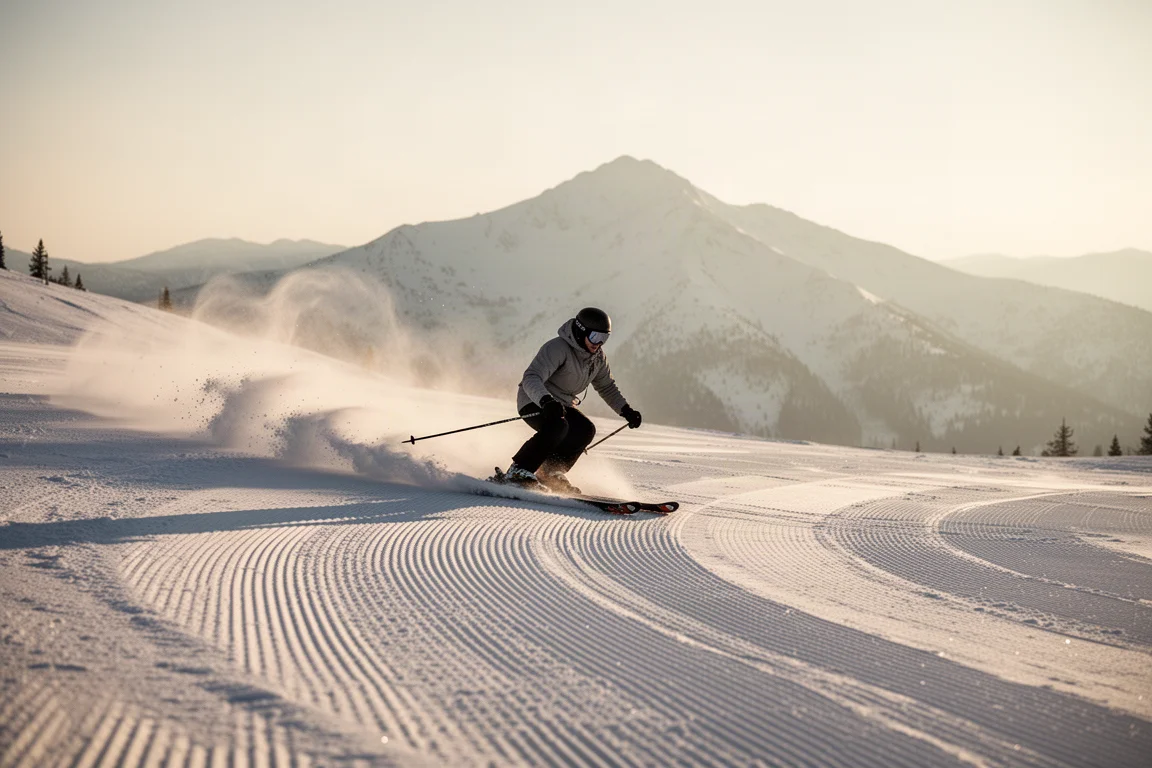
Intermediates looking for an introduction to carving skis will likely find it to be a lot of ski. The potential is there, but accessing it takes technique that most developing skiers are still building. Skiers who spend their days on groomed runs, and who want a wider body than a pure carving ski provides, are the natural audience.
Main Strengths
Strength and stability are the headline. On-snow feedback points to a solid, planted weight underfoot, confident edge hold, and very little chatter, along with the ability to push through heavier, wetter snow without getting knocked around.
The wider body also pays off once the groomers are no longer pristine. When the surface gets cut up, the ski plows through instead of getting deflected, which keeps the ride composed well into the afternoon. And despite the metal and the mass, the shovel flexes enough to keep the ski nimble when you want to change the shape of the turn.
Construction and Flex Profile
The core is beechwood, and it is milled thinner toward the tips and tails. That matters more than it sounds. Because the materials are already sturdy, less of them is needed at the extremities, and the thinner profile allows more flexion in the shovel and tail, which in turn makes the shorter turn radius easier to access.
Two sheets of titanal add metal to the layup, and a thick layer of fiberglass underfoot, described as a fiber bridge, adds energy without making the ski feel overly damp or overly strong. The RSW12 system binding contributes extra stack height and leverage over the middle of the turn, and it reinforces the hefty, powerful feel in the underfoot zone.
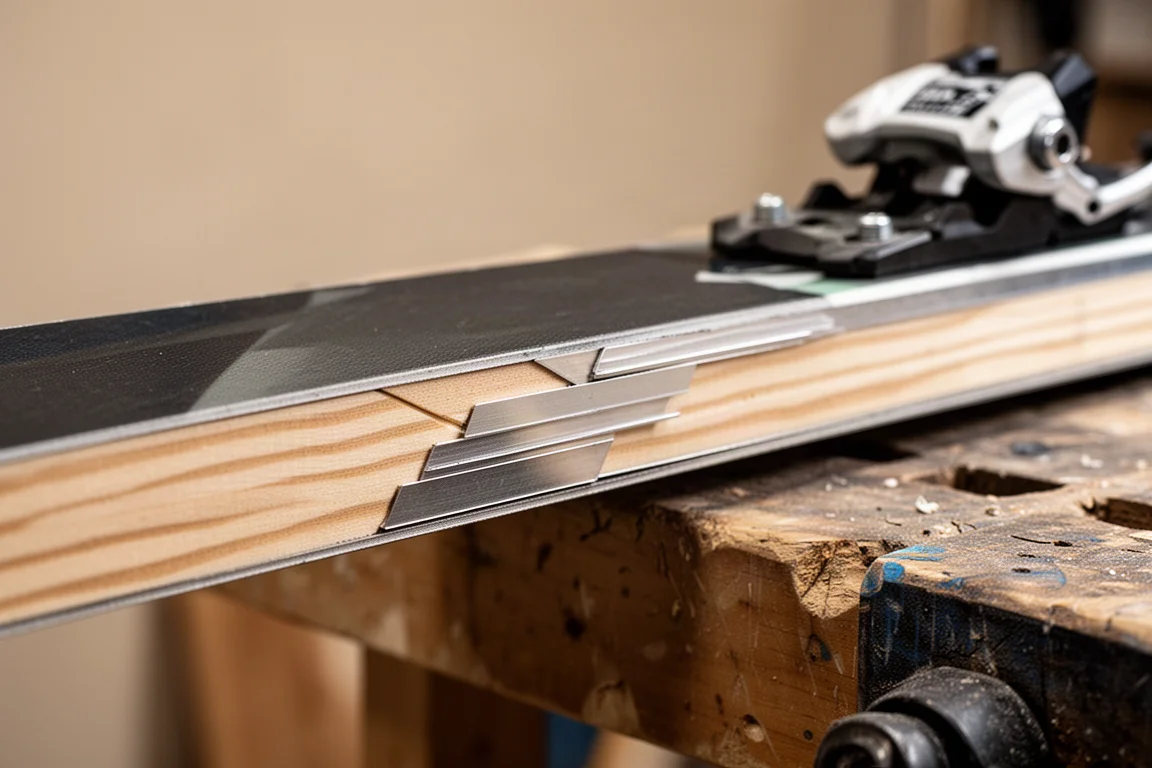
Flex-wise, the ski bends a little more than you might expect given how much metal is in it. The tail is slightly stiffer than the shovel, so the front of the ski engages the sidecut more readily while the back stays supportive.
Performance on Groomed Terrain
The turn radius is short at 15.5 m, and that shapes everything about how this ski wants to be skied. There is positive camber underfoot, very little tip and tail rocker, and essentially no taper. The squared-off tail carries no rocker either, a detail that reads as direct race influence carried into a wider format.
Combined with the 182 cm length and the substantial feel, the ski prefers a moderate turn shape. You can open it up, but it is not as sturdy or stable at higher speeds as it is in its comfort zone.
Condition-wise, it is happiest on firm snow and groomed runs. Frozen, grippy morning corduroy is ideal, and the ski keeps working as the surface softens through the day, including on trails that get mangled by midday traffic.
Things to Consider Before Buying
Weight is the first thing to plan around. A 182 cm pair with the binding mounted comes in around 3,400 g, and most of that mass sits in the middle of the ski, which is exactly where the stability comes from. The ends are lighter and more flexible.
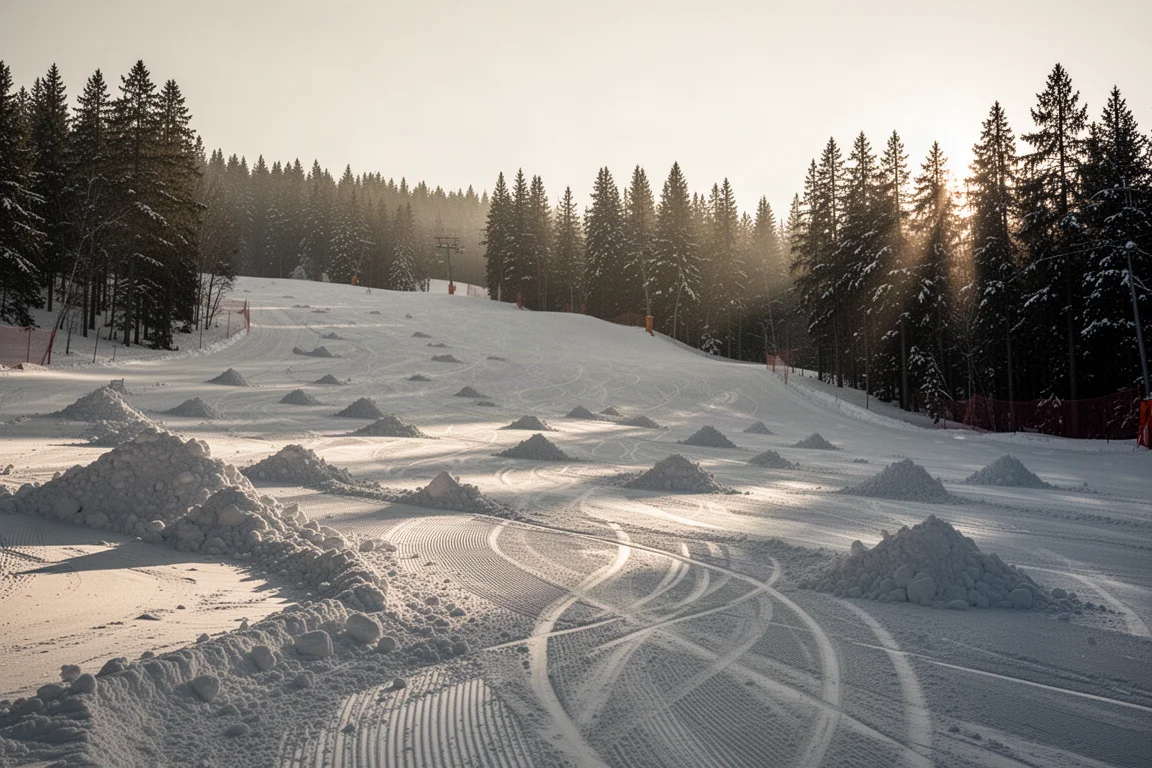
Off-piste ability is limited. The shovel flex lets the ski handle bumps and packed-out trees, but it is much happier on firm snow and groomed terrain. If your season is mostly soft snow, trees, and deeper days, this is not the tool. And if you are an intermediate shopping for a first carving ski, the weight and the width are likely to work against you rather than for you.
Sizing and Setup
The 182 cm model with its system binding weighed roughly 3,400 g, with the mass concentrated underfoot and a lighter, more flexible feel toward the tips and tails. That distribution is worth keeping in mind when you picture how the ski behaves on snow: the platform underfoot is the anchor, and the ends are what let you steer.
Because the Curv 85 GT is a carryover of a shape introduced the previous season, the design itself is unchanged, so the way it skis is the way it skis. Sizing decisions should follow the same logic as any frontside ski: match length to your height, weight, and how aggressively you drive the ski.
Buying Advice
Buy the Curv 85 GT if your days are built around groomed runs and firm snow, and you want a wide frontside ski with a strong platform to stand on. Advanced and expert skiers who like to create higher edge angles and want a ski that stays calm when the surface deteriorates will get the most from it. Expect it to shine in short to moderate turn shapes rather than at outright top speed.
If you are stepping up from a softer ski, or you split your time evenly between groomers and off-piste terrain, it is worth being honest about whether the weight and width suit you. This is a ski that rewards a confident, technical skier, and it gives that skier a stable, energetic ride in return.
Conclusion
The Fischer Curv 85 GT does one job very well: a strong, stable, energetic frontside ride with an 85 mm waist that keeps it usable when the groomers get rough. Its beechwood core, twin sheets of titanal, and fiberglass underfoot deliver power without feeling harsh, and the short 15.5 m radius keeps it lively in moderate turn shapes. Advanced and expert skiers who spend their time on piste will find a lot to like, provided they are comfortable with the weight and the frontside focus.
Product link
View more details for Fischer Curv 85 GT
This product is mentioned in the review. Check the specifications, options, and compatibility before buying.
View more details for Fischer Curv 85 GTFurther reading
Related Reviews
Ski Gear
2023 Blizzard Hustle vs Rustler: Six Freeride Skis Compared
Blizzard's 2023 Hustle collection rebuilds the Rustler shape with a lighter core and no metal. Here is how all six skis differ, and which one suits your riding.
Ski Gear
2023 Skis of the Year: Atomic Maverick 88 TI, Salomon QST 106, and Look SPX 12 Pro
Three standout ski picks for all-mountain carving, powder days, and reliable binding performance, with practical buying notes for 2023 models.
Ski Gear
2025 Nordica Enforcer 104 Review: A Directional Charger Replaces the 104 Free
The 2025 Nordica Enforcer 104 drops the Free name and the twin-tip personality, gaining weight, stiffness and composure in rough snow. Here is what changed and who it suits.