Backpacking Tents
Fire Maple Tropics 2 vs Naturehike Mongar 2: Two Lightweight Backpacking Tents Compared
A close look at Fire Maple's first backpacking tent, the Tropics 2, and how it compares with the lighter, more affordable Naturehike Mongar 2.
Introduction
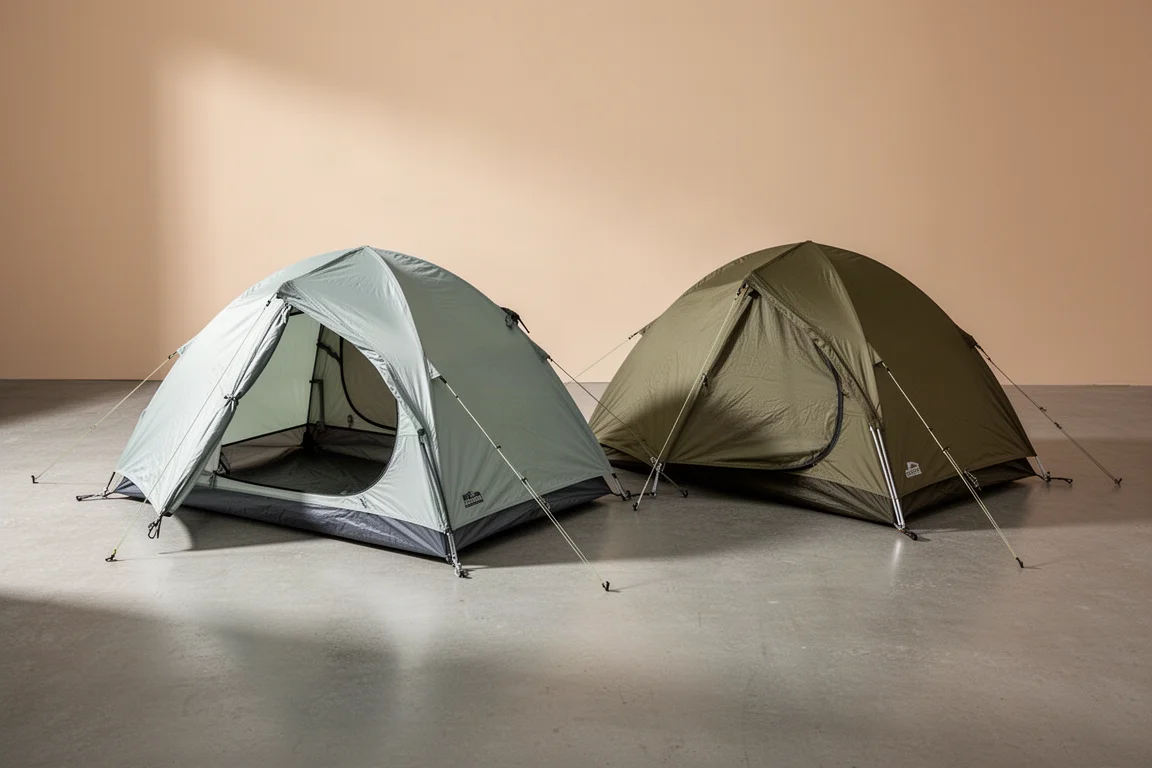
Fire Maple has built a following on stoves, cook sets, lanterns and heaters aimed at backpackers and overland travelers. The Tropics 2 is the company’s first backpacking tent, and it arrives in a crowded, price-sensitive corner of the market. That makes the comparison with the Naturehike Mongar 2 hard to ignore: the two shelters are strikingly similar in size, features and pitching method, yet they sit more than $100 apart.
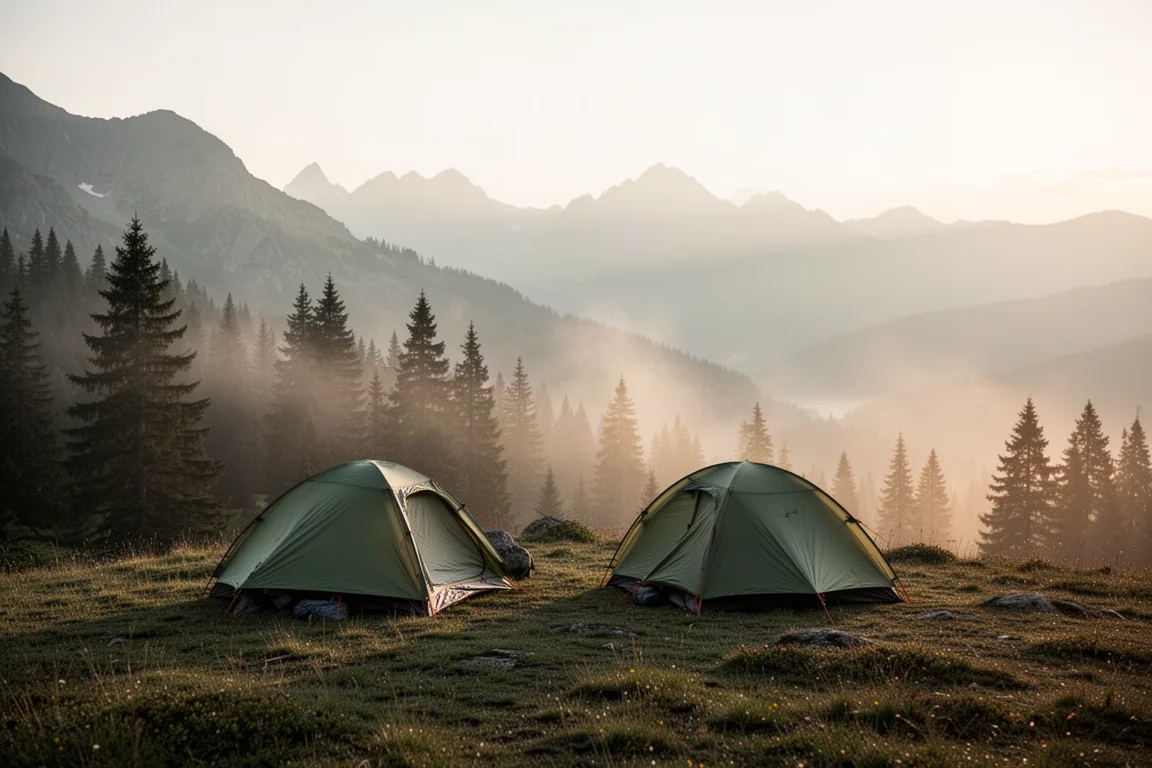
This guide covers what the Tropics 2 does well, the small flaws worth knowing about before you commit, and how the Mongar 2 fits into the decision if value and packed weight lead your priorities.
What to Look For in a Two-Person Backpacking Tent
Before weighing either shelter, it helps to know which details actually change the experience on trail.
- Packed weight and packed size: a two-person tent that carries comfortably is one you will not resent on a long approach.
- Ventilation: mesh coverage and how far the fly sits from the inner decide whether you wake up damp from condensation.
- Weather protection: taped seams, storm flaps and adjustable stake-out points matter more than headline numbers once the wind picks up.
- Interior space: peak height, floor length and vestibule volume decide whether two people can sit up, change clothes and store packs without a struggle.
- Floor height: a deep bathtub floor keeps groundwater out, but it also makes entry and exit harder for some campers.
- Availability and returns: where a tent is sold affects how easily you can exchange it if something goes wrong.
Fire Maple Tropics 2: Setup, Space, and Build Quality
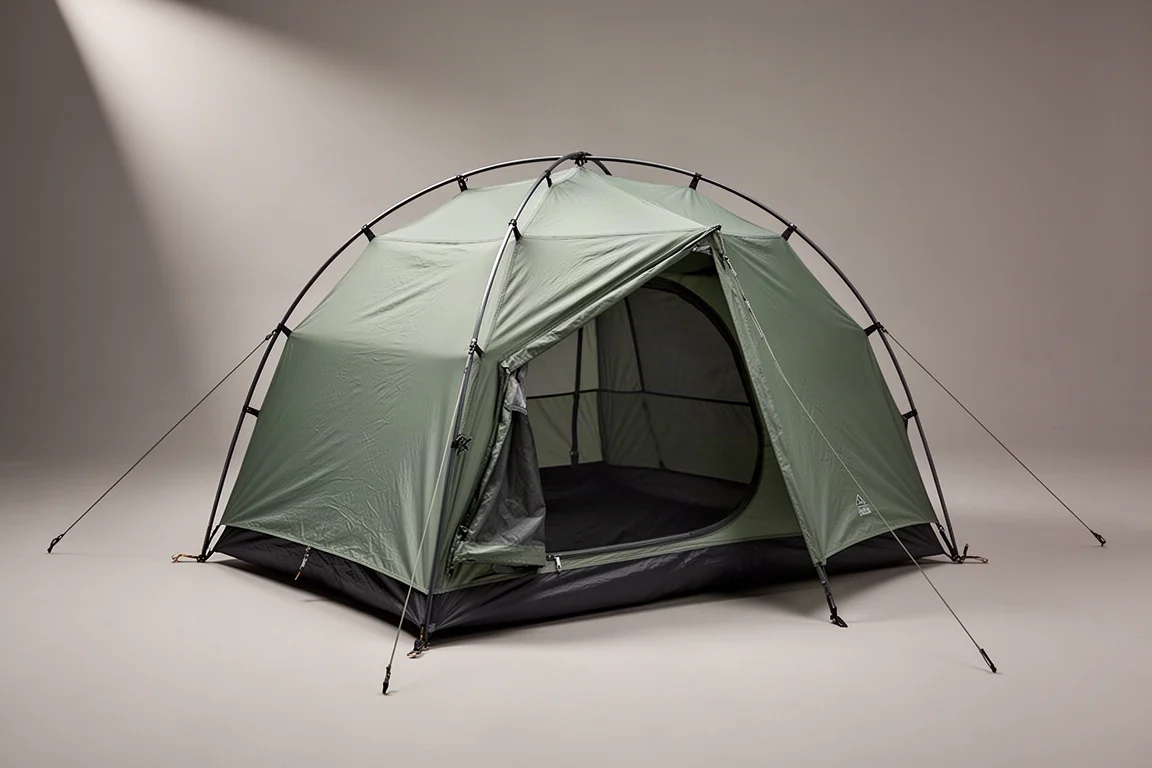
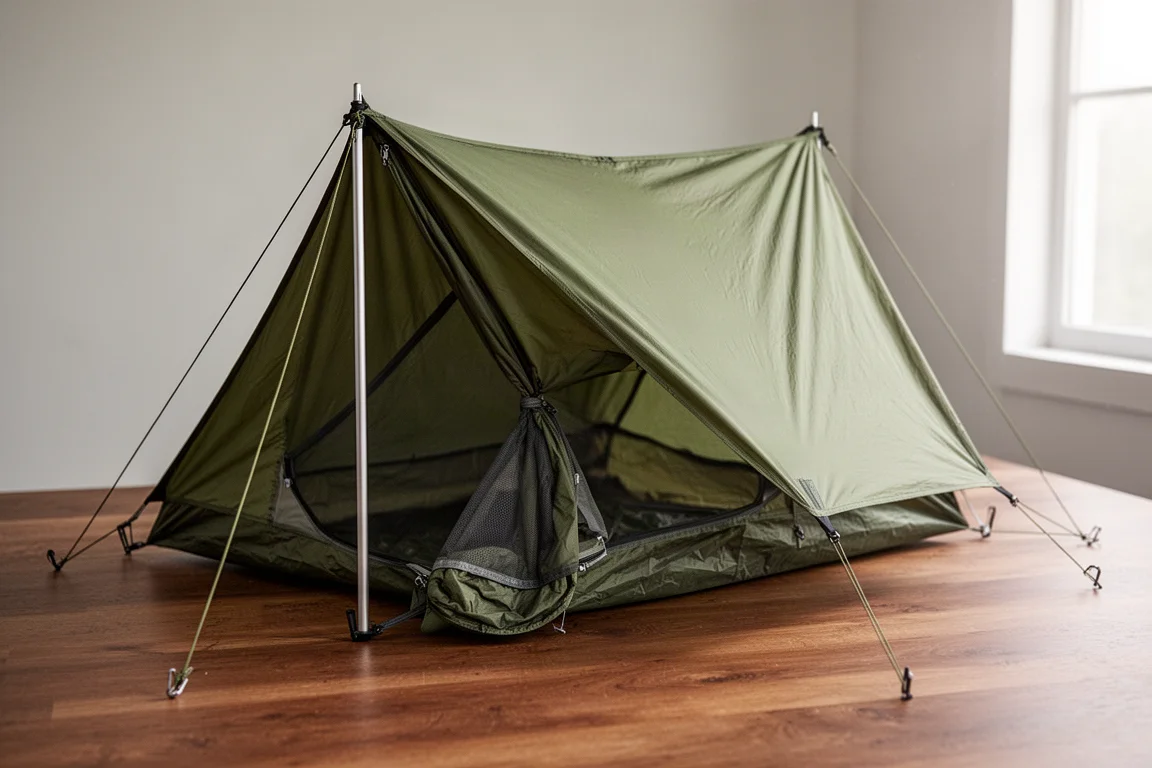
The Tropics 2 is a semi-freestanding, three-season shelter for two people, built around a single-pole system that arcs over the top of the tent and pulls the inner out to its full shape. It can be pitched without staking, though it performs best when fully staked out. Setup follows the familiar sequence used by most backpacking tents, so nothing here will slow you down.
Inside, the tent is long. The floor measures 79 inches, or about 6 feet 7 inches, with a 47-inch width. Peak height is 43 inches with the two removable mesh gear caddies taken down, and 38 inches with them in place. That is enough for two people to sit up, change clothes and keep a little gear beside their sleeping pads, and taller campers will appreciate the extra length.
Build quality is a genuine strength. The seams are taped, the stitching is clean, and there were no loose threads on the sample. The fly is 20D nylon, the body uses 20D nylon with mesh panels, and the floor is 20D nylon. Poles and stakes are aluminium. The zippers run smoothly, though the brand is not marked and they are not YKK.
The bathtub floor is aggressive, standing roughly 8 to 9 inches high. That is excellent for keeping groundwater out, but anyone with mobility issues should think carefully before buying, because stepping over that lip is a real task.
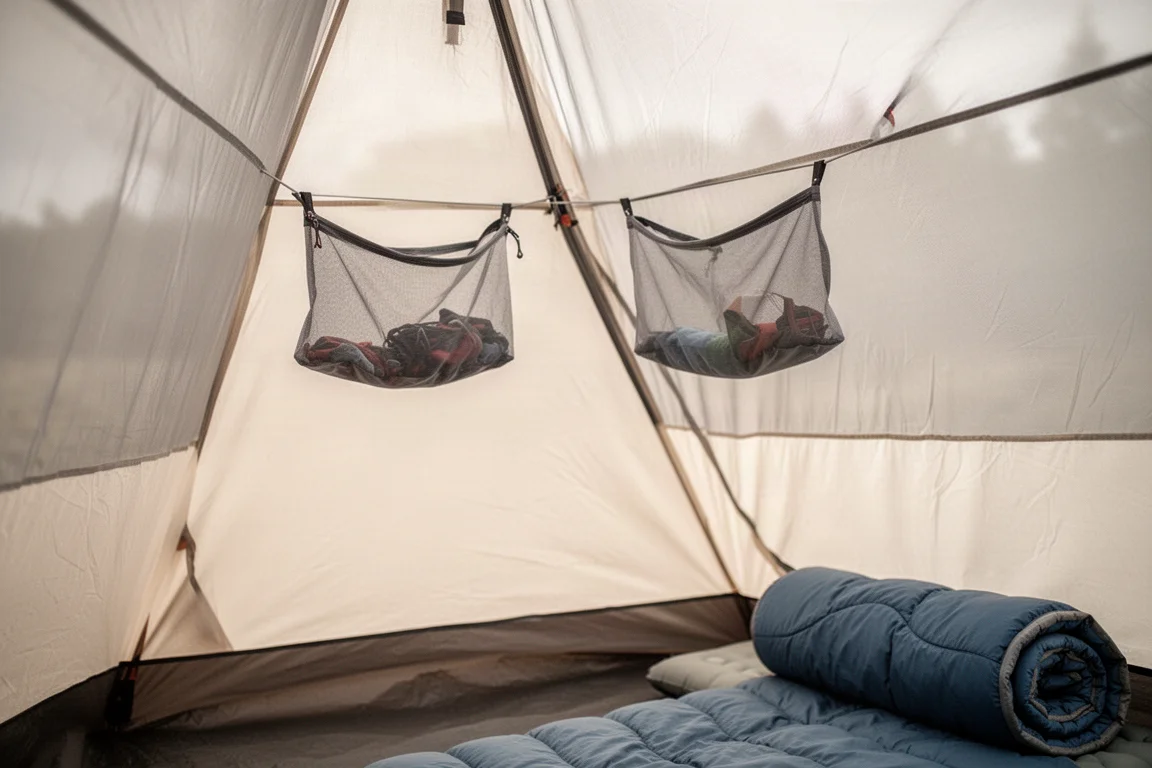
Two doors, one on each side, use two-way zippers and can be rolled back in two stages. Stage one leaves a vestibule large enough for a backpack and boots. Stage two opens the doorway fully. Both doors tie off near the top of the opening rather than in a corner, which is unusual but workable. There are four mesh pockets, one in each corner, plus the two removable mesh caddies overhead.
The tent packs down to about 20.5 by 7.1 by 7.1 inches and weighs 4.3 lb. It can also be pitched fly-only with the poles for a fast, minimal shelter, and the fly can be propped into a small awning using a trekking pole and one of the guy lines.
Fire Maple Tropics 2: Ventilation, Weather Protection, and Value
Ventilation is where this tent shines. The inner is covered in mesh, and the fly can be pulled away from the inner at the sides, which lets air move underneath and helps keep condensation under control in warmer months.
The fly carries two vents, one on each side, closed with a small post and velcro. They work, but they cannot be reached from inside the tent, so you have to step out to close them if rain arrives overnight. They also offer limited protection against wind-driven rain.
Storm flaps cover the zippers, and six guy lines are attached, three per side, with four more included in the box. The one clear design misstep is that the fly’s stake-out points are not adjustable. On a perfect, level pitch that is fine. On rough, uneven ground the fly will not tension cleanly, and you may want to add shock cord or 550 cord to create your own adjustment. Fire Maple does not publish a waterproof rating for the Tropics 2.
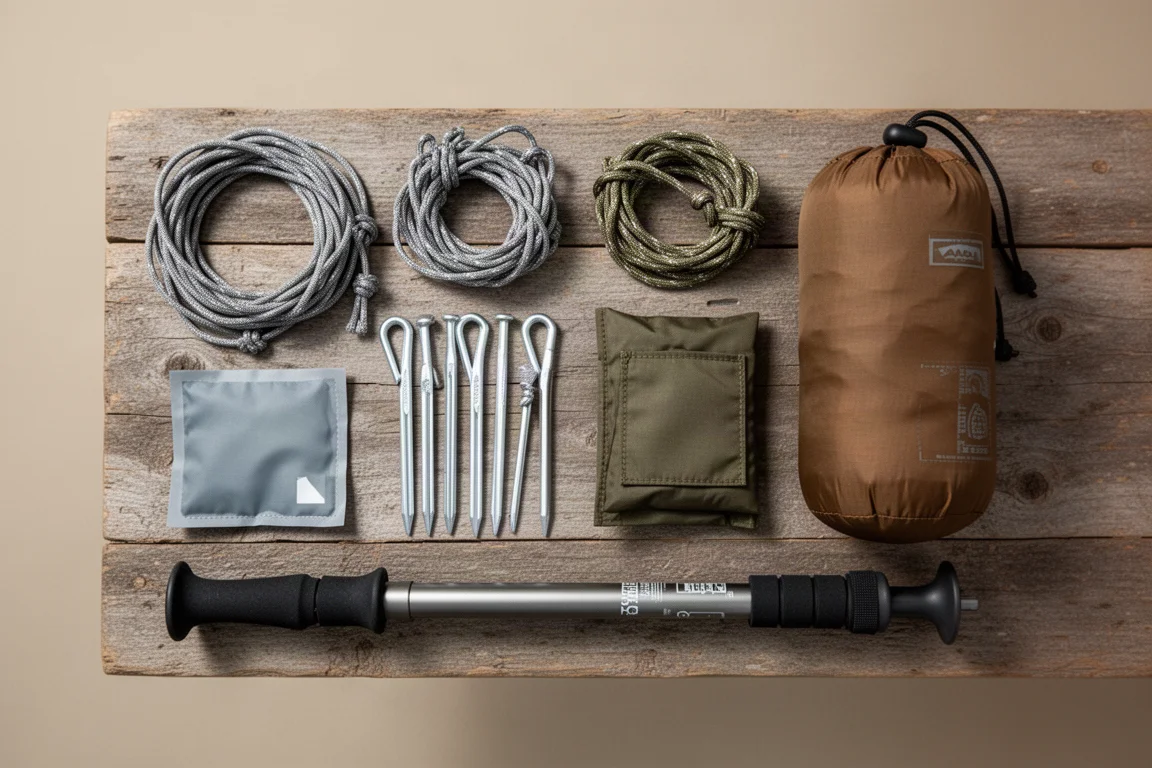
The tent ships with the rainfly, inner, one-pole system, 14 stakes, the six attached guy lines plus four spares, a patch kit, and storage bags for the poles and stakes. The storage bag itself is a small frustration: only the brand name is printed on it, with no model name, and the compression strap is a simple cord rather than a proper strap. Neither affects how the tent performs, but both are easy to notice and easy to fix.
Price is the sticking point. The Tropics 2 sells for $240 through Fire Maple’s own website, with a footprint adding about $20. At that figure it is not unreasonable, but it sits in a bracket where buyers have options, and it is not currently sold through the major marketplaces that many campers prefer for straightforward returns and exchanges.
Naturehike Mongar 2: The Value Alternative
The Naturehike Mongar 2 is the tent the Tropics 2 invites comparison with. The two are very close in size, features and the way they pitch, down to the style of the stakes and guy lines. The Mongar 2 is also lighter, and it sells for more than $100 less while using broadly similar materials.
For buyers whose priority is a comparable two-person, three-season shelter with less money spent and less weight carried, the Mongar 2 is the more economical route.
That does not make the Tropics 2 a poor tent. It simply means the case for it rests on the details: interior length, ventilation, build quality and the option to pitch fly-only. If those specifics matter more to you than price and packed weight, the Tropics 2 stands on its own merits.
Buying Advice
Choose the Fire Maple Tropics 2 if you want a long, well-ventilated two-person shelter with clean construction, two doors and generous vestibule space, and you are comfortable paying $240 for it. Taller campers and anyone who camps in warm, humid conditions will get the most from it. Go in knowing that the fly’s stake-out points are fixed, the vents are closed from outside, and the bathtub floor is high enough to be awkward for some campers.
Choose the Naturehike Mongar 2 if budget and packed weight lead your decision. It covers much the same ground as the Tropics 2 for more than $100 less and in a lighter package, which is hard to argue with for most two-person trips.
Either way, budget for the small extras. A footprint, a few lengths of shock cord for the fly stake-out points, and a permanent marker for the storage bag will make the Tropics 2 easier to live with, and both tents benefit from being pitched taut and fully staked out rather than relying on their semi-freestanding design.
Conclusion
Fire Maple’s first backpacking tent is a solid one. The Tropics 2 is well made, easy to pitch, roomy for two and exceptionally well ventilated, and the flaws found so far are small enough to address yourself. The value question is harder: at $240, with a lighter and cheaper alternative that shares so much of the same design, the Tropics 2 has to earn its place on the details rather than on price. If extra interior length and strong ventilation matter to you, it is a confident buy. If not, the Mongar 2 does the job for less.
Further reading
Related Reviews
Backpacking Tents
3F UL Lanchan Pro 1 Review: A 1 lb 8 oz Single-Wall Trekking Pole Tent
A practical look at the 3F UL Lanchan Pro 1, a single-wall trekking pole shelter with a 1 lb 8 oz weight, 20D silnylon fabrics, and a roomy 90 x 31 x 49 inch interior.
Backpacking Tents
3F UL Taiji 2-Person Tent: A Convertible Backpacking Shelter Worth a Closer Look
A practical look at the 3F UL Taiji two-person tent, covering its materials, true two-person interior, fly-first pitching, and the seasonal inner swap that lets one shelter cover more of the year.
Backpacking Tents
3FUL Lanshan Twoerson Pro Review: A Light Trekking Pole Shelter That Struggled in Rain
A two-person trekking pole shelter with a 2026 redesign, pitched with sticks and put through a night of steady rain. Here is what worked, what did not, and what to check before buying.