Camping Tents
Fire Maple Tropics 2-Person Tent Review: Dry in the Rain, Compromised in the Design
A lightweight silnylon two-person tent that stayed completely dry through an overnight storm, with fly sag and exposed peak vents worth understanding before you buy.
Introduction
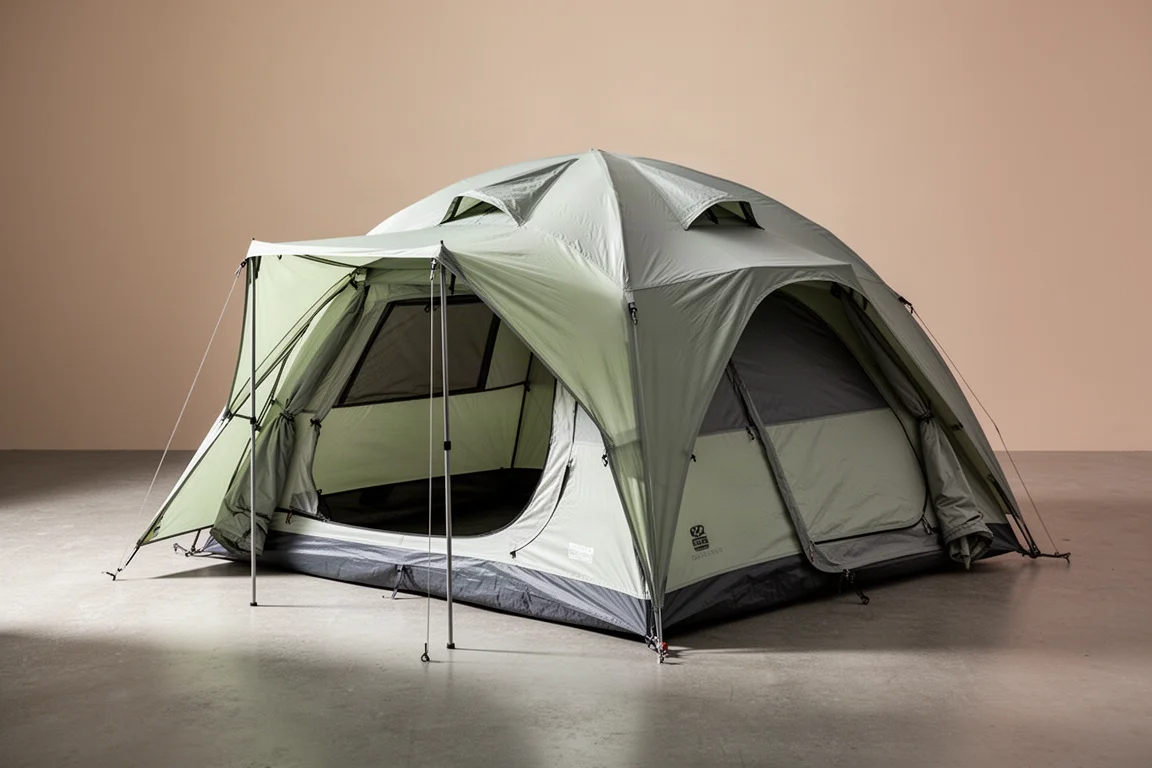
Two-person backpacking tents are judged by how they behave on the worst night of a trip, not the best one. The Fire Maple Tropics 2-Person Tent was pitched and left standing through a complete storm cycle: precipitation that began as sleet and freezing rain, changed over to steady rain, and left the ground coated in a layer of ice by morning.
The headline result is reassuring. The tent did not leak. Not a single drop made it inside. The more complicated part of the story is what happened to the fly overnight, and how the vent and stakeout design might behave in different weather. Both are worth understanding before you buy.
Who This Tent Is For
The Tropics is a lightweight double-wall shelter built around silnylon, and that shapes who it suits. Backpackers and bikepackers who count grams, want a simple pitch, and mostly camp in three-season conditions will find the basic proposition appealing. It is a two-person tent that stays light enough to carry on longer trips without becoming a burden on the climb.
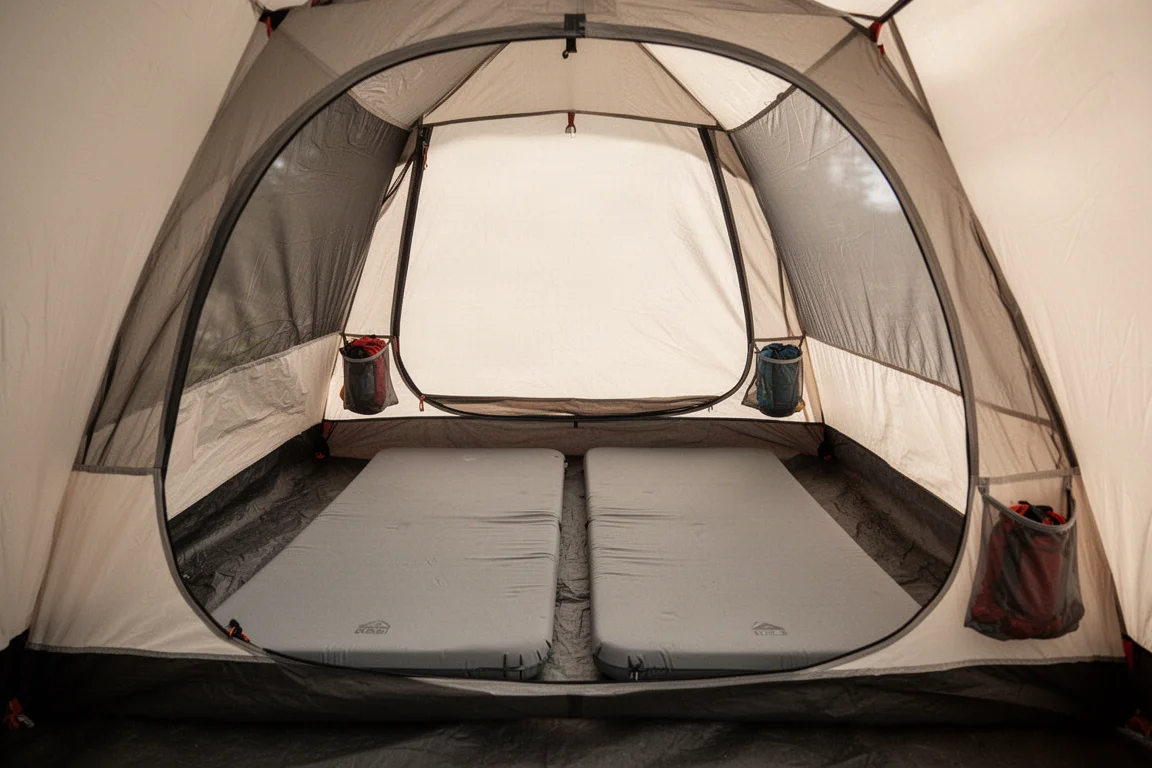
It is a less obvious choice for campers who sleep in still, humid conditions or who regularly pitch in exposed, wind-driven terrain. The fly sag and the vent layout, both covered below, matter more in those situations than the dry-night result alone suggests.
What the Overnight Storm Test Involved
The tent was left pitched through a complete storm cycle. Rain arrived around 2 a.m., beginning as sleet and freezing rain before switching to rain, and the ground finished the night covered in ice. Forecast totals ranged from 2 to 4 inches, and roughly 2 to 3 inches fell over about 12 hours of continuous rain.
That is a demanding but realistic benchmark for a lightweight shelter: sustained water load, cold temperatures, and no opportunity to adjust the pitch midway through the night.
Main Strengths: Waterproofing and Lightweight Fabric
The clearest strength is waterproofing. After a full night of continuous rain, the interior was dry, with no drips from the seams, no water pushing through the floor, and no damp patches spreading across the inner walls. For a silnylon tent at this weight, that is a meaningful result.
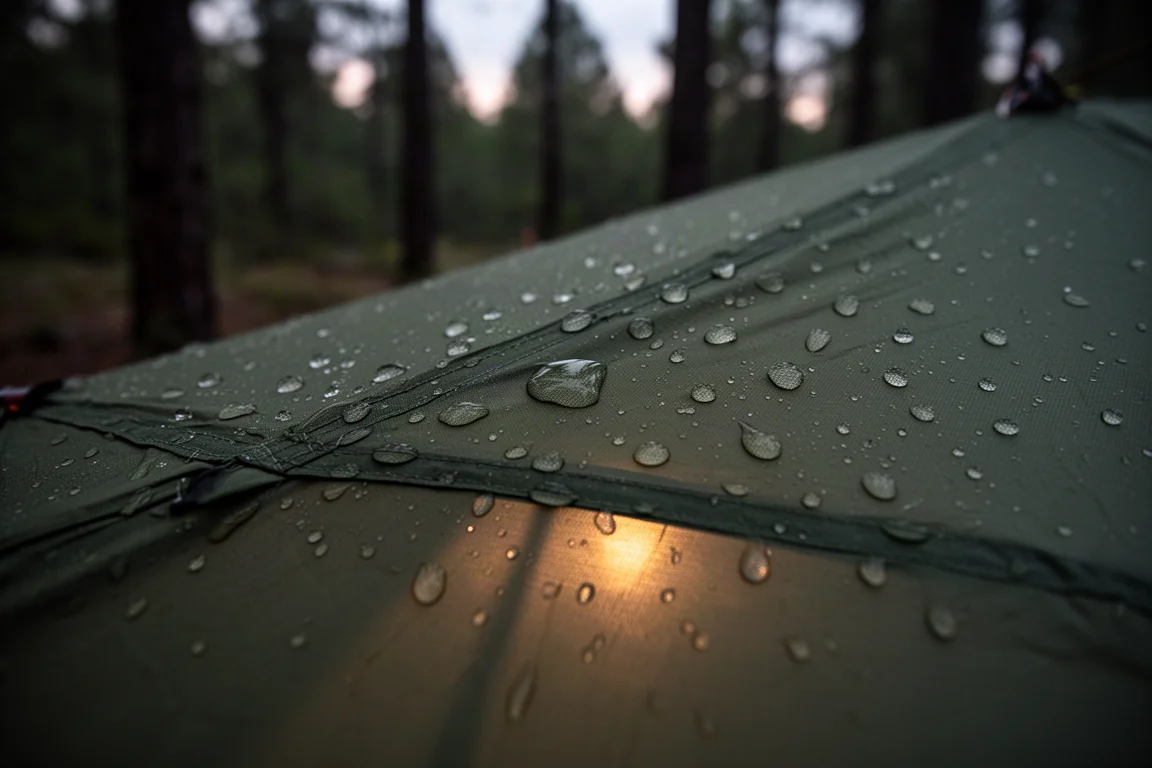
The silnylon construction also does what it is supposed to do on the trail. It keeps the packed weight low and the pitch simple, and the fabric handled a long, wet night without letting water through. The tent remained stable enough to inspect in the morning without needing to be re-pitched first.
Fly Sag and Condensation Risk
The most significant weakness is stretch. Once wet, the fly sagged noticeably and settled directly onto the inner tent. The four quadrant panels were the worst affected, with the outer fabric resting against the inner across large areas rather than holding a gap.
That matters because condensation forms inside any tent under the right conditions. When the fly lies flat against the inner, that moisture has nowhere to go except onto the inner fabric and whatever is touching it, including sleeping bags and spare clothing. A tent that sags this much in the rain removes the air gap that normally keeps condensation away from the sleeping area, so you should expect a damp inner in humid or still conditions.
Vent Design and Windy Weather
Two vents sit at the top of the tent. Beneath the top flap there is only a small amount of material, which means very little separation between the vent opening and the outside weather.
During this storm, rain fell steadily rather than in hard, splashing bursts, and nothing came through the vents. In a summer thunderstorm with driving rain and gusting wind, they are the part of the design most likely to let water in. Campers who regularly pitch in exposed terrain should treat the vents as a known risk and keep an eye on them.
Stakeout Points and Guyline Setup
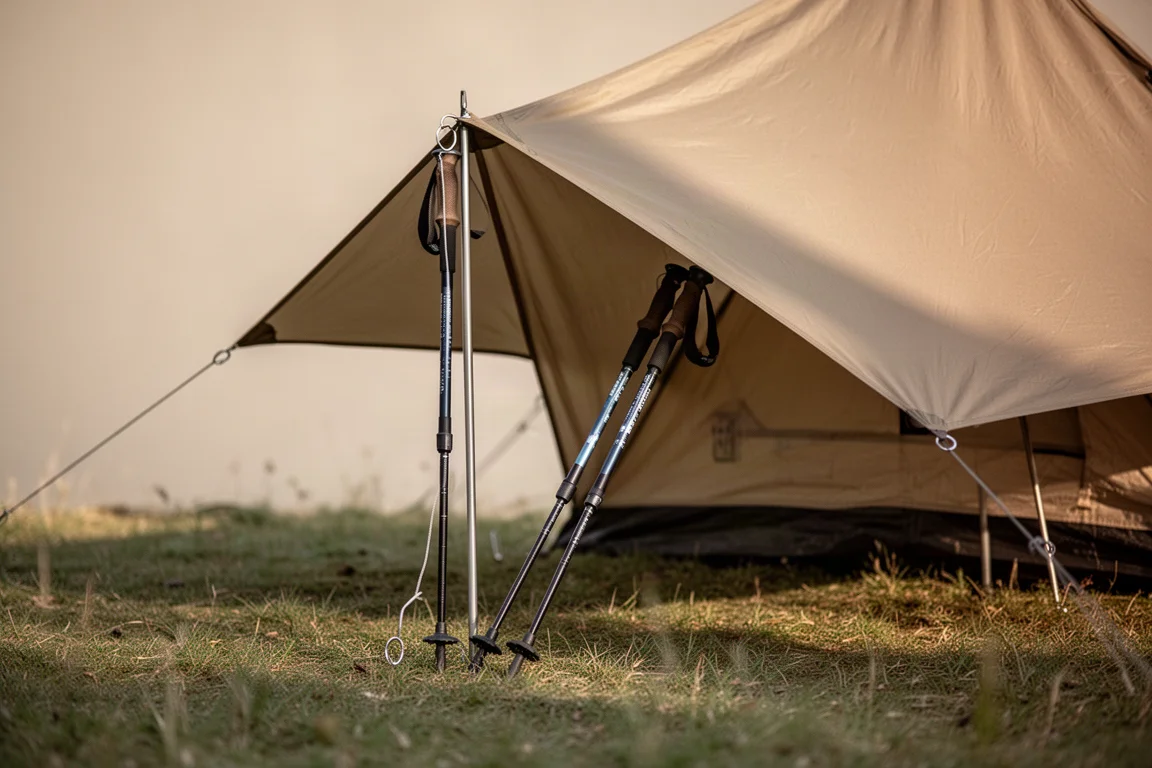
The adjustable stakeout points around the body also need attention. Running guylines helps pull the fly slightly away from the inner, but it does not solve the sag at the top of the tent, which is where the problem is most pronounced.
Because silnylon stretches when it gets wet, a fly design that actively holds the outer fabric away from the inner is the more reliable fix. Until that changes, buyers should plan to manage sag through the night rather than eliminate it.
Buying Advice
If your priority is a lightweight two-person tent that will keep you dry through a long, wet night, the Tropics delivers on the core promise. It did not leak in a 12-hour rainstorm, and the silnylon build keeps weight down in a category where that matters.
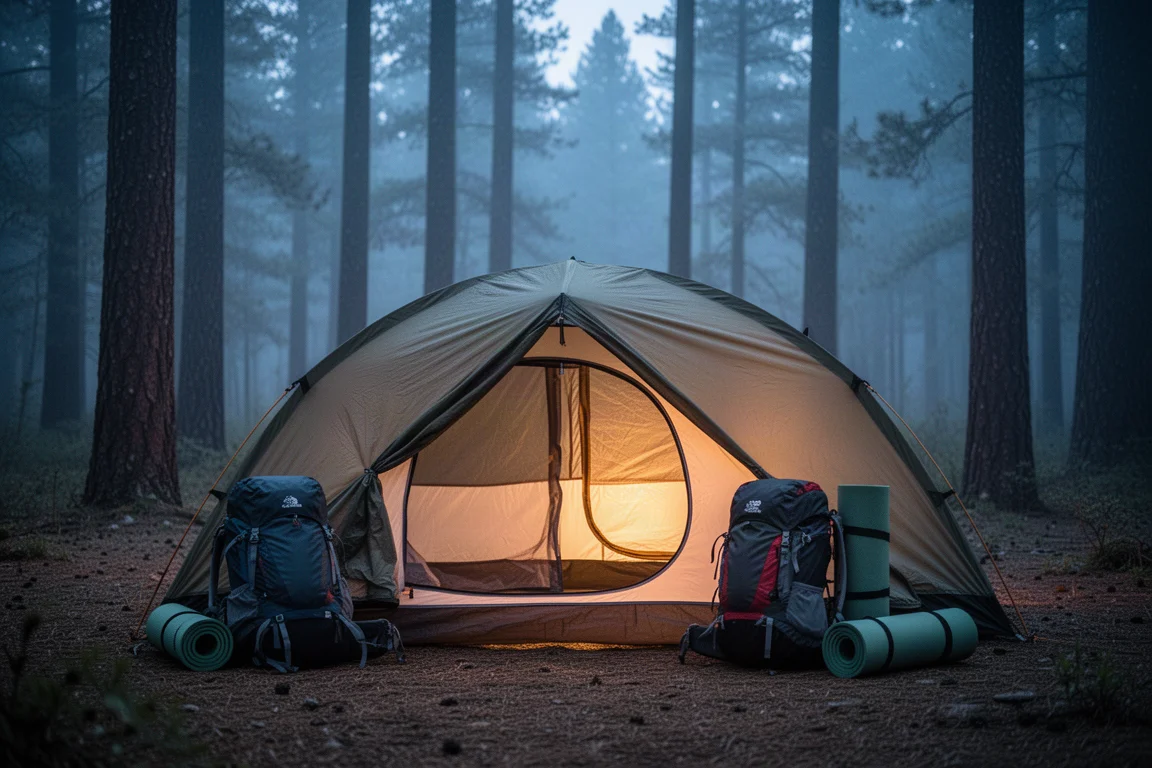
Value is where the decision gets harder. The design is very close to the Naturehike Mongar, which offers a better thought-out layout at a considerably lower price while covering the same basic ground. On that comparison, the Tropics is difficult to justify unless you find it at a clear discount.
The practical way to frame it is this: buy the Tropics if you want a light, genuinely waterproof two-person shelter for moderate three-season conditions and the price works for you. Look elsewhere if you camp in humid, still conditions where condensation is routine, or in exposed terrain where wind-driven rain will put those peak vents to the test.
Conclusion
The Fire Maple Tropics 2-Person Tent is a solid first attempt at a backpacking tent from a brand better known for stoves and cookware. It kept a completely dry interior through an overnight storm that dropped 2 to 3 inches of rain over roughly 12 hours, and it does so at a low weight.
The shortcomings are design-level rather than fatal: a fly that sags onto the inner, peak vents that sit close to the weather, and stakeout points that need attention. Buyers who camp in moderate conditions and value light weight will get real use out of it. Buyers who camp in condensation-prone or storm-exposed conditions have better-designed options to consider.
Product link
View more details for Fire Maple Tropics 2-Person Tent
This product is mentioned in the review. Check the specifications, options, and compatibility before buying.
View more details for Fire Maple Tropics 2-Person TentFurther reading
Related Reviews
Camping Tents
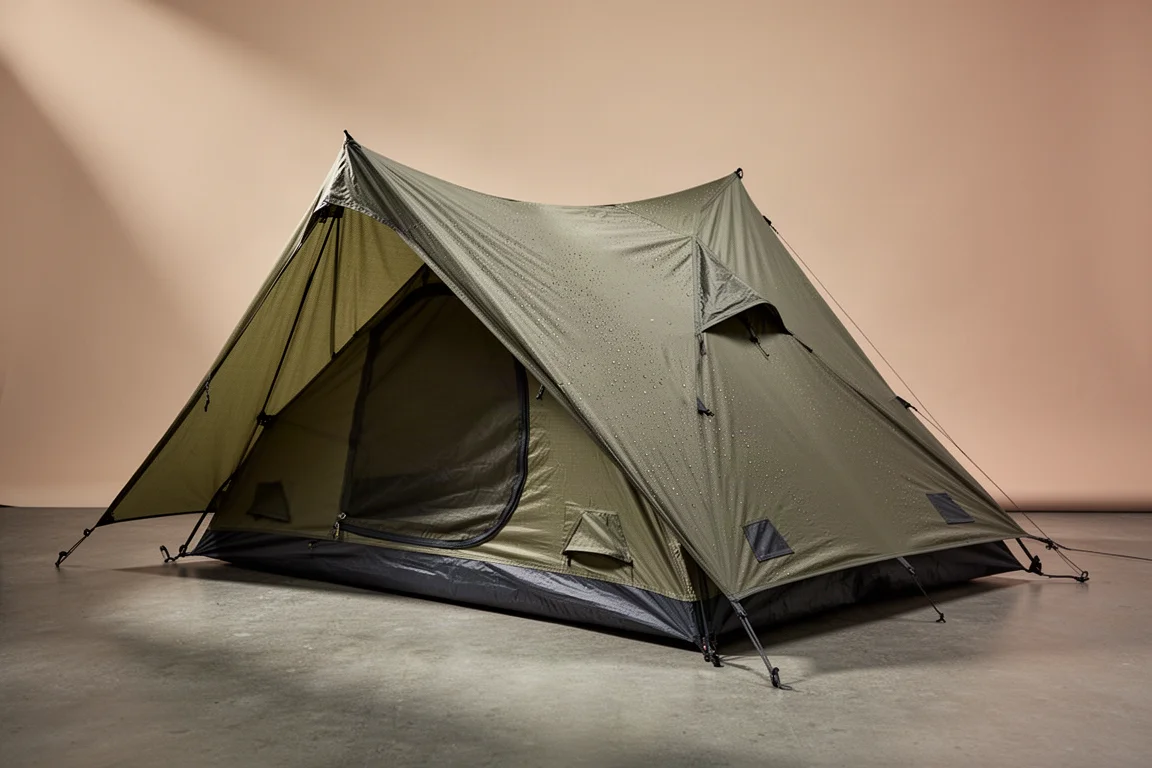
3F UL Gear Taiji Two-Person Tent Review: Field Waterproofing Results and Buying Advice
The Taiji pairs an attached fly with a removable inner, but sustained rain exposed untaped vent seams that need sealing before this shelter can be trusted.
Camping Tents
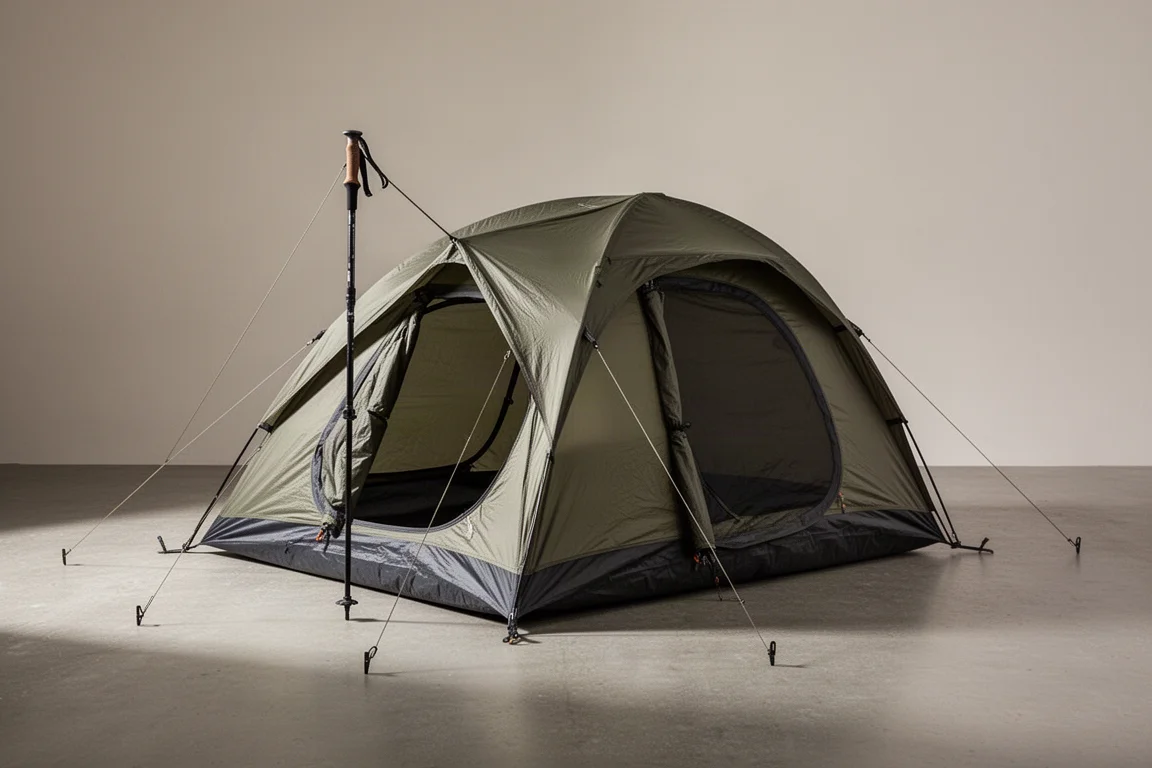
3FUL Gear Lanshan 2 Pro 4-Season Review: A Sub-$200 Single-Wall Trekking Pole Tent
An early look at the 3FUL Gear Lanshan 2 Pro 4-Season, covering its straightforward pitch, generous interior space, and the condensation and seam-sealing questions that come with any single-wall shelter.
Camping Tents
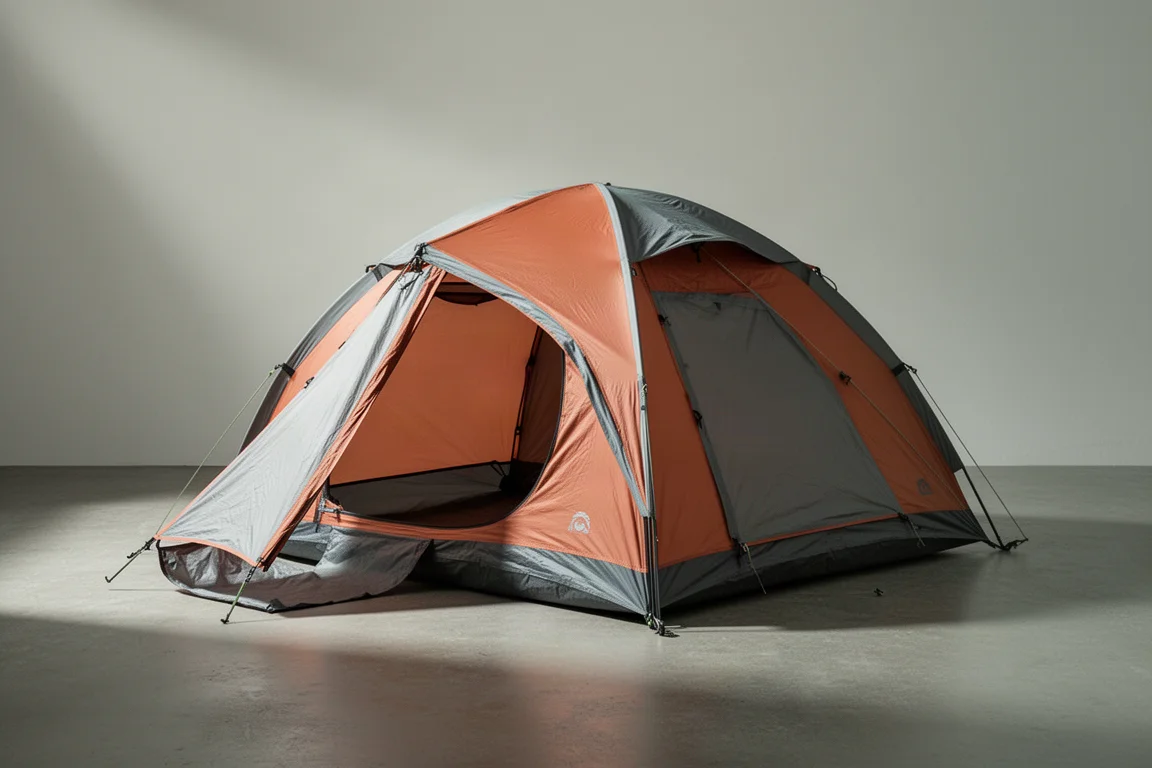
Alps Mountaineering Lynx 1-Person Tent Review: Big Value in a Small Budget Tent
A close look at the Alps Mountaineering Lynx 1-Person Tent, covering real interior dimensions, materials, setup time, ventilation limits, and who should buy it.