Outdoor Gear
Field-Tested Outdoor Gear: Four Pieces Worth Packing for a Stormy Mountain Trip
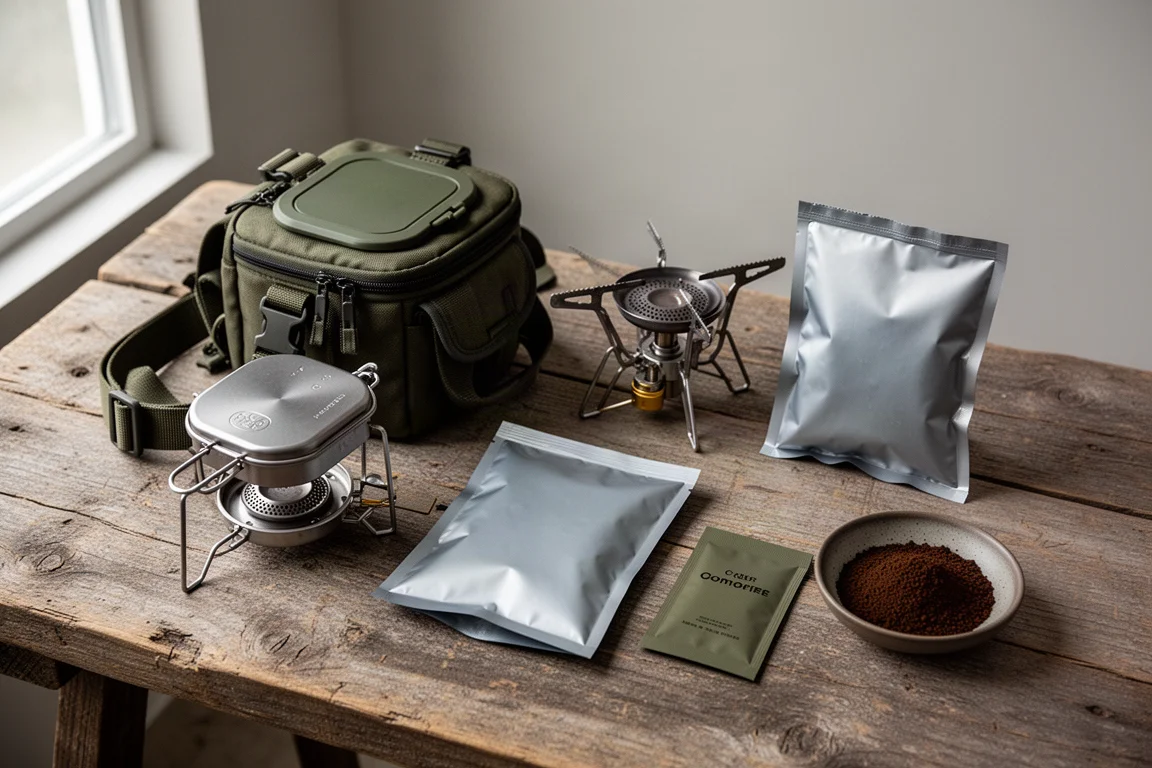
Four pieces of outdoor gear tested on a warm, stormy mountain afternoon: a solid fuel stove, a self-heating meal, an instant coffee upgrade, and a chest-carried binocular harness.
Introduction
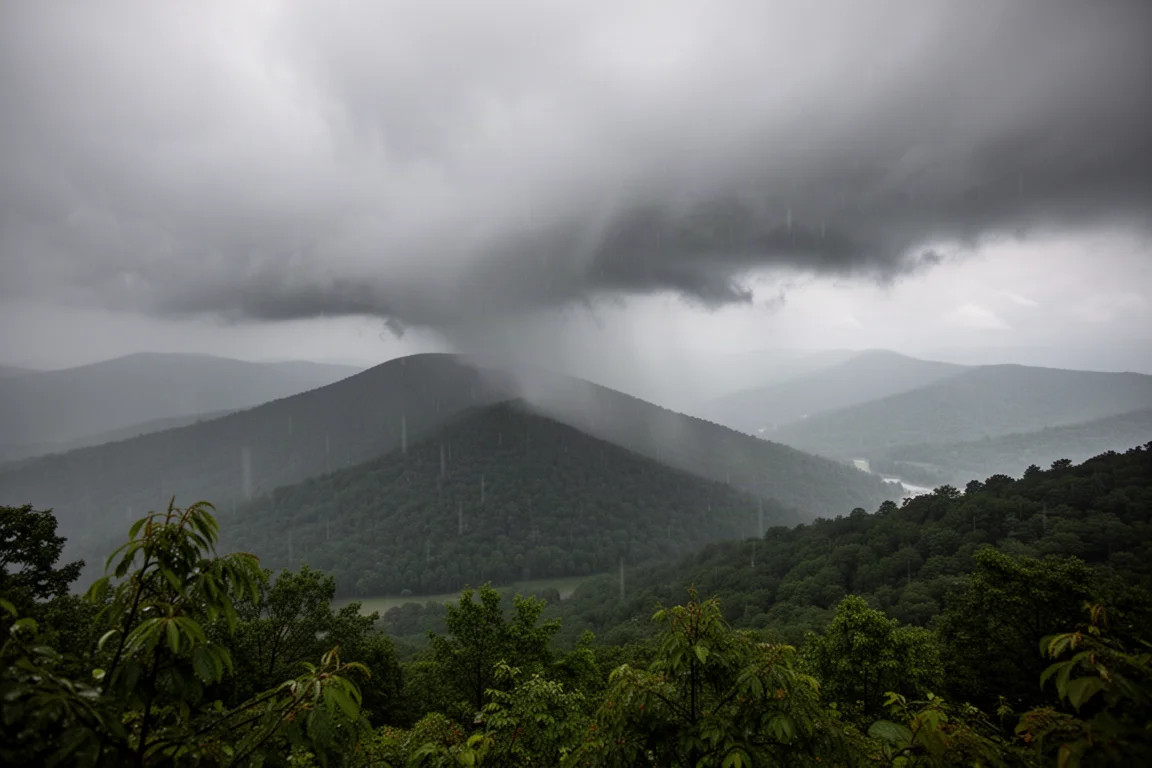
A warm front rolled into the mountains of North Carolina, and with it came the kind of afternoon that outdoor gear is really built for: heavy humidity, a grey wall of rain moving across the ridge, thunder in the distance, and just enough time to pitch a tarp before everything got wet. This was a short trip, a tarp and lunch stop rather than a long route, but it turned into a useful test bench for four pieces of gear that had not yet been used in the field.
Two of them are cooking and food items, one is a coffee upgrade, and one is a chest-carried binocular harness that turned out to be the most complicated of the group. Here is how each one performed.
Eberlestock Bino Harness: Mixed First Impressions
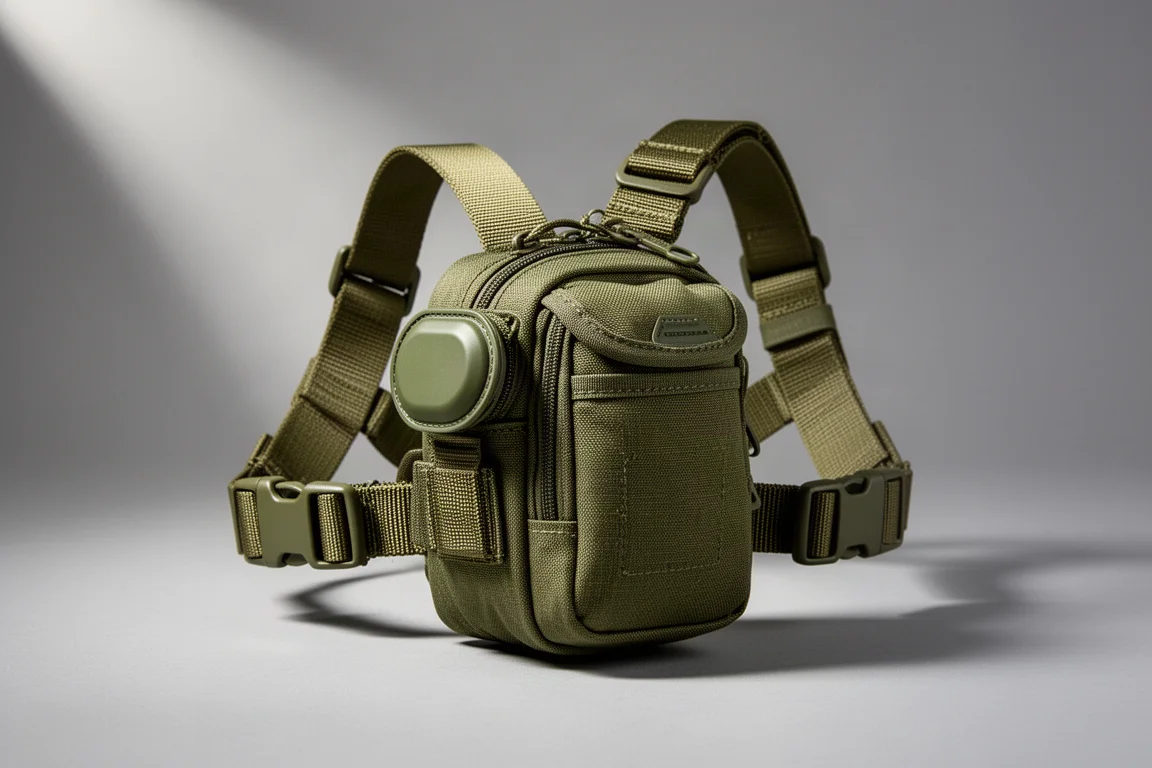
The Eberlestock Bino Harness is a chest-carried pouch built around a pair of binoculars. It uses a fully adjustable harness system with buckles at each attachment point on the back, a zippered front pocket, and a magnetic lid that pops open and snaps back onto the pouch. There is also an internal pocket intended for carrying and concealing a smaller item.
The front of the system is easy to understand. The lid opens cleanly, the pouch holds its shape, and the harness has enough adjustment range to work around a backpack. The back side is where the problems showed up. The straps interfere with a holstered sidearm, and they pull the lid upward as the harness tightens, which opens the pouch instead of holding it closed. In that configuration the rig does not carry comfortably, and it does not seal tightly enough to trust with a waterproofing test.
That is an initial impression rather than a final verdict. Harness fit depends heavily on adjustment, and the pouch itself is well made. The honest position after one field session is that this one needs more fiddling before it earns a place on a longer trip.
Esbit Solid Fuel Stove: Lightweight and Surprisingly Effective
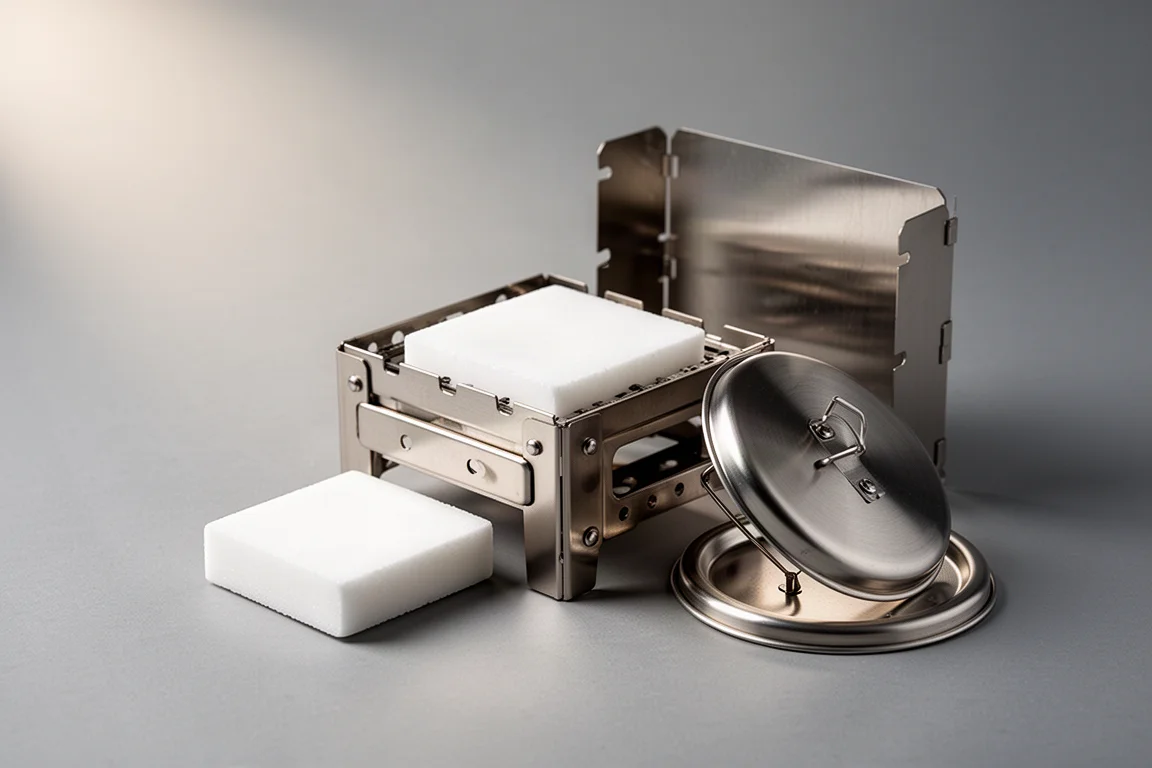
The Esbit solid fuel stove is a small kit: a folding handle, a lid that doubles as a windscreen, a burner plate, and solid fuel cubes. Setup takes seconds. The cube lights, the burner plate sits on top, and the pot goes on.
Performance was better than expected. Water was almost hot enough for coffee within a few minutes, and a single cube is rated to burn for roughly 12 minutes. This session used only four or five minutes of it, so the remainder went back into the kit for the next trip. For a stove that weighs very little and has no moving parts to fail, that is a strong result.
Omeals Chicken Creole with Rice: A Self-Heating Meal That Works
The Omeals Chicken Creole with Rice is a self-heating, fully cooked meal. The package contains the meal pouch, a heating pad, a spoon, salt, pepper and a paper towel. Water goes onto the heating pad, the pad and the food pouch go inside the outer bag, and a small vent hole lets steam escape while everything heats.
The process works. The bag gets genuinely hot, and after a few minutes the meal is ready to eat. The recipe is chicken creole with rice in a tomato sauce with celery, green peppers and onions, and it came out well seasoned and filling. On a rough scale from one to ten, this one landed around a seven: very good, not quite great, and far better than expected from a bag that heats itself.
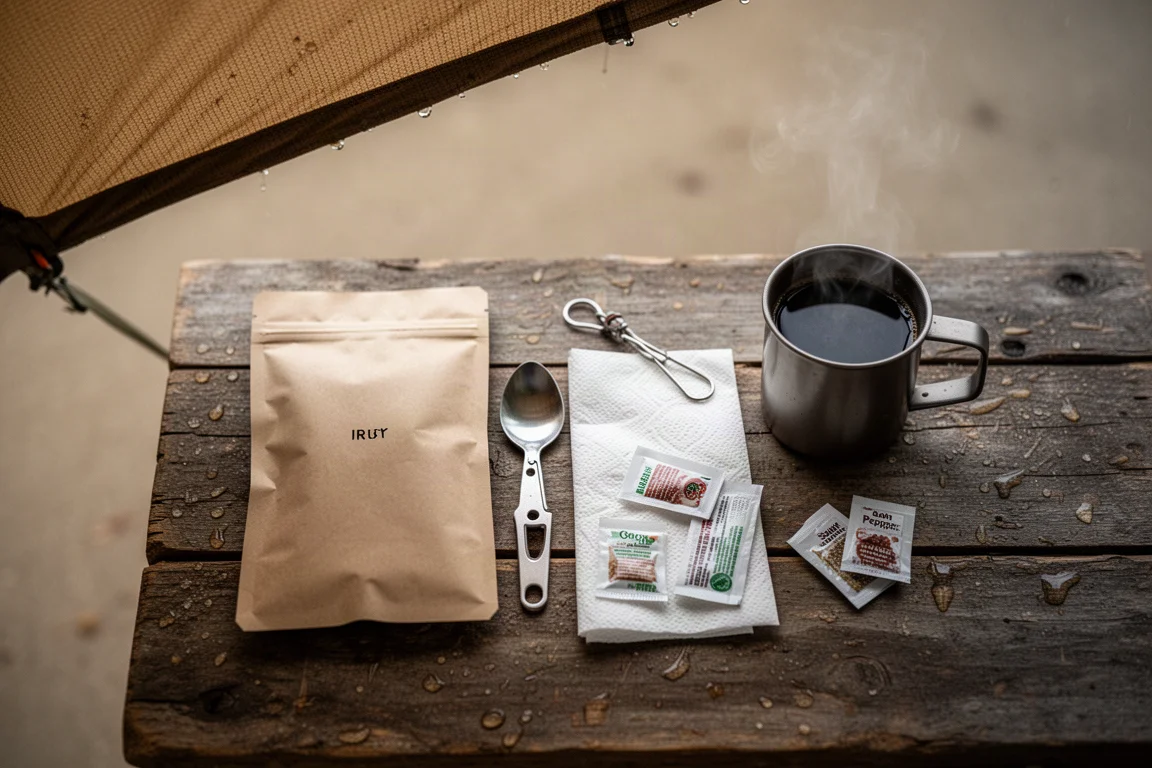
For anyone who wants a hot meal without carrying a stove, fuel or cookware, that trade is worth understanding. The meal is heavier and bulkier than a freeze-dried pouch, but it needs nothing else: no stove, no pot, no fuel.
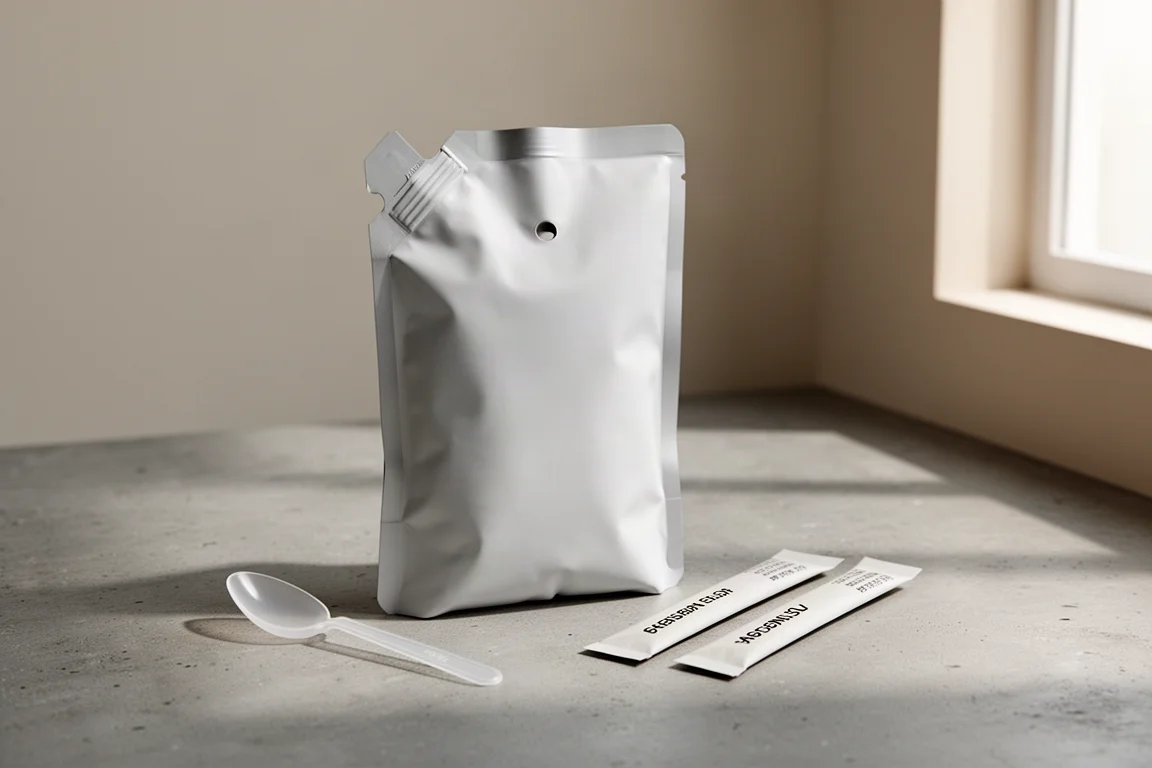
Mount Hagen Organic Fair Trade Instant Coffee: Better Than Expected
The Mount Hagen Organic Fair Trade Instant Coffee was brewed with water heated on the solid fuel stove, which made for a good pairing: one small stove, one small packet of coffee, and a hot drink in the middle of a rainstorm.
Instant coffee sets a low bar, and this one clears it comfortably. It is smooth rather than harsh, and substantially better than other instant coffees that have come along on previous trips. It will not replace fresh-ground coffee, but as a lightweight option that needs nothing more than hot water, it earns its place in the food bag.

Field Notes from a Stormy Mountain Afternoon
The tarp went up between two trees in a shelf configuration, anchored to the ground on the windward side and spread out to shed water away from the seating area. The timing was close. Rain arrived within minutes of the last tie-out, and the storm brought wind, steady rain, thunder and lightning, though nothing severe.
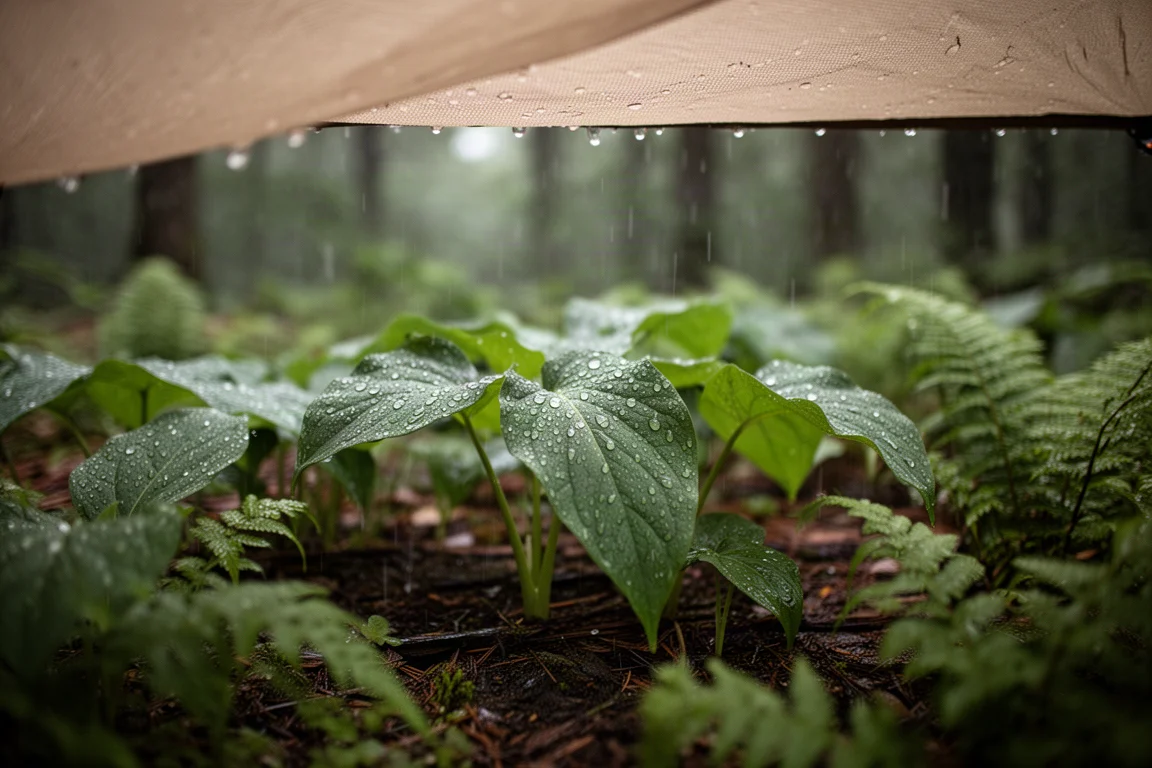
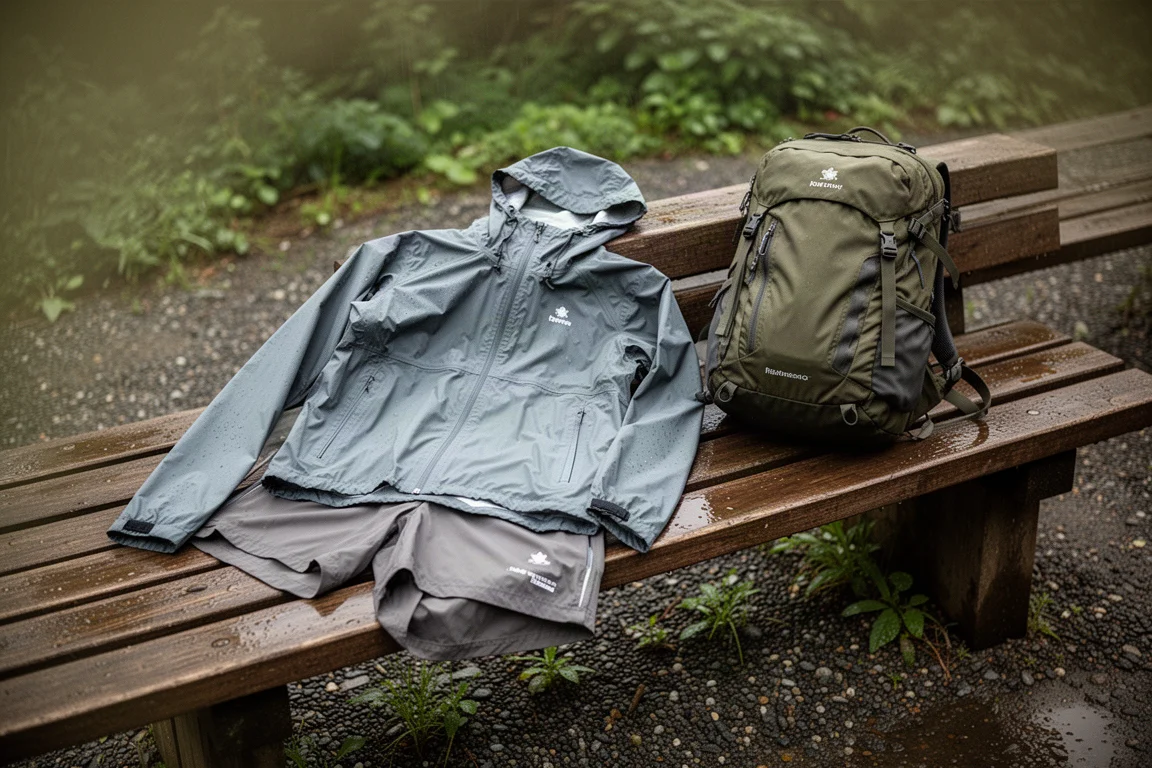
Conditions were warm for the mountains, around 75 degrees with humidity near 100 percent. Sitting under the tarp listening to rain hit the forest floor, with everything green and dripping, was the best part of the day. After lunch and coffee, the rain gear went on and the walk continued.
A gentle rain is one of the most underrated times to be outside. With common sense about lightning and a rain jacket, it is worth heading out.
What to Consider Before You Buy
Each of these four items solves a different problem, and each one has a trade-off worth thinking through before it goes in a pack.
The chest harness is the one to approach carefully. Fit is everything with a rig that sits on the front of the chest, and this design needs to be adjusted and tested against your own layering and carry setup. It is not a piece to buy blind.
The solid fuel stove is the opposite: simple, inexpensive to run and easy to understand, as long as you are comfortable carrying consumable fuel cubes and burning them in a ventilated spot.
Self-heating meals trade weight and bulk for convenience, and they are at their best when a hot meal matters more than a light pack. Instant coffee is the easiest upgrade of the group: almost no weight, and a real improvement over the usual options.
Buying Advice: Matching Gear to the Trip
If the goal is a fast, light lunch stop, the solid fuel stove and the instant coffee are the combination to start with. They are small, they work well together, and they deliver a hot drink with almost no fuss.
If the goal is a hot meal with no cooking at all, a self-heating pouch is the simplest answer, and it is worth the extra weight on a short trip or a cold, wet day. For a chest-carried binocular pouch, take the time to test the harness system properly, and treat the first trip as a fitting session rather than a final judgment.
Conclusion
Four pieces of gear, one stormy afternoon, and three clear results: the solid fuel stove, the self-heating meal and the instant coffee all did their jobs well and would go back out again. The binocular harness is still an open question. It has a well-built pouch and a harness system that needs more adjustment before it can be recommended with confidence.
That is the useful part of testing gear in real weather. A warm front, a tarp, a hot meal and a cup of coffee will tell you more about a kit than any spec sheet.
Further reading
Related Reviews
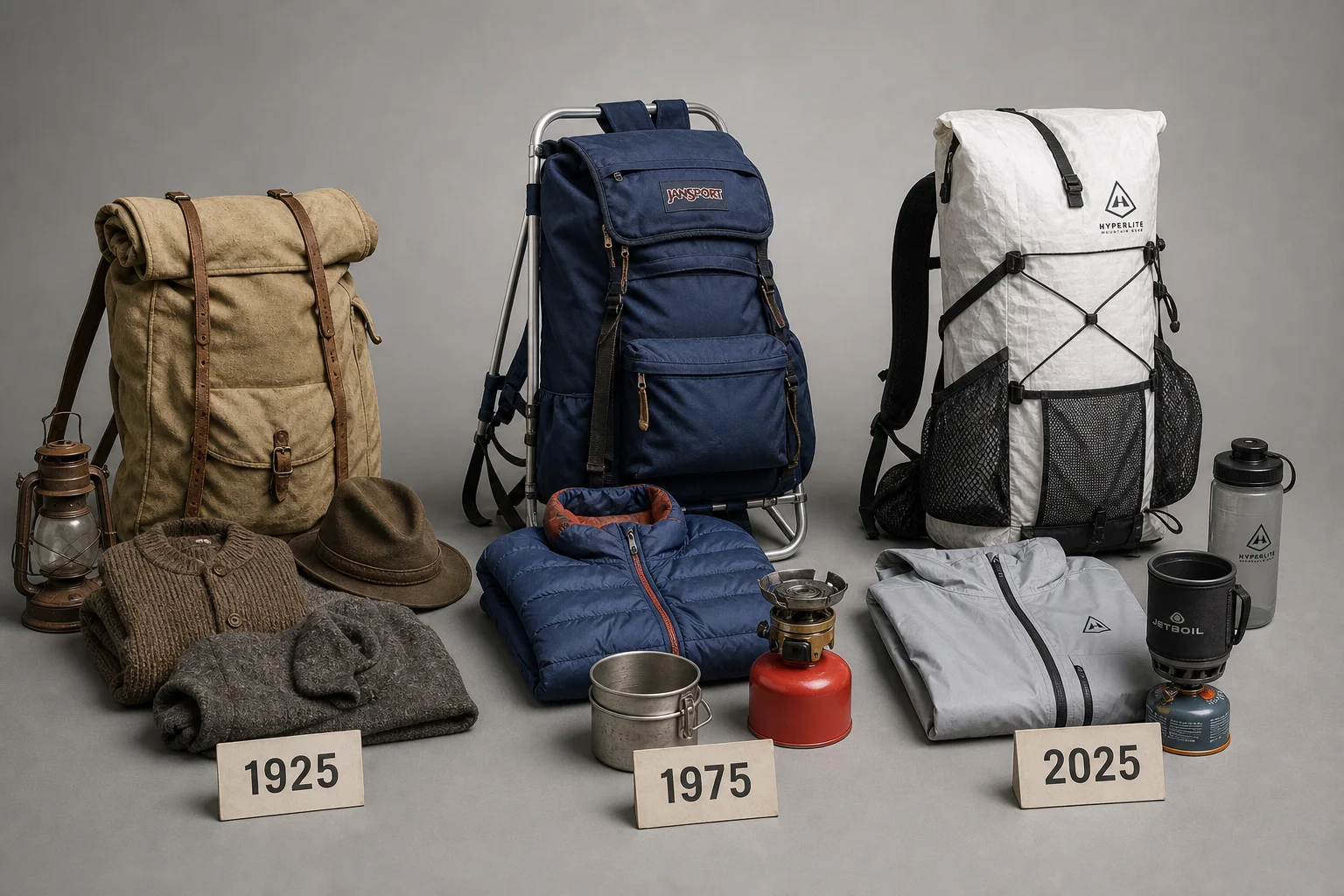
Outdoor Gear
Backpacking Gear Evolution: 100 Years of Technology Compared
We tested backpacking gear from 1925, 1975, and 2025 across a three-day hike in Yosemite. Here's how technology has transformed comfort, weight, and the outdoor experience.
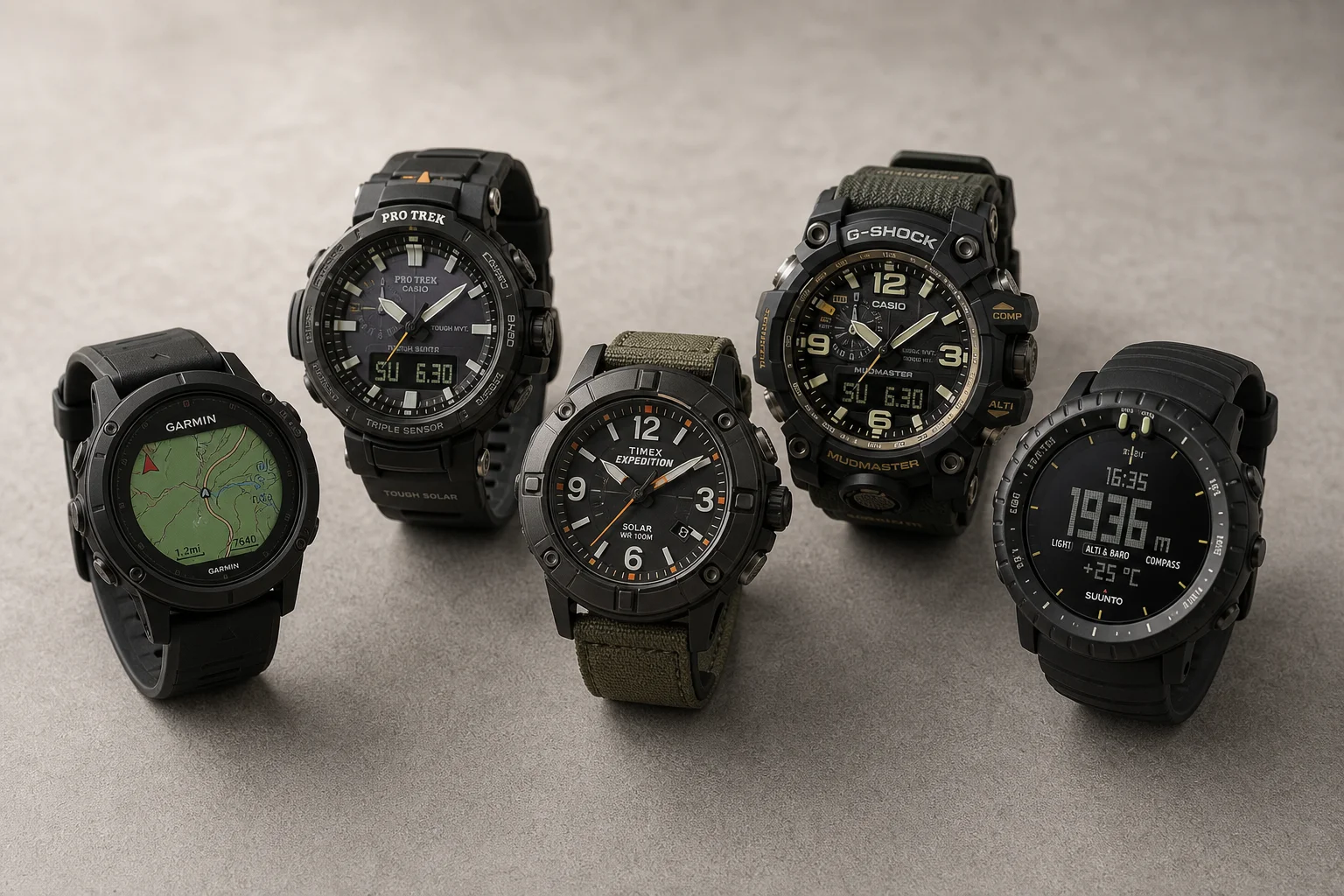
Outdoor Gear
Best Affordable Hiking Watches: Five Rugged Options for Outdoor Adventures
Five durable hiking watches that balance ruggedness, functionality, and value for outdoor enthusiasts who need reliable GPS tracking and weather resistance.
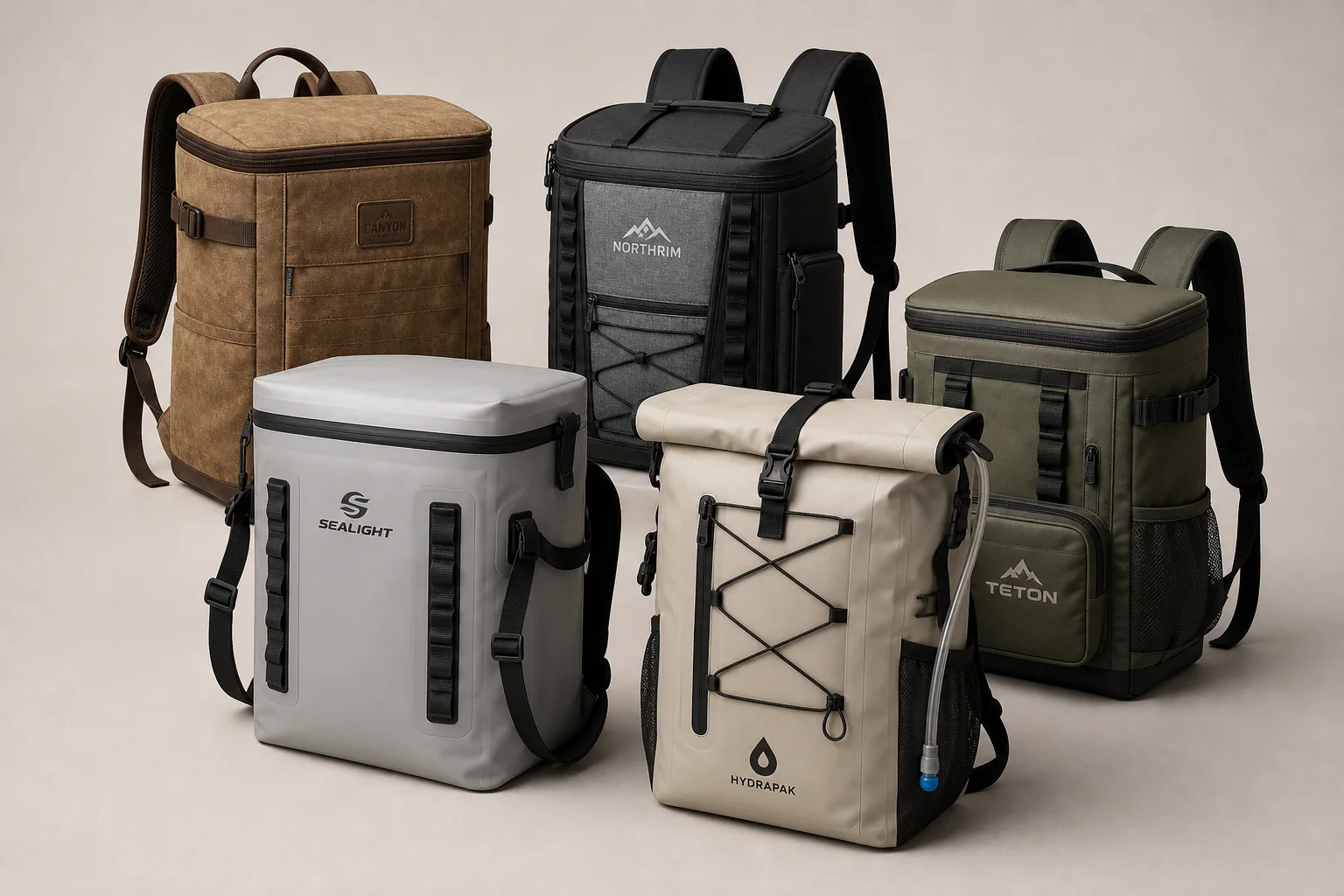
Outdoor Gear
Best Backpack Coolers 2026: Five Practical Options for Outdoor Adventures
Five backpack coolers with distinct cooling capabilities, storage features, and design trade-offs to help you choose the right one for your outdoor needs.