Outdoor Gear
Field-Tested Backcountry Gear: 10 Pieces That Earned Their Place
Ten backcountry pieces tested on a real overnight trip, from an 80-liter tactical pack and a roomy two-person shelter to a compact stove, titanium cookware, and trail meals.
Introduction
The plan for this trip was simple: get out, set up camp, and put a stack of backcountry gear through real use rather than a showroom walkthrough. The morning started wet and windy, the popular trails were crowded, and the day ended somewhere quieter with an overnight low forecast in the 30s. That mix of damp, breezy, and cold is exactly the kind of condition that exposes weak spots in a kit.
Some of the items here had been in rotation for months. Others were being pitched, inflated, lit, or eaten for the first time. Across the whole trip nothing failed outright, which is a good sign for a list this long.
What This Gear Test Covered
The lineup breaks into four groups: a large-volume pack, a two-person shelter, a sleep system, and the small items that make camp work, meaning a stove, titanium cookware, a folding chair, and trail meals. Each piece was used the way it would be used on a normal trip rather than in a controlled setting.
The value of a test like this is in the small details. Pack height against your head, how much floor space a shelter really gives you, whether a stove’s pot supports stay put, how a meal tastes after a long day. Those details are what this guide focuses on.
Tasmanian Tiger Pathfinder Mark II: A Large-Volume Tactical Pack
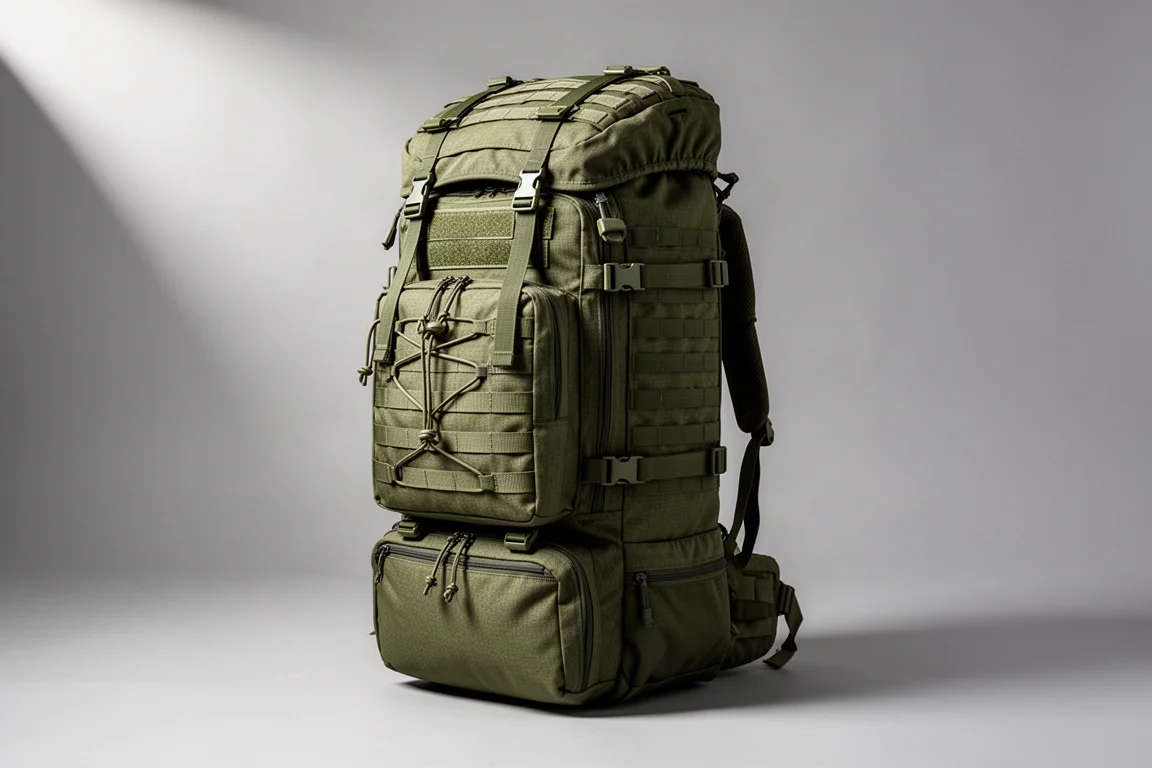
The Pathfinder Mark II is an 80-liter pack with a tactical character, though it is built for civilian use rather than as military kit. The priorities are clear: functionality, comfort, and durability. After a couple of months and several trips, the pack has held up as a genuinely tough piece of gear.
Size is the headline. The pack measures over 33 inches in length, which means the top sits at the back of your head or higher regardless of how tall you are. That is worth knowing before you buy, because it changes how the load rides and how the pack behaves in dense brush or under low branches.
Jack Wolfskin Gossamer: A Two-Person Shelter With Room to Move
The Gossamer is a two-person tent that follows the same basic layout as a well-known single-person shelter, scaled up. The interior is the whole point. Two people can move around, change clothes, and keep gear inside without the cramped, bivvy-like feel of a one-person design. There is enough room that a dog could reasonably share the space.
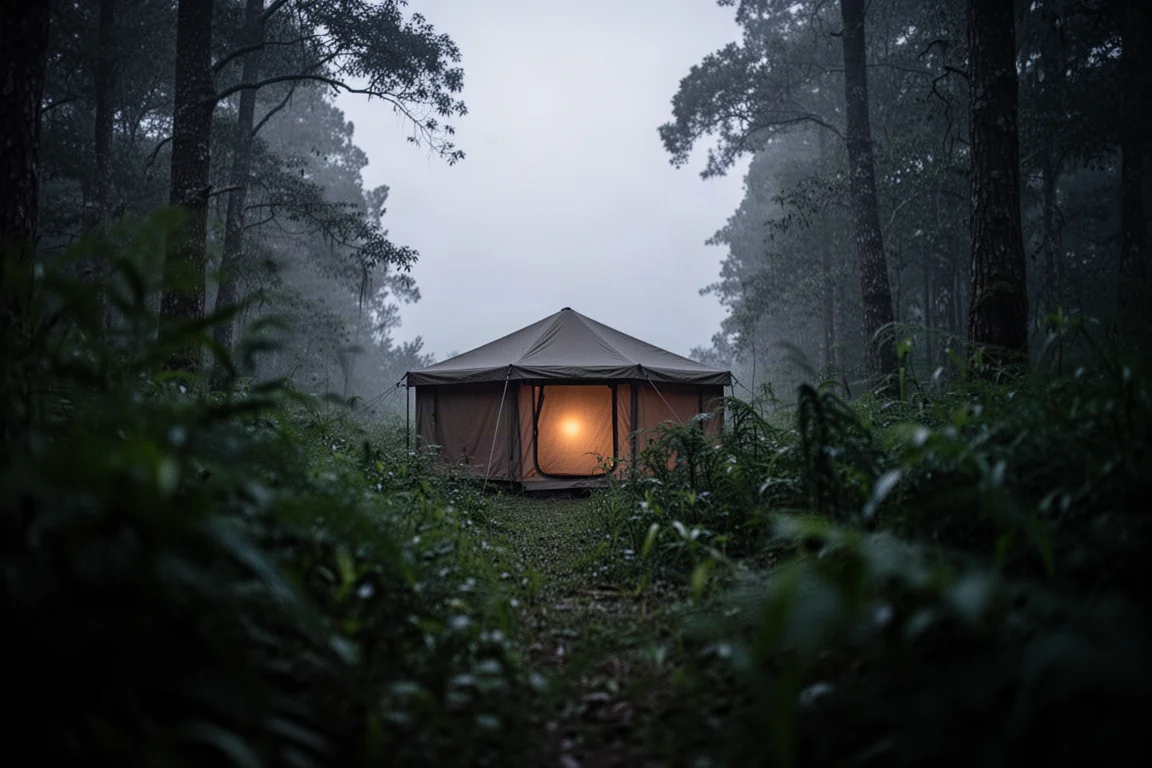
For anyone who has used a small single-person shelter and wanted more room, that is the appeal: the same low-profile approach with usable interior volume. Field testing is at an early stage, and the shelter was pitched and slept in for the first time on this trip.
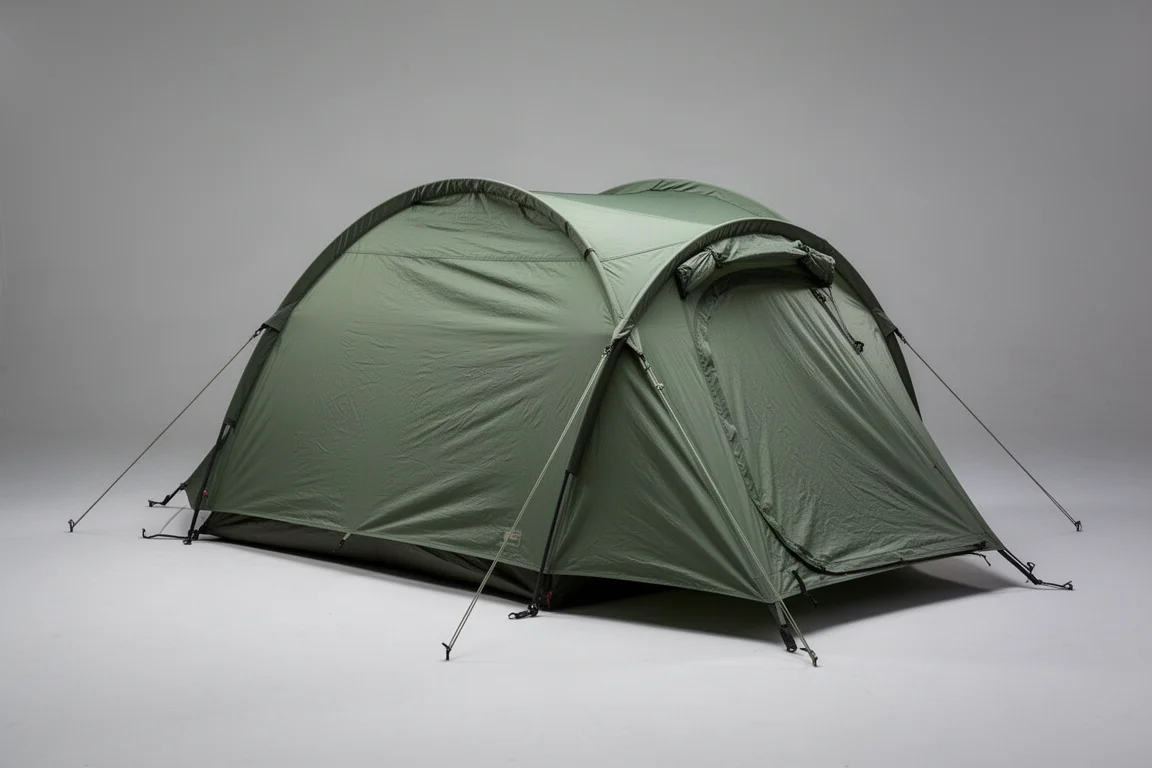
Klymit Static V: A Compact Sleeping Pad
The Static V is the pad half of the sleep system, and its most obvious quality is how small it packs. It rolls down tight enough to disappear into a loaded pack, which matters when the rest of your kit is bulky.
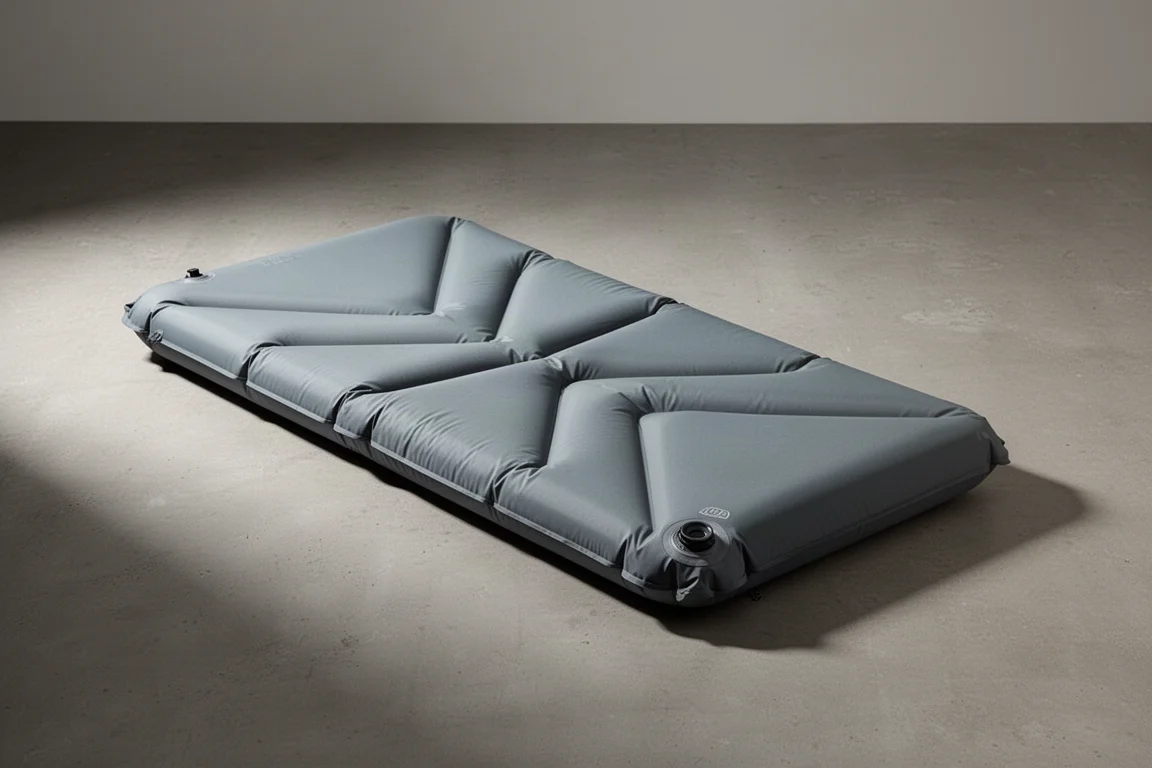
Carinthia Defence 1: Warmth Down to About 39 Degrees
The Defence 1 is a summer-weight sleeping bag rated to roughly 39 degrees. It is military-grade gear of the kind used by armed forces around the world, and it sells for a very low price for what it is. With overnight temperatures in the 30s, it stayed comfortable, helped along by a pair of hand warmers tucked into a base layer.
That combination is worth noting for anyone with circulation issues. Hand warmers can burn when circulation is poor, so they are a supplement to a properly rated bag, not a substitute for one.
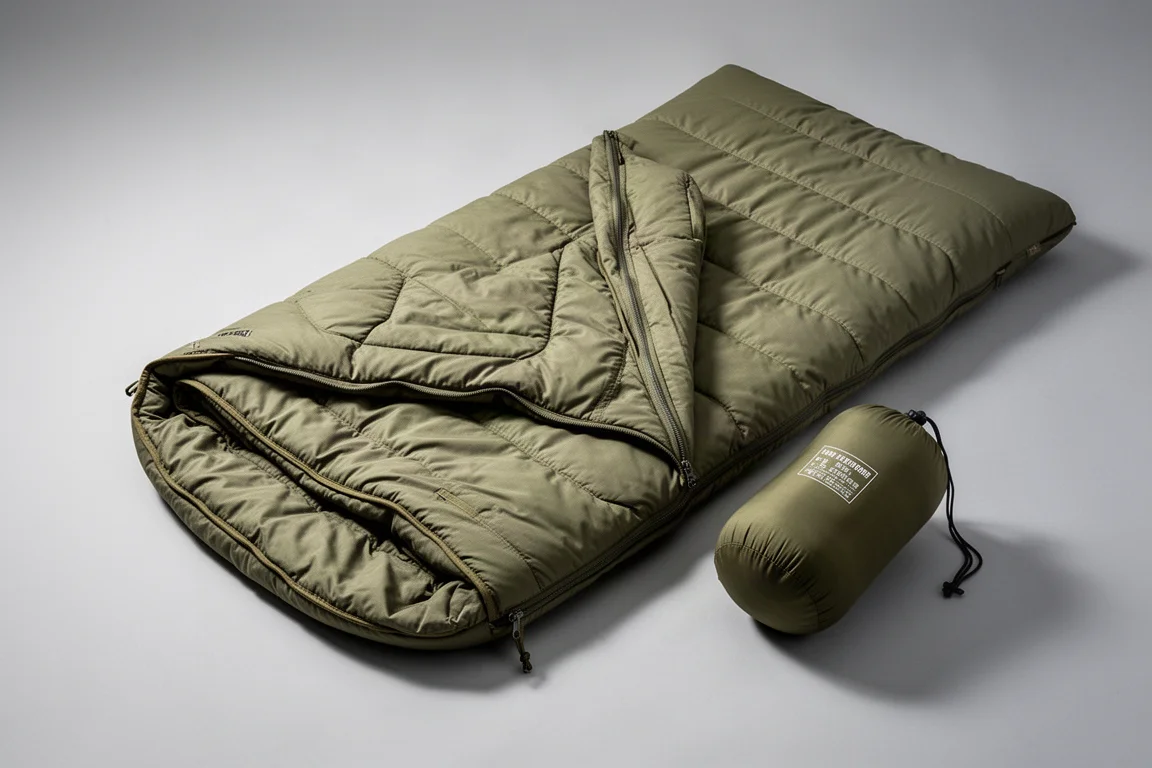
OneTigris Folding Chair: A Small Camp Comfort
The OneTigris folding chair is the simplest item on the list and one of the most appreciated at the end of a day. It folds down for transport and gives you somewhere proper to sit while dinner cooks, which is a small thing that makes camp feel far less improvised.
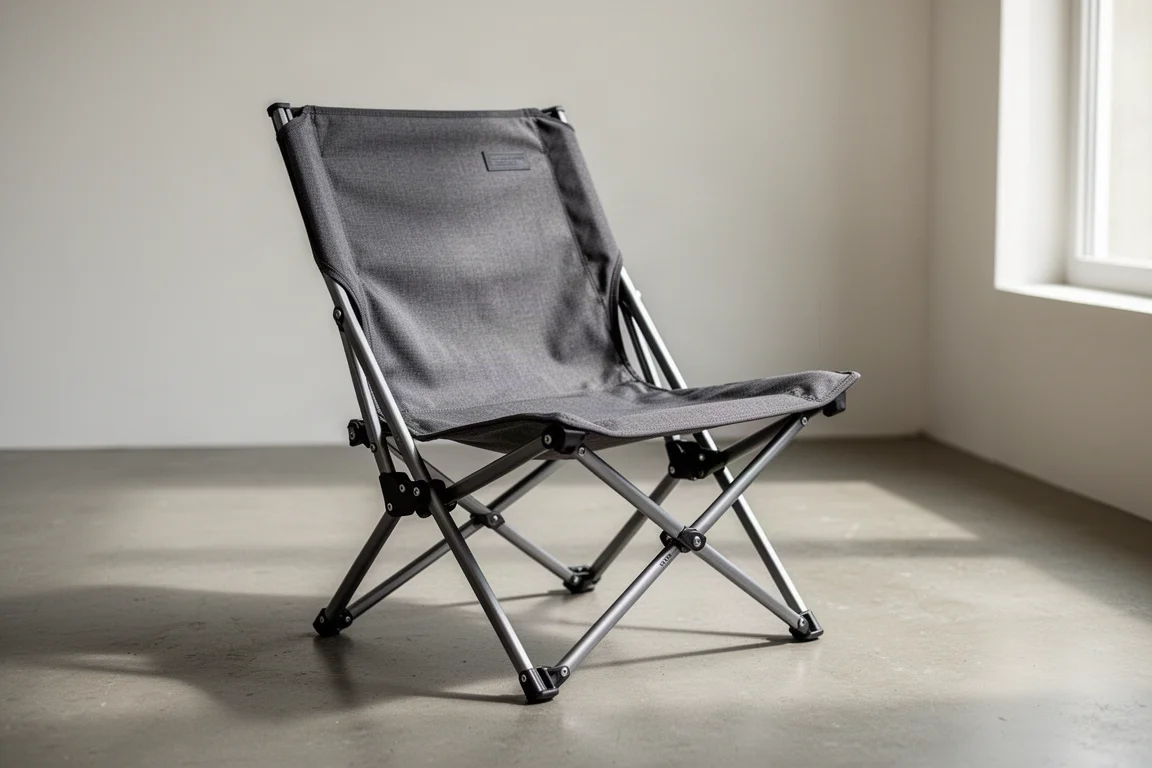
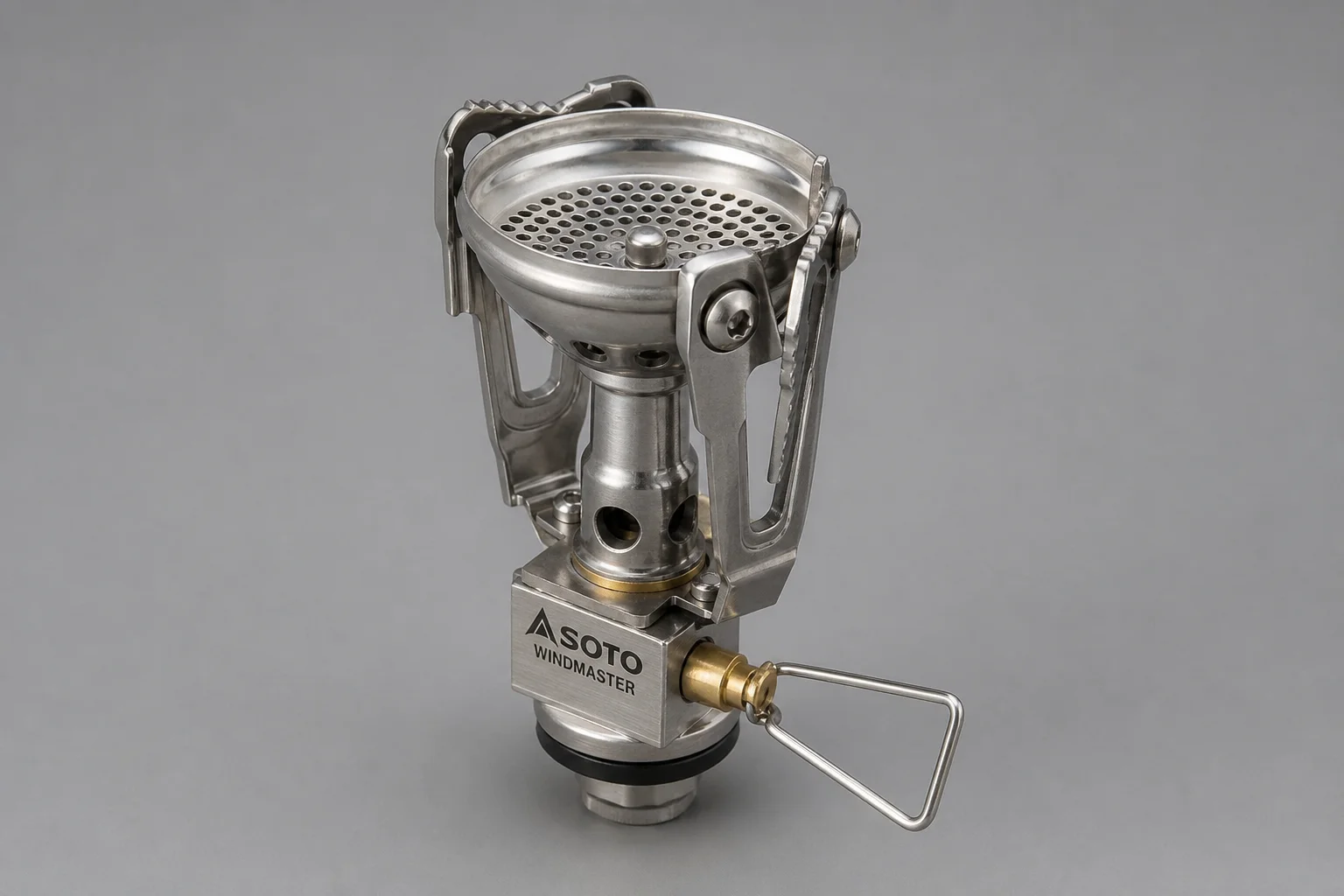
Soto WindMaster: A Compact Stove With Removable Pot Supports
The WindMaster is a small canister stove with an unusual design detail: the pot supports double as the legs, and the whole assembly detaches. A spring holds the supports, which open outward into position. The result is a compact stove that puts out 11,000 BTU, a serious amount of heat for its size.
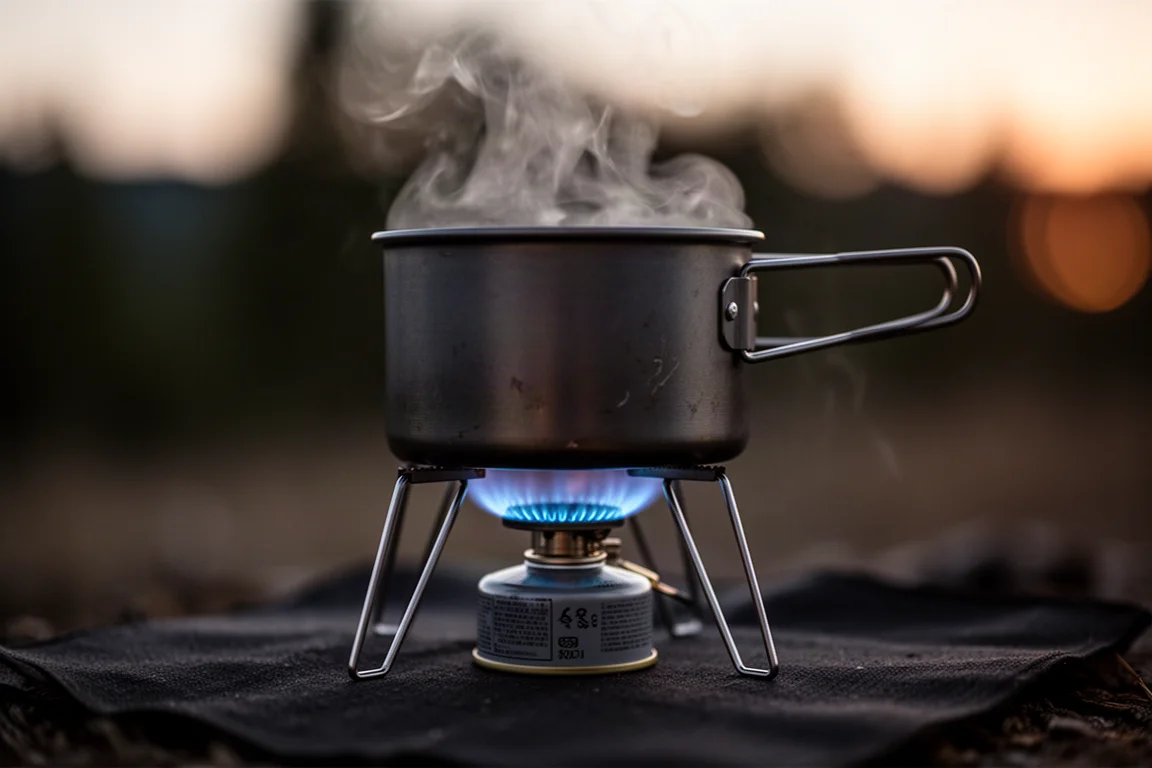
The practical benefit of the removable supports is packing. The stove breaks down smaller than its output suggests, and setup is quick once you are used to the mechanism. It handled cooking duties for the trip without complaint.
Boundless Voyage Titanium Pot Set: 600ml and 300ml
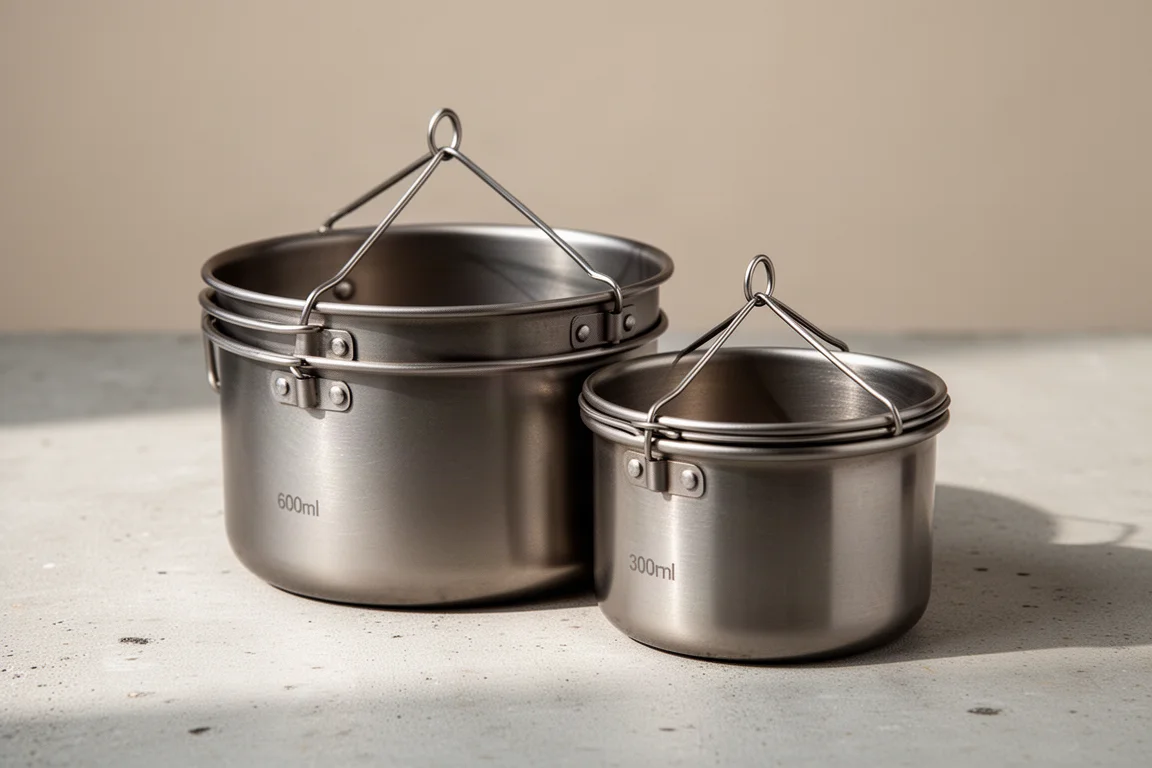
The Boundless Voyage set is titanium cookware in two sizes, a 600ml pot and a 300ml pot, which gives you options depending on whether you are boiling water or cooking a proper meal. The feature that sets it apart is a wire suspension, which lets you hang the pot above an open fire instead of balancing it on a stove or grate.
Bitty Big Q Titanium Cup: Small Form Factor With Utensils
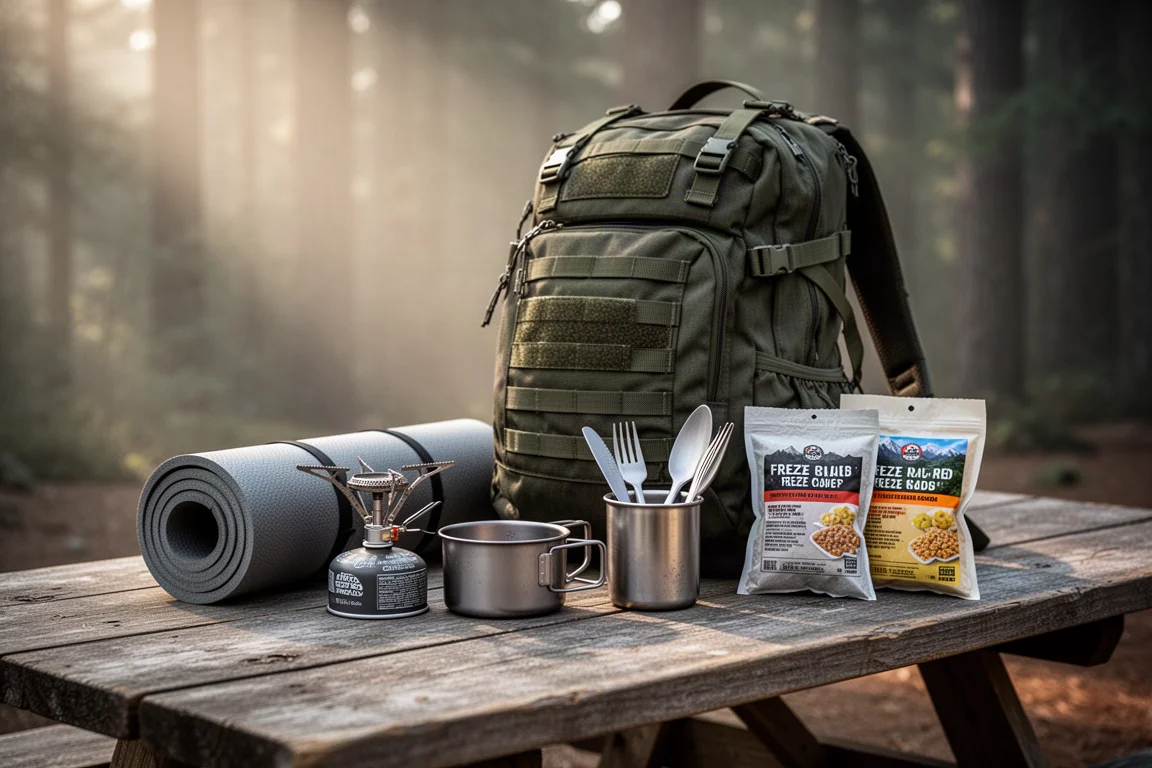
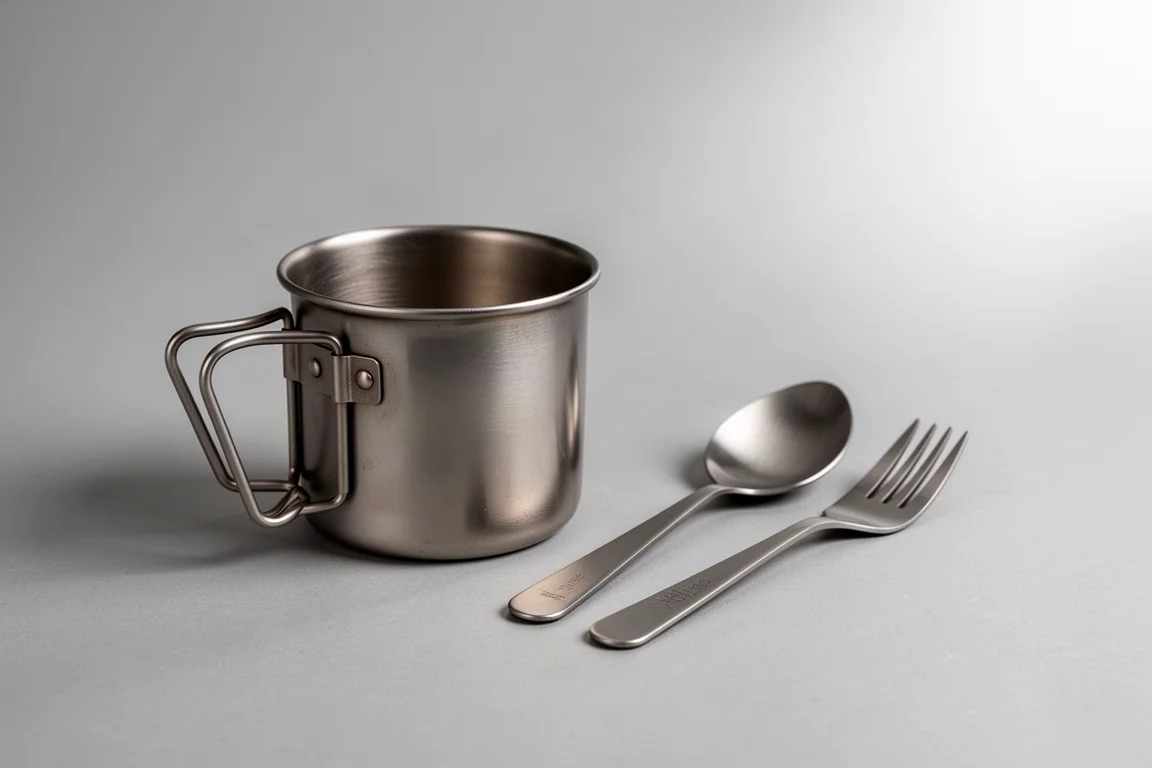
The Bitty Big Q cup is a compact titanium cup that comes with a titanium utensil set, making it a tidy single-piece solution for coffee, tea, or a small portion of food. It was packed for this trip but did not see use, so the assessment stays limited to its form factor and included accessories.
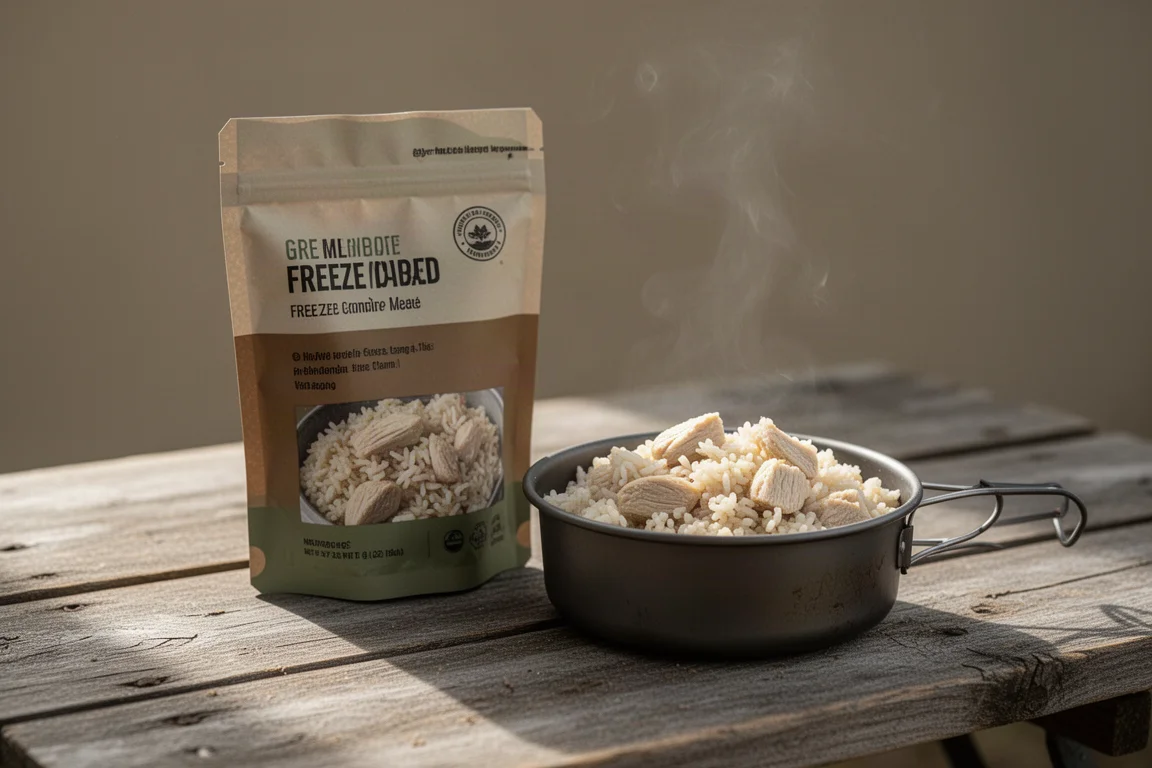
Peak Refuel Chicken Teriyaki and Rice: A Dependable Trail Dinner
Dinner was the Peak Refuel chicken teriyaki and rice, and it did its job well. It rehydrated into something that smelled genuinely good after a long day and tasted solid, with the caveat that a slightly sweeter, more heavily seasoned version would suit some palates better.
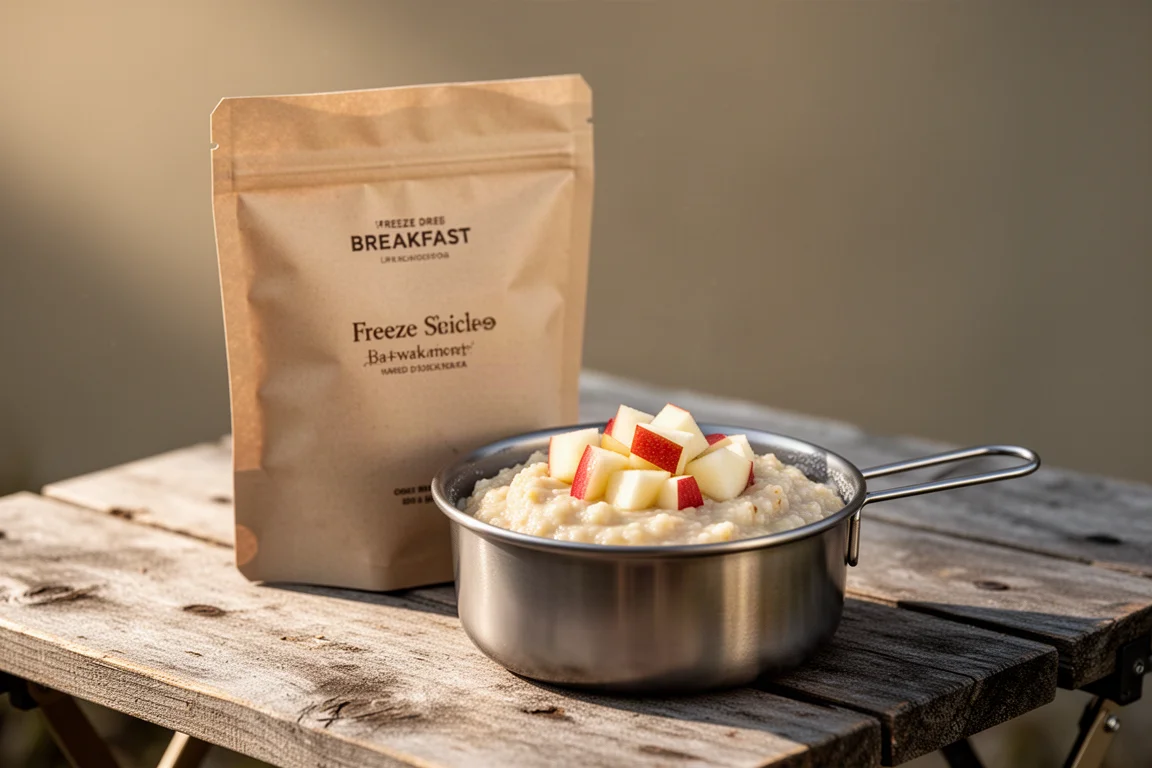
Real Turmat Breakfast Porridge: Apples and Cinnamon
Breakfast the next morning was a Real Turmat porridge with apples and cinnamon, eaten alongside coffee while the fire was still smoldering. It is a warm, straightforward start to a cold day, and the flavor works well for a morning meal.
Buying Advice: Matching Gear to the Trip
Start with volume. An 80-liter pack like the Pathfinder Mark II makes sense when you are carrying bulky gear, base-camp supplies, or cold-weather layers. If your kit is dialed in and light, that much space becomes empty weight, and the pack’s length will feel like more than you need.
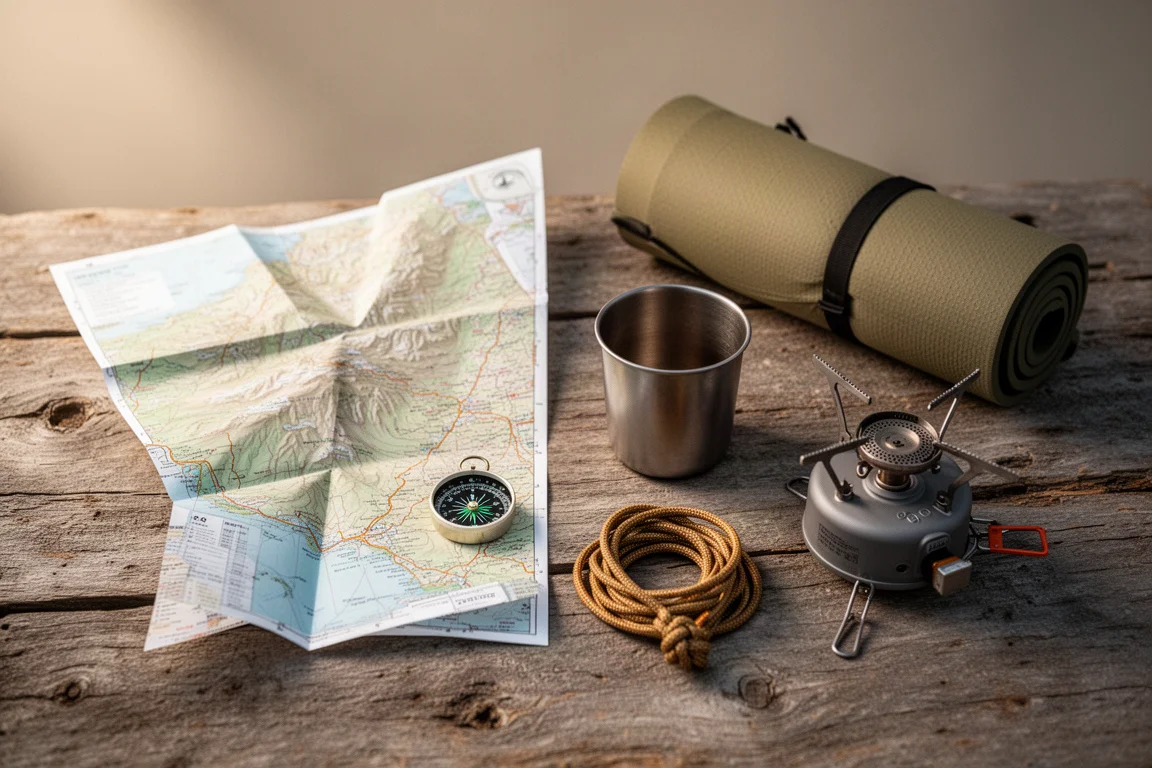
Then think about how you sleep and where you camp. A larger two-person shelter such as the Gossamer is the better call for trips where you want interior space, while a small single-person design remains the right tool for stealth camping. Pair the shelter with a pad that packs small and a bag rated for the conditions you actually expect, and add a warm layer or hand warmers for nights that dip below the bag’s rating.
For cooking, the WindMaster plus a titanium set covers boiling and simple meals in very little pack space, and the suspension wire on the Boundless Voyage pots opens up open-fire cooking if you camp where fires are allowed. Finally, taste your meals before you commit to a multi-day supply. A freeze-dried dinner you enjoy is worth more than one that saves a few grams.
One last habit worth keeping: check a fire closely before you leave it. A fire that looks out can still be smoldering underneath, and a few minutes of checking prevents a much bigger problem.
Conclusion
Nothing on this list failed, and several pieces stood out. The Pathfinder Mark II is a durable, high-volume pack for heavy loads. The Gossamer delivers the interior space that single-person shelters cannot. The Defence 1 is remarkable value for a military-grade summer bag, and the WindMaster pairs real output with a genuinely compact design. Add titanium cookware, a simple chair, and meals that taste good at the end of a long day, and you have a kit that works.
Further reading
Related Reviews
Outdoor Gear
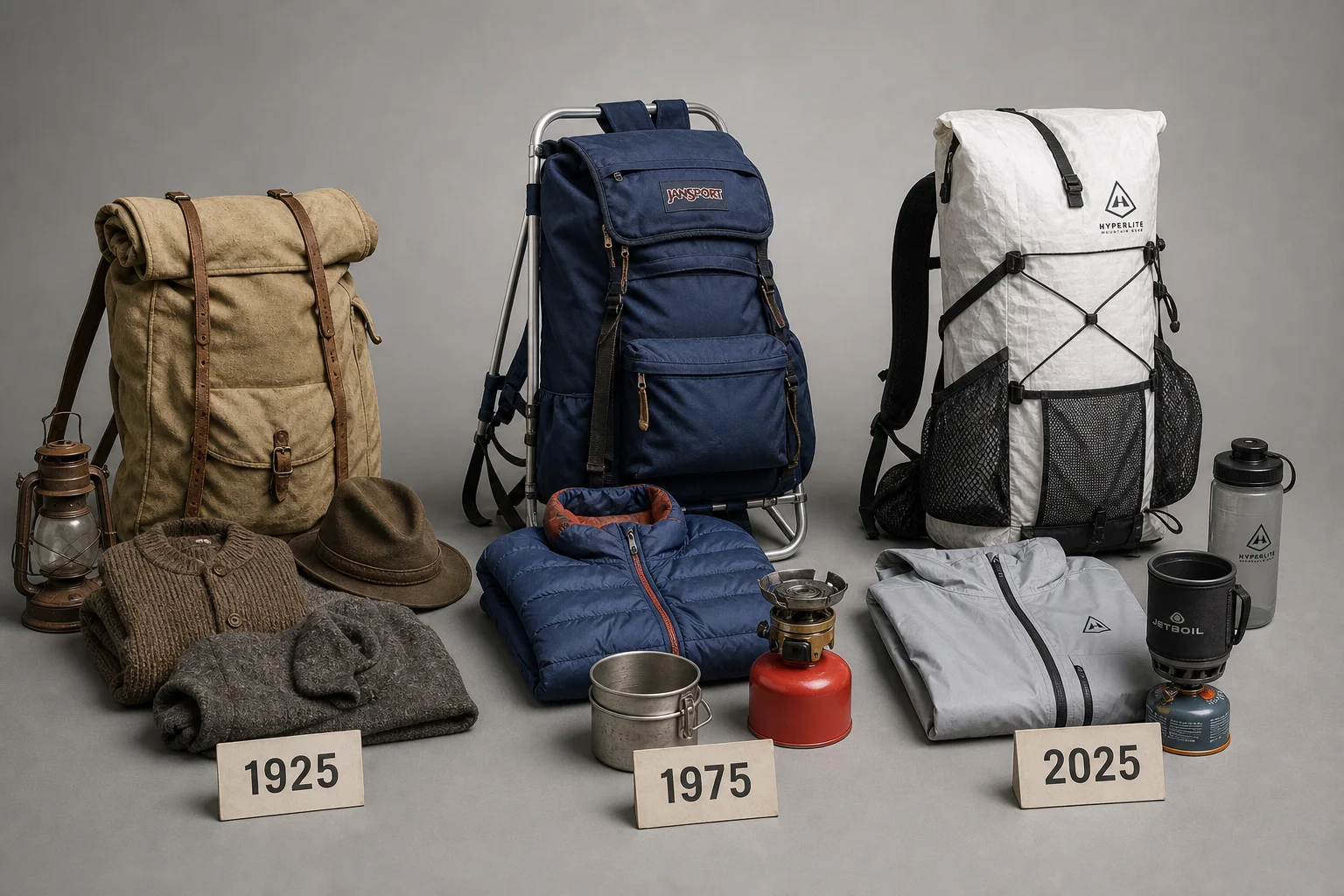
Backpacking Gear Evolution: 100 Years of Technology Compared
We tested backpacking gear from 1925, 1975, and 2025 across a three-day hike in Yosemite. Here's how technology has transformed comfort, weight, and the outdoor experience.
Outdoor Gear
Best Affordable Hiking Watches: Five Rugged Options for Outdoor Adventures
Five durable hiking watches that balance ruggedness, functionality, and value for outdoor enthusiasts who need reliable GPS tracking and weather resistance.
Outdoor Gear
Best Backpack Coolers 2026: Five Practical Options for Outdoor Adventures
Five backpack coolers with distinct cooling capabilities, storage features, and design trade-offs to help you choose the right one for your outdoor needs.