Backpacking Tents
Favorite Ultralight Backpacking Tents for Thru-Hiking and Weekend Trips
A practical roundup of ultralight backpacking tents, from proven Zpacks designs to budget-friendly two-person shelters.
Introduction
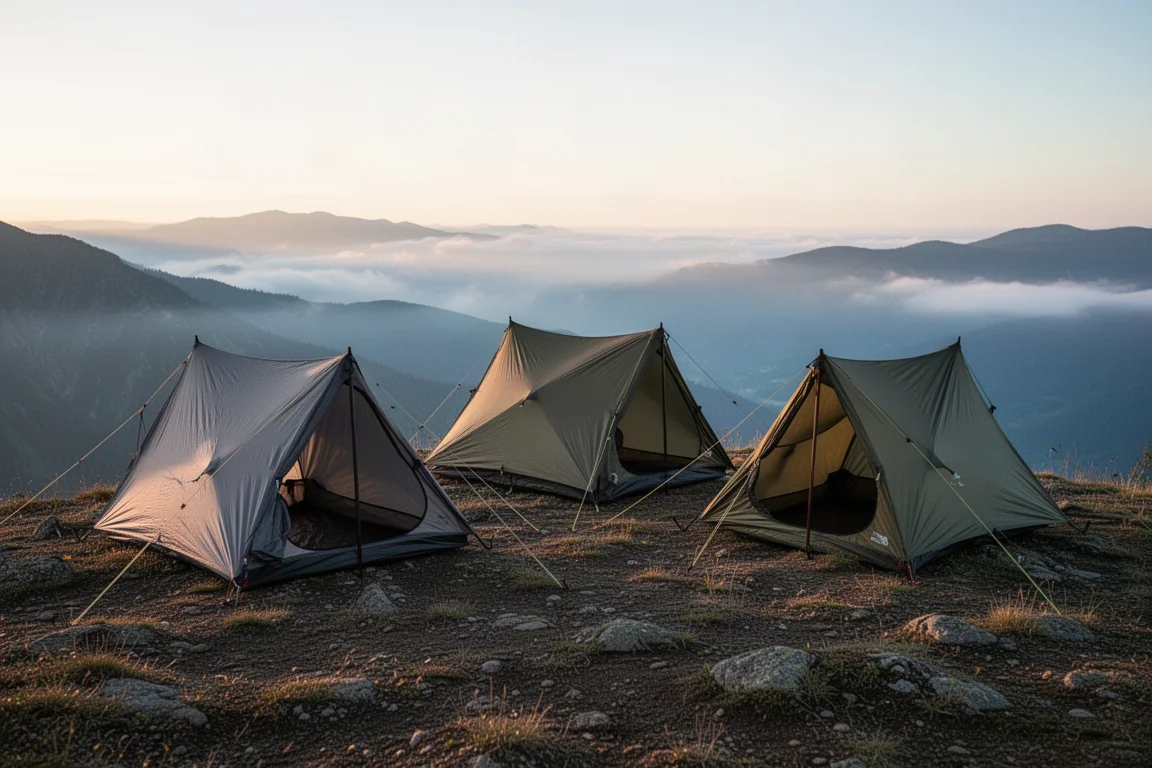
Choosing an ultralight backpacking tent is less about finding one universal winner and more about matching the shelter to the trip. A weekend backpacker, a long-distance thru-hiker, and a two-adult team with a dog all need different amounts of interior space, weather protection, and packed weight.
This roundup covers seven two-person and three-person shelters that stand out for different reasons. Some are premium single-wall designs with composite fabrics and trekking-pole pitching. Others are more budget-friendly options that still keep weight low. The right choice depends on how you sleep, where you hike, and how much you want to carry.
What Matters in an Ultralight Backpacking Tent
The first question is interior space. A two-person tent can be the right solo shelter if you want room for gear, while a three-person tent makes sense for two people who want extra space or for two people plus a dog or toddler. Longer tents help taller sleepers avoid brushing against a dewy wall.
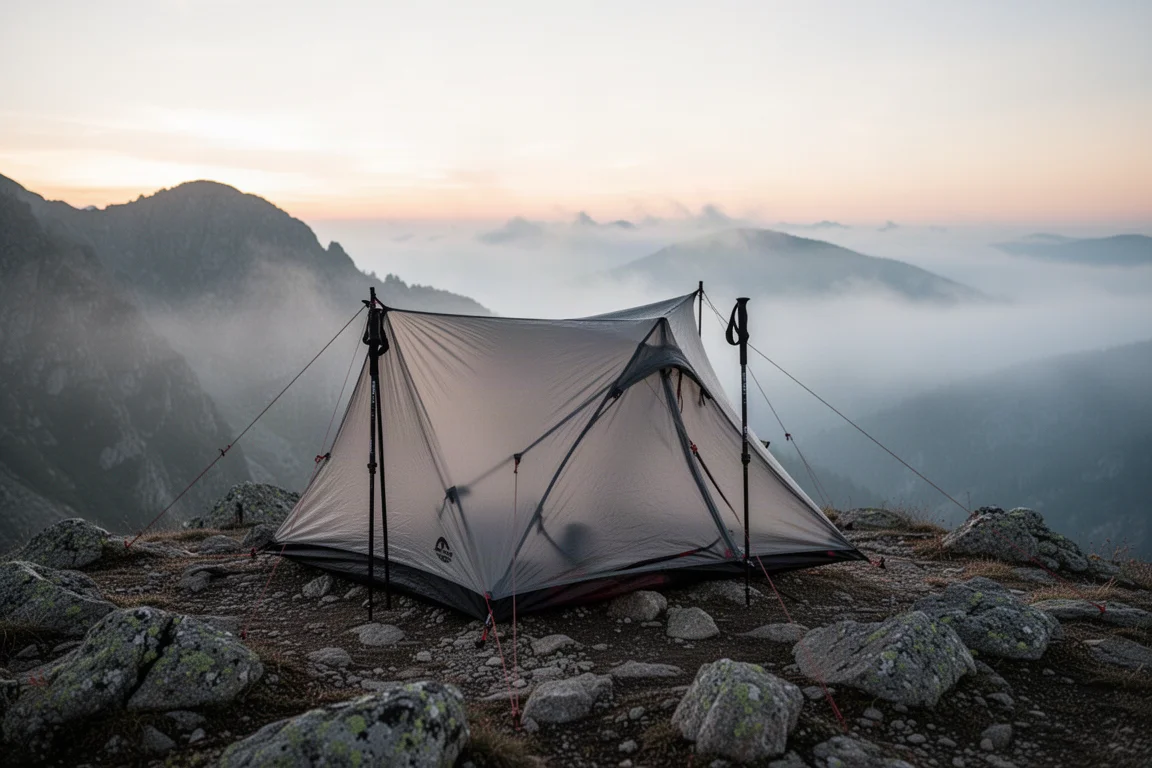
The second question is construction. Single-wall tents save weight, but they can collect condensation. A bathtub floor with a mesh border helps move condensation away from the sleeping area. Zpacks shelters use a waterproof composite fabric that does not require a ground cloth, which saves weight and removes one piece of gear from the packing list.
Pitching style matters too. Many ultralight tents require trekking poles, which is efficient for hikers who already carry them. Freestanding options exist for people who prefer dedicated tent poles, including lightweight pole sets from Zpacks.
Finally, budget matters. Premium ultralight tents often sit in the $700 to $900 range, while budget-friendly two-person tents can cost far less. The trade-off usually appears in weight, materials, and interior volume.
Zpacks Duplex Zip
The Zpacks Duplex Zip is a two-person, single-wall ultralight tent with zippered vestibule doors instead of the older bungee-cord closure. That change helps secure the vestibule, reduces wind passing through, and lowers the noise of fabric flapping in strong wind.
It uses a waterproof composite fabric, so no ground cloth is required. The layout includes a vestibule and zippered mesh door on each side, a bathtub floor, and a mesh border around the floor to help condensation drain away from the sleeping area. Most two-person designs in this family weigh just over a pound and less than a pound and a half.
The Duplex Zip has been replaced in the current Zpacks lineup by the Duplex Pro, so it is no longer the easiest model to find new. It remains a proven design for anyone who values the original Duplex layout with zippered vestibules.
Zpacks Duplex Pro
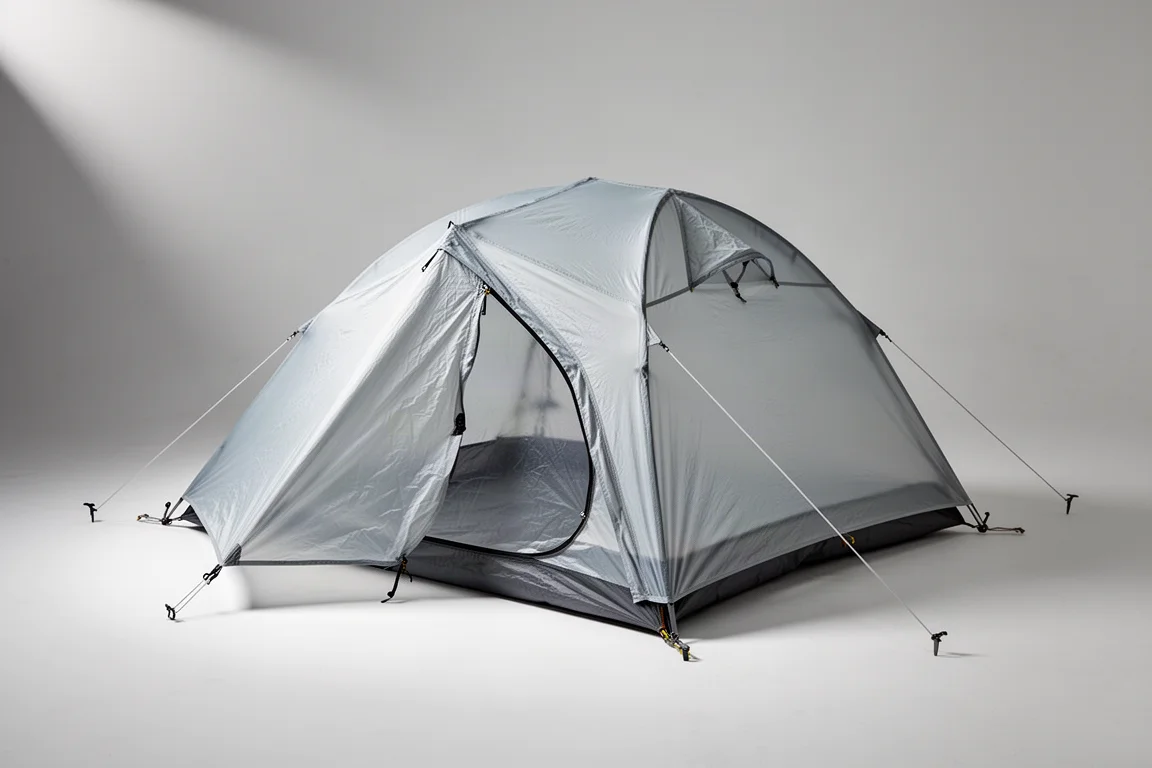
The Zpacks Duplex Pro is the closest current successor to the Duplex Zip. It weighs 19.5 oz, only 0.1 oz different from the Zip, and keeps the same two-person, single-wall approach with a waterproof composite fabric and no need for a ground cloth.
The biggest change is the mesh doors. Instead of half-moon openings, the Duplex Pro uses double L doors. That makes it easier to exit on either side and reduces the need to think about where the mesh opening sits relative to your head when you pitch the tent.
For backpackers who want a light two-person shelter with more flexible door access, the Duplex Pro is a strong current option. It still requires trekking poles to pitch, which keeps the packed weight low for hikers who already carry them.
Zpacks Duplex L
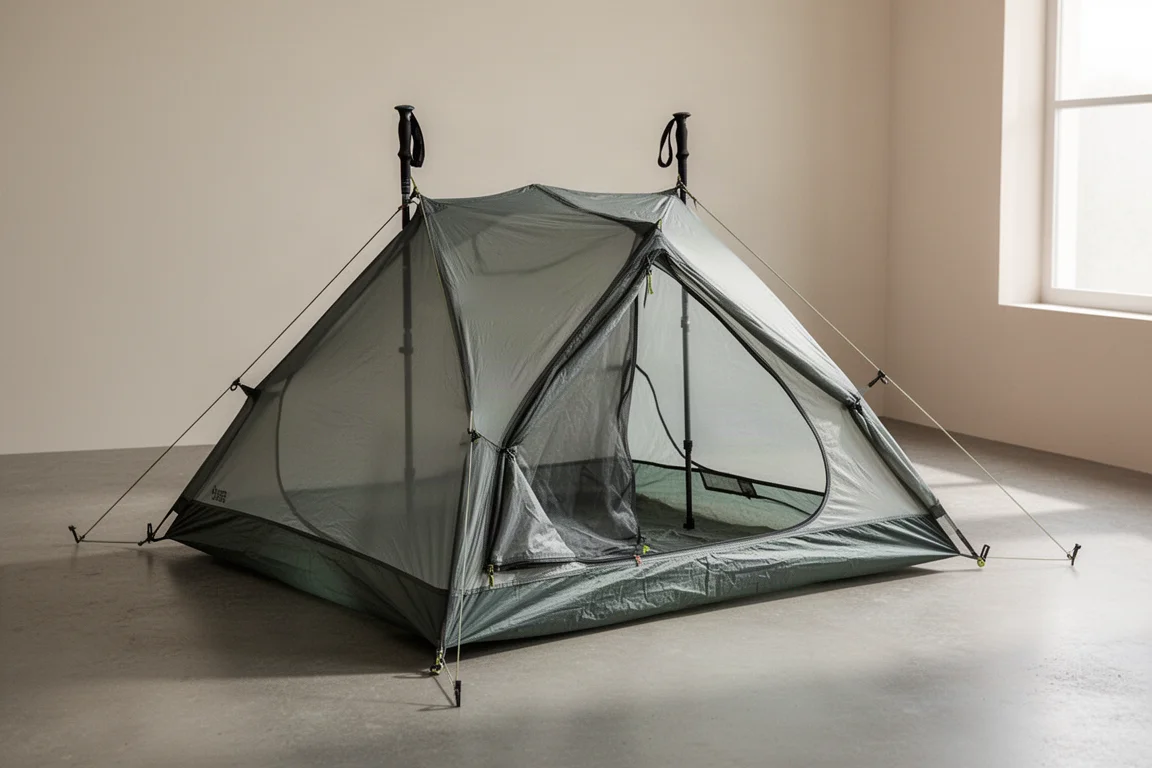
The Zpacks Duplex L takes the classic Duplex design and adds extra head or leg room. The longer interior is aimed at taller backpackers and anyone who wants to stretch out without a sleeping bag rubbing against a damp tent wall.
It keeps the familiar two-person, single-wall layout with vestibules, mesh doors, a bathtub floor, and a waterproof composite fabric that does not require a ground cloth. For tall hikers, the extra length can make a meaningful difference in comfort over a long trip.
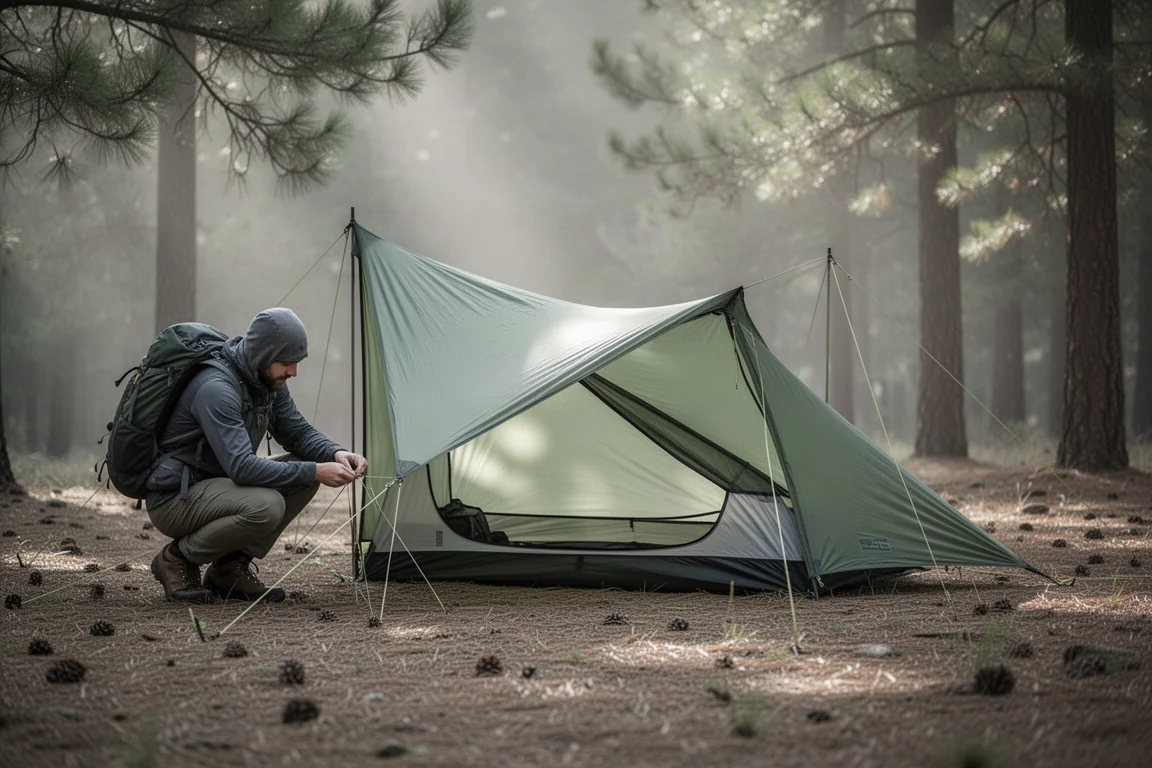
The Duplex L is no longer part of the current Zpacks lineup. It has been effectively succeeded by the Duo Pivot, which uses a different approach to create extra interior space.
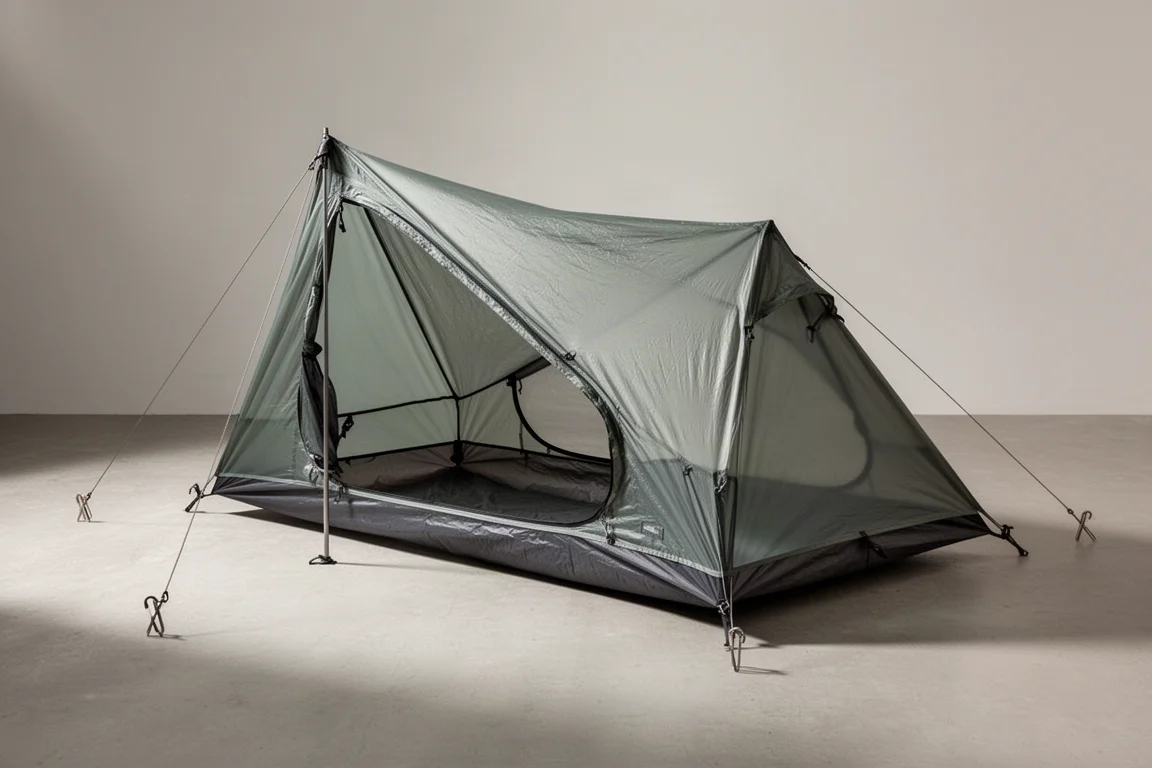
Zpacks Duo Pivot
The Zpacks Duo Pivot is the current model that fills the space once occupied by the Duplex L. It weighs 18.66 oz and costs $849. Instead of simply extending the tent body, it uses a separate small tent pole that lifts one side of the shelter, creating more head or foot space depending on how you orient the tent.
That pivot pole design is especially useful for taller sleepers or anyone who wants more room to sit up and move around. The Duo Pivot also has zippered vestibules, which is a practical upgrade for wind management and security.
The mesh doors use a single L opening on each side. If you want the extra space at your head, you will want to pay attention to orientation during setup. That is a small consideration rather than a major drawback, especially because the pivot pole delivers noticeable interior volume for the weight.
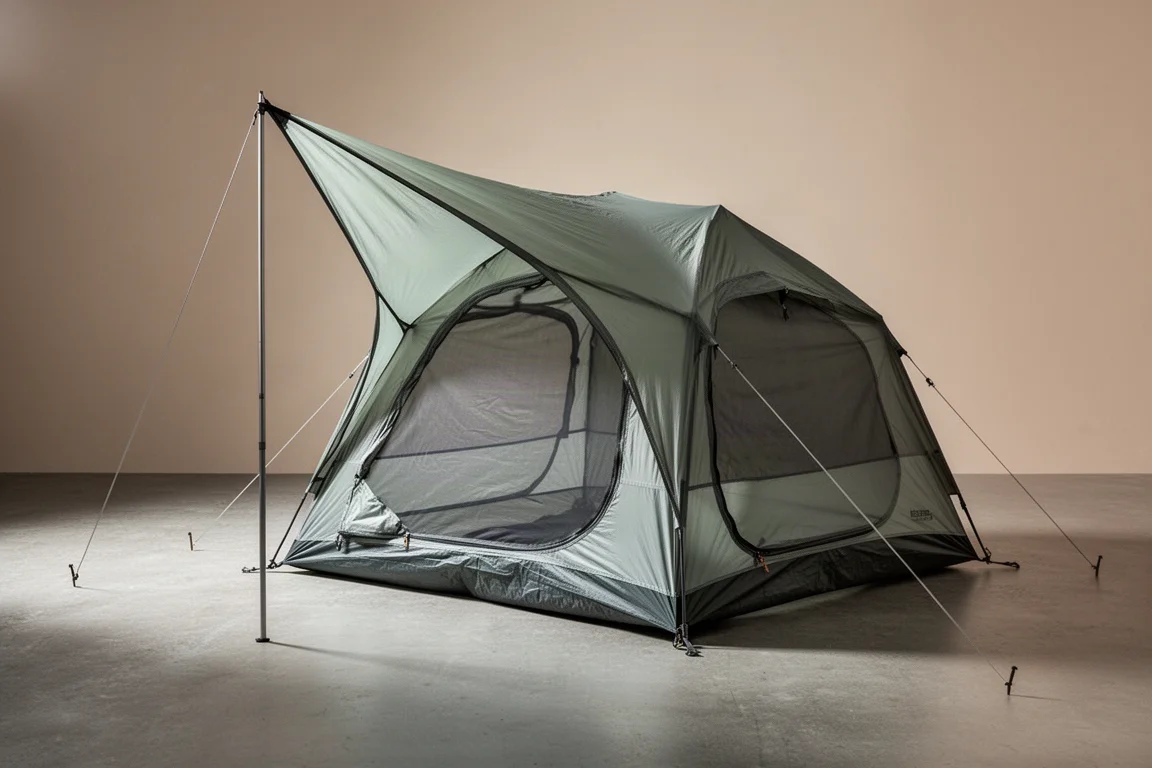
Zpacks Trio Pivot
The Zpacks Trio Pivot is a three-person ultralight tent based on the Triplex layout, with the same pivot-pole concept as the Duo Pivot. It is a larger shelter designed for two people who want a lot of space, or for two people plus a dog or toddler.
It is one of the roomiest ultralight tents available for its weight class. The separate pivot pole lifts one side to add head or foot space, while the single-wall construction, vestibules on both sides, bathtub floor, and mesh border follow the same Zpacks approach. The waterproof composite fabric does not require a ground cloth.
The Trio Pivot uses single L mesh doors, so orientation matters if you want the extra space at a specific end. It also requires trekking poles to pitch. For solo hikers, it offers luxury-level space, though it is more shelter than most solo trips require.
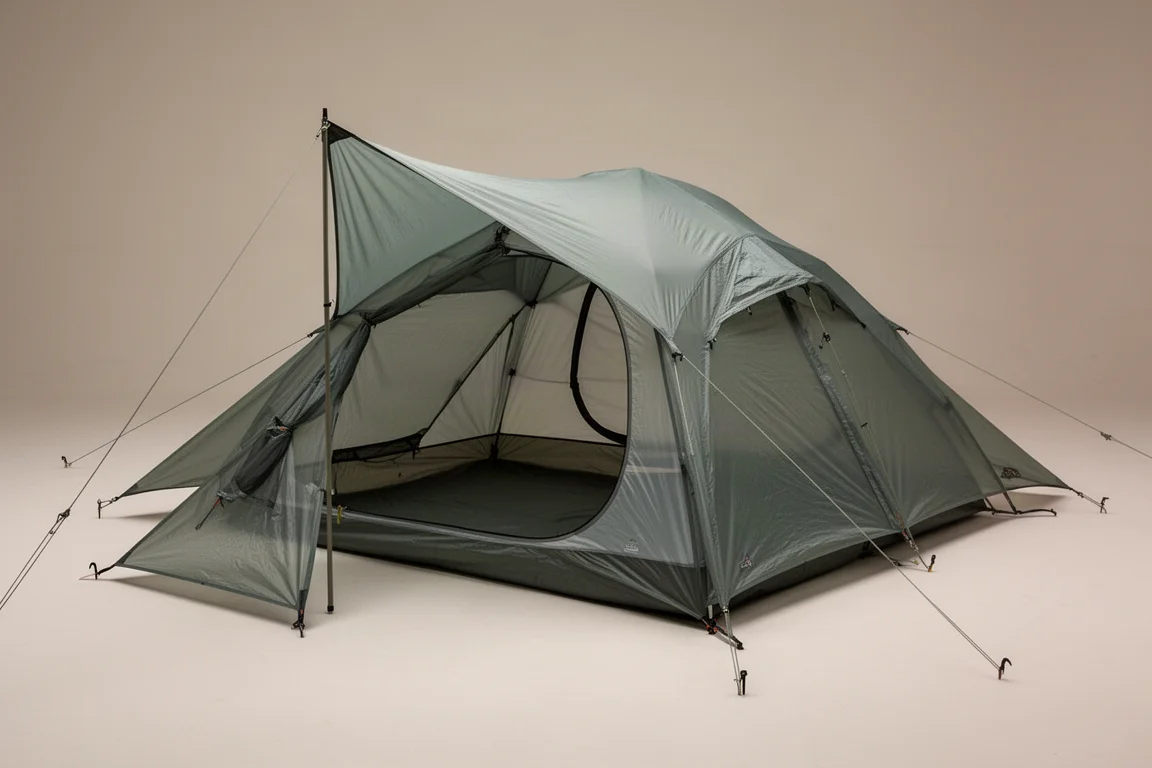
Lanshan 2 Pro
The Lanshan 2 Pro is a budget-oriented two-person backpacking tent that weighs 2 lbs and costs $190. It has been a popular lower-cost option for backpackers who want to move into lighter shelters without paying premium prices.
At this price point, the Lanshan 2 Pro is no longer as inexpensive as it once was, but it still sits well below the premium tier. It offers a straightforward path into ultralight backpacking for hikers who are comfortable with a two-person layout and want to keep initial costs lower.
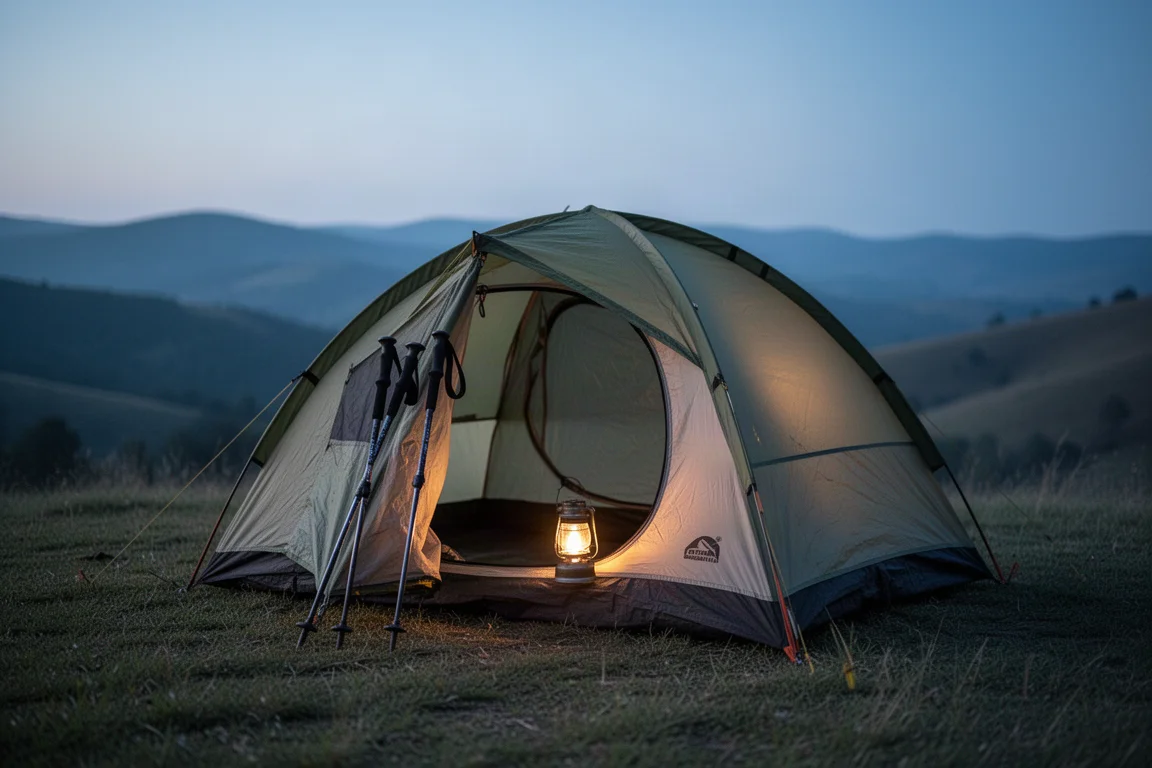
For anyone comparing budget two-person tents, the main question is whether the weight savings of a more expensive model justify the extra cost. The Lanshan 2 Pro remains a reasonable starting point for shorter trips and casual backpacking.
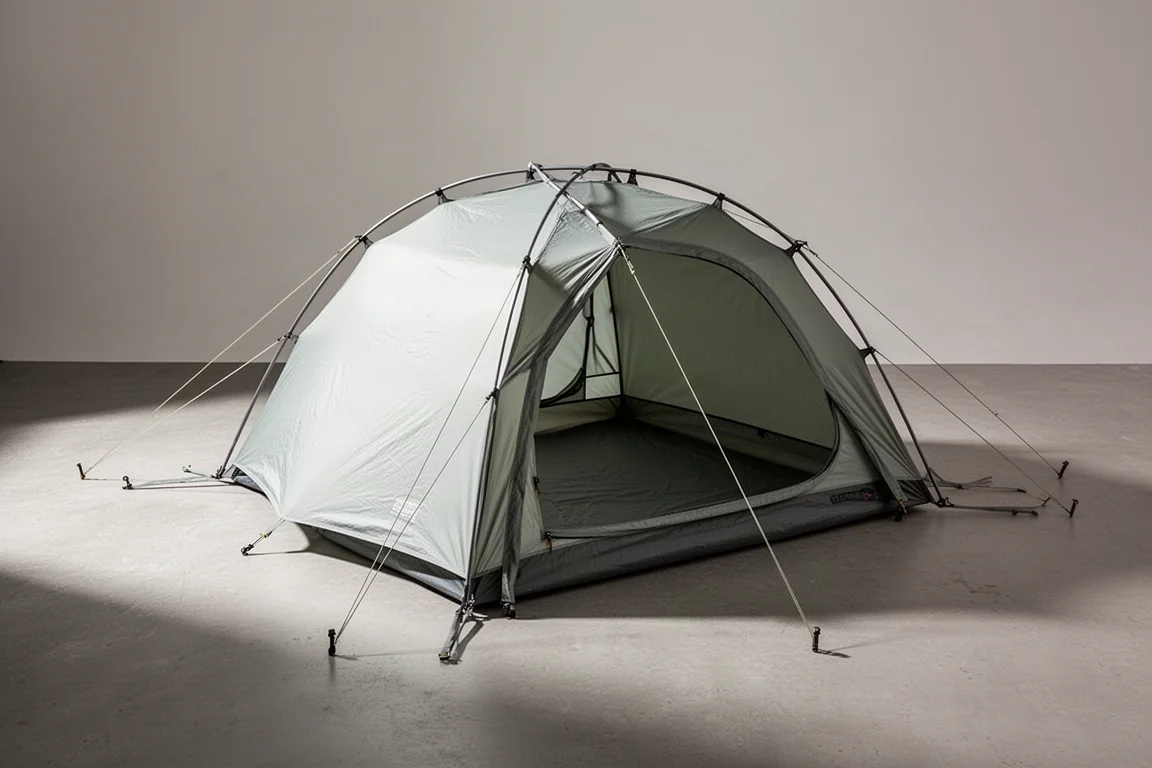
Gossamer Gear The Two
The Gossamer Gear The Two is a two-person, single-wall nylon tent that weighs 24 ounces. It was tested on the Foothills Trail and stands out as a lighter alternative to the Lanshan 2 Pro while staying in a similar price range.
At the current sale price of $224, it costs about $30 more than the Lanshan 2 Pro but saves 8 ounces, or half a pound. That is a meaningful weight difference for backpackers who count every ounce, and it makes The Two a strong value for anyone who wants a lighter two-person shelter without jumping to the premium tier.
As with any single-wall nylon tent, condensation management is part of the experience. Good campsite selection and ventilation help keep the interior comfortable. The sale price may change, so it is worth checking the current market before deciding.
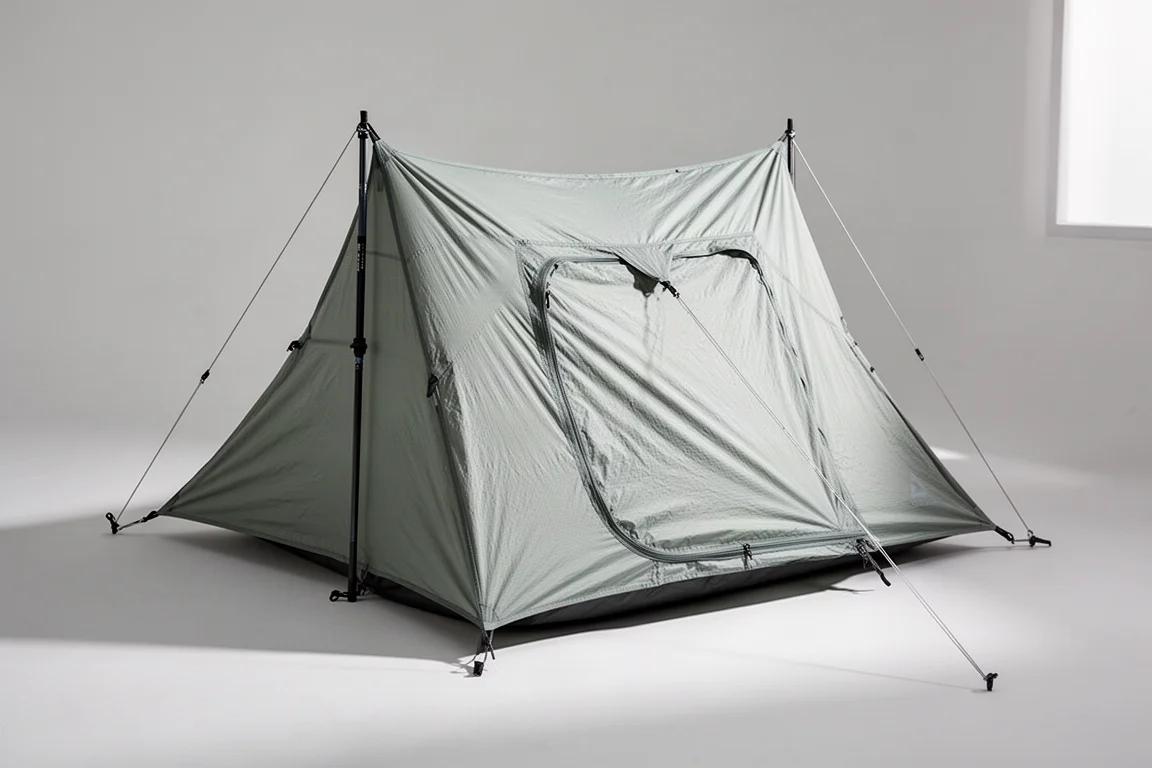
Overall Buying Advice
The best tent for you depends on how you hike. If you want a current premium two-person shelter, the Zpacks Duplex Pro and Zpacks Duo Pivot are the two strongest contenders. The Duplex Pro has double L doors and a very low 19.5 oz weight. The Duo Pivot adds a pivot pole for extra head or foot space and weighs 18.66 oz, with a price of $849.
If condensation is a bigger concern, the extra interior volume and pivot pole of the Duo Pivot can help. If door access and a simple, proven layout matter more, the Duplex Pro is easier to recommend. The discontinued Duplex Zip and Duplex L remain useful reference points for anyone who finds them available, but the current lineup has moved on.
For two people plus a dog or toddler, the Zpacks Trio Pivot is the roomiest ultralight option in this group. It is more tent than a solo hiker needs, but for a small group it provides exceptional space for the weight.
On a tighter budget, the Lanshan 2 Pro at $190 and the Gossamer Gear The Two at $224 are the practical choices. The Gossamer Gear The Two is lighter at 24 oz, while the Lanshan 2 Pro is less expensive at 2 lbs. Both can work well for weekend trips and casual backpacking, provided you understand the trade-offs in weight, materials, and interior space.
Conclusion
There is no single best backpacking tent for every trip. The right shelter balances interior space, packed weight, weather protection, and price. Premium Zpacks designs lead on weight and composite fabric construction, while the Lanshan 2 Pro and Gossamer Gear The Two make ultralight backpacking more accessible.
Match the tent to the way you actually hike, and the decision becomes much simpler. A two-person shelter can be ideal for solo trips with gear, while a three-person model makes sense for two people who want room to spread out or bring a dog or toddler along.
Further reading
Related Reviews
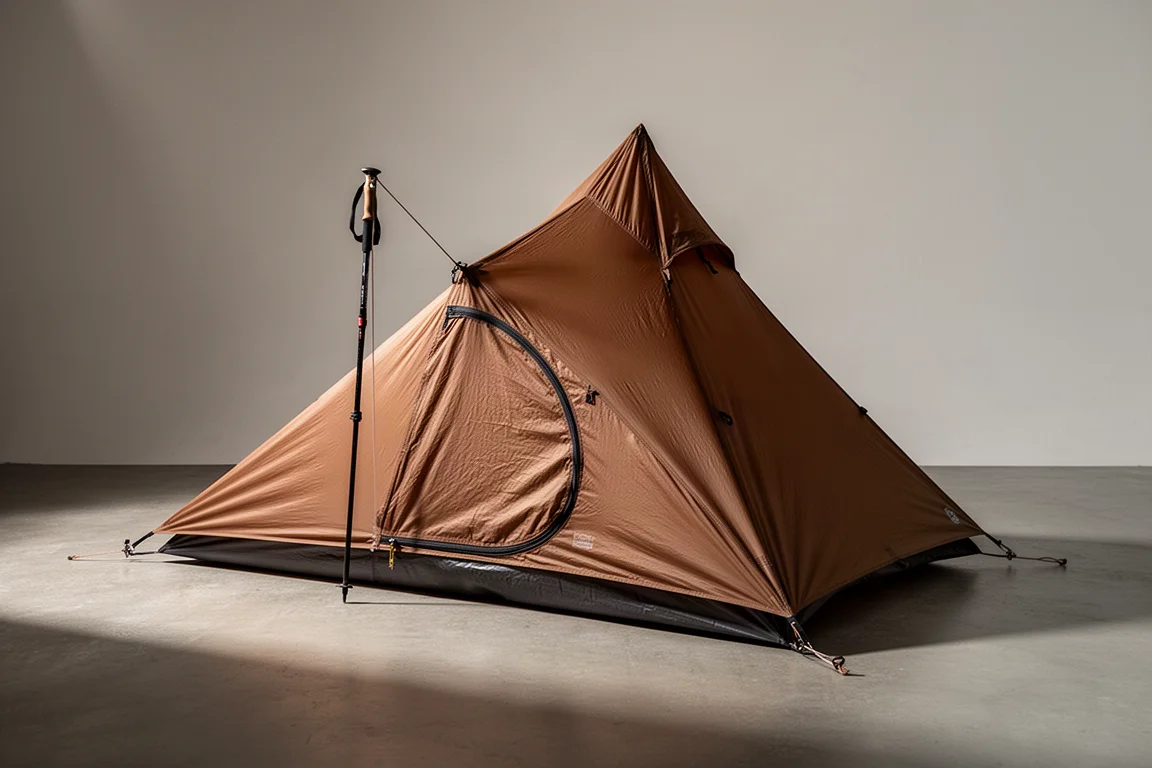
Backpacking Tents
3F UL Lanchan Pro 1 Review: A 1 lb 8 oz Single-Wall Trekking Pole Tent
A practical look at the 3F UL Lanchan Pro 1, a single-wall trekking pole shelter with a 1 lb 8 oz weight, 20D silnylon fabrics, and a roomy 90 x 31 x 49 inch interior.
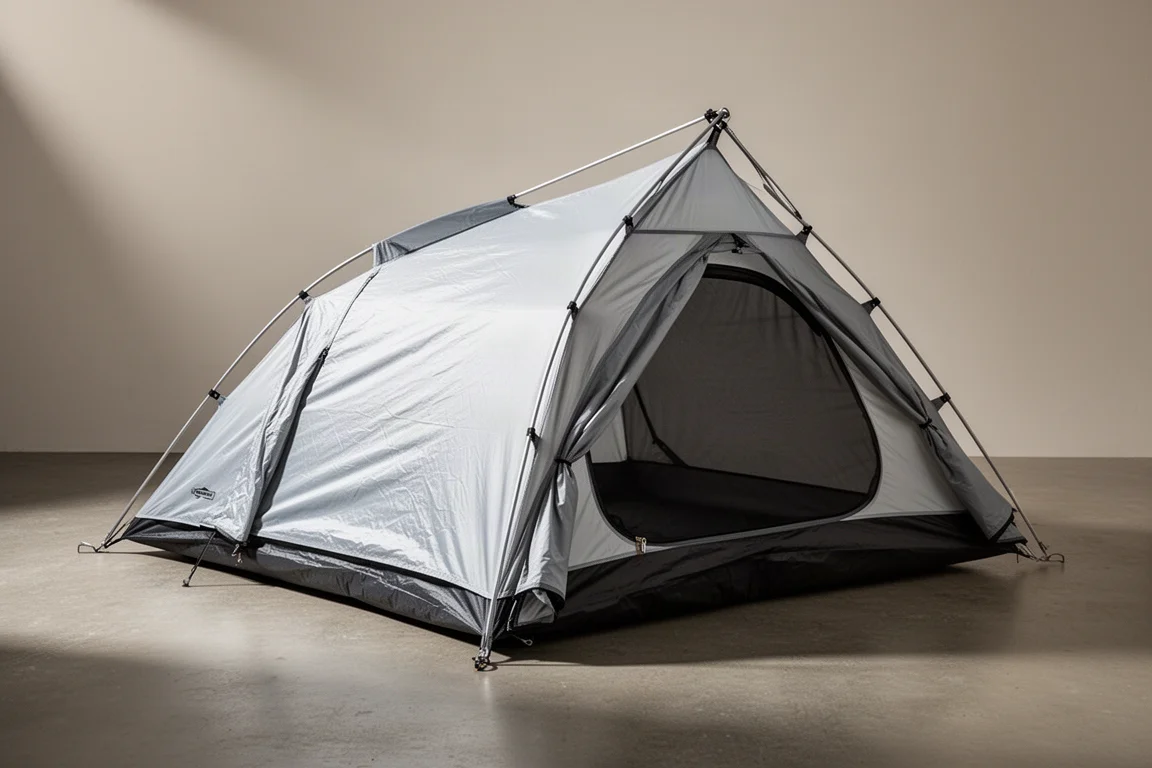
Backpacking Tents
3F UL Taiji 2-Person Tent: A Convertible Backpacking Shelter Worth a Closer Look
A practical look at the 3F UL Taiji two-person tent, covering its materials, true two-person interior, fly-first pitching, and the seasonal inner swap that lets one shelter cover more of the year.
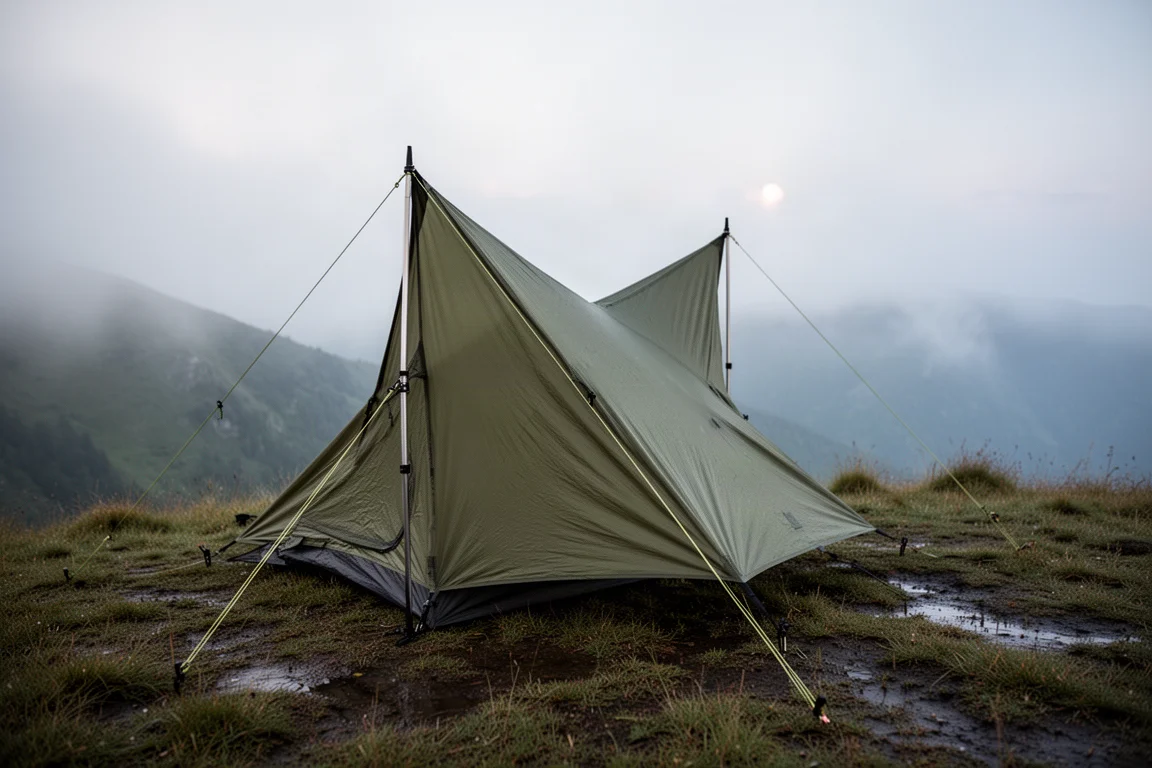
Backpacking Tents
3FUL Lanshan Twoerson Pro Review: A Light Trekking Pole Shelter That Struggled in Rain
A two-person trekking pole shelter with a 2026 redesign, pitched with sticks and put through a night of steady rain. Here is what worked, what did not, and what to check before buying.