Running Shoes
Five Training Shoes I Keep Reaching For Right Now
From a bargain PEBA-blend trainer to a premium do-it-all tempo shoe, five running shoes that earned a spot in a heavy training rotation.
Introduction
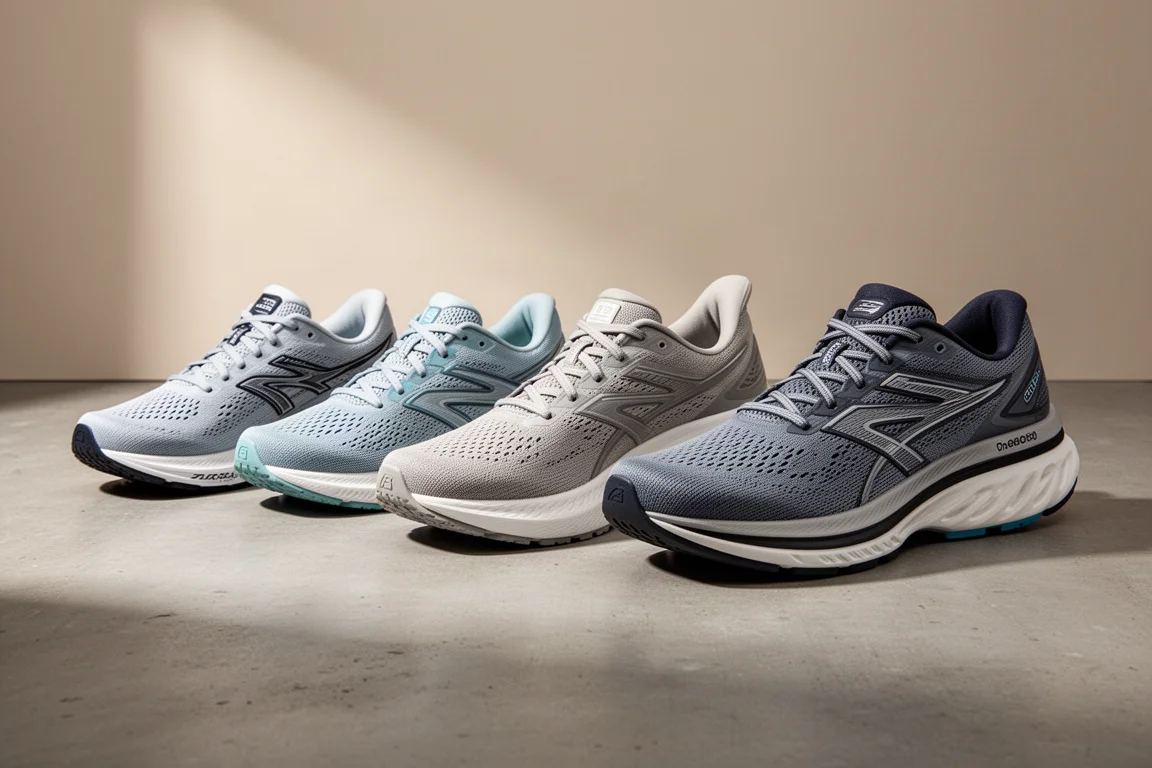
This is not a list of the best running shoes of all time, or even the best of the year. It is a roundup of the five training shoes getting the most use right now, coming off an October marathon and a rebuild back to full fitness. The picks run from least expensive to most expensive, and they cover a deliberately varied range: a firm budget speed trainer, a low-stack bouncy daily shoe, a max cushion casual favorite, a fast daily mileage workhorse, and a premium do-it-all tempo weapon. If you are building a rotation, the through-line here is variety: mixing shoe types spreads stress across the body and keeps training fresh.
Tier Maverick
Kicking off with the least expensive shoe of the group, the Tier Maverick is a non-plated daily trainer and speed shoe with an 8 mm drop. It is built on a PEBA EVA blend foam that delivers an energetic ride, and it resembles a daily trainer version of the Saucony Endorphin Elite OG. Once you get it moving, the rocker geometry encourages you to pick up the pace and go.
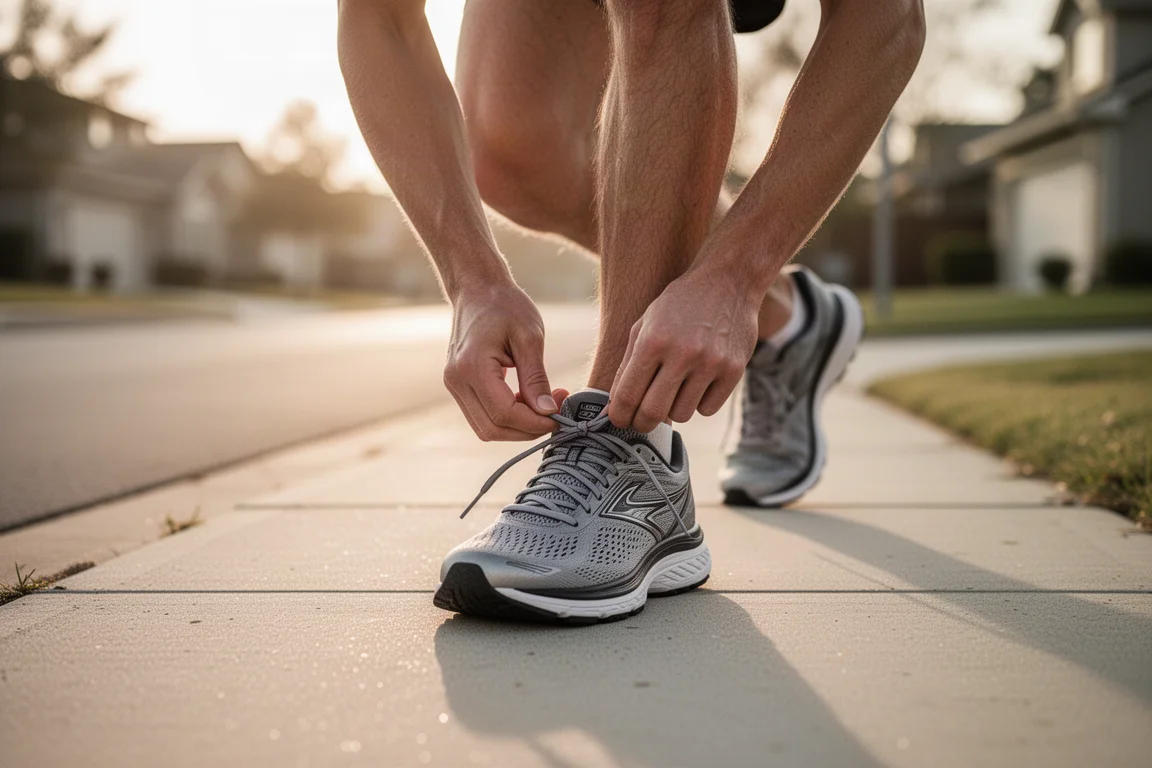
The trade-off is comfort. The Maverick leans firm, with a slightly harsh feel and a low plushness quotient, so think of it as a firm fun daily trainer or speed shoe rather than a max cushion recovery option. It is faster and more aggressive than something like a Nova Blast, but not as comfortable as a Vomero Plus or a Mag Max type of shoe. The upside is the price: you can often find it for around 100 bucks, which arguably makes it the best training deal on the market right now.
Puma Velocity Nitro 4
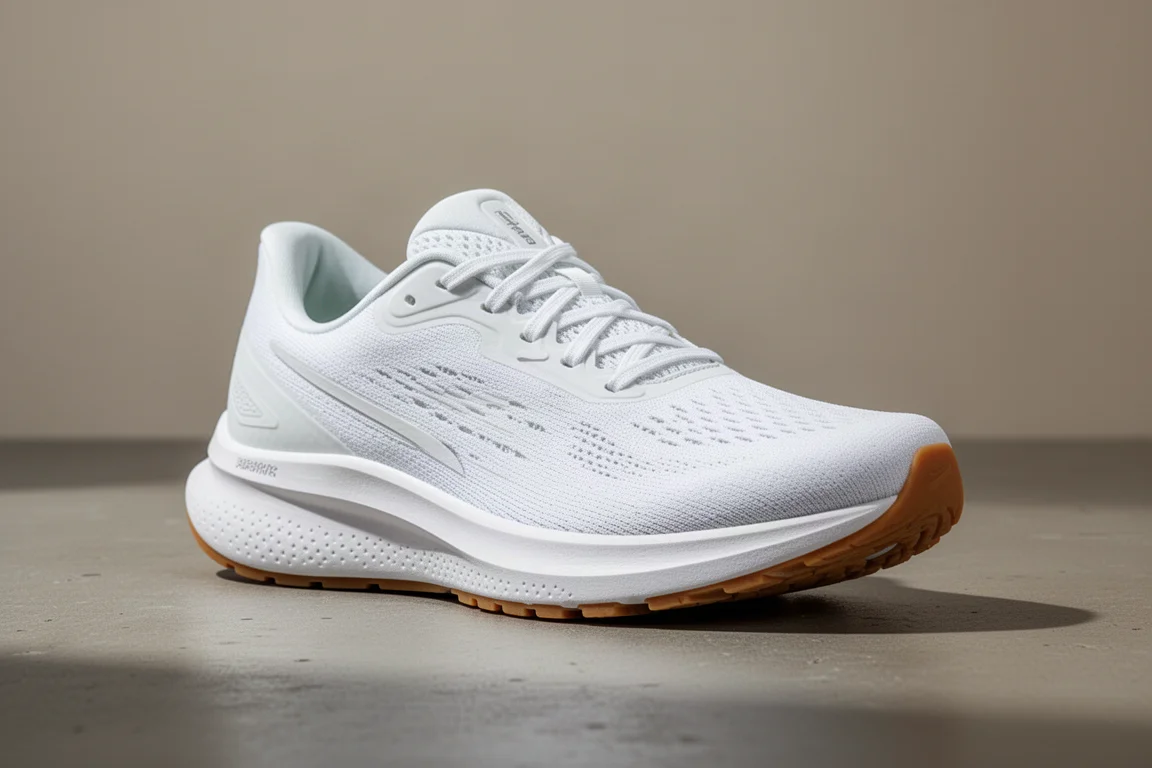
The Puma Velocity Nitro 4 sits at 140 dollars and offers something different from the rest of this list. It is a lower-stack shoe, roughly 35 mm in the heel and high 20s in the forefoot, with a 10 mm drop, plenty of flexibility, and one of the bounciest, most energetic aliphatic TPU versions of the Nitro foam out there.

One caveat matters here: the toe box runs narrow. If you have a wider foot, the Velocity Nitro and the non-Elite Deviate Nitro are the Puma models to avoid, while the Mag Max, Deviate Nitro Elite 3, Fast R 3, and Magnify Nitro have toe boxes that range from okay to fine.
Where this shoe shines is short, fast work. For 400 m repeats, 200 m repeats, or hill sprints, it is hard to beat: excellent ground feel and control up front, easy turnover, a peppy foam, and Puma grip that holds the ground nicely. That grip also makes it a strong winter training option for snow, slush, and muddy terrain, though no rubber protects you from black ice. It handled a 10-mile hill sprint session with no issues, and it is a fun, lightweight daily option with a more traditional feel.
New Balance More v6
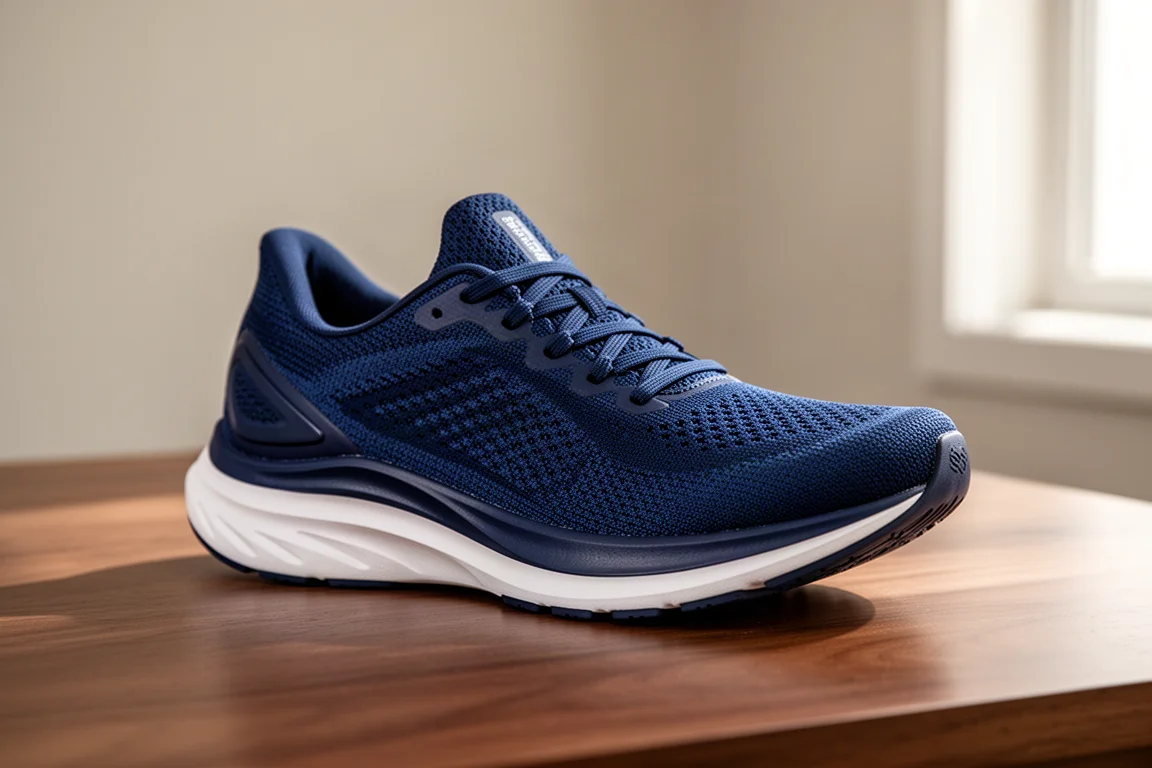
Here is the curveball of the list: the New Balance More v6, at around 155 to 160 dollars, is not really being used as a running shoe here. It has been worn nearly every day for school drop-offs, neighborhood walks, and errands, and it might be the most comfortable shoe of 2025. The max cushion midsole simply coddles the feet, and there is enough width in the platform to feel decently stable.
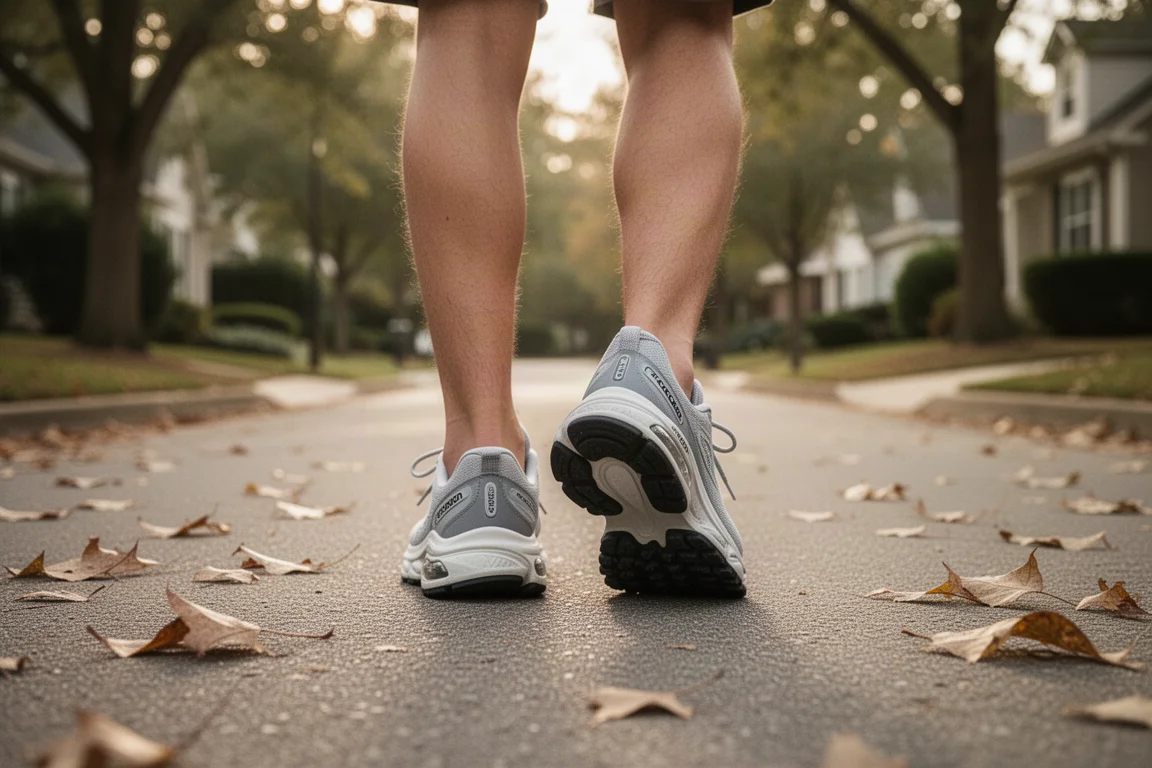
For running, it is a different story. Even during a slower summer training phase, a recovery run in this shoe felt like a slog, with the legs struggling to turn over. But as a walking and casual shoe, especially if you are logging high mileage training or heavy workouts and want the most comfortable thing on your foot when you are not running, it is an easy recommendation. It replaced the Nimbus as the daily casual pair, and it holds up well even under the extra wear and tear that everyday use brings.
Nike Vomero Plus
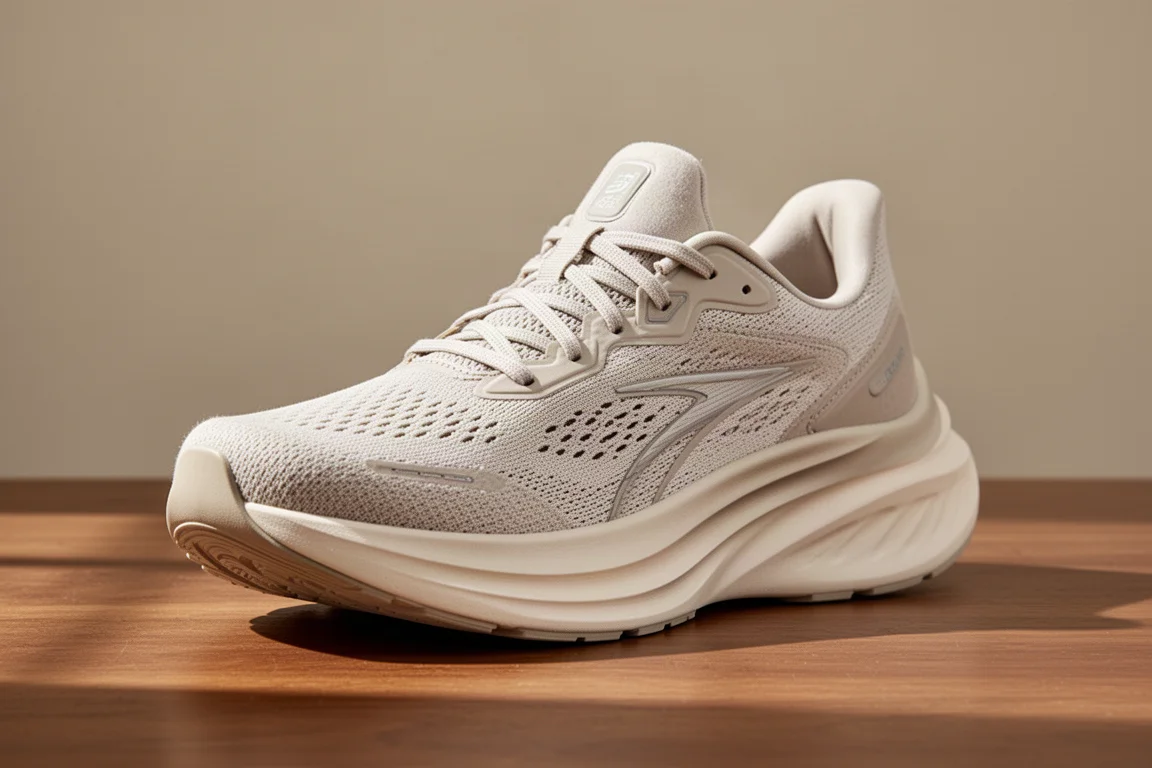
The Nike Vomero Plus, priced at 180 dollars, has probably been the favorite shoe of the rebuild so far. It thrives on faster daily miles: not as quick as a dedicated speed shoe, but far from a recovery shoe. At paces around 7:00 to 7:20 per mile, it feels fun and energetic, with a great protection-to-weight ratio and an absolute tank of foam underfoot.
At its worst, it is a decently lightweight shoe with a top slab of foam. At its best, it is a really fun, almost Super Blast type of shoe, great for long miles and generous energy return. It has been the number one pick for shorter afternoon double runs in this cycle. One note for bigger runners: some report they prefer it more as a daily or recovery shoe, since heavier forces change the ride.
There is a real caveat on the upper. A lace and eyelet issue has appeared on this pair and on other people’s pairs, including reports of laces snapping during try-ons in store. The workaround of skipping the problematic eyelet near the tongue worked fine for a 30-minute run, though lockdown suffered slightly. The rubber outsole, meanwhile, is holding up well.
Rad UFO
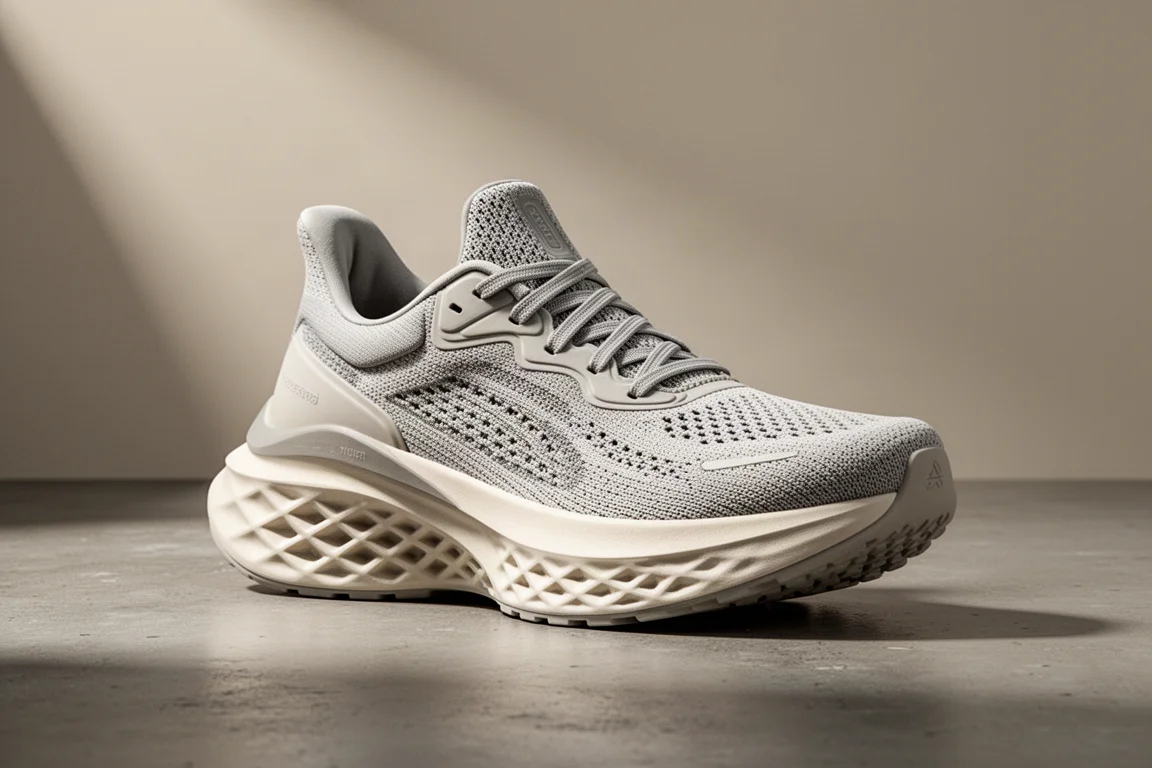
The most expensive pick at 200 dollars is also the one earning the most enthusiasm: the Rad UFO is fast, fun, and comfortable all at once. It runs on a dual-foam PEBA midsole with a well-put-together upper that includes generous padding on the tongue and around the heel.
This is the definition of a do-it-all versatile trainer, up there with the Hyperion Mach 3 and the Mega Blast, and preferable to the Evo SL simply because it is far more comfortable. It has handled steady runs, half-marathon-pace work including a final mile at 5:26 pace, strides, and hill sprints. On strides and hill sprints it is very quick, only slightly behind the Velocity Nitro in control and nimbleness, and it may even match the Evo SL for speed. What you lose compared to a race shoe, you get back in comfort and impact absorption, so you feel far less torn up after hard sessions.
One honest limitation: no true recovery runs have been attempted in it yet, and a full 20-mile long run is still on the to-do list. But for faster daily miles and short afternoon runs, it has been a champion, and along with the Vomero Plus it is the shoe getting the most use right now.

Buying Advice
If you can only pick two from this group, the Vomero Plus and the Rad UFO are the standouts for a rebuild phase focused on faster daily miles. But the right choice depends on your own training: a shoe that felt great in January can feel wrong in November, and vice versa. Fit matters too, so pay attention to the narrow Puma fit before ordering. Rotating several shoe types remains one of the simplest ways to spread stress across the body and reduce injury risk, so match each purchase to a specific role rather than trying to find one shoe that does everything.
Conclusion
These five shoes cover nearly every job in a training week: bargain-priced speed work, bouncy low-stack ground feel, max cushion casual comfort, fast daily mileage, and premium versatile tempo performance. None of them makes the older favorites obsolete; they are simply what the current training phase calls for. Pick the one that matches your next block of training and let the rotation do the rest.
Further reading
Related Reviews

Running Shoes
Best Road-to-Trail Running Shoes: Three Versatile Options for Mixed Terrain
A practical guide to three road-to-trail running shoes that handle both pavement and mild trails, with clear strengths and trade-offs for different runner types.

Running Shoes
Best Running Shoes for Achilles Tendonitis: Three Options Explained
Three running shoes with different heel drops and support features designed to help reduce Achilles tendon pain during walking and running.

Running Shoes
Best Running Shoes for Women: Five Top Choices Ranked
A ranked guide to five women's running shoes, from versatile daily trainers to high-performance racing options, with real strengths and trade-offs for each.