Outdoor Gear
Favorite Outdoor Gear Picks: Five Standout Pieces for Backpacking and Trail Days
Five outdoor gear picks with proven value: an ultralight trekking pole tent, a folding e-bike, a budget down jacket, a technical trail shoe, and a compact action camera.
Introduction
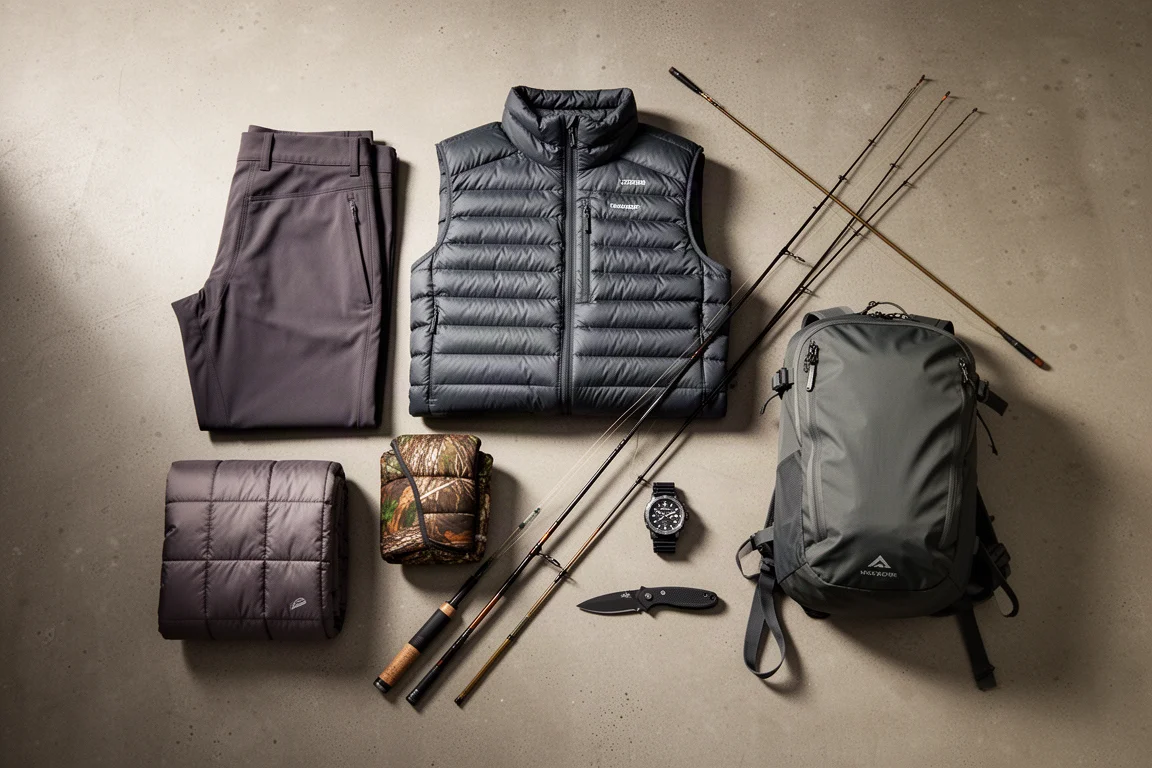
Every season brings a fresh wave of outdoor gear, but only a handful of items earn a permanent place in a kit. The five picks below earned theirs through heavy, repeated use: errands and gym runs, weekend backpacks, technical trails, and long days capturing footage on the move. Each one also shares a trait that matters more than any single specification. They deliver far more than their price or their category reputation suggests, and none of them asks for special treatment to work well.
A sixth item rounds out the list as a colder-weather alternative for anyone whose trips run into genuine winter conditions.
What These Five Picks Have in Common
Three things separate these picks from the rest of the gear shelf: value, weight, and durability under real use.
Value comes first. Every item here either undercuts its direct competition or matches it while costing noticeably less. The ultralight shelter competes with small-batch cottage tents, the down jacket sits alongside jackets costing several times more, and the action camera does the job of a phone while being far less fragile.
Weight and packability come second. These are pieces that disappear into a pack or a pocket, so they never become a reason to leave something behind.
Durability closes the loop. Gear only earns a permanent spot when it keeps working after hundreds of kilometres and dozens of trips.
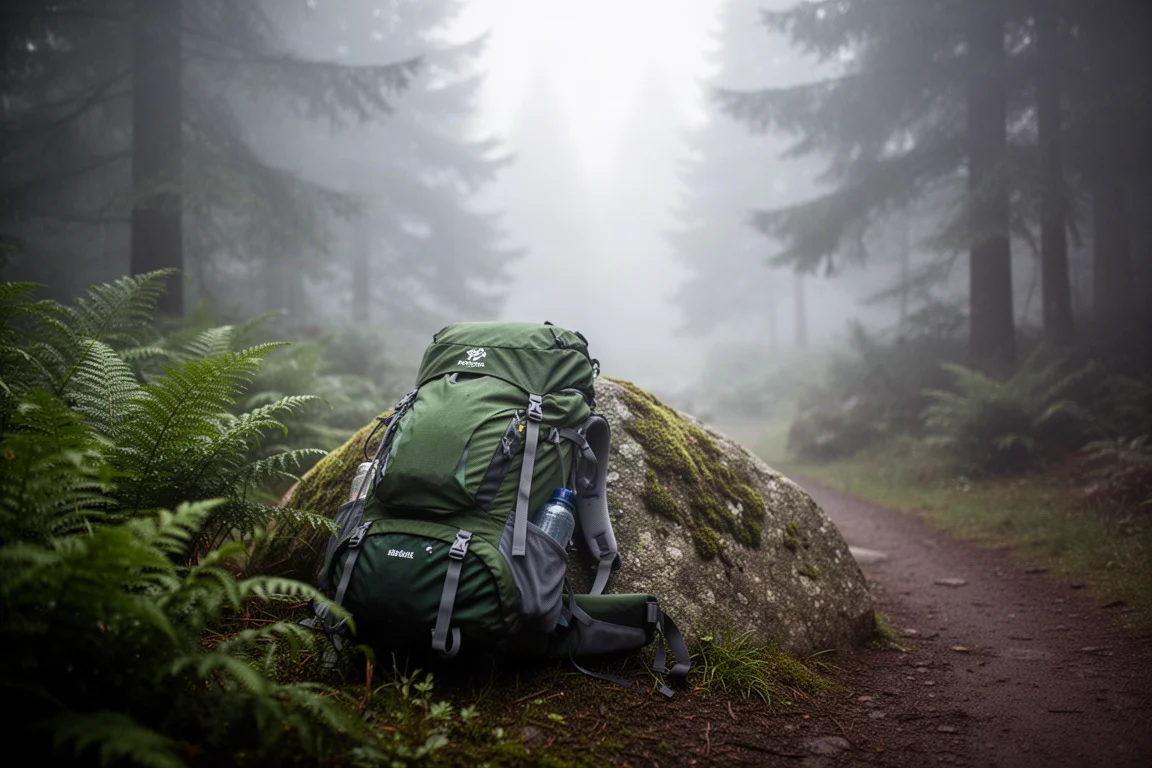
That combination is why these picks stayed in rotation instead of being replaced the following season.
3F UL Lanshan Pro: An Ultralight Tent That Punches Above Its Price
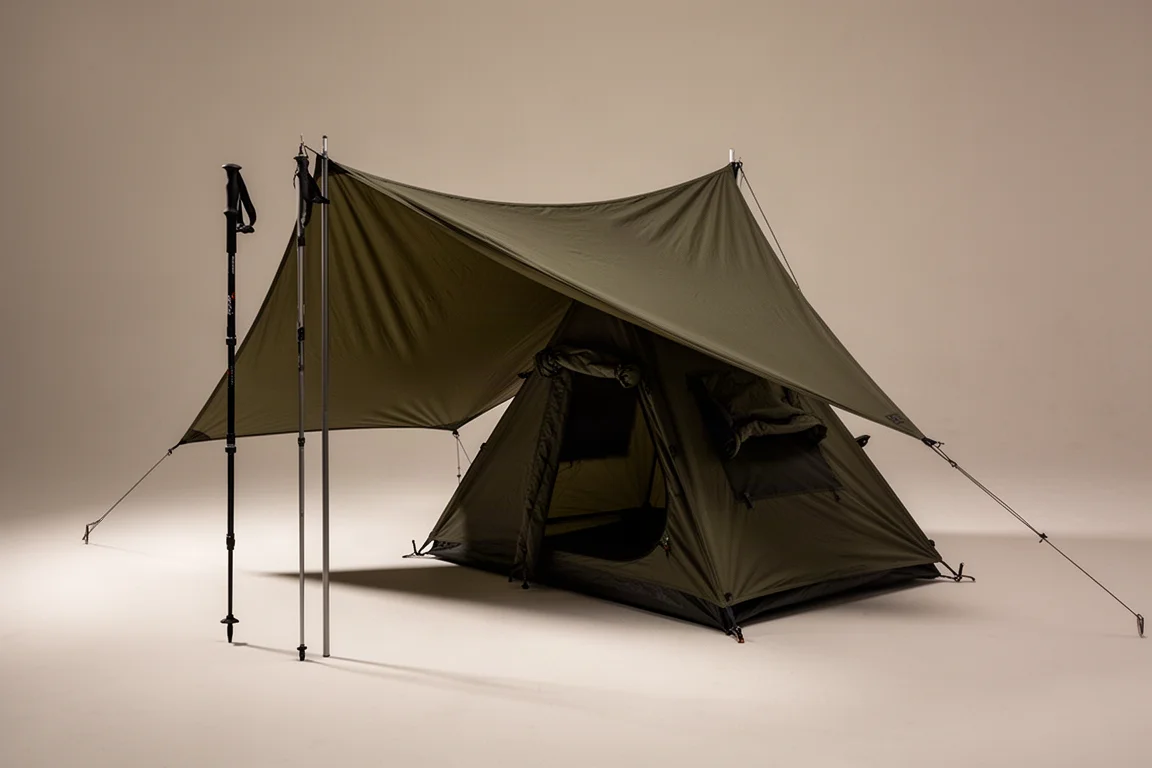
The Lanshan Pro is a single wall trekking pole tent available in one and two person versions, and both work well for backpacking. It is genuinely ultralight, which takes meaningful weight off the back on longer days, and it sets up using trekking poles that are already part of most hikers’ kits.
The bigger surprise is performance. Budget shelters usually reveal their compromises the moment the weather turns, but this one holds its own against far more expensive options, including shelters built from Dyneema and silnylon. It has been the go-to tent through a full season of use, and displacing it would take something genuinely special.
Rad Power Bikes RadMini: A Folding E-Bike for Errands and Shuttles
The RadMini is a folding electric fat bike, and it looks like a novelty until it starts replacing car trips. It handles grocery runs, visits to friends, and gym commutes several times a week, cutting driving down to only the journeys that genuinely need a car.
The more interesting use case is trip logistics. Solo travellers can drop the folded bike at the far end of a trail, hike the route, then ride back to the car waiting at the trailhead. The same trick works on water: carry an inflatable canoe, ride to the top of a river, fold the bike into the canoe, and paddle downstream. The folded size is what makes that possible.
For anyone who has cancelled a trip because the shuttle was impossible to arrange, that is the practical argument.
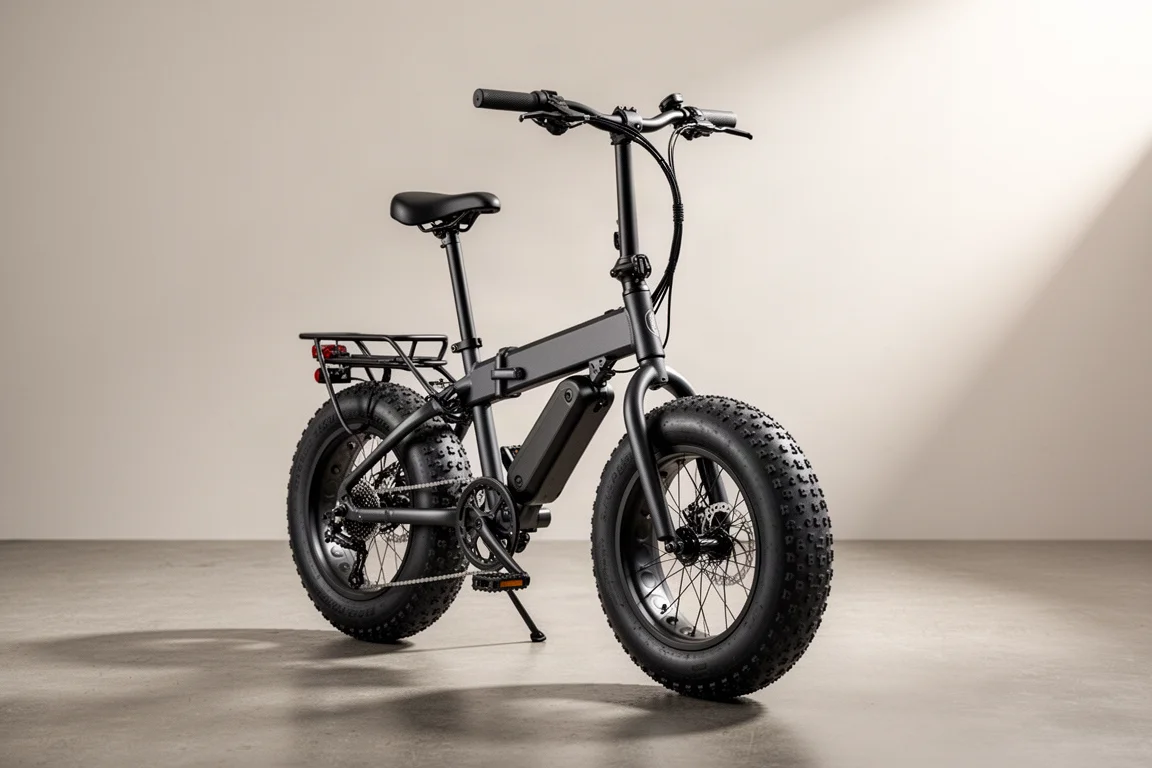
Decathlon Trek 100 Down Jacket: The Best Value in Warmth
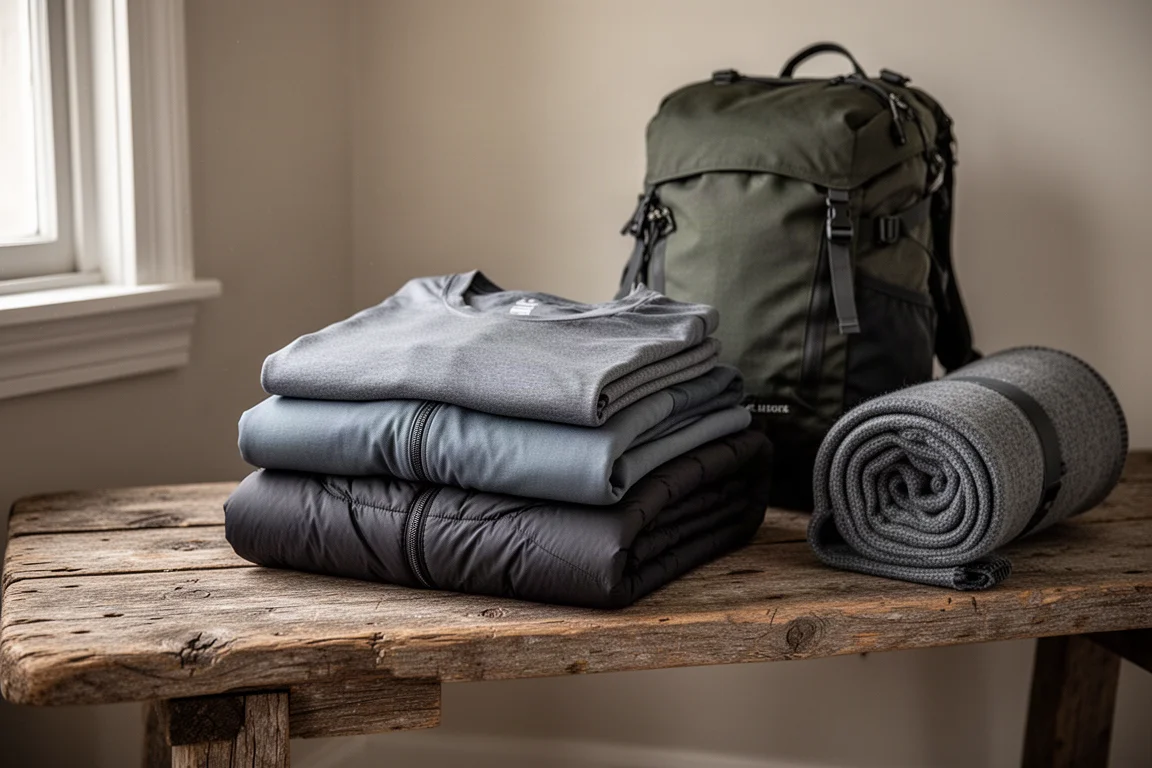
The Trek 100 is an ultralight down jacket from Decathlon, the largest sporting goods manufacturer in the world, and it remains one of the most underrated pieces of insulation on the market. At around $80 it compares directly with jackets priced at $200 to $300, and it avoids the usual budget compromises in the process.
The down is certified to the Responsible Down Standard, which matters to anyone who cares how their insulation is sourced. It is also covered by a lifetime defect warranty and a one year no questions asked warranty. For three season use it is hard to ask for more, which is exactly why it takes the top spot on this list.
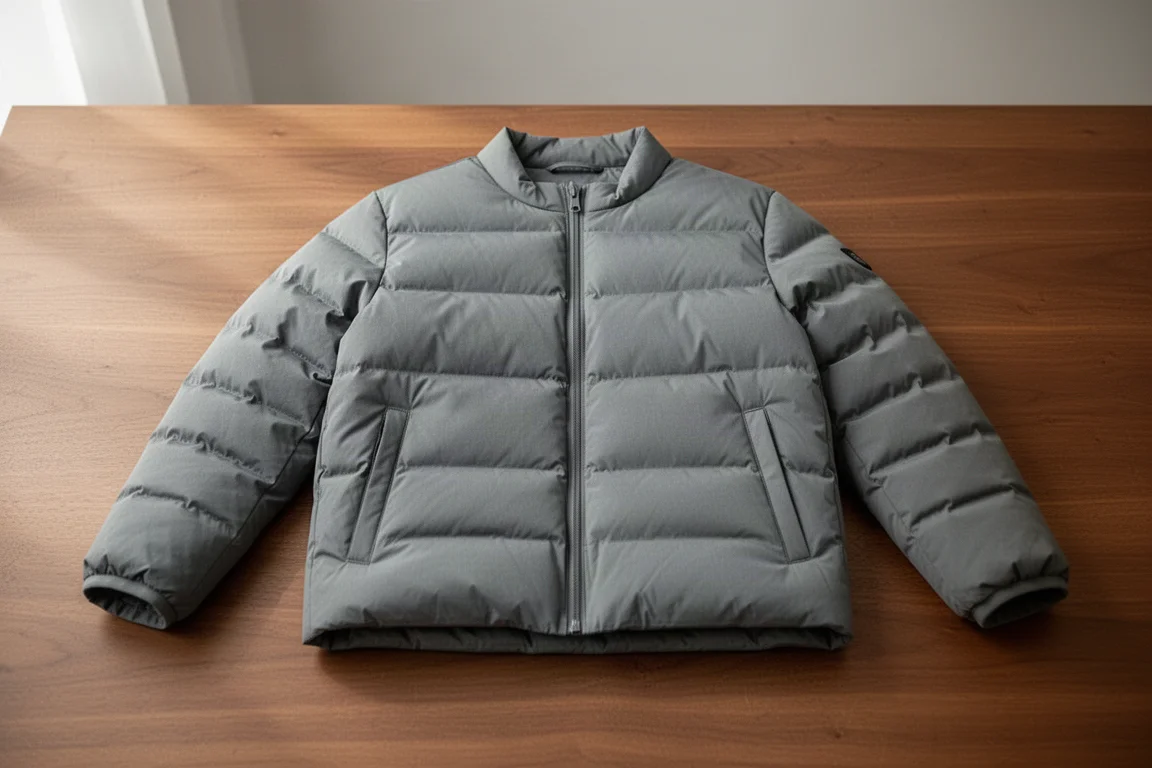
Decathlon Trek 900 Down Jacket: A Winter-Focused Option
The Trek 900 sits above the Trek 100 in Decathlon’s range and is built for winter rather than three season use. Anyone who keeps moving through cold conditions will find it the more appropriate choice, while the Trek 100 stays the better fit for milder trips.
It is a straightforward companion piece: one jacket for the shoulder seasons, the other for the coldest days of the year.
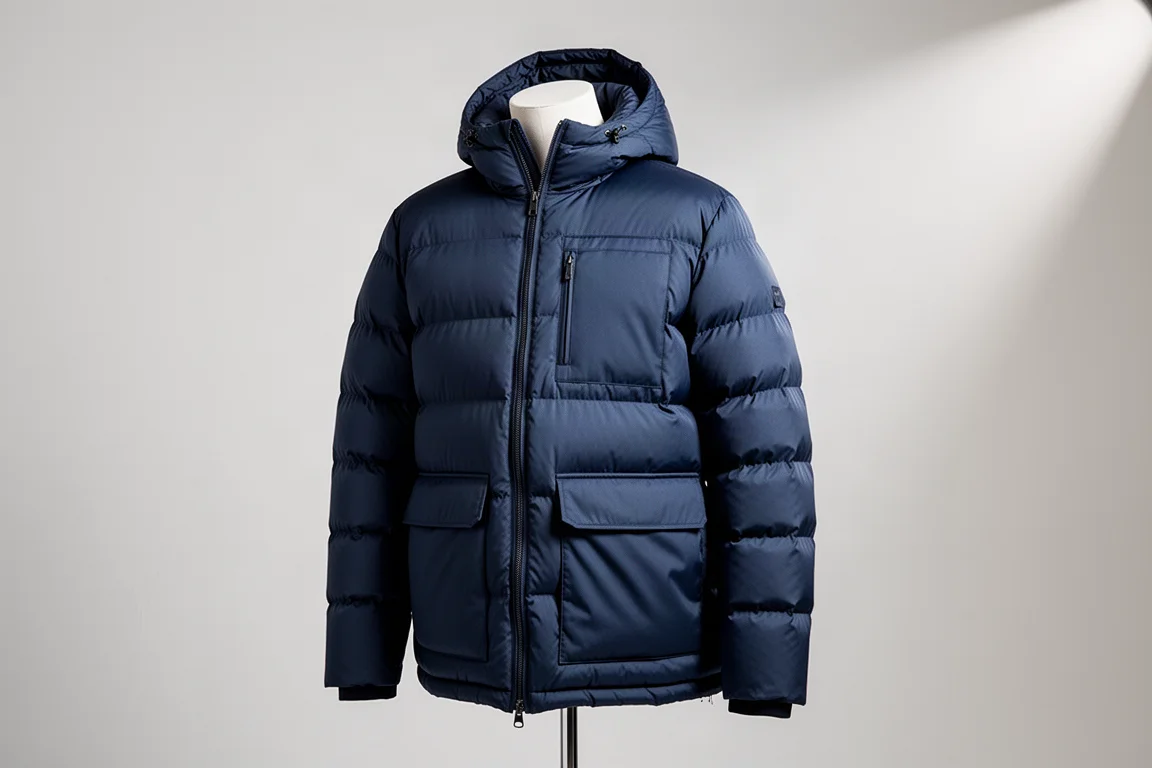
Topo Athletic Mountain Racer: Grip for Technical Trails
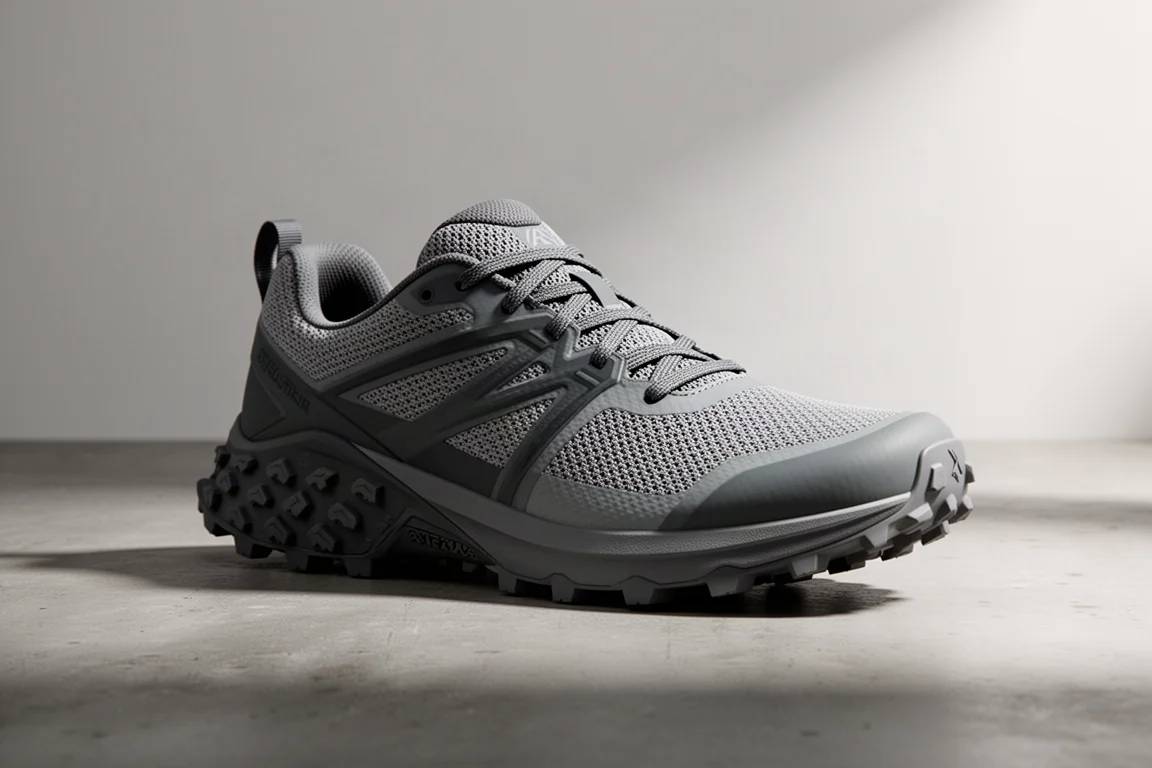
The Mountain Racer is a non-waterproof trail running shoe with a 5 mm drop and a wide toe box. That combination is a deliberate choice. Softer, more cushioned trail runners feel comfortable on groomed paths but lose composure on steep, loose ground.
The Vibram MegaGrip outsole is the standout feature. It is sticky and durable, and it holds traction on scrambly trails covered in roots and rocks where a softer shoe starts to slide. The ride is a little firmer than typical trail runners, and that firmness is what keeps the shoe stable when the terrain turns technical.
Durability has matched the grip. After roughly 200 to 300 kilometres there is no visible sign of wear, which makes this a shoe that can be trusted on long-distance routes.
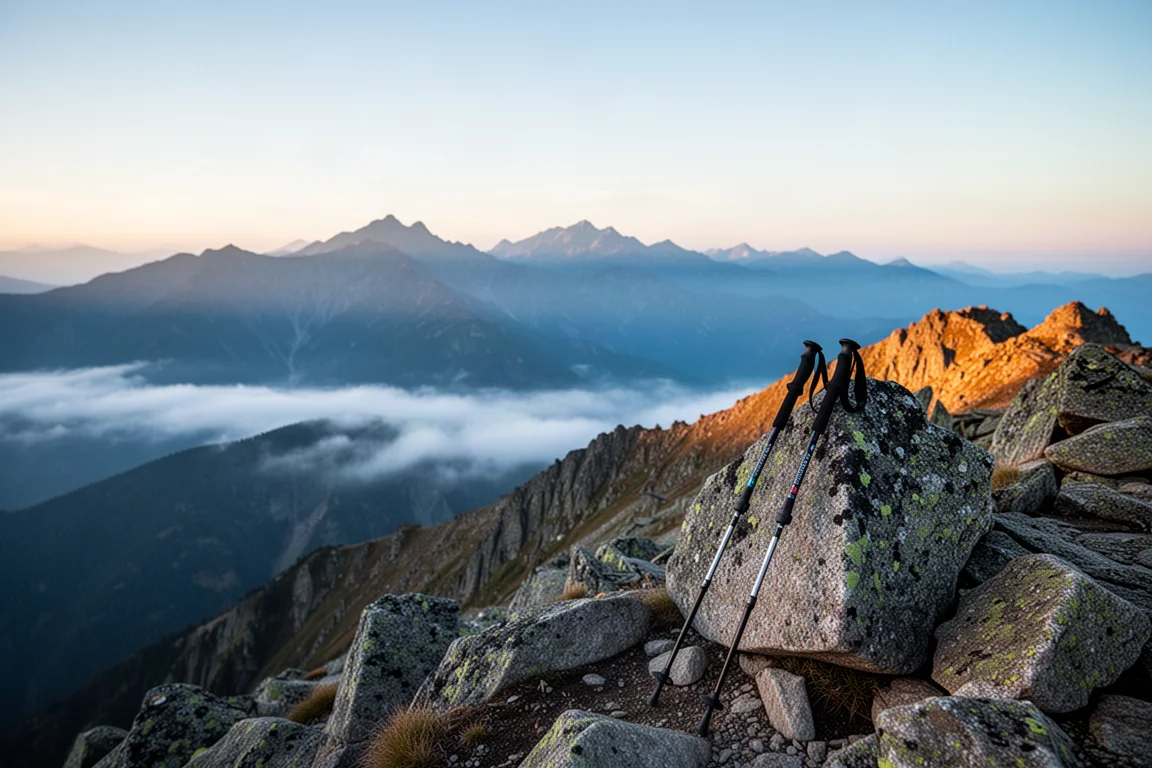
GoPro Hero8: Compact, Durable Footage on the Move
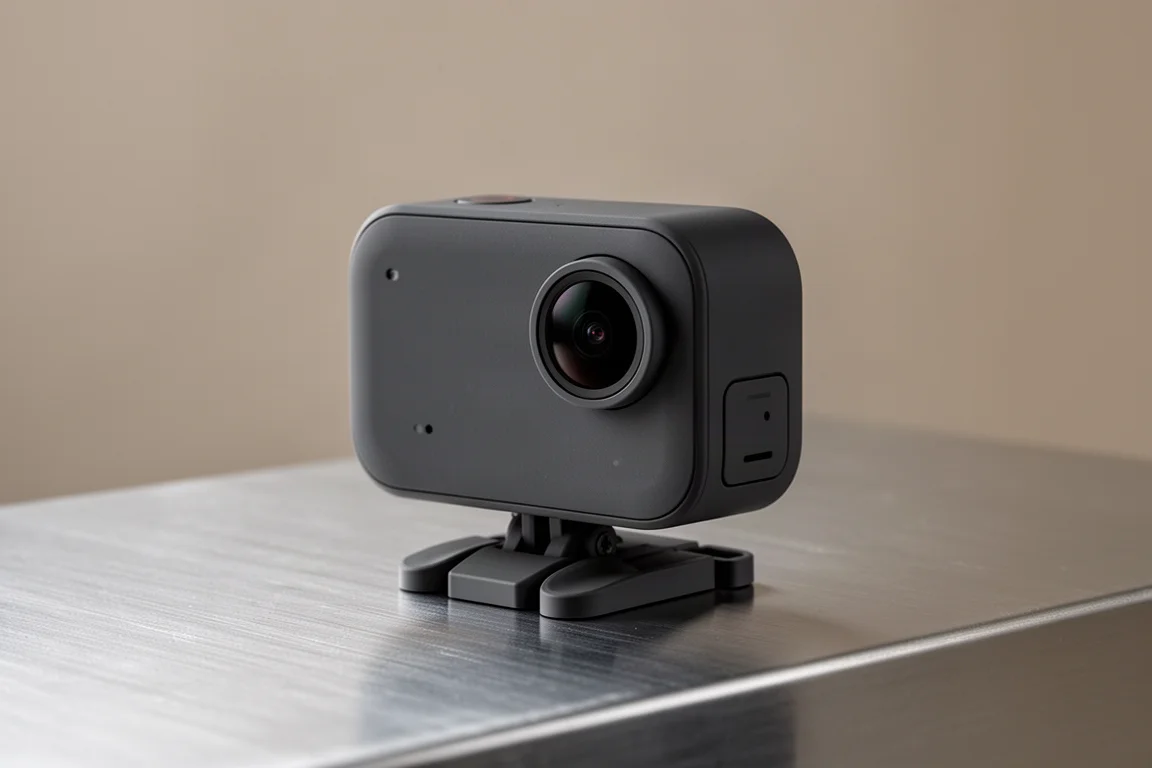
The Hero8 is a small, waterproof action camera that has become the default way to capture trips. It needs no housing, and the flip-down mounting fingers attach straight to a mount, which removes the fiddly setup that made earlier action cameras frustrating to use.
Size and toughness are the practical advantages. It slips into a pocket on a ski day, clips to a chest mount for a run, and pairs neatly with a trekking pole that has a tripod mount on top, turning the pole into a selfie stick or a ground-level tripod. That replaces a separate tripod on most trail days.
Footage quality is strong and the audio is respectable, with one caveat: wind noise is common, and small adhesive wind screens placed over the speakers cut it down considerably. Against a phone, the camera shoots better quality, survives drops and knocks, and costs a fraction of the price of the device it replaces.
Buying Advice: Matching Gear to Your Trips
The right order of purchase depends on where the friction is. Someone whose trips stall on logistics gets the most from the folding e-bike, because it removes the shuttle problem that blocks solo routes. Anyone building a first backpacking kit should start with the tent, since weight and price are the two constraints that decide whether a shelter actually gets used. Insulation comes next: the Trek 100 covers three season trips at a price that is easy to justify, and the Trek 900 is the step up for genuinely cold conditions.
Footwear and camera gear are more personal choices. The Mountain Racer suits hikers who want stability on rough ground rather than maximum cushioning, and the Hero8 suits anyone who wants durable footage without carrying a tripod or risking an expensive phone.
A useful test before buying anything: ask how many trips the item will realistically appear on over the next twelve months. Gear that answers that question with a high number tends to be the gear worth owning.
Conclusion
Five pieces of gear, one shared pattern. Each is affordable relative to what it delivers, light enough to carry without a second thought, and durable enough to survive a full season of real use. The Trek 100 down jacket sits at the top of the list because it makes warm, comfortable backcountry trips accessible at a price that is hard to argue with.
None of these picks require a specialist to enjoy. They simply remove small obstacles, whether that is pack weight, a missing shuttle, cold mornings, slippery trails, or fragile camera gear, so more of the trip is spent outside.
Further reading
Related Reviews
Outdoor Gear
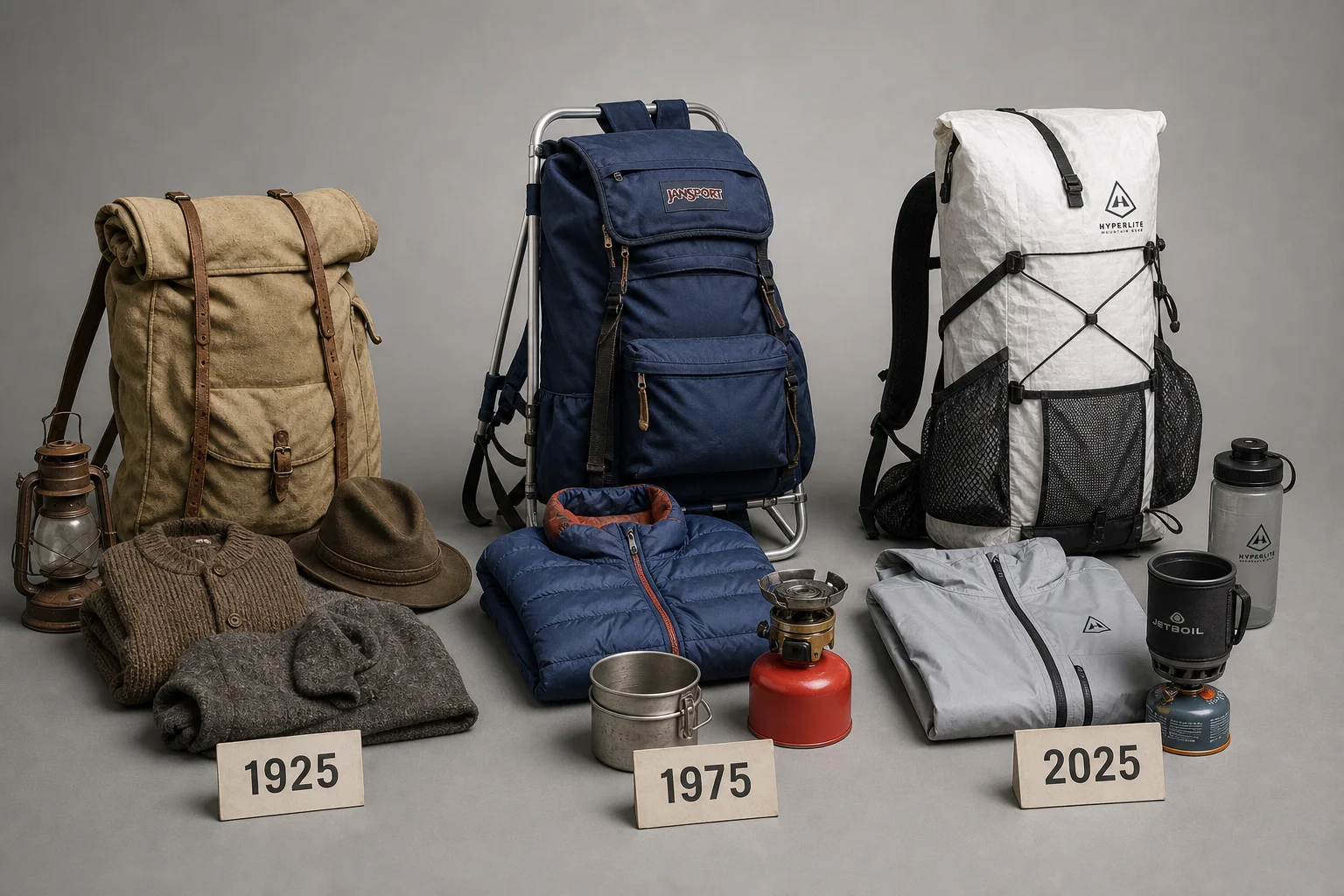
Backpacking Gear Evolution: 100 Years of Technology Compared
We tested backpacking gear from 1925, 1975, and 2025 across a three-day hike in Yosemite. Here's how technology has transformed comfort, weight, and the outdoor experience.
Outdoor Gear
Best Affordable Hiking Watches: Five Rugged Options for Outdoor Adventures
Five durable hiking watches that balance ruggedness, functionality, and value for outdoor enthusiasts who need reliable GPS tracking and weather resistance.
Outdoor Gear
Best Backpack Coolers 2026: Five Practical Options for Outdoor Adventures
Five backpack coolers with distinct cooling capabilities, storage features, and design trade-offs to help you choose the right one for your outdoor needs.