Fountain Pens
Favorite Luxury Fountain Pens, and Why Small Makers Deserve a Look
A personal take on Pelikan's M1000 and M800, Montblanc's 146 and 149, and the case for putting smaller pen makers ahead of the big brands for your next purchase.
Introduction
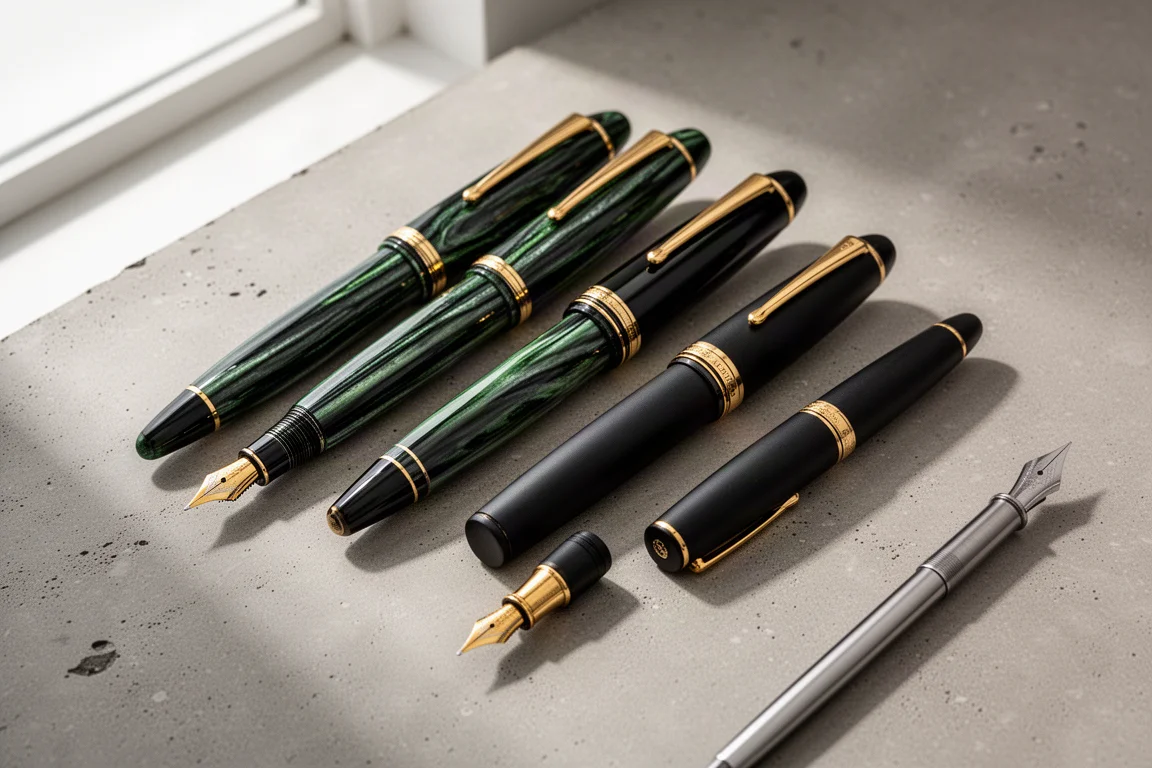
Every so often the question of favorite pens comes up, and it is worth expanding it beyond a single brand: a favorite Pelikan, a favorite Montblanc, and the honest reasons why someone can admire a pen, recommend it, and still not own it. The short version: the classics are genuinely great, but ownership is a different question from appreciation. Having owned the M1000, M800, 146, and 149 at various points, the conclusion that has emerged over the years is simple: big-brand flagship pens are not the only path to a great writing experience, and for a next pen after your first starter, small makers increasingly make a stronger case.
Pelikan M1000: The Nib I Love Without Owning
For Pelikan, the favorite is unambiguous: the M1000. The nib is special. It is not only huge, it is soft and yields a little under pressure, which makes it wonderful to write with. Even with a regular broad, the M1000 nib is a pleasure, and the discontinued fancy nibs like the triple broad were fantastic. The green striated finish is a beautiful classic design that would not look out of place in a film set in the 1950s, even though the pen is modern-made.
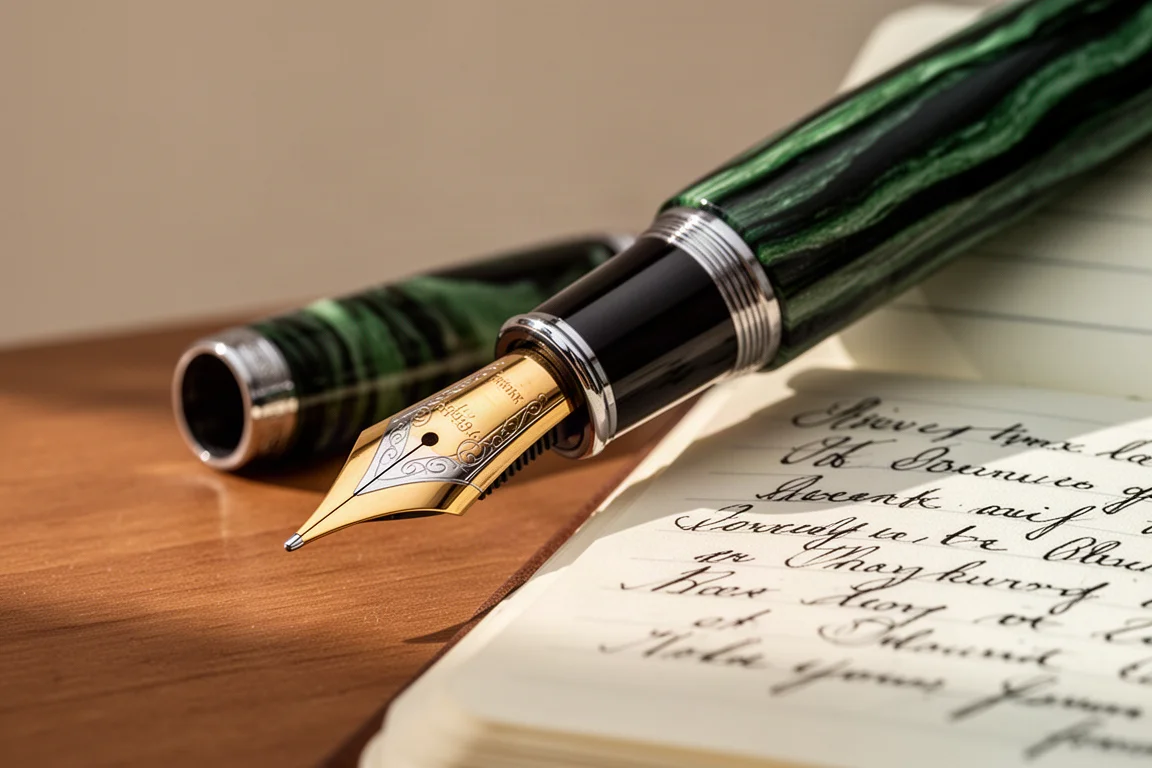
So why not own one? The pen has been owned and sold, and there was no looking back. It comes down to need: there are other pens with equally great or better nibs in the collection, the finish is admired but not loved personally, and a giant pen that only gets used occasionally is not earning its place. If you want one and it makes you happy, buy it. It just is not a mandatory piece of a collection, whatever anyone says.
Pelikan M800: The One That Works for Everyone
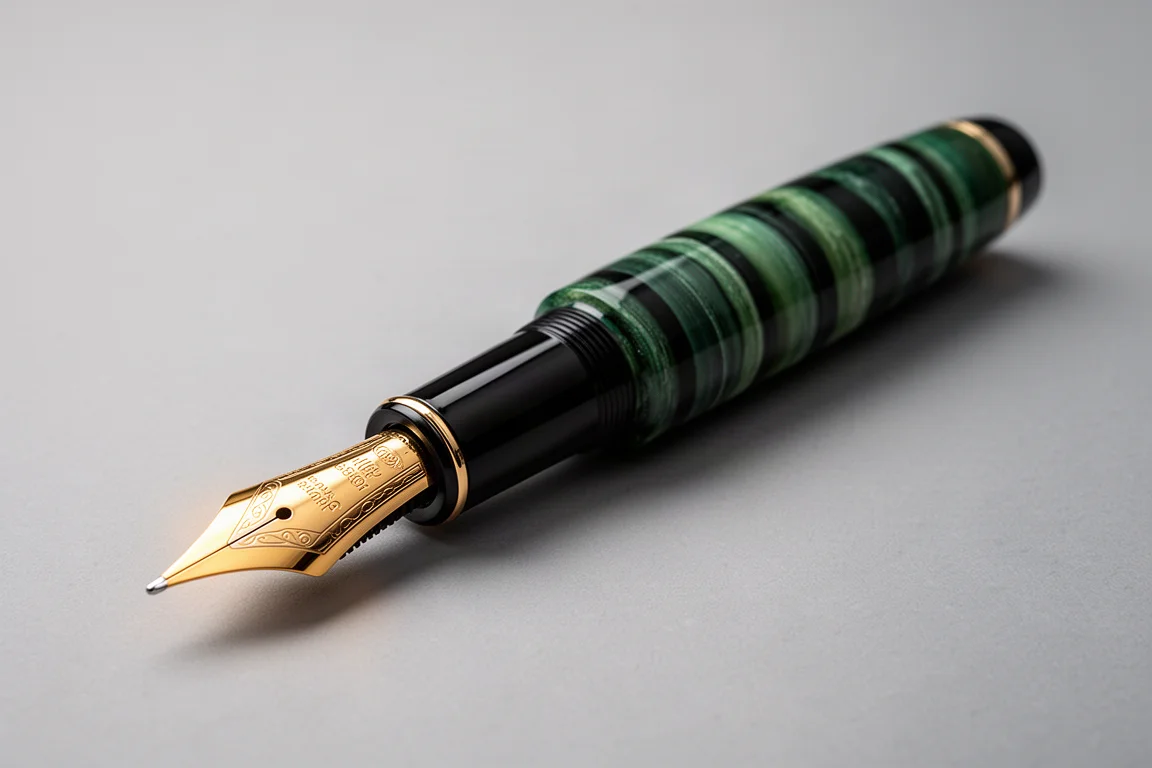
The M800, one step below the M1000, is widely described as the perfect Pelikan for most people, and it is the standard recommendation in at least one well-regarded fountain pen book written by someone who grew up in a pen shop. That reputation is earned: the size suits most hands, the design is timeless, and the pen simply works.
This is the Pelikan most people should actually consider. It captures most of what makes the brand appealing without the extreme scale of the M1000. Broader Pelikan nibs have occasionally shown inconsistency, such as over-polishing, but many examples are absolutely beautiful writers. You win a few, you lose a few.
Montblanc 146 and 149: Classic, With Caveats
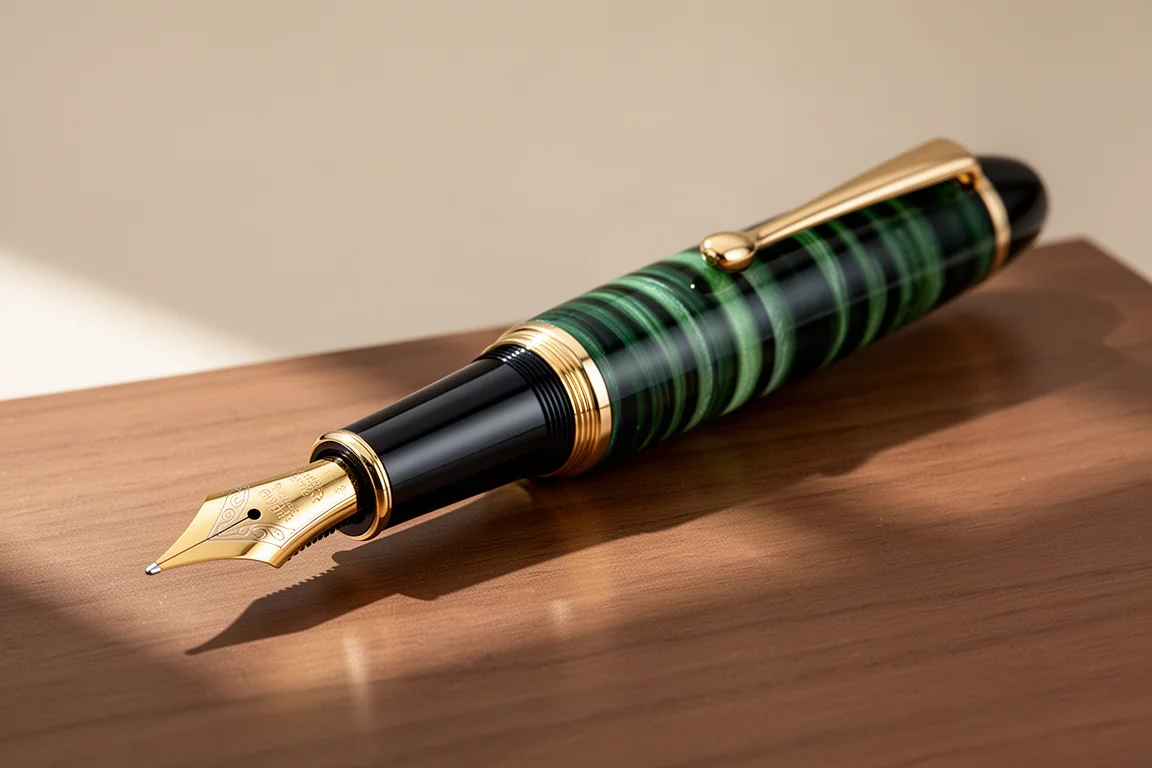
For Montblanc, the surprise pick is the 146 rather than the 149. The 146 is more comfortable in size for most hands, and it may genuinely be the perfect pen for most people. The 149 has the cooler nib, it is bigger with a number 9 nib, but it is also girthier and the black-and-gold cigar design, while timeless, can feel a little boring to some eyes. That is a matter of taste, and classic does not mean wrong.
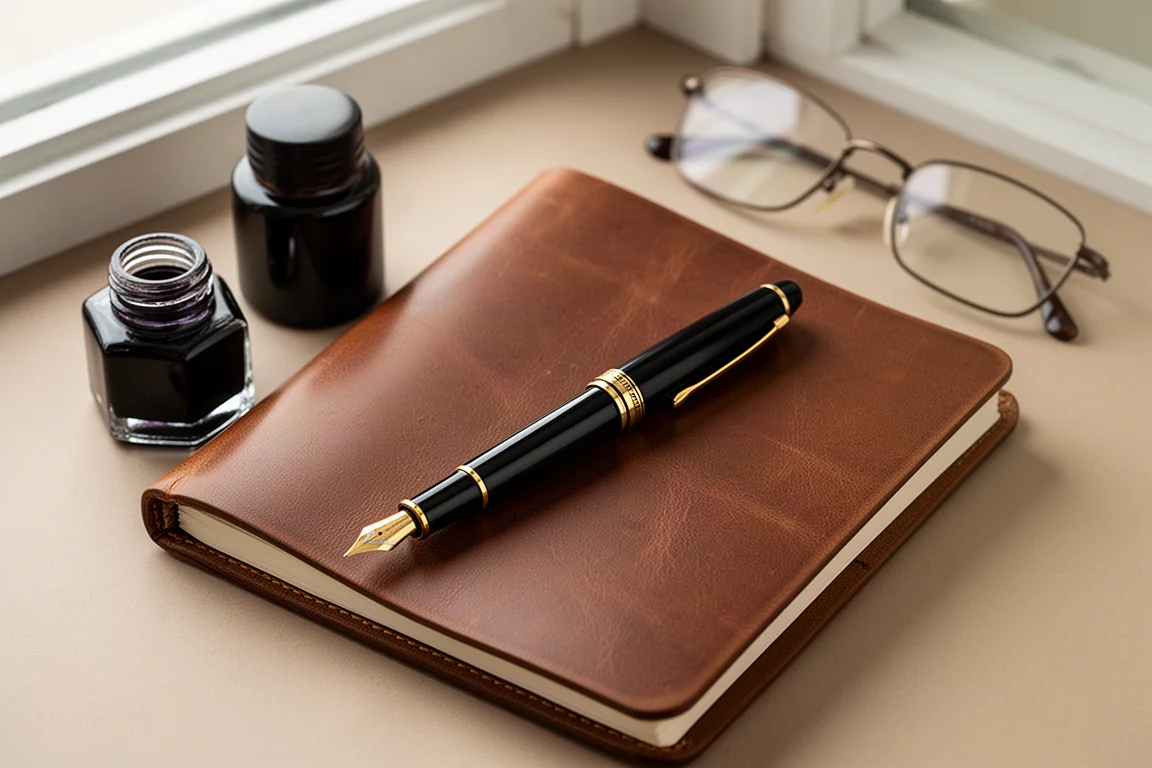
Two practical caveats matter here. First, nib quality from Montblanc has occasionally been inconsistent, with issues experienced despite the supposedly perfect reputation, though plenty of examples are excellent. Second, service: sending a pen in for repair is not easy, with a flat rate just to look at the pen, and you pay for repairs and parts on top. That is worth factoring in before buying into a flagship.
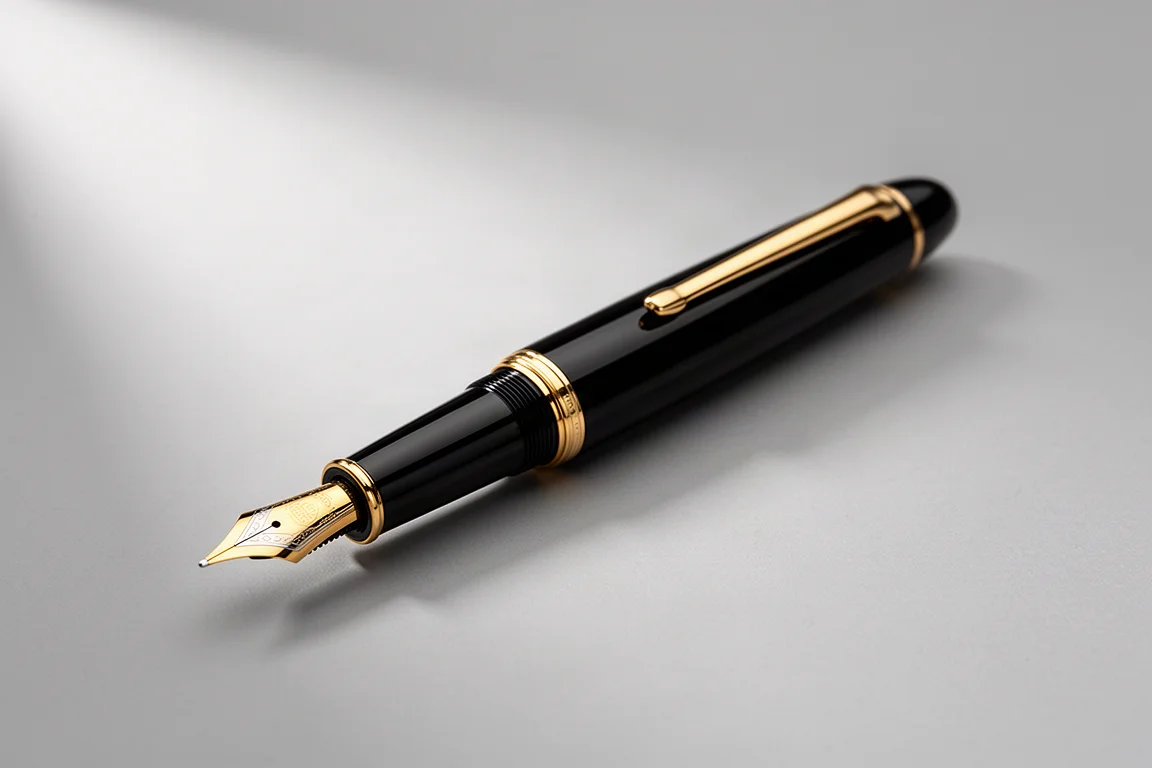
The 149 suits writers who want maximum nib presence and do not mind the heft. A vintage 149 with older nib styles would be an appealing historical piece, but that is a different purchase from a modern-made pen.
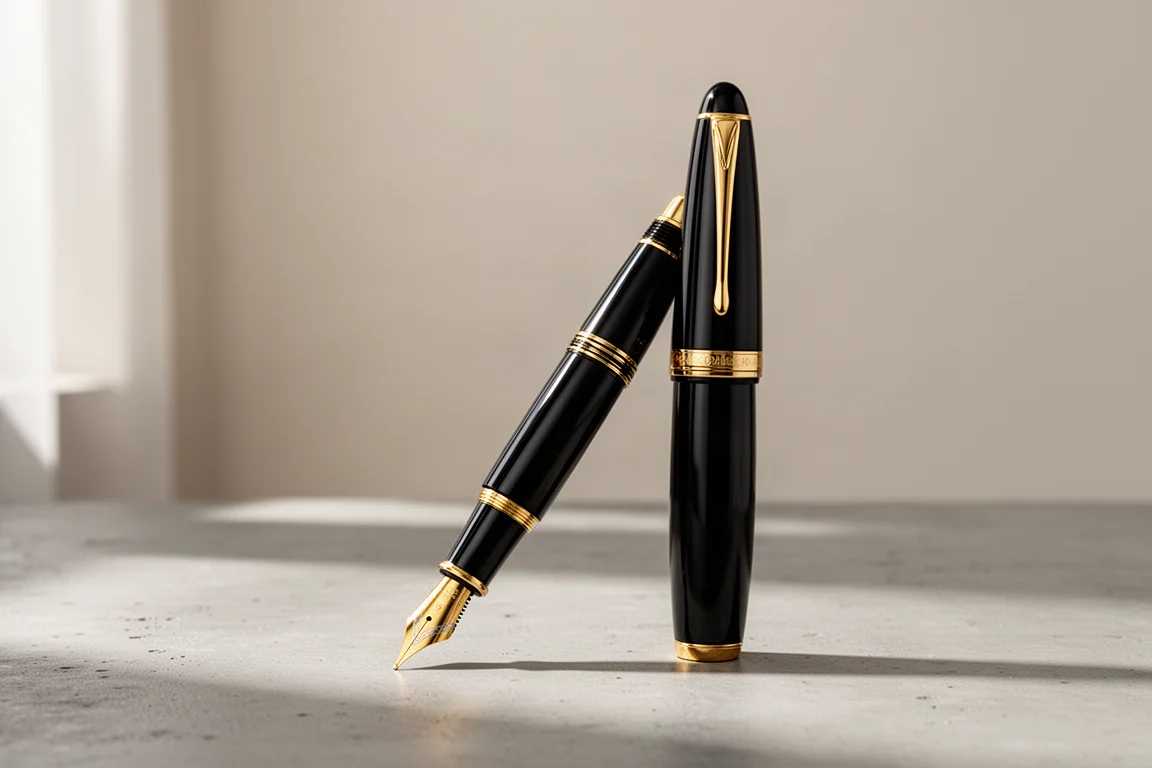
The Case for Small Pen Makers
Over the past couple of years the thinking has shifted, and the reason is value and care. Big companies charge enormous amounts for largely machine-made pens churned out in huge quantities, and while some nib tuning does happen, the comparison with small makers is stark: independent makers produce work with far more hand involvement, often for a fraction of the price.
One example that stands out is a pen from a small maker with what are arguably the best threads ever seen on a pen: the cap unscrews and the barrel transitions into the section with almost no step, so smooth you barely feel the ribs. It has a fun push-style filling system, beautiful material, and costs a fraction of a 146 or M800.
Edison Pen Company deserves a specific mention. After breaking a cap through sheer carelessness, the maker replaced it with no charge, because the policy is simple: they want you happy. That mentality, a small company standing behind its work, is something a mass producer with flat repair fees and paid parts simply cannot replicate. And if a cap cracks on a small-maker pen, the person who made it can usually make you a new one.
Conid Kingsize: A 149 Alternative Made to Perfection
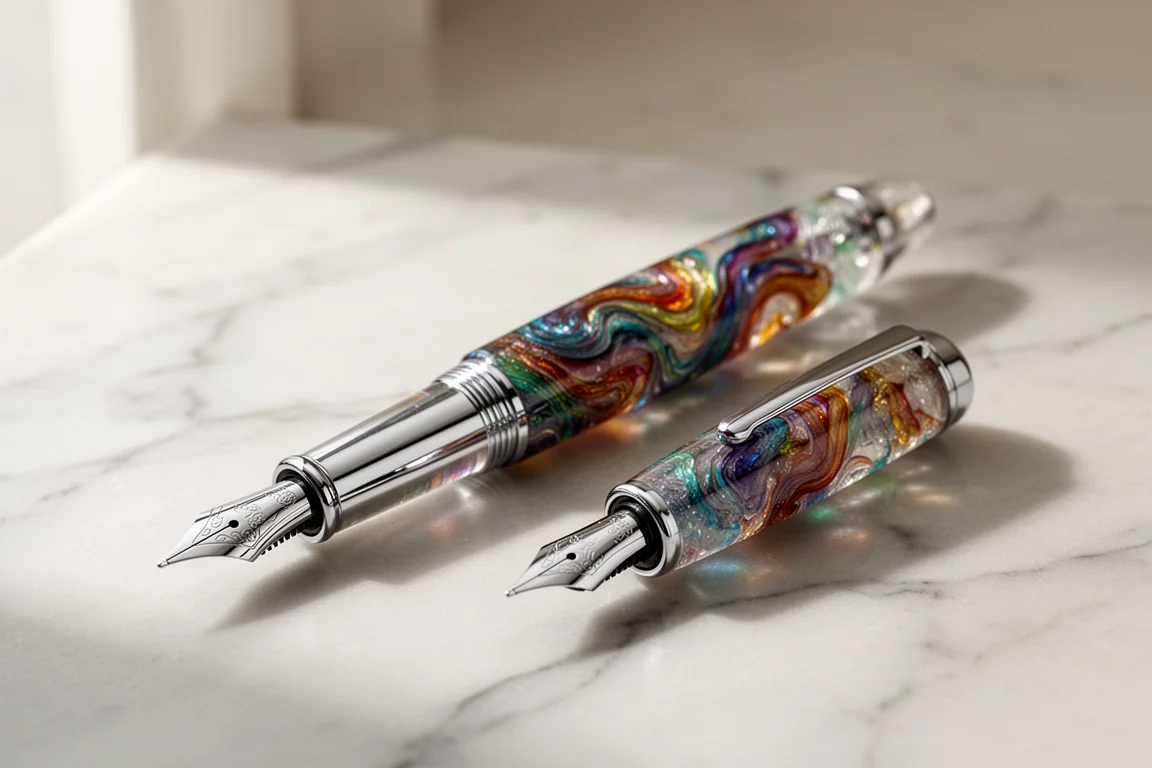
Conid in Belgium sits at a slightly bigger scale than a one-person workshop, and it comes with honest caveats: their pens can be difficult to get, and waits can run longer than anticipated. The Kingsize was worth the wait. In shape and size it is essentially a 149, but beautifully and perfectly made, and it gets inked up several times a year, almost continuously, because it is simply loved.
If an issue ever arises, contacting Conid and getting it sorted feels like a realistic expectation. That kind of relationship is part of what makes supporting smaller companies feel more meaningful than buying the biggest mass-produced flagship.
First Pens and Next Pens
For a first fountain pen, the advice has not changed much: Lamy Safari remains a good bet, and so does the Pilot Metropolitan. Neither is expensive, both write reliably, and both are easy to find. Starting sensible leaves room to discover what you actually like in a pen before spending serious money.
The more interesting shift is in the recommendation for a next pen. Where the answer used to be something like the Lamy 2000, the advice now is to go to a small pen company instead. Look at their lineup, find something you like, and buy with confidence: they will set you up with a pen you love using, and if not, they will fix it until you are happy. That is nearly a guarantee, and it beats a flagship every day of the week.
Buying Advice
If you are drawn to the classics, the Pelikan M800 and Montblanc 146 are the safest flagship-tier picks for most hands, with the M1000 and 149 reserved for writers who genuinely want maximum size and nib presence. If your first pen is behind you, seriously consider a small maker before defaulting to a big-brand upgrade. Check their lineup, be patient with wait times where they exist, and you will likely end up with a pen that is more personal, better finished in the details, and backed by someone who actually cares whether you are happy.
Conclusion
The classics earn their reputations: the Pelikan M1000 nib is genuinely special and the M800 works for nearly everyone, while the Montblanc 146 may be the most comfortable flagship of all. But appreciation and ownership are different things, and the strongest value, finishing, and aftercare in today’s fountain pen market increasingly come from small makers. Start with a Safari or Metropolitan, then make your next pen a personal one.
Further reading
Related Reviews
Fountain Pens
Best Budget Fountain Pens Tested: 9 Pens, One Clear Winner
A hands-on comparison of nine affordable fountain pens for everyday writing, calligraphy, and sketching, with a clear standout for flexible nib fans.
Fountain Pens
Aurora Optima Review: An Italian Piston Filler That Punches Above Its Price
A 14k gold nib, ebonite feed, and a beautifully deep oraloid body make the Aurora Optima one of the most rewarding piston fillers around.
Fountain Pens
Cross Bailey Light Review: The Entry-Level Fountain Pen Worth Keeping at the Office
A plastic-bodied Cross with a metal clip, snap cap, and famously smooth extra fine steel nib. Around $15, available almost everywhere, and easy to recommend.