Camping Gear
Favorite Camping Gear for Family Trips: 8 Pieces Worth Packing
Eight camping favorites for family trips, covering portable power, family shelter, sleep comfort, camp organization, and a small tabletop fire pit.
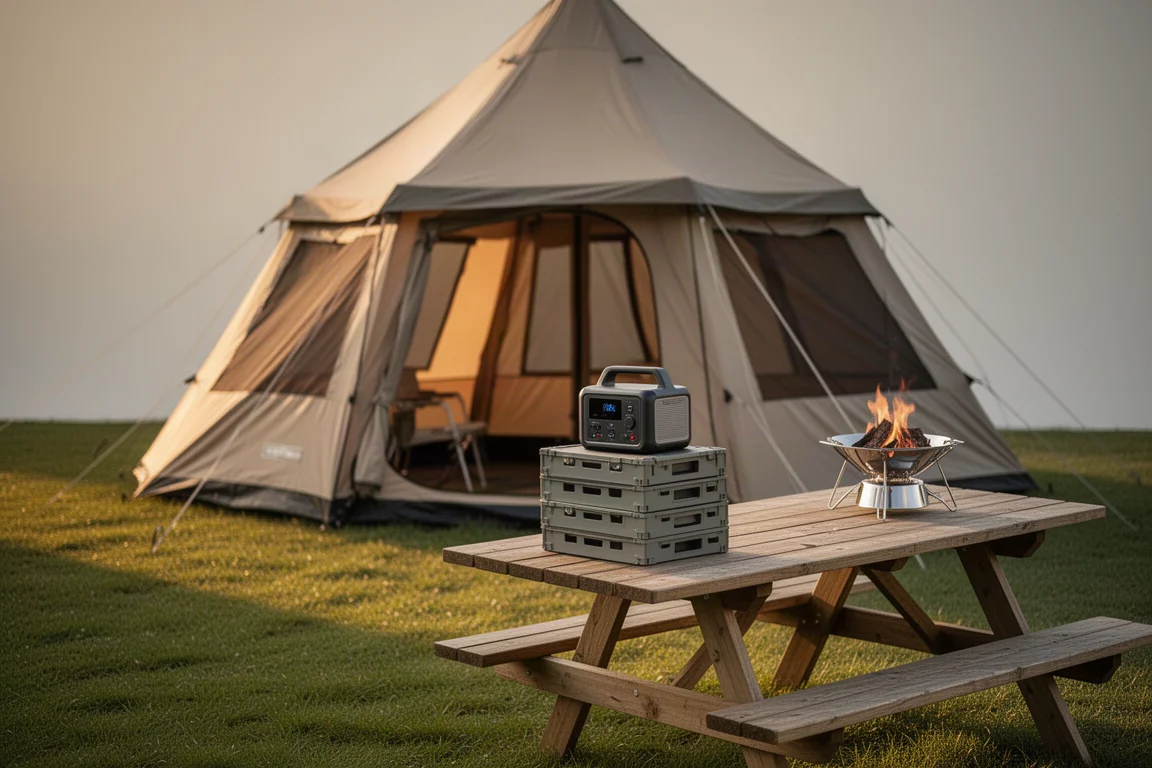
Introduction
Family camping gear has to do more than survive a weekend. It has to keep phones charged, keep food cold, give everyone room to stand up and change, and make bedtime feel less like a compromise. The eight pieces below earned their place across a run of family trips, and each one solves a specific problem instead of adding to the pile of things that never leave the garage.
They fall into four rough groups: portable power, shelter, sleep comfort, and the extras that make camp feel organized and social. None of them is the right answer for every trip, and the trade-offs are worth understanding before you spend.
Bluetti EB3A: Small Power Inside the Tent
The Bluetti EB3A is the smaller of two portable power stations here, and its role is narrow but genuinely useful: keeping small devices topped up inside the tent. A wireless charging pad sits on the top surface, so a phone can rest on the unit and charge without hunting for a cable, and the overall footprint is small enough to work like a bedside table next to a sleeping pad.
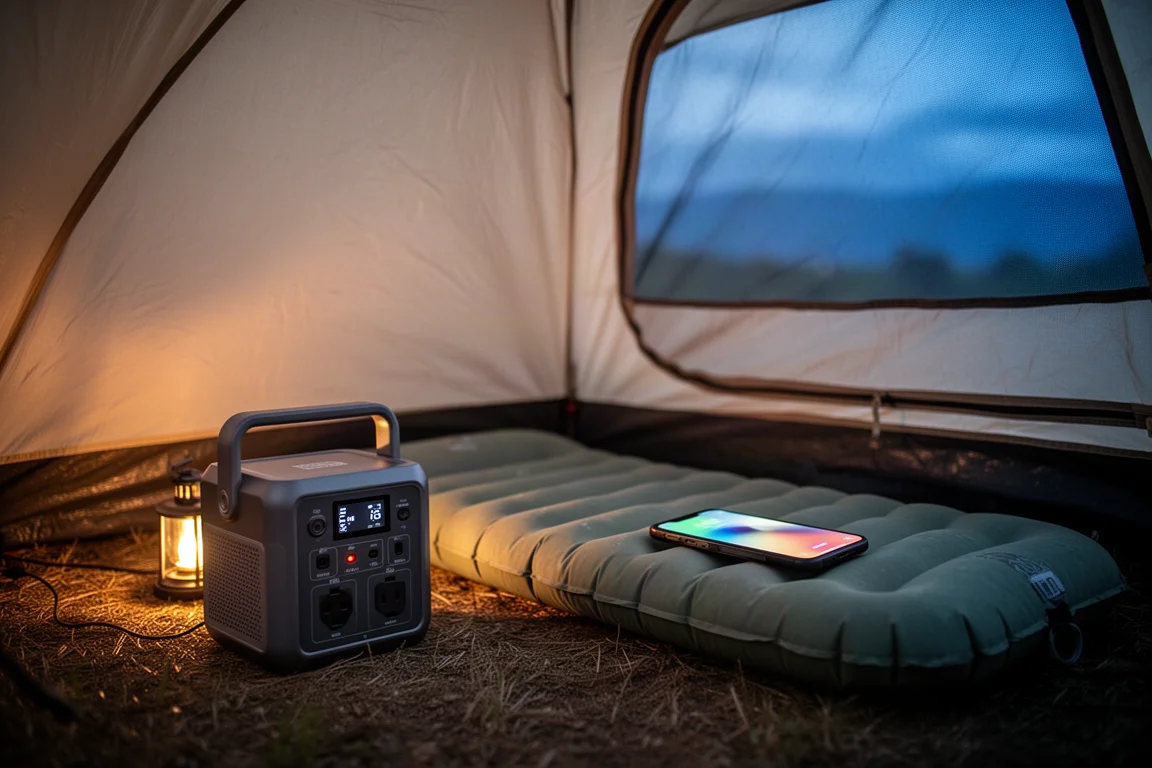
That convenience adds up over a trip. Phones that shoot photos and video all day need a dependable overnight top-up, and a tablet can keep a family movie running before the kids settle down for the night. Because the EB3A is compact, it stays inside the tent rather than in the vehicle, which means fewer walks out to the car after dark.
Think of it as a short-trip companion. It handles phones, tablets, and other small electronics comfortably, and it makes the most sense when the goal is convenience rather than running appliances.
BioLite BaseCharge 600: Weekend Power for the Car
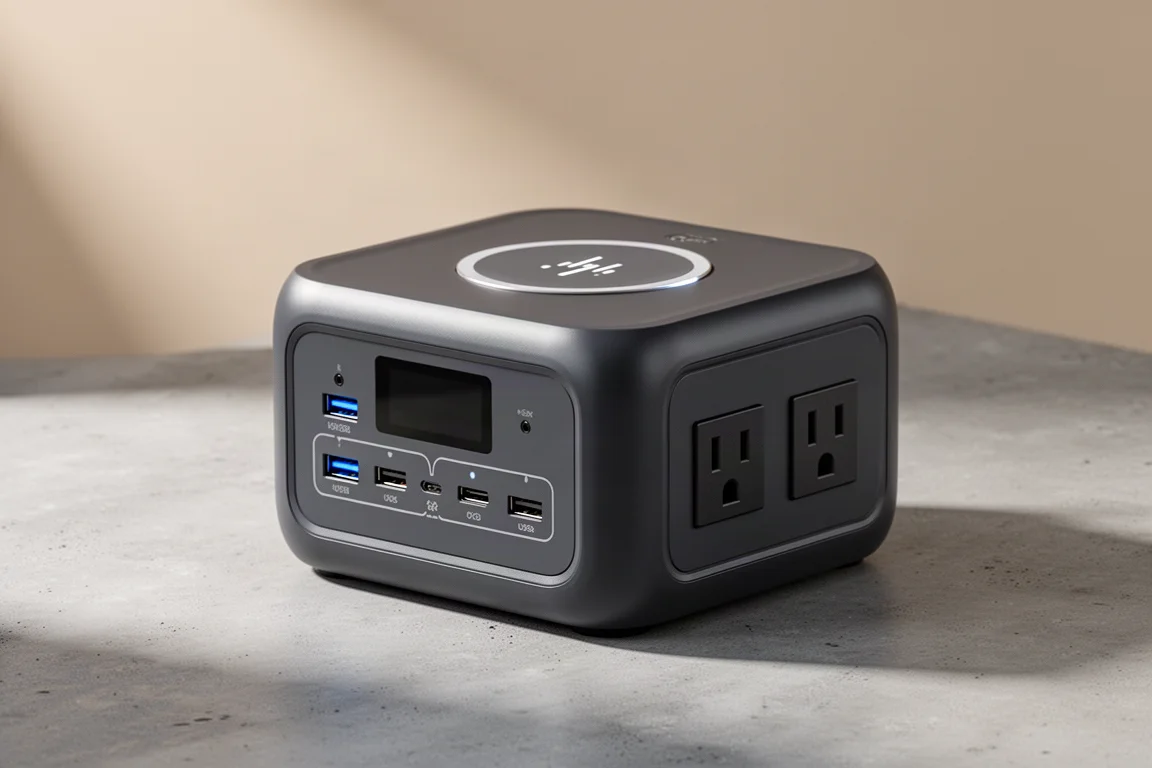
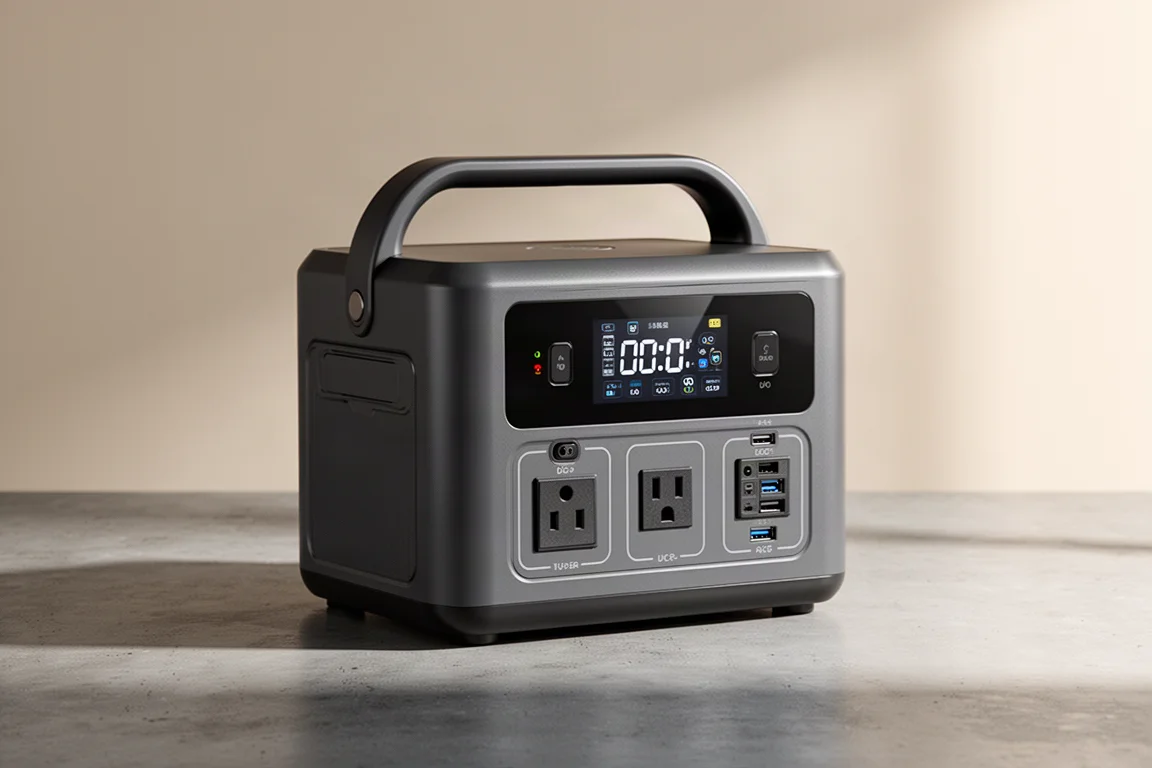
The BioLite BaseCharge 600 is a larger 600 watt-hour power station, rated at 622 watt-hours, and it lives in the back of the car. A DC port on the front feeds a 12-volt refrigerator, which is the difference between fresh food on day three and a cooler full of melted ice. The screen shows port status and power information in detail, and the unit can recharge from a 12-volt socket while you drive.
That charging behaviour is the standout. Across recent trips the station has stayed topped off and has not dropped below 50 percent, even with a refrigerator drawing power. Charging through the 12-volt socket has been fast enough that a drive to a trailhead becomes useful charging time rather than dead mileage.
The display also tracks watt-hours used, roughly like an odometer for a trip. That turns an abstract capacity figure into something practical: you can see how much energy a weekend actually consumes and judge whether one station covers your setup or whether a longer trip calls for a second unit or a larger model. The BaseCharge 600 is new to the market and holds its own in a category full of established options.
Nemo Aurora Highrise 6-Person Tent: Standing-Room Family Comfort
The Nemo Aurora Highrise 6-Person Tent is the piece that changes how a family trip feels. It is a cabin-style tent with a large front opening, a hybrid double-wall and single-wall construction, and big side windows with flaps that close over them. A second door at the back gives an easy way in and out, and the front door panel can be pitched out with extra cordage and guylines to work as an awning over a decent-sized vestibule.
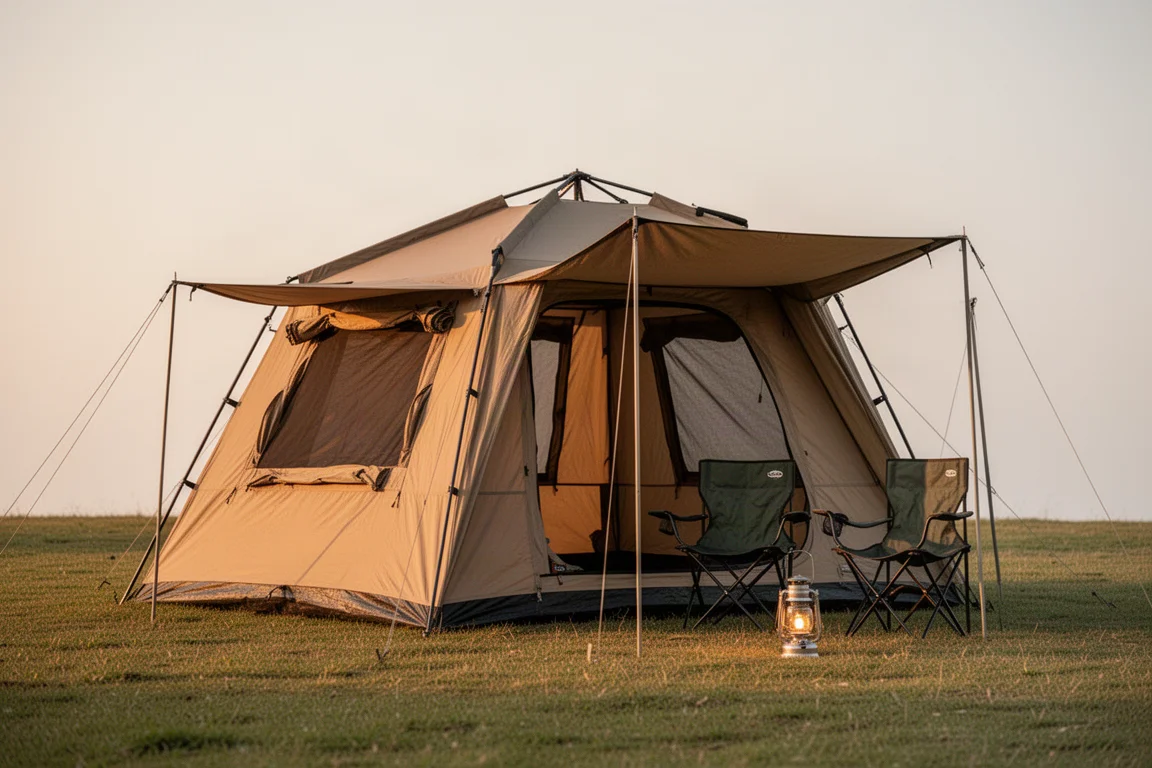
Inside, the headline feature is height. There is enough standing room for an adult to get changed and move around without crouching, and the pole structure creates vertical side walls that add usable living space instead of tapering it away. Attachment points make it easy to hang a lantern, and pockets in the corners keep small items off the floor.
The four-zipper front door drops all the way to the ground, which makes loading and unloading gear much easier. In practice the tent holds two adults and three kids with room left for bags and thick self-inflating pads, and the openness keeps a full tent from feeling crowded.
Big Agnes Spicer Peak 6-Person Tent: A Straightforward Dome
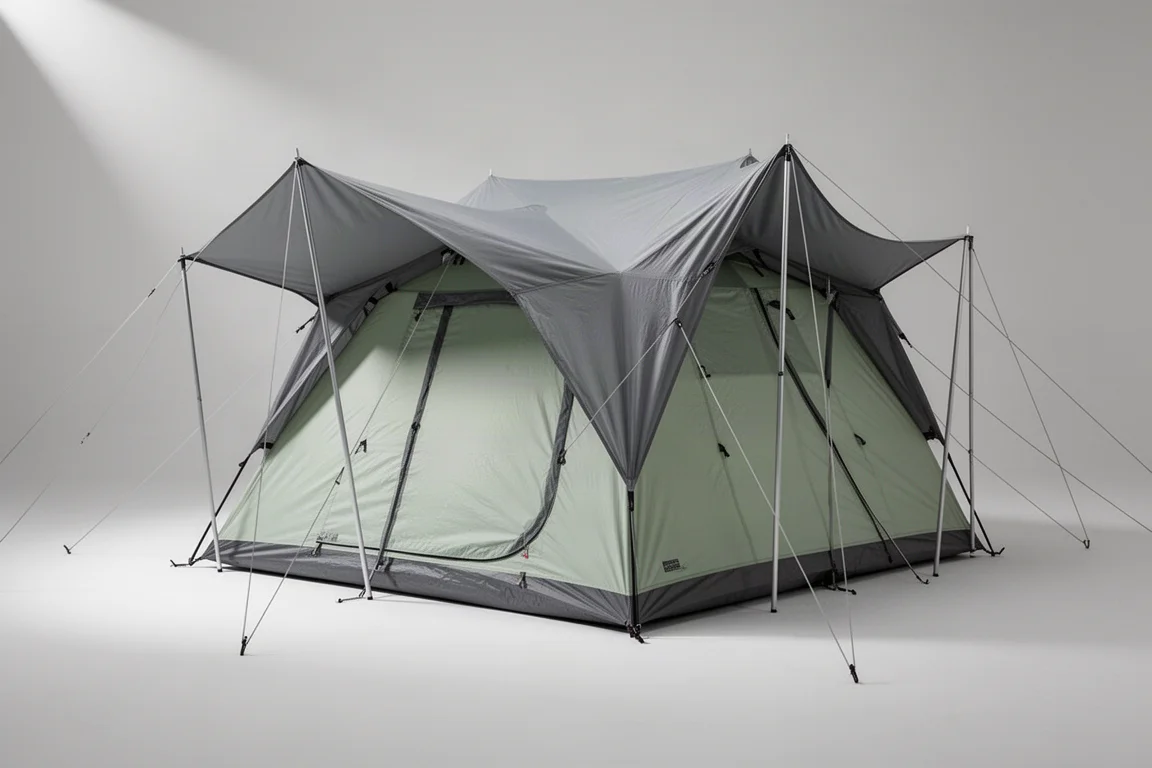
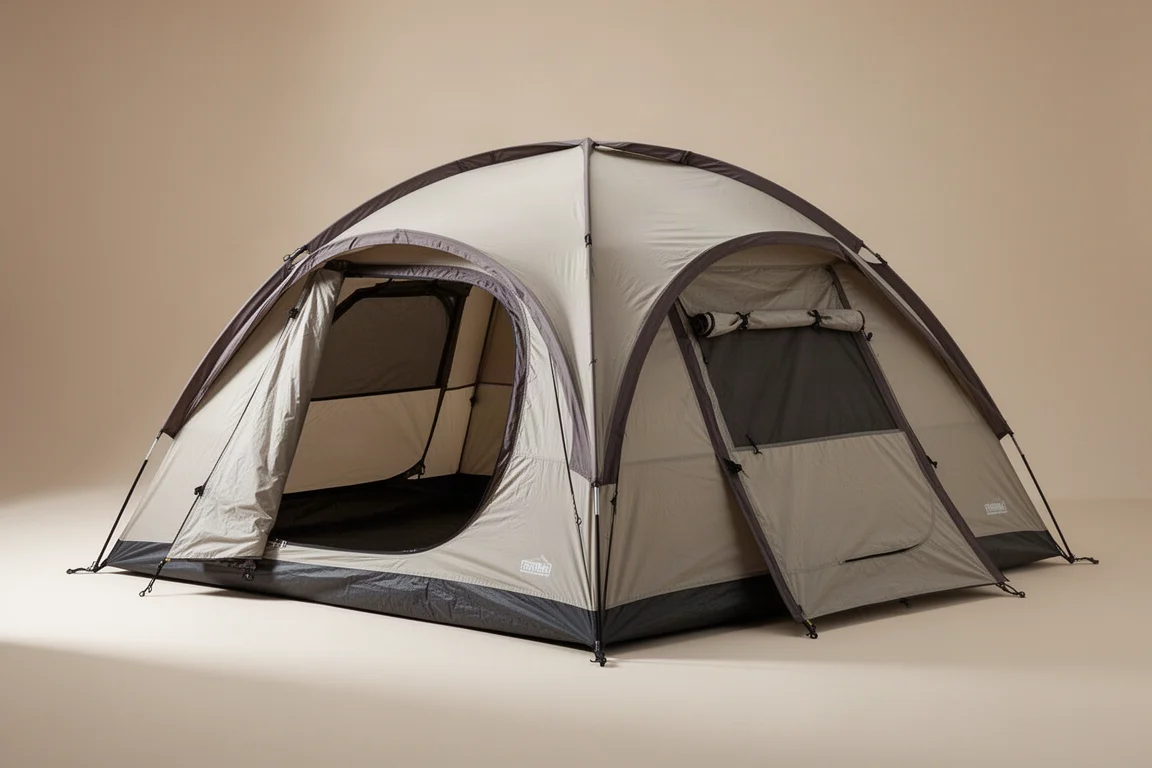
The Big Agnes Spicer Peak 6-Person Tent takes a different approach. It is a large dome rather than a cabin, so it does not have the vertical side walls that maximize standing space, and it feels more enclosed as a result.
Both tents sleep six, but the interior feel is noticeably different. For families who prefer a simple, familiar dome shape and do not need to stand up inside, that trade-off may be perfectly reasonable.
Zen Bivy Double Bed: A Sleep System Built for Two
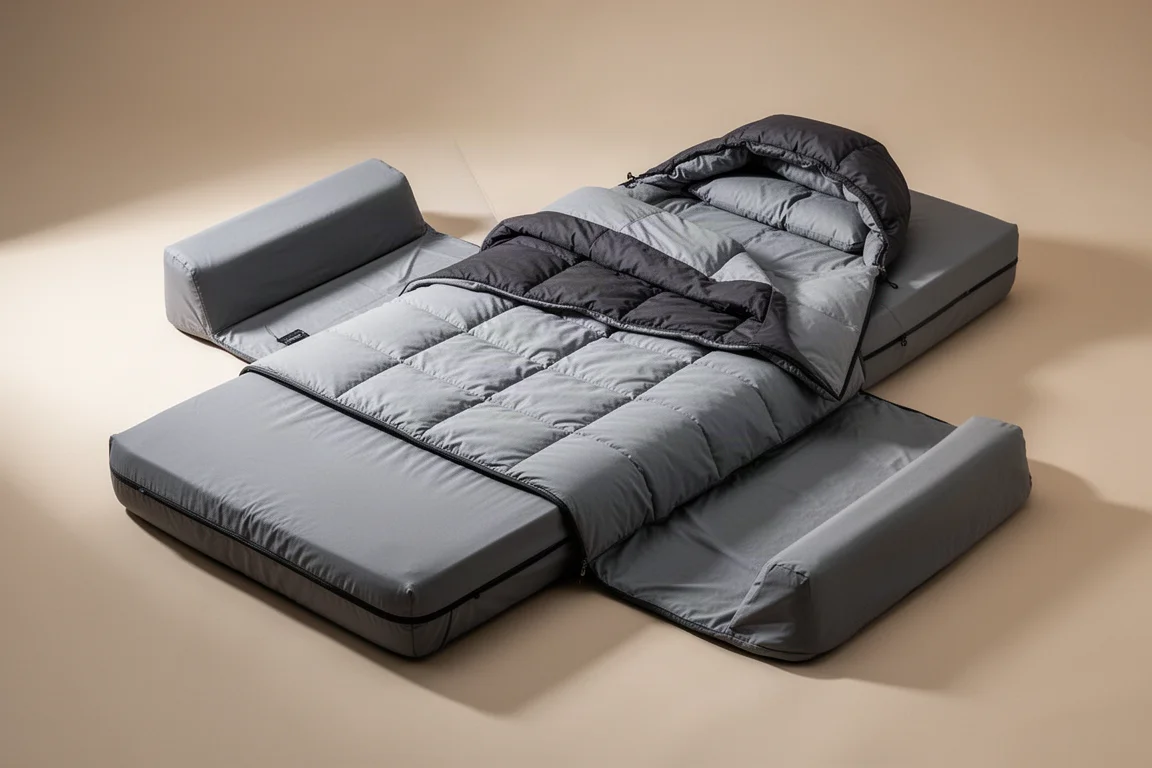
The Zen Bivy Double Bed is where sleep comfort improved most. The quilt attaches to a fitted sheet, and the wing design along the sides of the sheet closes off the draft points that usually creep in around the edges of a quilt. The quilt itself is wide enough for two people, so nobody ends up tugging it back and forth through the night.
The details matter here. The fitted sheet fabric is soft and not sticky, and the hood holds a pillow in place, which is the difference between sleeping on a pad and sleeping in something that feels like a bed. The quilt can also be opened up so feet can be left out when the night is warm.
It is flexible about where it goes, too. The same system works over two sleeping pads placed side by side for backpacking trips, and it works just as well in a car camping setup, which is where it pairs with a large double mattress.
Exped MegaMat: The Base Layer for Comfortable Sleep
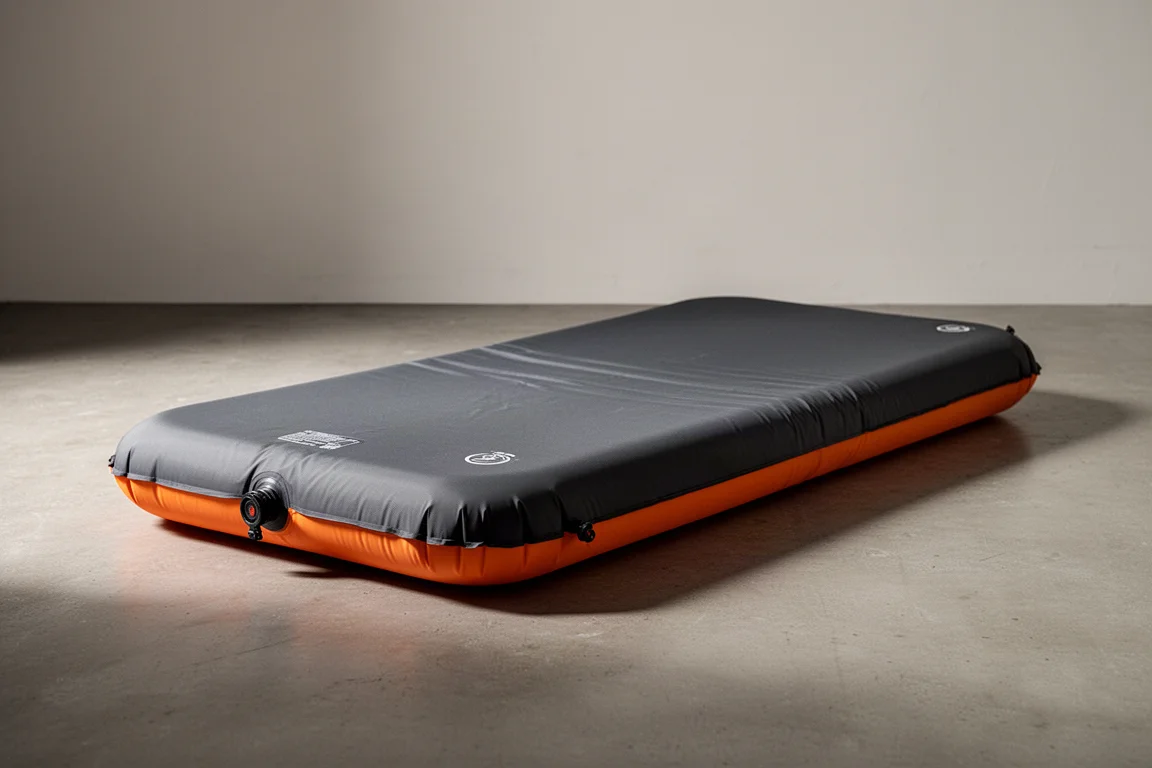
The Exped MegaMat is the foundation under the Zen Bivy double bed. It is a self-inflating double mattress, and on its own it already provides a supportive surface. Combined with the quilt system on top, it produces something close to a home bed at a campsite.
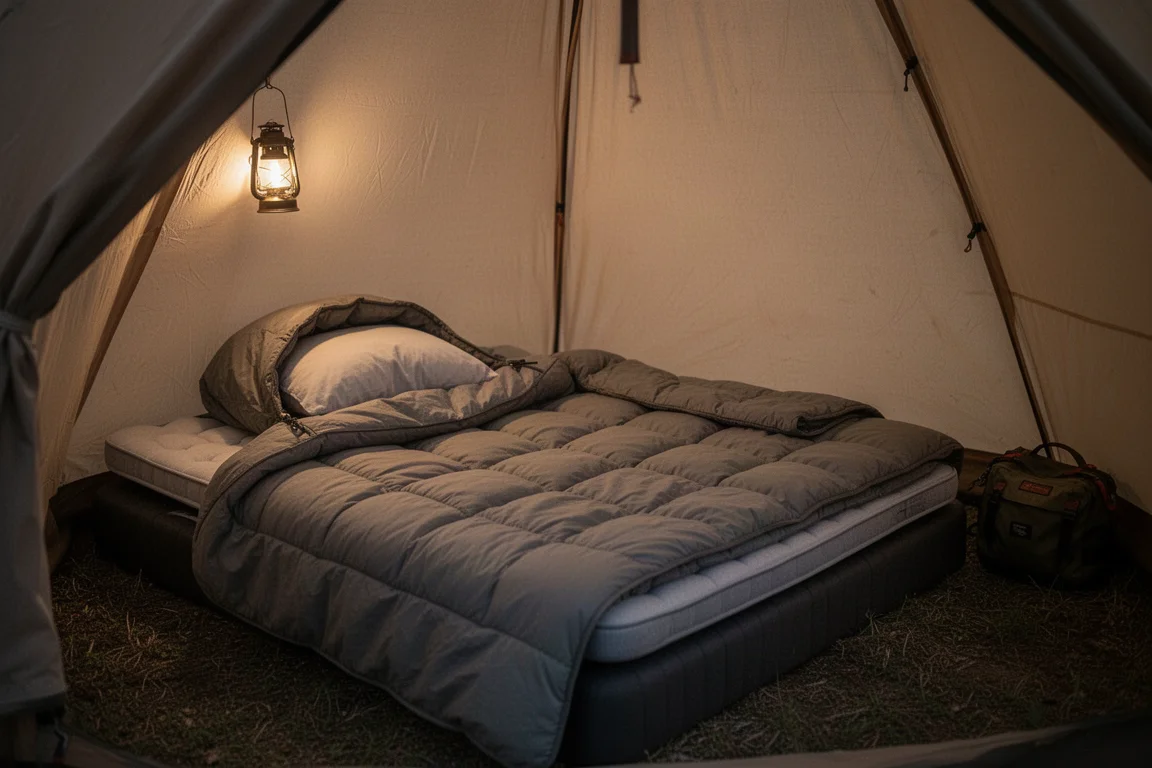
That combination is the reason the sleep setup earns a place on this list. A supportive mattress is what makes a night on the ground feel short rather than long, and a quilt that stays put on top of it removes the other common complaint, which is cold air finding its way in around the edges. Together they turn a tent into a genuinely restful place to sleep.
The trade-off is size. A double mattress is a car camping item rather than a backpacking one, and it takes up meaningful room in the vehicle alongside the tent and the rest of the gear.
Cydio Crates: Organization That Stacks
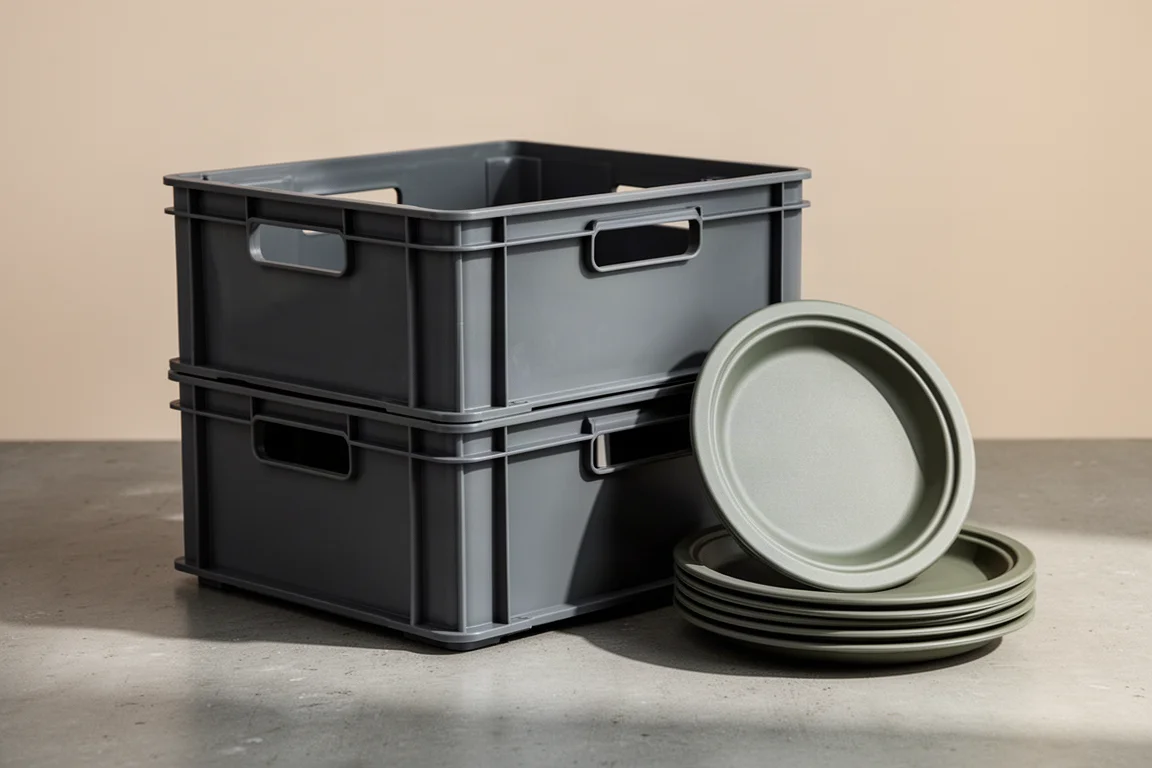
Organization is the difference between a relaxed camp kitchen and an hour of digging through bins. The Cydio Crates are modular storage crates, and the plates that go with them are described as very well made and effectively indestructible. The appeal is that each crate gets a job: one for tools and general gear, one for cooking equipment such as pots, pans, plates, silverware, utensils, a gas stove, and a towel.
The stacking design is the practical part. When it is time to pack up, the crates stack together and take up far less space in the car than the same gear loose, while keeping everything visible and easy to reach at camp. Knowing exactly where the stove or the utensils live saves time at every meal.
Solo Stove Mesa: Small Fire, Big Ambiance
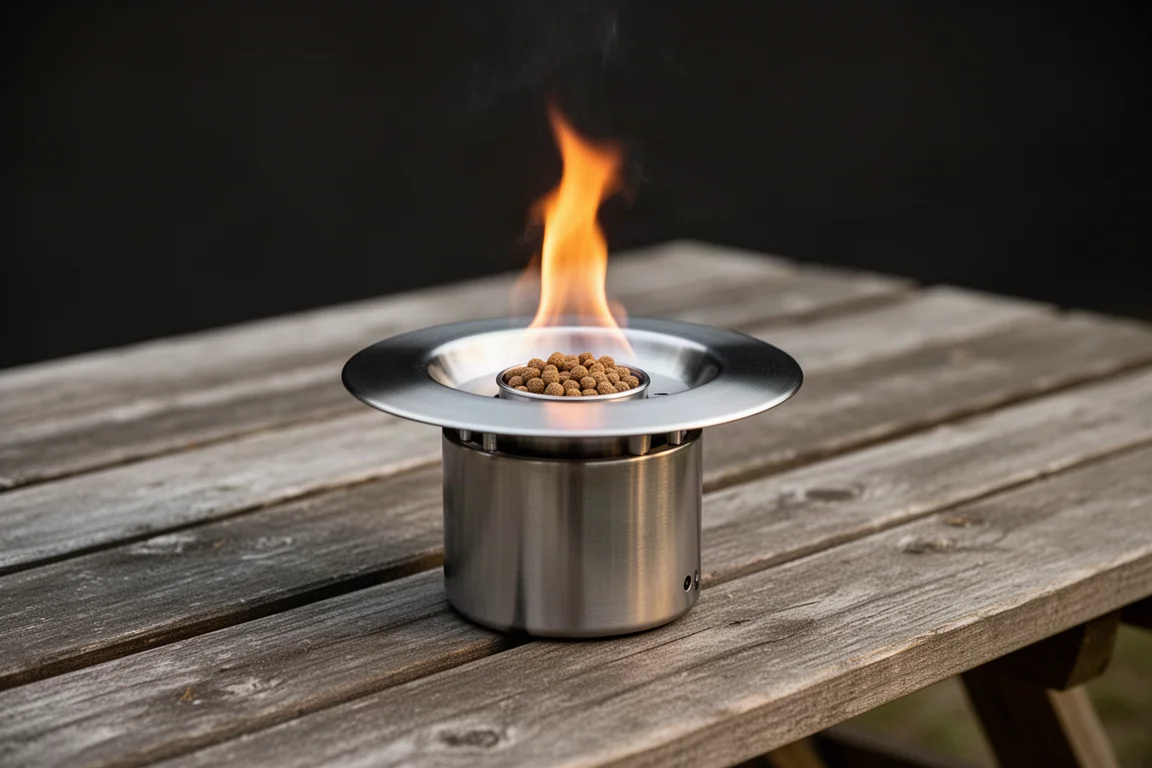
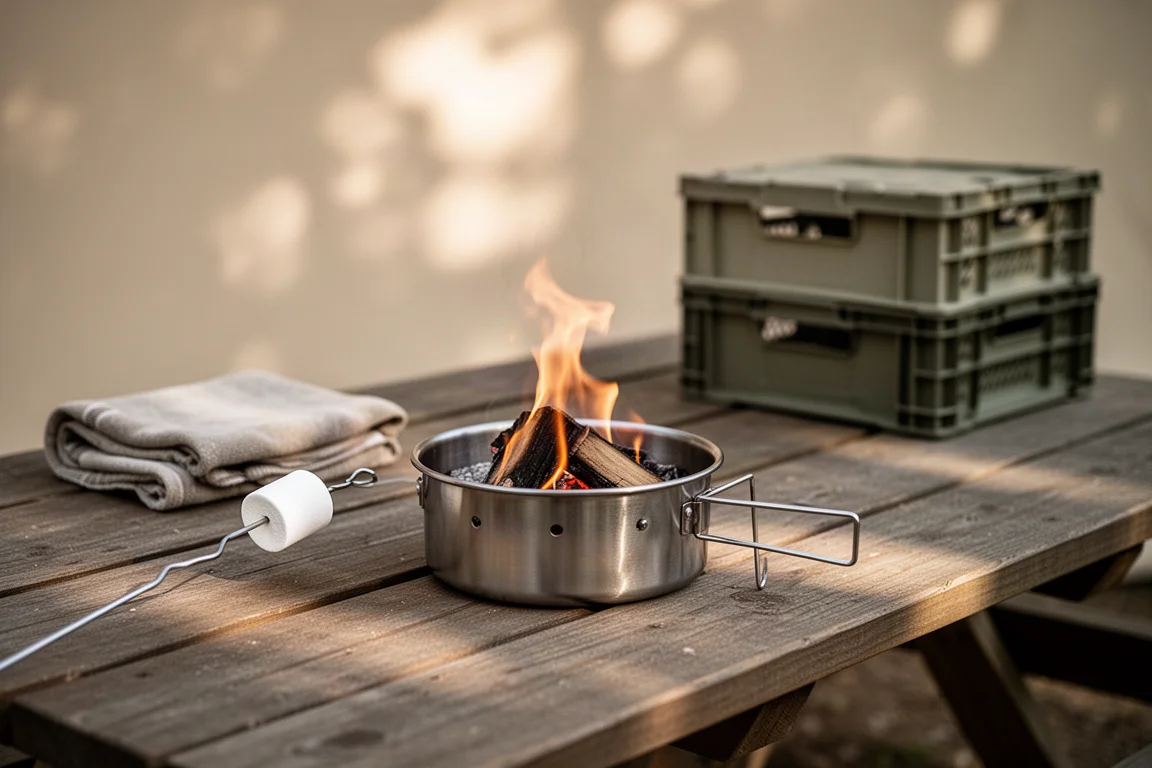
The Solo Stove Mesa is a tiny fire pit, and it solves the s’mores problem neatly. Instead of building a full fire in a large ring, the Mesa sits on a picnic table and burns with very little smoke, which makes quick s’mores as a group easy and comfortable.
Fuel options are flexible. It runs on standard camp wood, and an insert lets you use hardwood pellets instead while keeping them contained in the base. That means a small fire needs very little fuel, and the whole unit takes up almost no space in the vehicle. Beyond s’mores, it creates an easy gathering point in the evening, and it is small enough that roasting hot dogs over it is realistic too.
Within its first week of ownership it had already been lit several times on family trips, which says something about how little effort it takes to justify using it.
Overall Buying Advice
Match the gear to the trip rather than buying the biggest option available. Portable power stations are at their best on weekend car camping trips where you can recharge from the vehicle. On longer trips away from a power source, capacity becomes the limiting factor, and a single station may not cover everything you want to run without solar or another way to top it up.
Shelter deserves the most thought, because it shapes the whole trip. A tall cabin-style tent is a genuine upgrade for families since it adds standing room and living space, but it also takes up a lot of vehicle space. If that trade-off does not work for your car or your campsite, a simpler dome tent will still do the job with less bulk.
Sleep is where money is best spent. A supportive double mattress plus a quilt system that stays in place delivers the biggest improvement in how a trip feels, and both pieces are car camping items rather than backpacking ones. Organization and a small fire pit come last, because they are comfort and convenience rather than essentials, but they are the pieces that make camp feel settled.
Conclusion
Eight pieces, four problems solved: power that keeps devices and food running, shelter a family can actually stand up in, sleep that feels like a bed, and small extras that keep camp tidy and social. Buy for the trips you actually take, and each of these earns the space it occupies.
Further reading
Related Reviews
Camping Gear
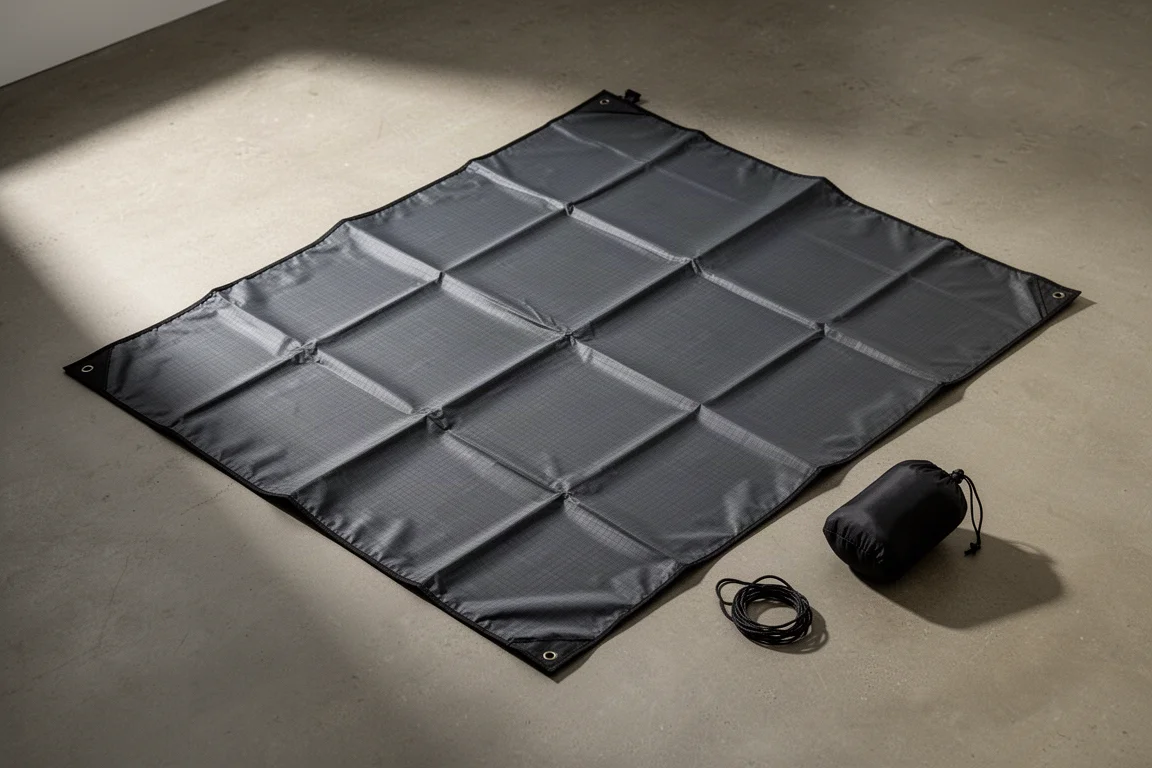
3FUL Ultralight Ground Sheet Review: A Two-Person Footprint Worth Packing
A 6.7 oz two-person ground sheet in ripstop silnylon, priced around $30. Here is what it protects, what it does not do, and who should pack it.
Camping Gear
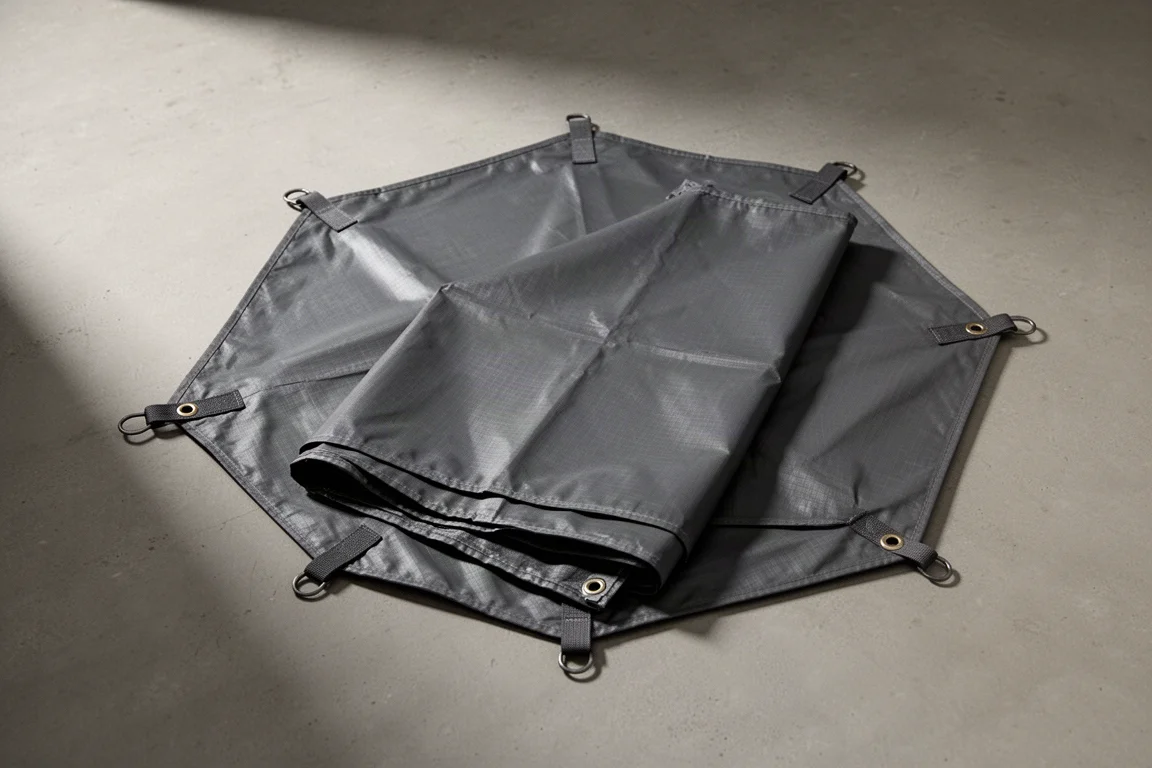
Backcountry Light Dual-Function Tarp and Floor Review: A Footprint First
A dual-purpose tent floor and tarp that keeps falling rain off you, but cannot block wind. Here is where it works and where it does not.
Camping Gear
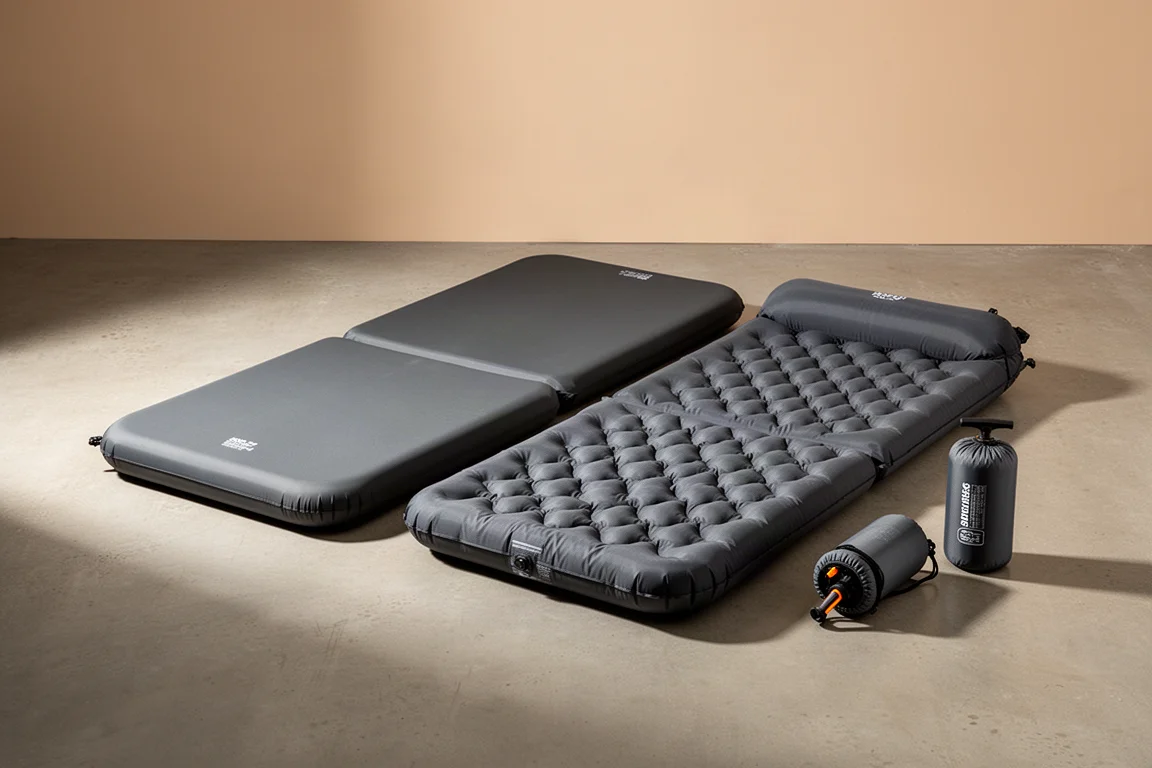
Best 2-Person Camping Mattresses for Couples: 10 Options Compared
A practical comparison of ten two-person camping mattresses, covering self-inflating pads, air pads and air mattresses for couples.