Backpacking Tents
Favorite Backpacking Tents: Strengths, Trade-offs, and Who They Suit
A practical look at lightweight backpacking tents, from budget picks to premium Dyneema shelters, with clear guidance on matching a tent to your trips.
Introduction
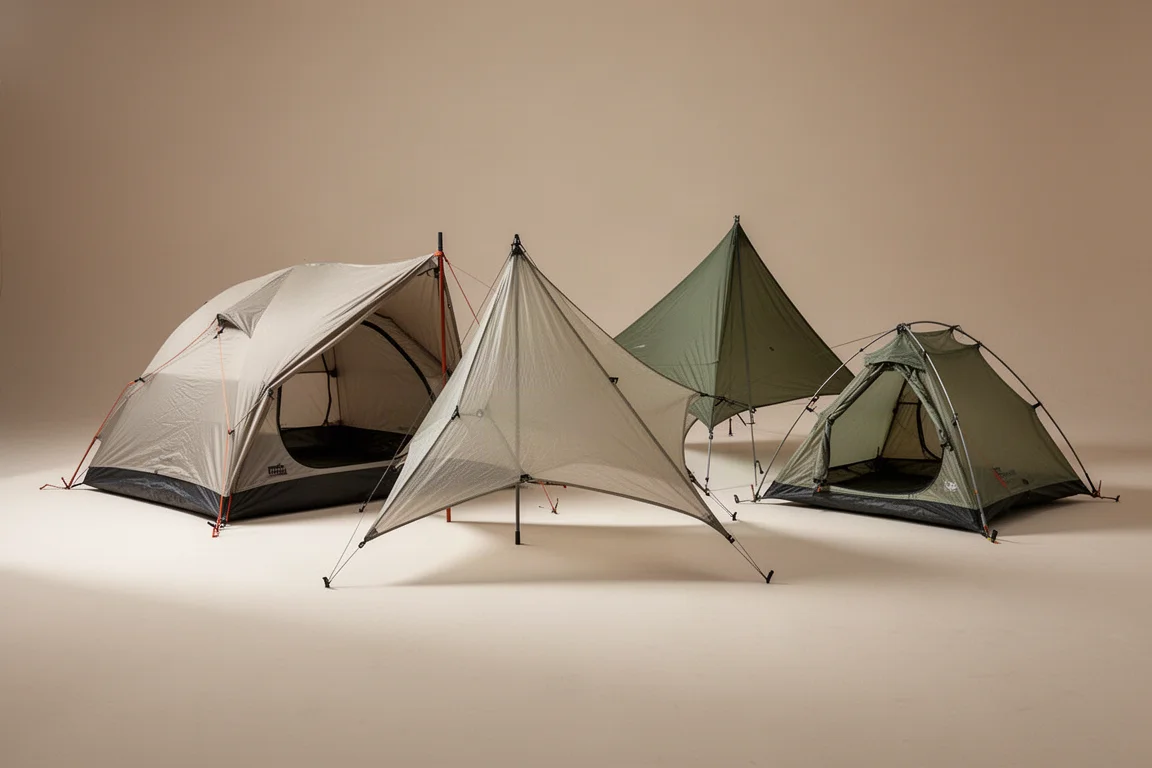
Choosing a backpacking tent often comes down to a few key trade-offs: weight, interior space, weather protection, and cost. The tents below have all been used in real-world conditions, from damp coastal trails to rocky mountain campsites. Some are ultralight Dyneema shelters, while others are more traditional double-wall designs. Each has a clear set of strengths and limitations, so the best choice depends on where and how you camp.
Big Agnes Tiger Wall 2 Carbon: Ultralight but Delicate
The Big Agnes Tiger Wall 2 Carbon is a two-person, double-wall, semi-freestanding tent that weighs just 22 ounces. It requires staking out the vestibule and some other areas, but it can more or less stand on its own if stakes cannot be used. At $1,000, it carries a premium price tag. The manufacturer states that it is a delicate tent and highly recommends using a footprint or ground cloth. The footprint made for this tent costs $80 and weighs 4 ounces.
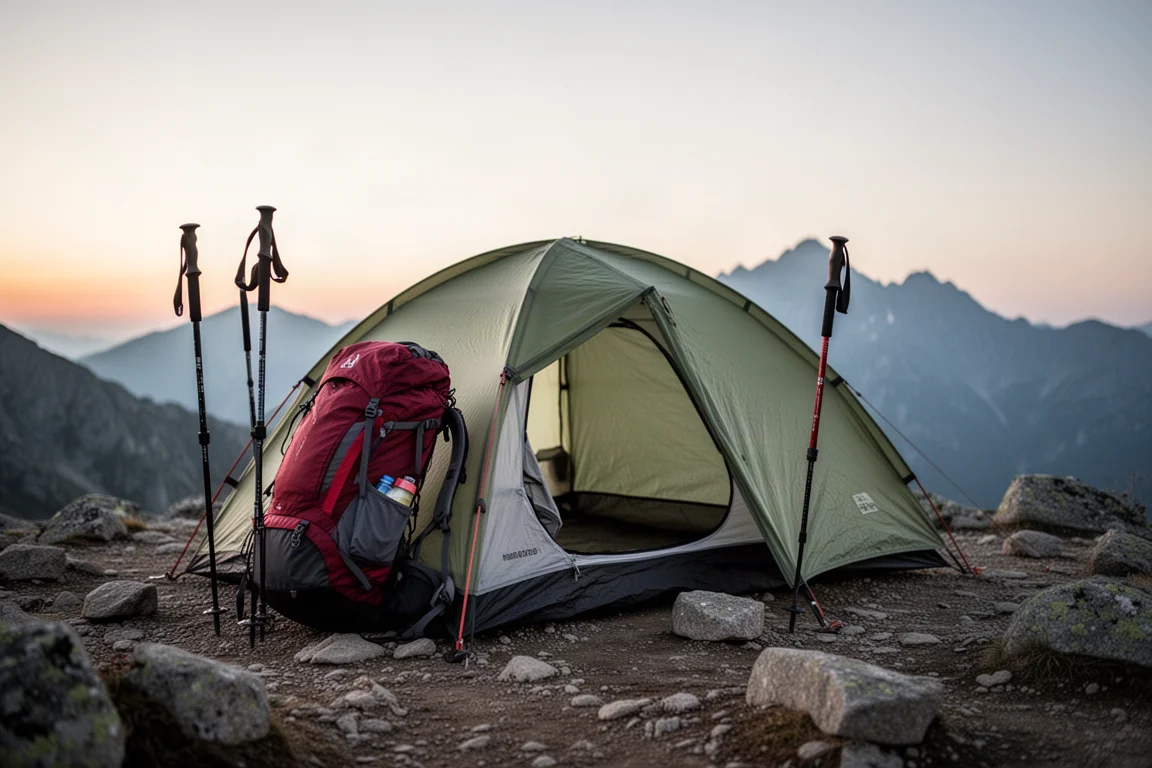
This tent could work for campers who stay in well-trodden areas where abrasion is less of a concern, or for those who want a freestanding design and the lightest possible weight, and for whom money is no issue. However, for most backpackers, the delicate fabric and high cost make it a difficult recommendation. It is still notable that a larger company like Big Agnes is entering the world of Dyneema shelters, which have typically been offered by smaller cottage manufacturers.
Tarptent Stratospire Lithium: Best for Damp and Cold Conditions
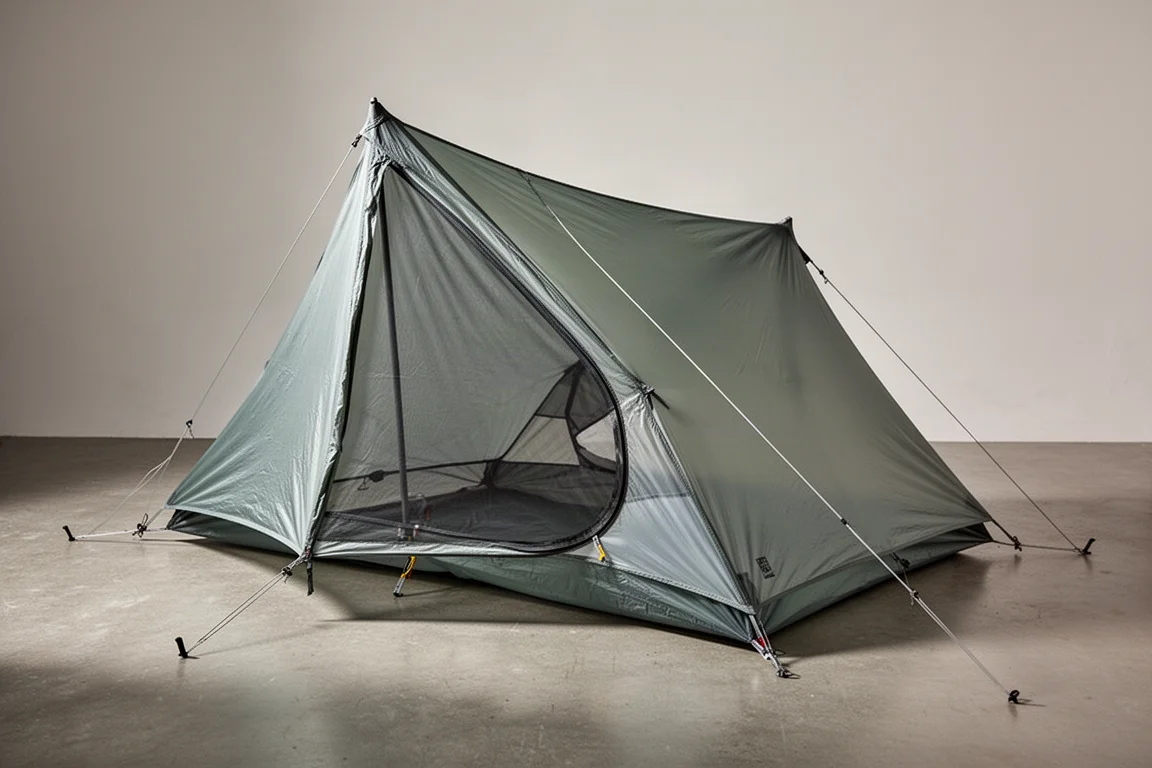
The Tarptent Stratospire Lithium is a double-wall tent that sets up with trekking poles, saving the weight of dedicated tent poles. It is made from Dyneema and weighs 26 ounces, which is light for a two-person double-wall shelter. The double-wall design provides an extra layer to capture warmth and reduces condensation issues, because moisture forms on the outer wall rather than the inner mesh. The trekking poles are positioned so they are not in the middle of the doorway, which makes entry and exit easier.
The Stratospire Lithium offers plenty of room for two people plus gear, and it is highly adjustable, allowing you to control the space between the mesh inner and the outer wall. The main drawbacks are the $689 price, a learning curve for setup, and struts on two corners that can complicate packing and staking on rocky ground. In extreme wind and rain, the stakes on the strut corners can pop up, and the struts can block the usual trick of stacking rocks on stakes. A workaround is to tie extra guy line to the strut and stake that out.
Zpacks Triplex: Extra Space for Companions
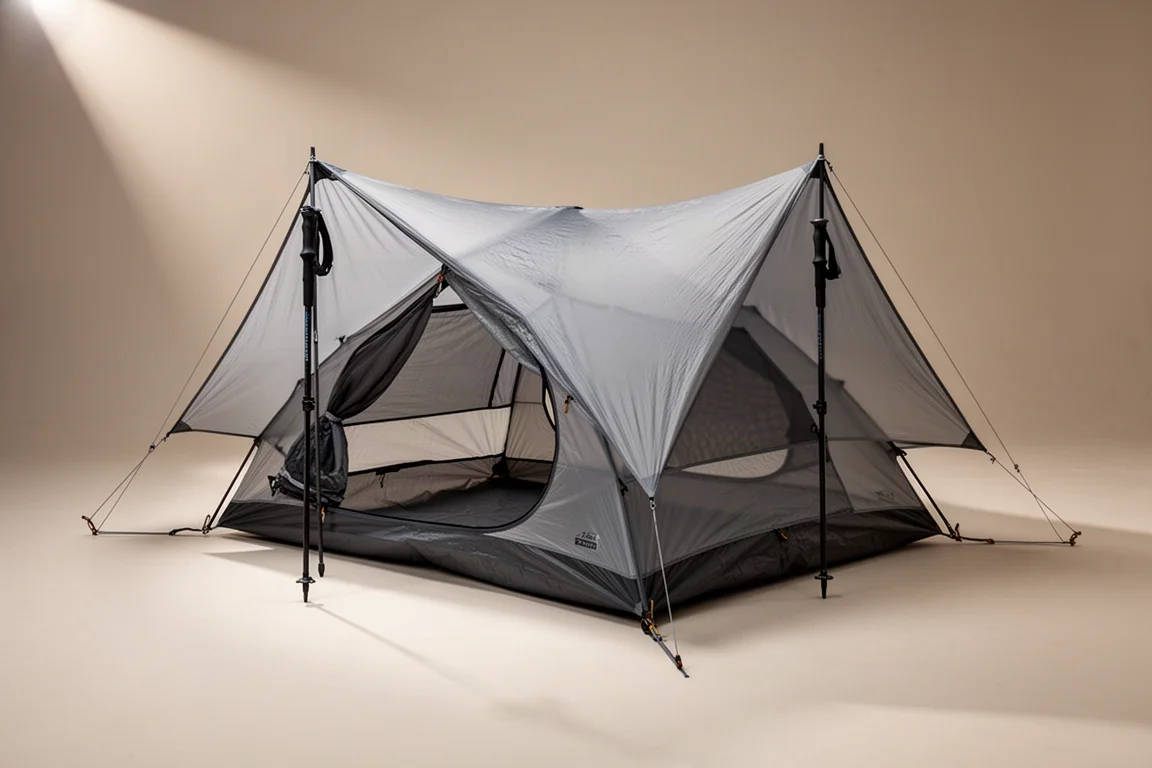
The Zpacks Triplex is essentially a larger version of the Duplex, with extra stakeout points. It is a single-wall Dyneema tent that is simple to set up and quick to pack. While the Duplex technically fits two people, the Triplex is a three-person shelter that provides more comfortable space for two people and their gear, or for a dog. The trade-off of a single-wall design is condensation: moisture can form on the walls. The Triplex is designed to mitigate this by allowing condensation to run down the wall and through a mesh area around the bathtub floor. However, you need to avoid pressing your sleeping bag against the wall, and on sloped ground, you may slide toward the wall and push the bathtub floor past the outer wall, which can let water in.
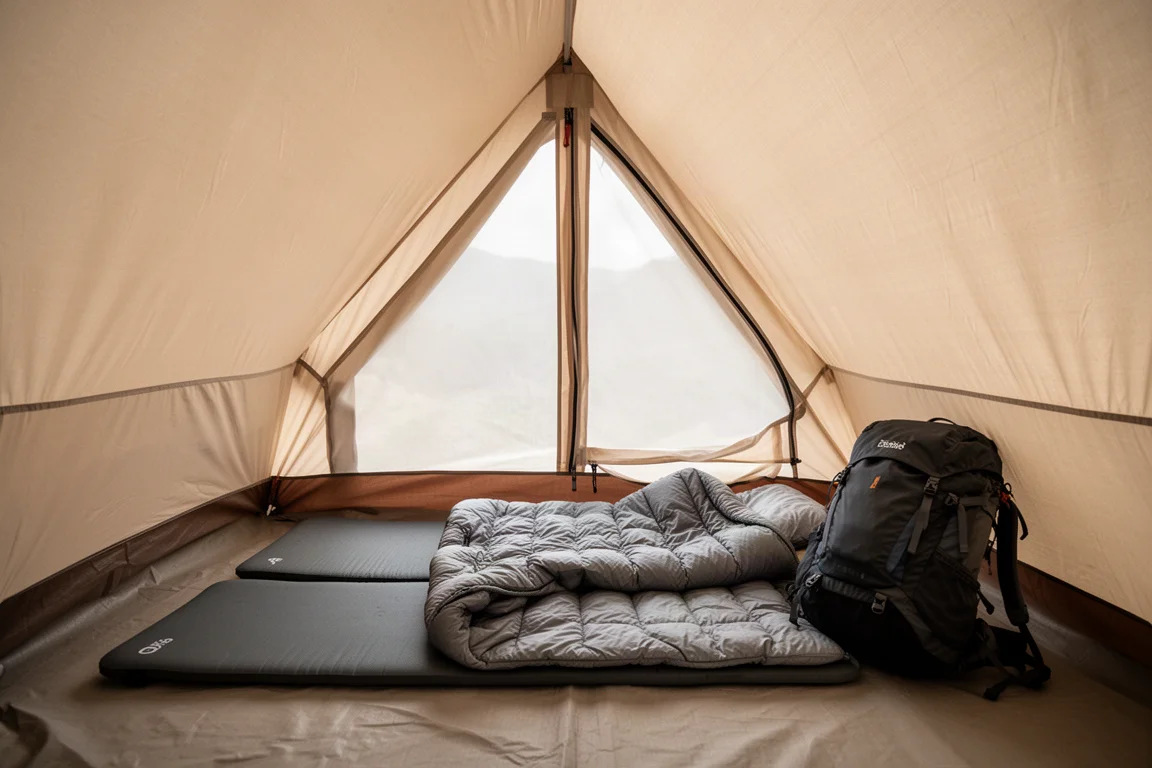
At $699, the Triplex is a significant investment, but it offers a lot of interior space for its weight and is straightforward to pitch.
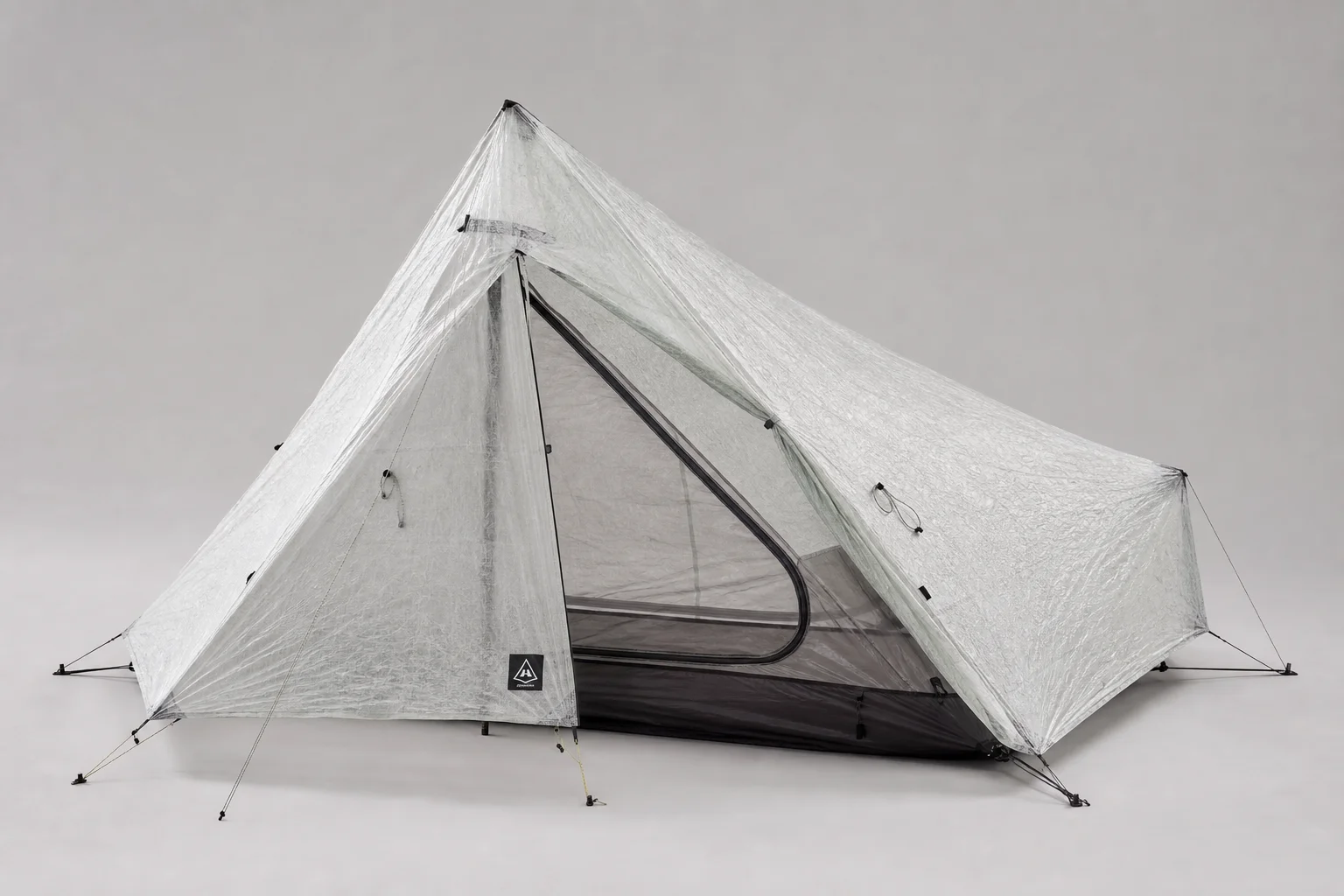
Nemo Hornet: A Balanced Mid-Range Double-Wall Tent
The Nemo Hornet is a quality double-wall, semi-freestanding tent that requires staking out the vestibule. It is relatively lightweight for a double-wall nylon tent, weighing 2 pounds for the one-person version and 2 pounds 5 ounces for the two-person version. The one-person costs $330, and the two-person costs $370. The two-person version is preferred for the extra space, and it has two entryways, which reduces disturbance when entering or exiting. The Hornet opens on the longer side, which makes it easier to get in and out compared to tents that open on the smaller end, such as the Big Agnes Fly Creek UL2. The Fly Creek UL2 is a good tent, but its entry felt like climbing into a dog crate.
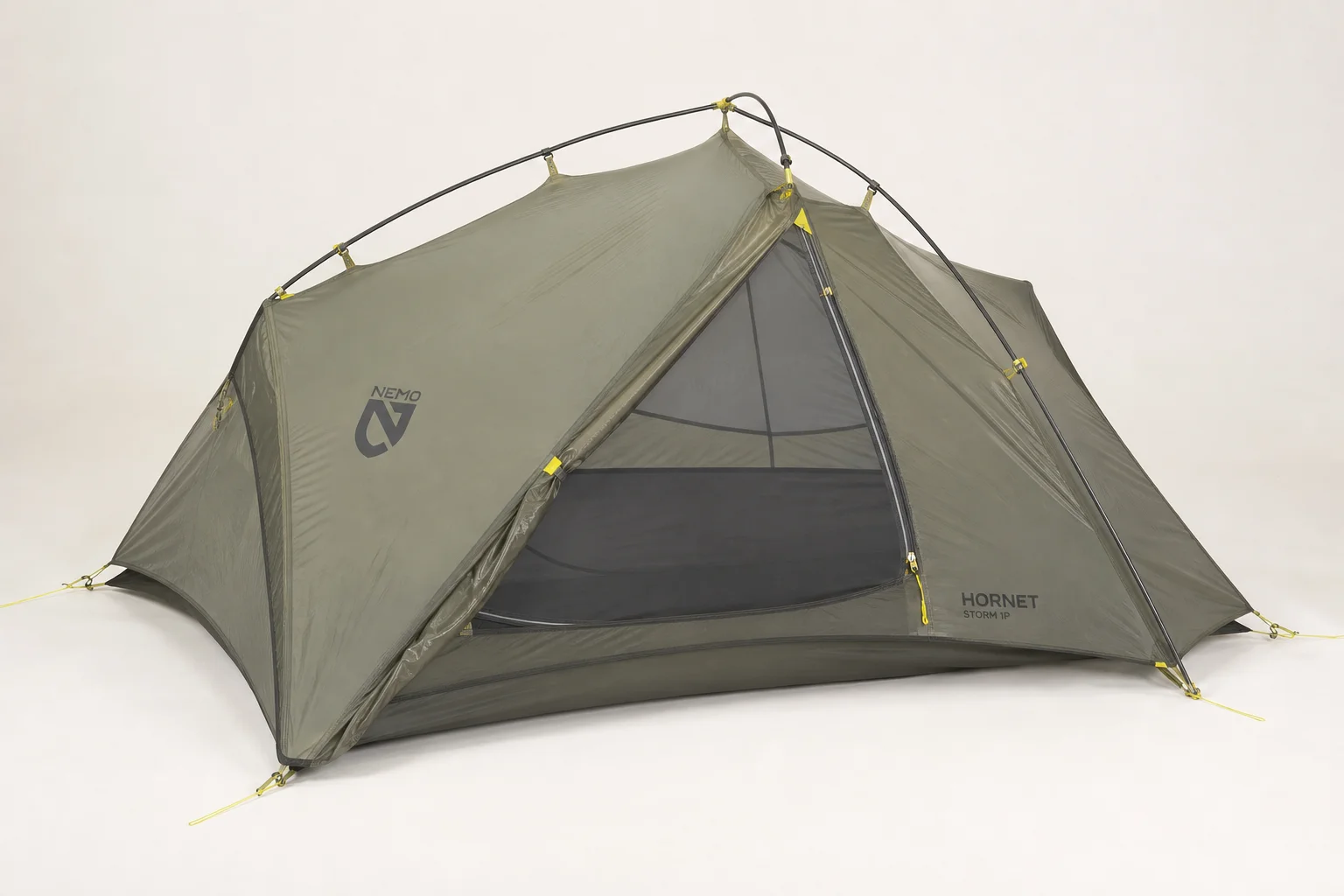
3F UL Gear Lanshan 1: A Solid Budget Option
The 3F UL Gear Lanshan 1 is a double-wall tent that sets up with trekking poles and weighs 28.4 ounces. It costs around $114, though the price fluctuates. This is a solid choice for anyone getting into backpacking who does not want to spend a lot on a tent they may not enjoy, or for scouts who need durable, lightweight gear for their trips. It offers a good balance of quality, durability, and low weight for the price.
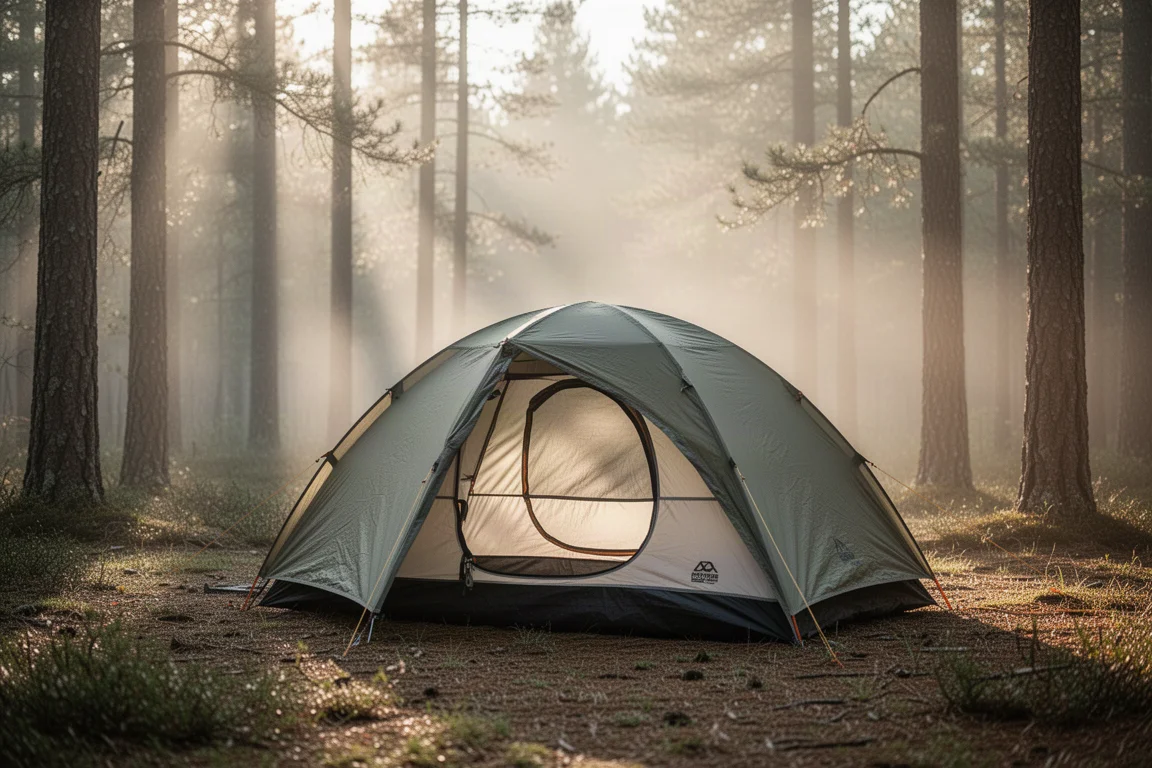
While it may not have the premium features of higher-end shelters, the Lanshan 1 provides a reliable and affordable entry point.
Zpacks Duplex: The All-Around Ultralight Favorite
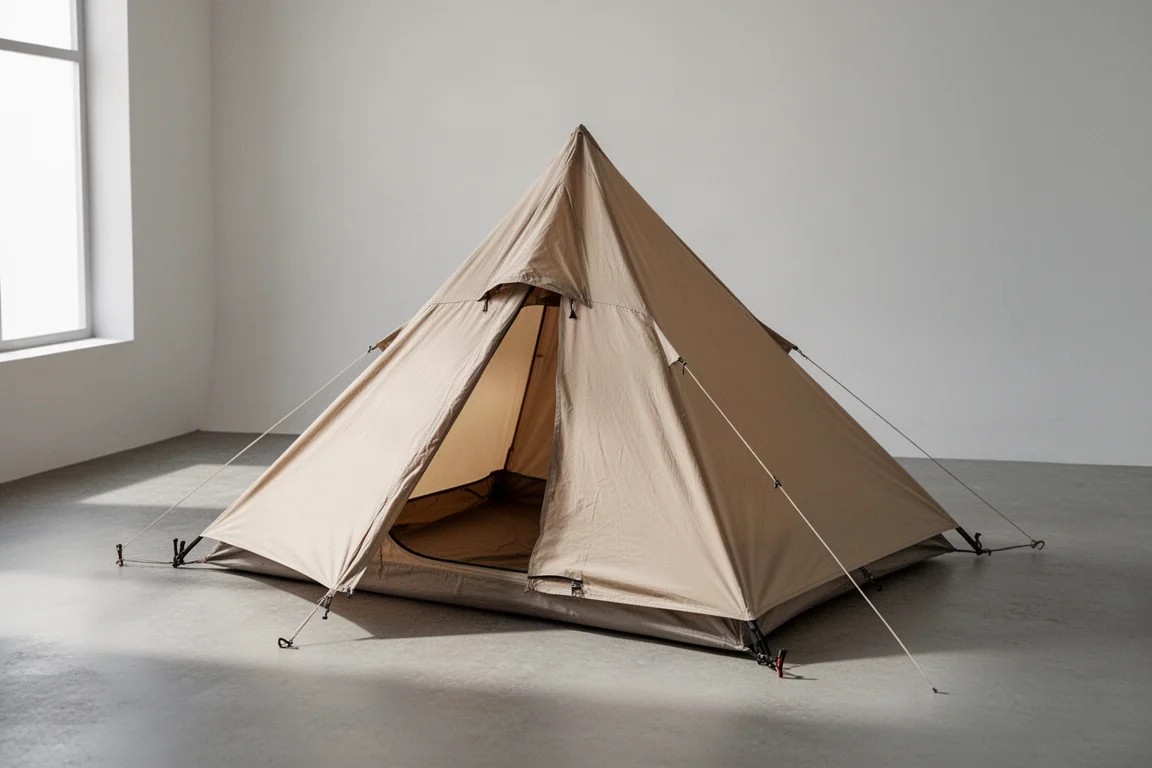
The Zpacks Duplex is a two-person, single-wall Dyneema tent that weighs just 19.4 ounces. It is the most simple tent to set up, tear down, and pack away, which makes it ideal for tired hikers or those pitching in the dark. It has been used for thousands of miles on all terrains, and it can even be set up on a solid rock slab by standing up trekking poles, stretching guy lines, and stacking rocks on the stakes. Dyneema is extremely strong and does not sag in strong winds or heavy rain, and it is unlikely to tear. However, it is not as resistant to punctures or abrasion as some other fabrics. There was an issue with a Duplex leaking after abrasion wear, but Zpacks replaced it without any problem. The Duplex is expensive at $599, and it is noisier than other tents, especially in wind. Single-wall condensation is a consideration, and the trekking pole placement in the middle of the doorway can be a minor annoyance. For many, the pros outweigh these cons.
Zpacks Duplex Freestanding Flex Kit: Nearly Freestanding Flexibility
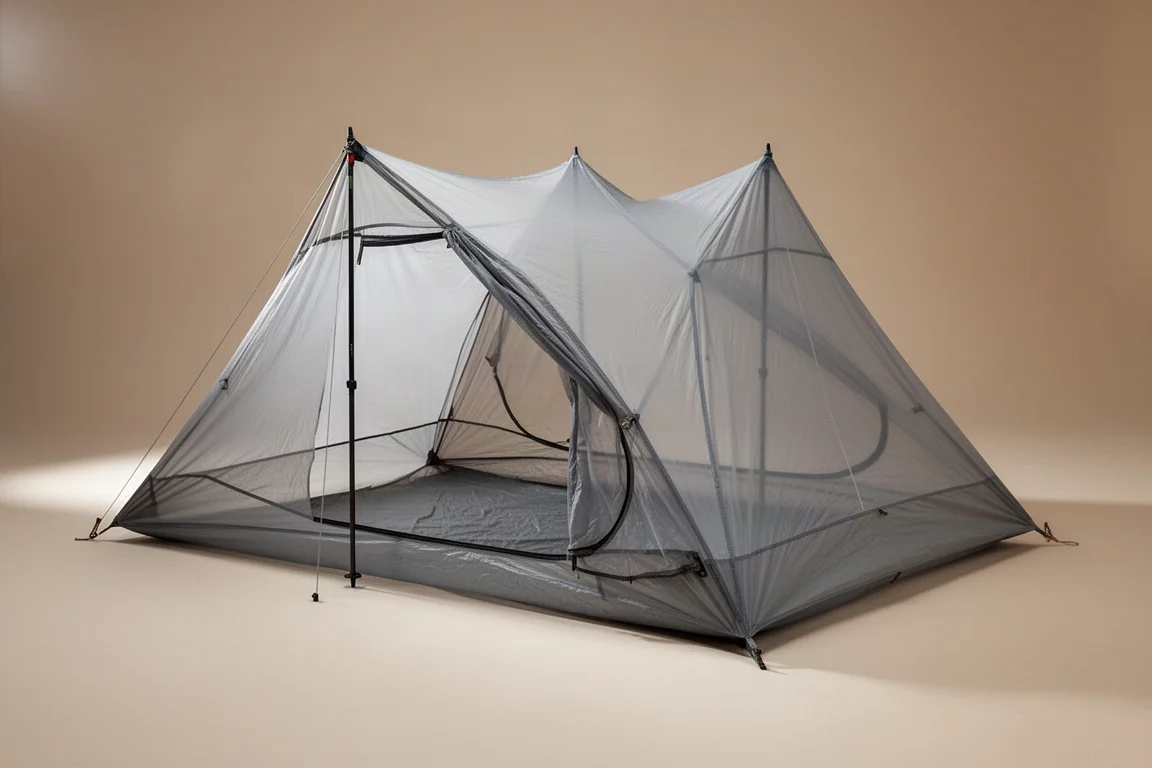
The Zpacks Duplex Freestanding Flex Kit is an add-on that makes the Duplex nearly freestanding. It costs $125 and adds 10.2 ounces, bringing the total weight to 29.6 ounces and the total cost to $724. This kit is useful for those who want more setup flexibility, such as when camping on hard or rocky ground where staking is difficult. Compared to the Big Agnes Tiger Wall 2 Carbon, the Duplex with the Flex Kit is heavier by 3.6 ounces and costs $356 less, while offering greater durability.
Buying Advice: Matching the Tent to Your Needs
When choosing a backpacking tent, consider the conditions you will encounter most often. For damp or cold climates, a double-wall tent like the Tarptent Stratospire Lithium helps manage condensation and adds warmth. If you often camp with a partner or a dog, the Zpacks Triplex offers generous space without a huge weight penalty. Budget-conscious backpackers or those new to the activity will find the 3F UL Gear Lanshan 1 a capable and affordable option. The Nemo Hornet strikes a balance between weight, livability, and price for those who prefer a double-wall design. For ultralight purists, the Zpacks Duplex remains a top choice, and the Flex Kit adds versatility for difficult terrain. The Big Agnes Tiger Wall 2 Carbon is a specialized option for those who prioritize low weight and semi-freestanding setup but are willing to accept a delicate fabric and a high price.
Ultimately, the best tent is the one that matches your typical trips, your comfort needs, and your budget. Consider the trade-offs between weight, durability, interior space, and weather protection, and choose the shelter that aligns with your priorities.
Conclusion
These tents represent a range of approaches to lightweight backpacking shelters. Whether you need a budget-friendly starter tent, a spacious Dyneema shelter for two, or a nearly freestanding setup for rocky ground, there is an option here that can work for you. By understanding each tent’s strengths and limitations, you can make a more confident decision for your next adventure.
Further reading
Related Reviews
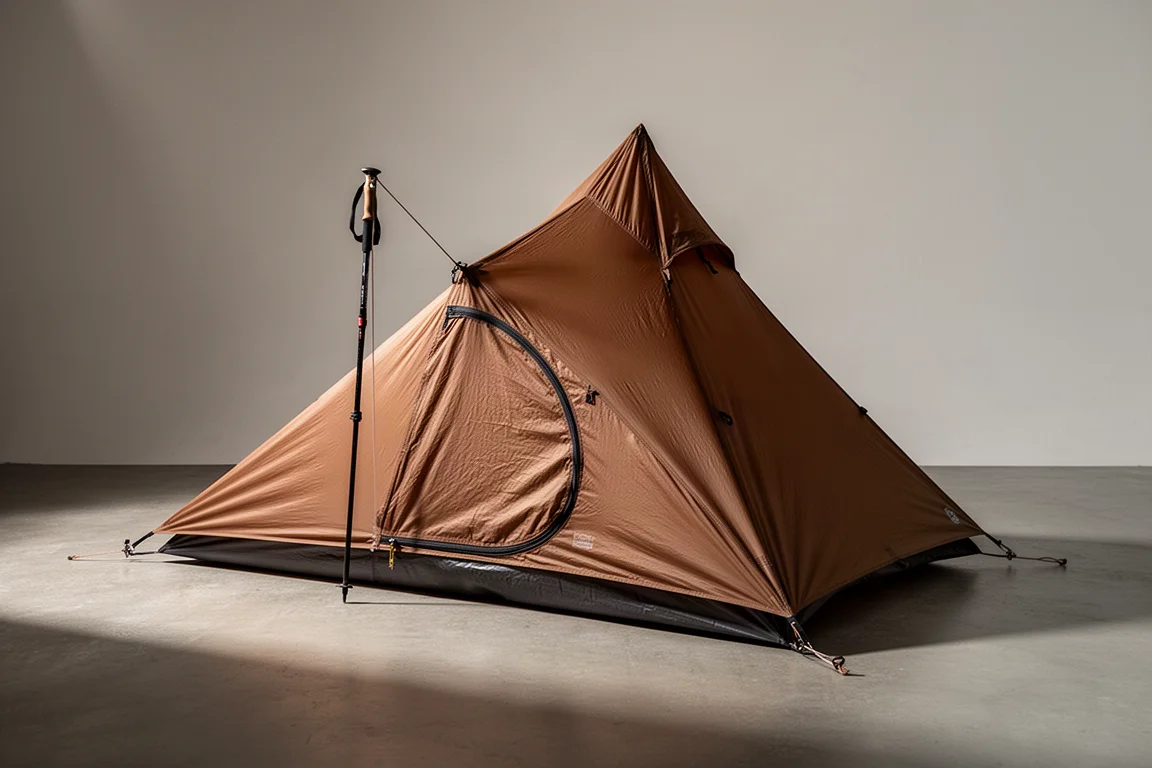
Backpacking Tents
3F UL Lanchan Pro 1 Review: A 1 lb 8 oz Single-Wall Trekking Pole Tent
A practical look at the 3F UL Lanchan Pro 1, a single-wall trekking pole shelter with a 1 lb 8 oz weight, 20D silnylon fabrics, and a roomy 90 x 31 x 49 inch interior.
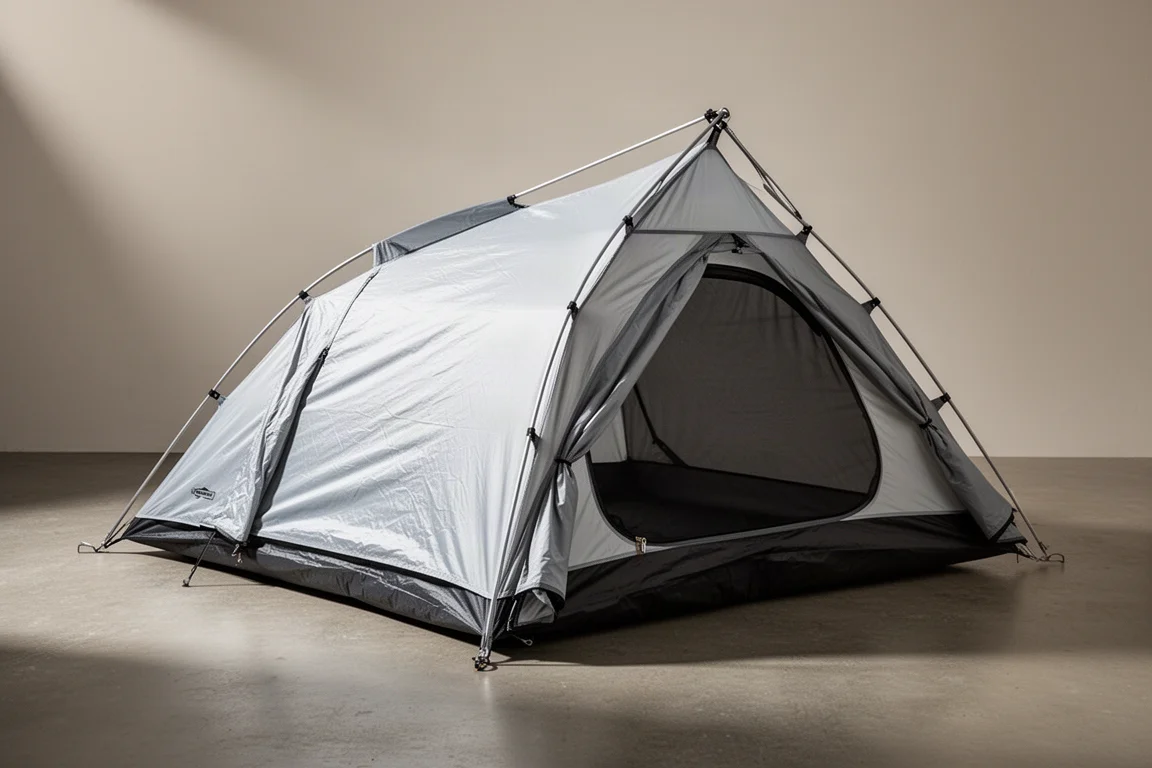
Backpacking Tents
3F UL Taiji 2-Person Tent: A Convertible Backpacking Shelter Worth a Closer Look
A practical look at the 3F UL Taiji two-person tent, covering its materials, true two-person interior, fly-first pitching, and the seasonal inner swap that lets one shelter cover more of the year.
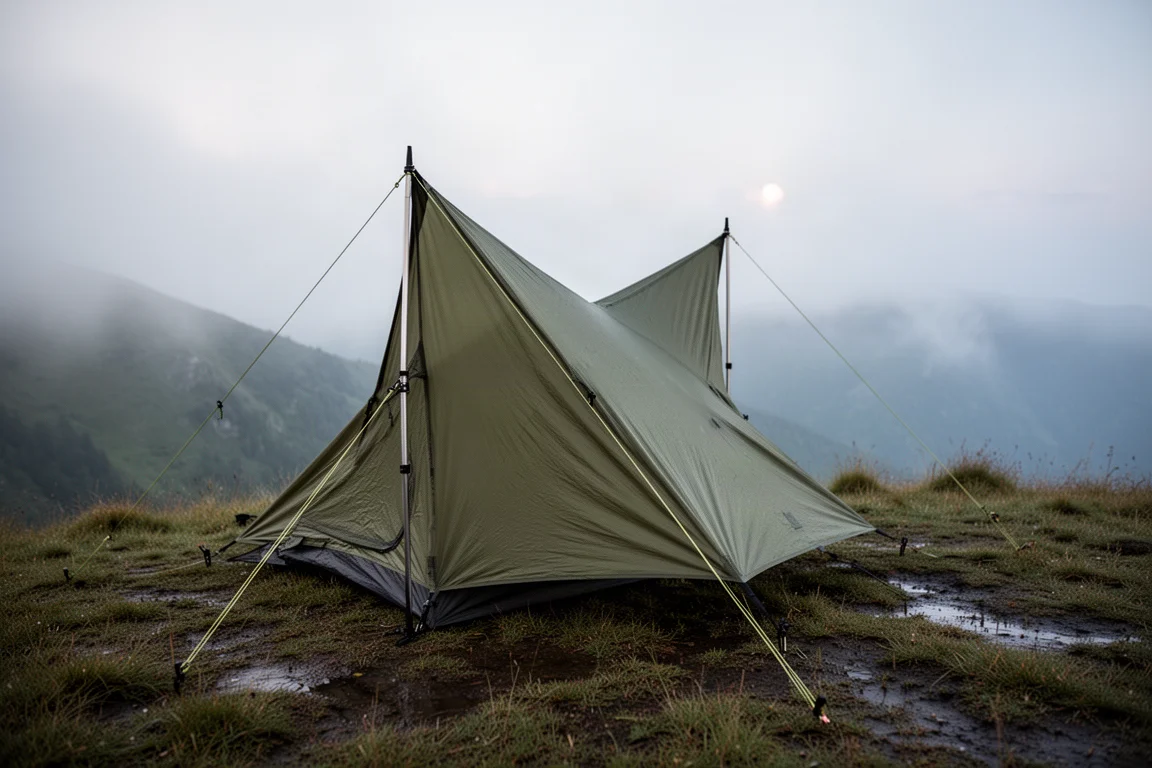
Backpacking Tents
3FUL Lanshan Twoerson Pro Review: A Light Trekking Pole Shelter That Struggled in Rain
A two-person trekking pole shelter with a 2026 redesign, pitched with sticks and put through a night of steady rain. Here is what worked, what did not, and what to check before buying.