Art Supplies
Favorite Art Supplies of 2025: Sketchbooks, Markers, and Paints Worth Your Money
A painter's tried-and-true shortlist for 2025: two square sketchbooks, creamy acrylic markers, alcohol markers, blendable pencils, gouache, and heavy body acrylics.
Introduction
Every year has its own rhythm of supplies, and 2025 was a year of getting pickier. Rather than chasing every new release, this shortlist sticks to the tools that earned their place through daily use: sketchbooks that survived everything thrown at them, markers that made drawing fun again, and paints that behaved exactly as promised. If you are wondering where to start with art supplies, or whether an upgrade is actually worth it, these are the favorites worth a closer look.
Sketchbooks: Two Square Favorites
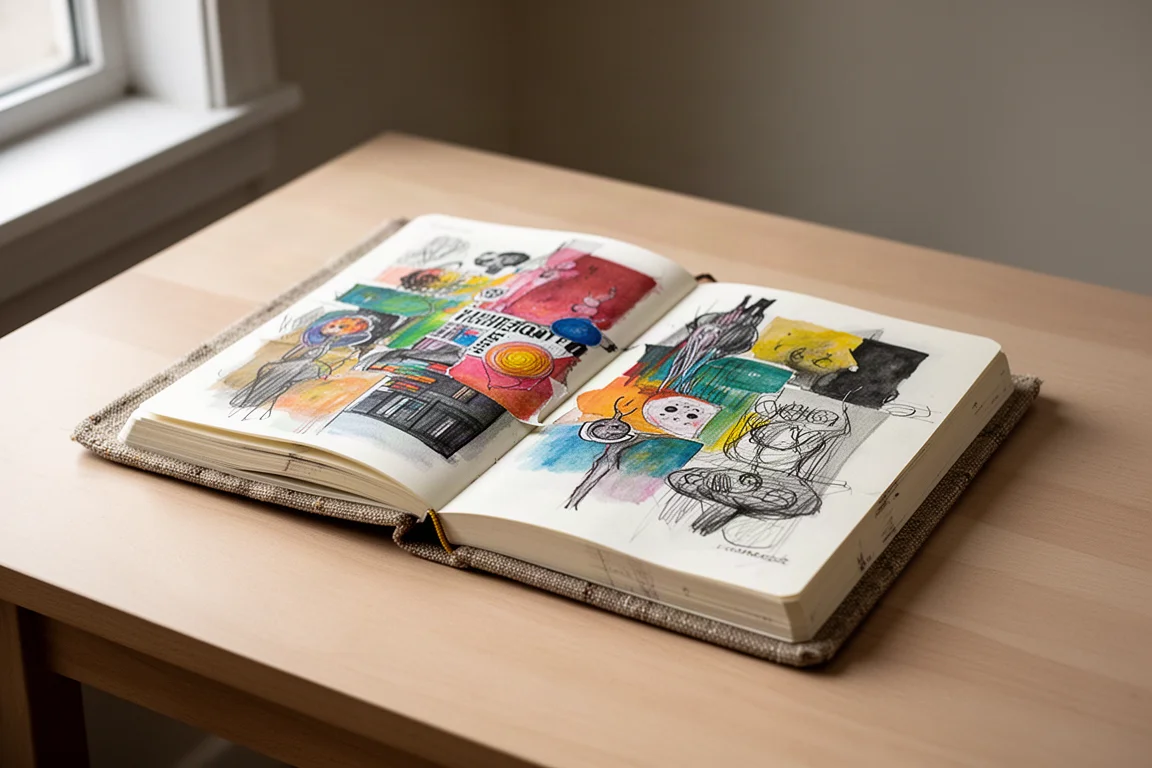
Two sketchbooks earned a spot this year, and both are square, a format that is hard to beat for composition and for framing artwork nicely. The Artica sketchbook is a mixed media workhorse that has handled ink, collage, origami paper, colored pencil, marker, and acrylic paint markers without complaint. It is the kind of sketchbook you reach for when you do not want to worry about what a page can take. One caveat: the square size has become hard to find, so availability is worth checking before committing.
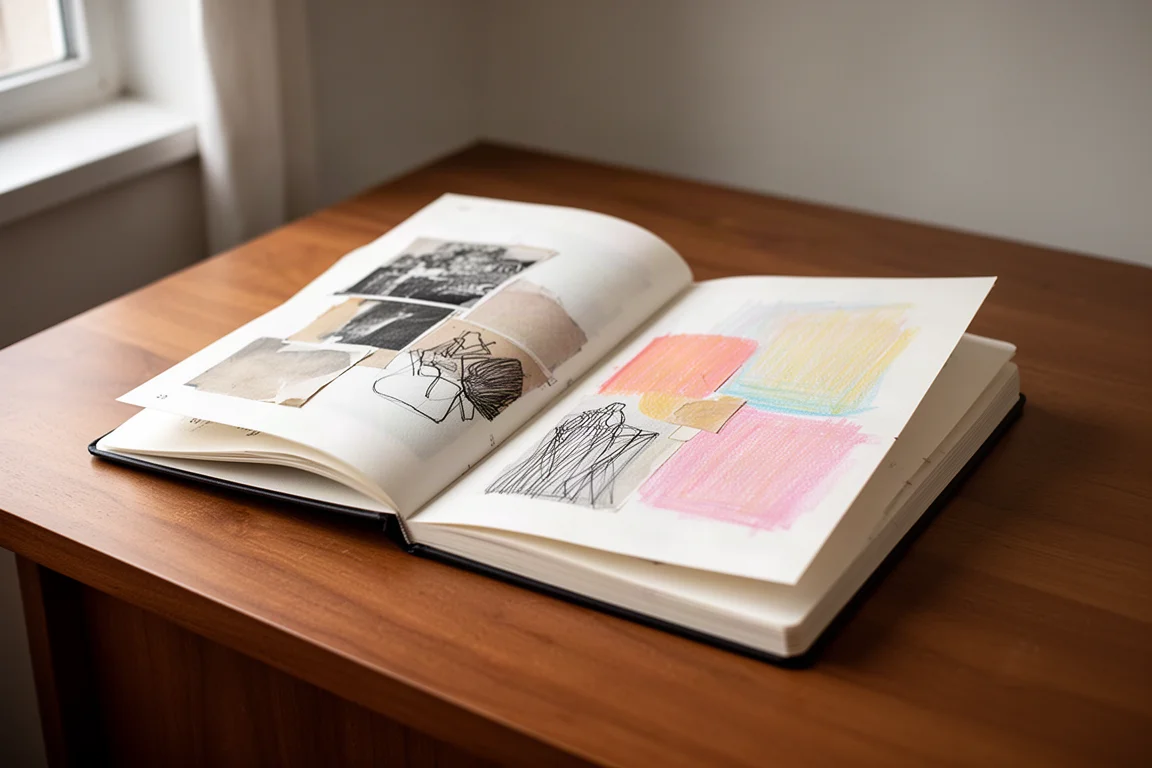
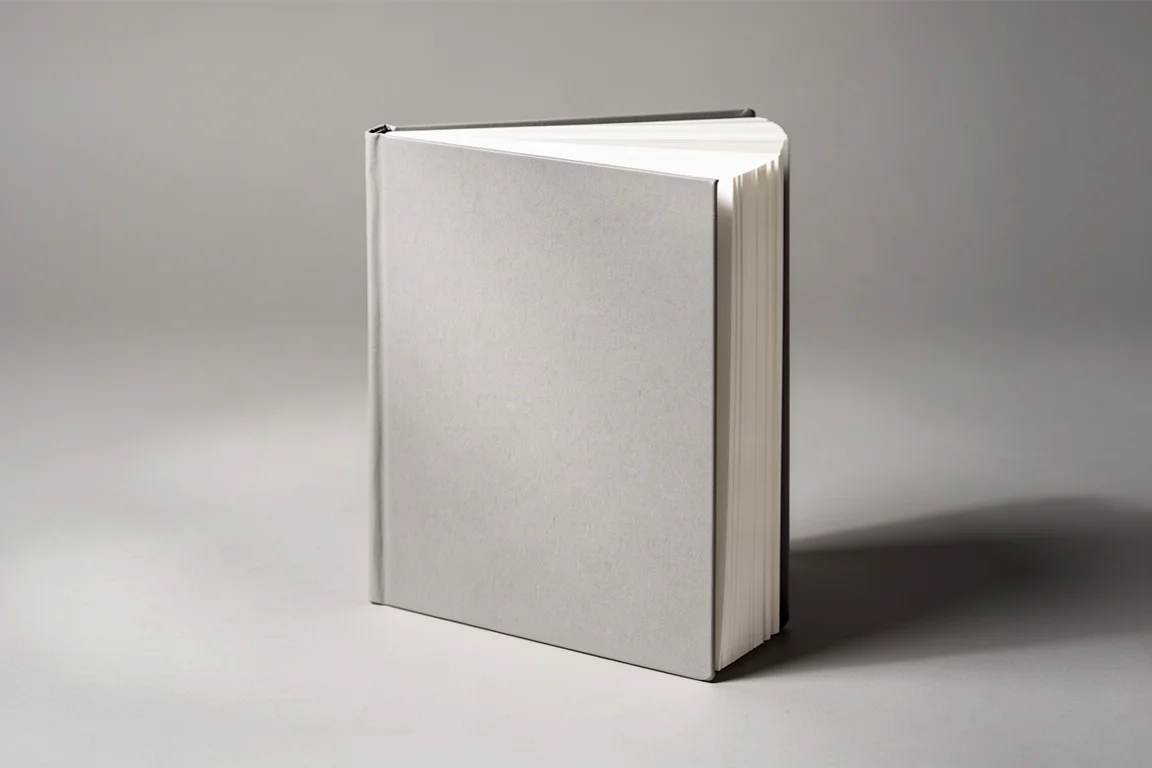
The Stillman & Birn Zeta series sketchbook is the unexpected new favorite. The pages are remarkably thick, thick enough that the open book practically stands up on its own, and the page quality is hard to beat. The cover is noticeably flimsier than the pages inside, which is the one trade-off, but for pure page quality this one is hard to top going into the next year.
Acrylic Paint Markers: Artex ’90s Set
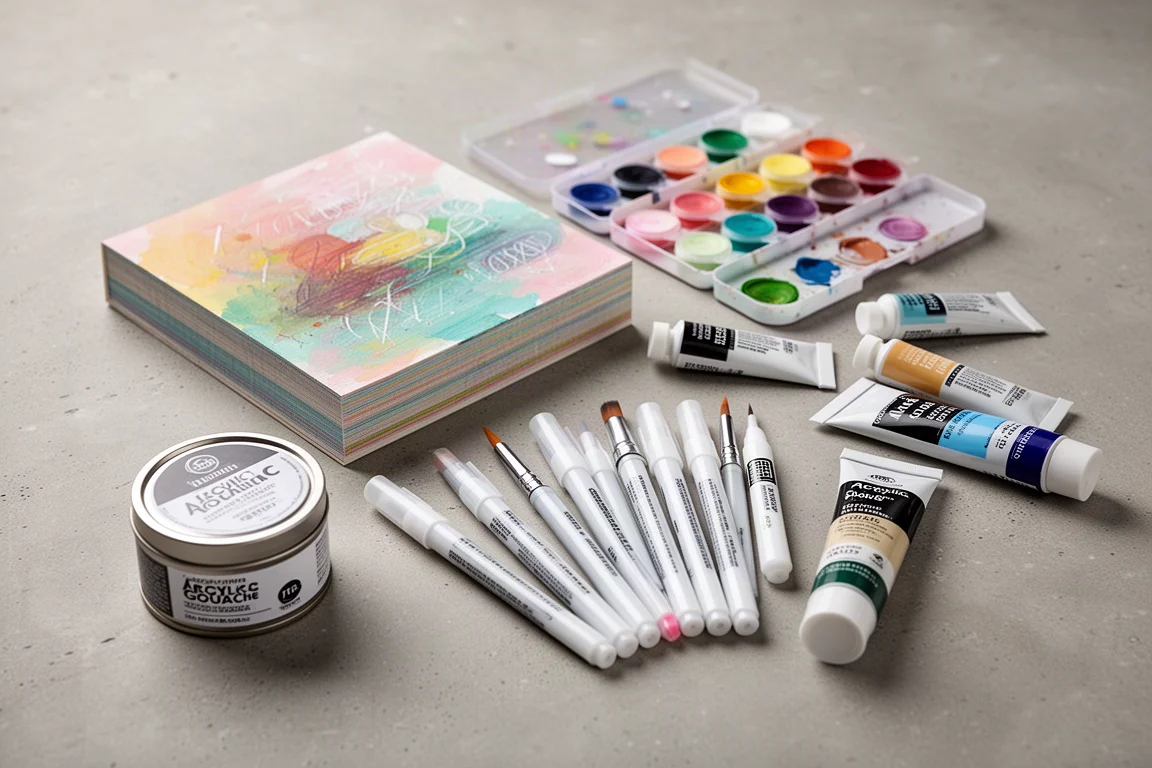
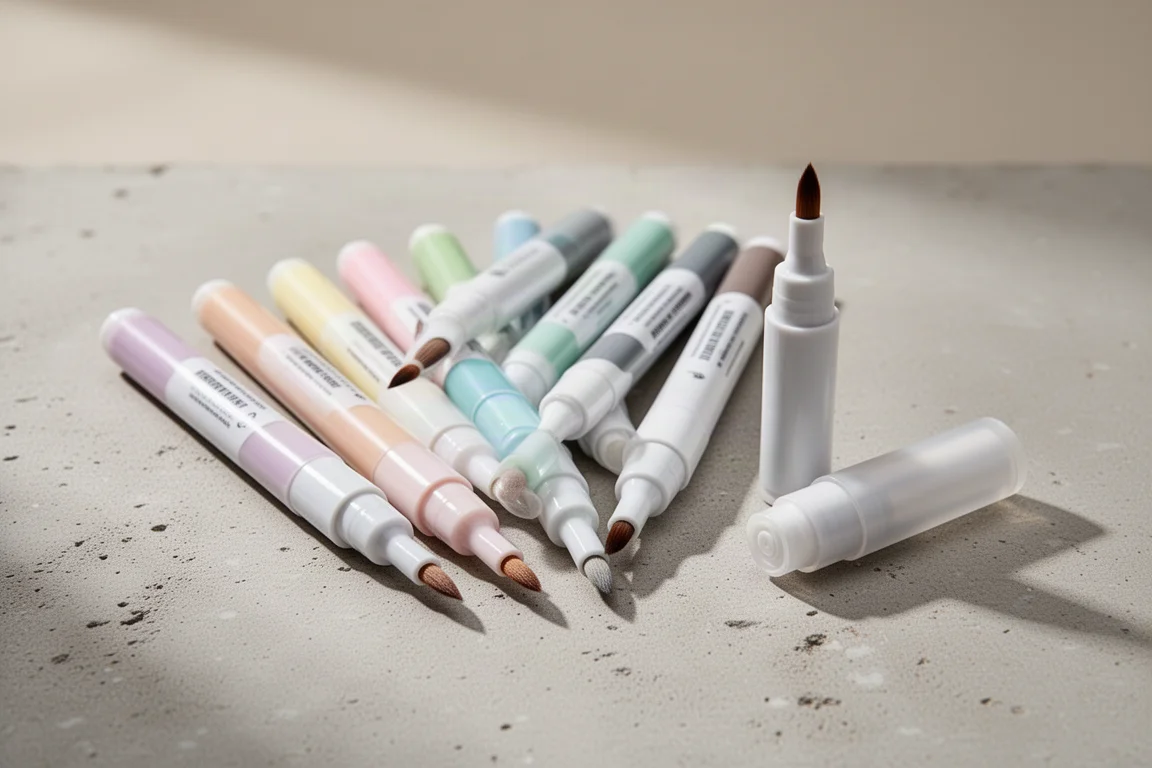
Acrylic paint markers started as a shoe- and cup-customizing tool, but frustration with markers that lacked brush nibs and needed constant shaking to activate led to a better find. The Artex acrylic paint markers have a proper brush nib and need no shaking to get going, and the paint flows creamy and smooth. The ’90s set is the standout, packed with soft pastels that pop without being overly saturated, plus a strong selection of nature tones.
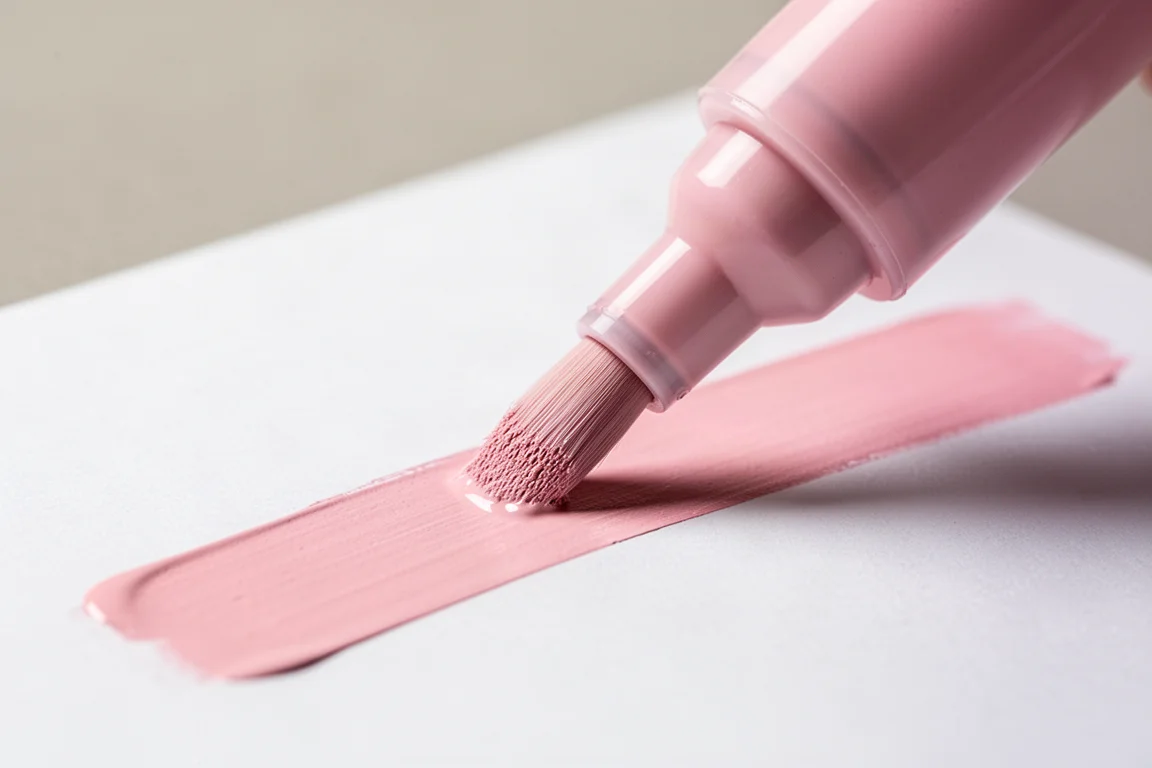
These markers are available in large all-color sets or smaller themed sets of around 60 markers, so you can scale your collection to how seriously you plan to use them. For customizing, lettering, and sketchbook color blocking, they are easy to recommend.
Colored Pencils: Prismacolor Premier
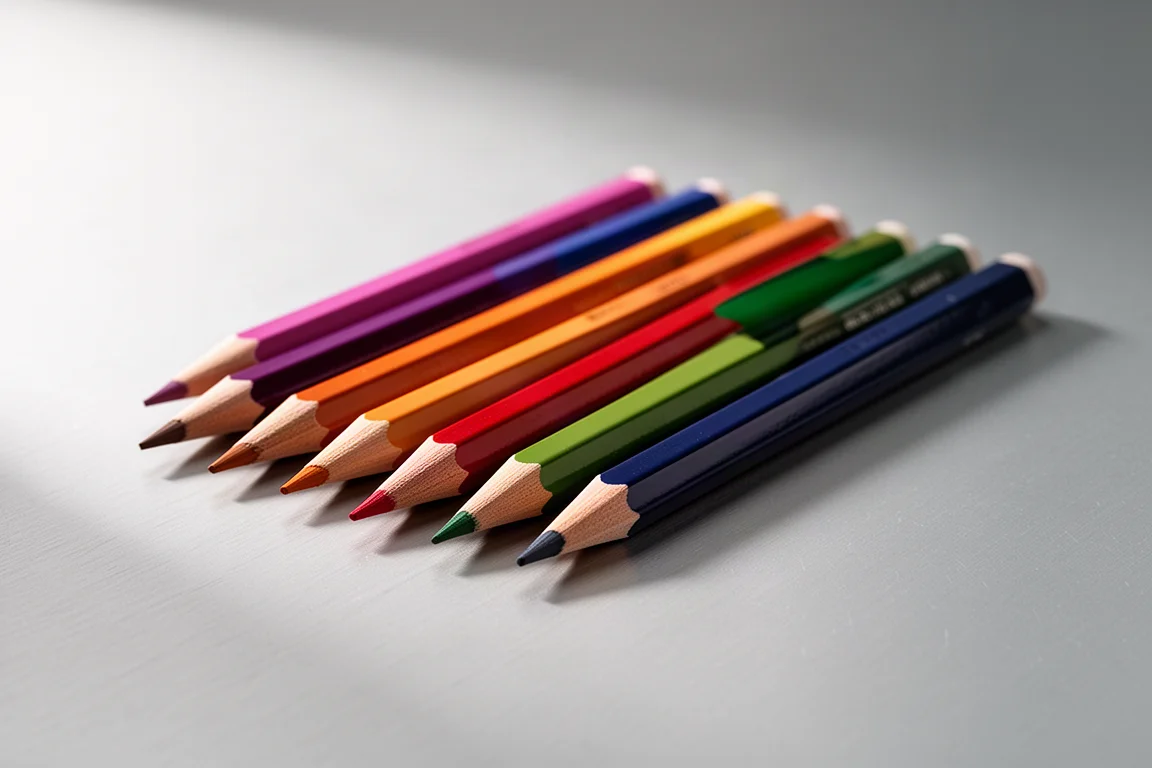
The Prismacolor Premier colored pencils are a long-running favorite, and this year they were essentially the only colored pencils in use. The strengths are consistent: strong lightfastness, a huge color range, and excellent blendability. They layer beautifully, whether you are building up feather-light passes or pressing harder for saturation.
The one drawback is real, though: when pressed hard, the cores break fairly easily. For artists who prioritize creamy blending over brute force, that trade-off is easy to live with.
Alcohol Markers: Copic Sketch
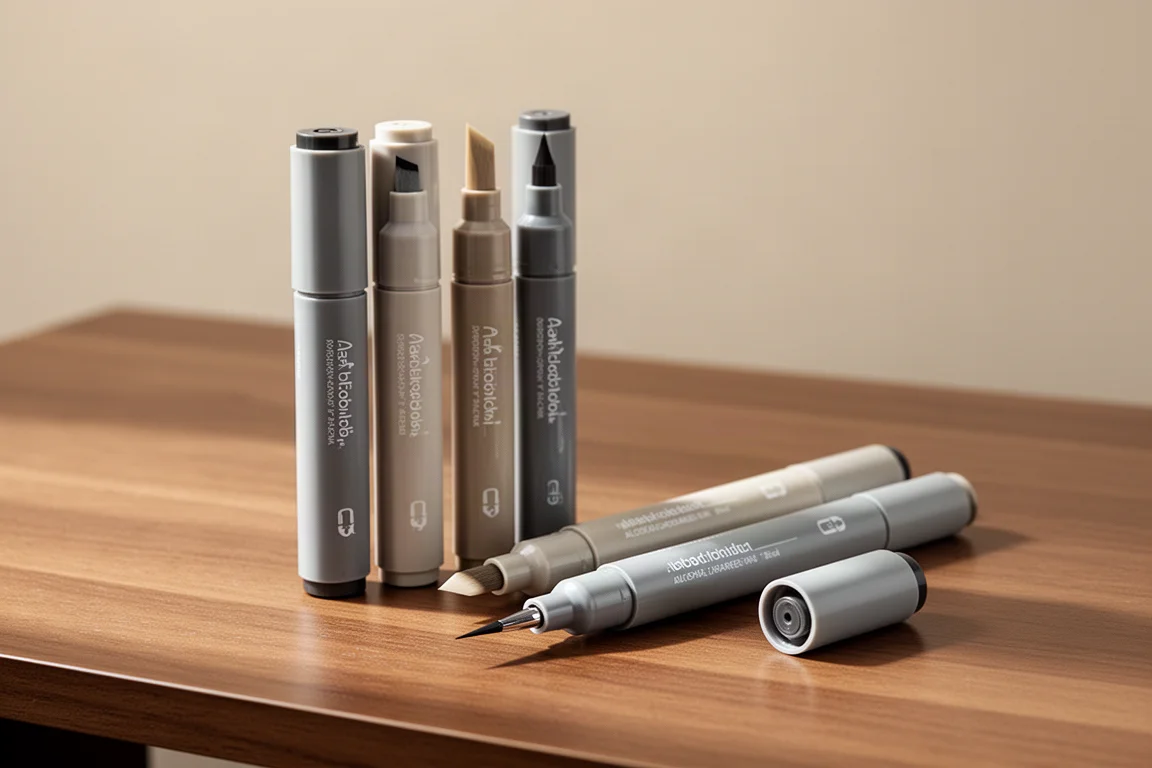
Copic Sketch markers are a perennial entry, but this year they felt especially useful as base layers under colored pencil, laying down a solid color with the marker and then working over it with pencils. The letter-and-number color coding system makes more sense than most competing systems, and the brush nib on one end with a chisel nib on the other covers almost every stroke you need.
These are alcohol-based markers, not water-based, and they are expensive. The counterarguments are the enormous color range and the fact that they are refillable, which softens the long-term cost. Plenty of other alcohol marker brands now do similar things, but the existing collection and familiarity keep this one loyal.
Gouache: Playful and Professional
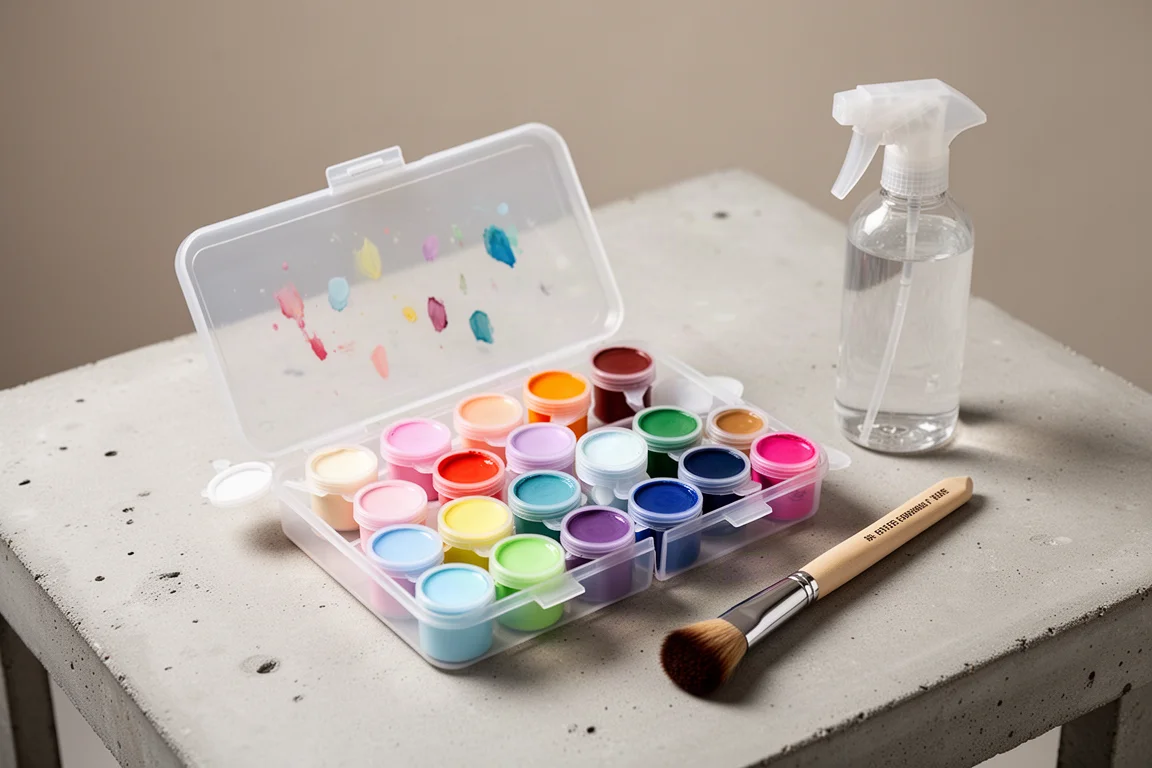
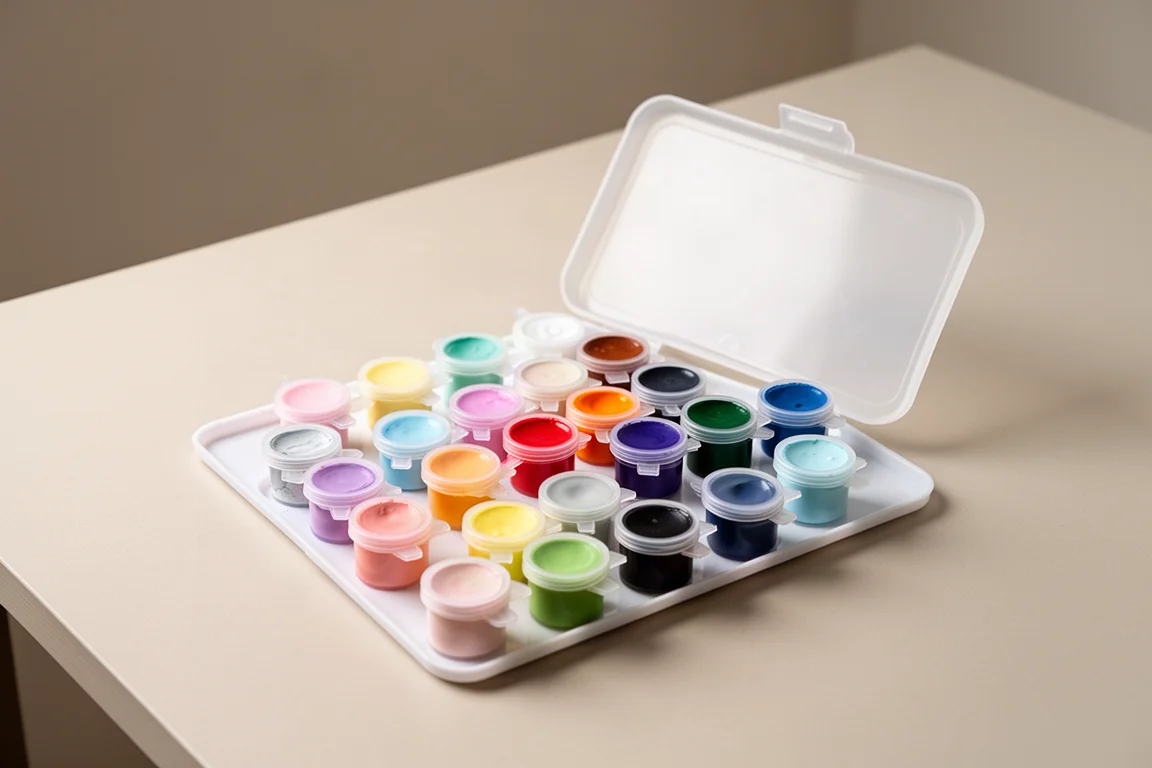
The Himi jelly gouache palette with 112 colors is the fun, budget-friendly end of the paint spectrum. It behaves like watercolor but more opaque, and it layers beautifully in a sketchbook. It does dry out fairly fast, so keep a spray bottle nearby: a quick spritz during a session, and a generous spray plus about 30 minutes of rest if the cups have dried out between sessions. If lightfastness is not a priority and you just want to play, this is a great pick.
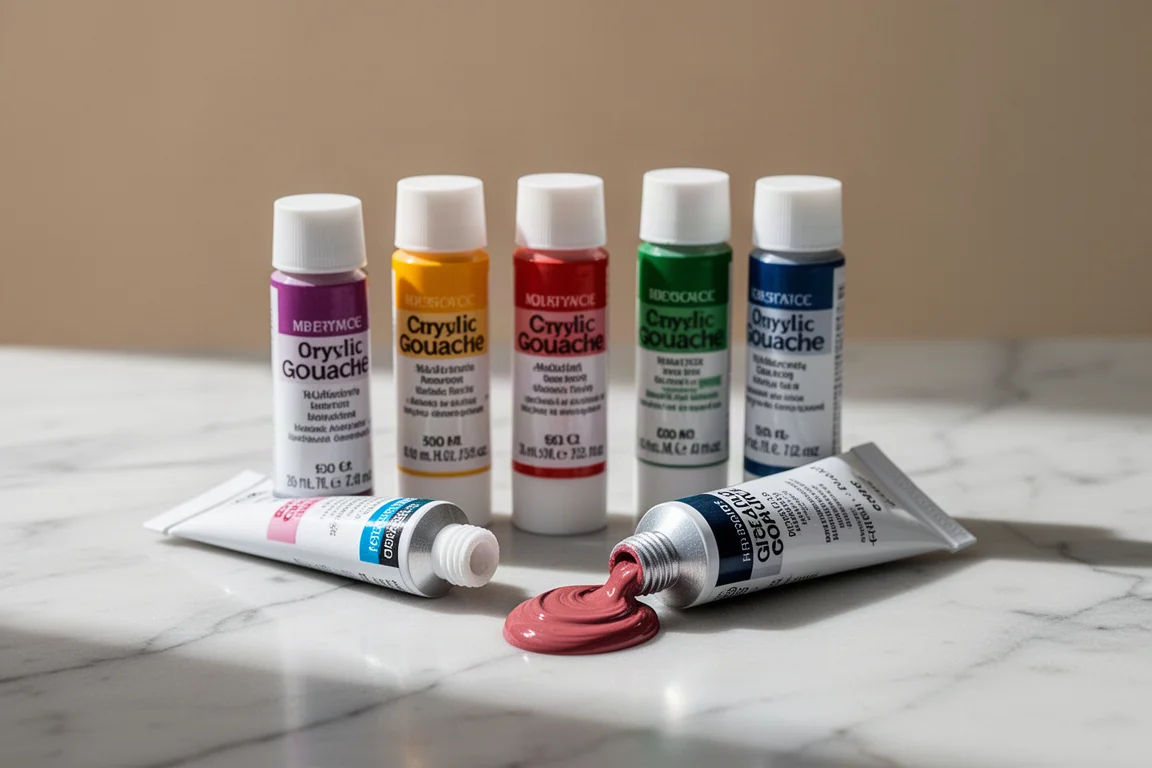
At the other end sits Holbein acrylic gouache, a yearly repeat for good reason. The colors are vibrant, the range makes it easy to grab the exact hue you want without mixing, and the packaging with a full color stripe around the lid makes finding the right tube effortless. These do not reactivate with water once dry, behaving more like matte acrylic, which suits smaller, detailed work. They are pricey and they also dry fast, so again, a spray bottle helps.
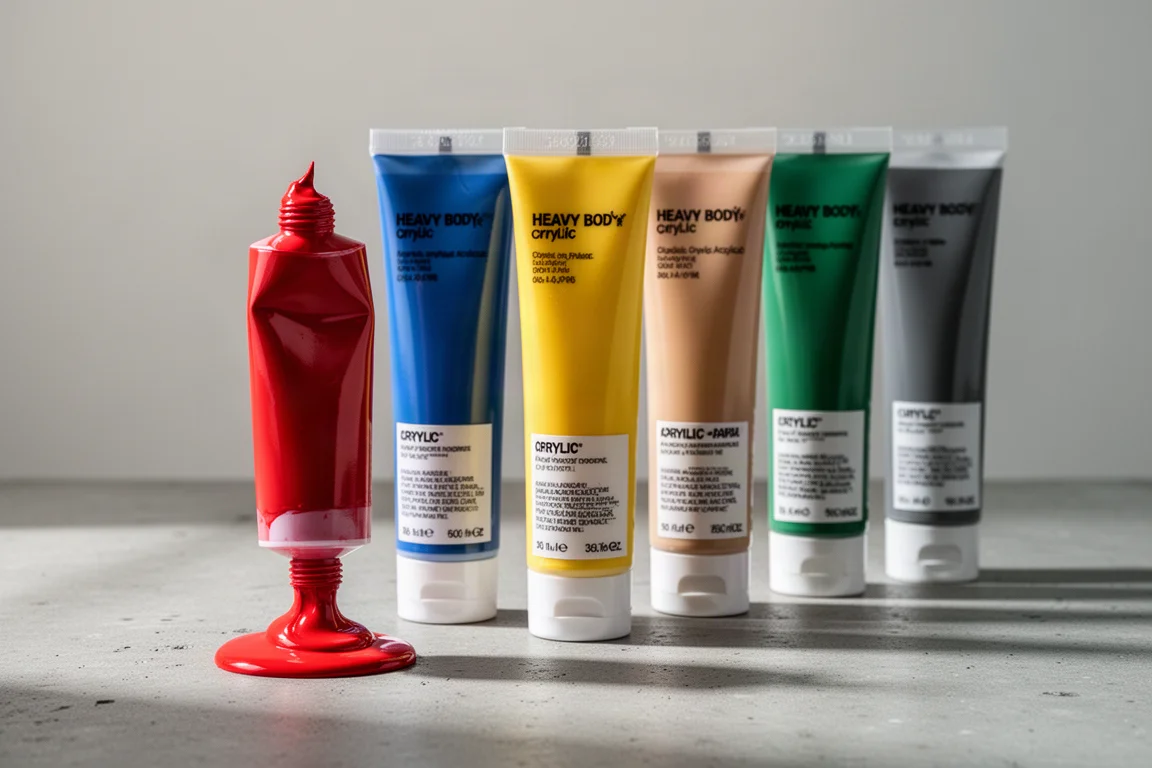
Acrylic Paint: Golden Heavy Body
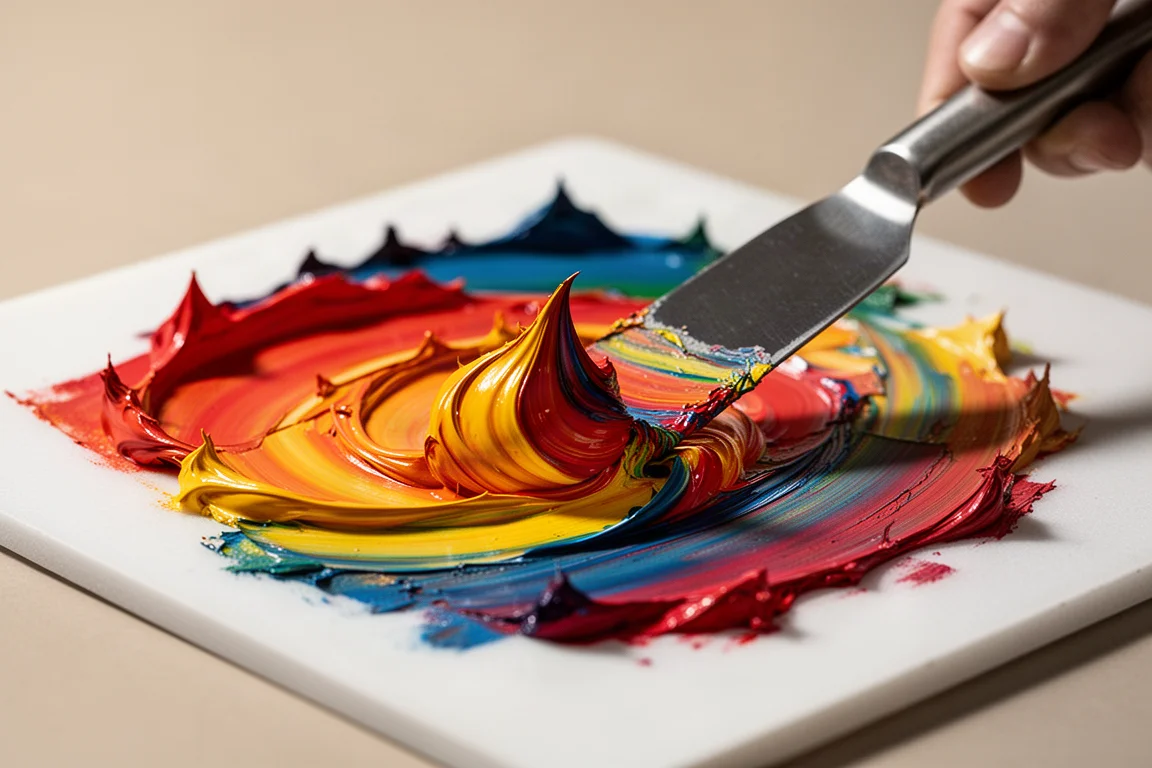
Golden Heavy Body acrylics are the thick, super-pigmented paints that see the heaviest use, and the ASTM lightfastness rating printed right on each tube makes it easy to know which colors will last. Most colors are very lightfast, with a few exceptions like fluorescents. One sign of how much these get used: white now comes in massive containers, and a good chunk of one is already gone.
Buying Advice
A few patterns worth taking from this list. First, format matters: both favorite sketchbooks are square, and liking the shape of your paper genuinely changes how often you use it. Second, the best supply is often the one you already own, used differently, like markers as underlayers for pencils. Third, small tools extend the life of big purchases: keeping a spray bottle near fast-drying gouache, and taking care of the supplies you already have, saves more money over a year than any single discount. Choose based on the medium you actually use most, and resist buying a full collection of anything before you have confirmed you enjoy it.
Conclusion
The 2025 favorites lean toward reliability over novelty: sketchbooks that take anything, markers with genuinely useful nibs, pencils that blend beautifully, and paints with strong pigment and proven lightfastness. A few entries repeat from previous years because they keep performing, and the newest arrivals, like the Zeta sketchbook and the Artex markers, earned their place the honest way. Pick the one that matches your medium, and you are unlikely to regret it.
Further reading
Related Reviews
Art Supplies
Art Pop Watercolor Pencils 48-Color Set: A Thoughtfully Designed Student-Grade Option
The Art Pop 48-color watercolor pencil set blends well, dissolves smoothly, and includes artist-friendly details like barrel-printed color names, all at an affordable price.
Art Supplies
Artics Acrylic Markers 3mm Review: Versatile Paint Markers With a Few Caveats
A 48-color set of water-based acrylic paint markers that blend while wet, dry permanent, and keep the price low, though safety transparency remains a question.
Art Supplies
Best Art Supplies Worth Your Money: Pencils, Pens, Paints, and Paper That Earned Their Spot
After years of daily use and testing, these are the pencils, pens, watercolors, gouache, brushes, sketchbooks, and erasers that stand above the rest.