Aquarium Coral Foods
Fauna Marin Ultra LPS Pellets Review: Soft Coral Food for Stronger LPS Growth
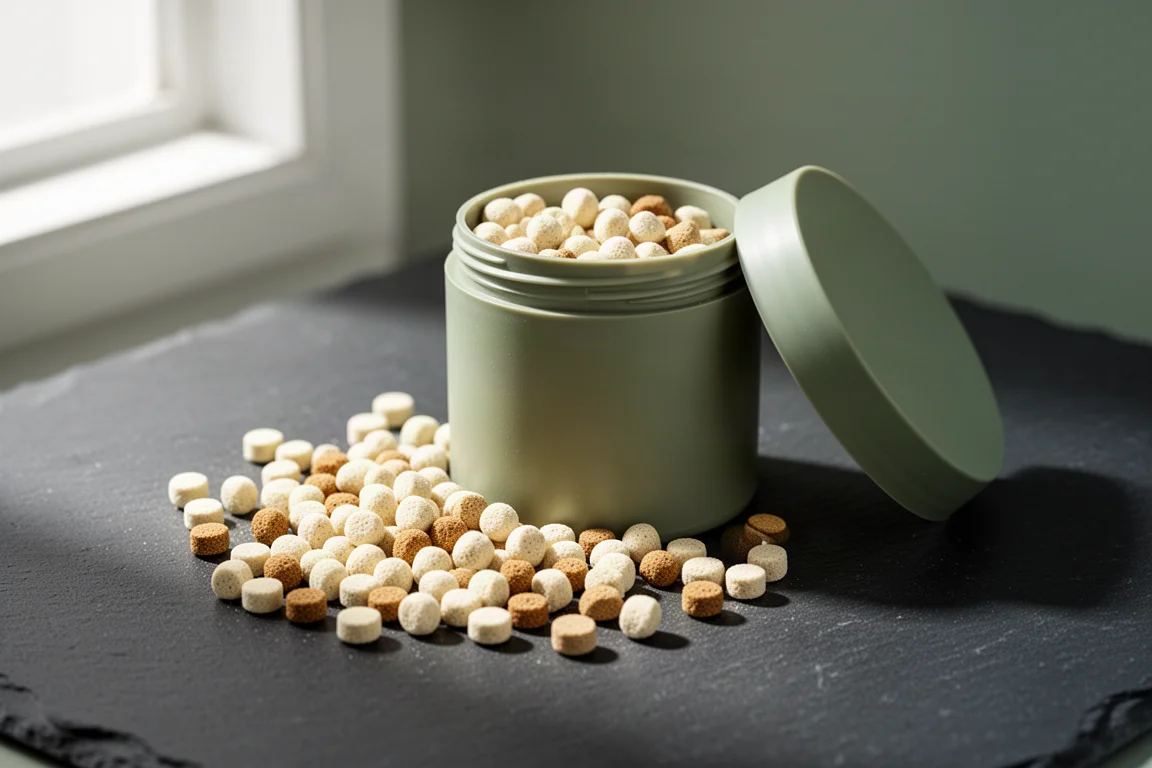
A close look at Fauna Marin Ultra LPS pellets, a soft, sinking coral food built for target feeding LPS corals like Scolys, Duncans, Acans, and Wellsos.
Introduction
LPS corals earn their place in a reef tank through colour and presence, and the specimens that stand out most are usually the ones that are growing steadily rather than simply surviving. Most corals draw the majority of their energy from photosynthesis, but many still benefit from an additional food source. In the ocean, roughly 15 to 20 percent of a coral’s energy comes not from photosynthesis but from capturing prey such as zooplankton, along with dissolved organic matter and bacteria in the surrounding water.
Fauna Marin Ultra LPS pellets are designed around that natural feeding response. They are a protein-rich pellet aimed at LPS corals that are actively searching for a concentrated energy source they can take in and process quickly.
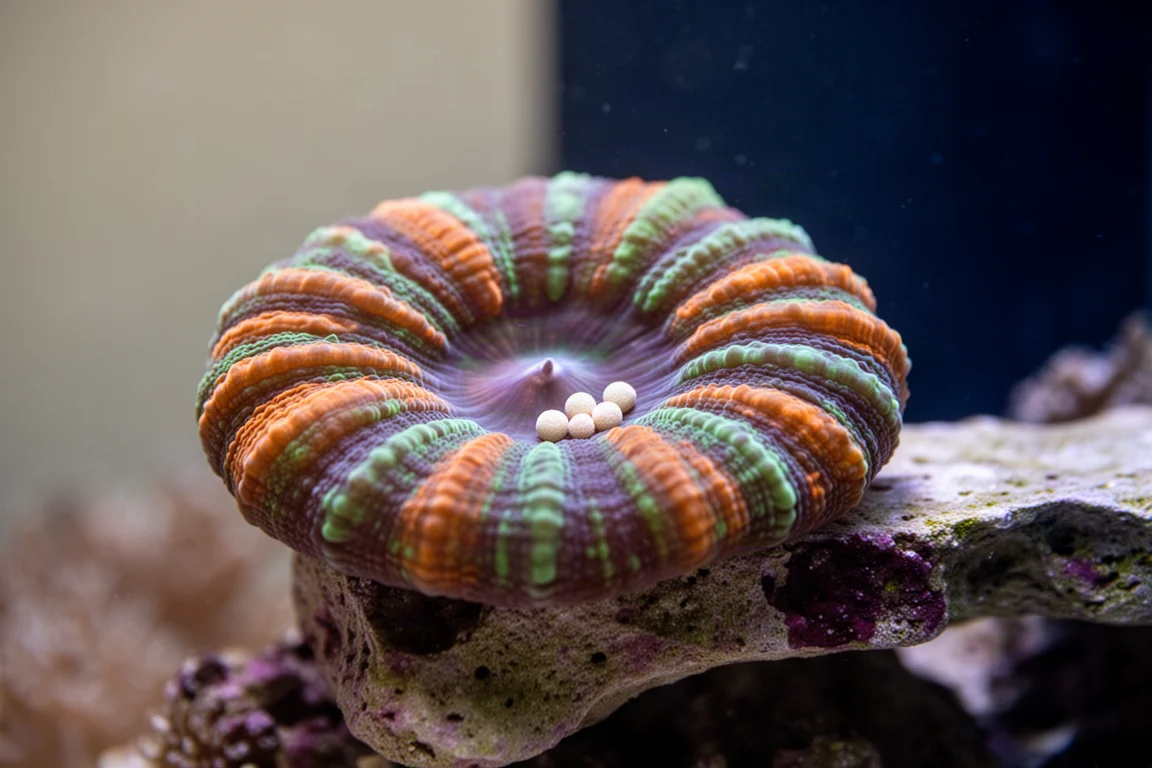
That is a narrow brief compared with a general reef food, and it is the reason these pellets behave differently in the tank. They are built to be offered directly to individual corals rather than broadcast across the whole aquarium, which makes them relevant to keepers who already feed selected colonies by hand.
Who This Coral Food Is For
This food is aimed at LPS keepers. Scolys, Duncans, Acans, and Wellsos are the kinds of corals it is meant for, and they are often kept precisely because of the wide array of distinctive colours they can develop.
If your routine already includes target feeding, Ultra LPS pellets slot into it without much adjustment. If you have never fed a coral directly, these pellets are a reasonably forgiving place to start, because they sink and stay where they are placed instead of drifting through the water column.
Main Strengths: Soft Pellets and Faster Digestion
The pellet is packed with natural proteins, fatty acids, and carbohydrates that corals use. The more interesting part is the consistency of the pellet itself. Ultra LPS pellets are soft, which makes them easier and faster for a coral to digest.
That matters more than it first appears. The faster an LPS coral converts its food into energy, the faster it grows, and the faster it grows, the more fully it can display its colour. Growth and colour are connected here rather than treated as separate goals.
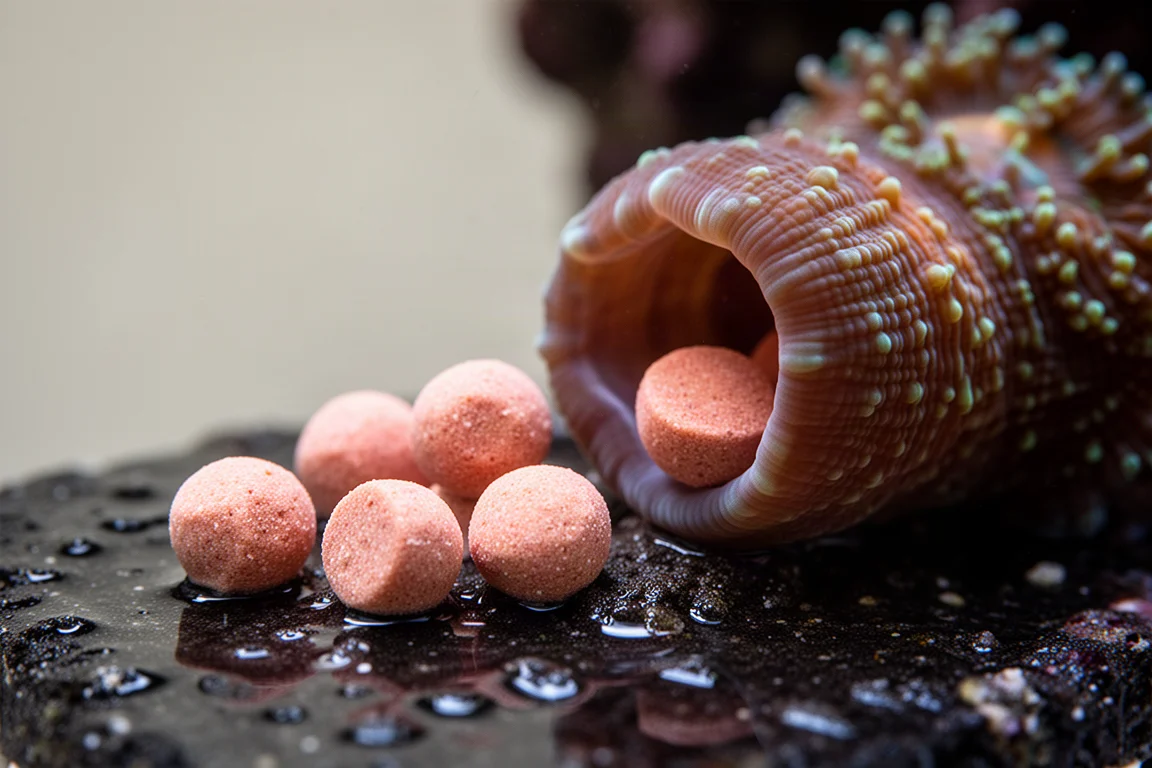
Because the pellets sink, target feeding becomes a tidy operation. There is no cloud of food floating and flying around the aquarium, and no scramble to net out leftovers before they break down elsewhere in the system.
Pellet Sizes and Target Feeding
Ultra LPS pellets come in two pellet sizes, a medium option and a large option. Because the pellets are soft, they can also be crushed easily. That gives you a way to match the food to the coral rather than the other way around: the right size pellet for the right size mouth.
For a tank holding a mix of LPS corals, that flexibility is the practical advantage. A large pellet suits a broad polyp, while the same pellet crushed into smaller fragments works for a coral with a tighter mouth.
How to Feed Ultra LPS Pellets
The routine is straightforward. Turn off the pumps and the powerheads, mix the pellets with a little tank water, then use a coral feeder to deliver a couple of pellets to the specific corals you want to feed.
Two tips are worth keeping in mind. First, do not force feed your corals. They will grab and consume what they need on their own, so place the pellets near the mouths of the LPS corals and never shove them directly in. Second, offer each coral the right size pellet for its mouth, breaking pellets down into smaller pieces when needed, because a coral cannot consume or digest food that is too large for it.
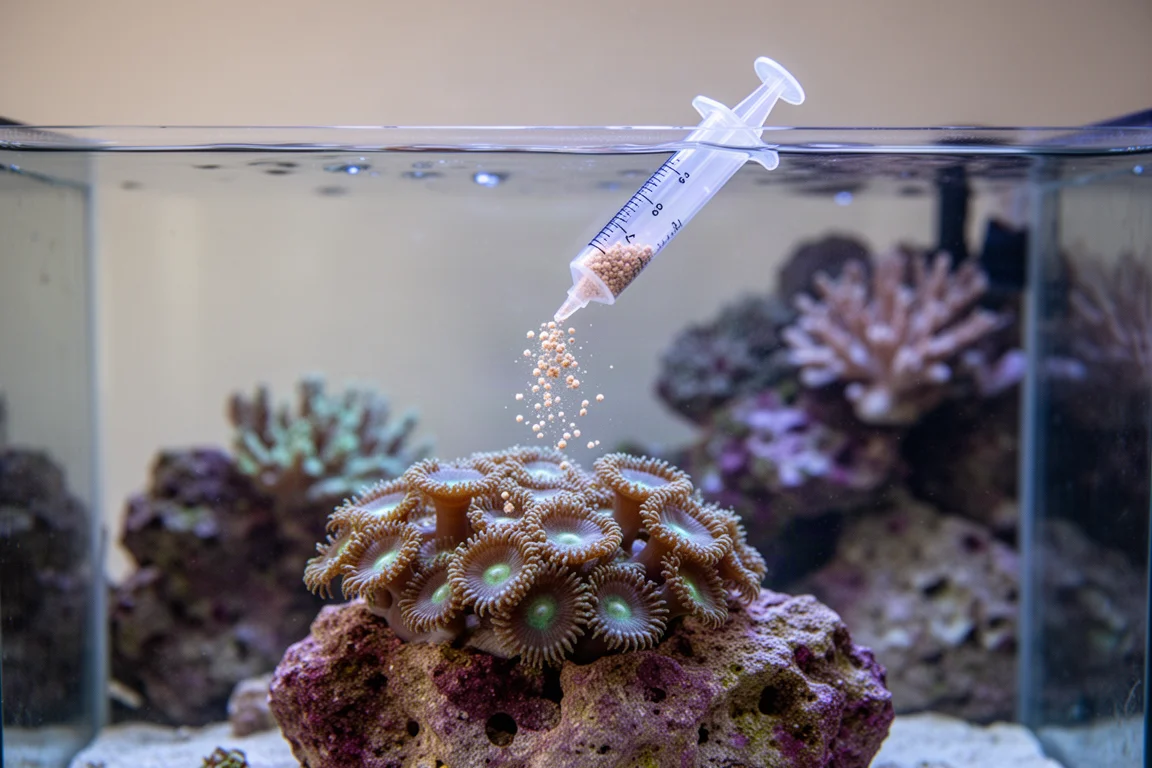
Working with the correct pellet size is the part most likely to decide whether a feeding session goes well. A pellet that is too big simply will not be taken in, no matter how aggressively the coral responds to the scent of food in the water.
Things to Consider Before Buying
Feeding this way is a hands-on routine. You need to switch off flow, mix the pellets, and place food at individual corals, which takes a few minutes each time and briefly interrupts circulation in the tank.
It also helps to think of Ultra LPS pellets as a supplement rather than a substitute for good lighting and stable water. Most corals still receive the majority of their energy through photosynthesis, and this food adds to that base rather than replacing it.
Finally, sizing is not optional. Corals cannot consume or digest a pellet that is too large for their mouths, so plan on crushing pellets for smaller polyps until you know what your corals will accept.
Buying Advice
Choose between the medium and large pellet sizes based on the corals you keep. If your LPS collection includes a range of polyp sizes, the soft texture means you can buy one size and break pellets down as needed rather than stocking two separate foods.
These pellets suit reef keepers who want a sinking, low-mess food they can deliver precisely to chosen colonies. If you prefer a broadcast feeding approach, or you are not interested in feeding individual corals by hand, this is less likely to fit your habits.
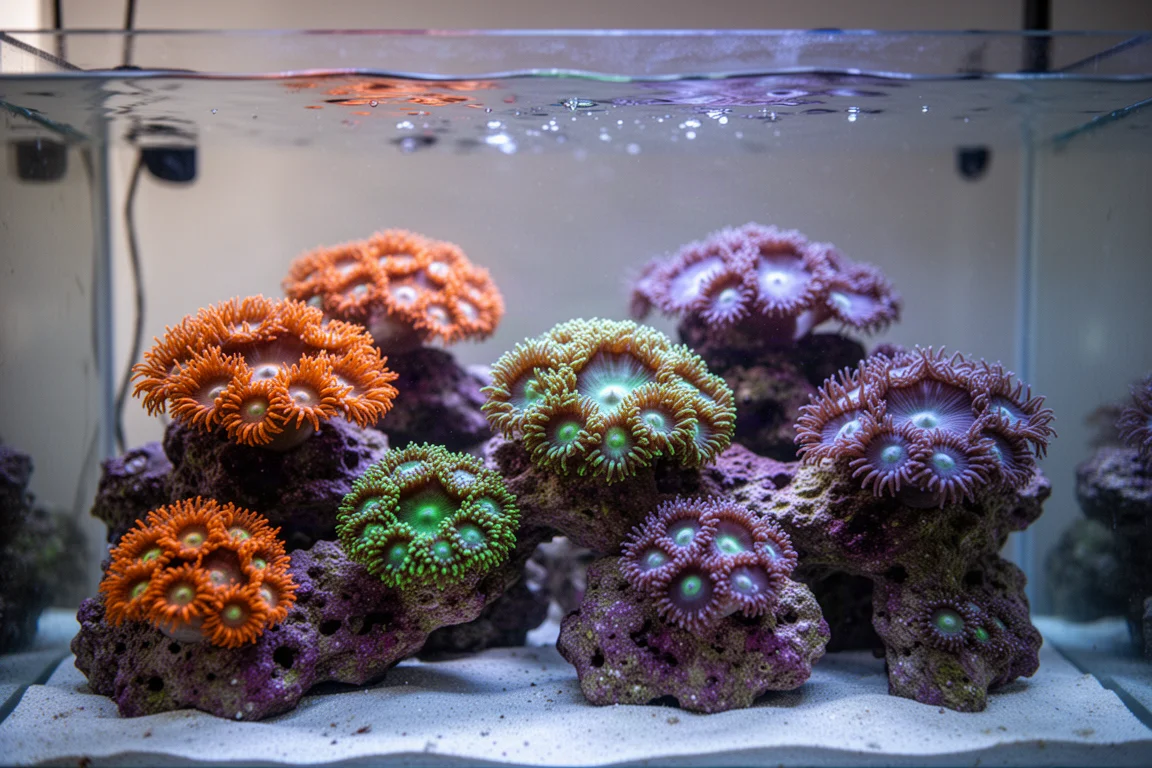
For anyone already target feeding LPS corals, the appeal is fairly clear: a soft pellet that is easy for corals to digest, offered in two sizes, with no floating mess to clean up afterwards.
Conclusion
Fauna Marin Ultra LPS pellets are built around a simple idea, that a soft, sinking, protein-rich pellet is easier for LPS corals to take in, digest, and turn into growth. Two pellet sizes plus a crushable texture make it adaptable across Scolys, Duncans, Acans, and Wellsos, and the sinking behaviour keeps target feeding contained. If maximising growth and colour in your LPS corals is the goal, this is a practical food to build a feeding routine around.
Product link
View more details for Fauna Marin Ultra LPS Pellets
This product is mentioned in the review. Check the specifications, options, and compatibility before buying.
View more details for Fauna Marin Ultra LPS PelletsFurther reading
Related Reviews
Saltwater Aquarium Setup
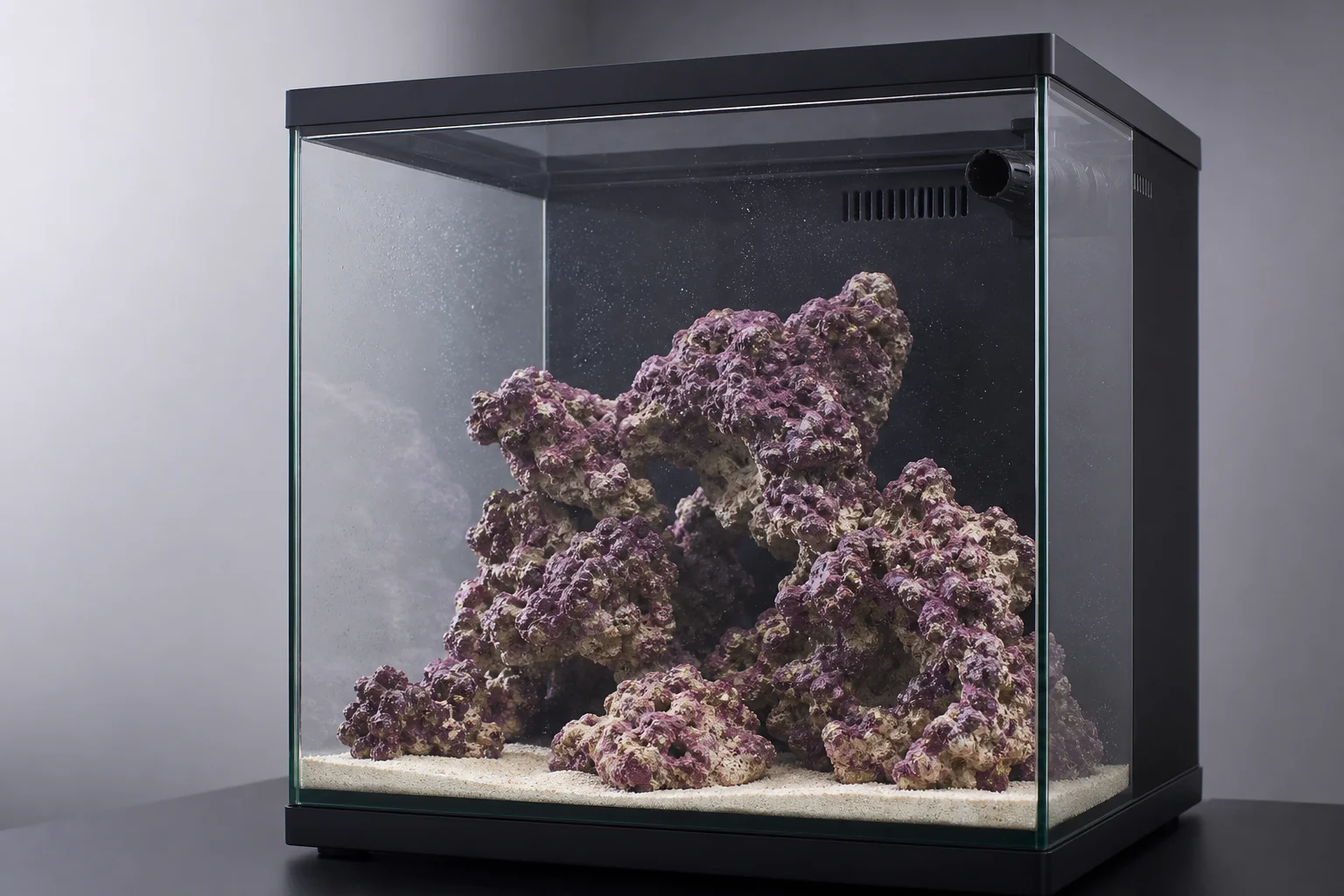
10 Questions About Cycling a Saltwater Aquarium: What You Need to Know
Essential questions and answers for cycling a reef tank or saltwater aquarium, from biome building to light management and bacterial supplements.

Aquarium Equipment
Adaptive Reef Hybrid Algae Reactor Review: One Reactor, Three Ways to Grow Algae
A close look at the Adaptive Reef Hybrid Algae Reactor, which runs as an algae turf scrubber, a macro algae reactor, or a refugium, and pairs with the AI Blade Refugium LED.
Aquarium Filtration
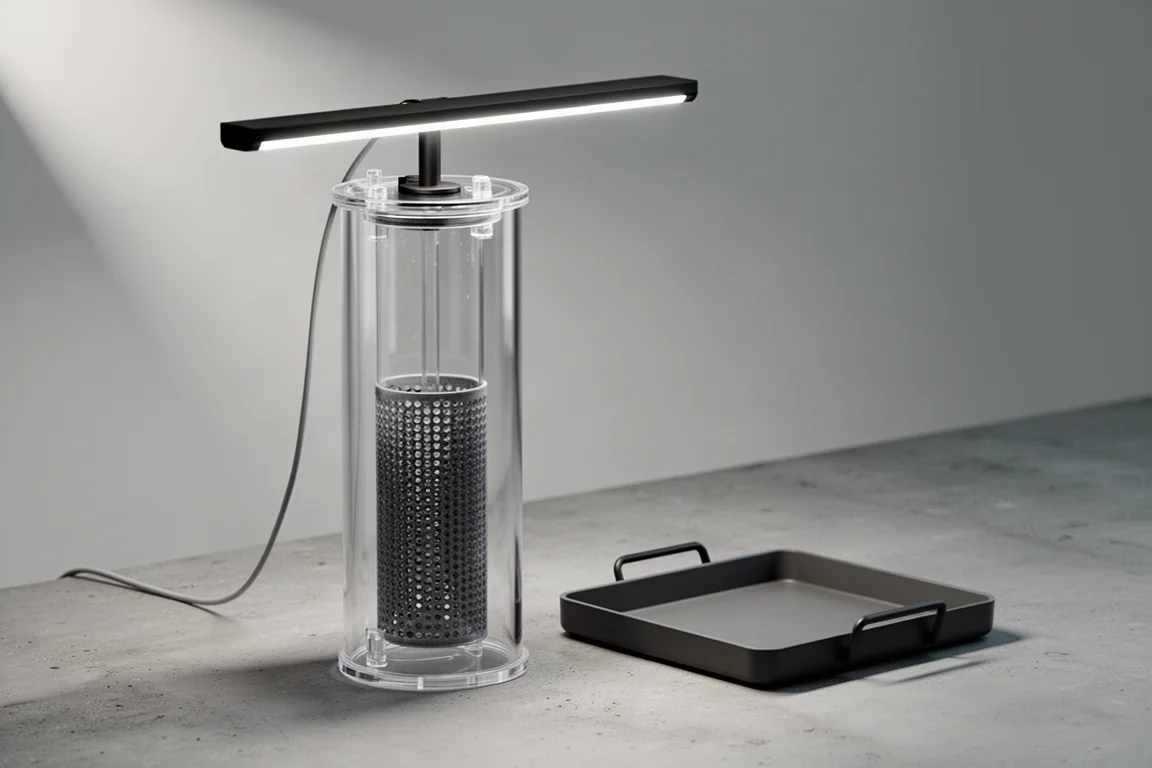
Adaptive Reef Refugium Reactor Review: A Simple Way to Grow Nuisance Algae Outside Your Display
A vessel designed to grow nuisance algae in a controlled space so it stops taking over the display tank, with an adjustable stand, a removable basket, and a single LED light on top.