Camping Gear
Family Car Camping Gear: 12 Essentials That Earn Their Space
A practical look at the tents, sleep systems, cooking gear, storage and camp furniture one family takes on car camping trips, plus what to weigh before buying.
Introduction
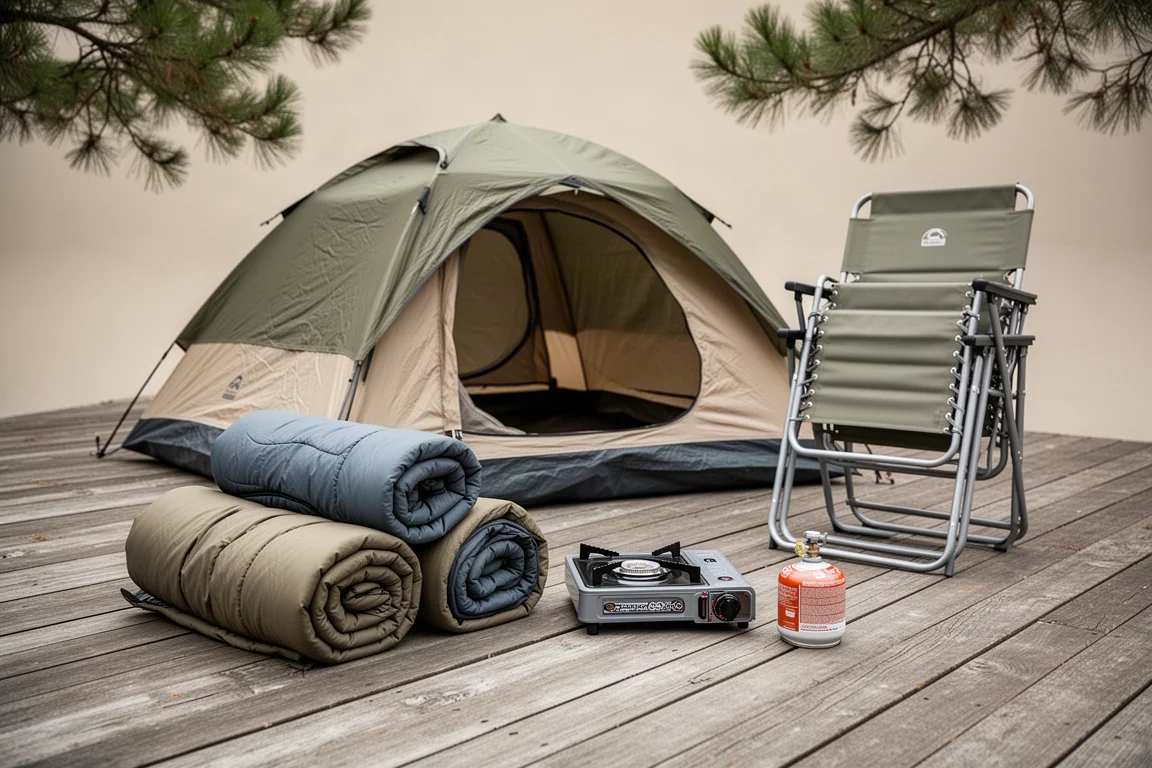
Car camping with a family comes down to one practical question: what actually earns its place in the vehicle? After several seasons of trips and a growing set of children, one family’s kit has settled into a fairly stable list, with a few new additions each year as the kids get older and need more room of their own.
The gear below covers the shelters, sleep systems, cooking equipment, storage and camp furniture used on nearly every trip out of the car. Some pieces have been in service for years, while others are brand new this season. Nothing here is compulsory, and prices in this category vary enormously. What follows is what gets used, why it works, and what is worth checking before you spend.
How We Chose These Camping Essentials
The gear on this list had to pass a few practical tests. It had to survive repeated loading and unloading, pack into a car without wasting space, and hold up to children using it without supervision. Livable space mattered as much as packed size, because a tent that is easy to carry but miserable in bad weather tends not to get used again.
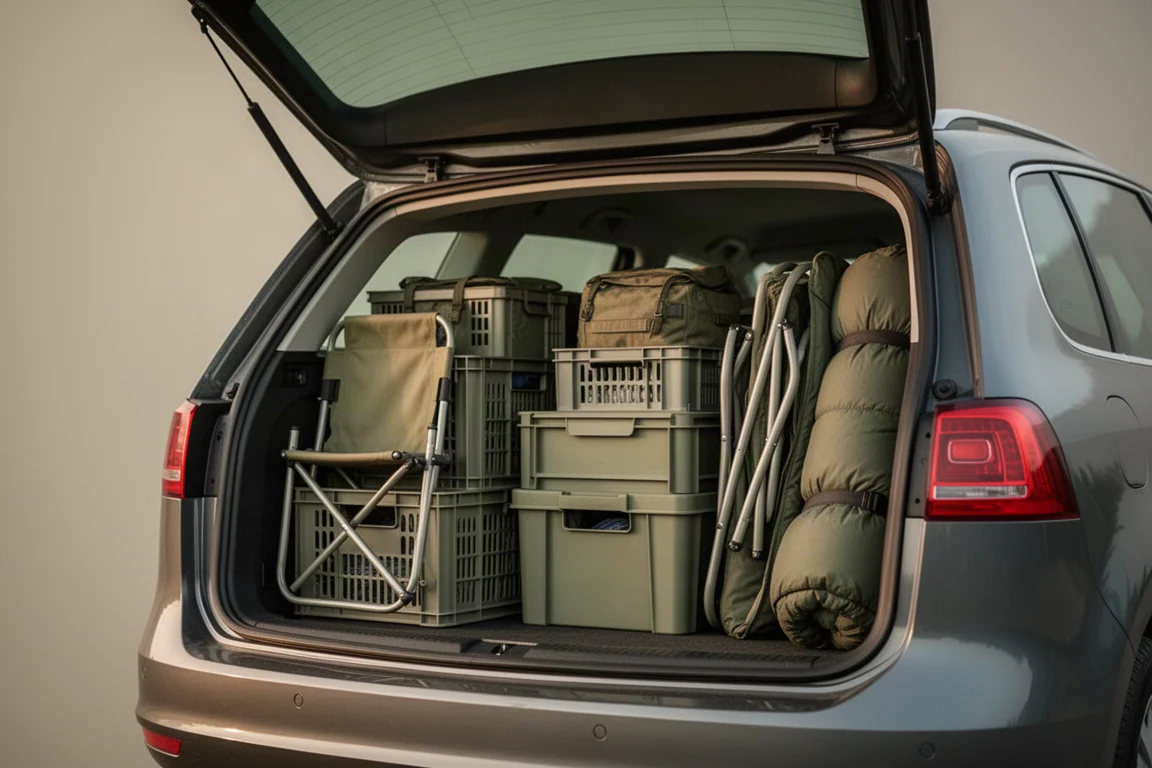
Durability across multiple seasons carried more weight than a low sticker price. Several items here cost more than the entry-level alternatives, and a few are openly described as expensive by the family using them. The trade-off is gear that has already been through years of trips, plus a small number of newer additions chosen specifically to solve problems the older kit could not.
Shelter for the Kids: Big Agnes Big House 4
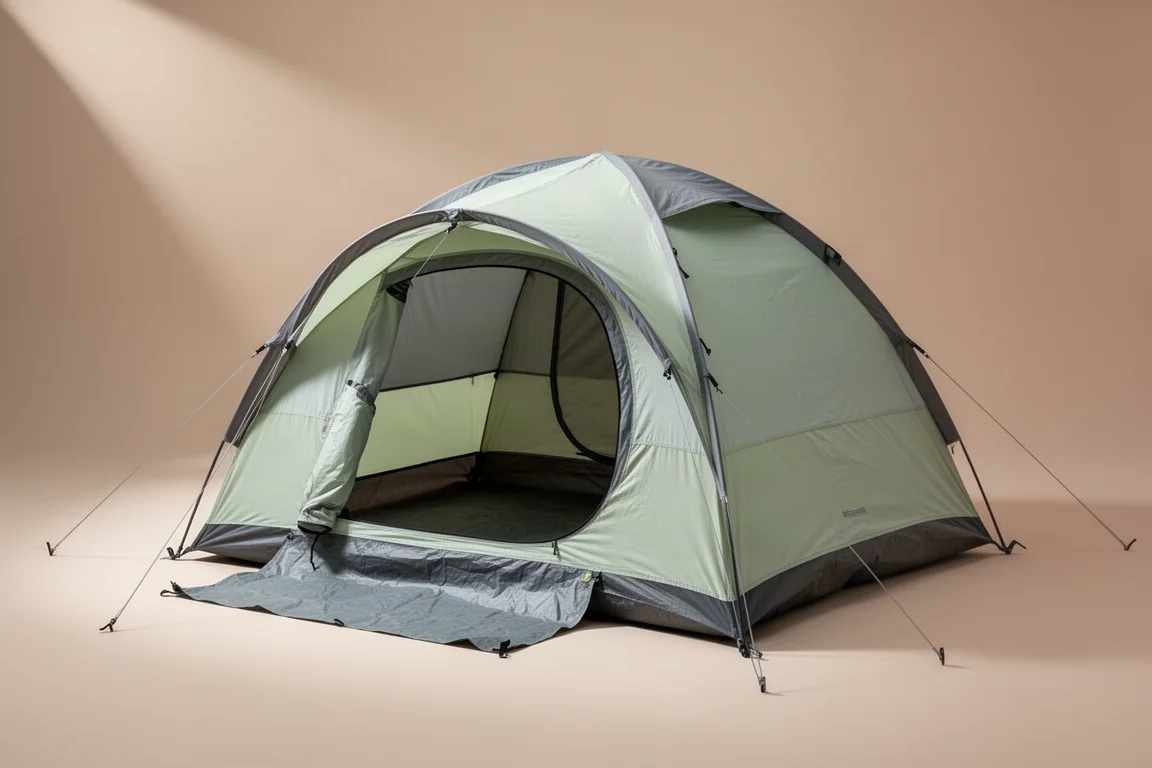
The children sleep in their own tent, and a four-person model turned out to be the right compromise between a cramped two-person shelter and a large family tent. Standing height is generous enough to move around comfortably, and the floor leaves a usable strip of space between the sleeping pads for getting changed and settling in at night.
That extra room pays off in bad weather, when the tent becomes somewhere to hang out rather than just somewhere to sleep. It is worth noting that the family previously used a smaller two-person tent for the kids and found the move to four-person space to be a clear improvement.
Shelter for the Rest of the Family: Nemo Aurora High-Rise
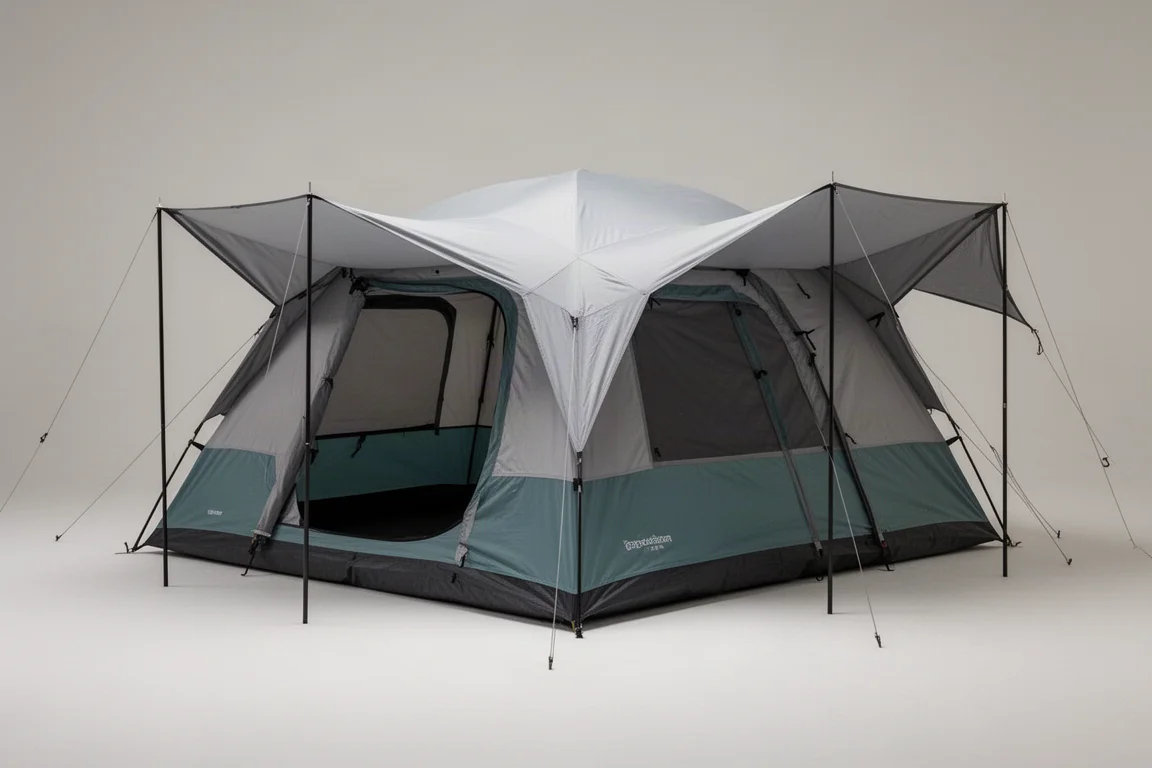
The adults and the youngest child sleep in this tent, and the four-person version has become the family favourite. The near-vertical side walls keep the interior usable right out to the edges, which makes a noticeable difference to how much livable room a four-person tent actually offers.
The door opening is unusually large, which makes moving bedding and bags in and out far easier. The family also owns the six-person version of the same tent and rates it among the best family camping tents you can buy.
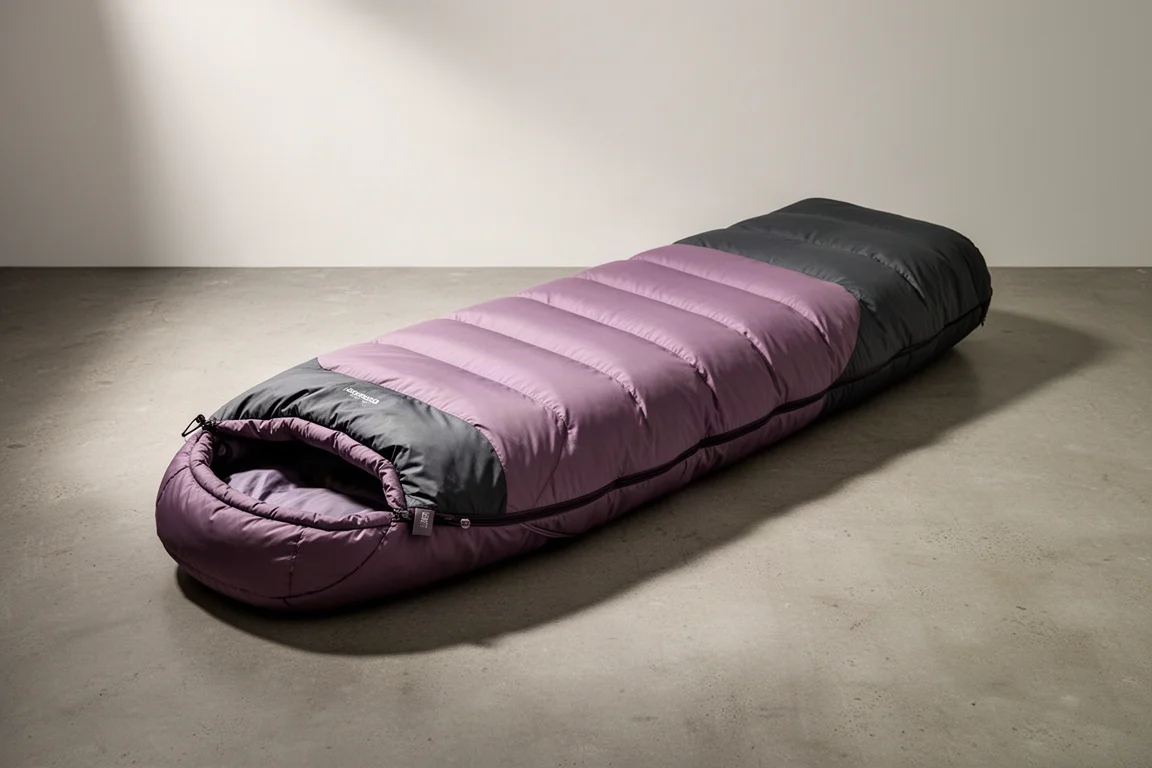
Sleeping Bags for Older Kids: Big Agnes Anthracite
These are women’s-specific bags in a small or regular length, which is shorter than the standard six-foot sizing common in the category. That shorter cut suits younger and smaller sleepers better and gives them room to grow into the bags over time.
They are paired with insulated sleeping pads and a down blanket layered on top for extra warmth on cold nights. Layering a quilt or blanket over a bag is a simple way to extend the comfort range without buying a second bag.
The Main Sleep System: Zenbivy Overland Bed
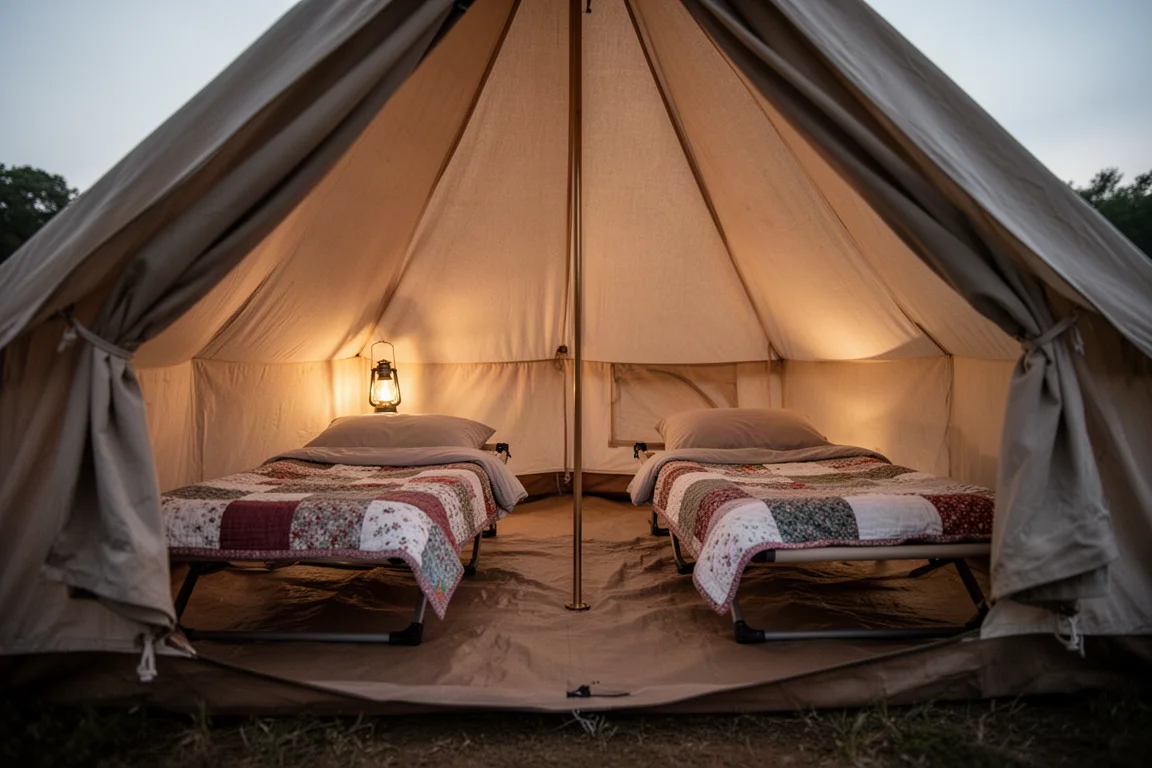
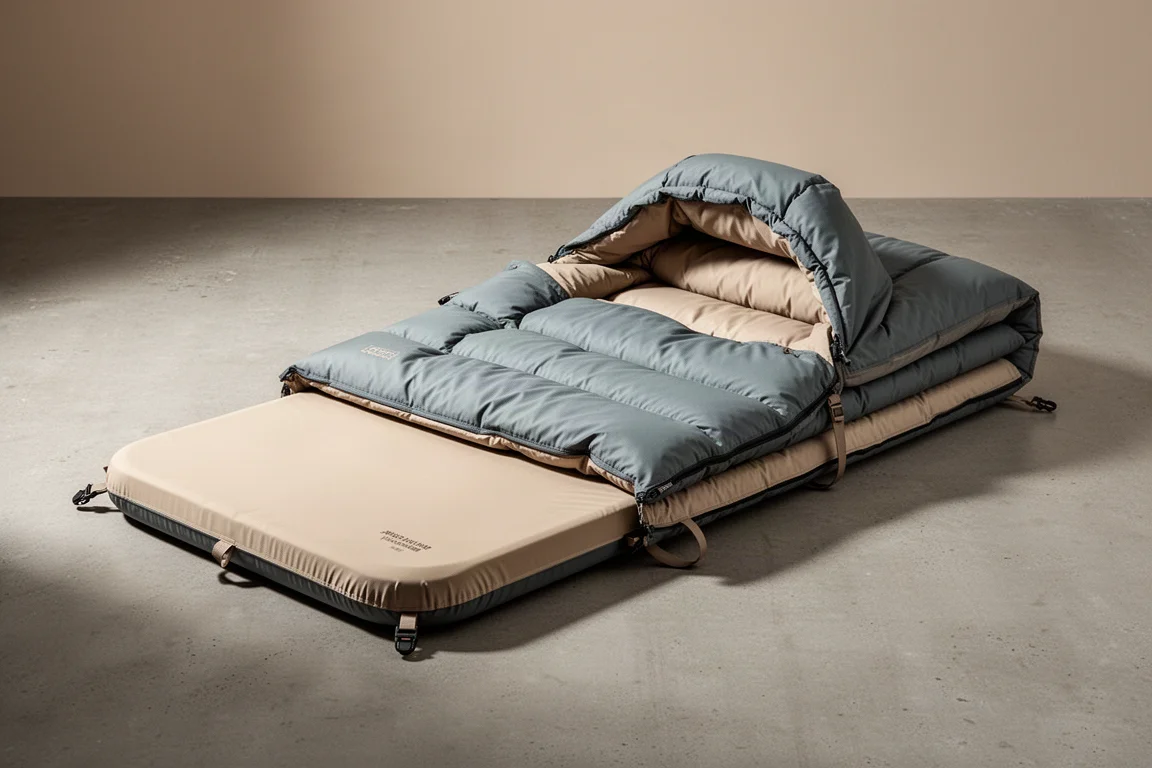
This is the adults’ sleep setup, and it is the piece of gear that gets the strongest endorsement in the whole kit. The Overland Bed sits on top of two low cots, with a Zenbivy Flex Air Pad and a self-inflating foam pad underneath, which together create a bed comfortable enough to make tent sleeping genuinely appealing.
The combination is what makes it work. The cots lift the sleeper off the ground, the air pad adds cushioning, and the foam layer adds warmth and stability, so the whole stack behaves more like a proper bed than a camping pad.
For anyone who camps often, sleep is the category where spending more tends to show up most clearly in how you feel the next morning. The trade-off is bulk and setup time compared with a simple pad and bag.
The Pillow That Changed the Setup: Hest Pillow
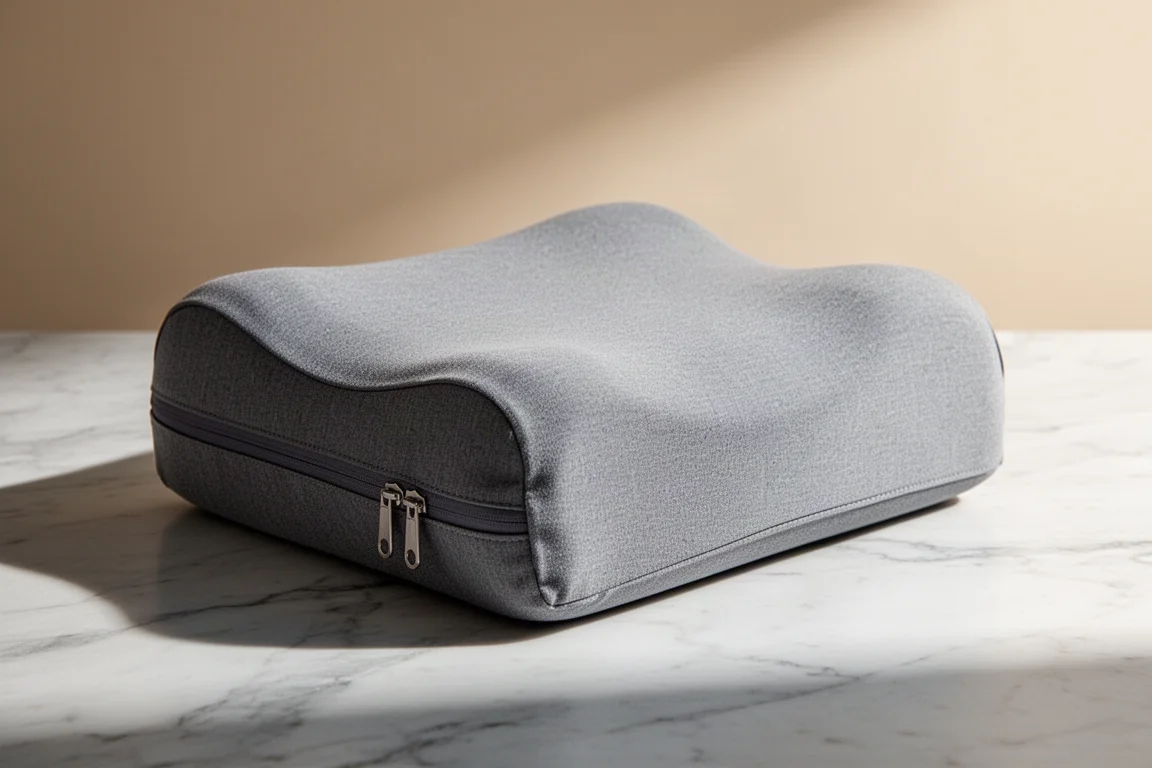
This is a small item with an outsized effect. The Hest Pillow is described as expensive but worth it, and it is the piece of sleeping gear the family is most enthusiastic about.
A proper pillow is easy to overlook when building a sleep kit, yet it is one of the cheapest ways to improve a night in a tent. If the budget stretches to one upgrade beyond the pad and bag, this is a reasonable place to put it.
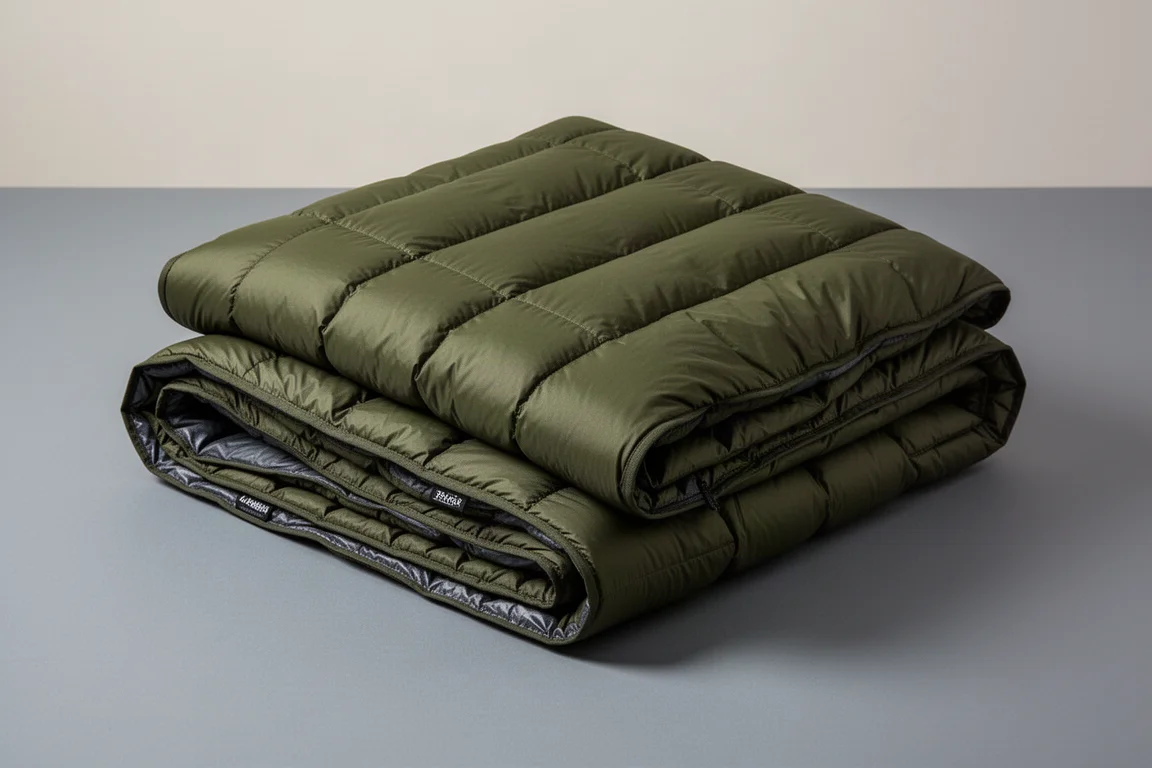
Extra Warmth on Cold Nights: UGQ Quilo Quilt
The family owns three of these down quilts, in a deluxe size for adults and a junior size for a child. They are used on top of sleeping bags as an additional layer when temperatures drop, and they double as a warm layer for anyone who gets cold in the night.
A quilt is a flexible addition to a family kit because it works over almost any bag and packs down small. Choosing one size for adults and one for kids keeps everyone covered without duplicating full sleep systems.
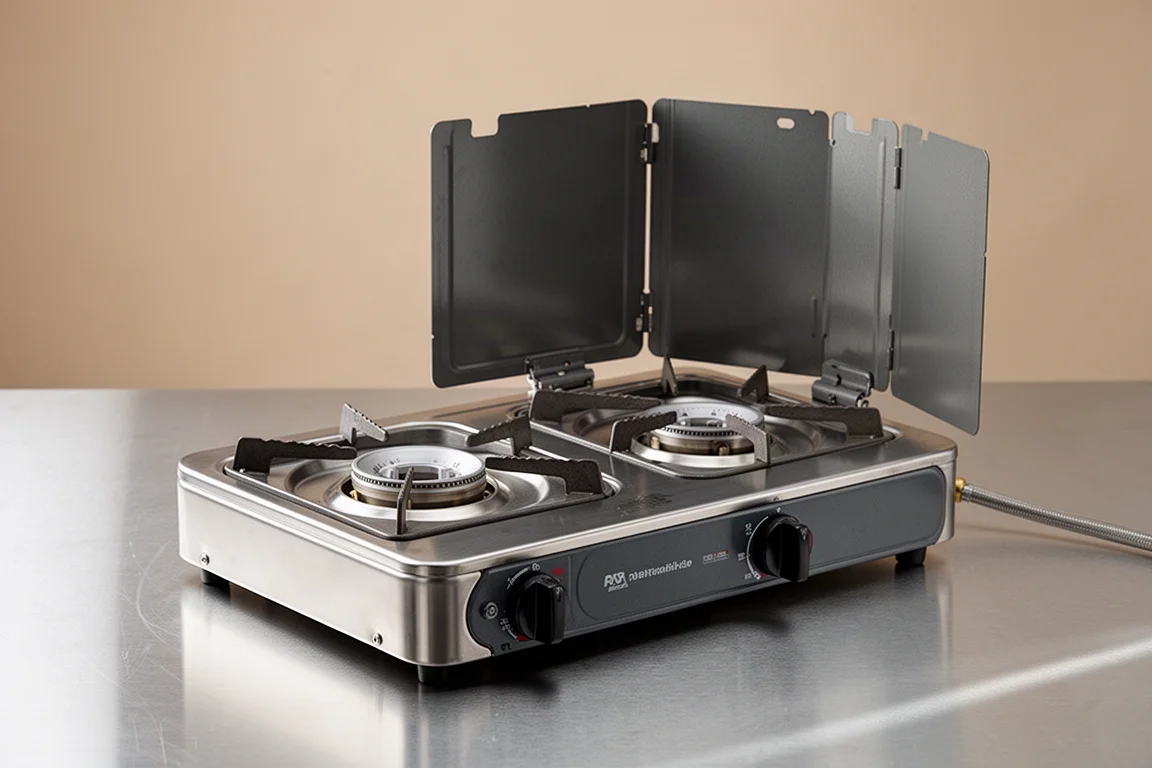
The Camp Stove: Jetboil Genesis
This two-burner stove offers two large cooking surfaces and handles the job it was bought for. It is also expensive, and the family’s verdict is still split after a first trip with it.
The main criticism is wind performance. Even with the windscreen that comes with the stove, it struggles in breezy conditions. For campers who cook in exposed sites, that is worth knowing before committing to a premium two-burner.
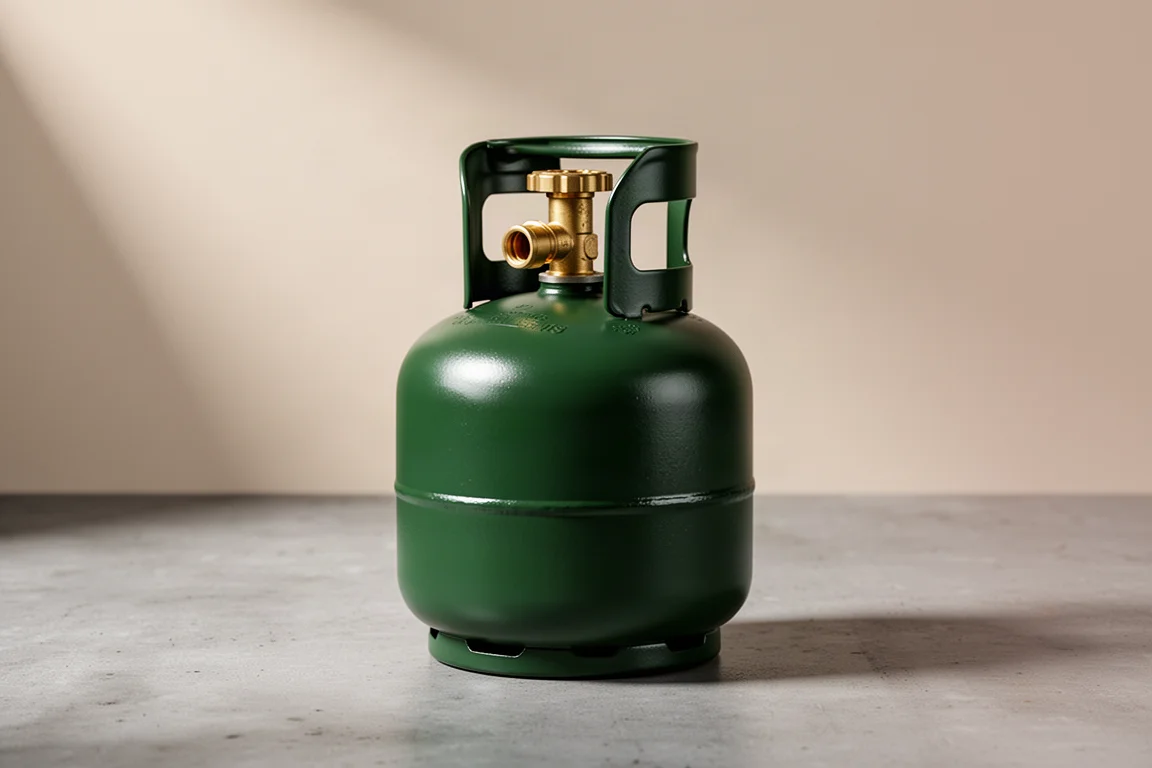
Refillable Propane: Ignik 3.5 lb Tank
This refillable cylinder is one of the most appreciated items in the cooking setup because it removes the need for disposable green canisters. It holds a modest amount of propane, which makes refilling quick and inexpensive.
The small capacity is a feature rather than a flaw for car camping, where weight is not the constraint and topping up is easy. It is a straightforward upgrade for anyone tired of buying and discarding single-use canisters.
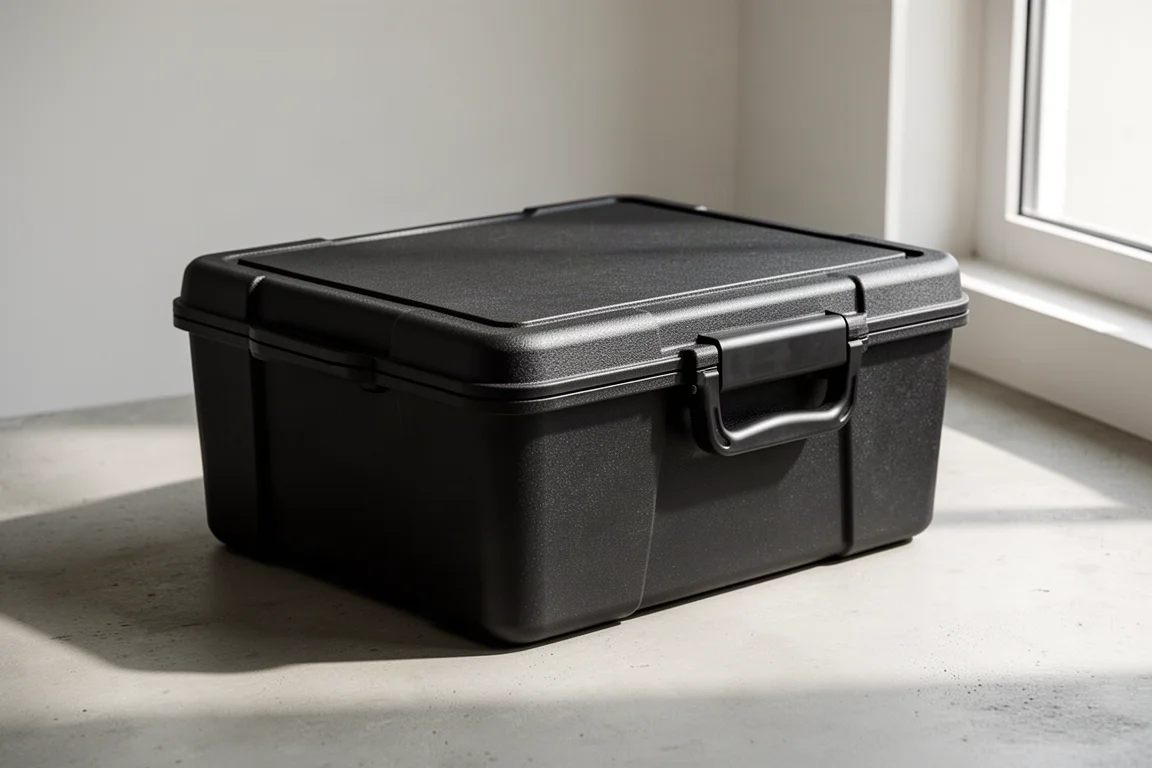
Keeping Small Gear Contained: Gregory Alpaca 50L
Small items are what turn a packed car into chaos, and this 50 litre storage box is the answer to that. It is described as dust-proof and watertight, which matters for gear that lives in the back of a vehicle between trips.
A single box for headlamps, cables, wipes and fire-starting supplies means everything has a home and nothing has to be hunted for at camp. It stacks and carries easily alongside larger storage.
Food Storage Without Ice: Iceco VL35 Pro
Switching to a 12 volt fridge is described as a game changer, and the reasoning is simple. A 35 litre capacity leaves room for food and drinks, and there is no ice to buy, drain or replace over a long weekend.
It runs from a portable power station, so the setup needs a battery pack as part of the kit. In exchange, food stays cold for the whole trip and the cooler-drain problem disappears.
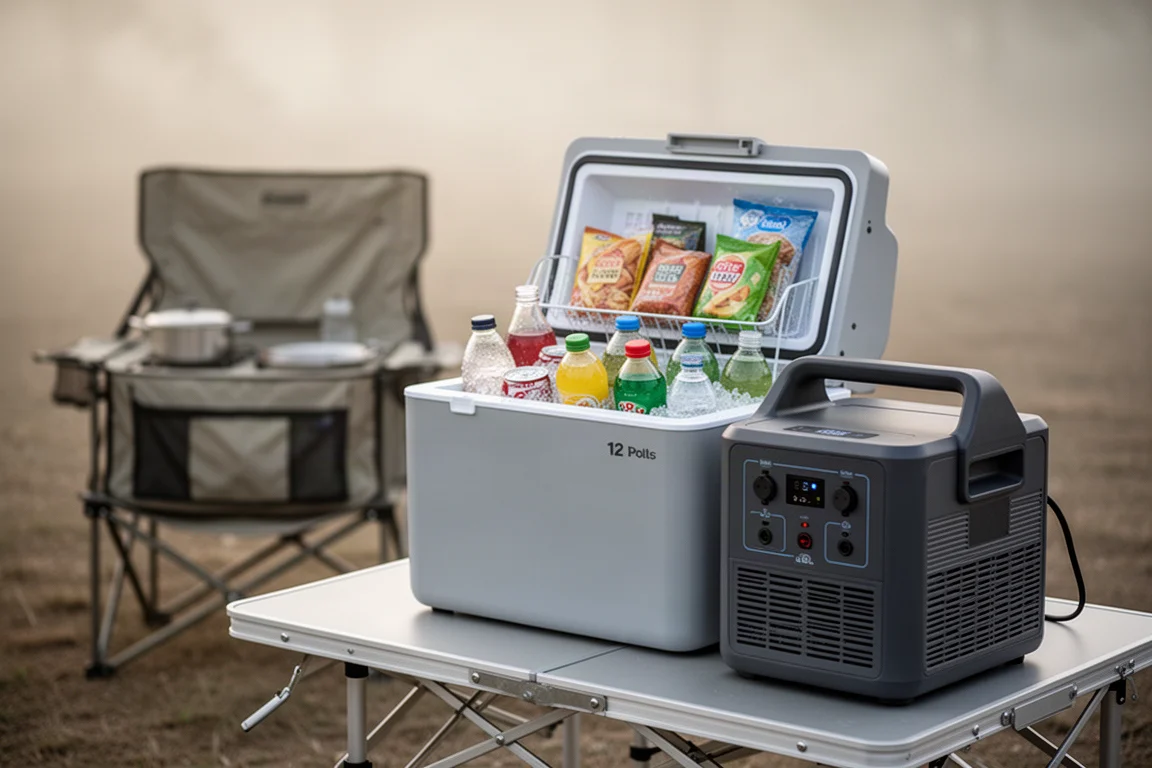
Thirty-five litres is a sensible size for a family that still keeps some dry food separately. Anyone feeding a larger group over a longer trip should check capacity carefully before buying.
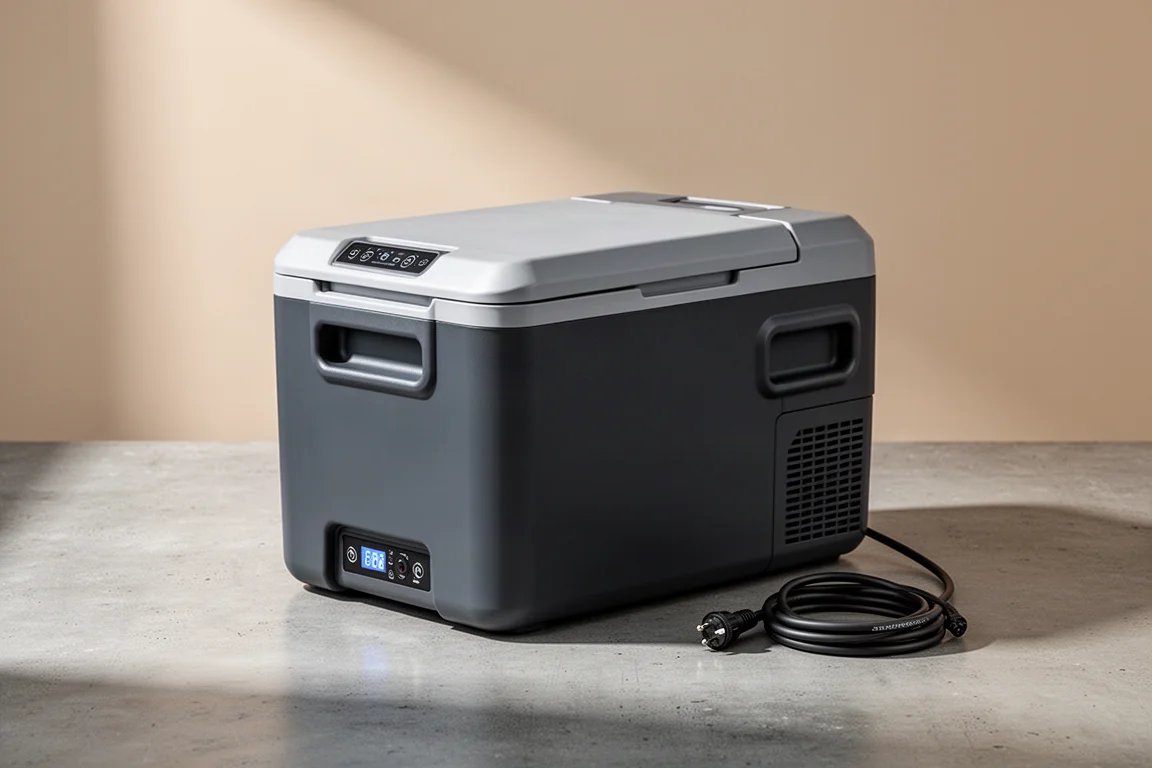
Loading the Roof: Yakima 18 Cubic Feet Rooftop Box
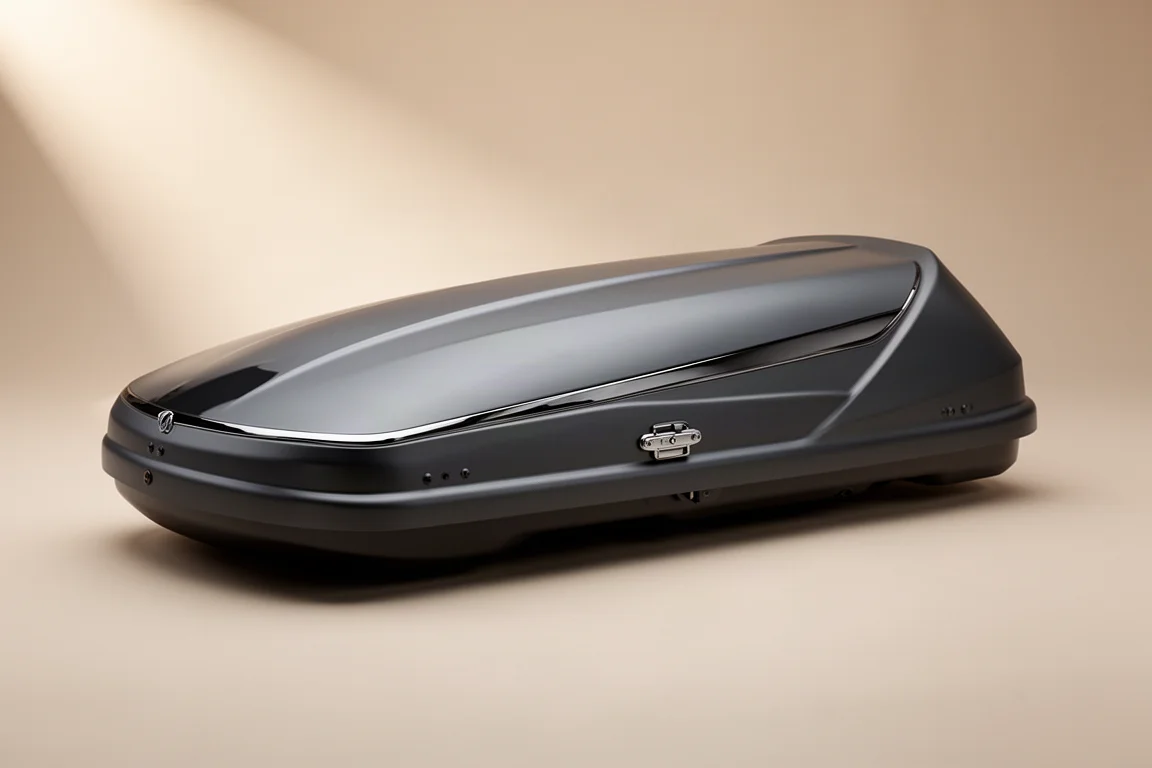
This rooftop box is the newest addition to the kit, bought because the children are bigger and the vehicle filled up faster. At 18 cubic feet it swallows the bulky items: camp chairs, tables, sleeping gear and tents, all of which previously competed for space inside the car.
The benefit shows up at both ends of the trip, with easier loading at home and more room for passengers once everything is up top. It is described as one of the best purchases the family has made in a while, though it has only been used on one trip so far.
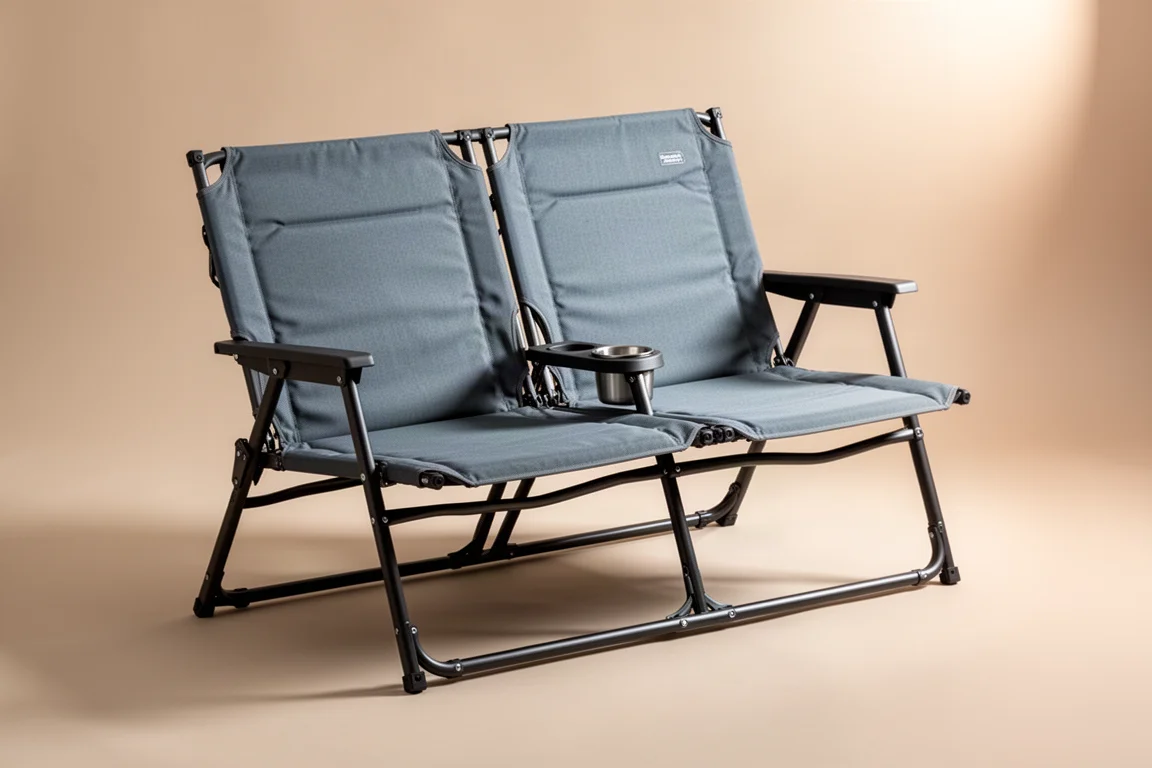
Around the Fire: Kelty Lowdown Loveseat
Camp furniture is not glamorous, but it is what makes the evenings work. The Kelty Lowdown loveseat and the matching single chairs are comfortable, well made, and have survived years of use by children.
Low-slung seating like this is stable and easy to get in and out of, and a loveseat gives two people a shared spot by the fire. For families, the durability under kid use is the part that matters most.
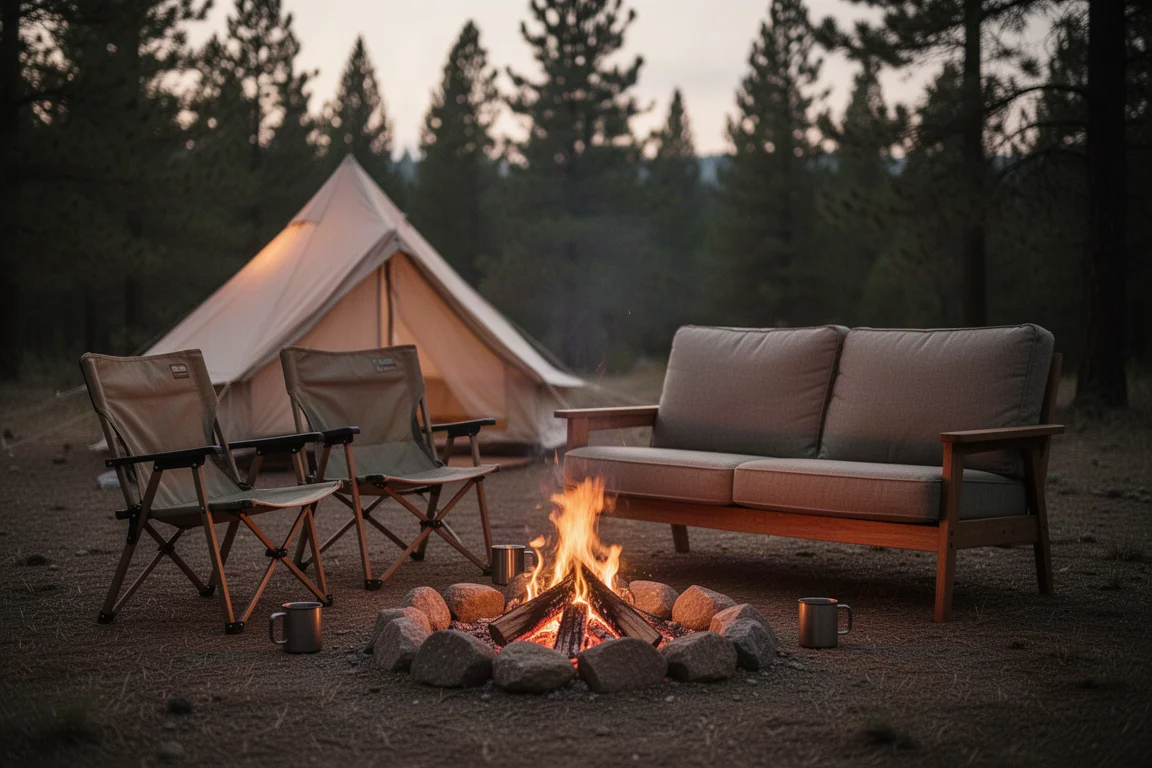
Anyone building a camp furniture setup should plan for one seat per person, plus a shared option if there is space in the vehicle. That is the difference between a comfortable evening and everyone crowding onto the ground.
Overall Buying Advice
There is no single correct way to equip a family for car camping. Some families prefer one large tent where everyone sleeps together, and those can be found for around $200. Others prefer separate tents so older children get their own space and everyone sleeps better.
The sensible approach is to buy for the trips you actually take and the budget you actually have. Gear that lasts for years costs more up front, but gear that is never used costs more in the end. Start with shelter and sleep, since those decide whether anyone wants to go again, then add cooking and storage as the routine settles.
Small comforts are worth budgeting for too. A real pillow, a warm quilt layer and a comfortable chair all make a bigger difference to a trip than most people expect, and they cost far less than a new tent.
Conclusion
This kit works because every item solves a specific problem: space for growing children, warmth on cold nights, food storage without ice, and somewhere comfortable to sit at the end of the day. None of it is compulsory, and several pieces cost more than the alternatives.
If you are starting out, pick the two or three items that match how your family camps and build from there. The gear that earns its space is the gear that gets used trip after trip.
Further reading
Related Reviews
Camping Gear
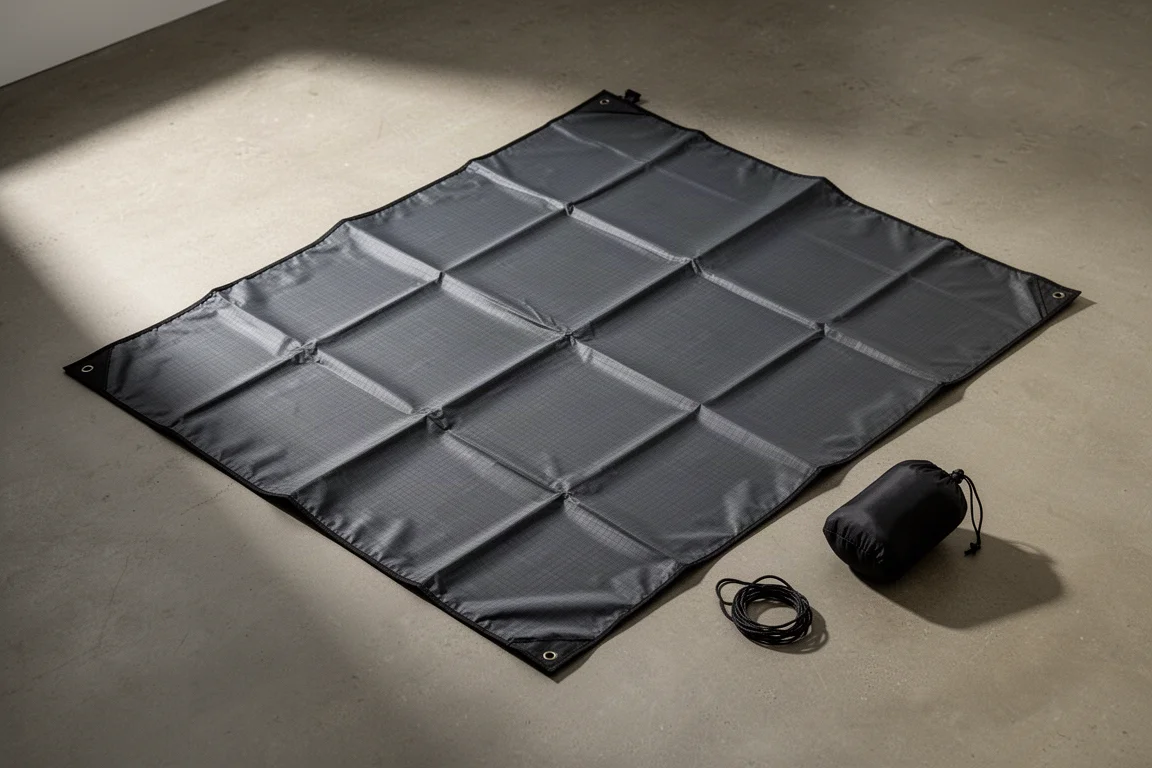
3FUL Ultralight Ground Sheet Review: A Two-Person Footprint Worth Packing
A 6.7 oz two-person ground sheet in ripstop silnylon, priced around $30. Here is what it protects, what it does not do, and who should pack it.
Camping Gear
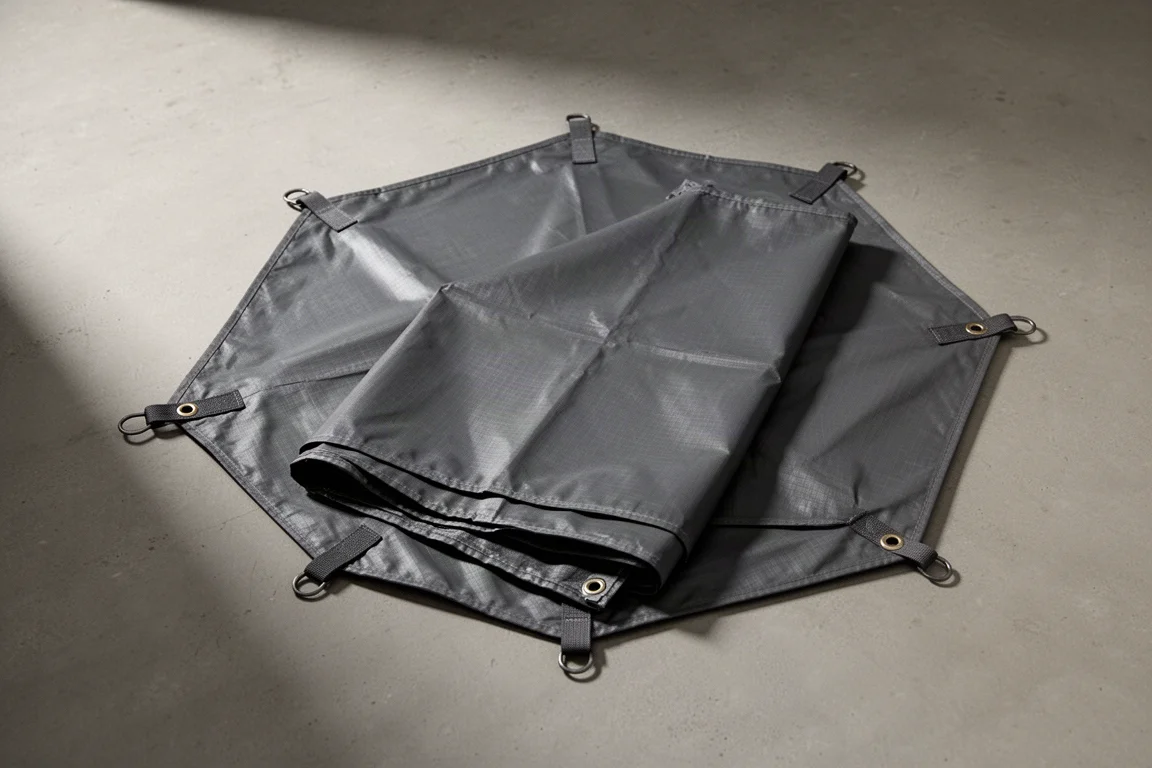
Backcountry Light Dual-Function Tarp and Floor Review: A Footprint First
A dual-purpose tent floor and tarp that keeps falling rain off you, but cannot block wind. Here is where it works and where it does not.
Camping Gear
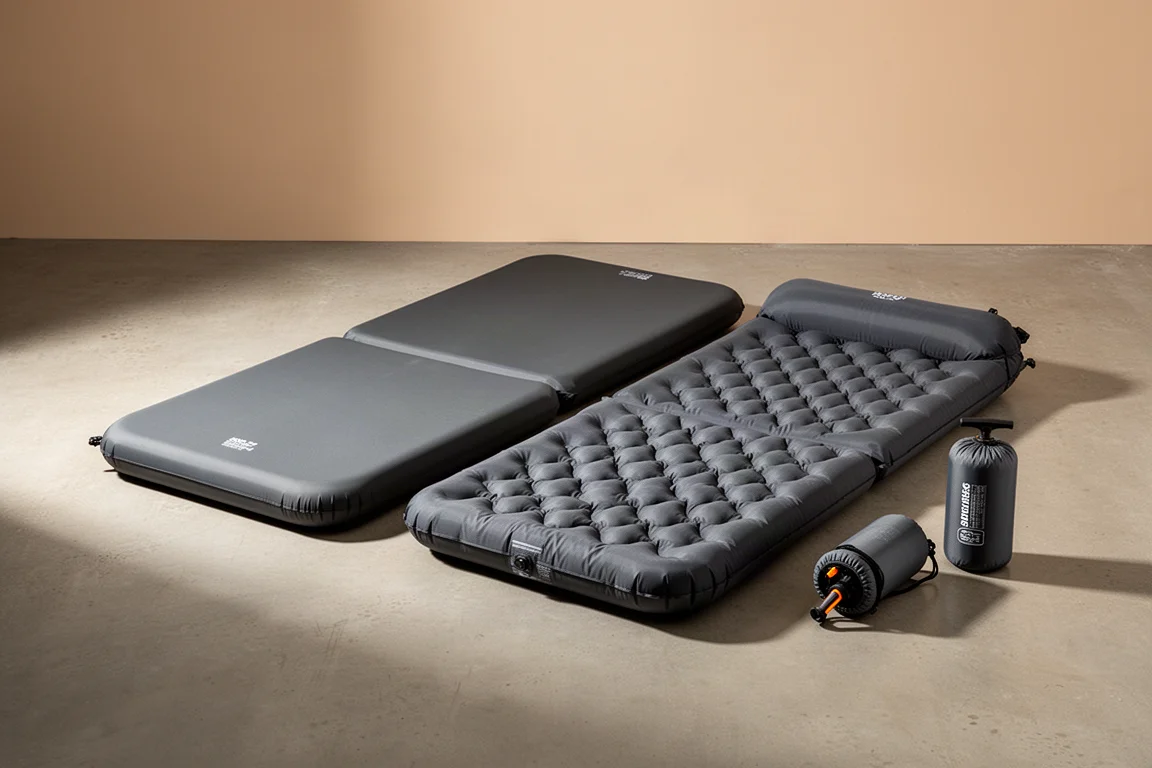
Best 2-Person Camping Mattresses for Couples: 10 Options Compared
A practical comparison of ten two-person camping mattresses, covering self-inflating pads, air pads and air mattresses for couples.