Camping Gear
Family Car Camping Gear: A Complete Checklist for Comfortable Trips
A practical walkthrough of the tents, sleep systems, camp kitchen gear, storage, power, and furniture that make family car camping comfortable.
Introduction
Car camping with a family is a different discipline from backpacking. Weight matters less, comfort matters more, and the real challenge is keeping a growing group warm, fed, and organized without turning every departure into a packing puzzle.
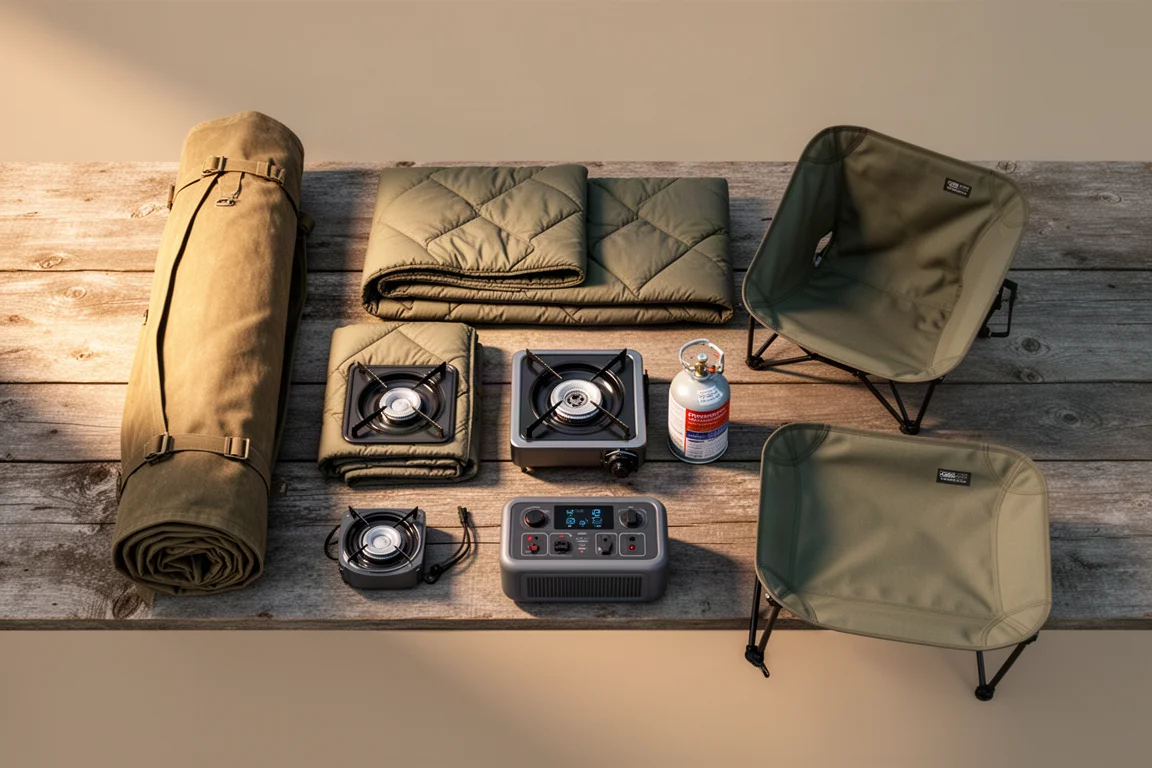
This list is a working setup rather than a theoretical one. It covers two tents sized for different sleepers, layered sleep systems, a camp kitchen built around a refillable propane tank, storage that keeps small items findable, a 12V fridge, portable power, a rooftop cargo box, and camp furniture that survives kids.
What Matters Most in a Family Car Camping Setup
Four priorities shape every choice here. The first is livable space, because tents with real standing height and a usable gap between sleeping pads make a genuine difference when bad weather keeps everyone inside. The second is durability, since gear that lasts several seasons costs less over time than gear replaced every year. The third is organization, because small items scatter fast and a dedicated home for them keeps camp calm. The fourth is scale, because children grow and a setup that worked for a seven-year-old rarely fits a teenager.
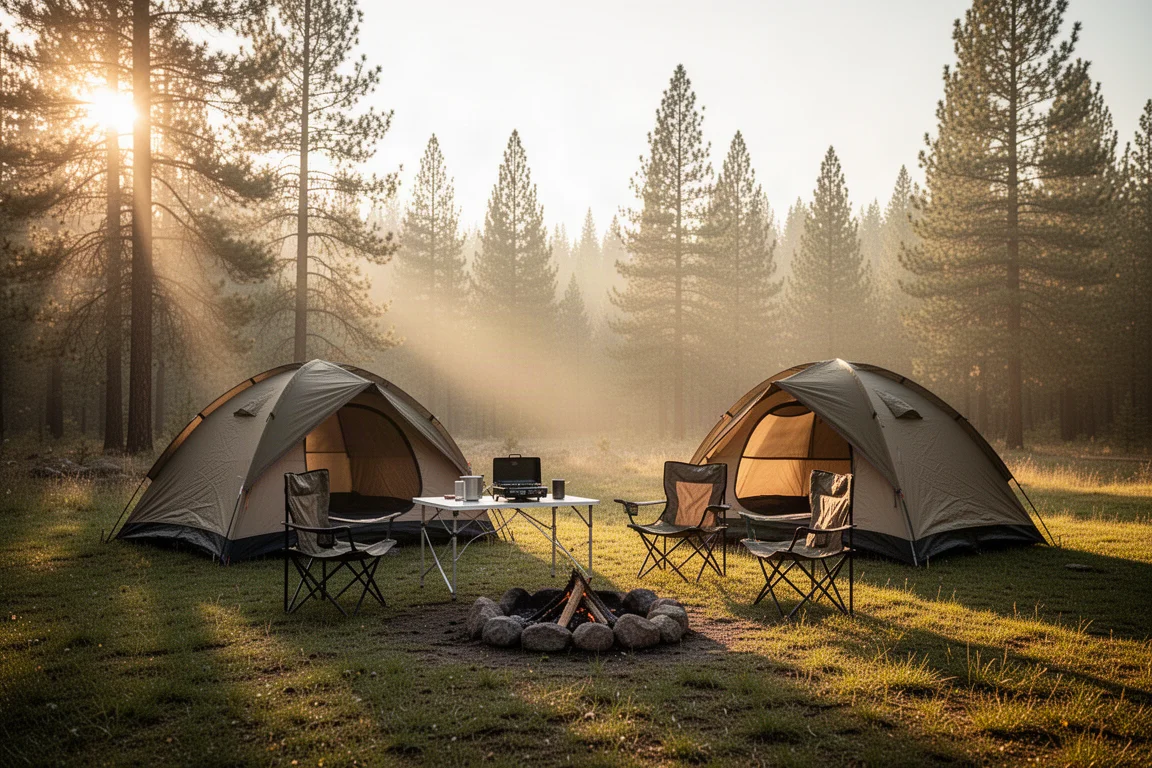
A comfortable car camping setup usually comes down to a handful of decisions rather than a long list of purchases. Prioritize shelter and sleep first, then build out cooking, storage, and power as the group grows and the trips get longer.
Big Agnes Big House 4-Person Tent
When older kids want their own space, a four-person tent is a sensible middle ground. It is large enough for two people to sleep with a comfortable gap between their pads, and tall enough to stand up and get changed without contorting. It also gives them somewhere to retreat to during bad weather without feeling crammed into a two-person shelter.
That combination of headroom and floor space is what makes it worth choosing over a smaller tent for teenagers, even though it takes up more room in the vehicle.
Big Agnes Anthracite Women’s Sleeping Bag
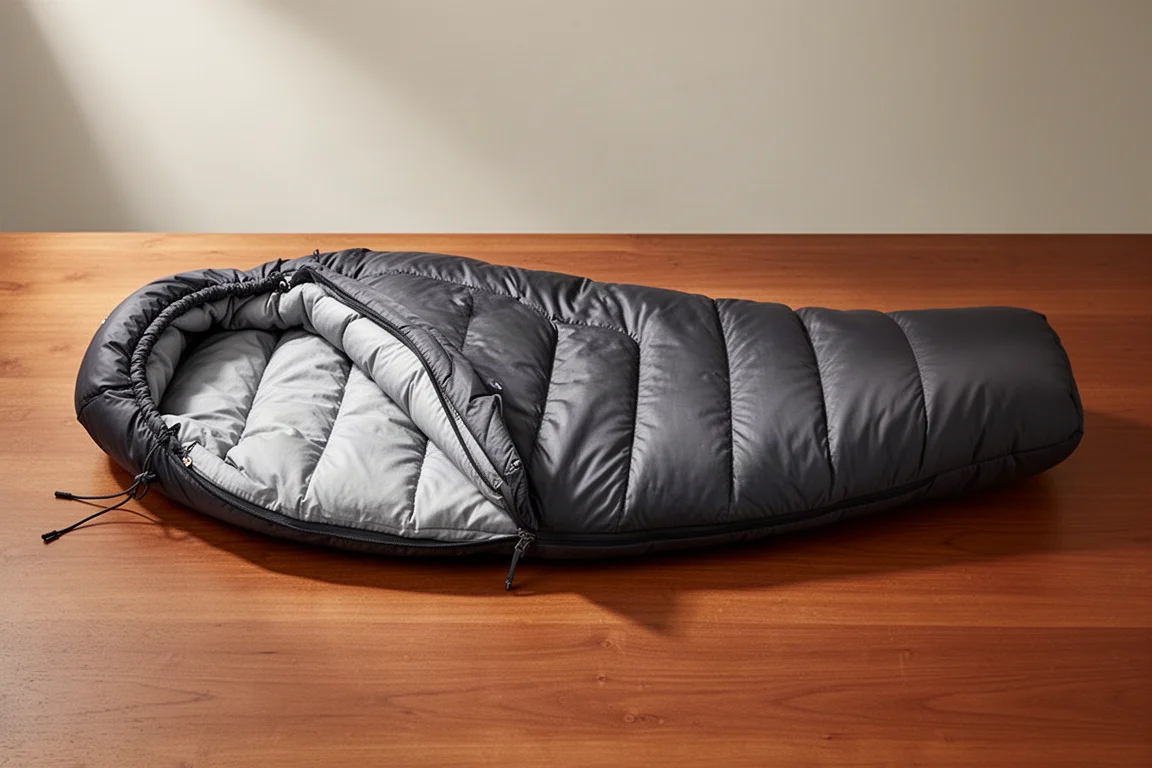
Sleeping bags sized for adults often swamp younger or smaller sleepers. This women’s-specific bag is offered in small and regular lengths that are shorter than the standard six-foot bags most brands sell, which means less dead air around the feet and a warmer night overall.
Because it is cut for a smaller frame rather than scaled down as a child’s bag, it is a piece a growing camper can keep using for years.
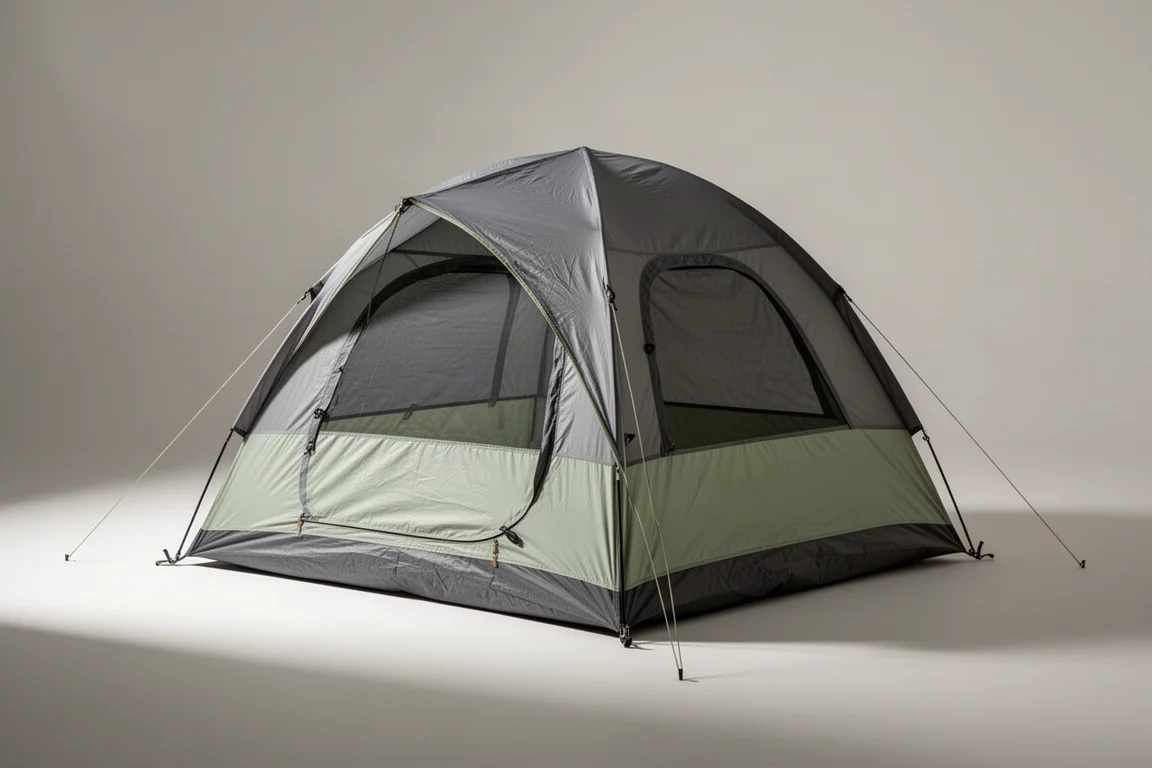
Nemo Aurora High-Rise Tent
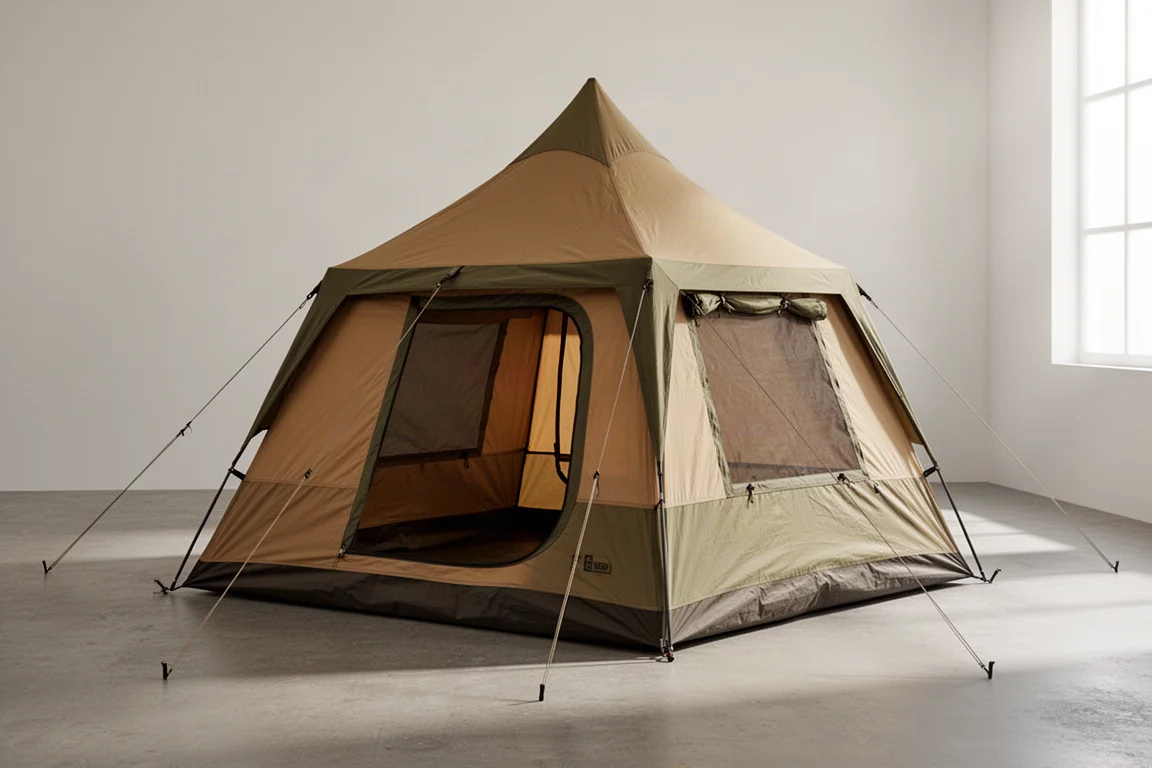
The Aurora High-Rise earns its place through interior volume. Its side walls stand close to vertical instead of sloping inward, so usable floor space and headroom extend much closer to the edges of the tent than a typical dome design allows. The door opening is unusually large, which makes getting gear in and out far less awkward.
For a family sharing one tent, that extra livable space is the difference between a shelter and a room. The same design is also offered in a six-person size for larger groups.
Zenbivy Overland Bed
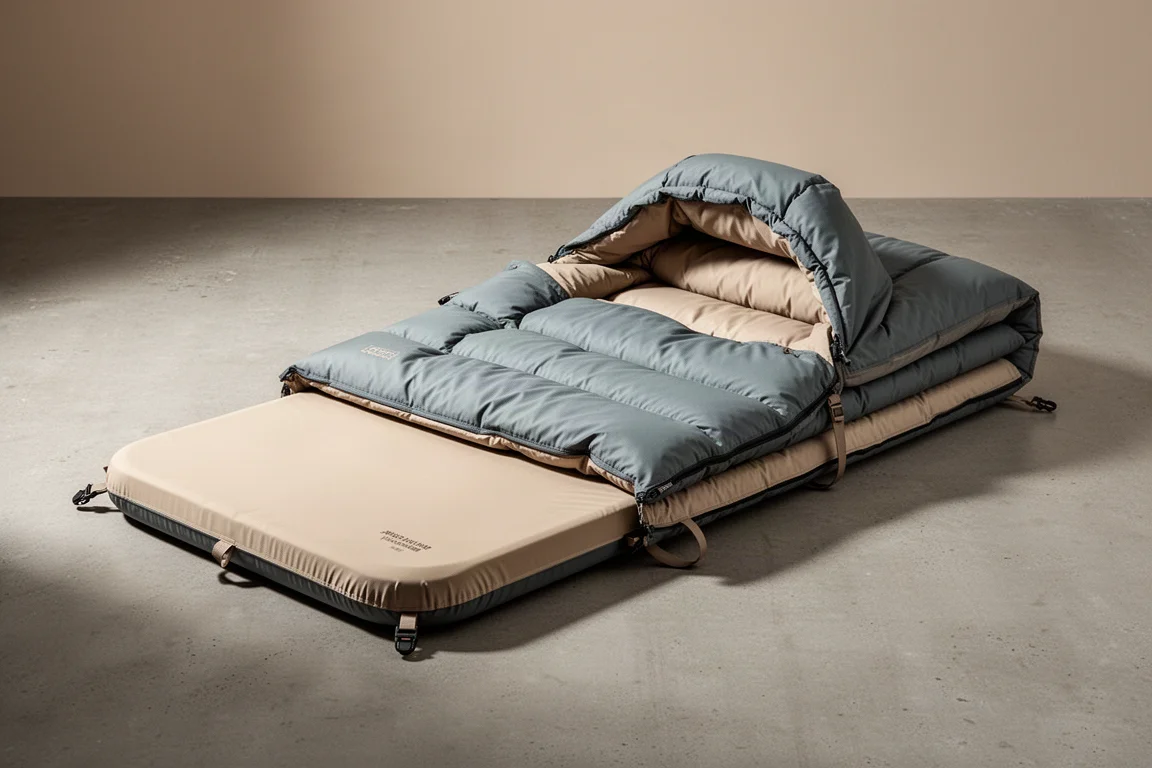
A layered sleep system is the heart of comfortable car camping. The Overland Bed forms the top layer of a setup that sits on a cot, with an air pad and a self-inflating foam pad underneath, producing a surface much closer to a bed at home than to a sleeping pad on the ground.
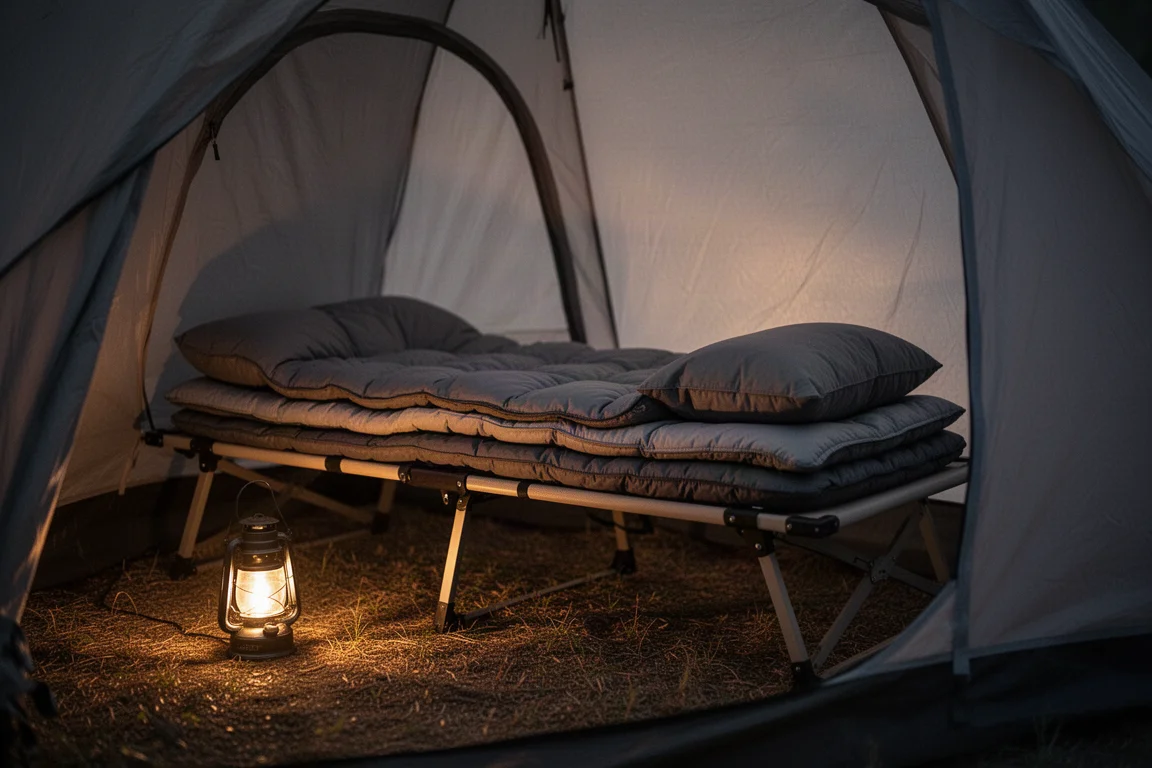
The trade-off is setup time. More layers mean more inflating, stacking, and packing each evening. For families who camp often and sleep on cots, that effort pays back every night of the trip.
Zenbivy Flex Air Pad
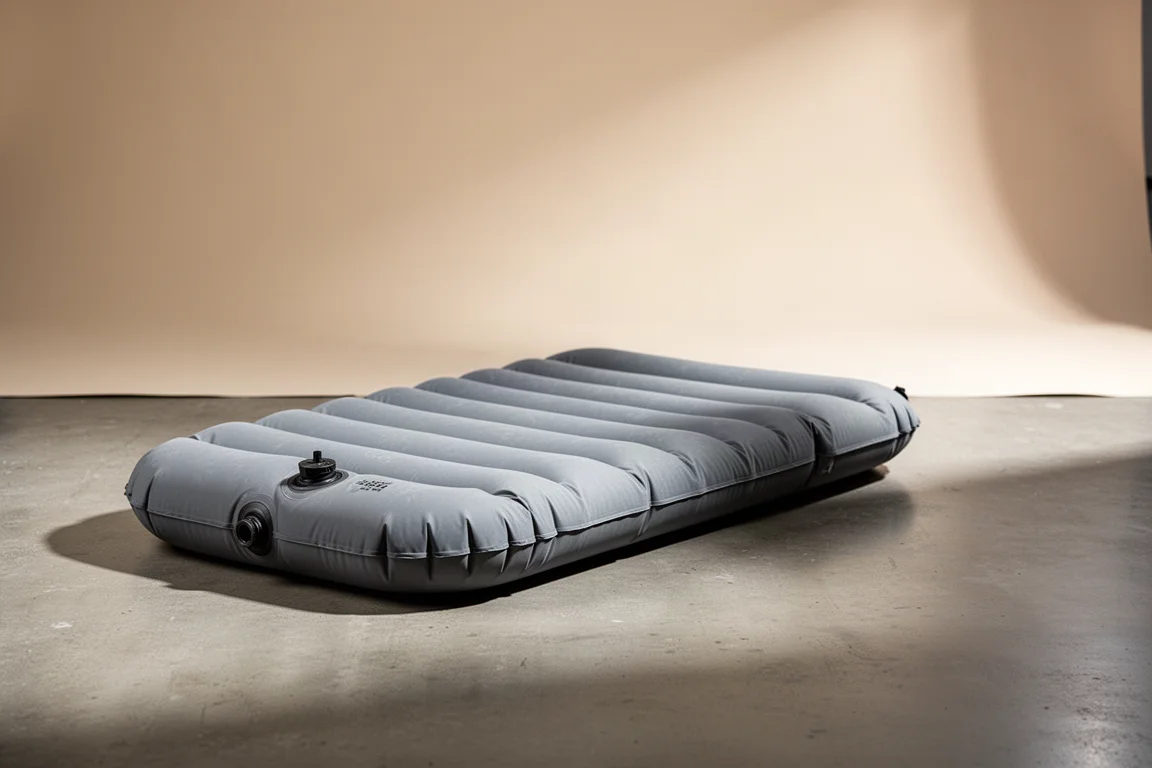
Underneath the main sleep system, an air pad adds cushioning and separates the sleeper from the cot frame. It is the layer that takes the edge off a rigid cot surface and makes the whole stack feel closer to a mattress.
It needs to be inflated each night, which is worth factoring into your evening routine before the trip.
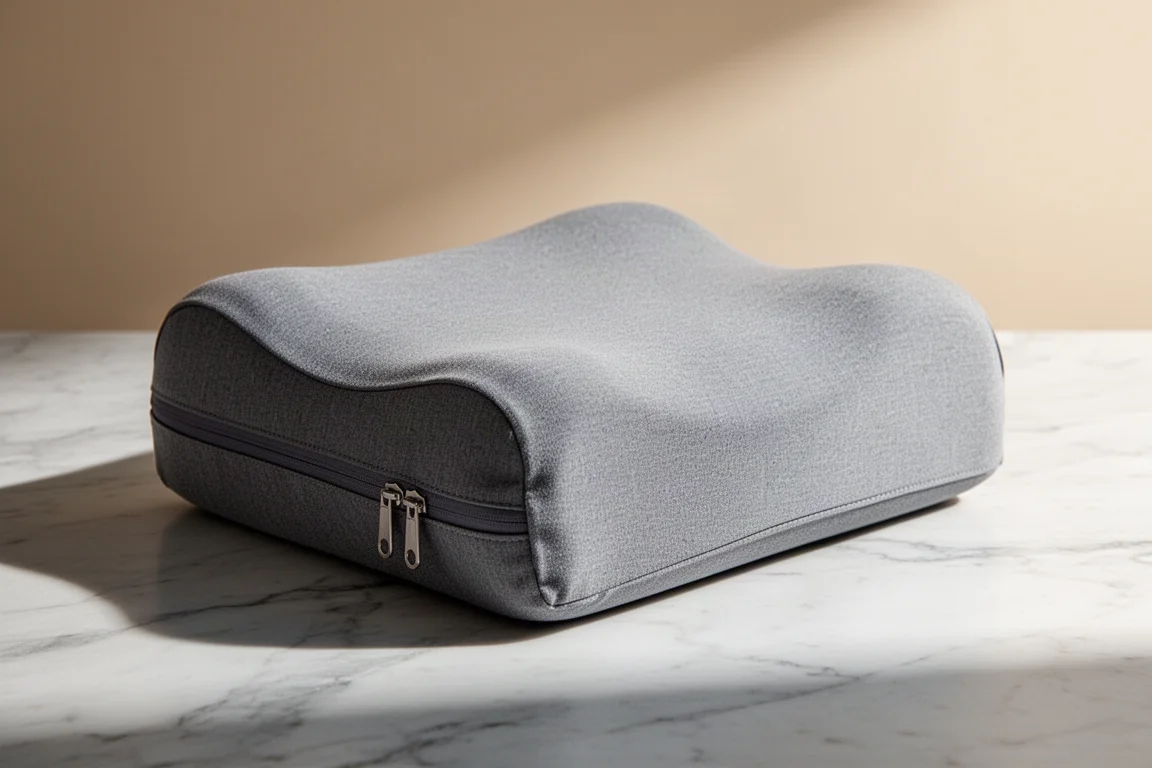
Hest Pillow
A pillow is the piece of camp gear people most often tolerate rather than enjoy, and it is usually the reason sleeping outdoors feels worse than sleeping at home. This one is the exception in this setup: it is comfortable enough to be worth the money, and it holds up as a long-term item rather than a disposable extra.
It is expensive for a pillow, and that is the honest trade-off. If a bad night’s sleep is what keeps you from camping more often, it is money well spent.
Big Agnes Little Red Sleeping Bag
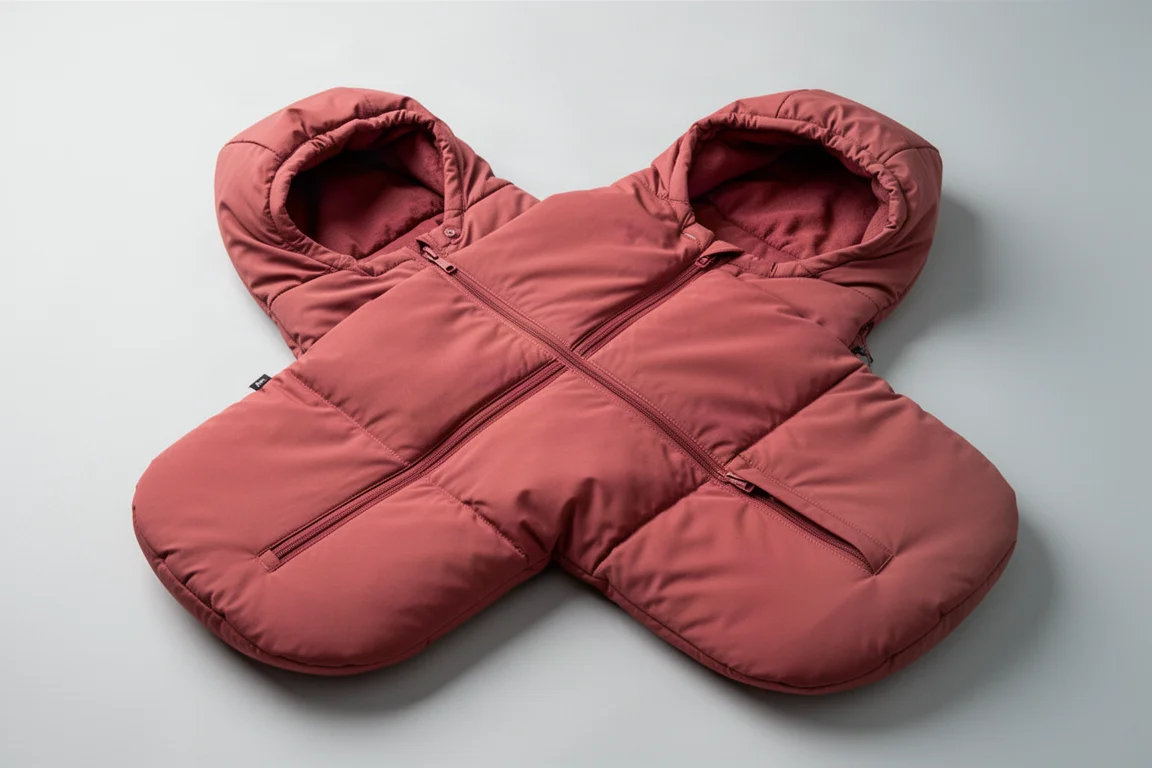
Some gear simply proves itself by surviving. This bag has been in service for years, paired with a torso-length pad for a younger sleeper. It is a straightforward design that does the job without fuss or complication.
It works best for shorter sleepers, and pairing it with a full-length pad gives more coverage as a child grows.
UGQ Quilo
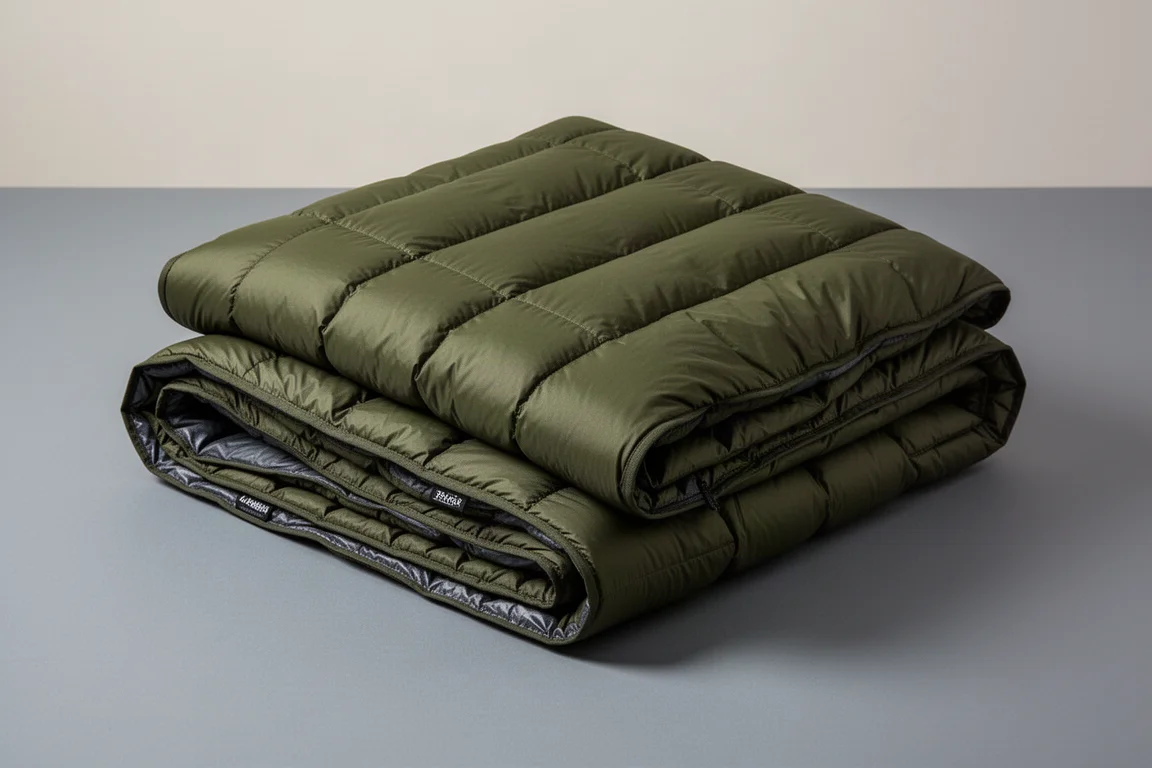
A down quilt is the simplest way to add warmth without carrying a second sleeping bag. Kept in both a deluxe size for adults and a junior size for kids, it can be thrown over any sleeper who gets cold in the middle of the night.
It is one more item per person to pack, but it is also the item that most often rescues a chilly night.
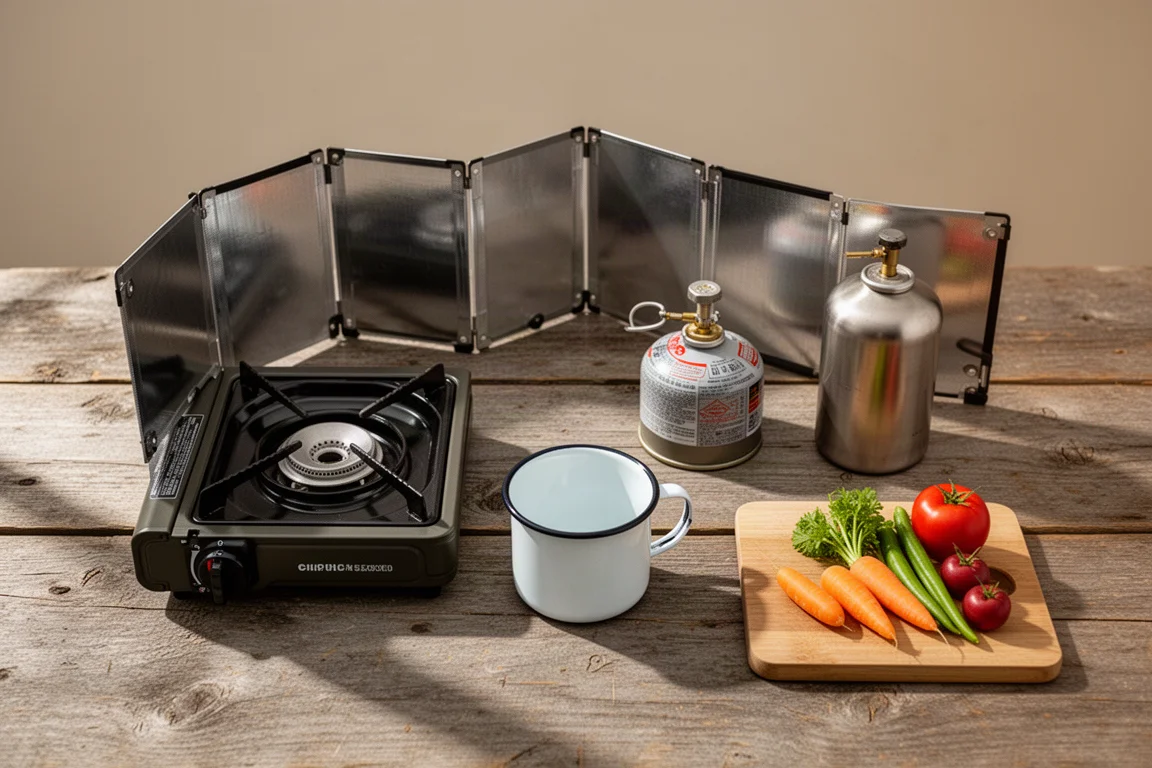
Jetboil Genesis
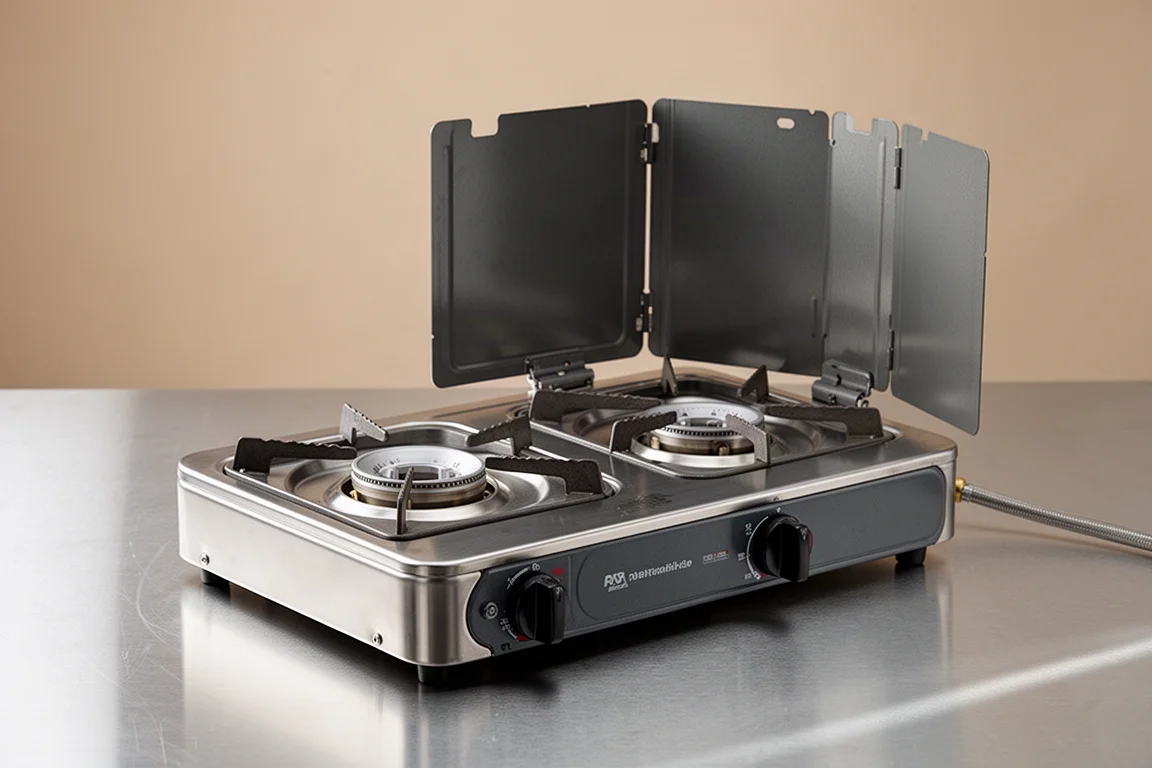
Cooking real meals at camp needs real burner space, and this two-burner stove provides two large cooking surfaces. It handles the kind of cooking a family actually does on a trip rather than just boiling water for one pot.
Two things are worth knowing before buying. It is expensive, and it does not perform well in wind, even with the windscreen that ships with it. In calm conditions it does the job well.
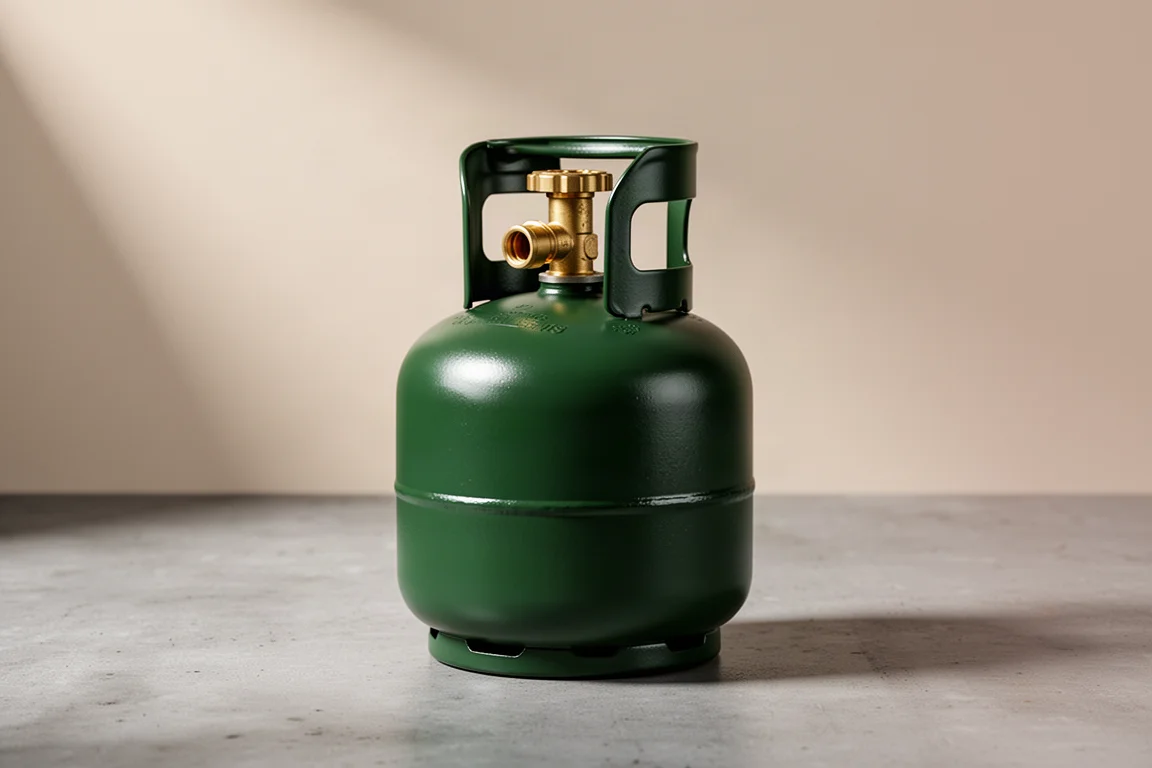
Ignik 3.5 lb Propane Tank
Disposable green canisters are the default for camp stoves, and they are wasteful and awkward to manage across a season. A refillable 3.5 lb tank replaces them entirely, and refilling takes so little propane that it regularly surprises people at the pump.
The only real requirement is access to a propane refill station, which most towns have.
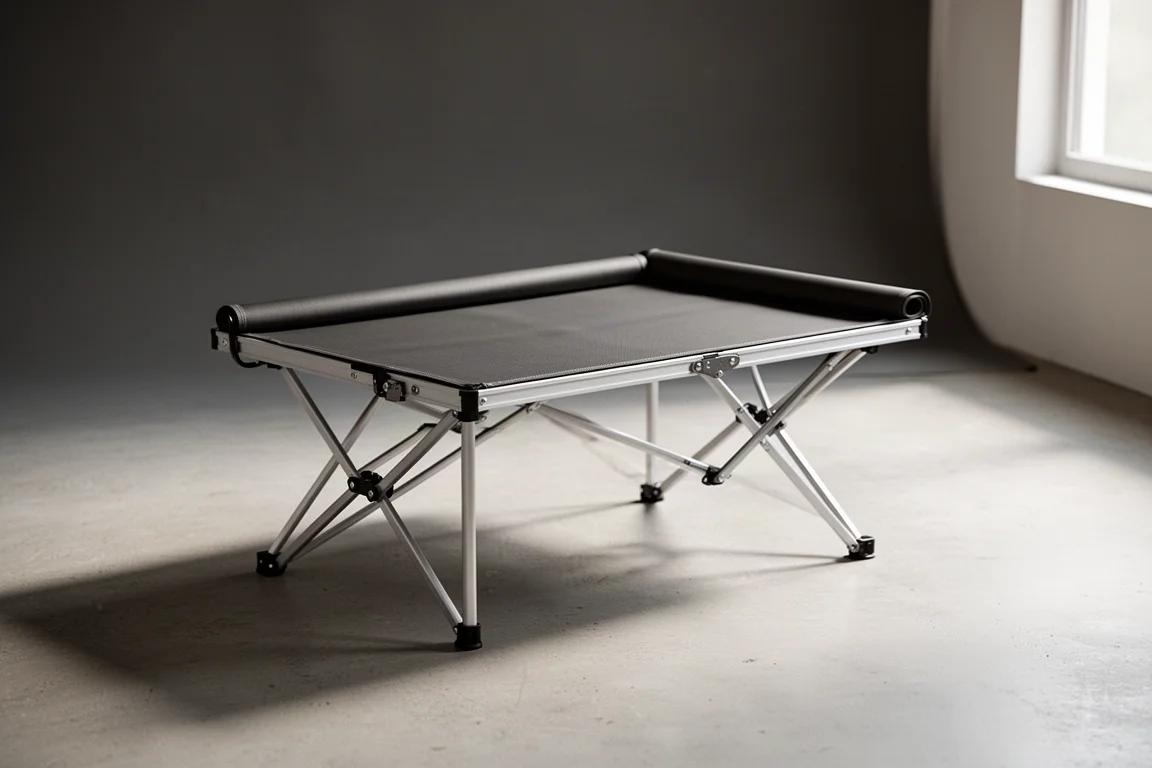
Big Agnes Soul Table
A camp kitchen works better with two surfaces, and the Soul table is the larger of the pair used here. It gives enough room to spread out prep work, utensils, and a stove without everything competing for the same square of tabletop.
The trade-off is packed size. A larger table takes up more room in the vehicle, which is exactly why a rooftop cargo box becomes useful once the camp kitchen grows.
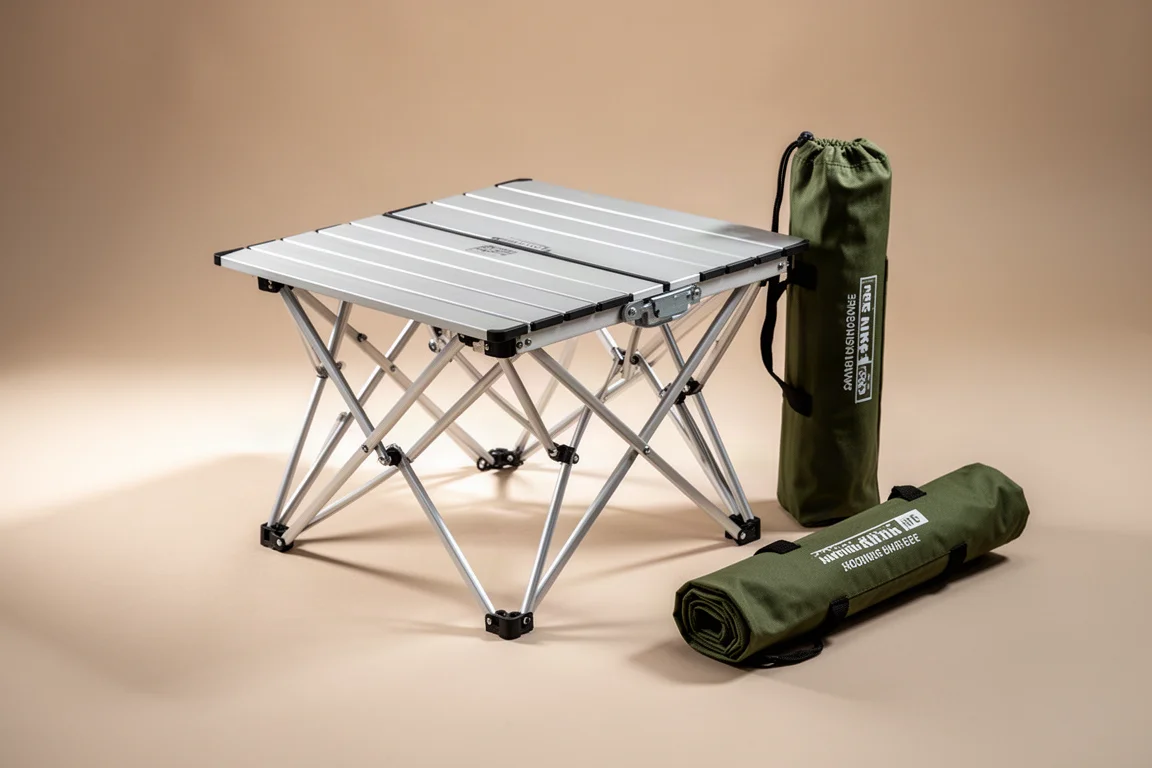
Big Agnes Woodchuck Table
The Woodchuck is the smaller companion to the Soul table, useful as a secondary surface for utensils, drinks, or a second stove. Two tables let one person prep while another cooks, which matters when everyone is hungry at the same time.
On its own it is a compact option. Paired with a larger table, it completes the kitchen.
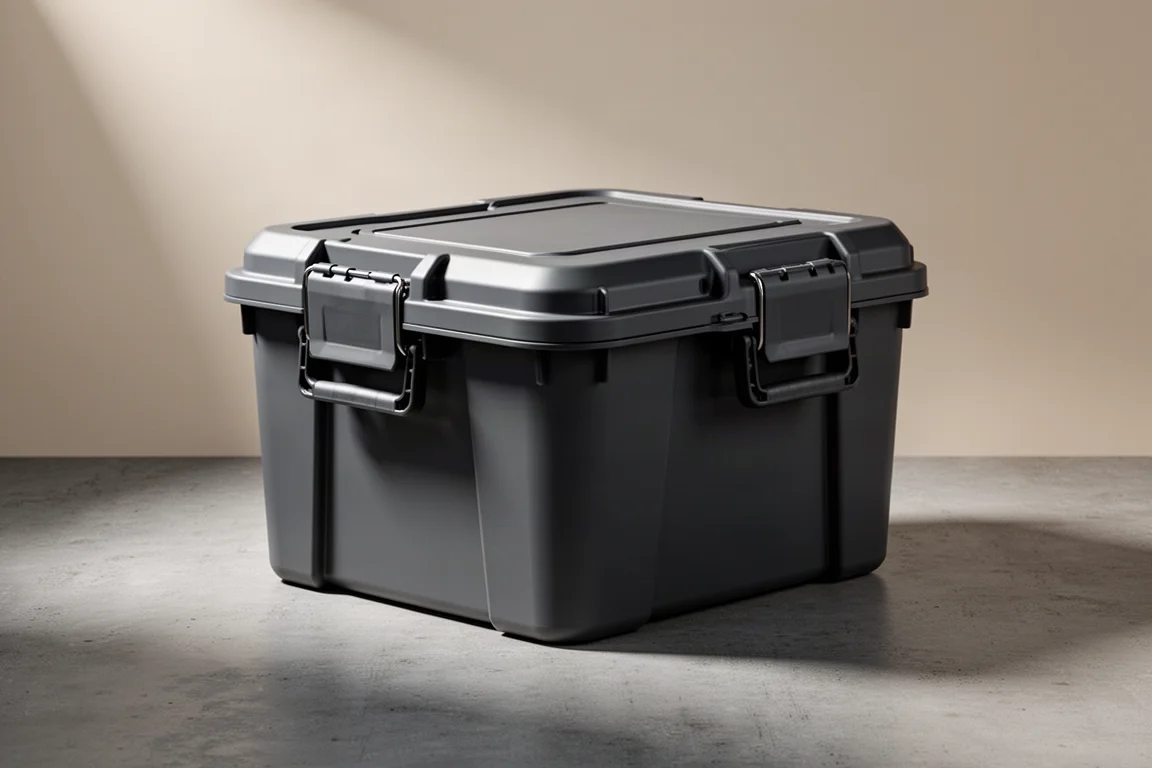
Gregory Alpaca 50L Storage Box
Small items are what turn a tidy camp into a mess: headlamps, charging cables, wipes, fire-starting supplies. A 50-liter storage box gives all of it one home, and its dust-proof, watertight construction means the contents stay usable even after a damp night.
Being a rigid box, it does occupy vehicle space, but the payoff in organization is significant over a full season.
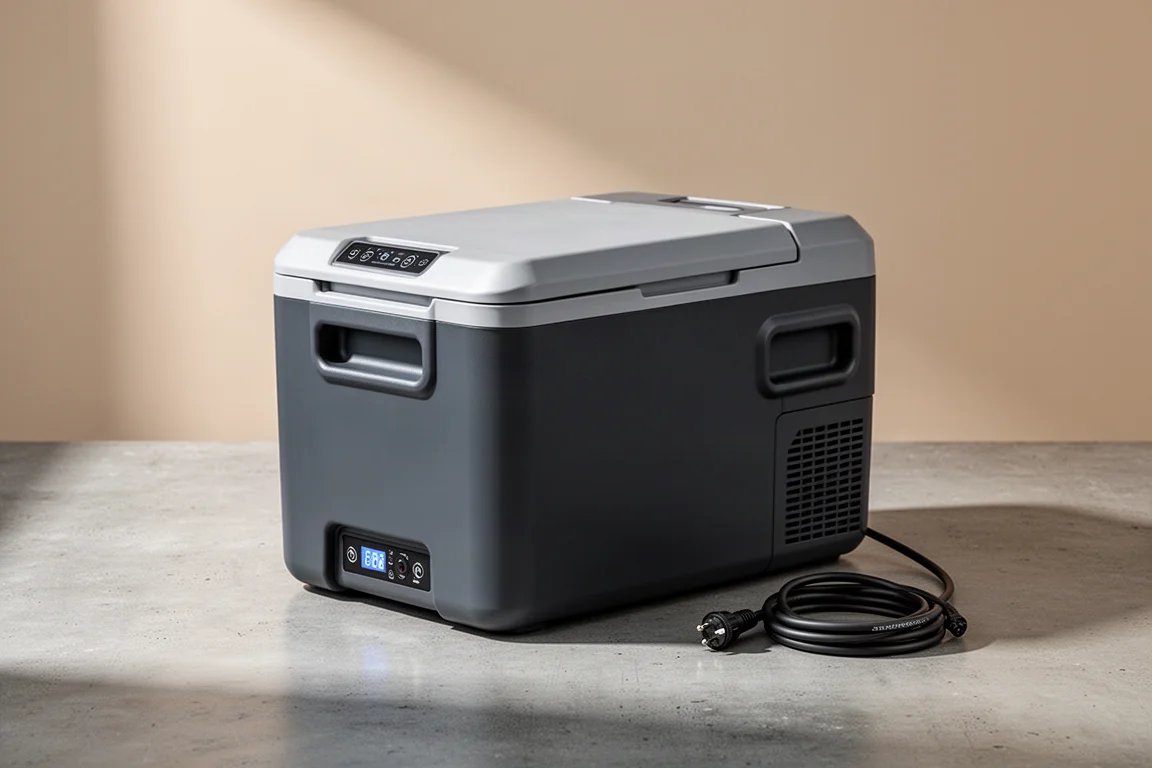
Iceco VL35 Pro
A 12V fridge changes how a family eats at camp. With 35 liters of capacity, there is room for food and drinks without any ice at all: no daily draining, no soggy packaging, and no guessing how long the cooler will hold. It also means you can carry perishables that would never survive a cooler full of melting ice.
The one requirement is power, which is why a portable power station travels with it.
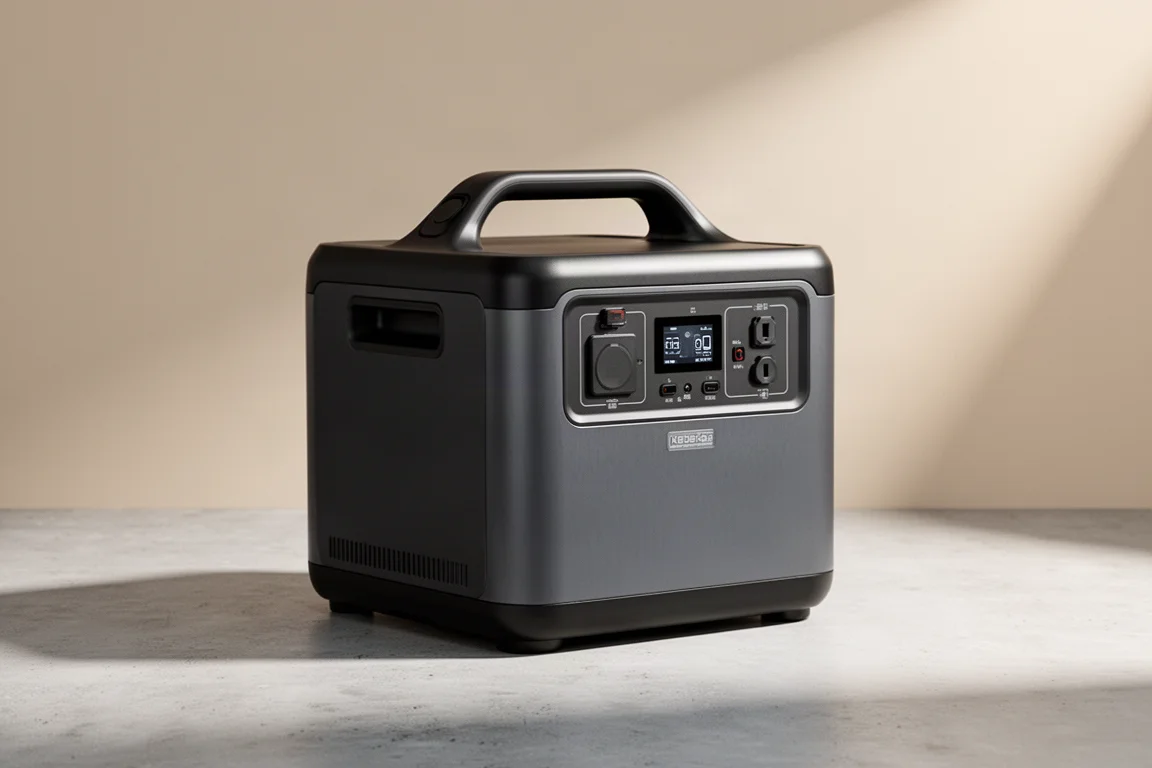
Jackery Explorer 2000
Running a fridge at camp requires a battery that can hold up across a trip. This power station does that job, and it can also recharge phones, lights, and other small electronics in the evening.
It is a large battery, so it adds weight to the load. For families running a fridge, that weight buys a great deal of convenience.
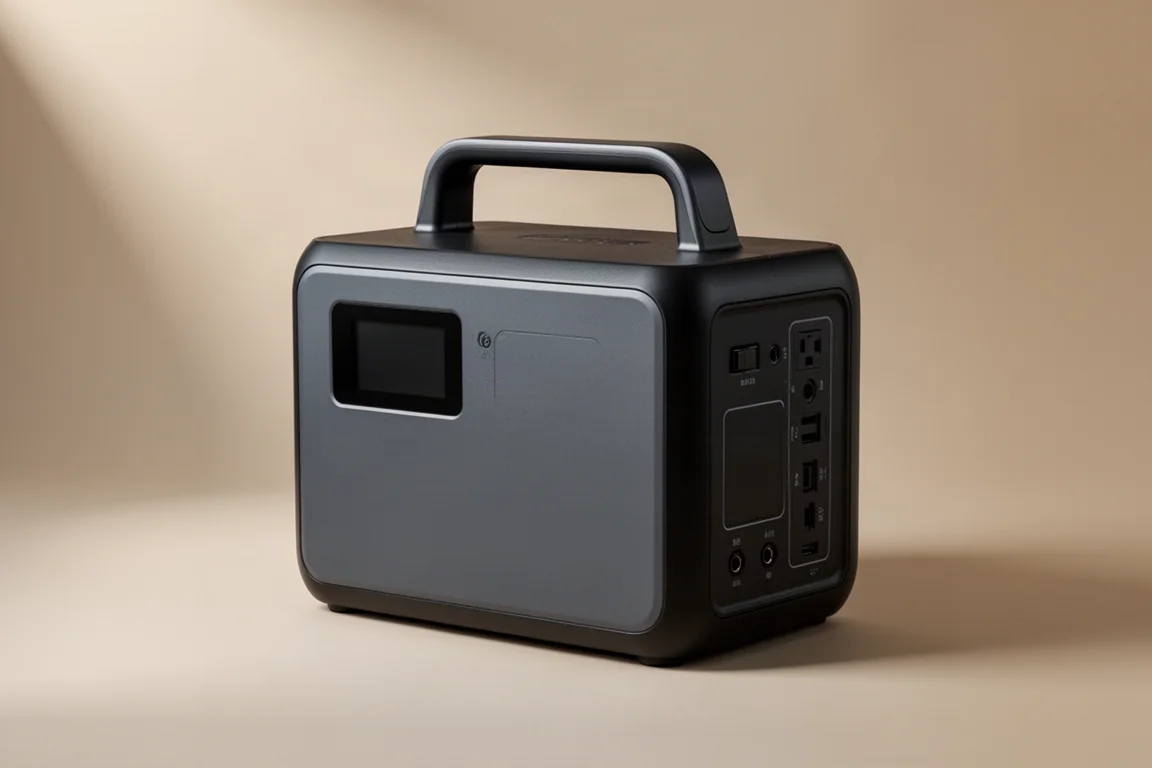
Goal Zero Yeti 1500
Power stations are largely interchangeable in a setup like this, and this unit is the alternative used alongside the Jackery. It can run the same 12V fridge and cover the same small-device charging duties.
The main consideration is the same as any large battery. It is heavy, and it needs to be charged between trips.
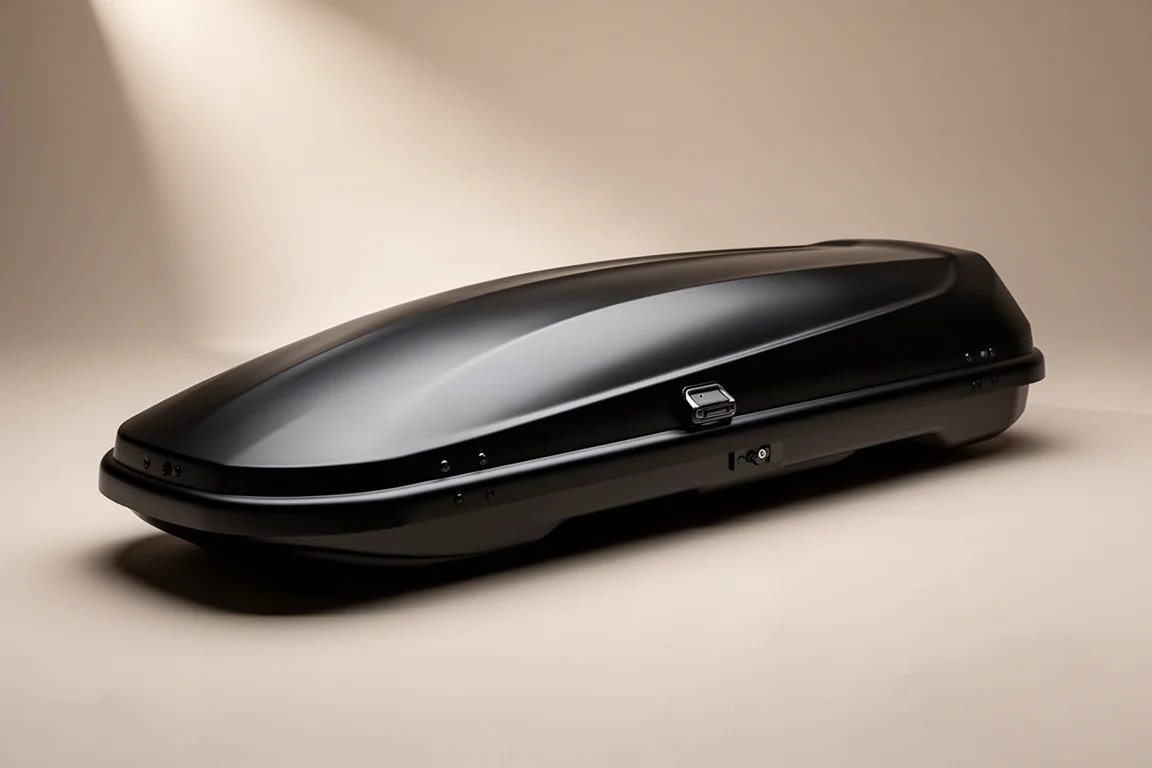
Yakima 18 cu ft Rooftop Cargo Box
Once a family grows, interior space runs out before gear does. An 18 cubic foot rooftop box moves the bulky items, chairs, tables, sleeping gear, and tents, onto the roof, which frees the cabin for people and makes loading at home far quicker.
It does add height to the vehicle, but the extra capacity is the kind of upgrade that changes how a whole trip gets packed.
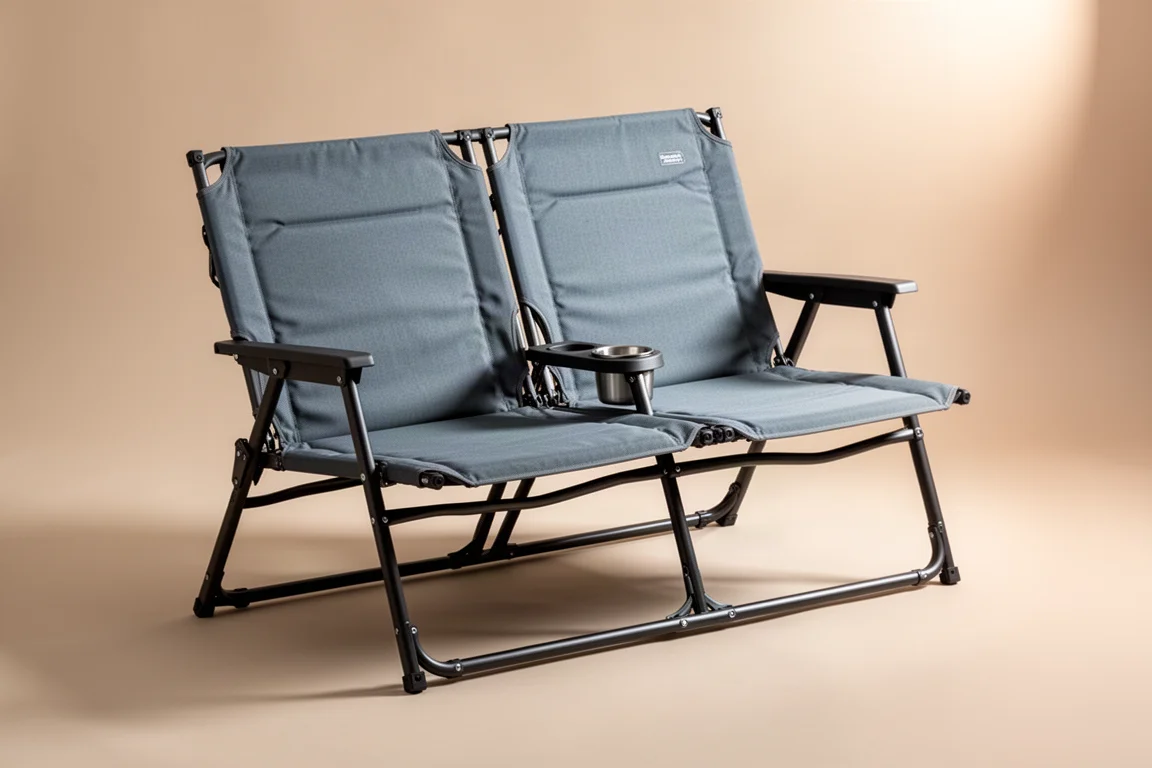
Kelty Lowdown Loveseat
Camp furniture is where families spend the evening, so comfort and durability matter more than weight. The Lowdown loveseat seats two, sits low enough to feel right around a fire, and has taken years of use from kids without failing.
It is bulkier than a single chair, which is part of why the rooftop box earns its place.
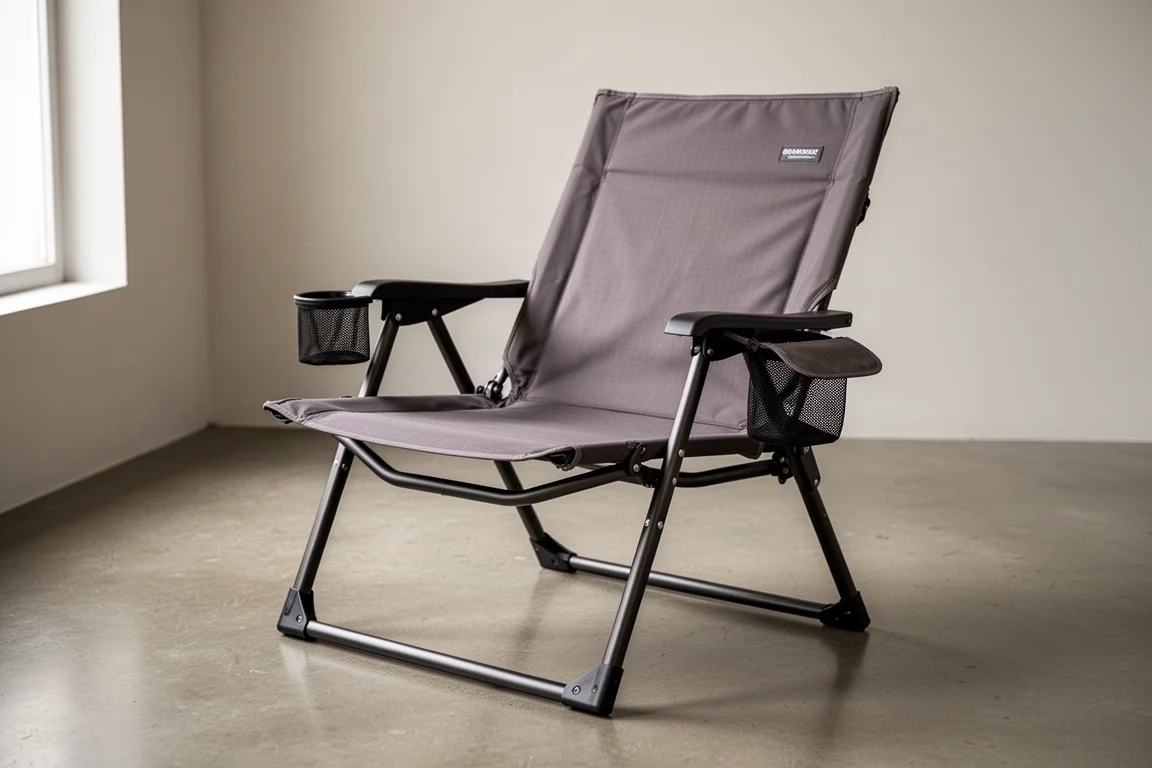
Kelty Lowdown Chair
The single Lowdown chair matches the loveseat: a low seating position, comfortable for long evenings, and built to the same standard. Having both means a group can mix and match seating around the fire.
For solo campers, or anyone who wants one sturdy chair rather than shared seating, it is the simpler pick.
Buying Advice
Not every item on this list needs to be on yours. The order that matters most is shelter, then sleep, then cooking, then everything else. Get the tent size right for how your family actually sleeps, and spend on the sleep layers that decide whether anyone enjoys the trip.
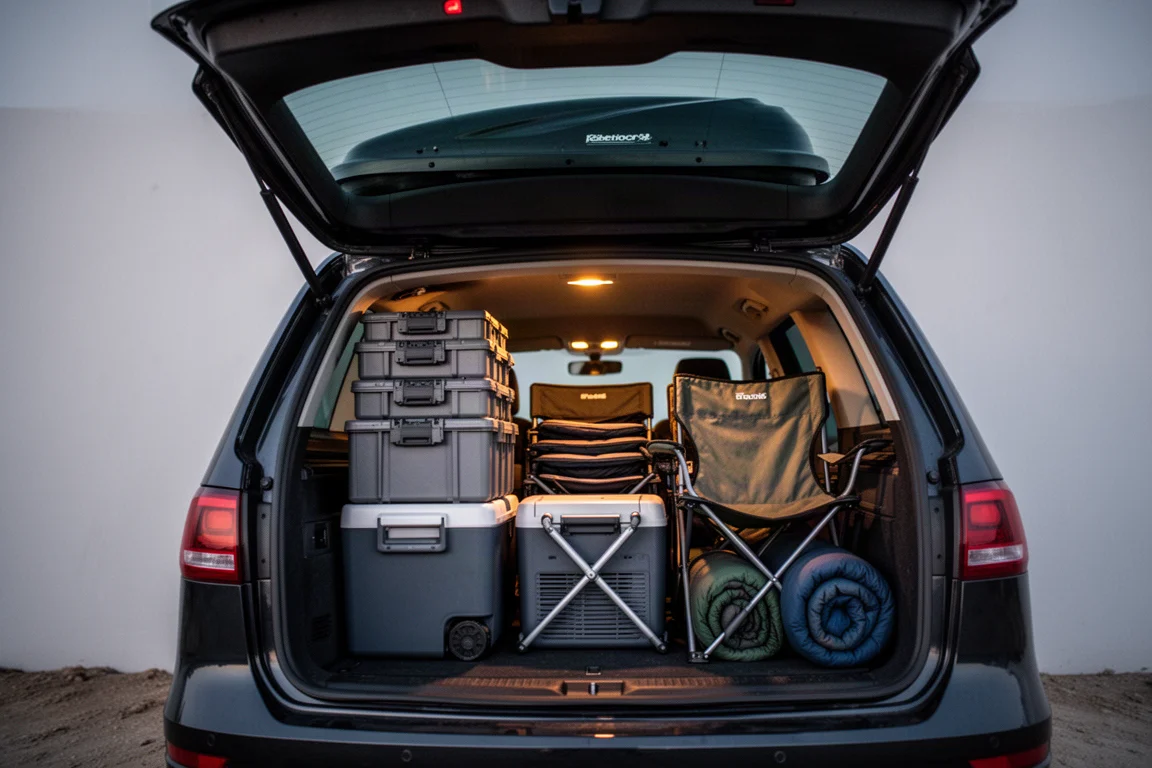
Two upgrades pay off across many trips rather than one: a refillable propane tank and a 12V fridge. Both remove a recurring annoyance, disposable canisters and melting ice respectively, and both work alongside gear you may already own.
Budget matters, and there is no shame in choosing it. Large ten-person tents can be found for around $200, and a single shared tent keeps costs down if everyone is happy sleeping in the same space. Buy gear that suits your family, your cooking, and your environment, then get out there and use it.
Conclusion
Family car camping gear works best when it solves specific problems: space for growing kids, sleep that holds up night after night, a kitchen that cooks real meals, storage that keeps small items findable, and enough capacity to carry it all. Start with shelter and sleep, add the kitchen and storage pieces that fit how you cook, and let the power and cargo upgrades follow as the trips get longer.
Further reading
Related Reviews
Camping Gear
3FUL Ultralight Ground Sheet Review: A Two-Person Footprint Worth Packing
A 6.7 oz two-person ground sheet in ripstop silnylon, priced around $30. Here is what it protects, what it does not do, and who should pack it.
Camping Gear
Backcountry Light Dual-Function Tarp and Floor Review: A Footprint First
A dual-purpose tent floor and tarp that keeps falling rain off you, but cannot block wind. Here is where it works and where it does not.
Camping Gear
Best 2-Person Camping Mattresses for Couples: 10 Options Compared
A practical comparison of ten two-person camping mattresses, covering self-inflating pads, air pads and air mattresses for couples.