Camping Gear
Family Camping Gear Roundup: 7 Comfort Upgrades Worth Packing
Seven camping items that made a family trip with a baby and a dog easier, plus the trade-offs worth knowing before you buy.
Introduction
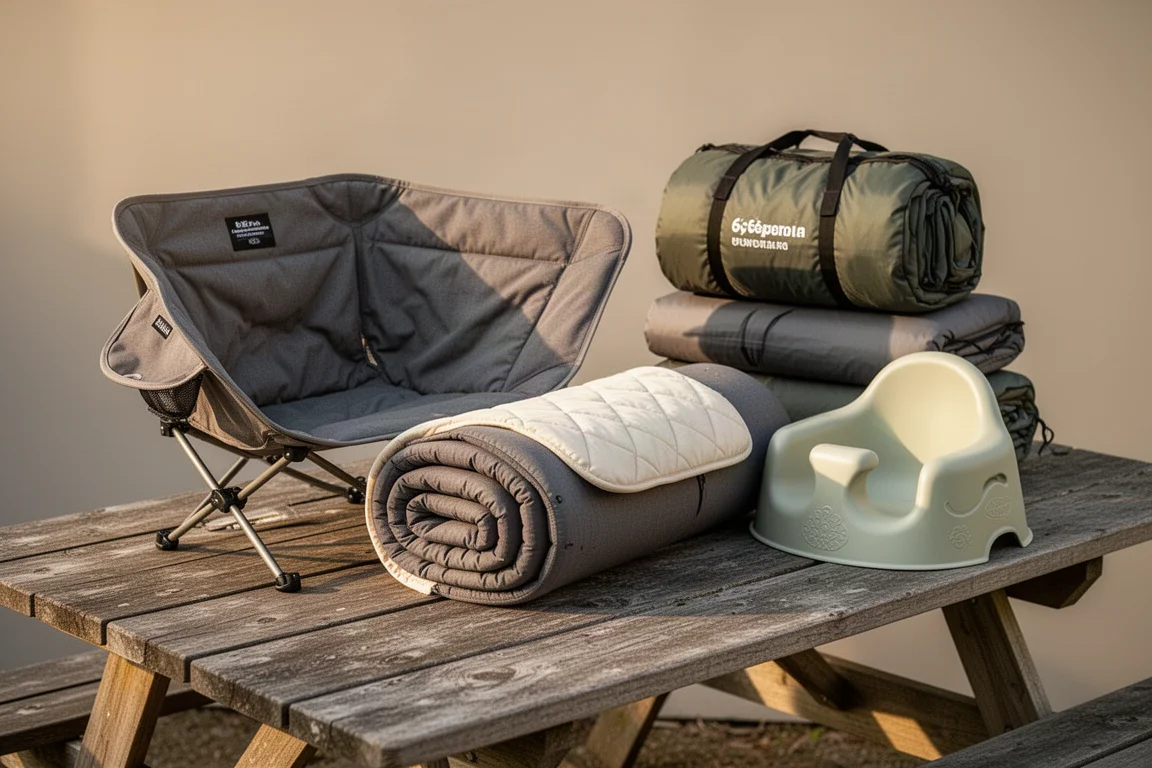
Camping gear does not have to be expensive to be good. Garage-sale finds and second-hand marketplace listings still get plenty of people outdoors, and they work. But a handful of items can noticeably change how a trip feels, and that is the focus here: seven pieces of camping gear that made a family trip with a baby and a dog more comfortable, better organised, and easier to run.
The list covers a low two-person camp chair, a thick quilted sleeping pad, a portable baby sleep system, a baby seat, a six-person tent, and adult sleeping bags. Overnight temperatures fell to 7°C, which made the trip a genuinely useful test of insulation, layering, and how each item behaves once the evening turns cool.
How This Gear Was Evaluated
The bar for this roundup was practical rather than technical. Each item had to answer a real question from the trip: does it make lounging, eating, or sleeping easier? Does it hold up when temperatures drop? And does it earn the space it takes up in the vehicle?
Three things mattered most. First, comfort across a full evening and a full night, not just a quick sit or a short nap. Second, setup and packing effort, because gear that is awkward to move stops getting used. Third, how well each item worked for a baby and a dog as well as for adults, since family trips put very different demands on equipment than solo ones do.
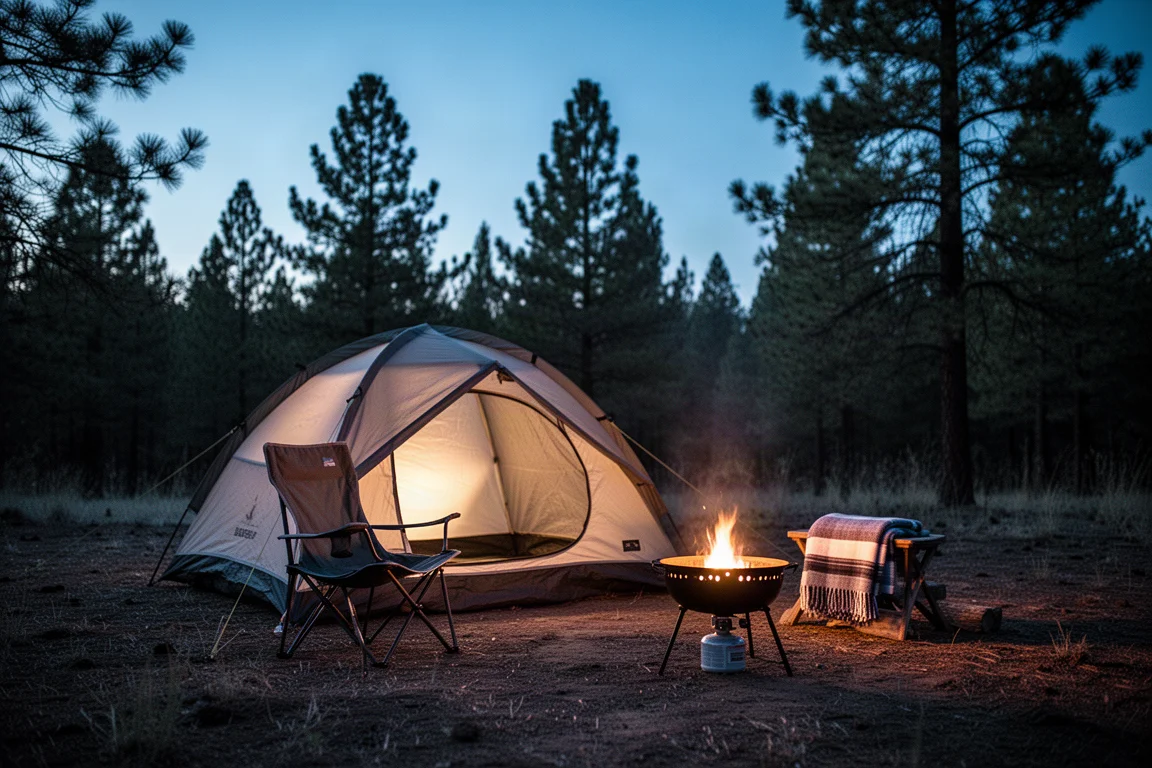
One pattern showed up quickly: the most useful items were the ones that solved a specific problem. A chair that sits low makes lounging easier. A pad with a washable topper makes cleanup simpler. A contained sleep space helps a baby settle in an unfamiliar tent. Gear that only looked impressive tended to stay in the trunk.
Kelty Love Seat: A Low-Slung Two-Person Camp Chair
The Kelty Love Seat drew the most anticipation of anything on the trip, mainly because of how low it sits. A low seat height changes the way you lounge. Instead of sitting upright with your legs stacked in front of you, you can stretch out and let your legs relax, which reduces pressure on the hamstrings over a long evening around camp.
The low height has a second benefit for families. A dog, and eventually a small child, can get on and off far more easily than with a taller two-person chair. If a baby does tumble off, the drop is short.
The insulated version tested here suits cooler climates, where evenings turn cold even in summer, and it keeps your back and legs warmer than an uninsulated chair would. A mesh version is also available for warmer climates and better ventilation, which is worth knowing if you mostly camp in heat.
In daily use, the chair was comfortable and cozy, and the packed size was a genuine advantage. It takes up roughly half the space of the larger two-person chair it replaced, which matters when the vehicle is already full of baby gear. It also holds a wine glass comfortably, the kind of small detail that gets used constantly.
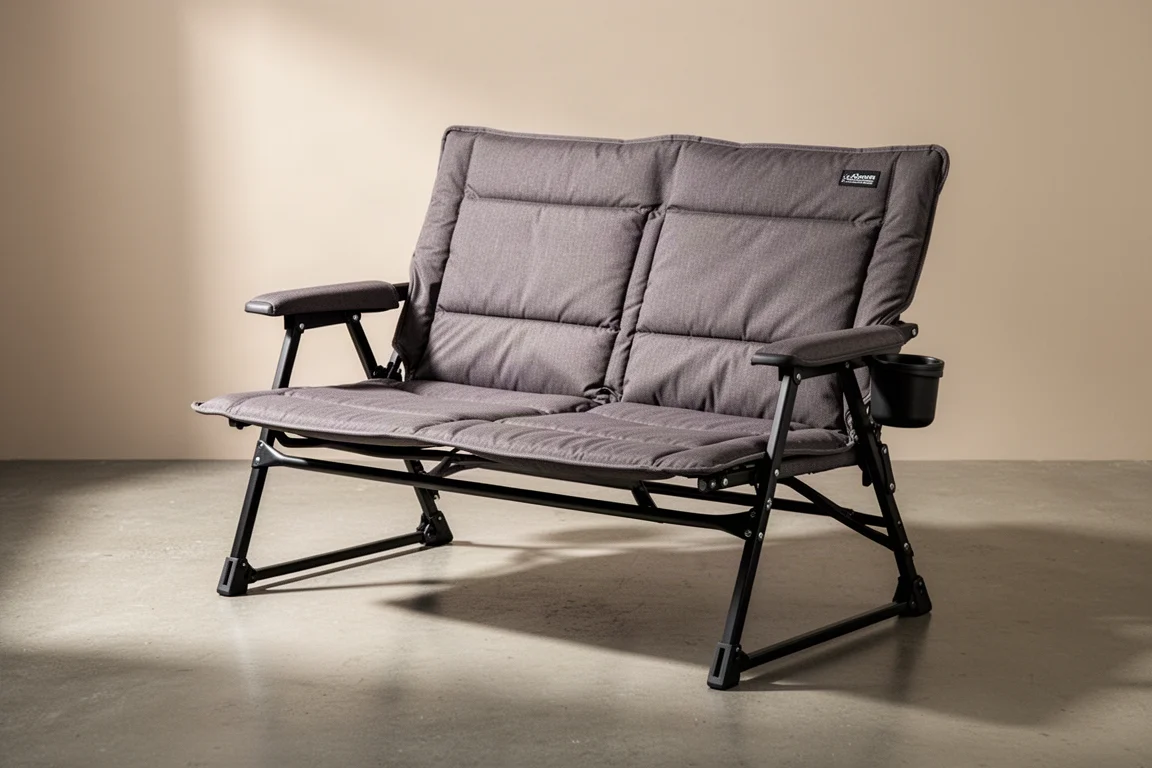
There are two trade-offs worth knowing about. The centre section is slightly raised, which made it less comfortable for a baby trying to sit alongside an adult. And when lounging rather than sitting upright, a belted pillow would make it noticeably better.
Xped Lux Mat: A Thick Quilted Sleeping Pad
The Xped Lux Mat is a thick camping pad with a soft quilted wool topper that can be removed and washed. That combination of thickness and a fabric surface is what separates it from a basic foam pad, and the removable topper is the detail that makes the most practical difference on a long trip, since it can be cleaned instead of the whole pad.
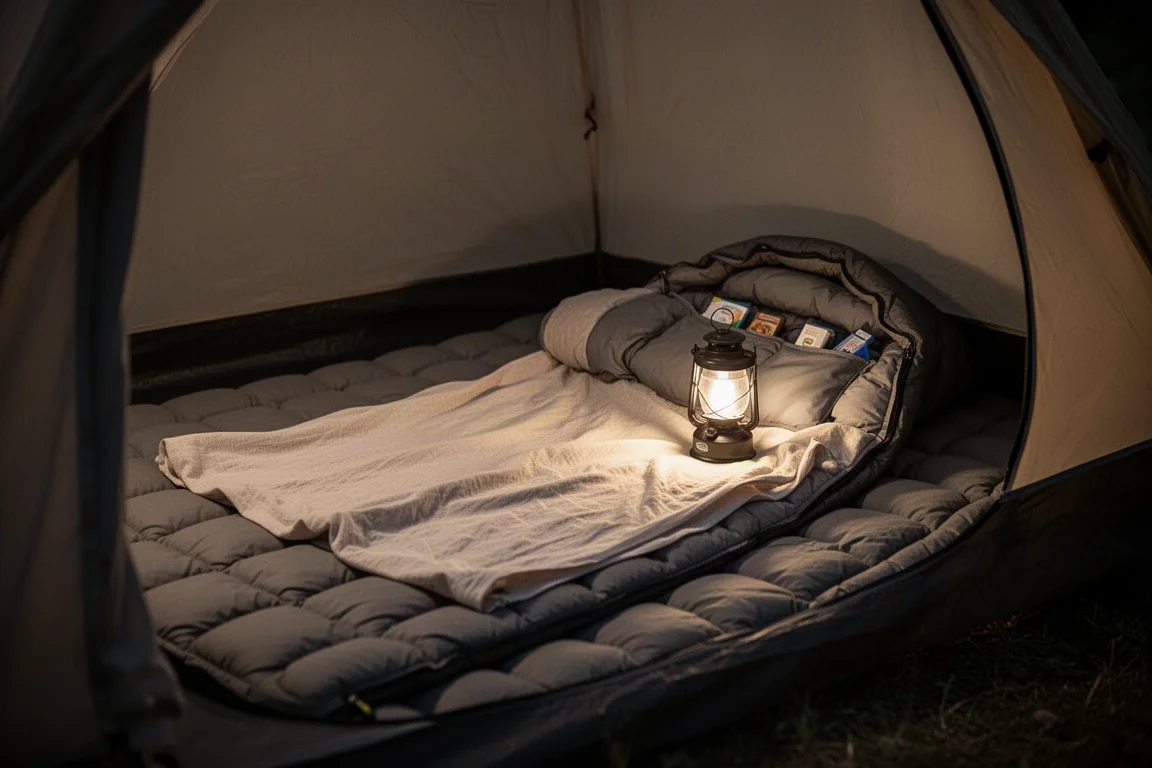
It performed the two jobs a sleeping pad has to do. It was warm, and it was comfortable through a night that dropped to 7°C. The head end adds two storage features: a zippered pocket and a stretchy mesh section, both useful for keeping small items like lip balm and earplugs within reach instead of loose in the tent.
The pad also has a zipper on each side, which allows two pads to be joined into a double mattress. That makes it a flexible choice for couples who want the option of one shared surface without buying a dedicated double pad.
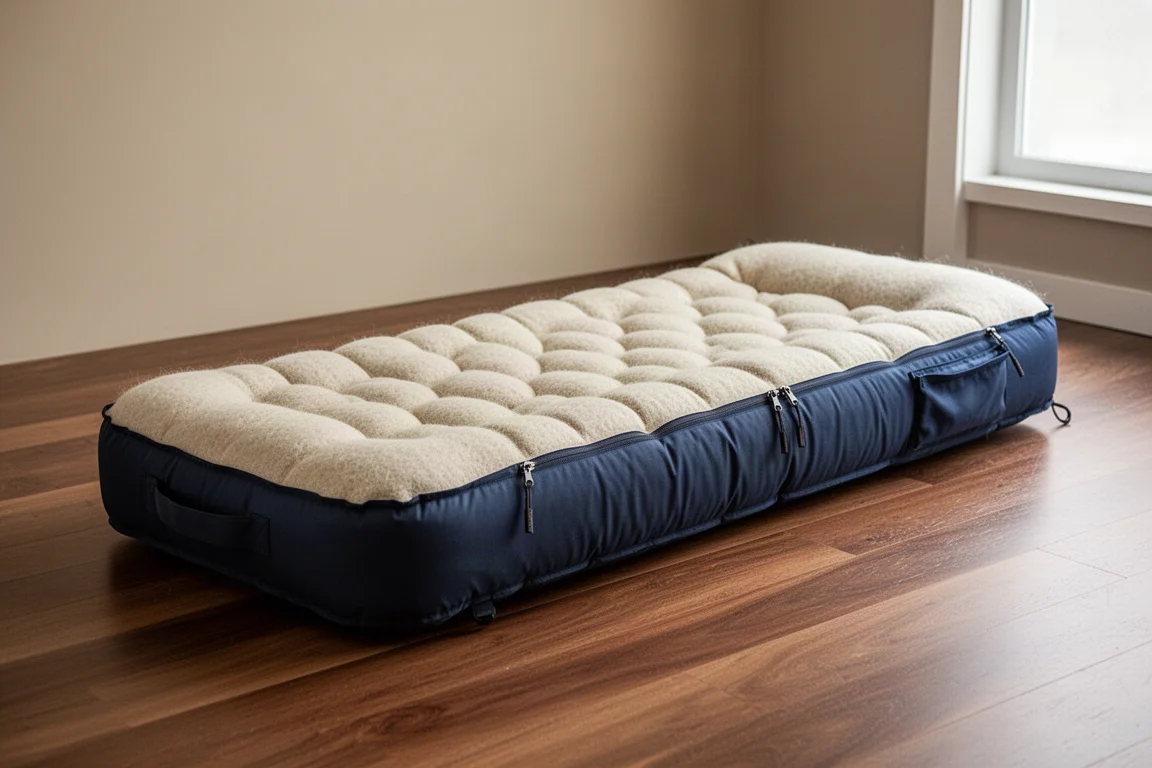
The main caveat is value. Comfort was on par with other foam-based pads, including much cheaper options, and similar-looking pads can cost roughly a quarter of the price. The quilted topper, the washability, and the pairing zippers are real advantages, but anyone shopping purely for warmth and comfort on a budget should compare carefully before committing.
Peep Pod: A Contained Sleep Space for a Baby
For a first camping trip with an infant, the sleep setup matters more than any other piece of gear. The Peep Pod was used on top of foam mattresses, giving the baby a contained, familiar-feeling space inside the tent rather than an open area on the tent floor.
It worked. The baby fell asleep inside it and stayed settled through the night, which is the outcome that counts on a first trip. Placing the pod next to the adults also kept the baby close without needing a separate sleeping area. The pod sat inside a wider play and sleep setup, including a canopy with bug-netting sides and a small mat that gave the baby a safe place to be on the ground, which matters at an age where loose gravel goes straight into the mouth.
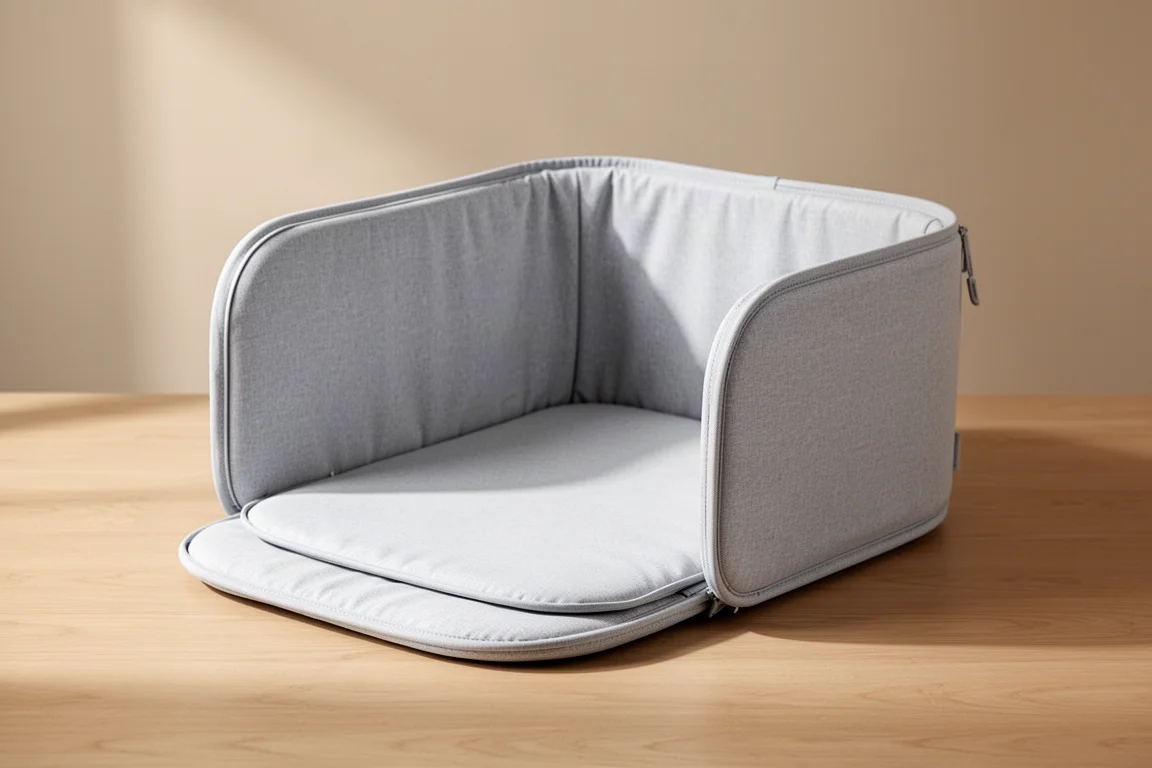
Two things outside the pod shaped how well the night went, and both are worth planning for. The first is light. Even a few days past the summer solstice, it stays bright until around 10 p.m., and a baby used to a dark room will struggle to settle in a tent that is still glowing. A darker tent, or some way to block light, would have helped considerably. The second is warmth. The evening was mild enough that a sleep sack was too much at bedtime, so the baby went down in just a onesie.
Morrison Sleep Sack: Temperature-Matched Baby Insulation
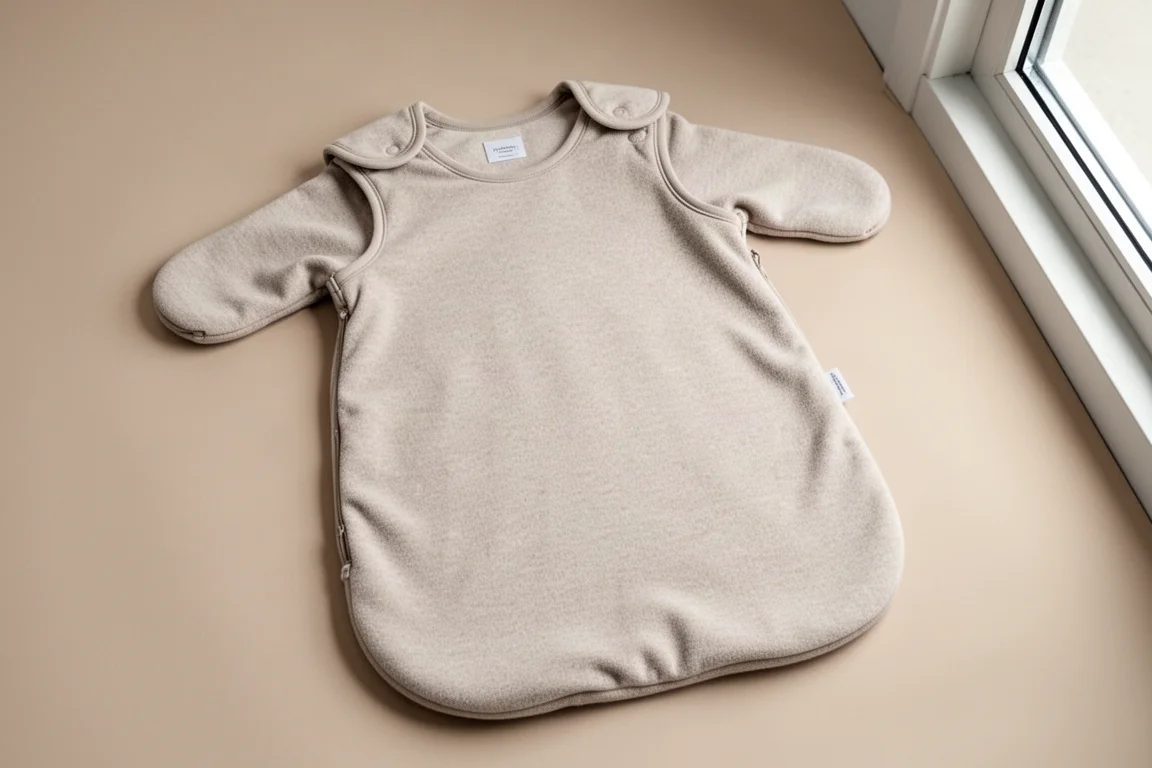
The Morrison sleep sack was used inside the pod as the baby’s insulation, and the synthetic version matched the overnight temperatures well. Having both a warmer and a slightly cooler version on hand made it easy to pick the right layer for the conditions rather than guessing before the trip.
For babies who already sleep in a sleep sack at home, keeping the same format while camping is a sensible move. Familiar sleep cues do a lot of work in an unfamiliar tent.
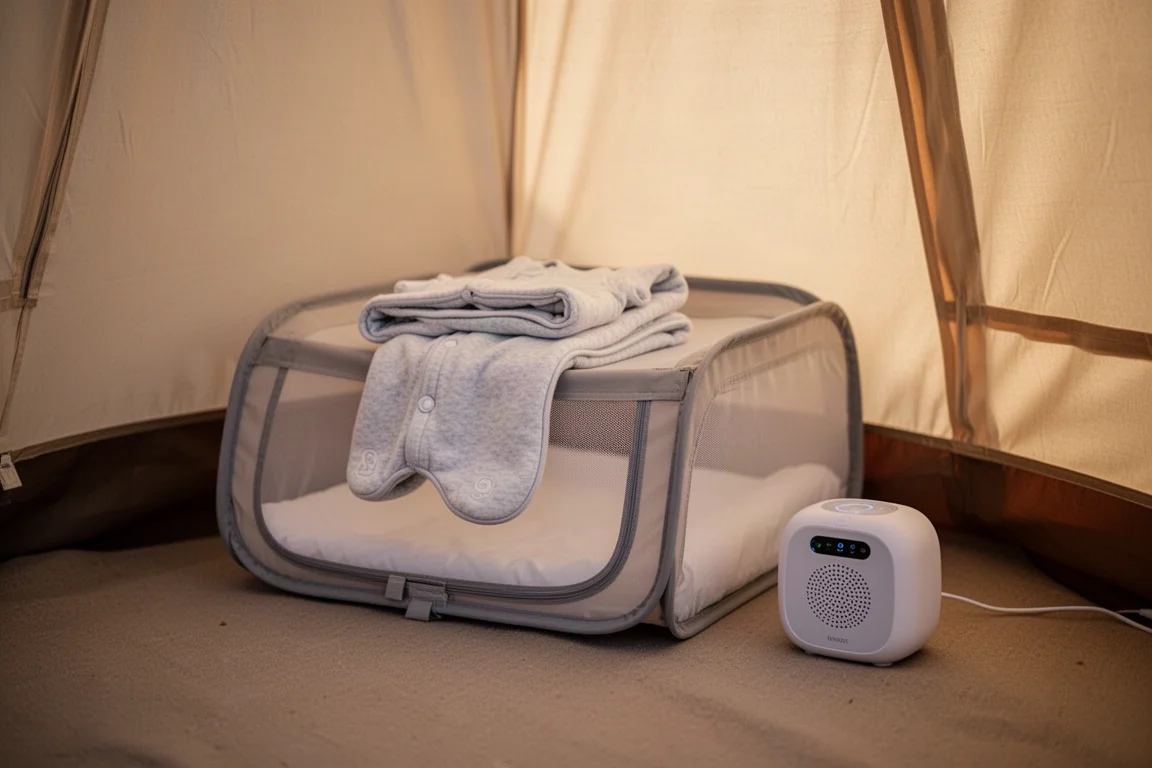
The lesson from this trip is that flexibility matters more than a single rating. When the evening was too warm, the sleep sack came off and a onesie was enough, with the sack ready for the colder hours later. Parents planning a trip should expect to adjust layers through the evening rather than settling on one setup at bedtime.
Bumbo: A Stable Seat for Meals at Camp
The Bumbo gave the baby a stable, upright place to sit for dinner while the adults ate, and that is exactly the kind of small logistical win that makes a camping trip with an infant workable. Mealtimes are the part of the day when hands are busiest, and having somewhere safe to put a baby changes the whole rhythm of the evening.
It is not camp-specific gear. The same seat gets used at home and in restaurants, which makes it easier to justify packing. For families who are already using one regularly, bringing it along is close to automatic.
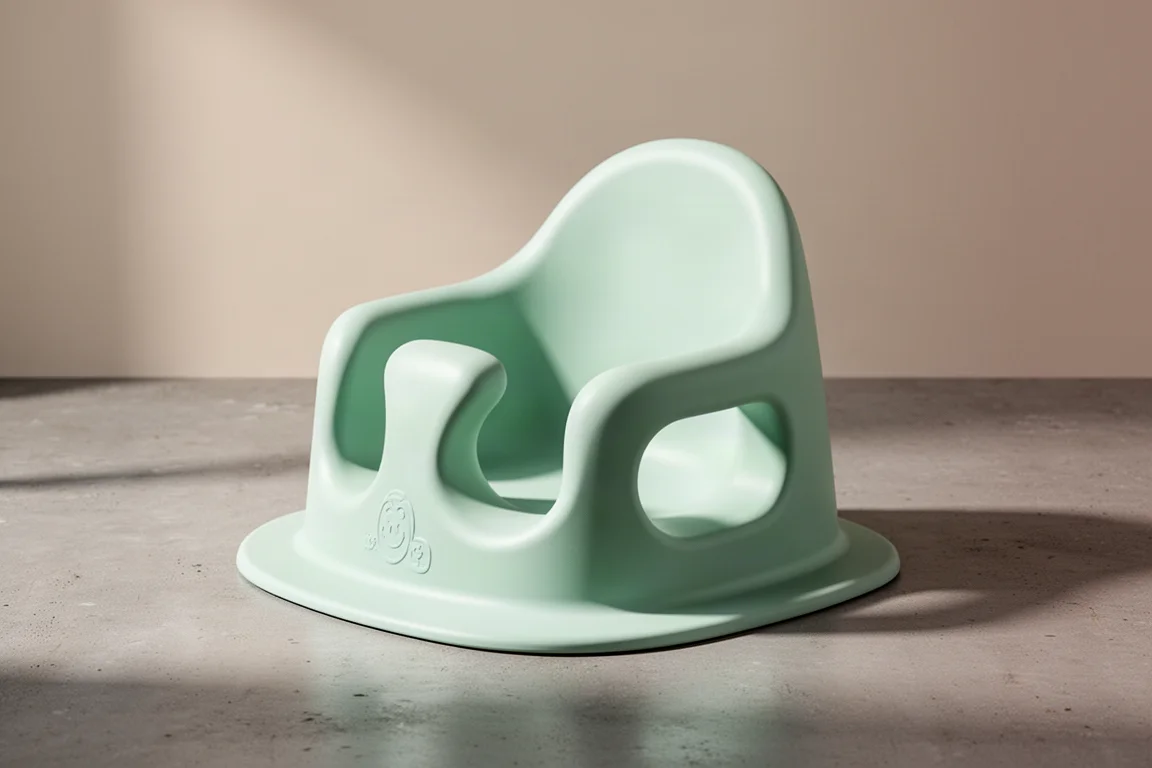
The only real cost is that it is one more item on an already long packing list. Because it is compact and used daily at home, though, it tends to earn its place.
Nemo Aurora High-Rise: Room to Grow
The tent was the biggest upgrade of the trip. The family moved from a four-person version to a six-person Nemo Aurora High-Rise, staying with a model that was already a favourite rather than switching to something unfamiliar. Going up two berths sounds excessive for one baby, but floor space disappears quickly once a sleep pod, a mattress, bags, and a dog are all inside.
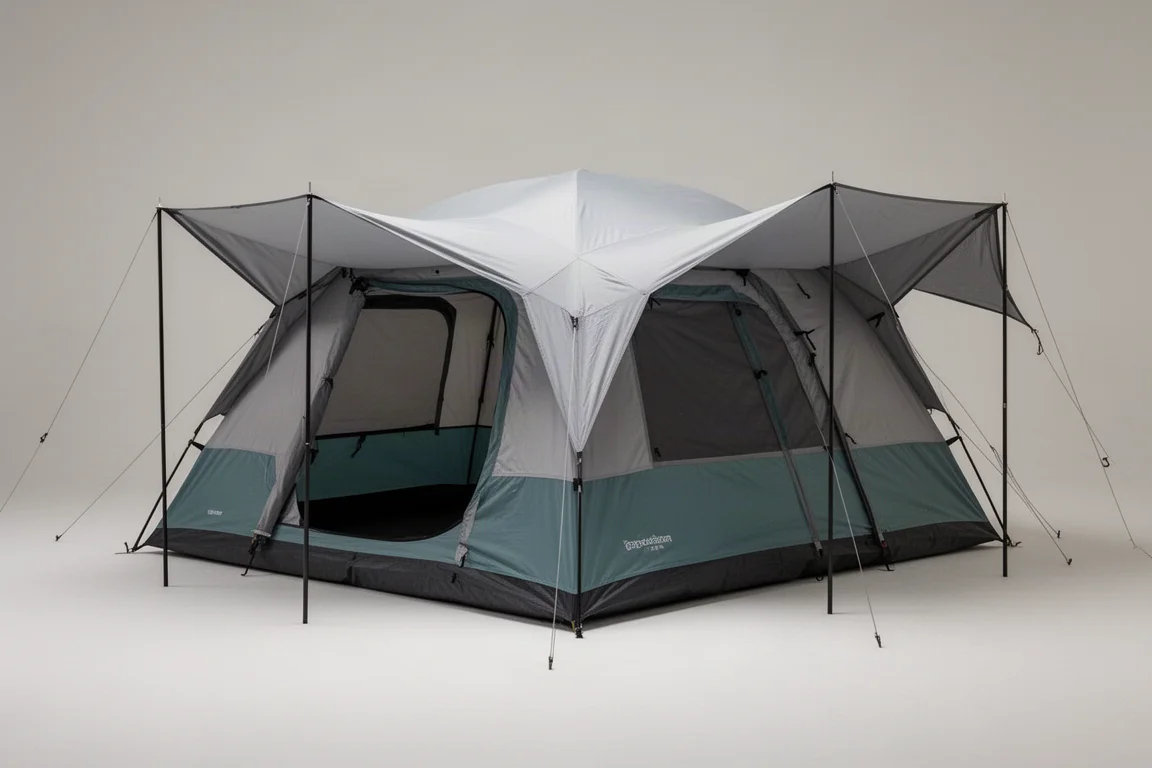
The trade-off is the usual one with larger tents. More interior space means a bigger footprint and a bulkier pack, so a six-person tent only makes sense if the extra room genuinely gets used.
Nemo Jazz Sleeping Bag: The Adults’ Sleep Setup
The adults slept in Nemo Jazz sleeping bags, paired with pillows brought from home. That pairing is worth highlighting, because a familiar pillow does more for a good night’s sleep on a camping trip than most gear upgrades do, and it costs nothing to pack.
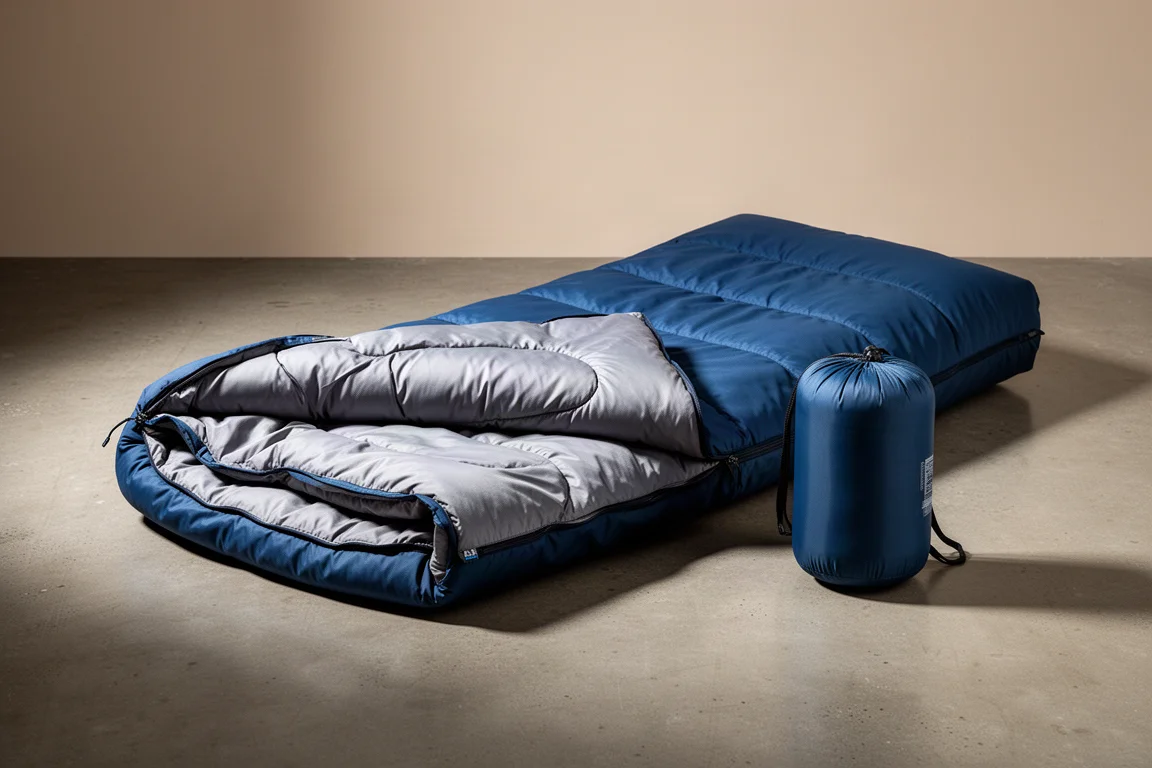
The broader point is that the adult sleep system does not need to be complicated. A dependable bag, a pillow you already like, and a warm pad underneath covers most camping conditions.
Overall Buying Advice
If you are building a family camping kit, spend first on sleep. A warm, comfortable pad and a sleep system that suits your baby will do more for a trip than any other purchase, because cold, broken sleep is what makes families stop camping altogether.
For the baby specifically, plan around two problems: light and temperature. A tent that stays bright until late evening is the single biggest obstacle to settling an infant, and layers that can be added or removed through the evening are more useful than one fixed sleep sack rating.
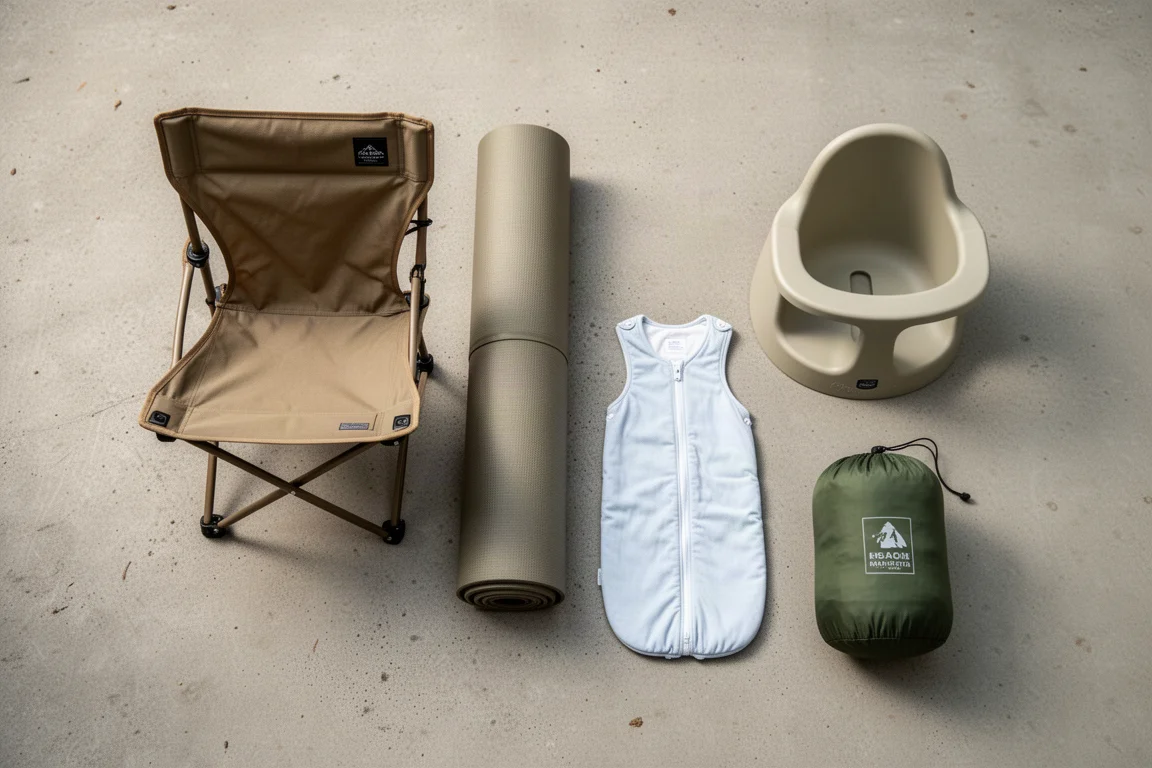
For seating and shelter, the logic is simpler. A low two-person chair is a genuine comfort upgrade if you like to lounge, and it packs smaller than a full-size loveseat. A larger tent pays off only when the extra floor space is actually needed. And a portable baby seat is the kind of item that costs little, packs easily, and removes a daily source of stress at mealtimes.
One habit worth adopting regardless of budget: bring your own pillow. It is free, it takes up space you were probably going to use anyway, and it improves sleep more reliably than most upgrades.
Conclusion
The best gear on this trip was not the most expensive or the most technical. It was the gear that solved a specific problem: a chair that sits low enough to relax in, a pad that stays warm and can be washed, a contained sleep space that helped a baby settle, and a tent with enough room for everything that comes with a family.
If you are shopping for a family trip, start with sleep and work outward. Get the sleeping surface and the baby’s layers right, then decide how much seating and shelter space you actually need. Everything else is optional.
Further reading
Related Reviews
Camping Gear
3FUL Ultralight Ground Sheet Review: A Two-Person Footprint Worth Packing
A 6.7 oz two-person ground sheet in ripstop silnylon, priced around $30. Here is what it protects, what it does not do, and who should pack it.
Camping Gear
Backcountry Light Dual-Function Tarp and Floor Review: A Footprint First
A dual-purpose tent floor and tarp that keeps falling rain off you, but cannot block wind. Here is where it works and where it does not.
Camping Gear
Best 2-Person Camping Mattresses for Couples: 10 Options Compared
A practical comparison of ten two-person camping mattresses, covering self-inflating pads, air pads and air mattresses for couples.