Ski Gear
Faction Dancer Line Review: 89 TI, 99 TI, and 99 Compared
A close look at three models from the new Faction Dancer collection: the 89 TI, the 99 TI, and the metal-free 99, covering construction, on-snow character, sizing, and who each one suits.
Introduction
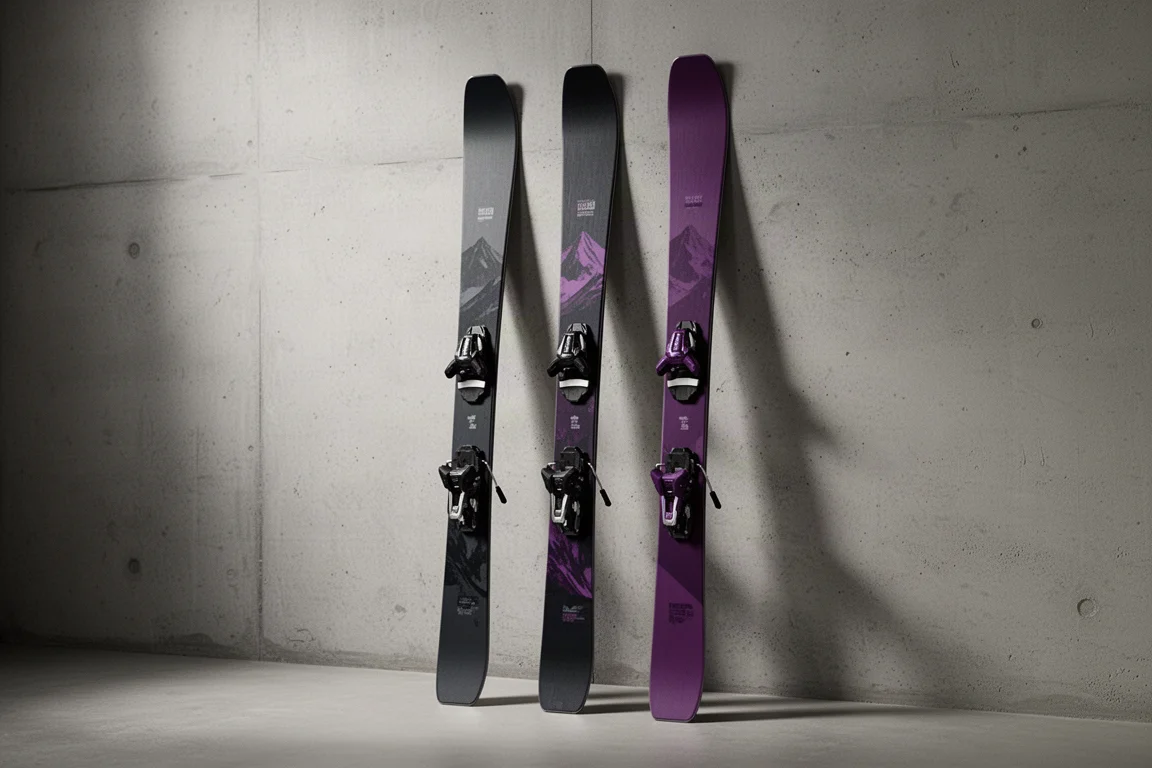
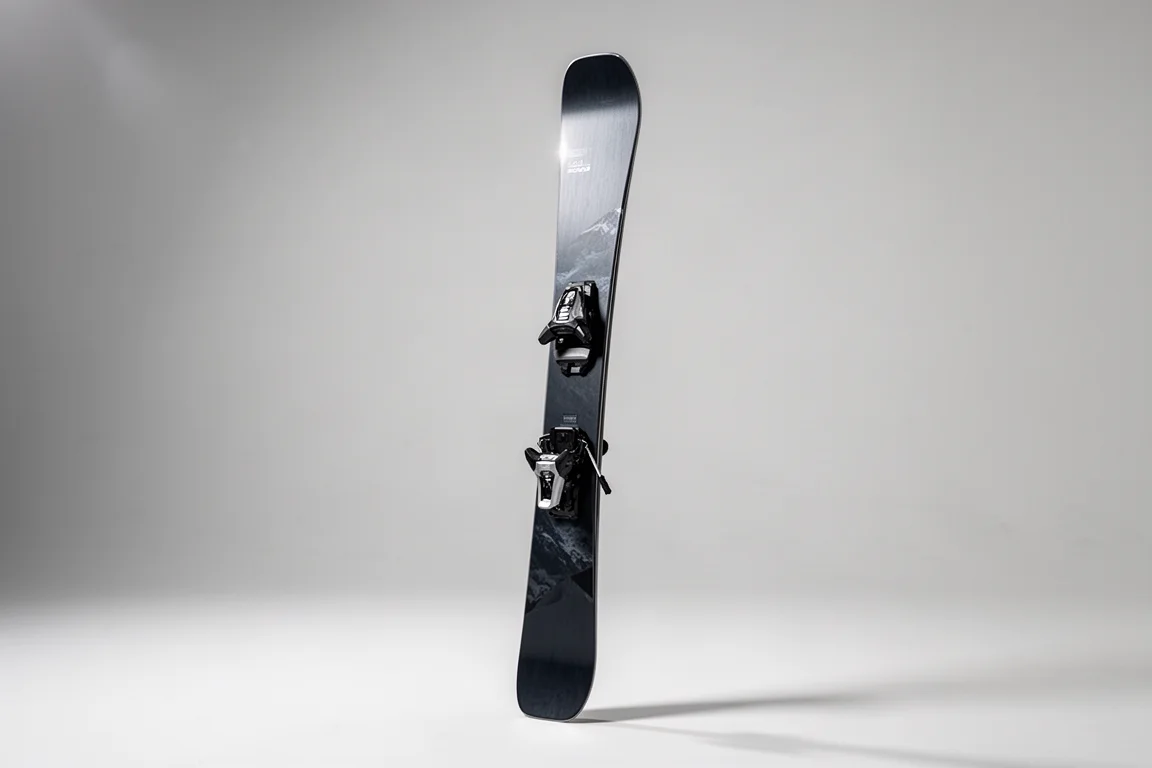
The Faction Dancer family has been reorganised for the coming season, and the structure is now easier to read at a glance. Faction has split the collection into two parallel groups: a TI group that uses two sheets of metal in the layup, and a non-TI group that keeps the same shapes with a plain poplar wood core and nothing else.
The metal side runs from the Dancer 79 TI through the 89 TI, 99 TI, and 106 TI. The metal-free side covers the 79, 89, and 99. The 79 was already the newest shape in the range, so it carries over largely unchanged, while the wider models are the genuinely new part of the story.
Three models matter most for a directional, everyday all-mountain quiver: the Dancer 89 TI, the Dancer 99 TI, and the Dancer 99 without metal. They share the same family shape and the same directional mount point, so the real differences come down to width, mass, and whether or not there is metal in the build.
How the Dancer Line Is Built
Every Dancer in this collection starts with a poplar wood core, and that core does most of the work regardless of which version you pick. The TI models add two sheets of Titanal, described as razor thin. Based on how the skis behave and what they weigh, that metal is likely in the region of 0.3 mm per sheet, which is how a metal ski can stay so close in weight to a metal-free one.
The weights tell the story. The Dancer 89 TI in a 179 cm comes in at 1830 g. The Dancer 99 without metal, at 177 cm, is 1840 g. The Dancer 99 TI at 177 cm is 1890 g. So a 99 mm metal ski weighs just 50 g more than the same shape without metal, and the narrower metal ski is lighter still. That is an unusually small gap between constructions, and it is the single most important thing to understand about how these skis ride.
Shape follows a consistent theme across the family: a tapered tip, a fairly flat tail, and a more traditional, directional mount point. There is plenty of camber underfoot, yet the profile skis flatter than the numbers suggest, which makes these skis easier to release than a metal-laminate build would normally imply.
Faction Dancer 89 TI: The Agile Metal Ski
The 89 TI is the quickest of the metal models. It weighs 1830 g at 179 cm, which is light for a ski carrying two sheets of Titanal, and that modest mass shows up first in how easily it pivots. It smears and releases in bumps, then engages and holds once you tip it over and commit to the edge.
Short, medium, and long radius turns all feel available on the same ski, and there is a genuine snap at the end of the turn when you load the tail and let it go. That combination of maneuverability and energy is what makes this shape stand out in a crowded category.
The tapered tip keeps swing weight down and makes turn entry easy, but it also means the ski is not fully locked in from tip to tail. Against heavier, more traditional metal all-mountain skis in the high 80s, the 89 TI trades some of that planted, glued-to-the-snow feel for approachability. Edge grip and power on firm groomers are still strong, and the ski holds up across a wide range of conditions without ever feeling demanding.
It also covers a lot of stylistic ground. The same ski that swings through short turns in the bumps will lay over into a long, high edge angle carve on a groomer, which is a rare combination at this weight with metal in the build.
Faction Dancer 99 TI: More Mass, More Damp
Going up one centimetre in width changes more than the footprint. The 99 TI weighs 1890 g at 177 cm, and the extra material makes itself known immediately: the ski is more damp, more stable, and noticeably slower to move from edge to edge. The step in edge-to-edge quickness from the 89 TI is significant, in the region of 15 to 20 percent slower to transition.
Once the ski is up on a high edge angle, that mass becomes an asset. It comes around with authority, holds a clean arc, and feels fun rather than punishing when you commit to it. The wider platform also makes it easy to throw sideways and scrub speed in short S-turns, which is exactly what you want in soft or variable snow.
In character, the 99 TI sits between a conventional directional metal ski and a lighter freeride shape. It is slightly less aggressive than a heavier 99 mm metal ski, with the maneuverability of a lighter freeride model and a more playful tip shape paired to a flatter tail. Compared with some other 99 mm metal skis, it feels a little less dense, which is not a criticism: it is simply a different balance of stability and ease.
Faction Dancer 99: The Metal-Free Option
The Dancer 99 uses the same shape as the 99 TI with a poplar core and no metal. It weighs 1840 g at 177 cm, only 50 g less than the metal version at the same length, and yet it rides noticeably differently.
The first thing you notice is quicker, more forgiving direction changes. The edge releases easily, the ski swings side to side with less effort, and it feels livelier underfoot, with more high-frequency feedback coming up through the ski on firm snow. That feedback is the trade-off: on hardpack the metal-free version does not track as smoothly or as consistently as the TI, and it gives up some top-end horsepower when you open it up into a high-speed carve.
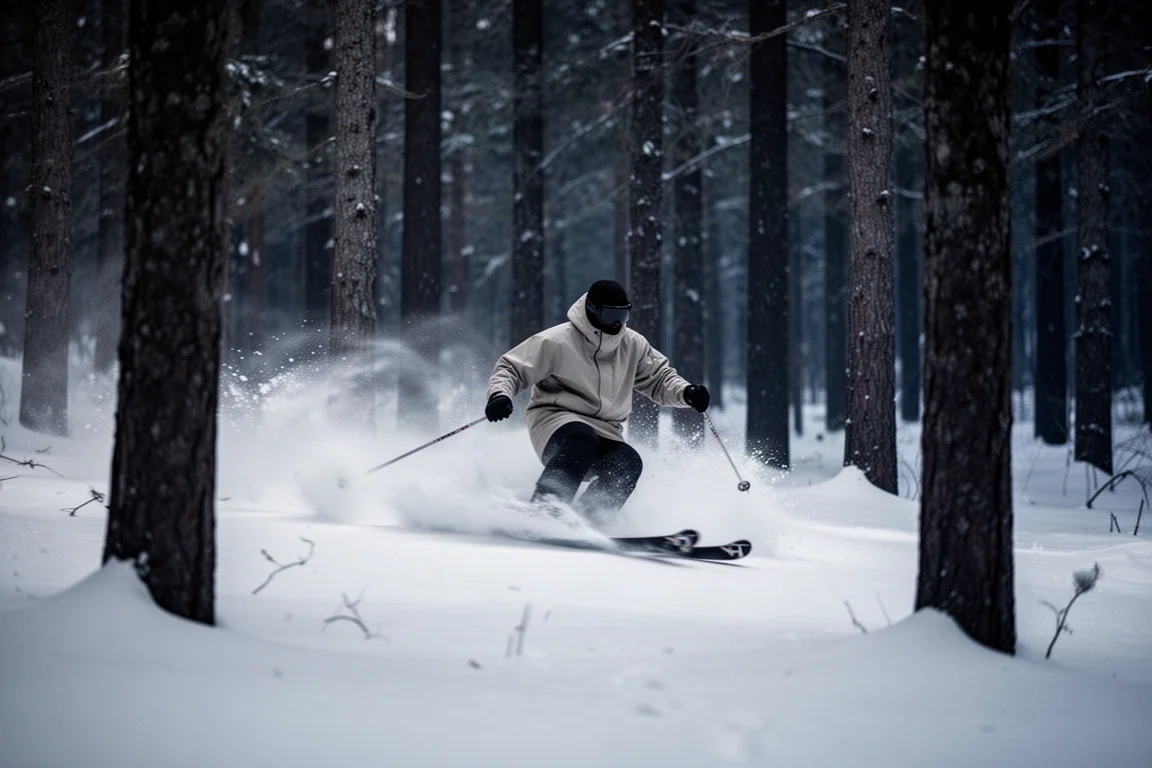
Grip is better than the low weight suggests, and the shape still carves well enough that you can lay it over and get a clean turn out of it. Where it really comes alive is in bumps, trees, and short smeared turns. Its combination of width, moderate weight, and directional shape makes it a credible single-ski quiver candidate for a rider who spends more time off the groomed line than on it.
Sizing and Length Notes
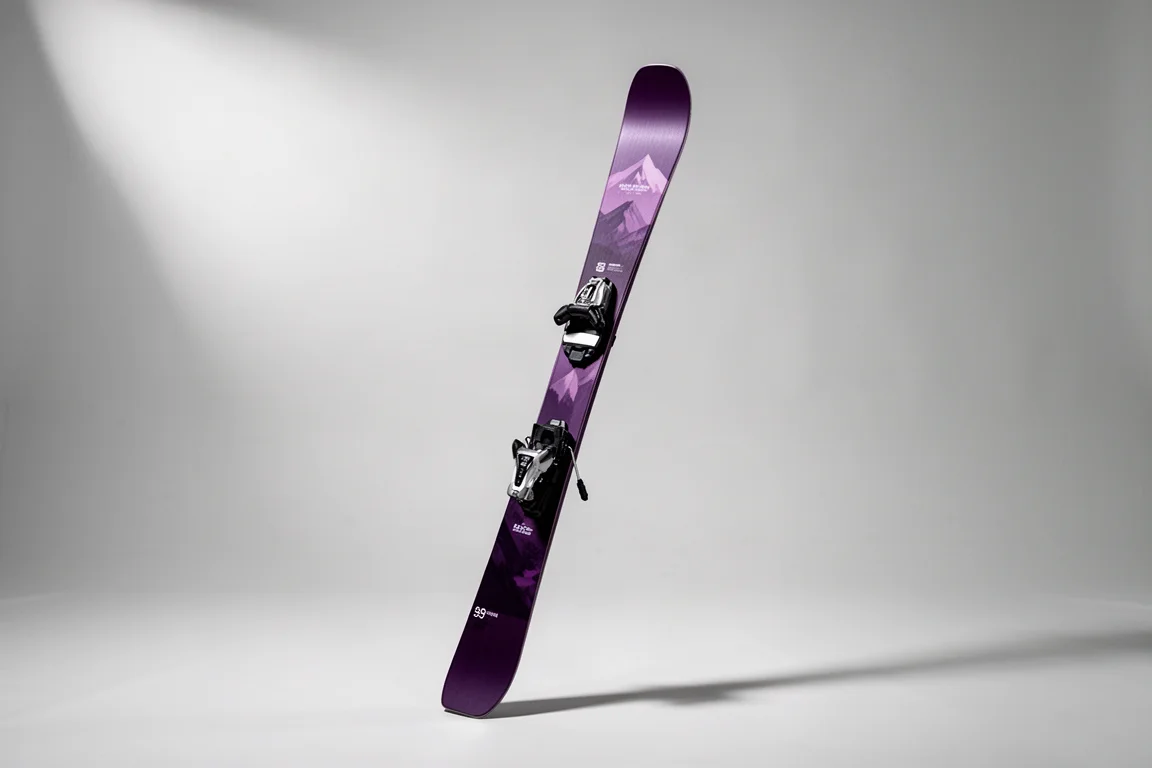
Length options are worth checking before you commit, because the three models do not offer identical runs. The Dancer 89 TI is offered in a 179 cm, which is plenty of ski for most riders, with a 185 cm available if you want more stability at speed. The 99 TI and the 99 both come in 177, 183, and 188 cm, in both metal and metal-free versions.
Sizing up on any of these buys stability and float; sizing down preserves the agility that makes the family appealing in the first place. On the 89 TI in particular, a 179 cm does not feel like a compromise, and the extra 6 cm of a 185 cm is mainly useful if the ski is going to be your dedicated carving tool.
For reference, the weights at the lengths noted are 1830 g for the 89 TI at 179 cm, 1840 g for the 99 at 177 cm, and 1890 g for the 99 TI at 177 cm.
Buying Advice: Matching a Dancer to Your Skiing
Choose the 89 TI if you want a metal-laminate all-mountain ski that still feels light and quick. It is the most versatile of the three across turn shapes, it handles bumps and firm groomers with equal composure, and it asks very little of the rider. If your priority is maneuverability with a bit of metal damping underneath, this is the model to start with.
Choose the 99 TI if you want more mass, more damping, and a wider platform, and you are willing to accept slower edge-to-edge transitions in exchange. It rewards a committed, higher edge angle style and it is the better pick for soft snow, crud, and higher speeds.
Choose the 99 if you want the same shape as the 99 TI with the metal removed. It is quicker, more forgiving, and more playful, and it is the most natural fit for bumps and trees. You give up some smoothness on hardpack and some top-end stability, which is a fair trade if you rarely ski fast on firm snow.
One thing to keep in mind across all three: the Dancer family is directional, with a tapered tip, a flat tail, and a traditional mount point. That makes them well suited to all-mountain skiing and less suited to switch riding and park laps. Faction has built its reputation largely on freestyle and freeride shapes, so this directional all-mountain category is a newer space for the brand, but the shapes themselves stand on their own merits.
Conclusion
The new Dancer collection is a coherent, well-differentiated family. The 89 TI is the agile metal ski, the 99 TI is the damp and stable wider option, and the 99 delivers most of the 99 TI’s shape with a lighter, more forgiving ride. Because the weights sit so close together across the metal and non-metal builds, the decision comes down less to construction and more to the personality you want underfoot.
Any of the three will serve a directional all-mountain skier well. Pick the width and the damping level that match your terrain and your speed, and the rest of the family’s strengths, the tapered tip, the energetic tail, and the easy turn entry, come along for the ride.
Further reading
Related Reviews

Ski Gear
2023 Blizzard Hustle vs Rustler: Six Freeride Skis Compared
Blizzard's 2023 Hustle collection rebuilds the Rustler shape with a lighter core and no metal. Here is how all six skis differ, and which one suits your riding.

Ski Gear
2023 Skis of the Year: Atomic Maverick 88 TI, Salomon QST 106, and Look SPX 12 Pro
Three standout ski picks for all-mountain carving, powder days, and reliable binding performance, with practical buying notes for 2023 models.

Ski Gear
2025 Nordica Enforcer 104 Review: A Directional Charger Replaces the 104 Free
The 2025 Nordica Enforcer 104 drops the Free name and the twin-tip personality, gaining weight, stiffness and composure in rough snow. Here is what changed and who it suits.