Art Supplies
Faber-Castell Pitt Pastel Pencils (36 Count): A Full Portrait Test
We put the 36-count Faber-Castell Pitt Pastel Pencils to the test on a full portrait drawing to see how they layer, blend, and hold up over a longer project.
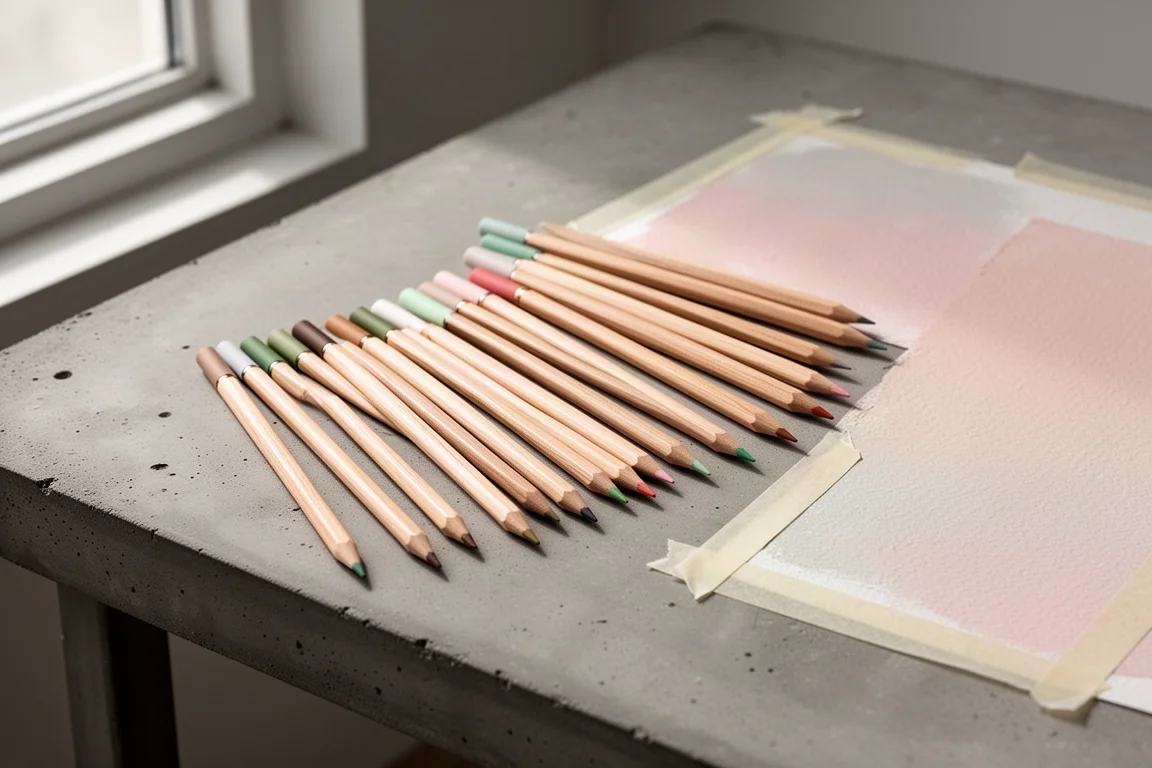
Introduction
Pastel pencils sit in an interesting corner of the art supply world. They promise the blendability of chalk pastels with the control of a pencil, but quality varies enormously between beginner sets and professional lines. To see where the Faber-Castell Pitt Pastel Pencils 36-count set lands, we took them through a complete project: a moody portrait drawn from a royalty-free reference photo, built up over multiple sessions with base layers, blending, and fine detail work.
The point of a test like this is not a quick swatch. It is to find out how a supply behaves when you actually lean on it: how it layers, how it blends, how it handles skin tones and hair, and whether the process stays enjoyable from start to finish.
First Impressions and Feel
Coming from a small beginner set of chalk-style pastel pencils years ago, the difference in quality is noticeable right away. The Pitt pencils have a chalk-like feel, but the core is firmer and holds together better in pencil form, so it does not break as easily as a stick of chalk. The pigment also feels a little cleaner in use: the powder residue does not shed off with each stroke the way loose chalk does, which keeps the working surface and your hands tidier.
The set covers a useful range for portraits, with enough variety to block in skin, hair, and background tones without running back for substitutions. For anyone moving up from a starter pastel set, this is the kind of upgrade that changes what the medium feels like to use.
Setup: Paper and Approach
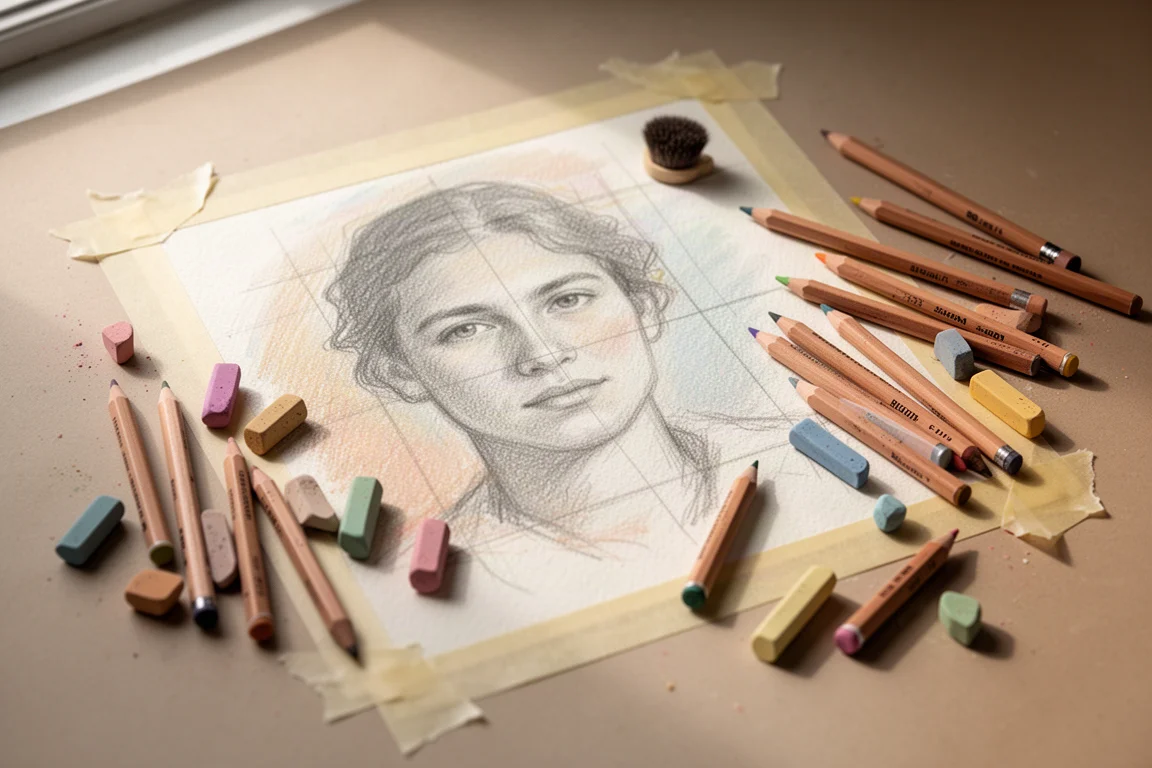
For a pastel project, paper choice matters as much as the pencils. We used a paper with a noticeable tooth, made for pastels, so pigment could settle into the grooves and support layer upon layer. A simple light grid of a few lines helped lock in proportions quickly without turning the sketch into a project of its own, and masking tape around the edges promised crisp borders once the piece was finished.
Working from a reference photo rather than inventing a composition kept the focus where it belonged: on testing the supply. The chosen reference, a portrait seen from a slightly low angle as the subject turns her head, added an extra challenge and kept things interesting.
Layering and Blending Performance
This is where the Pitt pencils genuinely shine. Blending is beautiful and easy, noticeably more forgiving than colored pencil. Skin tones in particular took more layering than expected, but the process stayed smooth because the pigment merges so willingly between layers.
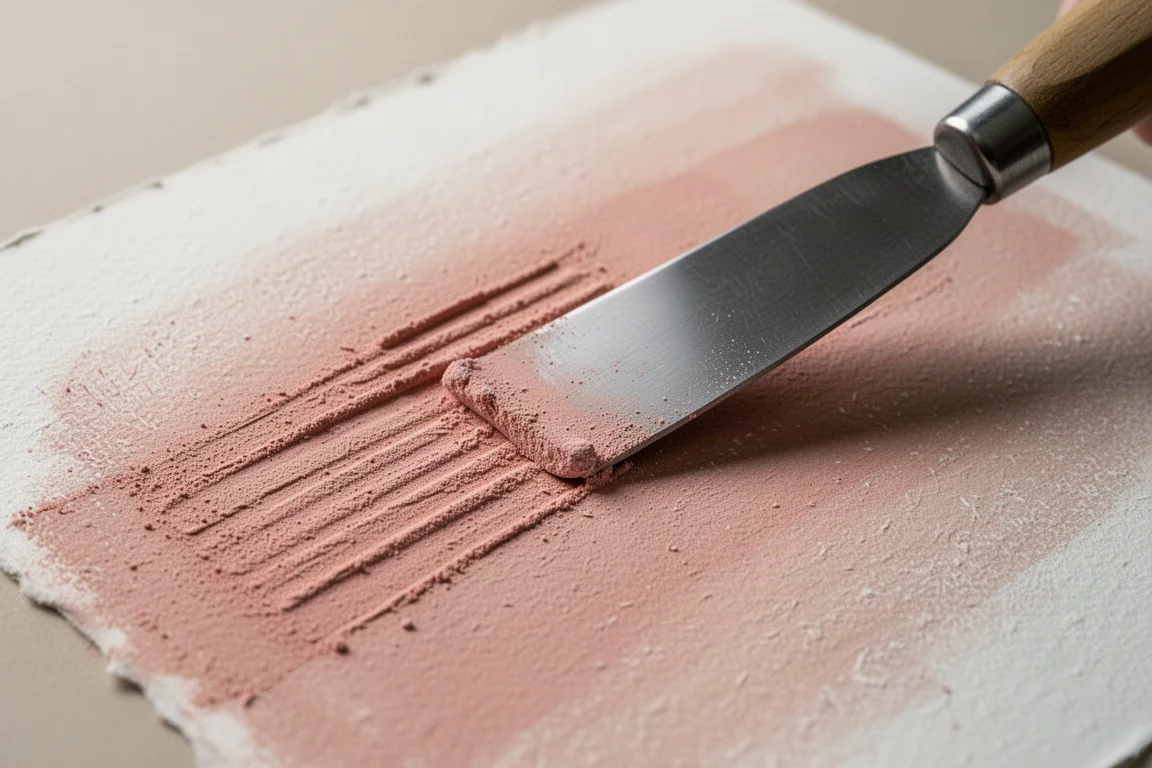
A practical tip for anyone with texture sensitivities: fingers, cotton balls, and paper stumps are not the only way to blend. A flat blending knife, like the Sofft Knife found in the pastel aisle at art stores, presses pigment down into the paper’s grooves cleanly and comfortably, and it made the blending stage far more pleasant. Building soft base layers first, then returning for detail afterward, gave the drawing a solid foundation without muddying the surface.
The Detail Stage: Skin Tones and Hair
Once everything is blocked in, the process shifts from mapping to refining, and that is when a piece starts to come to life. The pencils handled subtle color shifts well. Adding blues and purples into the shadows of the skin gave the face a cooler, moodier cast, and the pastel blended those tones out without fighting back.
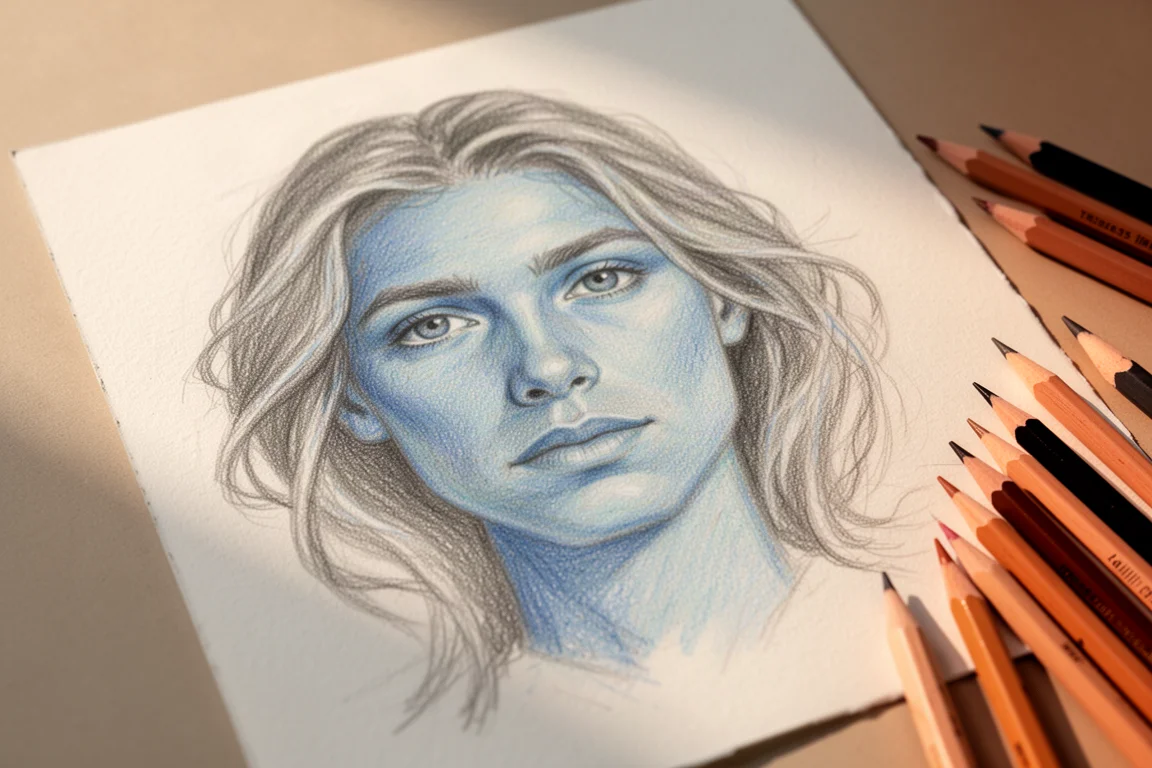
Hair was the most enjoyable part of the project. Choosing the flow and movement of strands, then keeping the detail intentionally simple rather than overworked, played to the medium’s strengths. Pastel rewards softness, and knowing when to stop adding strands is part of getting a natural result.
Things to Consider Before Buying
Pastels are a specific medium, and it is worth being honest about that. Even with a high-quality set like this, the family has a distinct chalky feel against the paper that will not suit everyone. Artists who prefer the precision of colored pencil may find the blendability convenient but the overall experience less appealing.
The trade-off is real but manageable: blending is far easier than colored pencil, mess is relatively contained for a pastel product, and the results can be genuinely beautiful. If you already know you enjoy pastels, this set will not disappoint. If you are pastel-curious, it is a strong way to find out without fighting poor-quality pigment.
Final Thoughts and Rating
Judged purely on quality, this set earns a very high mark: roughly an 8 to 9 out of 10. The pencils layer well, blend beautifully, hold their structure, and the finished portrait turned out well enough to be genuinely satisfying to peel the tape off and reveal those crisp borders. Faber-Castell’s supplies in general tend to impress on quality, and this set is no exception.
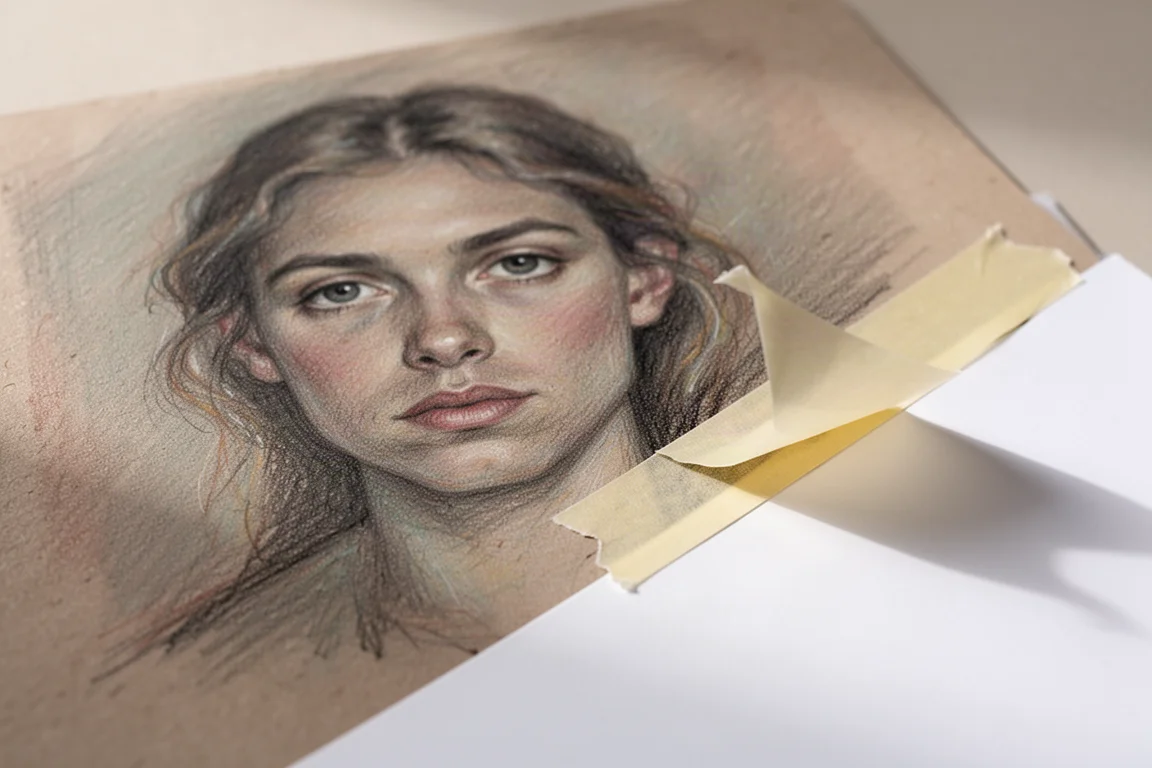
Personal taste is a separate question. For artists who love colored pencil and oil paint, pastels may still sit near the bottom of the personal preference list, and that is fine. Different artists enjoy different tools, and the medium you dislike might be someone else’s favorite.
Conclusion
The Faber-Castell Pitt Pastel Pencils 36-count set is a high-quality entry into pastel work that blends easily, layers predictably, and produced a rewarding finished portrait in a full project test. Whether they belong in your kit depends less on quality, which is excellent, and more on whether the pastel medium itself appeals to you. If it does, this set is an easy recommendation.
Product link
View more details for Faber-Castell Pitt Pastel Pencils 36 Count Set
This product is mentioned in the review. Check the specifications, options, and compatibility before buying.
View more details for Faber-Castell Pitt Pastel Pencils 36 Count SetFurther reading
Related Reviews
Art Supplies
Art Pop Watercolor Pencils 48-Color Set: A Thoughtfully Designed Student-Grade Option
The Art Pop 48-color watercolor pencil set blends well, dissolves smoothly, and includes artist-friendly details like barrel-printed color names, all at an affordable price.
Art Supplies
Artics Acrylic Markers 3mm Review: Versatile Paint Markers With a Few Caveats
A 48-color set of water-based acrylic paint markers that blend while wet, dry permanent, and keep the price low, though safety transparency remains a question.
Art Supplies
Best Art Supplies Worth Your Money: Pencils, Pens, Paints, and Paper That Earned Their Spot
After years of daily use and testing, these are the pencils, pens, watercolors, gouache, brushes, sketchbooks, and erasers that stand above the rest.